




Uri Hertz
@urihertz.bsky.social
PI at the cog-sci dept at the university of Haifa. Social-cognitive-computational psychology, and sometimes neuroscience.
www.socialdecisionlab.net
www.socialdecisionlab.net
Pinned
Uri Hertz
@urihertz.bsky.social
· Nov 26

Adaptive empathic response selection is sensitive to multiple dimensions of social interaction - Communications Psychology
When providing emotional support and deciding on an empathic reaction, responders were sensitive to changes in the person requiring empathy, the emotional state of that person, and the cause of their ...
www.nature.com
New paper! Led by Elena Kozakevitch-Arbel, with Simone Shamay-Tsoory, we used multi-dimensional reinforcement learning approach to examine whether people are sensitive to different dimensions of social scenarios during empathic interactions www.nature.com/articles/s44... 🧵
Reposted by Uri Hertz

Our experiences have countless details, and it can be hard to know which matter.
How can we behave effectively in the future when, right now, we don't know what we'll need?
Out today in @nathumbehav.nature.com , @marcelomattar.bsky.social and I find that people solve this by using episodic memory.
How can we behave effectively in the future when, right now, we don't know what we'll need?
Out today in @nathumbehav.nature.com , @marcelomattar.bsky.social and I find that people solve this by using episodic memory.

Episodic memory facilitates flexible decision-making via access to detailed events - Nature Human Behaviour
Nicholas and Mattar found that people use episodic memory to make decisions when it is unclear what will be needed in the future. These findings reveal how the rich representational capacity of episod...
www.nature.com
January 23, 2026 at 1:18 PM
Our experiences have countless details, and it can be hard to know which matter.
How can we behave effectively in the future when, right now, we don't know what we'll need?
Out today in @nathumbehav.nature.com , @marcelomattar.bsky.social and I find that people solve this by using episodic memory.
How can we behave effectively in the future when, right now, we don't know what we'll need?
Out today in @nathumbehav.nature.com , @marcelomattar.bsky.social and I find that people solve this by using episodic memory.
Reposted by Uri Hertz

People form beliefs not only as individual agents, but as members of social groups.
Children (4-6 years old) who belonged to a group were more convinced by evidence that supported their ingroup’s belief (and were less convinced by evidence that opposed their ingroup): www.nature.com/articles/s41...
Children (4-6 years old) who belonged to a group were more convinced by evidence that supported their ingroup’s belief (and were less convinced by evidence that opposed their ingroup): www.nature.com/articles/s41...

February 16, 2026 at 7:17 PM
People form beliefs not only as individual agents, but as members of social groups.
Children (4-6 years old) who belonged to a group were more convinced by evidence that supported their ingroup’s belief (and were less convinced by evidence that opposed their ingroup): www.nature.com/articles/s41...
Children (4-6 years old) who belonged to a group were more convinced by evidence that supported their ingroup’s belief (and were less convinced by evidence that opposed their ingroup): www.nature.com/articles/s41...
Reposted by Uri Hertz

How did childhood evolve? @andrameneganzin.bsky.social & @adrian-currie.bsky.social argue that childhood is a ‘trait complex,’ and this engenders trade-offs between the precision & historical relevance of tests performed in #BehavioralEcology 👇📃 www.sciencedirect.com/science/arti... #evosky #philsci

February 16, 2026 at 9:39 AM
How did childhood evolve? @andrameneganzin.bsky.social & @adrian-currie.bsky.social argue that childhood is a ‘trait complex,’ and this engenders trade-offs between the precision & historical relevance of tests performed in #BehavioralEcology 👇📃 www.sciencedirect.com/science/arti... #evosky #philsci
Reposted by Uri Hertz
Article w/ @mfhansen.bsky.social out and open access. In it we outline key historical patterns and the changes in primatology and the behavioural sciences regarding the concepts of primate culture.
Interested in primatology and culture (and history)? check it out!
link.springer.com/article/10.1...
Interested in primatology and culture (and history)? check it out!
link.springer.com/article/10.1...

The evolution of the concepts of ‘primate culture’ in Western science - Primates
While most scholars across the social and biological sciences acknowledge that human culture is distinctive in the comparative context there is widespread acknowledgment that some form of culture does...
link.springer.com
February 13, 2026 at 1:42 PM
Article w/ @mfhansen.bsky.social out and open access. In it we outline key historical patterns and the changes in primatology and the behavioural sciences regarding the concepts of primate culture.
Interested in primatology and culture (and history)? check it out!
link.springer.com/article/10.1...
Interested in primatology and culture (and history)? check it out!
link.springer.com/article/10.1...
Reposted by Uri Hertz
Another good critique of the EES is this adversarial collaboration by @thomscottphillips.bsky.social et al. (2014): academic.oup.com/evolut/artic...

THE NICHE CONSTRUCTION PERSPECTIVE: A CRITICAL APPRAISAL2
Abstract. Niche construction refers to the activities of organisms that bring about changes in their environments, many of which are evolutionarily and eco
academic.oup.com
February 12, 2026 at 7:51 PM
Another good critique of the EES is this adversarial collaboration by @thomscottphillips.bsky.social et al. (2014): academic.oup.com/evolut/artic...
Reposted by Uri Hertz

Our cultural backgrounds almost always (perhaps unavoidably) influence our epistemology & the questions we ask. Especially in the human sciences. E.g. some really interesting discussion here about how renascence values shape our thinking about neanderthal artwork.
www.cambridge.org/core/journal...
www.cambridge.org/core/journal...

Art beyond cognition: reframing Neanderthal art through social connectivity and cultural transmission | Evolutionary Human Sciences | Cambridge Core
Art beyond cognition: reframing Neanderthal art through social connectivity and cultural transmission - Volume 7
www.cambridge.org
February 5, 2026 at 7:10 PM
Our cultural backgrounds almost always (perhaps unavoidably) influence our epistemology & the questions we ask. Especially in the human sciences. E.g. some really interesting discussion here about how renascence values shape our thinking about neanderthal artwork.
www.cambridge.org/core/journal...
www.cambridge.org/core/journal...
Reposted by Uri Hertz

Very happy to see "Pretending not to know reveals a capacity for model-based self-simulation", a collaboration with @chazfirestone.bsky.social and @ianbphillips.bsky.social, out in Psych. Science!
journals.sagepub.com/doi/10.1177...
🧵
journals.sagepub.com/doi/10.1177...
🧵
February 10, 2026 at 5:25 PM
Very happy to see "Pretending not to know reveals a capacity for model-based self-simulation", a collaboration with @chazfirestone.bsky.social and @ianbphillips.bsky.social, out in Psych. Science!
journals.sagepub.com/doi/10.1177...
🧵
journals.sagepub.com/doi/10.1177...
🧵
Reposted by Uri Hertz
📢 New Paper 🚨
Hadza food-sharing is egalitarian, yet offers in giving games have never matched the equitable redistribution seen in real life.
In this study, we allowed people to give *or* take. Lifelike equitable distributions only appeared when people took from peers in surplus.
bit.ly/4kvLOwA
Hadza food-sharing is egalitarian, yet offers in giving games have never matched the equitable redistribution seen in real life.
In this study, we allowed people to give *or* take. Lifelike equitable distributions only appeared when people took from peers in surplus.
bit.ly/4kvLOwA

The “I” in egalitarianism: Hadza hunter-gatherers averse to inequality primarily when personally unfavorable
Abstract. Many economists contend that humans have strong, universal, other-regarding equality preferences with deep evolutionary roots. Indeed, many hunte
academic.oup.com
February 10, 2026 at 4:23 PM
📢 New Paper 🚨
Hadza food-sharing is egalitarian, yet offers in giving games have never matched the equitable redistribution seen in real life.
In this study, we allowed people to give *or* take. Lifelike equitable distributions only appeared when people took from peers in surplus.
bit.ly/4kvLOwA
Hadza food-sharing is egalitarian, yet offers in giving games have never matched the equitable redistribution seen in real life.
In this study, we allowed people to give *or* take. Lifelike equitable distributions only appeared when people took from peers in surplus.
bit.ly/4kvLOwA
Reposted by Uri Hertz
1/ Breaking down the "Trilingual Gender Stereotypes Database" (TGSD)—a new, validated resource for understanding how gender stereotypes work across English, Hebrew, and Arabic. #SocialPsych #Stereotypes #PsychSciSky
February 9, 2026 at 5:37 PM
1/ Breaking down the "Trilingual Gender Stereotypes Database" (TGSD)—a new, validated resource for understanding how gender stereotypes work across English, Hebrew, and Arabic. #SocialPsych #Stereotypes #PsychSciSky
Reposted by Uri Hertz

Very happy to see our ice-fishing paper on the cover of @science.org this week! 🎣🎉
We tracked large groups of Finnish competitive ice-fishers to study how social foragers use social information when searching for resources. 🐟
Link: www.science.org/doi/10.1126/... (contact me for open access)
We tracked large groups of Finnish competitive ice-fishers to study how social foragers use social information when searching for resources. 🐟
Link: www.science.org/doi/10.1126/... (contact me for open access)
www.science.org
January 30, 2026 at 12:36 PM
Very happy to see our ice-fishing paper on the cover of @science.org this week! 🎣🎉
We tracked large groups of Finnish competitive ice-fishers to study how social foragers use social information when searching for resources. 🐟
Link: www.science.org/doi/10.1126/... (contact me for open access)
We tracked large groups of Finnish competitive ice-fishers to study how social foragers use social information when searching for resources. 🐟
Link: www.science.org/doi/10.1126/... (contact me for open access)
Reposted by Uri Hertz
Thrilled to share our latest paper, out now in Science Advances! We explored the development of cooperative behaviors — fairness, trustworthiness, forgiveness, & honesty — across five societies, culturally contextualizing them & seeing how they correlate. (1/5) www.science.org/doi/full/10....

February 7, 2026 at 3:09 PM
Thrilled to share our latest paper, out now in Science Advances! We explored the development of cooperative behaviors — fairness, trustworthiness, forgiveness, & honesty — across five societies, culturally contextualizing them & seeing how they correlate. (1/5) www.science.org/doi/full/10....
Reposted by Uri Hertz

Very excited that this paper is out!
www.science.org/doi/full/10....
Led by the fabulous @dorsaamir.bsky.social with invaluable contributions from many awesome collaborators.
www.science.org/doi/full/10....
Led by the fabulous @dorsaamir.bsky.social with invaluable contributions from many awesome collaborators.

The emergence of cooperative behaviors, norms, and strategies across five diverse societies
Children’s cooperative behaviors and norms develop along distinct cultural pathways shaped by local norms.
www.science.org
February 6, 2026 at 10:25 PM
Very excited that this paper is out!
www.science.org/doi/full/10....
Led by the fabulous @dorsaamir.bsky.social with invaluable contributions from many awesome collaborators.
www.science.org/doi/full/10....
Led by the fabulous @dorsaamir.bsky.social with invaluable contributions from many awesome collaborators.
Reposted by Uri Hertz

For anyone teaching/studying/researching the evolution of language, we wrote a framework paper especially for you!
It lays out how bridging diverse fields can give new insights into this most mysterious of human traits.
There's a link for free access on MPI website here:
www.mpi.nl/publications...
🧪
It lays out how bridging diverse fields can give new insights into this most mysterious of human traits.
There's a link for free access on MPI website here:
www.mpi.nl/publications...
🧪

What enables human language? A biocultural framework
Explaining the origins of language is a key challenge in understanding ourselves as a species. We present an empirical framework that draws on synergies across fields to facilitate robust studies of l...
www.science.org
February 6, 2026 at 1:12 PM
For anyone teaching/studying/researching the evolution of language, we wrote a framework paper especially for you!
It lays out how bridging diverse fields can give new insights into this most mysterious of human traits.
There's a link for free access on MPI website here:
www.mpi.nl/publications...
🧪
It lays out how bridging diverse fields can give new insights into this most mysterious of human traits.
There's a link for free access on MPI website here:
www.mpi.nl/publications...
🧪
Reposted by Uri Hertz
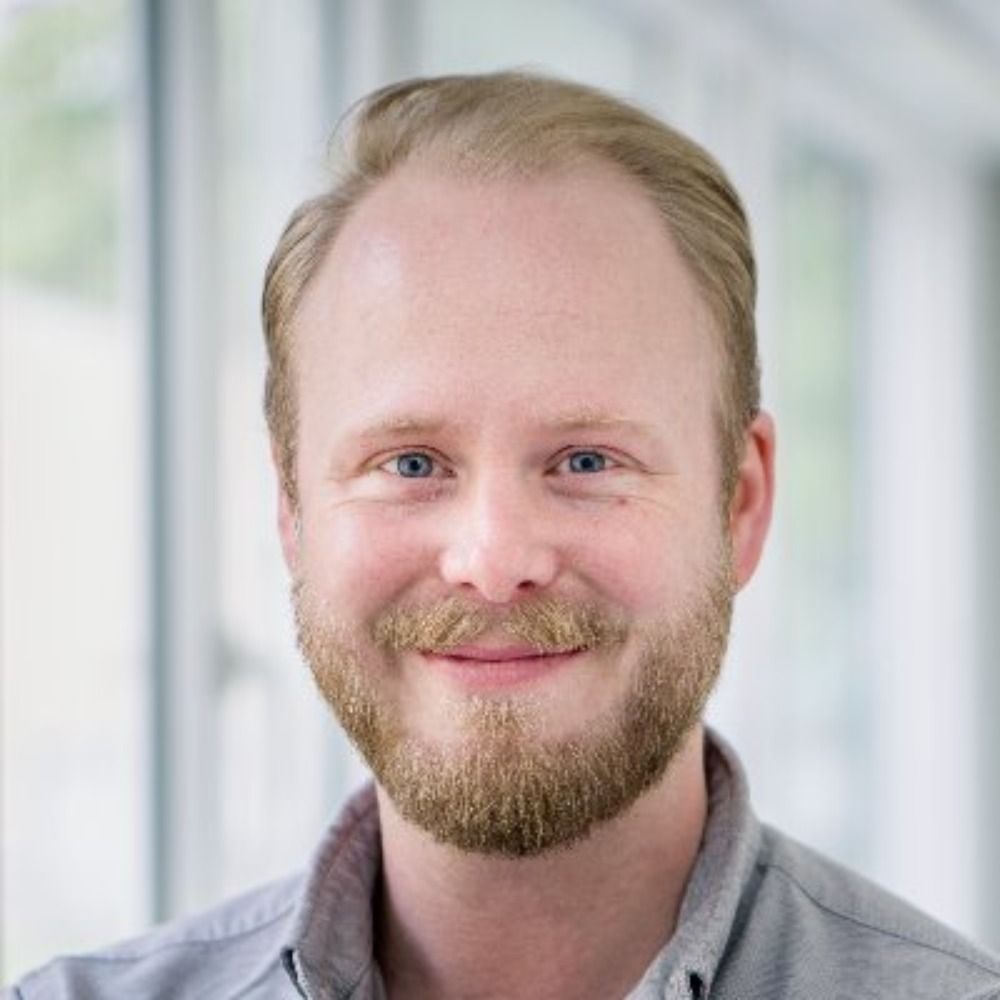
🚨 New publication 🚨
Excited to share this new forum piece led by @kevinetiede.bsky.social
We propose broadening risk communication to cover neglected dimensions outlined in our risk-information taxonomy, requiring greater reliance on simulated experiences.
Open access: doi.org/10.1016/j.ti...
Excited to share this new forum piece led by @kevinetiede.bsky.social
We propose broadening risk communication to cover neglected dimensions outlined in our risk-information taxonomy, requiring greater reliance on simulated experiences.
Open access: doi.org/10.1016/j.ti...

February 6, 2026 at 2:20 PM
🚨 New publication 🚨
Excited to share this new forum piece led by @kevinetiede.bsky.social
We propose broadening risk communication to cover neglected dimensions outlined in our risk-information taxonomy, requiring greater reliance on simulated experiences.
Open access: doi.org/10.1016/j.ti...
Excited to share this new forum piece led by @kevinetiede.bsky.social
We propose broadening risk communication to cover neglected dimensions outlined in our risk-information taxonomy, requiring greater reliance on simulated experiences.
Open access: doi.org/10.1016/j.ti...
Reposted by Uri Hertz
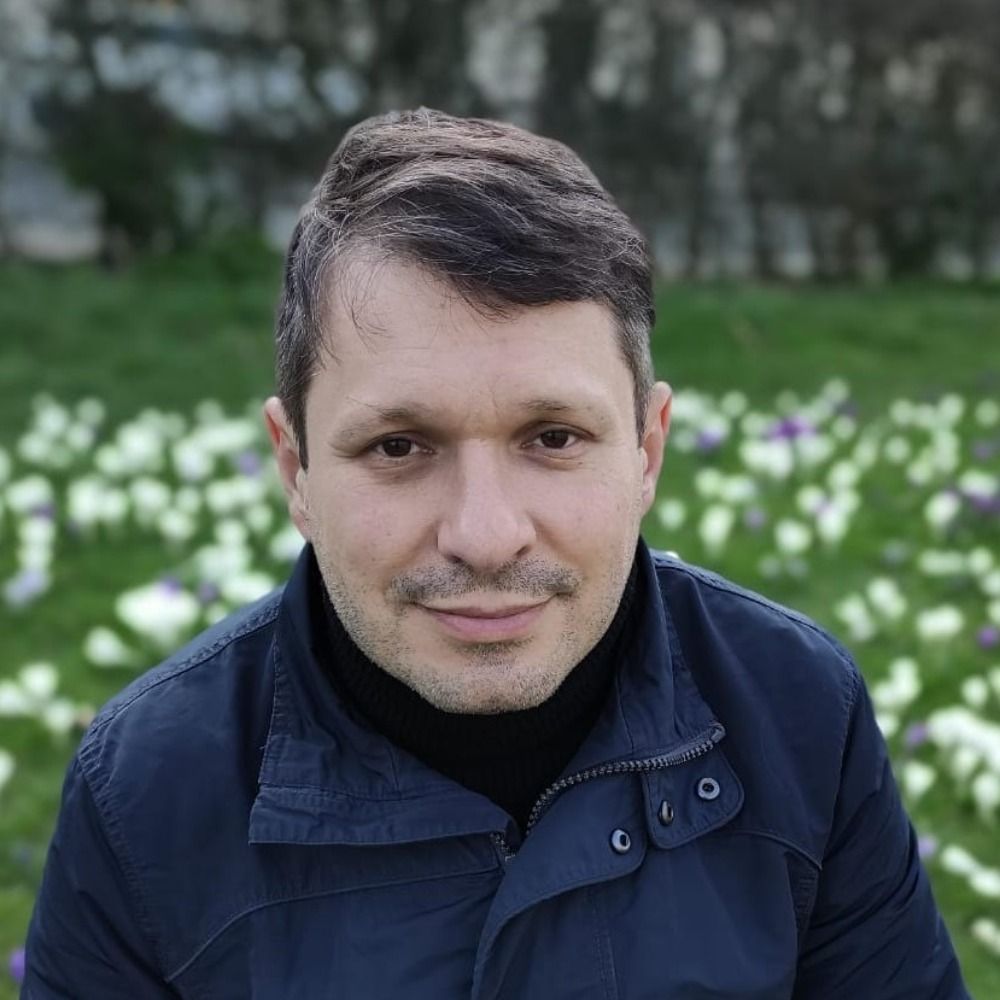
Preprint alert!!! We recorded directly from the human ventral tegmental area (VTA), the principal source of cortical dopaminergic innervation, while patients performed an instrumental learning task. 🧵👇
www.biorxiv.org/content/10.6...
www.biorxiv.org/content/10.6...

January 28, 2026 at 2:29 PM
Preprint alert!!! We recorded directly from the human ventral tegmental area (VTA), the principal source of cortical dopaminergic innervation, while patients performed an instrumental learning task. 🧵👇
www.biorxiv.org/content/10.6...
www.biorxiv.org/content/10.6...
Reposted by Uri Hertz

Are episodic and semantic memory really that different? Using closely matched tasks, we found no substantial neural differences between recalling personal experiences and general knowledge: https://www.nature.com/articles/s41562-025-02390-4

January 29, 2026 at 11:01 AM
Are episodic and semantic memory really that different? Using closely matched tasks, we found no substantial neural differences between recalling personal experiences and general knowledge: https://www.nature.com/articles/s41562-025-02390-4
Reposted by Uri Hertz
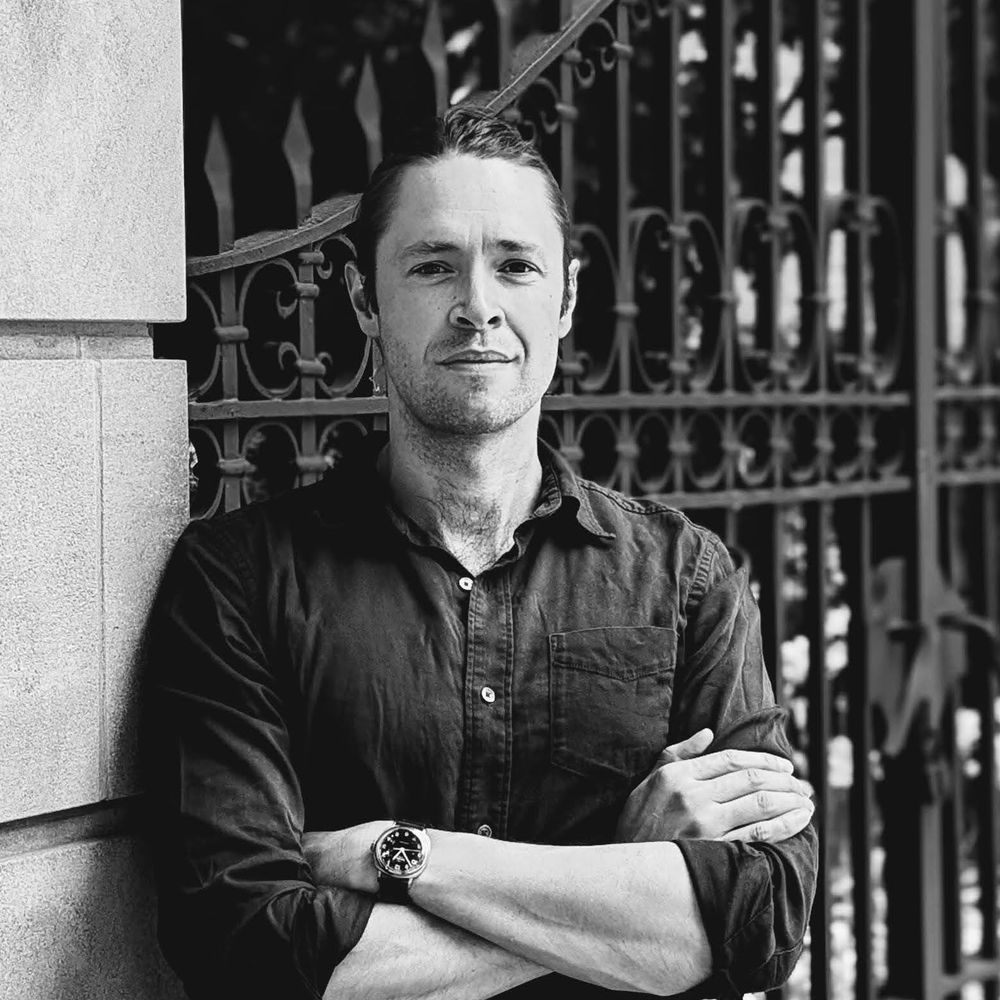
Excited to recruit a 🚨 postdoc 🚨 for projects on #AI and evolving scientific practice, norms, and impact! Interdisciplinary work across science of science, philosophy of science, math with creative Purdue/Argonne/CMU/Chicago/Princeton collaborators! *pls repost*! careers.purdue.edu/job/Postdoc-...
Postdoc Research Assoc/Sloan Fdn
Postdoc Research Assoc/Sloan Fdn
careers.purdue.edu
January 23, 2026 at 3:15 PM
Excited to recruit a 🚨 postdoc 🚨 for projects on #AI and evolving scientific practice, norms, and impact! Interdisciplinary work across science of science, philosophy of science, math with creative Purdue/Argonne/CMU/Chicago/Princeton collaborators! *pls repost*! careers.purdue.edu/job/Postdoc-...
Reposted by Uri Hertz
Collaborative groups often outperform single individuals in complex problem solving. A new paper examined how to create the right incentives to promote this kind of collective intelligence.
www.pnas.org/doi/epdf/10....
www.pnas.org/doi/epdf/10....

January 27, 2026 at 8:31 PM
Collaborative groups often outperform single individuals in complex problem solving. A new paper examined how to create the right incentives to promote this kind of collective intelligence.
www.pnas.org/doi/epdf/10....
www.pnas.org/doi/epdf/10....
Reposted by Uri Hertz
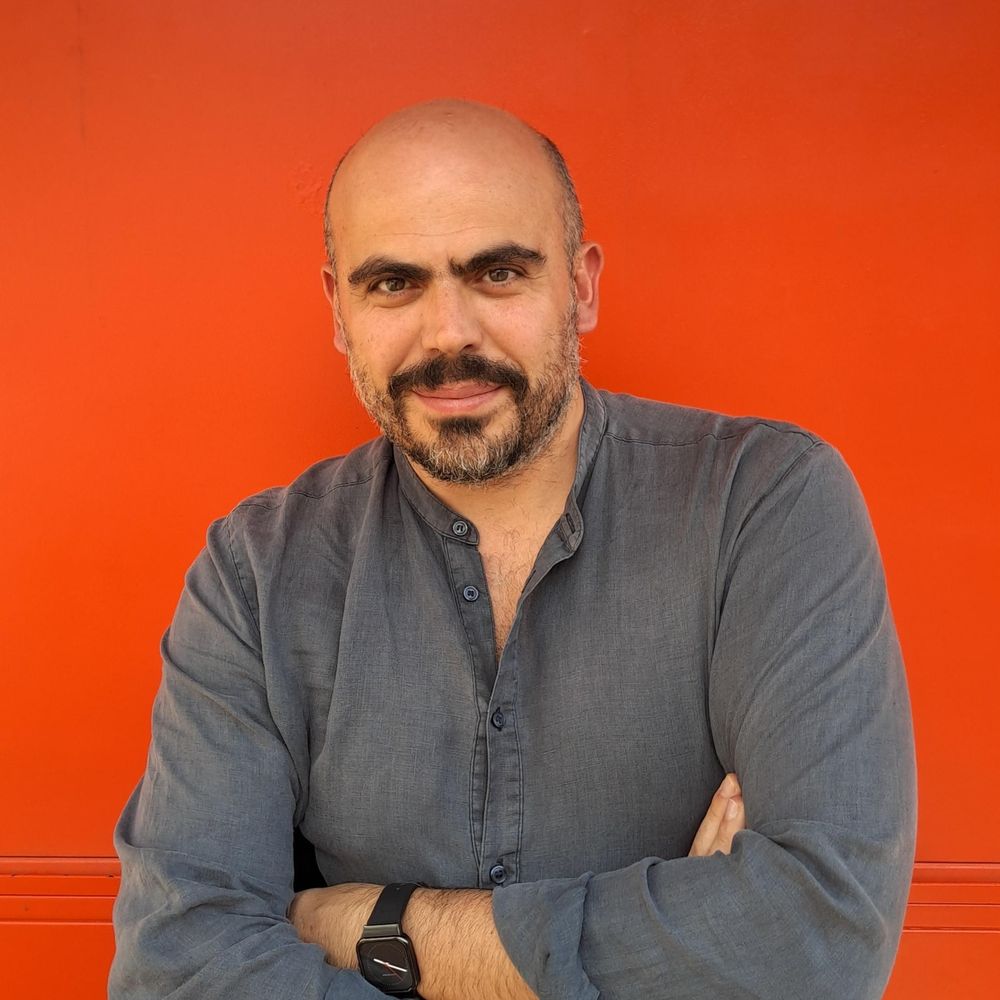
🧵 New paper in @NatureComms
Feedback-induced attitudinal changes in risk preferences
Nasioulas, Potier, Cerrotti, Lebreton & me (2026)
Does feedback really improve risky decision-making? Short answer: no! it changes attitudes, not learning. 👇
rdcu.be/e0VcO
Feedback-induced attitudinal changes in risk preferences
Nasioulas, Potier, Cerrotti, Lebreton & me (2026)
Does feedback really improve risky decision-making? Short answer: no! it changes attitudes, not learning. 👇
rdcu.be/e0VcO

Feedback-induced attitudinal changes in risk preferences
Nature Communications - Normative theory predicts that feedback should not affect decisions under risk, but past findings disagree. Here, the authors show that feedback shifts risk-taking by...
rdcu.be
January 27, 2026 at 12:12 PM
🧵 New paper in @NatureComms
Feedback-induced attitudinal changes in risk preferences
Nasioulas, Potier, Cerrotti, Lebreton & me (2026)
Does feedback really improve risky decision-making? Short answer: no! it changes attitudes, not learning. 👇
rdcu.be/e0VcO
Feedback-induced attitudinal changes in risk preferences
Nasioulas, Potier, Cerrotti, Lebreton & me (2026)
Does feedback really improve risky decision-making? Short answer: no! it changes attitudes, not learning. 👇
rdcu.be/e0VcO
Reposted by Uri Hertz

How and when did domestic cats conquer the world? 🐈 The aDNA study recently published in Science tells a fascinating story about the human-mediated dispersal of our purring furry friends.
doi.org/10.1126/scie...
#MetagenomicsMonday #SPAAM #aDNA #paleogenomics #cats #zooarcheology #domestication
doi.org/10.1126/scie...
#MetagenomicsMonday #SPAAM #aDNA #paleogenomics #cats #zooarcheology #domestication

The dispersal of domestic cats from North Africa to Europe around 2000 years ago
The domestic cat (Felis catus) descends from the African wildcat Felis lybica lybica. Its global distribution alongside humans testifies to its successful adaptation to anthropogenic environments.…
doi.org
January 26, 2026 at 8:01 AM
How and when did domestic cats conquer the world? 🐈 The aDNA study recently published in Science tells a fascinating story about the human-mediated dispersal of our purring furry friends.
doi.org/10.1126/scie...
#MetagenomicsMonday #SPAAM #aDNA #paleogenomics #cats #zooarcheology #domestication
doi.org/10.1126/scie...
#MetagenomicsMonday #SPAAM #aDNA #paleogenomics #cats #zooarcheology #domestication
Reposted by Uri Hertz

Have you ever wanted to study individual differences in attention only to be frustrated by prohibitive low reliability?
If so, what a coincidence!
Let me introduce you to the first study from the newly formed Sheffield PandA lab:
Using RSVPs to measure the speed of attention: rdcu.be/e0t0A
1/
If so, what a coincidence!
Let me introduce you to the first study from the newly formed Sheffield PandA lab:
Using RSVPs to measure the speed of attention: rdcu.be/e0t0A
1/

January 26, 2026 at 12:08 PM
Have you ever wanted to study individual differences in attention only to be frustrated by prohibitive low reliability?
If so, what a coincidence!
Let me introduce you to the first study from the newly formed Sheffield PandA lab:
Using RSVPs to measure the speed of attention: rdcu.be/e0t0A
1/
If so, what a coincidence!
Let me introduce you to the first study from the newly formed Sheffield PandA lab:
Using RSVPs to measure the speed of attention: rdcu.be/e0t0A
1/
Reposted by Uri Hertz
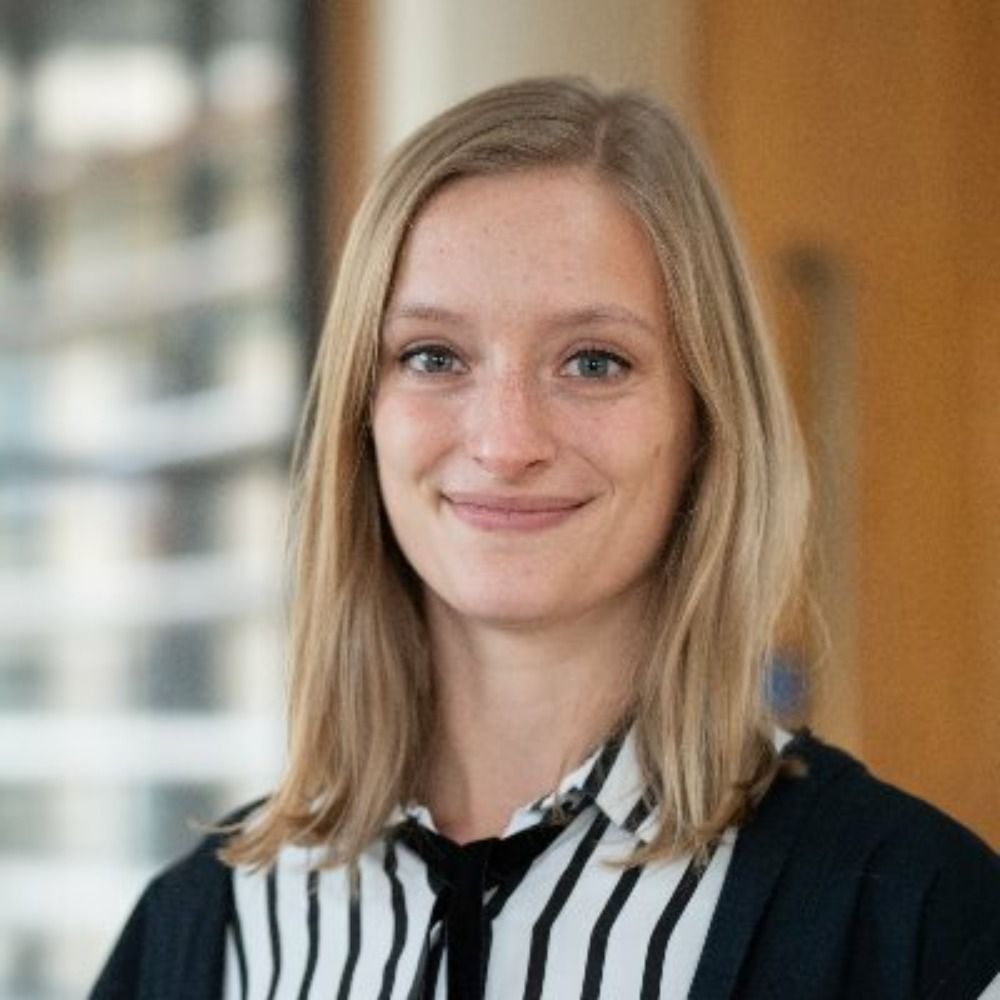
🎉 My PhD work has just been published in @natcomms.nature.com!
How do we learn who caused what - and how much control we had - when outcomes depend on multiple people? We studied how humans do so using a new social learning task, computational modelling and fMRI.
www.nature.com/articles/s41...
🧵👇
How do we learn who caused what - and how much control we had - when outcomes depend on multiple people? We studied how humans do so using a new social learning task, computational modelling and fMRI.
www.nature.com/articles/s41...
🧵👇

January 21, 2026 at 1:27 PM
🎉 My PhD work has just been published in @natcomms.nature.com!
How do we learn who caused what - and how much control we had - when outcomes depend on multiple people? We studied how humans do so using a new social learning task, computational modelling and fMRI.
www.nature.com/articles/s41...
🧵👇
How do we learn who caused what - and how much control we had - when outcomes depend on multiple people? We studied how humans do so using a new social learning task, computational modelling and fMRI.
www.nature.com/articles/s41...
🧵👇
Reposted by Uri Hertz
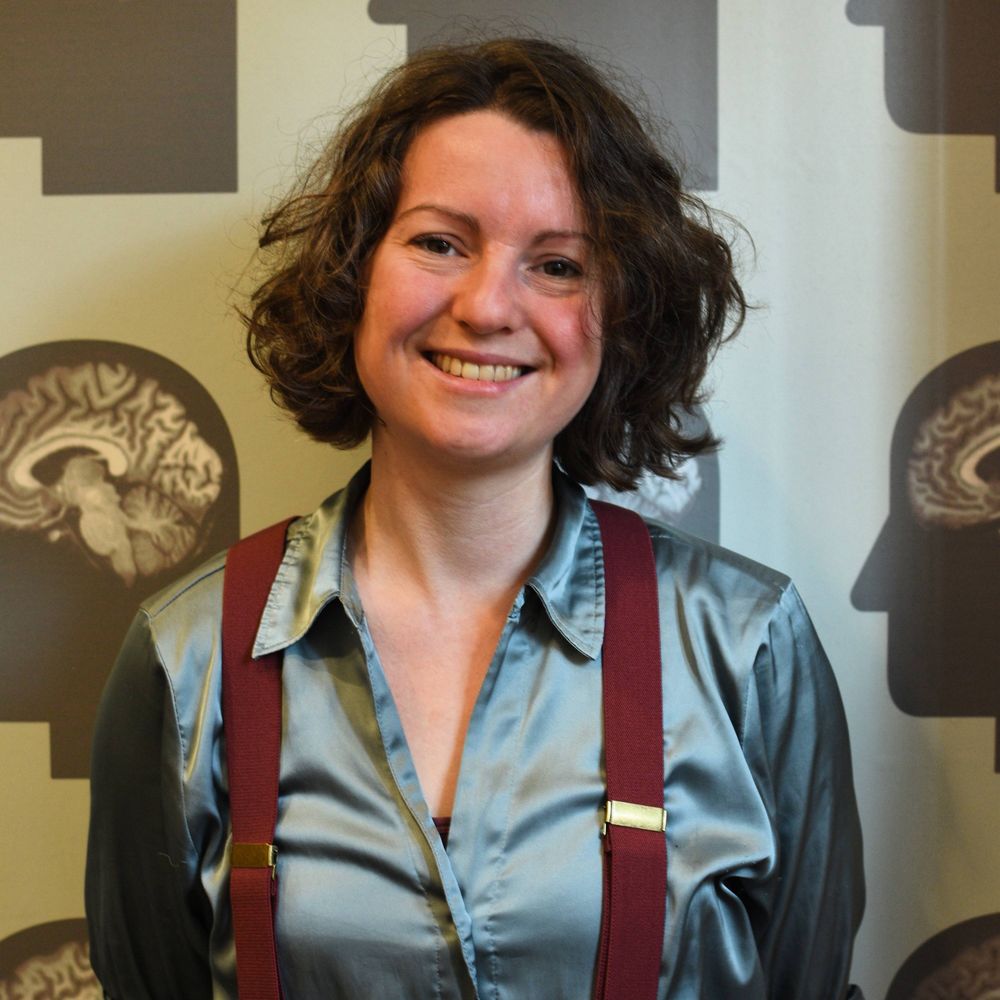
So excited to see this lovely paper with @benjyb.bsky.social, @matanmazor.bsky.social and @giuliacabbai.bsky.social published in @nconsc.bsky.social!
academic.oup.com/nc/article/2...
academic.oup.com/nc/article/2...
January 20, 2026 at 10:16 AM
So excited to see this lovely paper with @benjyb.bsky.social, @matanmazor.bsky.social and @giuliacabbai.bsky.social published in @nconsc.bsky.social!
academic.oup.com/nc/article/2...
academic.oup.com/nc/article/2...
Reposted by Uri Hertz

Trust in others and institutions predicts subjective well-being and vice versa. This makes me even more attuned to the costs of people and systems that undermine trust. The decay of trust as a public health issue. #PsychSciSky #AcademicSky #EduSky doi.org/10.1037/bul0...

January 16, 2026 at 1:00 PM
Trust in others and institutions predicts subjective well-being and vice versa. This makes me even more attuned to the costs of people and systems that undermine trust. The decay of trust as a public health issue. #PsychSciSky #AcademicSky #EduSky doi.org/10.1037/bul0...
Reposted by Uri Hertz

How do we achieve few-shot generalization? New work led by @fabianrenz.bsky.social dives into the role of replay in learning and using structure to generalize reward. Dream team effort with Shany Grossman @nathanieldaw.bsky.social Peter Dayan & @doellerlab.bsky.social
www.biorxiv.org/content/10.6...
www.biorxiv.org/content/10.6...
www.biorxiv.org
January 18, 2026 at 3:33 PM
How do we achieve few-shot generalization? New work led by @fabianrenz.bsky.social dives into the role of replay in learning and using structure to generalize reward. Dream team effort with Shany Grossman @nathanieldaw.bsky.social Peter Dayan & @doellerlab.bsky.social
www.biorxiv.org/content/10.6...
www.biorxiv.org/content/10.6...