


Stem Cells, Regeneration & Evolution
@stemdevevo.bsky.social
Eve GAZAVE lab @IJMonod - Stem Cells, Regeneration and Evolution using the annelid Platynereis dumerilii
Pinned


Deux soutenances d’HDR au sein de l’équipe en 1 semaine ! Felicitations à Pierre @ssaft.com et Gab pour leurs belles prestations de fin d’année.
@upcite.bsky.social @ijmonod.bsky.social
@upcite.bsky.social @ijmonod.bsky.social
Reposted by Stem Cells, Regeneration & Evolution
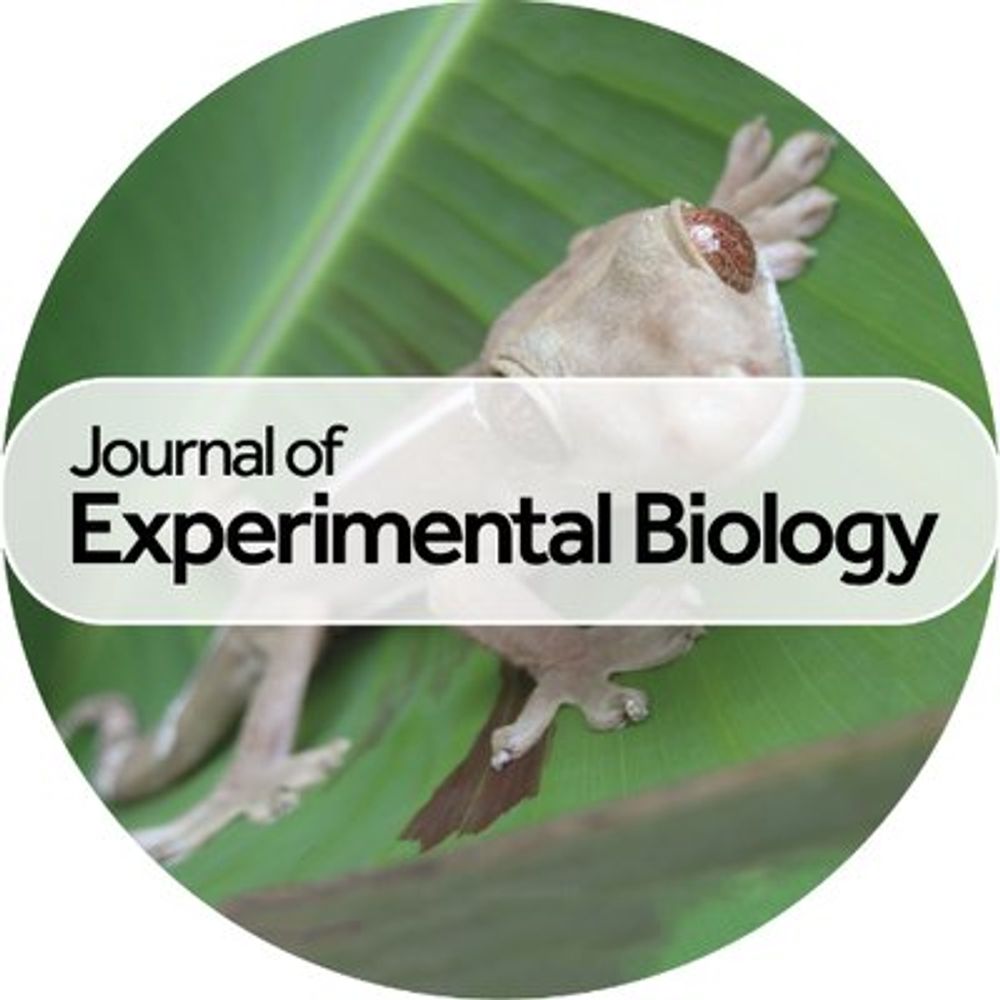
The ragworm Platynereis dumerilii does its mating dance in near total darkness, yet the adults have huge eyes with long light-sensing cells. Kirwan &co show that these cells help them see a tiny bit better helping them find mates to dance with in the dark
journals.biologists.com/jeb/article/...
journals.biologists.com/jeb/article/...

February 12, 2026 at 8:29 AM
The ragworm Platynereis dumerilii does its mating dance in near total darkness, yet the adults have huge eyes with long light-sensing cells. Kirwan &co show that these cells help them see a tiny bit better helping them find mates to dance with in the dark
journals.biologists.com/jeb/article/...
journals.biologists.com/jeb/article/...
Reposted by Stem Cells, Regeneration & Evolution
Read the full research here
journals.biologists.com/jeb/article/...
journals.biologists.com/jeb/article/...

February 12, 2026 at 8:29 AM
Read the full research here
journals.biologists.com/jeb/article/...
journals.biologists.com/jeb/article/...
Reposted by Stem Cells, Regeneration & Evolution
🚨🚨🚨 1/2
SFBD & JSDB joint meeting, June 9–12 in Hiroshima. Travel grants cover registration + part of travel/housing. Short talks & posters available. Students, postdocs & early-career researchers encouraged to apply by Feb 28.
pub.confit.atlas.jp/en/event/jsd...
SFBD & JSDB joint meeting, June 9–12 in Hiroshima. Travel grants cover registration + part of travel/housing. Short talks & posters available. Students, postdocs & early-career researchers encouraged to apply by Feb 28.
pub.confit.atlas.jp/en/event/jsd...

The 59th Annual Meeting of the Japanese Society of Developmental Biologists | Confit
第59回日本発生生物学会大会の電子抄録サイトです。
pub.confit.atlas.jp
February 11, 2026 at 11:38 AM
🚨🚨🚨 1/2
SFBD & JSDB joint meeting, June 9–12 in Hiroshima. Travel grants cover registration + part of travel/housing. Short talks & posters available. Students, postdocs & early-career researchers encouraged to apply by Feb 28.
pub.confit.atlas.jp/en/event/jsd...
SFBD & JSDB joint meeting, June 9–12 in Hiroshima. Travel grants cover registration + part of travel/housing. Short talks & posters available. Students, postdocs & early-career researchers encouraged to apply by Feb 28.
pub.confit.atlas.jp/en/event/jsd...
Reposted by Stem Cells, Regeneration & Evolution
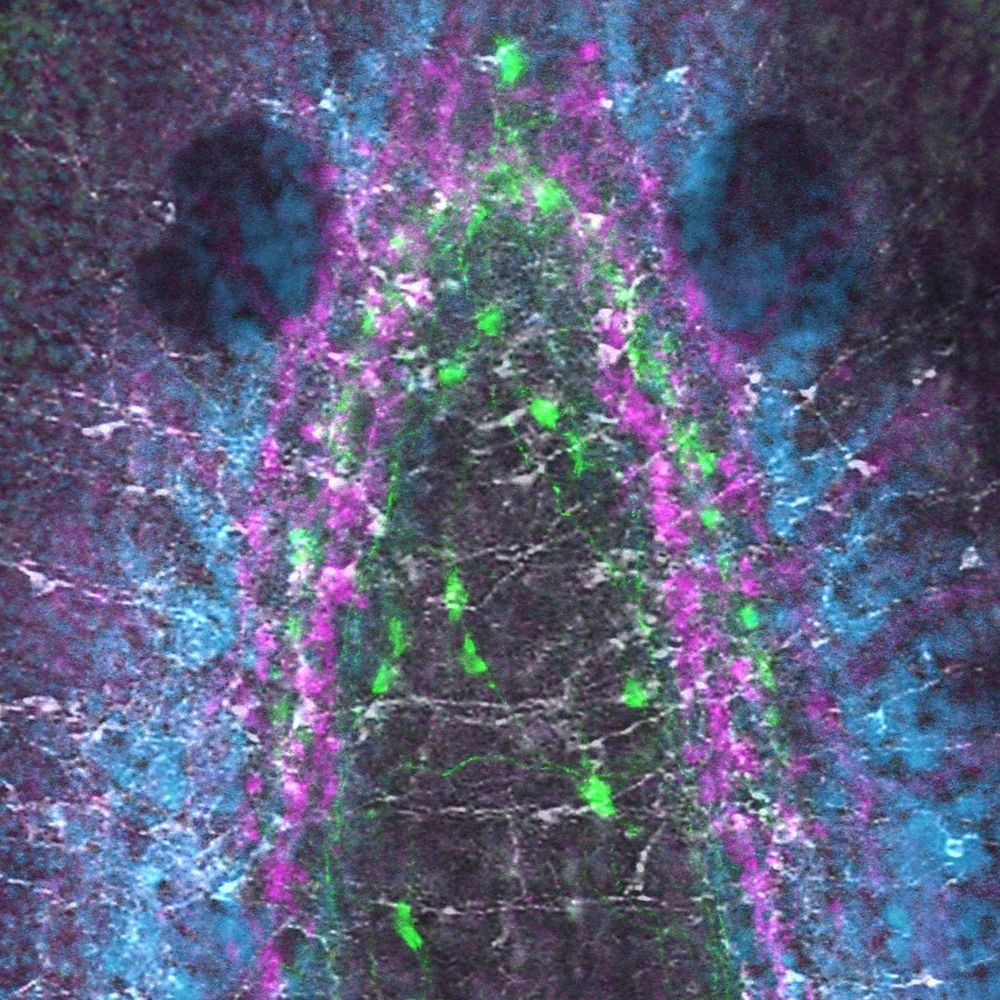
Extracellular vesicles mediate stem cell signaling and systemic RNAi in planarians | Science Advances
www.science.org/doi/10.1126/...
www.science.org/doi/10.1126/...

Extracellular vesicles mediate stem cell signaling and systemic RNAi in planarians
Planarian extracellular vesicles carry small RNAs that mediate systemic gene silencing and coordinate regeneration.
www.science.org
February 8, 2026 at 12:07 PM
Extracellular vesicles mediate stem cell signaling and systemic RNAi in planarians | Science Advances
www.science.org/doi/10.1126/...
www.science.org/doi/10.1126/...
Reposted by Stem Cells, Regeneration & Evolution

To turn spatial data into a 3D object, check our protocol (open source, napari plug-in). @guignardlab.bsky.social @adrianobolondi.bsky.social @ibdm.bsky.social
For example, if you have spatial RNA-seq as sections, you can align them automatically to analyse directly in 3D.
bio-protocol.org/e5607
For example, if you have spatial RNA-seq as sections, you can align them automatically to analyse directly in 3D.
bio-protocol.org/e5607
February 6, 2026 at 2:13 PM
To turn spatial data into a 3D object, check our protocol (open source, napari plug-in). @guignardlab.bsky.social @adrianobolondi.bsky.social @ibdm.bsky.social
For example, if you have spatial RNA-seq as sections, you can align them automatically to analyse directly in 3D.
bio-protocol.org/e5607
For example, if you have spatial RNA-seq as sections, you can align them automatically to analyse directly in 3D.
bio-protocol.org/e5607
Reposted by Stem Cells, Regeneration & Evolution

New #research from the @planaria1.bsky.social Lab reveals how #planarian cells coordinate #regeneration across the body using extracellular vesicles to deliver gene-silencing RNAs. 🪱 Published in Science Advances.
🔗 Read more: bit.ly/4bYJ1tN
🔗 Read more: bit.ly/4bYJ1tN
February 6, 2026 at 9:51 PM
New #research from the @planaria1.bsky.social Lab reveals how #planarian cells coordinate #regeneration across the body using extracellular vesicles to deliver gene-silencing RNAs. 🪱 Published in Science Advances.
🔗 Read more: bit.ly/4bYJ1tN
🔗 Read more: bit.ly/4bYJ1tN
Reposted by Stem Cells, Regeneration & Evolution

Whole-body single-cell atlas of an adult vertebrate in homeostasis and regeneration https://www.biorxiv.org/content/10.64898/2026.02.03.703562v1
February 6, 2026 at 7:03 AM
Whole-body single-cell atlas of an adult vertebrate in homeostasis and regeneration https://www.biorxiv.org/content/10.64898/2026.02.03.703562v1
Reposted by Stem Cells, Regeneration & Evolution

BMC Biology is currently welcoming submissions of original research to the “Genome organization and evolution” Collection, which I am supporting as a Guest Editor.
If interested check out the link: www.biomedcentral.com/collections/...
Deadline: 26 March
#GenomeEvolution
@bmc.springernature.com
If interested check out the link: www.biomedcentral.com/collections/...
Deadline: 26 March
#GenomeEvolution
@bmc.springernature.com

February 4, 2026 at 11:19 AM
BMC Biology is currently welcoming submissions of original research to the “Genome organization and evolution” Collection, which I am supporting as a Guest Editor.
If interested check out the link: www.biomedcentral.com/collections/...
Deadline: 26 March
#GenomeEvolution
@bmc.springernature.com
If interested check out the link: www.biomedcentral.com/collections/...
Deadline: 26 March
#GenomeEvolution
@bmc.springernature.com
Reposted by Stem Cells, Regeneration & Evolution
Responsible publication of your research!
To help you do this @nicolasgaltier.bsky.social and coauthors have put together a handy database of academia-friendly journals, DAFNEE. You can read about it in their article recently published in @jevbio.bsky.social:
doi.org/10.1093/jeb/...
To help you do this @nicolasgaltier.bsky.social and coauthors have put together a handy database of academia-friendly journals, DAFNEE. You can read about it in their article recently published in @jevbio.bsky.social:
doi.org/10.1093/jeb/...

Time to publish responsibly: DAFNEE, a database of academia-friendly journals in ecology and evolutionary biology
Abstract. The current economics of scientific publishing reveal a profound imbalance: academia pays prices far exceeding the actual costs of publication. R
doi.org
January 28, 2026 at 11:18 AM
Responsible publication of your research!
To help you do this @nicolasgaltier.bsky.social and coauthors have put together a handy database of academia-friendly journals, DAFNEE. You can read about it in their article recently published in @jevbio.bsky.social:
doi.org/10.1093/jeb/...
To help you do this @nicolasgaltier.bsky.social and coauthors have put together a handy database of academia-friendly journals, DAFNEE. You can read about it in their article recently published in @jevbio.bsky.social:
doi.org/10.1093/jeb/...
Reposted by Stem Cells, Regeneration & Evolution

🧨 Check out this peeps🧨 I am very happy with the outcome of this thought baby! @neurogut.bsky.social @michaelrera.bsky.social and Mael Lemoine (yes, a philosopher) twisted our brains over preparing this conceptual review! We give you the "Enterarchon" Enjoy it!
www.sciencedirect.com/science/arti...
www.sciencedirect.com/science/arti...

The Enterarchon: An ancient visceral brain
The gastrointestinal (GI) tract is innervated by intrinsic neurites and extrinsic pathways linking it bidirectionally to the central nervous system. T…
www.sciencedirect.com
February 2, 2026 at 4:08 PM
🧨 Check out this peeps🧨 I am very happy with the outcome of this thought baby! @neurogut.bsky.social @michaelrera.bsky.social and Mael Lemoine (yes, a philosopher) twisted our brains over preparing this conceptual review! We give you the "Enterarchon" Enjoy it!
www.sciencedirect.com/science/arti...
www.sciencedirect.com/science/arti...
Reposted by Stem Cells, Regeneration & Evolution

We are excited to share that we are hosting a hands-on course on "Electron Microscopy of Marine Environmental Samples" 🔬🌊
📍Naples, Italy 🗓️ 8th-11th of April 2026
If you are interested, check the program below!
Registration is open until the 12th of February. We look forward to seeing you there!
📍Naples, Italy 🗓️ 8th-11th of April 2026
If you are interested, check the program below!
Registration is open until the 12th of February. We look forward to seeing you there!

January 20, 2026 at 4:32 PM
We are excited to share that we are hosting a hands-on course on "Electron Microscopy of Marine Environmental Samples" 🔬🌊
📍Naples, Italy 🗓️ 8th-11th of April 2026
If you are interested, check the program below!
Registration is open until the 12th of February. We look forward to seeing you there!
📍Naples, Italy 🗓️ 8th-11th of April 2026
If you are interested, check the program below!
Registration is open until the 12th of February. We look forward to seeing you there!
Reposted by Stem Cells, Regeneration & Evolution
Regenerating nerve fibers in the tail of an injured zebrafish larva. Credit to Dr. Sandra Rieger at University of Miami. #ZebrafishZunday 🧪
January 18, 2026 at 11:03 AM
Regenerating nerve fibers in the tail of an injured zebrafish larva. Credit to Dr. Sandra Rieger at University of Miami. #ZebrafishZunday 🧪
Reposted by Stem Cells, Regeneration & Evolution

Epimutations: raw material for evolution?
Nabeel Ganem & @psarkies.bsky.social explore how epimutations mediating transgenerational epigenetic inheritance compare to DNA sequence mutations w.r.t. influence on drift and natural selection
link.springer.com/article/10.1...
Nabeel Ganem & @psarkies.bsky.social explore how epimutations mediating transgenerational epigenetic inheritance compare to DNA sequence mutations w.r.t. influence on drift and natural selection
link.springer.com/article/10.1...

Epimutations: raw material for evolution? - The EMBO Journal
Epigenetics is fundamental to cell differentiation as it enables cells with identical genomes to adopt distinct fates. Some epigenetic information can also be transmitted between generations, in a pro...
link.springer.com
January 16, 2026 at 10:33 AM
Epimutations: raw material for evolution?
Nabeel Ganem & @psarkies.bsky.social explore how epimutations mediating transgenerational epigenetic inheritance compare to DNA sequence mutations w.r.t. influence on drift and natural selection
link.springer.com/article/10.1...
Nabeel Ganem & @psarkies.bsky.social explore how epimutations mediating transgenerational epigenetic inheritance compare to DNA sequence mutations w.r.t. influence on drift and natural selection
link.springer.com/article/10.1...
Reposted by Stem Cells, Regeneration & Evolution

Super vulgarisation de l'épigénétique dans cet article 👇
(Attention, si l'hérédité épigénétique transgénérationnelle est documentée chez les plantes, sur plusieurs générations dans cet article, et les vers de terre, y a pas de preuves solides chez les humains.)
theconversation.com/comment-fonc...
(Attention, si l'hérédité épigénétique transgénérationnelle est documentée chez les plantes, sur plusieurs générations dans cet article, et les vers de terre, y a pas de preuves solides chez les humains.)
theconversation.com/comment-fonc...

Comment fonctionne l’hérédité ? Une nouvelle étude explore le rôle de l’épigénétique
On transmet à sa descendance ses gènes, son ADN. Mais certaines espèces peuvent également transmettre un autre type d’information, dite épigénétique, qui indique quels gènes peuvent ou non s’exprimer.
theconversation.com
January 15, 2026 at 6:49 AM
Super vulgarisation de l'épigénétique dans cet article 👇
(Attention, si l'hérédité épigénétique transgénérationnelle est documentée chez les plantes, sur plusieurs générations dans cet article, et les vers de terre, y a pas de preuves solides chez les humains.)
theconversation.com/comment-fonc...
(Attention, si l'hérédité épigénétique transgénérationnelle est documentée chez les plantes, sur plusieurs générations dans cet article, et les vers de terre, y a pas de preuves solides chez les humains.)
theconversation.com/comment-fonc...
Reposted by Stem Cells, Regeneration & Evolution

Soon you’ll be able to read an updated version of our paper at Nature Communications! Congratulations to all the authors for all of their hard work. @kuangtse.bsky.social @evodevo-tw.bsky.social and others not on the socials!

🎓 After 5 years, the heart of my thesis is finally live!
Pluripotent Stem Cell Plasticity is Sculpted by a Slit‑Independent Robo Pathway in a Regenerative Animal 🧬🧠
Read it here 👉https://www.biorxiv.org/content/10.1101/2025.04.14.648795v1
More details in the🧵👇
Pluripotent Stem Cell Plasticity is Sculpted by a Slit‑Independent Robo Pathway in a Regenerative Animal 🧬🧠
Read it here 👉https://www.biorxiv.org/content/10.1101/2025.04.14.648795v1
More details in the🧵👇

Pluripotent Stem Cell Plasticity is Sculpted by a Slit-Independent Robo Pathway in a Regenerative Animal
Whole-body regeneration requires adult stem cells with high plasticity to differentiate into missing cell types. Planarians possess a unique configuration of organs embedded in a vast pool of pluripot...
www.biorxiv.org
January 14, 2026 at 12:23 AM
Soon you’ll be able to read an updated version of our paper at Nature Communications! Congratulations to all the authors for all of their hard work. @kuangtse.bsky.social @evodevo-tw.bsky.social and others not on the socials!
Reposted by Stem Cells, Regeneration & Evolution

Swipe to see how HCR™ Gold differs from HCR™ (v3.0). v3.0 remains supported for ongoing experiments; however, all new products are compatible only with HCR™ Gold. Simpler, more robust, higher resolution RNA-FISH starts here.
💡 Starter Kit: tinyurl.com/yyuc7bvx
🛒 Shop: tinyurl.com/4jj6uvvd
💡 Starter Kit: tinyurl.com/yyuc7bvx
🛒 Shop: tinyurl.com/4jj6uvvd


January 14, 2026 at 6:22 PM
Swipe to see how HCR™ Gold differs from HCR™ (v3.0). v3.0 remains supported for ongoing experiments; however, all new products are compatible only with HCR™ Gold. Simpler, more robust, higher resolution RNA-FISH starts here.
💡 Starter Kit: tinyurl.com/yyuc7bvx
🛒 Shop: tinyurl.com/4jj6uvvd
💡 Starter Kit: tinyurl.com/yyuc7bvx
🛒 Shop: tinyurl.com/4jj6uvvd
Reposted by Stem Cells, Regeneration & Evolution
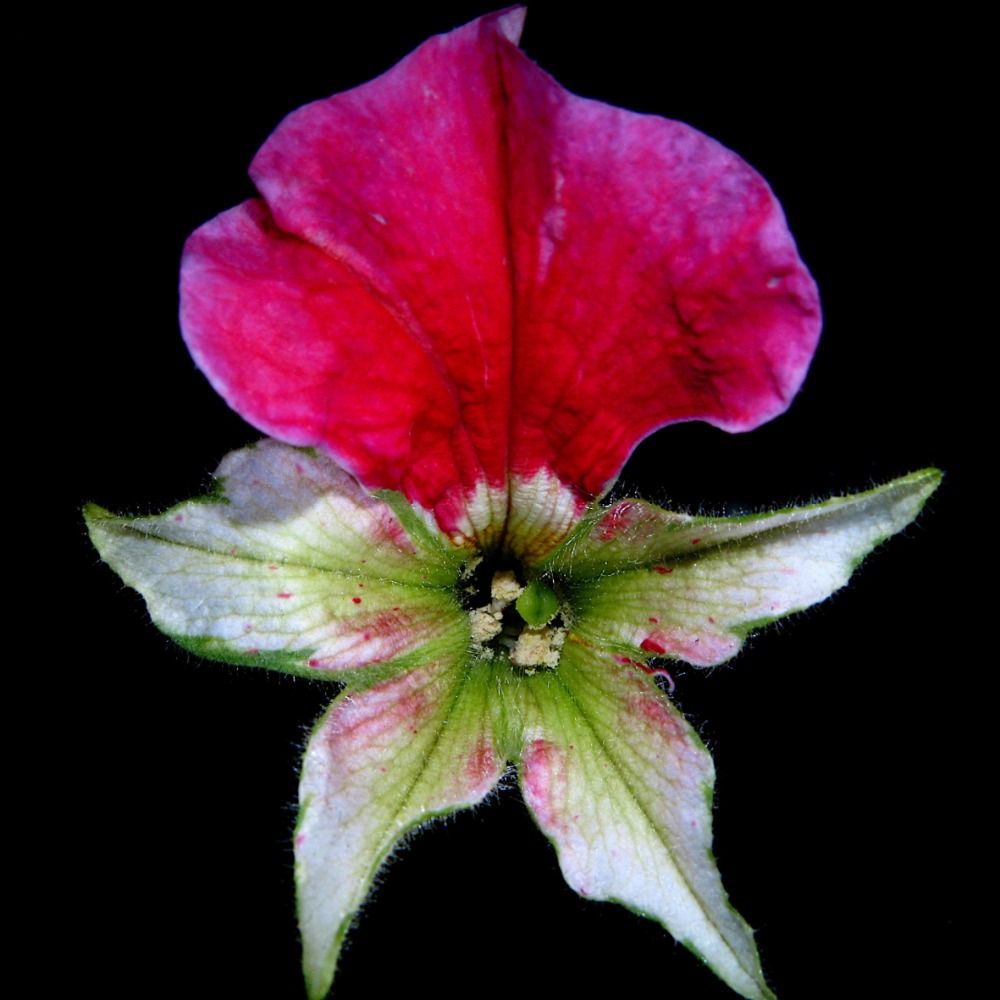
Have you ever heard that women have more chances than men of getting grants or positions in academia? Of course you have, and here are my personal views on this. With the shocking revelation that no, it is NOT TRUE ! (1/n)
January 13, 2026 at 6:36 PM
Have you ever heard that women have more chances than men of getting grants or positions in academia? Of course you have, and here are my personal views on this. With the shocking revelation that no, it is NOT TRUE ! (1/n)
Reposted by Stem Cells, Regeneration & Evolution
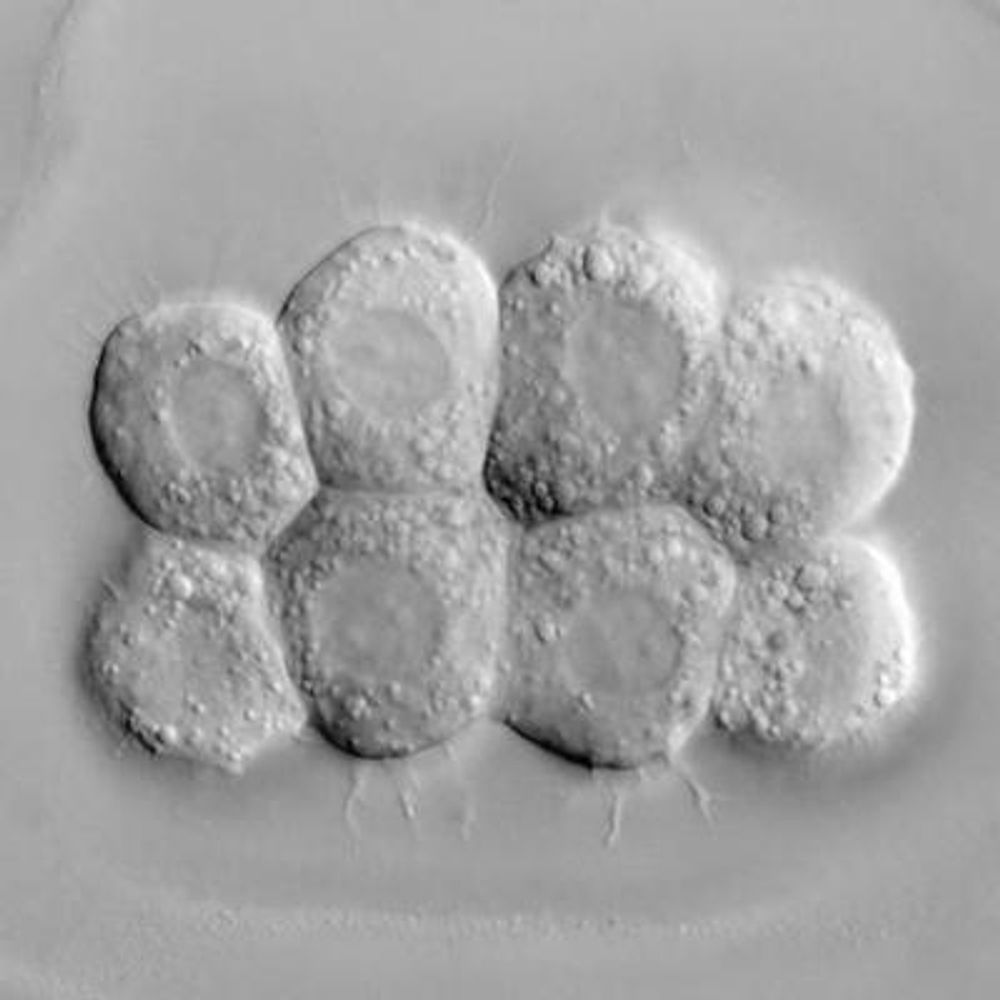
You can now search the entire EvoDevo Papers database (~1.8k posts). Check it out on the website evodevo.brunovellutini.com or read more here: brunovellutini.com/posts/evodev...
#EvoDevo #DevBio #EvoBio
#EvoDevo #DevBio #EvoBio
October 7, 2025 at 8:24 PM
You can now search the entire EvoDevo Papers database (~1.8k posts). Check it out on the website evodevo.brunovellutini.com or read more here: brunovellutini.com/posts/evodev...
#EvoDevo #DevBio #EvoBio
#EvoDevo #DevBio #EvoBio
Reposted by Stem Cells, Regeneration & Evolution
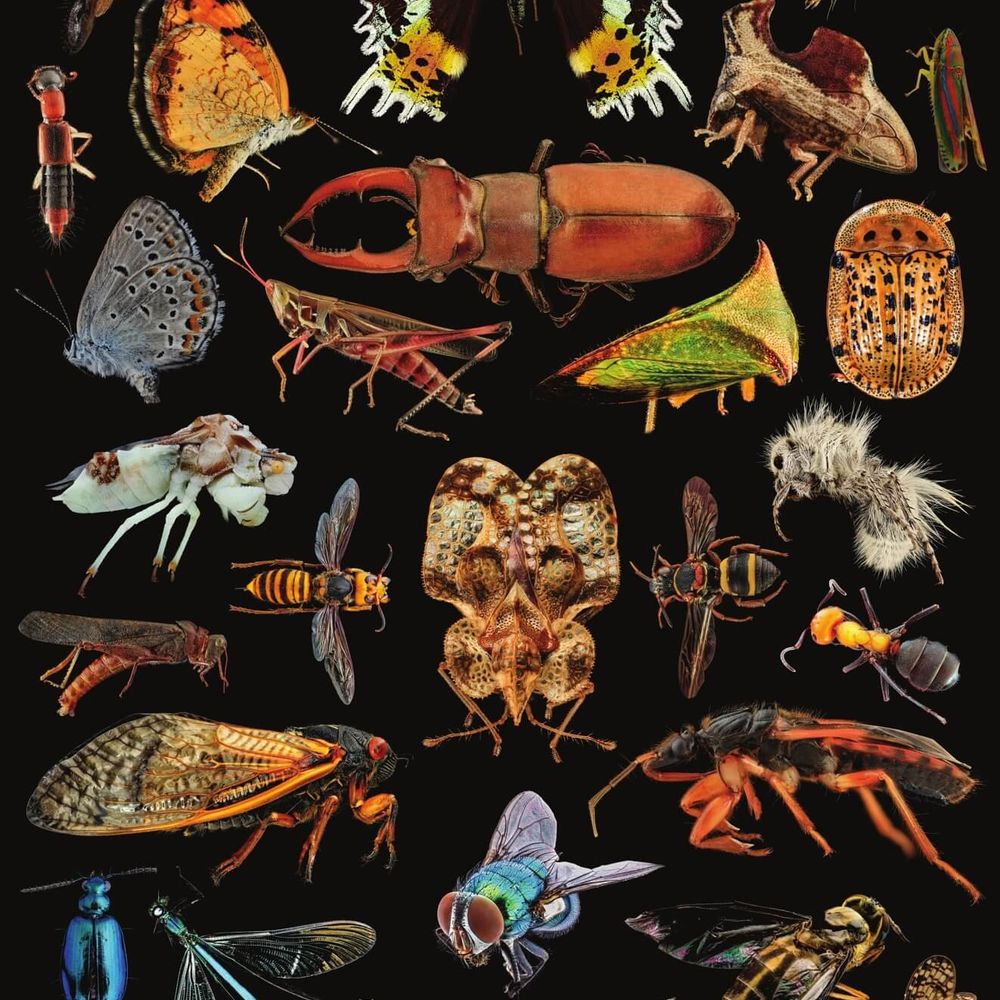
I am very happy (and a bit scared) to present to you what we have been working on over the last 4 years. This manuscript is exactly what I dreamt of when I started the lab and I could not be happier and prouder of the outcome!
Evolutionary dynamics of temporal transcription factor series in the insect optic lobe https://www.biorxiv.org/content/10.64898/2026.01.08.698497v1
January 10, 2026 at 9:43 AM
I am very happy (and a bit scared) to present to you what we have been working on over the last 4 years. This manuscript is exactly what I dreamt of when I started the lab and I could not be happier and prouder of the outcome!
Reposted by Stem Cells, Regeneration & Evolution
Evolutionary dynamics of temporal transcription factor series in the insect optic lobe https://www.biorxiv.org/content/10.64898/2026.01.08.698497v1
January 10, 2026 at 4:30 AM
Evolutionary dynamics of temporal transcription factor series in the insect optic lobe https://www.biorxiv.org/content/10.64898/2026.01.08.698497v1
Reposted by Stem Cells, Regeneration & Evolution

Sponges are notoriously difficult to understand in evolutionary biology terms. I think this paper is a big step forward : www.science.org/doi/10.1126/...

Independent origins of spicules reconcile paleontological and molecular evidence of sponge evolutionary history
Sponges have a cryptic Ediacaran history because ancestral sponges were soft-bodied and had low fossilization potential.
www.science.org
January 8, 2026 at 10:02 AM
Sponges are notoriously difficult to understand in evolutionary biology terms. I think this paper is a big step forward : www.science.org/doi/10.1126/...
Reposted by Stem Cells, Regeneration & Evolution

Our work on the evolution of the regulatory genome of echinoderms is now out in @natecoevo.nature.com. Led by my former PhD Marta Magri, Danila Voronov & Saoirse Foley. Great collaboration of Arnone, Hinman & Maeso labs, started long time ago with our missed José Luis Gomez-Skarmeta: rdcu.be/eXX8l

Deep conservation of cis-regulatory elements and chromatin organization in echinoderms uncover ancestral regulatory features of animal genomes
Nature Ecology & Evolution - Analysis of the 3D chromatin architecture and cis-regulatory elements in a sea urchin and a sea star reveals mechanisms of 3D chromatin organization in echinoderms...
rdcu.be
January 7, 2026 at 7:33 PM
Our work on the evolution of the regulatory genome of echinoderms is now out in @natecoevo.nature.com. Led by my former PhD Marta Magri, Danila Voronov & Saoirse Foley. Great collaboration of Arnone, Hinman & Maeso labs, started long time ago with our missed José Luis Gomez-Skarmeta: rdcu.be/eXX8l
Reposted by Stem Cells, Regeneration & Evolution
Very happy for this @ejneuroscience.bsky.social editorial on the importance of diverse research animals in neuroscience. We make the case that embracing a plurality of model organisms enriches the field and accelerates both basic and translational research. onlinelibrary.wiley.com/doi/10.1111/...
onlinelibrary.wiley.com
January 6, 2026 at 7:47 AM
Very happy for this @ejneuroscience.bsky.social editorial on the importance of diverse research animals in neuroscience. We make the case that embracing a plurality of model organisms enriches the field and accelerates both basic and translational research. onlinelibrary.wiley.com/doi/10.1111/...
Reposted by Stem Cells, Regeneration & Evolution

"revision requests can expand beyond what is feasible...we've been told reviews are unnecessarily harsh... reviews can seem formidable but usually represent constructive critiques"
Interesting reflections and introspection from editors of Development 1/n
journals.biologists.com/dev/article/...
Interesting reflections and introspection from editors of Development 1/n
journals.biologists.com/dev/article/...

The hard truth about how hard it is to publish in Development
Every researcher knows the anticipation and trepidation that come with submitting a paper to a journal. Years of effort have been distilled into a few thousand words and a handful of figures containin...
journals.biologists.com
January 3, 2026 at 4:23 PM
"revision requests can expand beyond what is feasible...we've been told reviews are unnecessarily harsh... reviews can seem formidable but usually represent constructive critiques"
Interesting reflections and introspection from editors of Development 1/n
journals.biologists.com/dev/article/...
Interesting reflections and introspection from editors of Development 1/n
journals.biologists.com/dev/article/...