




Robyn C
@robynlc.bsky.social
Teacher of History, Trustee of a heritage site. Interested in material culture & heritage sites in education, Museums, Engagement with objects, Letters, Journals,✨ MCCT working on #CTeach
Reposted by Robyn C
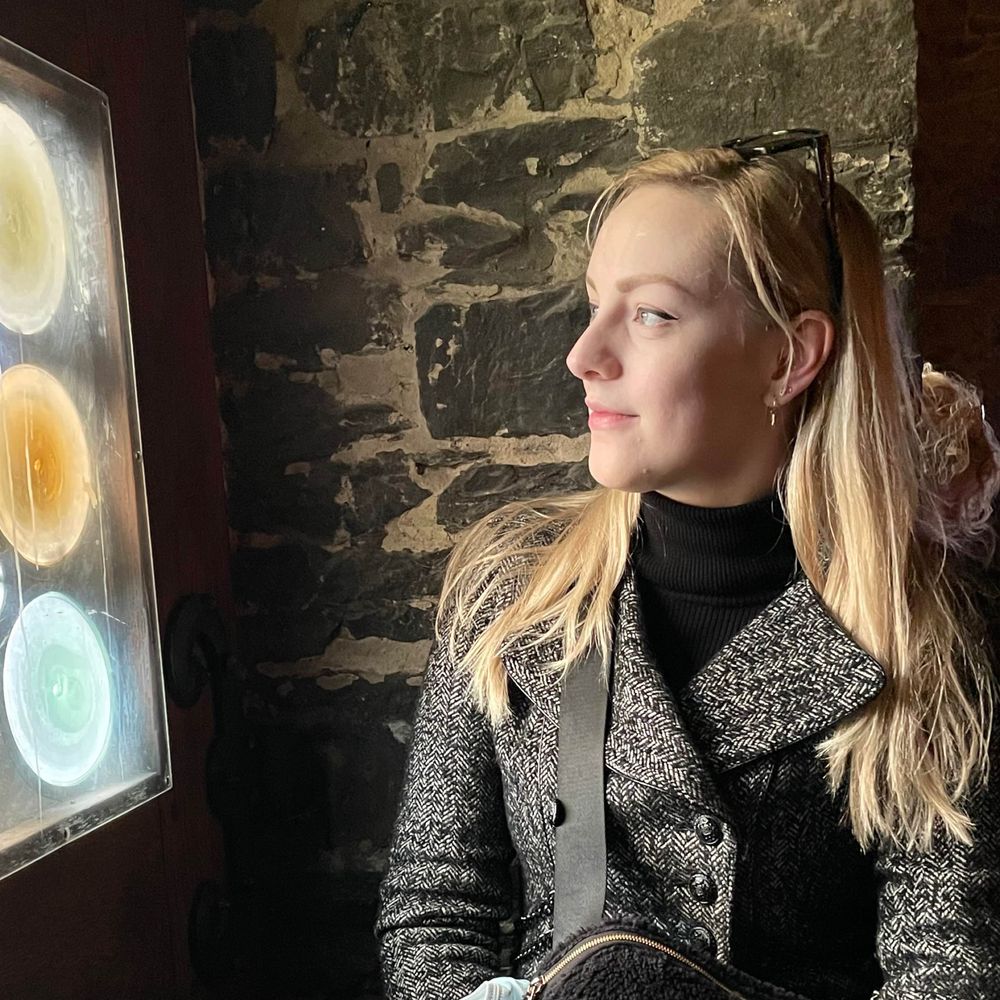
My blog for the @uniofstandrews.bsky.social Library Special Collections went live yesterday! It's a very short glimpse of the thousands of women whose lives I've been researching over the last 16 months.
Women’s activities in seventeenth-century St Andrews: the evidence of the Kirk Sessions – University Collections blog
university-collections.wp.st-andrews.ac.uk
September 17, 2025 at 2:39 AM
My blog for the @uniofstandrews.bsky.social Library Special Collections went live yesterday! It's a very short glimpse of the thousands of women whose lives I've been researching over the last 16 months.
Reposted by Robyn C

#EarlyModern 🗃️
Rosamund Oates is researching the history of early modern deafnes - see her P&P article, book out soon I think.
academic.oup.com/past/article...
Rosamund Oates is researching the history of early modern deafnes - see her P&P article, book out soon I think.
academic.oup.com/past/article...
February 11, 2026 at 9:18 AM
#EarlyModern 🗃️
Rosamund Oates is researching the history of early modern deafnes - see her P&P article, book out soon I think.
academic.oup.com/past/article...
Rosamund Oates is researching the history of early modern deafnes - see her P&P article, book out soon I think.
academic.oup.com/past/article...
Reposted by Robyn C

In this week's OBHD Blog from @histassoc.bsky.social we have Meggie Hayes from The Crypt School writing about Queer History onebighistorydepartment.com/2026/02/06/t... #historyteacher

The queer question. Navigating the waters of historical queerness
This post has been written by Meggie Hayes, History and Politics Teacher and Inclusion Lead at The Crypt School, Gloucestershire People are queer and people have always been queer. So it stands to …
onebighistorydepartment.com
February 6, 2026 at 3:50 PM
In this week's OBHD Blog from @histassoc.bsky.social we have Meggie Hayes from The Crypt School writing about Queer History onebighistorydepartment.com/2026/02/06/t... #historyteacher
Reposted by Robyn C

My new article, 'Selling Education in England, 1650-1715' is now out (open access) in the English Historical Review! academic.oup.com/ehr/advance-...

Selling Education in England, 1650–1715*
Abstract. In the period 1650–1715, a growing consensus emerged that educational culture in England did not meet the needs of the population, and that chang
academic.oup.com
February 3, 2026 at 11:27 AM
My new article, 'Selling Education in England, 1650-1715' is now out (open access) in the English Historical Review! academic.oup.com/ehr/advance-...
Reposted by Robyn C

Teaching with material and visual culture - my favourite class of the year, in the Sudan Archive at Durham University. 🗃️📜📷📸🇸🇩

Teaching notes, no. 2: A material world
In last month’s post, I confessed that teaching has never been my favourite aspect of academic life. It’s the area I have struggled with the most in my career, in part because I teach a…
christinariggs.com
February 1, 2026 at 11:05 AM
Teaching with material and visual culture - my favourite class of the year, in the Sudan Archive at Durham University. 🗃️📜📷📸🇸🇩

The £1.5 billion of funding is made up of:
£760 million for museums, including local and regional museums, and at risk heritage and historic buildings
£760 million for museums, including local and regional museums, and at risk heritage and historic buildings

Government announces bumper £1.5 billion package to restore national pride
£1.5 billion will be invested in cultural organisations over a five-year period – turning the corner on underfunding over the last decade and more
www.gov.uk
January 22, 2026 at 8:23 AM
The £1.5 billion of funding is made up of:
£760 million for museums, including local and regional museums, and at risk heritage and historic buildings
£760 million for museums, including local and regional museums, and at risk heritage and historic buildings
Reposted by Robyn C


In this On History blog, Dr Eloise Grey and Jenny Lelkes-Rarugal discuss how the Bibliography of British and Irish History (BBIH) can be used to research and teach the History of Emotions buff.ly/dHptKhS

December 4, 2025 at 12:40 PM
Reposted by Robyn C

My first proper blog post for @globalmarhist.bsky.social 🙌🏻 This is the source I repeatedly return to when I teach others about Caribbean slavery.
There is so much that can be gleaned from this source alone. My post discusses some of the features!
There is so much that can be gleaned from this source alone. My post discusses some of the features!


December 1, 2025 at 11:59 AM
My first proper blog post for @globalmarhist.bsky.social 🙌🏻 This is the source I repeatedly return to when I teach others about Caribbean slavery.
There is so much that can be gleaned from this source alone. My post discusses some of the features!
There is so much that can be gleaned from this source alone. My post discusses some of the features!
Happy to share that I've successfully achieved the Professional Knowledge Award from @collegeofteaching.bsky.social
One step closer to Chartered Status #CTeach
One step closer to Chartered Status #CTeach
December 1, 2025 at 11:58 AM
Happy to share that I've successfully achieved the Professional Knowledge Award from @collegeofteaching.bsky.social
One step closer to Chartered Status #CTeach
One step closer to Chartered Status #CTeach
Happy to share that I've successfully achieved the Development of Teaching Practice Award from @collegeofteaching.bsky.social
One step closer to Chartered Status #CTeach
One step closer to Chartered Status #CTeach
December 1, 2025 at 11:57 AM
Happy to share that I've successfully achieved the Development of Teaching Practice Award from @collegeofteaching.bsky.social
One step closer to Chartered Status #CTeach
One step closer to Chartered Status #CTeach
Reposted by Robyn C
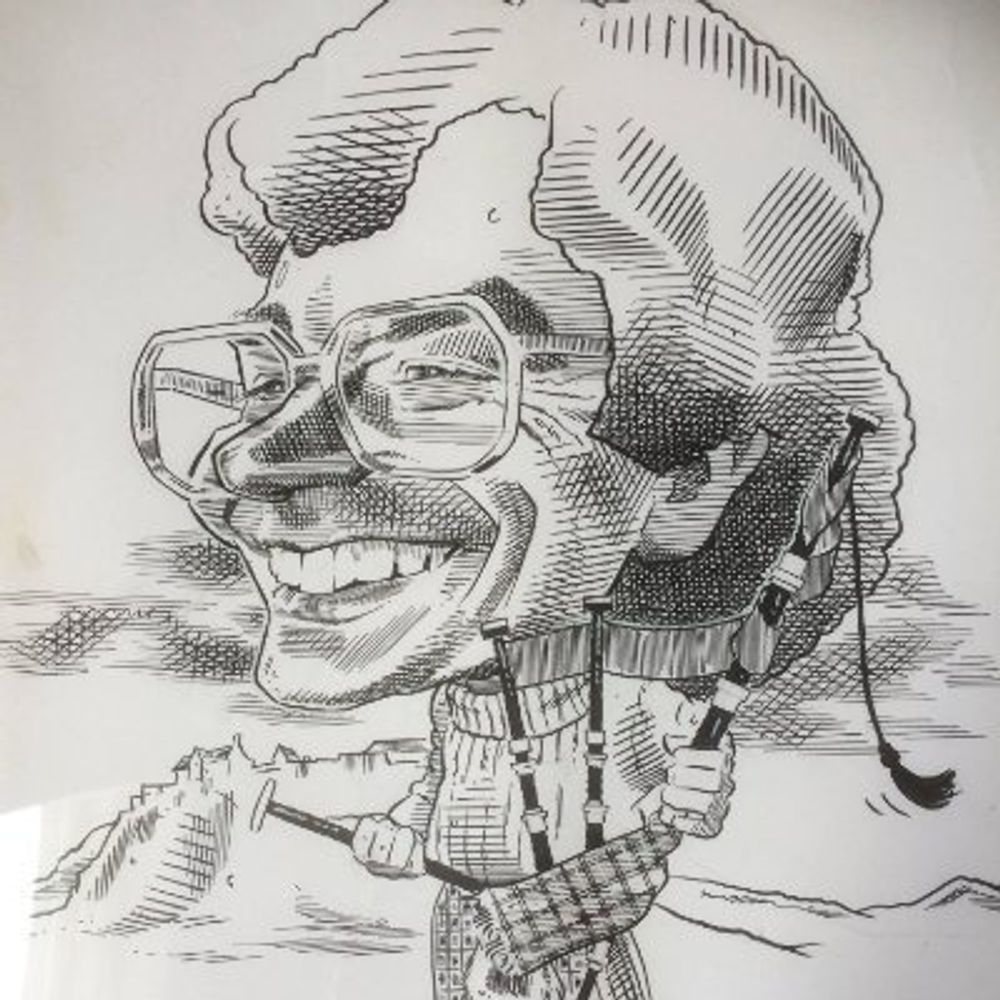
Market Place, Manchester, as in c.1890, by John L. Chapman (b.1946). #NorthernArt

November 24, 2025 at 8:52 AM
Market Place, Manchester, as in c.1890, by John L. Chapman (b.1946). #NorthernArt
Reposted by Robyn C
Nassau Street, From Outside The Kildare Street Club, Dublin, painting by Rose Mary Barton (1856-1929).

November 24, 2025 at 1:53 PM
Nassau Street, From Outside The Kildare Street Club, Dublin, painting by Rose Mary Barton (1856-1929).

Reposted by Robyn C

👁️ SEEING THINGS by Amanda Shubert tells the story of how Victorians experienced the virtual images created by magic lanterns, stereoscopes, and illusionistic stage magic—redefining what it meant to see in the modern world.
Learn more here ⬇️
📖 https://ow.ly/sveJ50XeJkv
Learn more here ⬇️
📖 https://ow.ly/sveJ50XeJkv

Seeing Things by Amanda Shubert | Paperback | Cornell University Press
A cultural history of nineteenth-century media imaginaries, Seeing Things tells the story of how Victorians experienced the virtual images created by modern optical technologies—magic lanterns, stereoscopes,...
ow.ly
November 6, 2025 at 2:05 PM
👁️ SEEING THINGS by Amanda Shubert tells the story of how Victorians experienced the virtual images created by magic lanterns, stereoscopes, and illusionistic stage magic—redefining what it meant to see in the modern world.
Learn more here ⬇️
📖 https://ow.ly/sveJ50XeJkv
Learn more here ⬇️
📖 https://ow.ly/sveJ50XeJkv
Reposted by Robyn C

The Peculiar Case of a Royal Peculiar: A Problem of Faculty at the Tower of London
By Alfred R J Hawkins
www.cambridge.org/core/journal...
By Alfred R J Hawkins
www.cambridge.org/core/journal...
The Peculiar Case of a Royal Peculiar: A Problem of Faculty at the Tower of London | Ecclesiastical Law Journal | Cambridge Core
The Peculiar Case of a Royal Peculiar: A Problem of Faculty at the Tower of London - Volume 24 Issue 3
www.cambridge.org
November 19, 2024 at 4:57 PM
The Peculiar Case of a Royal Peculiar: A Problem of Faculty at the Tower of London
By Alfred R J Hawkins
www.cambridge.org/core/journal...
By Alfred R J Hawkins
www.cambridge.org/core/journal...
Love this

Inflammation and stress markers measurably reduced by viewing art in a gallery, study finds - Arts Professional
Viewing art in a gallery setting has immediate, measurable physiological benefits for health and well-being, a new study has found.
www.artsprofessional.co.uk
October 29, 2025 at 9:20 AM
Love this
Reposted by Robyn C

If anyone is planning to do the #AScareADay October challenge (a story or poem a day, curated by yours truly!)...
I've made a little recording of the first day's poem - Robert Herrick's 'The Hag'
A nice quick listen (for fun or for the challenge) - enjoy!
youtu.be/pGPeozcz4DM
I've made a little recording of the first day's poem - Robert Herrick's 'The Hag'
A nice quick listen (for fun or for the challenge) - enjoy!
youtu.be/pGPeozcz4DM

The Hag by Robert Herrick (1648)
YouTube video by Romancing the Gothic
youtu.be
September 30, 2025 at 11:57 AM
If anyone is planning to do the #AScareADay October challenge (a story or poem a day, curated by yours truly!)...
I've made a little recording of the first day's poem - Robert Herrick's 'The Hag'
A nice quick listen (for fun or for the challenge) - enjoy!
youtu.be/pGPeozcz4DM
I've made a little recording of the first day's poem - Robert Herrick's 'The Hag'
A nice quick listen (for fun or for the challenge) - enjoy!
youtu.be/pGPeozcz4DM
Reposted by Robyn C
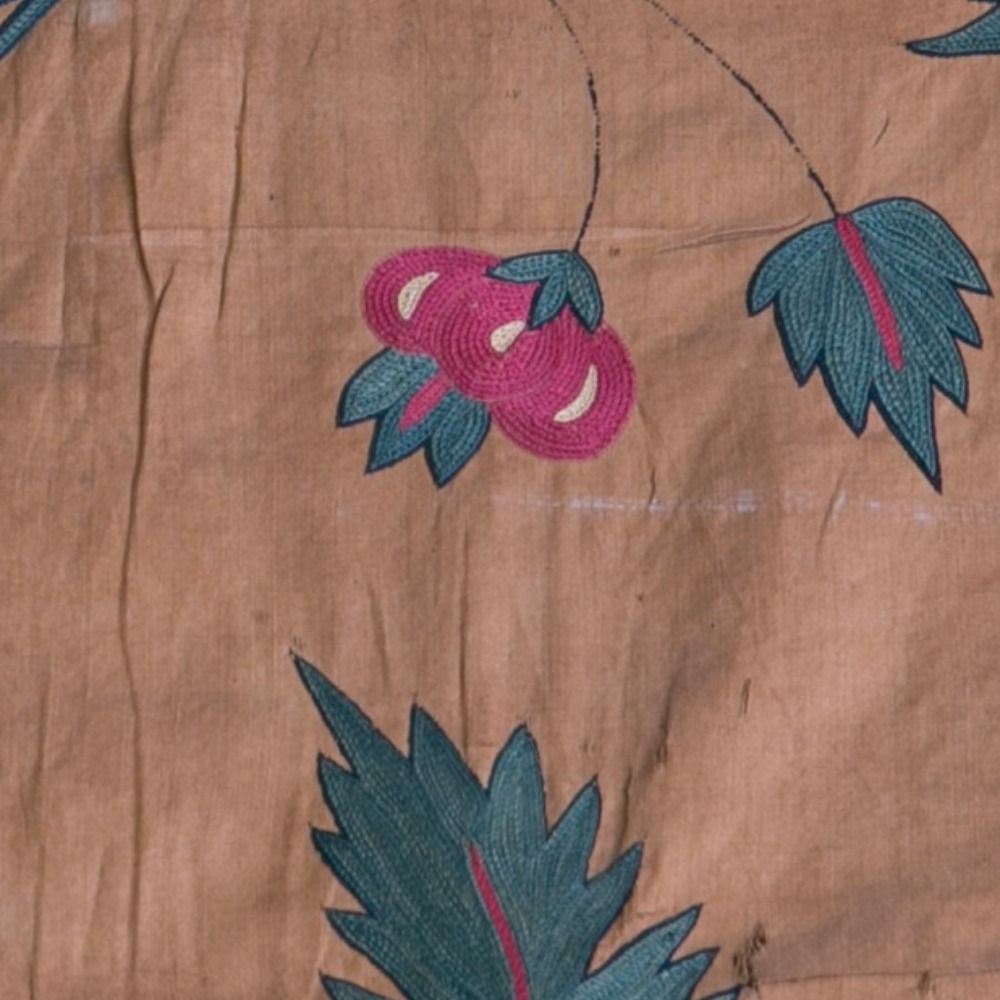
The Wolfson History Prize shortlist for 2025 is announced. Good reading.

The Wolfson History Prize - Celebrating Outstanding History
The Wolfson History Prize is awarded annually to promote and recognise outstanding history written for a general audience.
www.wolfsonhistoryprize.org.uk
September 30, 2025 at 9:18 AM
The Wolfson History Prize shortlist for 2025 is announced. Good reading.
Reposted by Robyn C

What can a museum object reveal about colonialism, extinction and genocide?
Thomas Kador’s latest blog post explores how collections help us confront difficult histories and rethink the role of museums in education.
🔗 Read more: bit.ly/4n92tX9
#ObjectBasedLearning
Thomas Kador’s latest blog post explores how collections help us confront difficult histories and rethink the role of museums in education.
🔗 Read more: bit.ly/4n92tX9
#ObjectBasedLearning

Tackling difficult histories with (museum) objects
What can a preserved animal specimen tell us about colonialism, extinction and even genocide? In this blog post, Thomas Kador reflects on the themes of his recent book Object-Based Learning: Exploring...
bit.ly
September 29, 2025 at 9:23 AM
What can a museum object reveal about colonialism, extinction and genocide?
Thomas Kador’s latest blog post explores how collections help us confront difficult histories and rethink the role of museums in education.
🔗 Read more: bit.ly/4n92tX9
#ObjectBasedLearning
Thomas Kador’s latest blog post explores how collections help us confront difficult histories and rethink the role of museums in education.
🔗 Read more: bit.ly/4n92tX9
#ObjectBasedLearning

Reposted by Robyn C

OOOO! The latest special issue for the Journal of #EarlyModern History is on Archives & Objects, a dialogue between the archival and material turn 🤩
Would you look at that ace table of contents 🤩
brill.com/view/journal...
#YayArchives! #HistArchives!
Would you look at that ace table of contents 🤩
brill.com/view/journal...
#YayArchives! #HistArchives!

August 17, 2025 at 2:59 PM
OOOO! The latest special issue for the Journal of #EarlyModern History is on Archives & Objects, a dialogue between the archival and material turn 🤩
Would you look at that ace table of contents 🤩
brill.com/view/journal...
#YayArchives! #HistArchives!
Would you look at that ace table of contents 🤩
brill.com/view/journal...
#YayArchives! #HistArchives!
Reposted by Robyn C

However, this is just one of its numerous and varied functions. In Issue 03, Alfred Hawkins explores the fascinating history of this chapel which has served, and continues to serve, the Tower’s diverse community over the centuries.
bit.ly/3OheivE
bit.ly/3OheivE

Issue 3 - Tudor Places Magazine - Exploring Tudor Places and their Stories
We delve into the story of Henry VIII's warship, the “Mary Rose", explore the Chapel Royal of Saint Peter ad Vincula at the Tower of London, look at Richmond Palace and Harlech Castle
bit.ly
July 6, 2025 at 4:12 PM
However, this is just one of its numerous and varied functions. In Issue 03, Alfred Hawkins explores the fascinating history of this chapel which has served, and continues to serve, the Tower’s diverse community over the centuries.
bit.ly/3OheivE
bit.ly/3OheivE
Reposted by Robyn C

New: 'The Holograph Letters of Margaret Tudor, Queen of Scots (1489-1541)' bit.ly/4mtRQgS
The Society's latest Camden volume of primary sources presents the 115 holograph letters of Margaret Tudor. This new edition, by Helen Newsome-Chandler, is an unprecedented epistolary archive 1/2 #Skystorians
The Society's latest Camden volume of primary sources presents the 115 holograph letters of Margaret Tudor. This new edition, by Helen Newsome-Chandler, is an unprecedented epistolary archive 1/2 #Skystorians
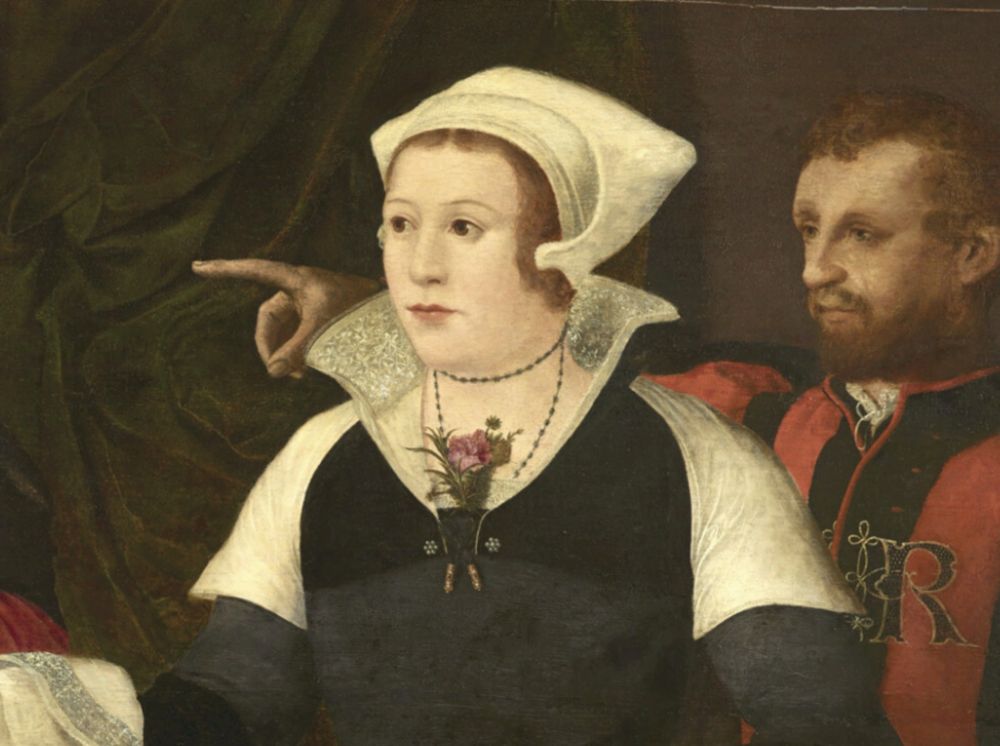
The Letters of Margaret Tudor, Queen of Scots: new Camden volume published - RHS
The Society is very pleased to announced publication of its latest Camden series volume: The Holograph Letters of Margaret Tudor, Queen of Scots (1489-1541), edited by Helen Newsome-Chandler. This vol...
bit.ly
August 6, 2025 at 8:57 AM
New: 'The Holograph Letters of Margaret Tudor, Queen of Scots (1489-1541)' bit.ly/4mtRQgS
The Society's latest Camden volume of primary sources presents the 115 holograph letters of Margaret Tudor. This new edition, by Helen Newsome-Chandler, is an unprecedented epistolary archive 1/2 #Skystorians
The Society's latest Camden volume of primary sources presents the 115 holograph letters of Margaret Tudor. This new edition, by Helen Newsome-Chandler, is an unprecedented epistolary archive 1/2 #Skystorians
Gained my Education Research and Inquiry Certificate from @collegeofteaching.bsky.social 🙂 #HistoryTeacher #Cteach
August 5, 2025 at 5:23 PM
Gained my Education Research and Inquiry Certificate from @collegeofteaching.bsky.social 🙂 #HistoryTeacher #Cteach