


Kai Caspar
@nomascus.bsky.social
Zoology lecturer @hhu.de | Armchair biologist | Focus on rodents underground and gibbons in the trees, also one of @themanybirds.bsky.social | Organismic vertebrate biology
Reposted by Kai Caspar
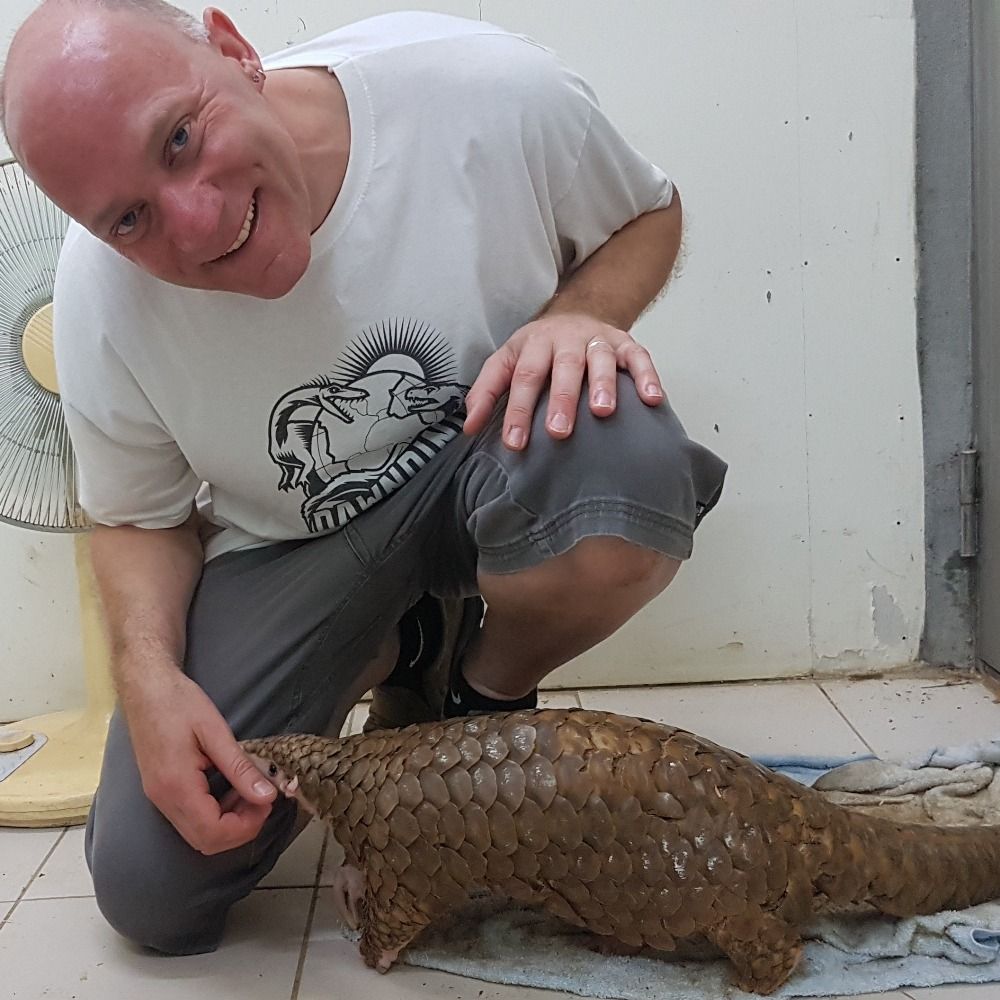
Another #DAWNDINOS paper submitted! A deep dive into locomotor function and biomechanics in the awesome Late Triassic "rauisuchian" Postosuchus.

February 9, 2026 at 11:03 AM
Another #DAWNDINOS paper submitted! A deep dive into locomotor function and biomechanics in the awesome Late Triassic "rauisuchian" Postosuchus.
Reposted by Kai Caspar
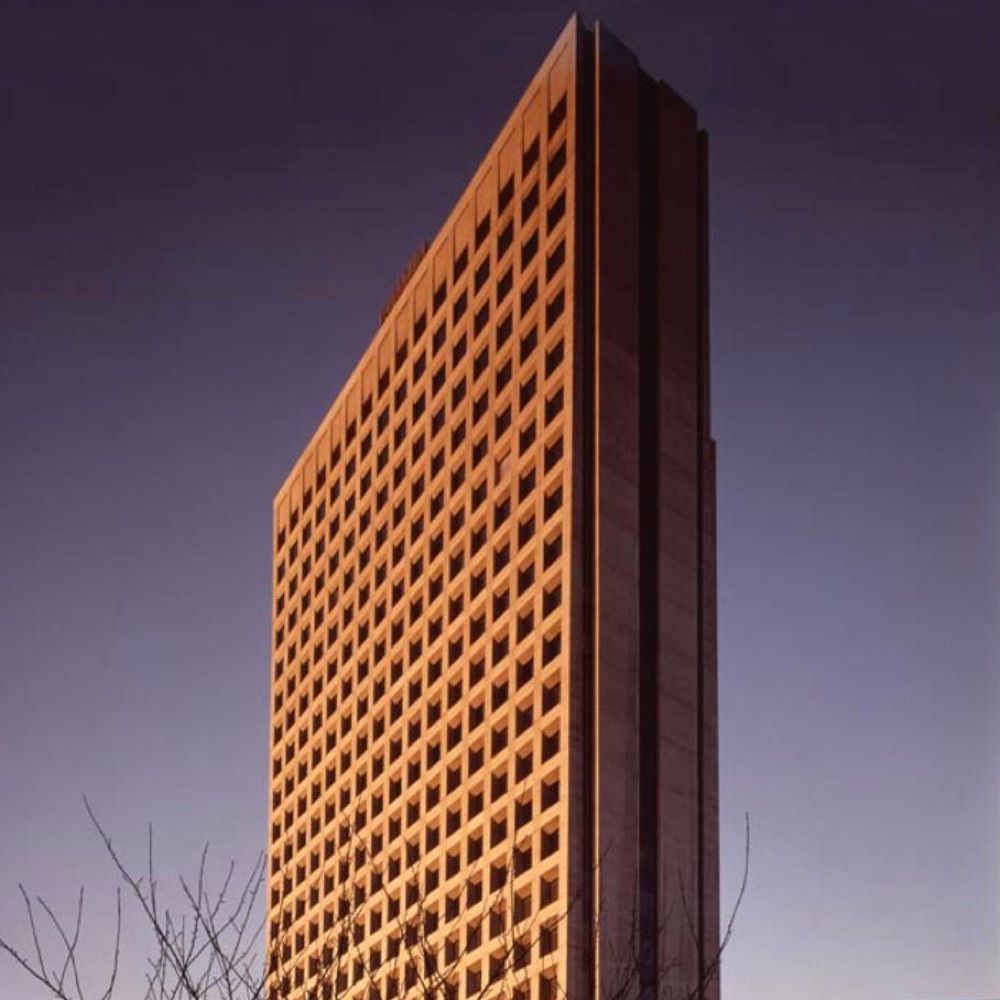
Prefabricated elephant slide, (1960s), Dresden, German Democratic Republic r/brutalism


February 7, 2026 at 12:28 PM
Prefabricated elephant slide, (1960s), Dresden, German Democratic Republic r/brutalism
Reposted by Kai Caspar
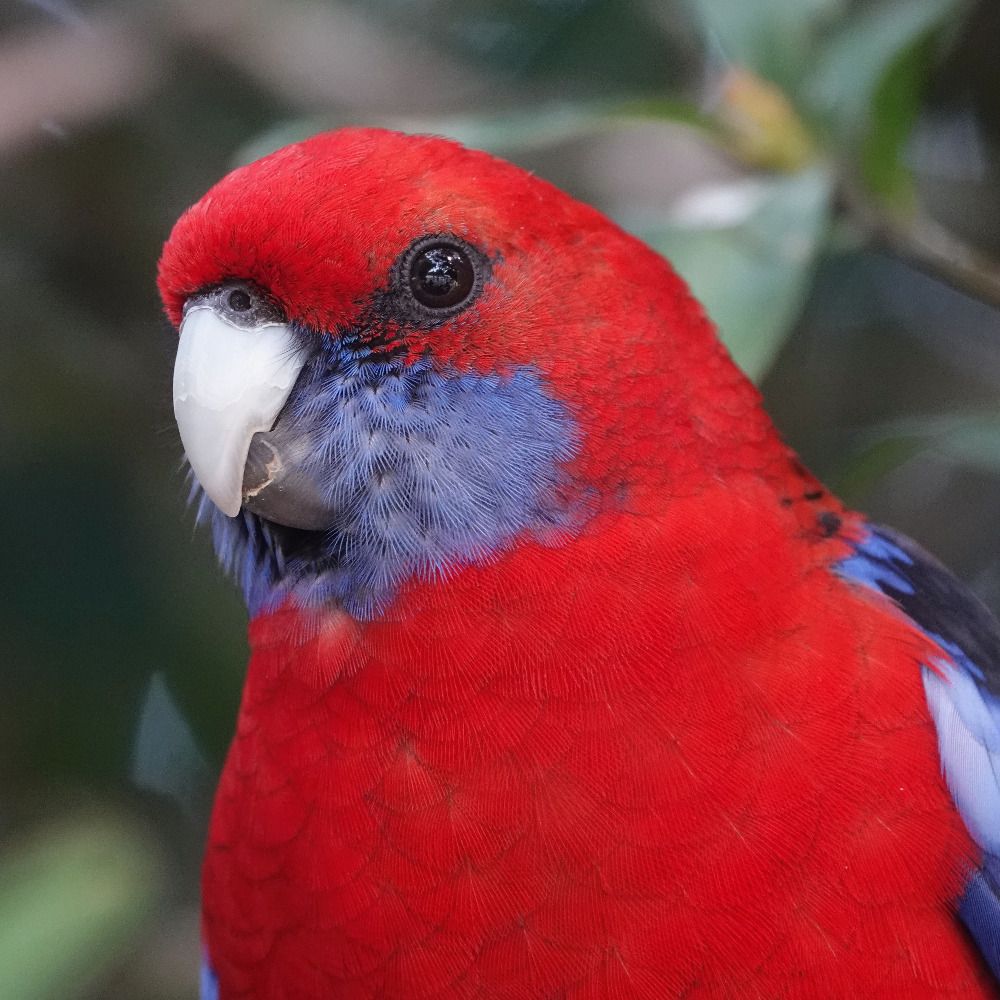
FYI if anyone out there is interested, I’m happy to deliver this talk elsewhere via Zoom or in person
#birds
#birds
Anyone in the #Lethbridge area, I will be giving a public talk this week to address the question I get the most: Why study bird brains? I will discuss how studying bird brains led to some major discoveries and helps us understand bird behaviour.
#yql #birds #Alberta
www.sacpa.ca/why-study-bi...
#yql #birds #Alberta
www.sacpa.ca/why-study-bi...

February 7, 2026 at 12:45 AM
FYI if anyone out there is interested, I’m happy to deliver this talk elsewhere via Zoom or in person
#birds
#birds
Reposted by Kai Caspar

This is a beautiful case of how real science happens & serious scientists work. Kudos to both set of authors: “This has been a humbling experience, but one that speaks to the self-correcting nature of the scientific endeavor.” www.science.org/doi/10.1126/...

RETRACTED: Integrative phylogenomics positions sponges at the root of the animal tree
Determining whether sponges or ctenophores root the animal tree has important implications for understanding early animal evolution. Here, we examined support for these competing hypotheses by constru...
www.science.org
February 6, 2026 at 7:35 PM
This is a beautiful case of how real science happens & serious scientists work. Kudos to both set of authors: “This has been a humbling experience, but one that speaks to the self-correcting nature of the scientific endeavor.” www.science.org/doi/10.1126/...
Reposted by Kai Caspar
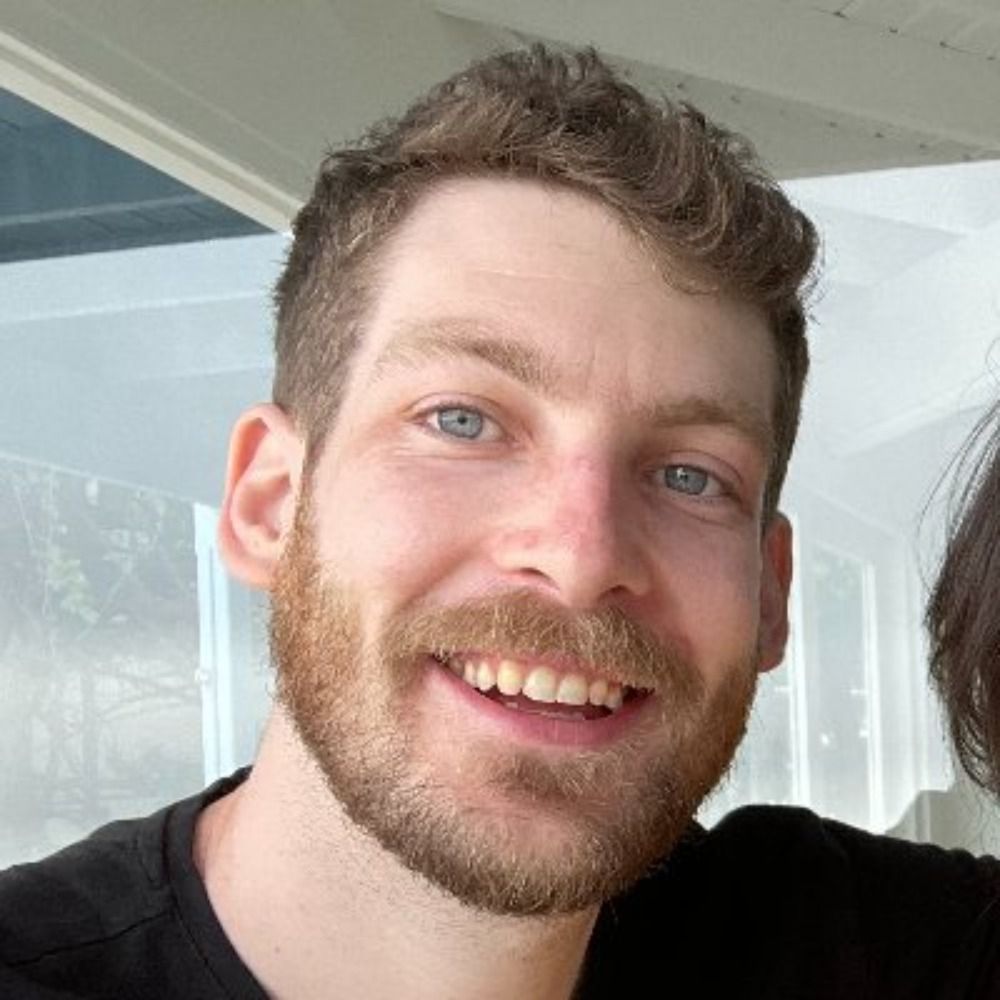
Imagination in bonobos!
I am thrilled to share a new paper w/ Amalia Bastos, out now in @science.org
We provide the first experimental evidence that a nonhuman animal can follow along a pretend scenario & track imaginary objects. Work w/ Kanzi, the bonobo, at Ape Initiative
youtu.be/NUSHcQQz2Ko
I am thrilled to share a new paper w/ Amalia Bastos, out now in @science.org
We provide the first experimental evidence that a nonhuman animal can follow along a pretend scenario & track imaginary objects. Work w/ Kanzi, the bonobo, at Ape Initiative
youtu.be/NUSHcQQz2Ko

Apes Share Human Ability to Imagine
YouTube video by Johns Hopkins University
youtu.be
February 5, 2026 at 7:18 PM
Imagination in bonobos!
I am thrilled to share a new paper w/ Amalia Bastos, out now in @science.org
We provide the first experimental evidence that a nonhuman animal can follow along a pretend scenario & track imaginary objects. Work w/ Kanzi, the bonobo, at Ape Initiative
youtu.be/NUSHcQQz2Ko
I am thrilled to share a new paper w/ Amalia Bastos, out now in @science.org
We provide the first experimental evidence that a nonhuman animal can follow along a pretend scenario & track imaginary objects. Work w/ Kanzi, the bonobo, at Ape Initiative
youtu.be/NUSHcQQz2Ko
Reposted by Kai Caspar

#ProtistsOnSky
no 'swimming' by 𝘝𝘢𝘮𝘱𝘺𝘳𝘦𝘭𝘭𝘢, definitively no 'staying still'. just a relaxed walk towards the lunch...
no 'swimming' by 𝘝𝘢𝘮𝘱𝘺𝘳𝘦𝘭𝘭𝘢, definitively no 'staying still'. just a relaxed walk towards the lunch...
February 2, 2026 at 12:00 AM
#ProtistsOnSky
no 'swimming' by 𝘝𝘢𝘮𝘱𝘺𝘳𝘦𝘭𝘭𝘢, definitively no 'staying still'. just a relaxed walk towards the lunch...
no 'swimming' by 𝘝𝘢𝘮𝘱𝘺𝘳𝘦𝘭𝘭𝘢, definitively no 'staying still'. just a relaxed walk towards the lunch...
Reposted by Kai Caspar
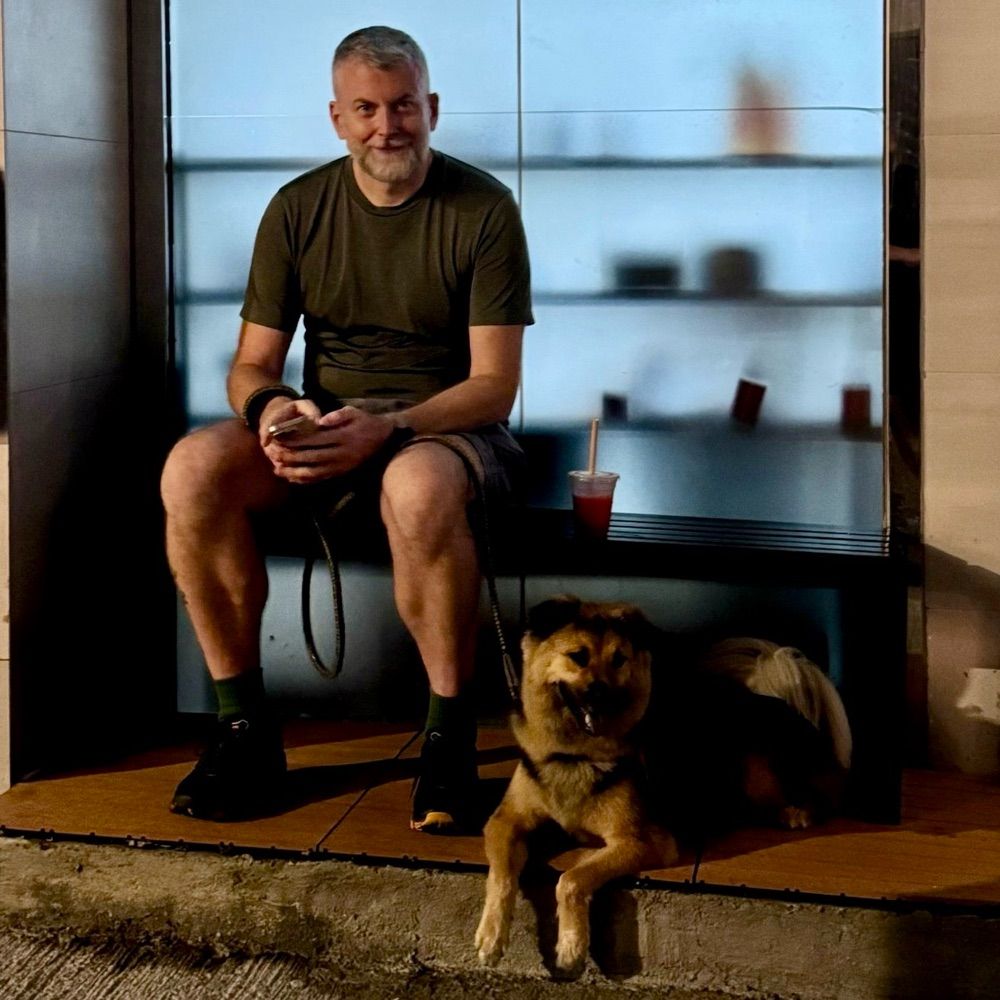
2026. Aging populations threaten conservation goals of zoos | PNAS www.pnas.org/doi/10.1073/...

Aging populations threaten conservation goals of zoos | PNAS
Improvements in wildlife husbandry mean that many zoo animals are living longer. This
has put pressure on the finite holding capacity of zoos, whic...
www.pnas.org
February 4, 2026 at 3:47 AM
2026. Aging populations threaten conservation goals of zoos | PNAS www.pnas.org/doi/10.1073/...
Me: Unsuspectingly scrolling my timeline
Some Australian: Wanna see some POWERFUL OWLS?!
Some Australian: Wanna see some POWERFUL OWLS?!
February 3, 2026 at 8:05 PM
Me: Unsuspectingly scrolling my timeline
Some Australian: Wanna see some POWERFUL OWLS?!
Some Australian: Wanna see some POWERFUL OWLS?!
Reposted by Kai Caspar

Result from the Joggins Formation #paleostream! This Canadian site is an absolute classic and even if you are not familiar with its name you probably know at least one of its major players...

February 3, 2026 at 3:54 AM
Result from the Joggins Formation #paleostream! This Canadian site is an absolute classic and even if you are not familiar with its name you probably know at least one of its major players...
Reposted by Kai Caspar

#Cenozoicrewind2025 Last but not least, meet Flandriacetus gijseni!
#paleoart #vectorart #beakedwhale
#paleoart #vectorart #beakedwhale

January 31, 2026 at 8:32 PM
#Cenozoicrewind2025 Last but not least, meet Flandriacetus gijseni!
#paleoart #vectorart #beakedwhale
#paleoart #vectorart #beakedwhale
Reposted by Kai Caspar

The Cornell Lab of Ornithology is amazing, but y'all should know that it employs about 200 people to make those resources happen. Serving detailed biodiversity information takes significant resources, on the order of tens of millions of dollars per year.
January 27, 2026 at 8:34 PM
The Cornell Lab of Ornithology is amazing, but y'all should know that it employs about 200 people to make those resources happen. Serving detailed biodiversity information takes significant resources, on the order of tens of millions of dollars per year.
Reposted by Kai Caspar
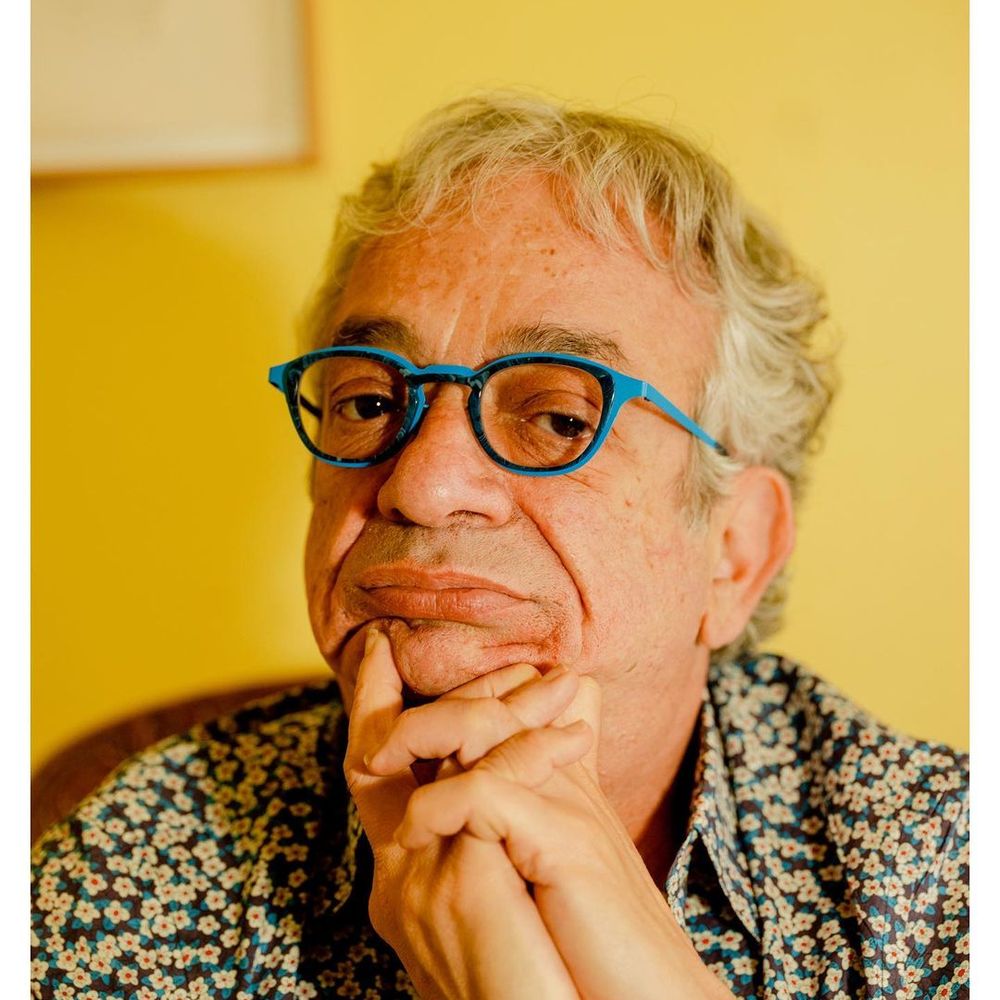
Charley Harper, "Darwin's Finches", from "The Giant Golden Book of Biology", 1961

January 20, 2026 at 2:57 PM
Charley Harper, "Darwin's Finches", from "The Giant Golden Book of Biology", 1961
Reposted by Kai Caspar
MAJOR NEWS! We just launched an awesome new tool! The illustrated Birds of the World Phylogeny Explorer lets users trace any bird’s lineage, compare species relationships, and explore major evolutionary milestones with a click of a button. SHARE and EXPLORE! birdsoftheworld.org/bow/news/phy...

January 27, 2026 at 1:26 AM
MAJOR NEWS! We just launched an awesome new tool! The illustrated Birds of the World Phylogeny Explorer lets users trace any bird’s lineage, compare species relationships, and explore major evolutionary milestones with a click of a button. SHARE and EXPLORE! birdsoftheworld.org/bow/news/phy...
Reposted by Kai Caspar

🚨NEW PAPER 🚨 #Caecilians maintain a functional long-wavelength-sensitive cone opsin gene despite signatures of relaxed selection and more than 200 million years of fossoriality, published in Evolution @sse-evolution.bsky.social
academic.oup.com/evolut/artic...
academic.oup.com/evolut/artic...

Caecilians maintain a functional long-wavelength-sensitive cone opsin gene despite signatures of relaxed selection and more than 200 million years of fossoriality
The colonization of low-light environments exerts selective pressure to enhance non-visual senses while relaxing selection on vision, often leading to opsi
academic.oup.com
January 26, 2026 at 5:50 AM
🚨NEW PAPER 🚨 #Caecilians maintain a functional long-wavelength-sensitive cone opsin gene despite signatures of relaxed selection and more than 200 million years of fossoriality, published in Evolution @sse-evolution.bsky.social
academic.oup.com/evolut/artic...
academic.oup.com/evolut/artic...
Another bit on eye-sight: I've put together a plot on visual acuity in birds and mammals. Interestingly, corvids seem to have acuity that is a lot better than expected for their eye size/passerines in general. Is anyone aware of structural peculiarities of corvid eyes that might explain that? 🧪🪶

January 25, 2026 at 11:47 AM
Another bit on eye-sight: I've put together a plot on visual acuity in birds and mammals. Interestingly, corvids seem to have acuity that is a lot better than expected for their eye size/passerines in general. Is anyone aware of structural peculiarities of corvid eyes that might explain that? 🧪🪶
Reposted by Kai Caspar

January 22, 2026 at 9:28 PM
Reposted by Kai Caspar
NEW BOOK
I’m thrilled to announce the upcoming publication of my first book "Die Welt der Plesiosaurier" (The World of Plesiosaurs), written by Achim Schwermann and myself and beautifully illustrated by @joschuaknuppe.bsky.social. 1/6
#Fossilfriday #palaeontology
I’m thrilled to announce the upcoming publication of my first book "Die Welt der Plesiosaurier" (The World of Plesiosaurs), written by Achim Schwermann and myself and beautifully illustrated by @joschuaknuppe.bsky.social. 1/6
#Fossilfriday #palaeontology


January 23, 2026 at 11:04 AM
NEW BOOK
I’m thrilled to announce the upcoming publication of my first book "Die Welt der Plesiosaurier" (The World of Plesiosaurs), written by Achim Schwermann and myself and beautifully illustrated by @joschuaknuppe.bsky.social. 1/6
#Fossilfriday #palaeontology
I’m thrilled to announce the upcoming publication of my first book "Die Welt der Plesiosaurier" (The World of Plesiosaurs), written by Achim Schwermann and myself and beautifully illustrated by @joschuaknuppe.bsky.social. 1/6
#Fossilfriday #palaeontology
Reposted by Kai Caspar

wait so birds don't have a blue field entoptic effect at all? we just stare at the sky and see snow for reasons of evolutionary happenstance?
Birds have a thick retina devoid of blood vessels - so how do they ensure sufficient oxygen availability?
They don't - neurons rely on glycolysis, metabolizing glucose released from the pecten.
Insane new study that includes comparative data on lizards and crocs.🧪
www.nature.com/articles/s41...
They don't - neurons rely on glycolysis, metabolizing glucose released from the pecten.
Insane new study that includes comparative data on lizards and crocs.🧪
www.nature.com/articles/s41...

Oxygen-free metabolism in the bird inner retina supported by the pecten - Nature
While the photoreceptor outer segments in the bird outer retina have access to oxygen, the inner retina operates under chronic anoxia, supported by anaerobic glycolysis in the retinal neurons.
www.nature.com
January 22, 2026 at 3:48 PM
wait so birds don't have a blue field entoptic effect at all? we just stare at the sky and see snow for reasons of evolutionary happenstance?
Birds have a thick retina devoid of blood vessels - so how do they ensure sufficient oxygen availability?
They don't - neurons rely on glycolysis, metabolizing glucose released from the pecten.
Insane new study that includes comparative data on lizards and crocs.🧪
www.nature.com/articles/s41...
They don't - neurons rely on glycolysis, metabolizing glucose released from the pecten.
Insane new study that includes comparative data on lizards and crocs.🧪
www.nature.com/articles/s41...
Oxygen-free metabolism in the bird inner retina supported by the pecten - Nature
While the photoreceptor outer segments in the bird outer retina have access to oxygen, the inner retina operates under chronic anoxia, supported by anaerobic glycolysis in the retinal neurons.
www.nature.com
January 22, 2026 at 2:14 PM
Birds have a thick retina devoid of blood vessels - so how do they ensure sufficient oxygen availability?
They don't - neurons rely on glycolysis, metabolizing glucose released from the pecten.
Insane new study that includes comparative data on lizards and crocs.🧪
www.nature.com/articles/s41...
They don't - neurons rely on glycolysis, metabolizing glucose released from the pecten.
Insane new study that includes comparative data on lizards and crocs.🧪
www.nature.com/articles/s41...
Reposted by Kai Caspar
Our paper on the mysterious Devonian organism Prototaxites has now finally been published! See the paper here (www.science.org/doi/10.1126/...) and our explainer thread below!
Prototaxites reconstruction by Matt Humpage
Prototaxites reconstruction by Matt Humpage

January 21, 2026 at 7:25 PM
Our paper on the mysterious Devonian organism Prototaxites has now finally been published! See the paper here (www.science.org/doi/10.1126/...) and our explainer thread below!
Prototaxites reconstruction by Matt Humpage
Prototaxites reconstruction by Matt Humpage
Reposted by Kai Caspar

New paper presenting rather compelling evidence that the stem-vertebrate Haikouichthys had paired lateral and supranumerary medial eyes (!!!), and proposing that the medial eyes may have deep homology with the pineal and parapineal organs.
www.nature.com/articles/s41...
www.nature.com/articles/s41...

Four camera-type eyes in the earliest vertebrates from the Cambrian Period - Nature
Early vertebrates, particularly myllokunmingids, possessed four camera-type eyes (a pair of lateral eyes and pineal and parapineal organs), which indicates that these structures functio...
www.nature.com
January 21, 2026 at 5:47 PM
New paper presenting rather compelling evidence that the stem-vertebrate Haikouichthys had paired lateral and supranumerary medial eyes (!!!), and proposing that the medial eyes may have deep homology with the pineal and parapineal organs.
www.nature.com/articles/s41...
www.nature.com/articles/s41...
Reposted by Kai Caspar
Paranthropus in the Afar, pretty neat find! 🏺🧪

2.6 million-year-old jaw from extinct 'Nutcracker Man' is found where we didn't expect it
A fossil jaw of a distant human relative was discovered much farther north than previously thought possible, revealing new information about diversity in human evolution.
www.livescience.com
January 21, 2026 at 4:06 PM
Paranthropus in the Afar, pretty neat find! 🏺🧪
Reposted by Kai Caspar

Today (Jan 21st) is the day... TWO DECADES of Tetrapod Zoology. We start with a review of what went down in 2025... it was quite a busy year. Huge thanks to everyone who visits, reads and leaves comments at Tet Zoo, and especially those who assist with efforts. tetzoo.com/blog/2026/1/...


January 21, 2026 at 1:38 AM
Today (Jan 21st) is the day... TWO DECADES of Tetrapod Zoology. We start with a review of what went down in 2025... it was quite a busy year. Huge thanks to everyone who visits, reads and leaves comments at Tet Zoo, and especially those who assist with efforts. tetzoo.com/blog/2026/1/...
Reposted by Kai Caspar
Two more amazing Triassic reptiles. In this case from the Late Triassic Keuper Group of Europe. The huge phytosaur Nicrosaurus kapfii and one of the earliest plesiosaurs, Rhaeticosaurus mertensi
Part of my book of Triassic Tetrapods (currently in preparation)
#paleoart #sciart #reptiles
Part of my book of Triassic Tetrapods (currently in preparation)
#paleoart #sciart #reptiles


January 20, 2026 at 3:14 PM
Reposted by Kai Caspar
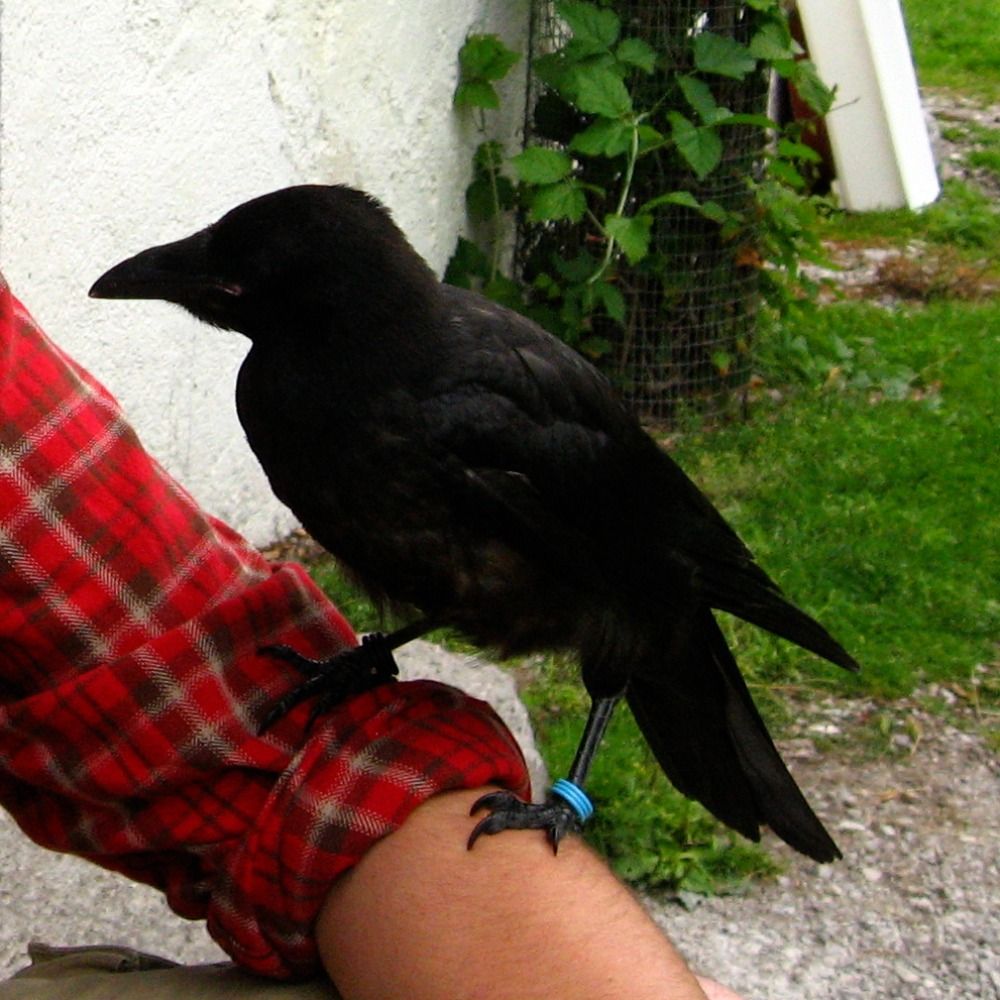
Might be that learning to use tools individually needs nothing more than shared associative processes. But transmitting tool use socially across a pop requires a correlation between widespread tool availability and social learning opportunities, which is likely rare. m.youtube.com/watch?v=mDnt...

A Pigeon Solves the Classic Box-and-Banana Problem
YouTube video by drrobertepstein
m.youtube.com
January 19, 2026 at 11:19 PM
Might be that learning to use tools individually needs nothing more than shared associative processes. But transmitting tool use socially across a pop requires a correlation between widespread tool availability and social learning opportunities, which is likely rare. m.youtube.com/watch?v=mDnt...