



Thomas Arnesen
@natmachinery.bsky.social
Prof. Univ. of Bergen & Helse Bergen | Basic & translational science | Molecular Biology | Cancer | Endocrinology | Rare diseases | Cytoskeleton | Ribosome | Protein biogenesis | PTMs | N-terminal acetylation
https://www.uib.no/en/rg/protein
https://www.uib.no/en/rg/protein
Pinned

Protein N-terminal modifications - Feature Review and cover in the recent issue of @cp-trendsbiochem.bsky.social Thanks to all authors, Editor @sanniejculbertson.bsky.social and reviewers for great work and support! @ispt-proteinterm.bsky.social www.cell.com/trends/bioch...
Reposted by Thomas Arnesen
Join us in Palermo!
FEBS Workshop Protein Termini 2026: the power of protein termini across bacteria, plants, and animals—from ribosome biology to proteostasis and applications. Deadline: 3 March 2026
proteintermini.org/meeting
#ProteinTermini #Proteostasis #FEBS #EMBO @iubmb.bsky.social
FEBS Workshop Protein Termini 2026: the power of protein termini across bacteria, plants, and animals—from ribosome biology to proteostasis and applications. Deadline: 3 March 2026
proteintermini.org/meeting
#ProteinTermini #Proteostasis #FEBS #EMBO @iubmb.bsky.social

February 16, 2026 at 3:10 PM
Join us in Palermo!
FEBS Workshop Protein Termini 2026: the power of protein termini across bacteria, plants, and animals—from ribosome biology to proteostasis and applications. Deadline: 3 March 2026
proteintermini.org/meeting
#ProteinTermini #Proteostasis #FEBS #EMBO @iubmb.bsky.social
FEBS Workshop Protein Termini 2026: the power of protein termini across bacteria, plants, and animals—from ribosome biology to proteostasis and applications. Deadline: 3 March 2026
proteintermini.org/meeting
#ProteinTermini #Proteostasis #FEBS #EMBO @iubmb.bsky.social
Reposted by Thomas Arnesen

Join us at the @crick.ac.uk for the 2026 meeting of the UK proteostasis community!
We especially encourage students and postdocs to attend and share their work. All talks (except the keynotes) will be selected from abstracts.
We especially encourage students and postdocs to attend and share their work. All talks (except the keynotes) will be selected from abstracts.

📣 UK Proteostasis Meeting 2026 – Registration Now Open!
I’m delighted to share that registration is now open for the UK Proteostasis Meeting 2026, hosted by The Francis Crick Institute on 20–21 July 2026 .
Please register here(lnkd.in/ervXMzWN) and through Eventbrite for payment (lnkd.in/eTxqjnQy)
I’m delighted to share that registration is now open for the UK Proteostasis Meeting 2026, hosted by The Francis Crick Institute on 20–21 July 2026 .
Please register here(lnkd.in/ervXMzWN) and through Eventbrite for payment (lnkd.in/eTxqjnQy)

February 13, 2026 at 1:55 PM
Join us at the @crick.ac.uk for the 2026 meeting of the UK proteostasis community!
We especially encourage students and postdocs to attend and share their work. All talks (except the keynotes) will be selected from abstracts.
We especially encourage students and postdocs to attend and share their work. All talks (except the keynotes) will be selected from abstracts.
Reposted by Thomas Arnesen

Surprisingly: "Conditional stability of HY5 through the ATE N-degron pathway regulates environmental responses in Arabidopsis thaliana".
The shining bounds of N-degron pathway influence expands! @charlene-kunaka.bsky.social www.biorxiv.org/content/10.6...
The shining bounds of N-degron pathway influence expands! @charlene-kunaka.bsky.social www.biorxiv.org/content/10.6...
www.biorxiv.org
February 12, 2026 at 8:58 AM
Surprisingly: "Conditional stability of HY5 through the ATE N-degron pathway regulates environmental responses in Arabidopsis thaliana".
The shining bounds of N-degron pathway influence expands! @charlene-kunaka.bsky.social www.biorxiv.org/content/10.6...
The shining bounds of N-degron pathway influence expands! @charlene-kunaka.bsky.social www.biorxiv.org/content/10.6...
Reposted by Thomas Arnesen
Protein event of the year - sign up today! See you at beautiful Palazzo dei Normanni in Palermo for the FEBS 2026 Protein Termini Workshop.
#ProteinTermini #Proteostasis #ProteinModifications #StructuralBiology #PalazzoDeiNormanni #Palermo2026
proteintermini.org/meeting/
#ProteinTermini #Proteostasis #ProteinModifications #StructuralBiology #PalazzoDeiNormanni #Palermo2026
proteintermini.org/meeting/

February 9, 2026 at 8:49 PM
Protein event of the year - sign up today! See you at beautiful Palazzo dei Normanni in Palermo for the FEBS 2026 Protein Termini Workshop.
#ProteinTermini #Proteostasis #ProteinModifications #StructuralBiology #PalazzoDeiNormanni #Palermo2026
proteintermini.org/meeting/
#ProteinTermini #Proteostasis #ProteinModifications #StructuralBiology #PalazzoDeiNormanni #Palermo2026
proteintermini.org/meeting/
Reposted by Thomas Arnesen
Remember to register for this year's Protein Termini FEBS Advanced course. Keynote by Roland Beckmann @beckmannlab.bsky.social "It takes more than two to tango: structural basis and coordination of co-translational N-terminal nascent chain modification" www.conferencecentral.org/webpage/view...
FEBS Workshop 'Protein termini 2026: From mechanisms to biological impact'
www.conferencecentral.org
February 7, 2026 at 3:49 PM
Remember to register for this year's Protein Termini FEBS Advanced course. Keynote by Roland Beckmann @beckmannlab.bsky.social "It takes more than two to tango: structural basis and coordination of co-translational N-terminal nascent chain modification" www.conferencecentral.org/webpage/view...
Reposted by Thomas Arnesen
Protein degradation in Turnip - an adapted Arg/N-degron pathway. Preprint from Brian Mooney et al. Emmanuelle Graciet lab. www.biorxiv.org/content/10.6...
Functional divergence of the Arg/N-degron pathway between the crop Brassica rapa and the model plant Arabidopsis thaliana
The ubiquitin-dependent Arg/N-degron pathway relates the stability of a substrate protein to the nature of its N-terminal amino acid residue or its biochemical modifications, with some N-terminal residues being recognized by specific E3 ubiquitin ligases, resulting in the ubiquitylation and degradation of the substrate protein. Work in the model plant Arabidopsis thaliana has shown that the Arg/N-degron pathway is a key regulator of plant responses to hypoxia, which can be either physiological or a stress in the context of waterlogging or submergence. The role of the Arg/N-degron pathway in hypoxia response is mediated via the oxygen-dependent degradation of group VII ETHYLENE RESPONSE FACTOR (ERFVII) transcription factors, which act as the master regulators of the hypoxia response program in plants. Analysis of Arabidopsis mutants for different enzymatic components of the Arg/N-degron pathway has also revealed its roles in the regulation of responses to other abiotic stresses (e.g. salt stress), as well as to pathogens. Although much has been learned from studies in Arabidopsis about the functions of the Arg/N-degron pathway, very little is known about this pathway in crops, including in Brassica crops such as oilseed rape, cabbage or turnip. To determine functional similarities and divergence of the Arg/N-degron pathway between Arabidopsis and Brassica crops, we isolated and characterized the first Arg/N-degron pathway mutants in Brassica rapa (turnip, pak choi), a diploid Brassica crop closely related to oilseed rape. We focused on two enzymatic components, namely the arginine-transferases ( ATE s) and the E3 ubiquitin ligase PROTEOLYSIS6 ( PRT6 ). Our results show both similarities and divergence of function for these Arg/N-degron pathway components in B. rapa compared to Arabidopsis. Specifically, ATE mutants in B. rapa arrest their development at the seedling stage, which contrasts with the mild phenotypic defects of the equivalent Arabidopsis mutants. Double mutant lines for two of the three PRT6 genes in B. rapa indicated a constitutive activation of hypoxia response genes at the transcriptional level, as shown in the single prt6 mutant in Arabidopsis. However, contrary to Arabidopsis, the B. rapa double mutants were more sensitive to waterlogging and hypoxia, and did not show differential response to salt stress or to biotic stress compared to the wild type. The functional divergence identified likely reflects variability in each species in the substrate repertoire and/or in the regulation of pathways or targets downstream of Arg/N-degron pathway substrates. Such differences could be driven by direct selective pressures at N-termini (e.g. gain or loss of a destabilizing N-terminal residue), or by species-specific proteases that may generate destabilizing neo-N-termini after cleavage. These similarities and differences highlight the difficulties in translating research findings from Arabidopsis to crops, even within the same plant family (Brassicaceae) and highlight the need to study pathways in crops. ### Competing Interest Statement The authors have declared no competing interest. Science Foundation Ireland, https://ror.org/0271asj38, 13/IA/1870, 20/FFP-P/8433 Irish Research Council, https://ror.org/051xex213, GOIPG/2017/2
www.biorxiv.org
January 30, 2026 at 2:09 PM
Protein degradation in Turnip - an adapted Arg/N-degron pathway. Preprint from Brian Mooney et al. Emmanuelle Graciet lab. www.biorxiv.org/content/10.6...
Reposted by Thomas Arnesen
Ribosome-NAC collaboration: A regulatory platform for cotranslational chaperones, enzymes, and targeting factors. New review out in @cp-molcell.bsky.social from Elke Deuerling's lab. www.sciencedirect.com/science/arti...

Ribosome-NAC collaboration: A regulatory platform for cotranslational chaperones, enzymes, and targeting factors
Protein biogenesis requires the ribosome to collaborate with a diverse set of cotranslational factors that shape the fate of nascent chains. These int…
www.sciencedirect.com
January 28, 2026 at 11:18 AM
Ribosome-NAC collaboration: A regulatory platform for cotranslational chaperones, enzymes, and targeting factors. New review out in @cp-molcell.bsky.social from Elke Deuerling's lab. www.sciencedirect.com/science/arti...
Complexity at the ribosomal polypeptide tunnel exit. The major N-terminal acetyltransferase NatA may form different complexes on the ribosome to facilitate protein maturation. By Marius Klein & Klemens Wild in Irmgard Sinning's lab BZH & Nina McTiernan in my lab. www.nature.com/articles/s41...

January 26, 2026 at 11:24 AM
Complexity at the ribosomal polypeptide tunnel exit. The major N-terminal acetyltransferase NatA may form different complexes on the ribosome to facilitate protein maturation. By Marius Klein & Klemens Wild in Irmgard Sinning's lab BZH & Nina McTiernan in my lab. www.nature.com/articles/s41...
Reposted by Thomas Arnesen
This is how co-translational N-terminal myristoylation occurs on the ribosome. NMT1 acts together with NAC, but after the release of MetAP. Cryo-EM study by Timo Denk et al. @beckmannlab.bsky.social @giglionelab.bsky.social www.nature.com/articles/s41...

January 26, 2026 at 11:00 AM
This is how co-translational N-terminal myristoylation occurs on the ribosome. NMT1 acts together with NAC, but after the release of MetAP. Cryo-EM study by Timo Denk et al. @beckmannlab.bsky.social @giglionelab.bsky.social www.nature.com/articles/s41...
Reposted by Thomas Arnesen
🎉 As we celebrate #TIBS50, we're highlighting #CitedClassics and revisiting the top cited article from each of the last 50 years!
Check out this one from 1976! Read it here 👉 lnkd.in/egdN-AXt
Check out this one from 1976! Read it here 👉 lnkd.in/egdN-AXt

January 13, 2026 at 4:45 PM
🎉 As we celebrate #TIBS50, we're highlighting #CitedClassics and revisiting the top cited article from each of the last 50 years!
Check out this one from 1976! Read it here 👉 lnkd.in/egdN-AXt
Check out this one from 1976! Read it here 👉 lnkd.in/egdN-AXt
Reposted by Thomas Arnesen

1. Apply for one of the positions below (lab or theory) by Jan 18th
2. Learn interdisc skills and discover cool new things about how mitochondria move and socialise
3. Explore some of Norway's beautiful nature (both the below, Rundemanen and Gullfjellet, <10km from work)
2. Learn interdisc skills and discover cool new things about how mitochondria move and socialise
3. Explore some of Norway's beautiful nature (both the below, Rundemanen and Gullfjellet, <10km from work)


January 9, 2026 at 8:02 AM
1. Apply for one of the positions below (lab or theory) by Jan 18th
2. Learn interdisc skills and discover cool new things about how mitochondria move and socialise
3. Explore some of Norway's beautiful nature (both the below, Rundemanen and Gullfjellet, <10km from work)
2. Learn interdisc skills and discover cool new things about how mitochondria move and socialise
3. Explore some of Norway's beautiful nature (both the below, Rundemanen and Gullfjellet, <10km from work)
Intricate regulation of Src kinases via N-terminal modifications and specific degradation pathways. A novel degradation pathway involving the CUL4A-DDB1-DCAF10 E3 ligase found by Kremer et al. Tanja Bange lab @andrea-musacchio.bsky.social @ispt-proteinterm.bsky.social www.nature.com/articles/s41...
CUL4A-DDB1-DCAF10 is an N-recognin for N-terminally acetylated Src kinases - Nature Communications
Cells depend on early protein modifications for proper function. Here, the authors show that when Src-family signaling kinases lack their typical myristoylation, an alternative acetylated start is det...
www.nature.com
January 5, 2026 at 1:35 PM
Intricate regulation of Src kinases via N-terminal modifications and specific degradation pathways. A novel degradation pathway involving the CUL4A-DDB1-DCAF10 E3 ligase found by Kremer et al. Tanja Bange lab @andrea-musacchio.bsky.social @ispt-proteinterm.bsky.social www.nature.com/articles/s41...
Reposted by Thomas Arnesen
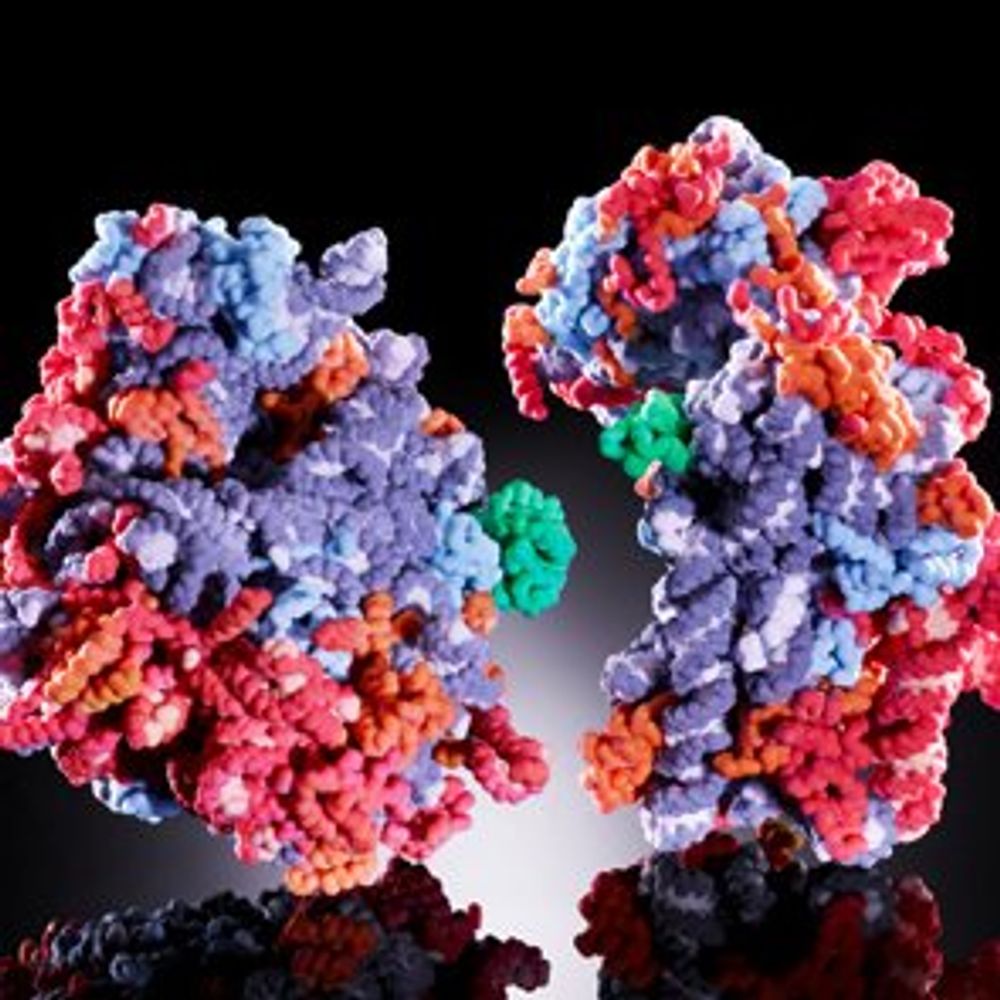
Last X-Mas, the ribosome gave you methionine,
but the very next day, MetAP took it away.
This year, to save histones from tears,
NatD gives you an acetyl group. ⭐️
Explore our latest paper with the Deuerling lab @uni-konstanz.de and Shu-ou Chan lab @caltech.edu!
www.science.org/doi/10.1126/...
but the very next day, MetAP took it away.
This year, to save histones from tears,
NatD gives you an acetyl group. ⭐️
Explore our latest paper with the Deuerling lab @uni-konstanz.de and Shu-ou Chan lab @caltech.edu!
www.science.org/doi/10.1126/...

Mechanism of cotranslational modification of histones H2A and H4 by MetAP1 and NatD
NAC enables cotranslational N-terminal processing of histones H2A and H4 by recruiting MetAP1 and NatD at the ribosomal tunnel.
tinyurl.com
December 20, 2025 at 12:34 AM
Last X-Mas, the ribosome gave you methionine,
but the very next day, MetAP took it away.
This year, to save histones from tears,
NatD gives you an acetyl group. ⭐️
Explore our latest paper with the Deuerling lab @uni-konstanz.de and Shu-ou Chan lab @caltech.edu!
www.science.org/doi/10.1126/...
but the very next day, MetAP took it away.
This year, to save histones from tears,
NatD gives you an acetyl group. ⭐️
Explore our latest paper with the Deuerling lab @uni-konstanz.de and Shu-ou Chan lab @caltech.edu!
www.science.org/doi/10.1126/...
Reposted by Thomas Arnesen

Online Now: HYPK promotes N-terminal protein acetylation through rapid ribosome exchange of NatA Online now:

HYPK promotes N-terminal protein acetylation through rapid ribosome exchange of NatA
Huntingtin-interacting protein K (HYPK) promotes the activity of N-terminal acetyltransferase A (NatA), which cotranslationally acetylates 40% of the eukaryotic proteome. Kinetic and in-cell measurements revealed that HYPK acts as a ribosome exchange factor for NatA, enabling its access to and acetylation of the translatome.
dlvr.it
December 10, 2025 at 4:19 PM
Online Now: HYPK promotes N-terminal protein acetylation through rapid ribosome exchange of NatA Online now:
Reposted by Thomas Arnesen
📢 Our December issue is now online! Access the full issue 👉 www.cell.com/trends/bioch...
🎨 The cover brings warm, summertime vibes ☀️ and highlights a Feature Review on #AromaticAminoAcid biosynthesis in 🌱 from Jorge El-Azaz and @hiroshi-maeda.bsky.social. Cover art credit to Tae Park.
(1/n)
🎨 The cover brings warm, summertime vibes ☀️ and highlights a Feature Review on #AromaticAminoAcid biosynthesis in 🌱 from Jorge El-Azaz and @hiroshi-maeda.bsky.social. Cover art credit to Tae Park.
(1/n)

December 4, 2025 at 5:59 PM
📢 Our December issue is now online! Access the full issue 👉 www.cell.com/trends/bioch...
🎨 The cover brings warm, summertime vibes ☀️ and highlights a Feature Review on #AromaticAminoAcid biosynthesis in 🌱 from Jorge El-Azaz and @hiroshi-maeda.bsky.social. Cover art credit to Tae Park.
(1/n)
🎨 The cover brings warm, summertime vibes ☀️ and highlights a Feature Review on #AromaticAminoAcid biosynthesis in 🌱 from Jorge El-Azaz and @hiroshi-maeda.bsky.social. Cover art credit to Tae Park.
(1/n)
Reposted by Thomas Arnesen

We’ve made some new tools to manipulate N-recognins. Check them out in our preprint.
www.biorxiv.org/content/10.1...
www.biorxiv.org/content/10.1...

November 29, 2025 at 3:24 AM
We’ve made some new tools to manipulate N-recognins. Check them out in our preprint.
www.biorxiv.org/content/10.1...
www.biorxiv.org/content/10.1...
Reposted by Thomas Arnesen
Just registered for FEBS advanced workshop Protein termini 2026 in Palermo #proteintermini2026 (?) Looking forward to a great meeting. @ispt-proteinterm.bsky.social
www.conferencecentral.org/webpage/view...
www.conferencecentral.org/webpage/view...
FEBS Workshop 'Protein termini 2026: From mechanisms to biological impact'
www.conferencecentral.org
December 3, 2025 at 2:05 PM
Just registered for FEBS advanced workshop Protein termini 2026 in Palermo #proteintermini2026 (?) Looking forward to a great meeting. @ispt-proteinterm.bsky.social
www.conferencecentral.org/webpage/view...
www.conferencecentral.org/webpage/view...
Reposted by Thomas Arnesen
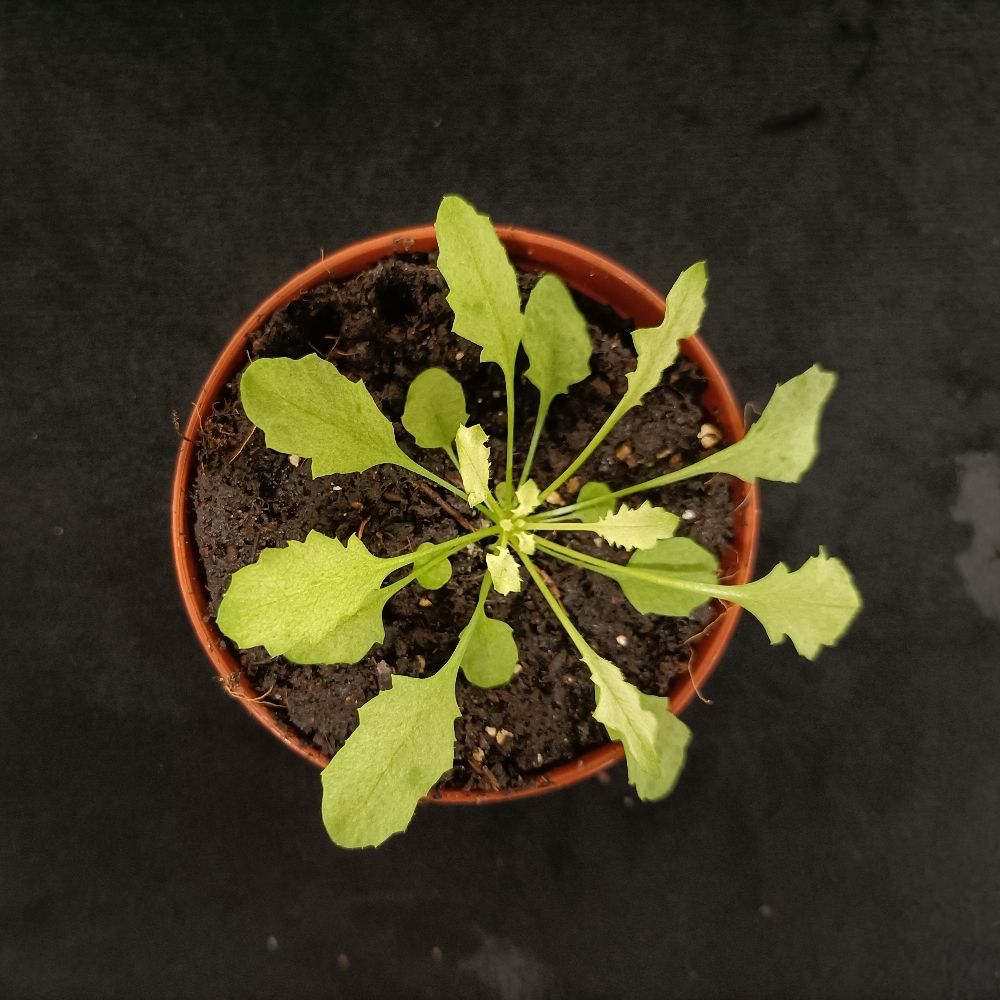
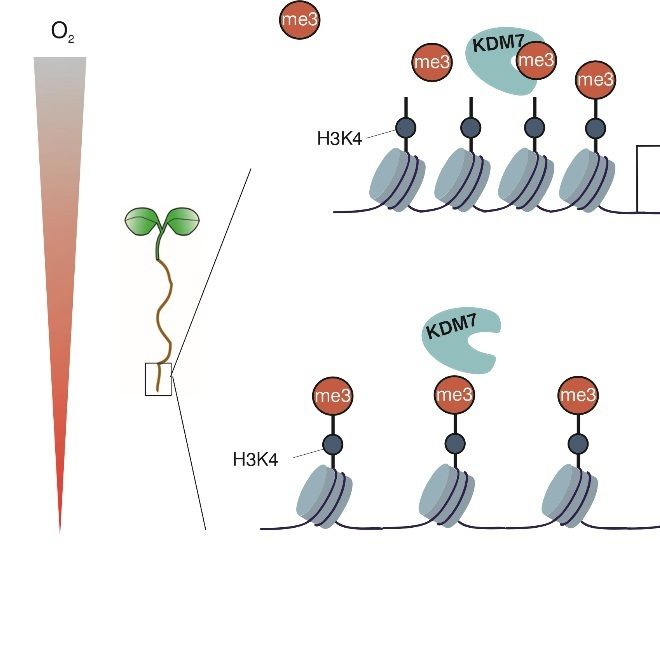
Our study led by the extraordinary multitasking Daai Zhang shows here (tinyurl.com/3uhbkh54) that an additional O2 sensing mechanism based on histone methylation helps roots to prepare for potentially lethal hypoxic stress (such as in waterlogging)
November 27, 2025 at 10:45 AM
Our study led by the extraordinary multitasking Daai Zhang shows here (tinyurl.com/3uhbkh54) that an additional O2 sensing mechanism based on histone methylation helps roots to prepare for potentially lethal hypoxic stress (such as in waterlogging)
Reposted by Thomas Arnesen
📝 Online now - the Review "Emerging functions for nonhistone protein acetylation in budding yeast" from Michael Downey and colleagues.
#PostTranslationalModifications #DNADamageResponse #Proteostasis #Autophagy #MetabolicRegulation
Read it here: authors.elsevier.com/a/1m4nM3S6Gf...
#PostTranslationalModifications #DNADamageResponse #Proteostasis #Autophagy #MetabolicRegulation
Read it here: authors.elsevier.com/a/1m4nM3S6Gf...

November 12, 2025 at 2:28 PM
📝 Online now - the Review "Emerging functions for nonhistone protein acetylation in budding yeast" from Michael Downey and colleagues.
#PostTranslationalModifications #DNADamageResponse #Proteostasis #Autophagy #MetabolicRegulation
Read it here: authors.elsevier.com/a/1m4nM3S6Gf...
#PostTranslationalModifications #DNADamageResponse #Proteostasis #Autophagy #MetabolicRegulation
Read it here: authors.elsevier.com/a/1m4nM3S6Gf...
Reposted by Thomas Arnesen

Want to assess N-terminal acetyltransferases without radioactive labelling or mass spec? Look here! @ispt-proteinterm.bsky.social @cellsignal.com

October 27, 2025 at 8:25 PM
Want to assess N-terminal acetyltransferases without radioactive labelling or mass spec? Look here! @ispt-proteinterm.bsky.social @cellsignal.com
Reposted by Thomas Arnesen
See you at Palazzo dei Normanni in Palermo for the 2026 Protein Termini Conference | Co- and post-translational modifications | Proteolytic processing and degradation pathways | Microbes, plants, animals #ProteinTermini2026 #Proteostasis #ProteinModifications #PalazzoDeiNormanni #Palermo2026

October 26, 2025 at 6:59 PM
See you at Palazzo dei Normanni in Palermo for the 2026 Protein Termini Conference | Co- and post-translational modifications | Proteolytic processing and degradation pathways | Microbes, plants, animals #ProteinTermini2026 #Proteostasis #ProteinModifications #PalazzoDeiNormanni #Palermo2026
Reposted by Thomas Arnesen

We are advertising a PhD project investigating a cellular mechanism that ensures protein quality control during mRNA translation in plants. Please get in touch on here or via email if you are interested and I can provide further details!
Lab website: sites.google.com/site/danielg...
Lab website: sites.google.com/site/danielg...

Daniel Gibbs Lab
Welcome to the lab website of Professor Daniel Gibbs
@ University of Birmingham
sites.google.com
October 14, 2025 at 2:07 PM
We are advertising a PhD project investigating a cellular mechanism that ensures protein quality control during mRNA translation in plants. Please get in touch on here or via email if you are interested and I can provide further details!
Lab website: sites.google.com/site/danielg...
Lab website: sites.google.com/site/danielg...
Uptake of anti-cancer drugs depends on N-terminally acetylated anion channels | @ispt-proteinterm.bsky.social www.nature.com/articles/s42...

NAA60 facilitates LRRC8A- and LRRC8D-mediated platinum drug uptake - Communications Biology
Genome-wide CRISPR/Cas9 screening identifies the N-terminal acetyltransferase NAA60 to facilitate cis- and carboplatin drug sensitivity, most likely by neutralizing Nt acetylation of the LRRC8A/D VRAC subunits regulating substrate permeability.
www.nature.com
October 7, 2025 at 11:03 AM
Uptake of anti-cancer drugs depends on N-terminally acetylated anion channels | @ispt-proteinterm.bsky.social www.nature.com/articles/s42...
Reposted by Thomas Arnesen
📢 Our October issue is now online. Access the full issue 👉 www.cell.com/trends/bioch....
🎨 The cover highlights a Review from @chiosislabmskcc.bsky.social and co on how PTMs reprogram chaperones into epichaperomes.
🎨 The cover highlights a Review from @chiosislabmskcc.bsky.social and co on how PTMs reprogram chaperones into epichaperomes.

October 6, 2025 at 2:40 PM
📢 Our October issue is now online. Access the full issue 👉 www.cell.com/trends/bioch....
🎨 The cover highlights a Review from @chiosislabmskcc.bsky.social and co on how PTMs reprogram chaperones into epichaperomes.
🎨 The cover highlights a Review from @chiosislabmskcc.bsky.social and co on how PTMs reprogram chaperones into epichaperomes.