



Michael Poulsen
@michaelpoulsenucph.bsky.social
Professor in the Evolution of Microbial Symbiosis and Deputy Head of Department of Biology, University of Copenhagen. Views are my own. He/him 🏳️🌈
https://www.linkedin.com/in/michael-poulsen-5804b926/
https://www.socialsymbioticevolution.com/
https://www.linkedin.com/in/michael-poulsen-5804b926/
https://www.socialsymbioticevolution.com/
Reposted by Michael Poulsen
Excellent work!! #fungi #mushroom Genomic signatures of evolution and domestication in the button mushroom #Agaricus bisporus: Current Biology www.cell.com/current-biol...

Genomic signatures of evolution and domestication in the button mushroom Agaricus bisporus
The evolution and domestication of mushrooms remain unclear. Ling et al. show that
divergence and gene flow driven by quaternary glacial cycles shape the current mixed
origins of A. bisporus populatio...
www.cell.com
February 12, 2026 at 5:28 AM
Excellent work!! #fungi #mushroom Genomic signatures of evolution and domestication in the button mushroom #Agaricus bisporus: Current Biology www.cell.com/current-biol...
Please share!
PhD position at the University of Copenhagen. Start date: 1st of June!
The project integrates field work, RNAseq, MALDI-MSI & FISH to explore composition, regulation, and resilience of termite host-gut symbiont metabolism.
👉 employment.ku.dk/phd?show=156...
⏳ Deadline 23/2/26
PhD position at the University of Copenhagen. Start date: 1st of June!
The project integrates field work, RNAseq, MALDI-MSI & FISH to explore composition, regulation, and resilience of termite host-gut symbiont metabolism.
👉 employment.ku.dk/phd?show=156...
⏳ Deadline 23/2/26
February 11, 2026 at 7:39 PM
Please share!
PhD position at the University of Copenhagen. Start date: 1st of June!
The project integrates field work, RNAseq, MALDI-MSI & FISH to explore composition, regulation, and resilience of termite host-gut symbiont metabolism.
👉 employment.ku.dk/phd?show=156...
⏳ Deadline 23/2/26
PhD position at the University of Copenhagen. Start date: 1st of June!
The project integrates field work, RNAseq, MALDI-MSI & FISH to explore composition, regulation, and resilience of termite host-gut symbiont metabolism.
👉 employment.ku.dk/phd?show=156...
⏳ Deadline 23/2/26
Reposted by Michael Poulsen
Harnessing Microbial Volatile Organic Compounds for Crop Protection: Scientific Discovery, Bridging Ecological Function and On-Farm Application
@microbiotech.bsky.social Opinion by Katharina Belt et al
enviromicro-journals.onlinelibrary.wiley.com/doi/full/10....
@microbiotech.bsky.social Opinion by Katharina Belt et al
enviromicro-journals.onlinelibrary.wiley.com/doi/full/10....

Harnessing Microbial Volatile Organic Compounds for Crop Protection: Scientific Discovery, Bridging Ecological Function and On‐Farm Application
This opinion article highlights how microbial VOCs can support sustainable crop protection and outlines the ecological, analytical and translational challenges that currently limit their field applic...
enviromicro-journals.onlinelibrary.wiley.com
February 9, 2026 at 1:59 PM
Harnessing Microbial Volatile Organic Compounds for Crop Protection: Scientific Discovery, Bridging Ecological Function and On-Farm Application
@microbiotech.bsky.social Opinion by Katharina Belt et al
enviromicro-journals.onlinelibrary.wiley.com/doi/full/10....
@microbiotech.bsky.social Opinion by Katharina Belt et al
enviromicro-journals.onlinelibrary.wiley.com/doi/full/10....
Reposted by Michael Poulsen
Looking for a place to chill, vent, or hang out with fun queer microbiologists?
Look no further! Join us at one of our virtual Coffee Hour events and make new friends!
🏳️🌈 🦠 ☕️
Look no further! Join us at one of our virtual Coffee Hour events and make new friends!
🏳️🌈 🦠 ☕️

February 6, 2026 at 4:00 AM
Looking for a place to chill, vent, or hang out with fun queer microbiologists?
Look no further! Join us at one of our virtual Coffee Hour events and make new friends!
🏳️🌈 🦠 ☕️
Look no further! Join us at one of our virtual Coffee Hour events and make new friends!
🏳️🌈 🦠 ☕️
Reposted by Michael Poulsen

journals.asm.org/doi/full/10.... new findings in the ant fungus gardens 🐜🍄

Novel killer yeasts and toxins from the gardens of fungus-growing ants | Applied and Environmental Microbiology
Attine ants perform essential ecosystem services through the harvesting of substrates for fungiculture. The cultured fungi are a food source for attine ants. Characterizing antifungal toxin-producing yeasts (killer yeasts) is vital to understanding how they might protect gardens from invasion by unwanted fungal species. This study also describes a new toxin named Ksino from the yeast Candida sinolaborantium, a member of a new group of toxins found across many different species of fungi. This work supports the role of killer yeasts in the ecology of fungicultures and competition between fungi. The observed high prevalence of killer yeasts in fungal gardens also enables the discovery of novel antifungal molecules with the potential to be applied against disease-causing fungi.
journals.asm.org
February 5, 2026 at 9:22 PM
journals.asm.org/doi/full/10.... new findings in the ant fungus gardens 🐜🍄
Reposted by Michael Poulsen

When humans create an artificial island, how do fungi colonize this new habitat?
Using the Danish island Peberholm as an experimental system, a recent Fungal Ecology article examines arbuscular mycorrhizal (AM) fungal succession on new land. doi.org/10.1016/j.fu...
📷 Wikipedia
Using the Danish island Peberholm as an experimental system, a recent Fungal Ecology article examines arbuscular mycorrhizal (AM) fungal succession on new land. doi.org/10.1016/j.fu...
📷 Wikipedia


February 4, 2026 at 1:09 PM
When humans create an artificial island, how do fungi colonize this new habitat?
Using the Danish island Peberholm as an experimental system, a recent Fungal Ecology article examines arbuscular mycorrhizal (AM) fungal succession on new land. doi.org/10.1016/j.fu...
📷 Wikipedia
Using the Danish island Peberholm as an experimental system, a recent Fungal Ecology article examines arbuscular mycorrhizal (AM) fungal succession on new land. doi.org/10.1016/j.fu...
📷 Wikipedia
Reposted by Michael Poulsen
In this review in Fungal Ecology, Håvard Kauserud (@drhyfe.bsky.social) argues that while the ITS region is by far the best DNA (meta)barcoding marker for fungi, we should not use it naively or simplistically doi.org/10.1016/j.fu...

January 20, 2026 at 1:30 AM
In this review in Fungal Ecology, Håvard Kauserud (@drhyfe.bsky.social) argues that while the ITS region is by far the best DNA (meta)barcoding marker for fungi, we should not use it naively or simplistically doi.org/10.1016/j.fu...
Reposted by Michael Poulsen
Discovery and cultivation of prokaryotic taxa in the age of metagenomics and artificial intelligence
#ISMEJournal from @alexrosado.bsky.social
academic.oup.com/ismej/advanc...
#ISMEJournal from @alexrosado.bsky.social
academic.oup.com/ismej/advanc...

Discovery and cultivation of prokaryotic taxa in the age of metagenomics and artificial intelligence
Abstract. Despite advances in sequencing, microbial genomics, and cultivation techniques, the vast majority of prokaryotic species remain uncultured, which
academic.oup.com
February 1, 2026 at 7:00 PM
Discovery and cultivation of prokaryotic taxa in the age of metagenomics and artificial intelligence
#ISMEJournal from @alexrosado.bsky.social
academic.oup.com/ismej/advanc...
#ISMEJournal from @alexrosado.bsky.social
academic.oup.com/ismej/advanc...
Reposted by Michael Poulsen
Indigenous laws of nature, from Hankins et al. 2025 Fire Ecology doi.org/10.1186/s424...

February 1, 2026 at 9:49 PM
Indigenous laws of nature, from Hankins et al. 2025 Fire Ecology doi.org/10.1186/s424...
Reposted by Michael Poulsen
Fungal extracellular vesicles mediate conserved cross-species communication and immunomodulation
-in #mBio
journals.asm.org/doi/10.1128/...
-in #mBio
journals.asm.org/doi/10.1128/...
Fungal extracellular vesicles mediate conserved cross-species communication and immunomodulation | mBio
Currently, no vaccines exist to prevent fungal infections, underscoring the need for
new therapies. As fungal diseases increase globally, understanding fungal biology
is essential to identifying treat...
journals.asm.org
January 31, 2026 at 6:24 PM
Fungal extracellular vesicles mediate conserved cross-species communication and immunomodulation
-in #mBio
journals.asm.org/doi/10.1128/...
-in #mBio
journals.asm.org/doi/10.1128/...
Reposted by Michael Poulsen
Predation by soil protists shifts bacterial metabolism from competitive to cooperative interactions
-in @cp-cellhostmicrobe.bsky.social from Wu Xiong (Qirong Shen)
with Stefan Geisen, Alex Jousset
www.sciencedirect.com/science/arti...
-in @cp-cellhostmicrobe.bsky.social from Wu Xiong (Qirong Shen)
with Stefan Geisen, Alex Jousset
www.sciencedirect.com/science/arti...

Predation by soil protists shifts bacterial metabolism from competitive to cooperative interactions
Many soil protists are bacterivores, yet how protist predation reshapes bacterial metabolic interactions and functions remains poorly understood. Here…
www.sciencedirect.com
January 30, 2026 at 10:07 AM
Predation by soil protists shifts bacterial metabolism from competitive to cooperative interactions
-in @cp-cellhostmicrobe.bsky.social from Wu Xiong (Qirong Shen)
with Stefan Geisen, Alex Jousset
www.sciencedirect.com/science/arti...
-in @cp-cellhostmicrobe.bsky.social from Wu Xiong (Qirong Shen)
with Stefan Geisen, Alex Jousset
www.sciencedirect.com/science/arti...
Reposted by Michael Poulsen
Circadian-shaped immune variability predicts infection outcome
#ScienceAdvances from Alejandro Aballay [@aaballay.bsky.social]
www.science.org/doi/10.1126/...
#ChronoBiology
#ScienceAdvances from Alejandro Aballay [@aaballay.bsky.social]
www.science.org/doi/10.1126/...
#ChronoBiology

Circadian-shaped immune variability predicts infection outcome
Basal immune state under circadian control predicts infection outcome, and clock gene perturbation shifts survival patterns.
www.science.org
January 30, 2026 at 2:53 PM
Circadian-shaped immune variability predicts infection outcome
#ScienceAdvances from Alejandro Aballay [@aaballay.bsky.social]
www.science.org/doi/10.1126/...
#ChronoBiology
#ScienceAdvances from Alejandro Aballay [@aaballay.bsky.social]
www.science.org/doi/10.1126/...
#ChronoBiology
Reposted by Michael Poulsen

Wetlands are crucial for water security.
Less than 1% of Earth’s freshwater is usable and most of that is contained in wetlands, including about a third in rivers and lakes.
www.worldwetlandsday.org
#WWD2026 #WetlandsandCulturalHeritage #WorldWetlandsDay2026
Less than 1% of Earth’s freshwater is usable and most of that is contained in wetlands, including about a third in rivers and lakes.
www.worldwetlandsday.org
#WWD2026 #WetlandsandCulturalHeritage #WorldWetlandsDay2026

January 31, 2026 at 6:27 AM
Wetlands are crucial for water security.
Less than 1% of Earth’s freshwater is usable and most of that is contained in wetlands, including about a third in rivers and lakes.
www.worldwetlandsday.org
#WWD2026 #WetlandsandCulturalHeritage #WorldWetlandsDay2026
Less than 1% of Earth’s freshwater is usable and most of that is contained in wetlands, including about a third in rivers and lakes.
www.worldwetlandsday.org
#WWD2026 #WetlandsandCulturalHeritage #WorldWetlandsDay2026
Reposted by Michael Poulsen
Lecturer in Ecology and Evolution position available in Biology Department at Stanford University. Apply by April 1, 2026. (Photo by Rick Morris)
academicjobsonline.org/ajo/jobs/31606
academicjobsonline.org/ajo/jobs/31606

January 30, 2026 at 5:35 AM
Lecturer in Ecology and Evolution position available in Biology Department at Stanford University. Apply by April 1, 2026. (Photo by Rick Morris)
academicjobsonline.org/ajo/jobs/31606
academicjobsonline.org/ajo/jobs/31606
Reposted by Michael Poulsen

"Our new analysis shows that it is far more dangerous to be pregnant than to have an abortion, and this gap in mortality risk is even larger than previously recognized.” - lead study author Maria Steenland.
In fact, the mortality risk of pregnancy is 44 to 70 times higher than from abortion.
In fact, the mortality risk of pregnancy is 44 to 70 times higher than from abortion.

Risk of maternal death during pregnancy greatly underestimated, study finds
A new study comparing deaths of pregnant people and of those who have an abortion show that risk of death due to pregnancy is three times higher than previously estimated.
www.brown.edu
January 29, 2026 at 2:39 AM
"Our new analysis shows that it is far more dangerous to be pregnant than to have an abortion, and this gap in mortality risk is even larger than previously recognized.” - lead study author Maria Steenland.
In fact, the mortality risk of pregnancy is 44 to 70 times higher than from abortion.
In fact, the mortality risk of pregnancy is 44 to 70 times higher than from abortion.
Reposted by Michael Poulsen
Fast-growing trees are set to dominate the #forests of the #future — but at a cost🌳
Our Nature Plants (@natplants.nature.com) study shows a global shift toward "sprinter" tree species, while slow-growing, functionally critical #trees face elevated #extinction risk. www.nature.com/articles/s41...
Our Nature Plants (@natplants.nature.com) study shows a global shift toward "sprinter" tree species, while slow-growing, functionally critical #trees face elevated #extinction risk. www.nature.com/articles/s41...

Global functional shifts in trees driven by alien naturalization and native extinction - Nature Plants
This study finds that native tree extinctions and alien naturalizations are pushing forests towards fast-growing, resource-demanding species. This global shift could affect carbon storage and ecosyste...
www.nature.com
January 29, 2026 at 6:11 AM
Fast-growing trees are set to dominate the #forests of the #future — but at a cost🌳
Our Nature Plants (@natplants.nature.com) study shows a global shift toward "sprinter" tree species, while slow-growing, functionally critical #trees face elevated #extinction risk. www.nature.com/articles/s41...
Our Nature Plants (@natplants.nature.com) study shows a global shift toward "sprinter" tree species, while slow-growing, functionally critical #trees face elevated #extinction risk. www.nature.com/articles/s41...
Reposted by Michael Poulsen
Call for applications to the Postdoctoral Positions in the Tri-Institutional Molecular Mycology and Pathogenesis Training Program (Tri-I MMPTP) at Duke University, UNC-Chapel Hill, and North Carolina State University mmptp.mgm.duke.edu
Tri-I MMPTP | Duke Department of Molecular Genetics and Microbiology
mmptp.mgm.duke.edu
January 26, 2026 at 8:43 PM
Call for applications to the Postdoctoral Positions in the Tri-Institutional Molecular Mycology and Pathogenesis Training Program (Tri-I MMPTP) at Duke University, UNC-Chapel Hill, and North Carolina State University mmptp.mgm.duke.edu
Reposted by Michael Poulsen
'When we asked authors for the data, we have obtained it in less than 50% of the cases & often did not even receive a response. In addition, if repository numbers are included, the data in the repository is often classified as private and therefore not accessible.'
link.springer.com/article/10.1...
link.springer.com/article/10.1...

Give credit where credit is due, also for omics data - EMBO Reports
EMBO Reports - The exponentially increasing amount of omics data has created problems regarding ethical use of data generated by others. We address some of these issues and make suggestions on how...
link.springer.com
January 23, 2026 at 2:04 PM
'When we asked authors for the data, we have obtained it in less than 50% of the cases & often did not even receive a response. In addition, if repository numbers are included, the data in the repository is often classified as private and therefore not accessible.'
link.springer.com/article/10.1...
link.springer.com/article/10.1...
Reposted by Michael Poulsen
Asgard archaea may have facilitated the evolutionary development of the mitochondria via endosymbiosis of α-proteobacteria at some point between the first eukaryotic common ancestor (FECA) and the last eukaryotic common ancestor (LECA)! 🧪
www.nature.com/articles/s41...
www.nature.com/articles/s41...

January 15, 2026 at 12:18 AM
Asgard archaea may have facilitated the evolutionary development of the mitochondria via endosymbiosis of α-proteobacteria at some point between the first eukaryotic common ancestor (FECA) and the last eukaryotic common ancestor (LECA)! 🧪
www.nature.com/articles/s41...
www.nature.com/articles/s41...
Reposted by Michael Poulsen
Ants and plants are both dominant, abundant forms of life on our planet. It's entirely fitting that evolution has repeatedly intertwined their biology.
Here's a gallery of plant-ants, and ant-plants:
Here's a gallery of plant-ants, and ant-plants:

Ants and Plants - Alex Wild
Images of interactions among ants and plants, two of the most dominant terrestrial organisms.
www.alexanderwild.com
January 14, 2026 at 1:21 PM
Ants and plants are both dominant, abundant forms of life on our planet. It's entirely fitting that evolution has repeatedly intertwined their biology.
Here's a gallery of plant-ants, and ant-plants:
Here's a gallery of plant-ants, and ant-plants:
Reposted by Michael Poulsen
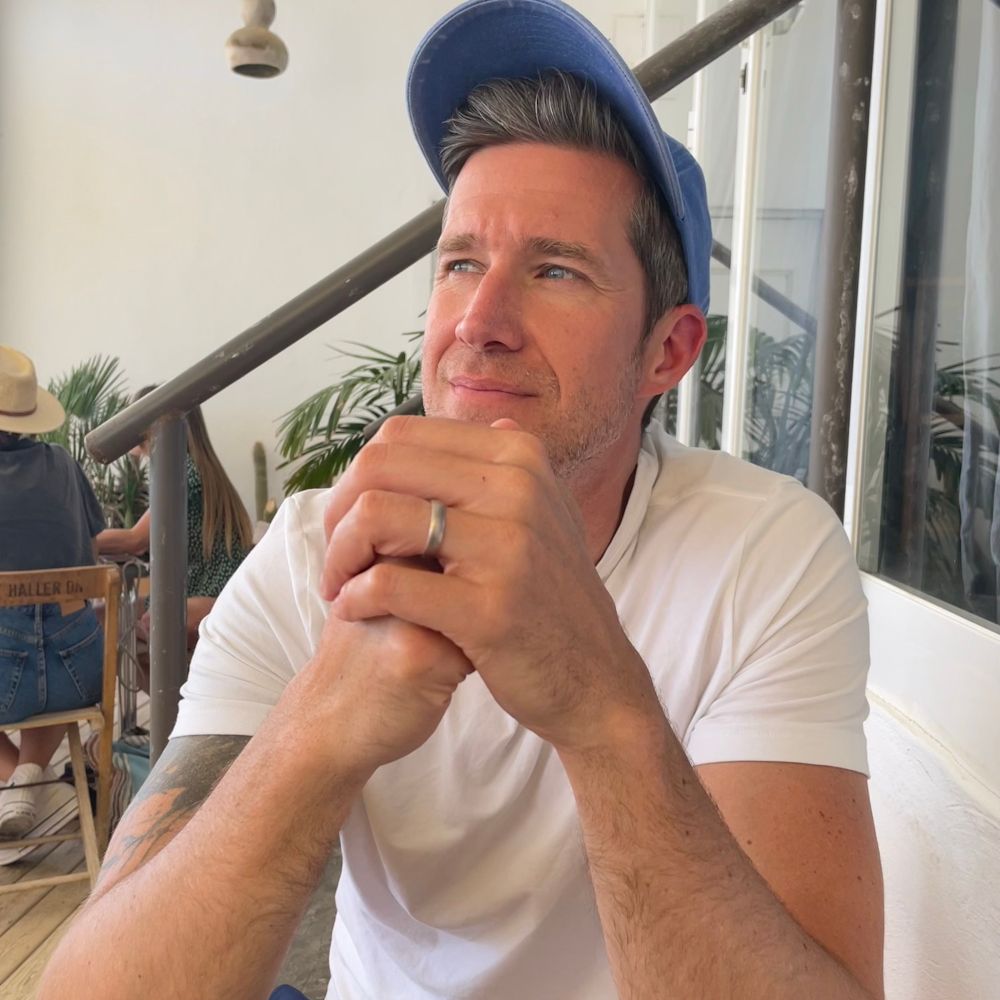
Congrats and well deserved Toby! 👏

Congratulations to Dr Toby Kiers, winner of the @tylerprize.bsky.social Tyler Prize for Environmental Achievement 🌱
Her ERC-funded research revealed how underground plant-fungal networks sustain life on Earth and shape global conservation thinking.
#ChooseEuropeforScience
Her ERC-funded research revealed how underground plant-fungal networks sustain life on Earth and shape global conservation thinking.
#ChooseEuropeforScience
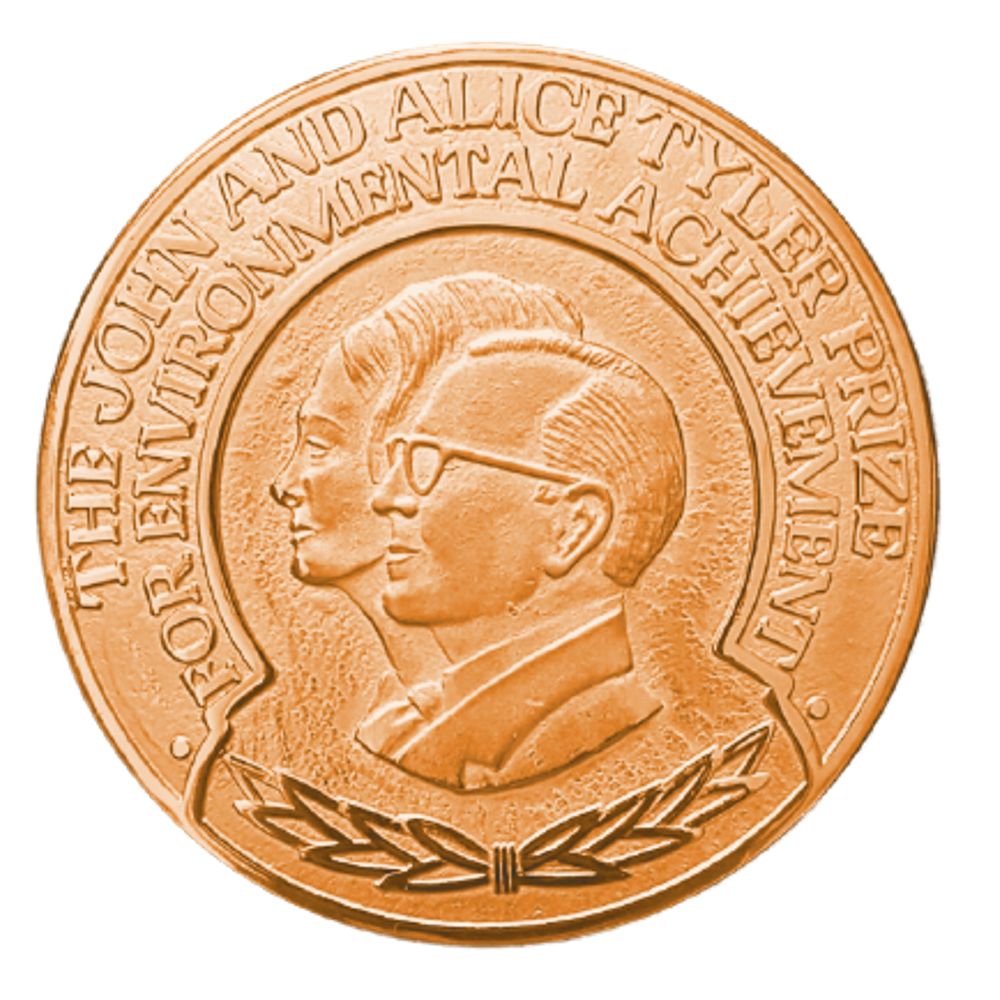
The Tyler Prize for Environmental Achievement names Toby Kiers as the 2026 Laureate.
Her research reveals how underground fungal networks support life on Earth.
Explore the hidden world beneath our feet:
tylerprize.org/laureates/toby-kiers
spun.earth/underground-atlas
@spun.earth
Her research reveals how underground fungal networks support life on Earth.
Explore the hidden world beneath our feet:
tylerprize.org/laureates/toby-kiers
spun.earth/underground-atlas
@spun.earth
January 14, 2026 at 1:58 PM
Congrats and well deserved Toby! 👏
Reposted by Michael Poulsen
Wow! Amazing and awesome work. What a great dissection of multicellularity evolution in this (i hope) emerging models for in these MCF/black yeasts. Agree so interesting to see the biotic interaction-associated emergence of this multicellular form.
This is a beautiful paper examining the molecular genetics of facultative multicellularity in a marine black yeast.
I also love that they figure out the ecological context for the behavior (MC form when in sponges, where there are nutrients, & uni when starving!).
www.nature.com/articles/s41...
I also love that they figure out the ecological context for the behavior (MC form when in sponges, where there are nutrients, & uni when starving!).
www.nature.com/articles/s41...
Client Challenge
www.nature.com
January 13, 2026 at 6:41 PM
Wow! Amazing and awesome work. What a great dissection of multicellularity evolution in this (i hope) emerging models for in these MCF/black yeasts. Agree so interesting to see the biotic interaction-associated emergence of this multicellular form.
Reposted by Michael Poulsen
Reposted by Michael Poulsen
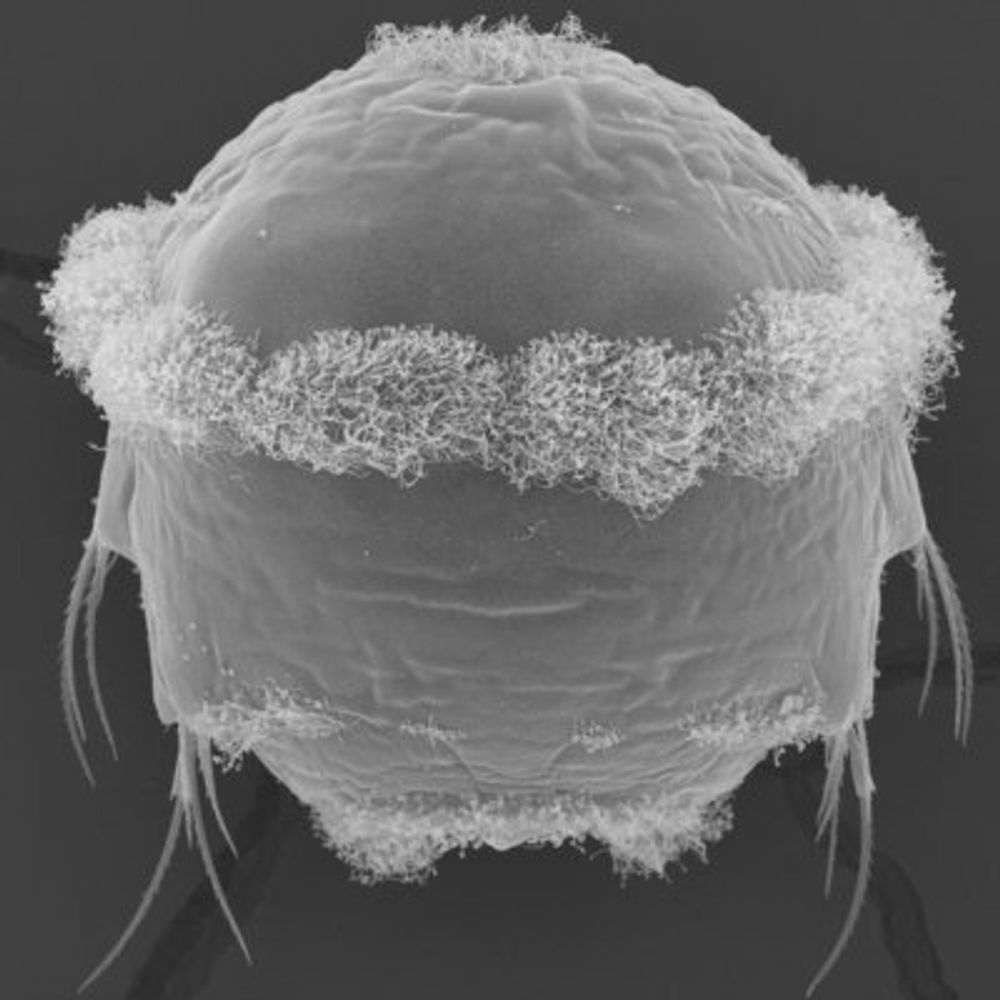
If you are interested in electron microscopy, registration is still open for the
"Electron Microscopy Hands-On Course: sample preparation and imaging of marine environmental samples"
at Stazione Zoologica in Naples.
WIth great teachers from Naples […]
[Original post on biologists.social]
"Electron Microscopy Hands-On Course: sample preparation and imaging of marine environmental samples"
at Stazione Zoologica in Naples.
WIth great teachers from Naples […]
[Original post on biologists.social]

January 13, 2026 at 7:08 AM
If you are interested in electron microscopy, registration is still open for the
"Electron Microscopy Hands-On Course: sample preparation and imaging of marine environmental samples"
at Stazione Zoologica in Naples.
WIth great teachers from Naples […]
[Original post on biologists.social]
"Electron Microscopy Hands-On Course: sample preparation and imaging of marine environmental samples"
at Stazione Zoologica in Naples.
WIth great teachers from Naples […]
[Original post on biologists.social]
Reposted by Michael Poulsen

⚡️Fully funded #PhD position in my lab at Stockholm University / SciLifeLab! If you’re interested in #lichens, #symbiosis, fungal biology, or meta-omics, please apply. Deadline Feb 1. Read more here: su.varbi.com/en/what:job/...

January 12, 2026 at 2:15 PM
⚡️Fully funded #PhD position in my lab at Stockholm University / SciLifeLab! If you’re interested in #lichens, #symbiosis, fungal biology, or meta-omics, please apply. Deadline Feb 1. Read more here: su.varbi.com/en/what:job/...