


Jill Cairns
@jillec.bsky.social
🏴 physiologist for CIMMYT based in 🇿🇼 | interested in maize, agriculture, R4D and 🚲
www.jillcairns.com
www.jillcairns.com
Pinned
Jill Cairns
@jillec.bsky.social
· Jan 6

Ms44-SPT: unique genetic technology simplifies and improves hybrid maize seed production in sub-Saharan Africa - Scientific Reports
Scientific Reports - Ms44-SPT: unique genetic technology simplifies and improves hybrid maize seed production in sub-Saharan Africa
doi.org
‼️Just published‼️
New study quantifying the potential benefit of a novel genetic technology to simplify hybrid maize seed production in sub-Saharan Africa
doi.org/10.1038/s415...
New study quantifying the potential benefit of a novel genetic technology to simplify hybrid maize seed production in sub-Saharan Africa
doi.org/10.1038/s415...
Reposted by Jill Cairns

Our paper looking at aflatoxin contamination rates in formal & informal maize flour in Kenya is now out in PlosOne
More on this issue soon!
More on this issue soon!

Aflatoxin contamination of maize flour in Kenya: Results from multi-city, multi-round surveillance
Foodborne illness is a major source of the global burden of disease, but public monitoring of hazards in food systems is overwhelmingly focused on the formal sector in high income countries. We contri...
journals.plos.org
November 14, 2025 at 10:11 PM
Our paper looking at aflatoxin contamination rates in formal & informal maize flour in Kenya is now out in PlosOne
More on this issue soon!
More on this issue soon!
Reposted by Jill Cairns

I'm sharing my post concussion syndrome journey. It's not perfect, but it's my experience. I hope that it helps someone going through something similar.
#tbi #concussion #pcs #recovery #postconcussionsyndrome #shorttermdisability
medium.com/@brentonwhit...
#tbi #concussion #pcs #recovery #postconcussionsyndrome #shorttermdisability
medium.com/@brentonwhit...

Living Through Post-Concussion Syndrome
In August 2024, my wife and I visited Asheville. We stopped at Pearson’s Falls for a short hike on a sunny day. Back at the car, I placed…
medium.com
November 4, 2025 at 6:19 PM
I'm sharing my post concussion syndrome journey. It's not perfect, but it's my experience. I hope that it helps someone going through something similar.
#tbi #concussion #pcs #recovery #postconcussionsyndrome #shorttermdisability
medium.com/@brentonwhit...
#tbi #concussion #pcs #recovery #postconcussionsyndrome #shorttermdisability
medium.com/@brentonwhit...
‼️New publication‼️
We demonstrate the power of a simple deterministic model, combined with outputs of a costing tool, to optimize pipelines within resource constrained breeding programs
Led by the Crop Breeding Institute of #Zimbabwe, with @cimmyt.bsky.social & @cgiar.org
tinyurl.com/mvp28s7p
We demonstrate the power of a simple deterministic model, combined with outputs of a costing tool, to optimize pipelines within resource constrained breeding programs
Led by the Crop Breeding Institute of #Zimbabwe, with @cimmyt.bsky.social & @cgiar.org
tinyurl.com/mvp28s7p

Frontiers | More bang for your buck: potential gains through optimizing maize breeding schemes in sub-Saharan Africa
Increasing the rate of genetic gain in breeding programs is a critical component of crop genetic improvement strategies to increase yields in smallholder far...
tinyurl.com
June 4, 2025 at 5:02 AM
‼️New publication‼️
We demonstrate the power of a simple deterministic model, combined with outputs of a costing tool, to optimize pipelines within resource constrained breeding programs
Led by the Crop Breeding Institute of #Zimbabwe, with @cimmyt.bsky.social & @cgiar.org
tinyurl.com/mvp28s7p
We demonstrate the power of a simple deterministic model, combined with outputs of a costing tool, to optimize pipelines within resource constrained breeding programs
Led by the Crop Breeding Institute of #Zimbabwe, with @cimmyt.bsky.social & @cgiar.org
tinyurl.com/mvp28s7p
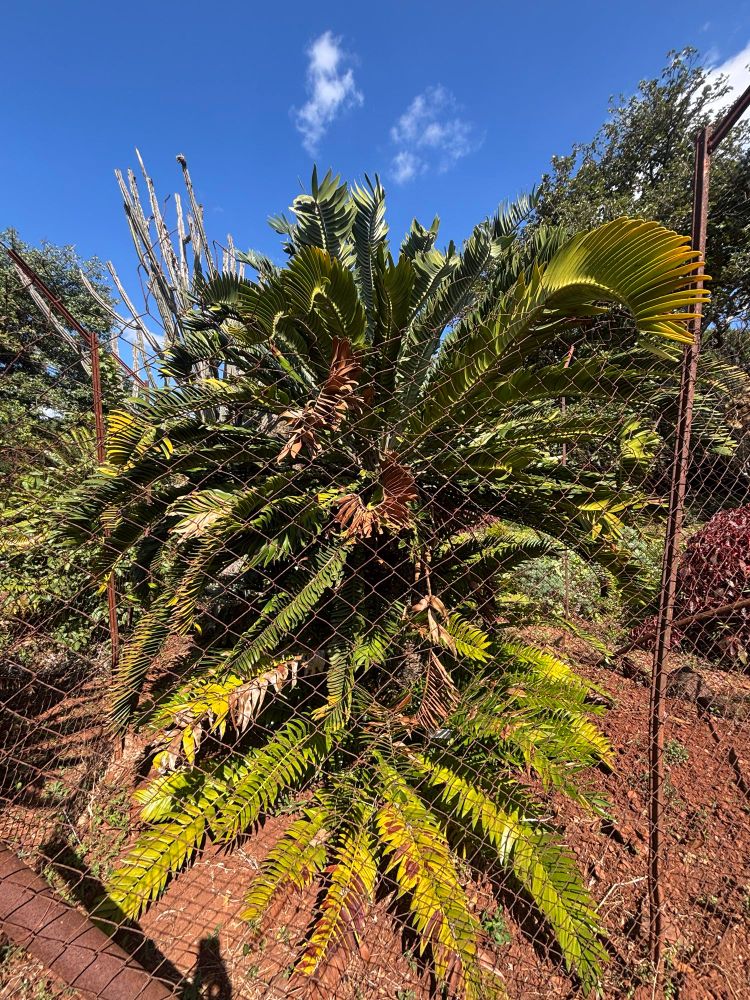
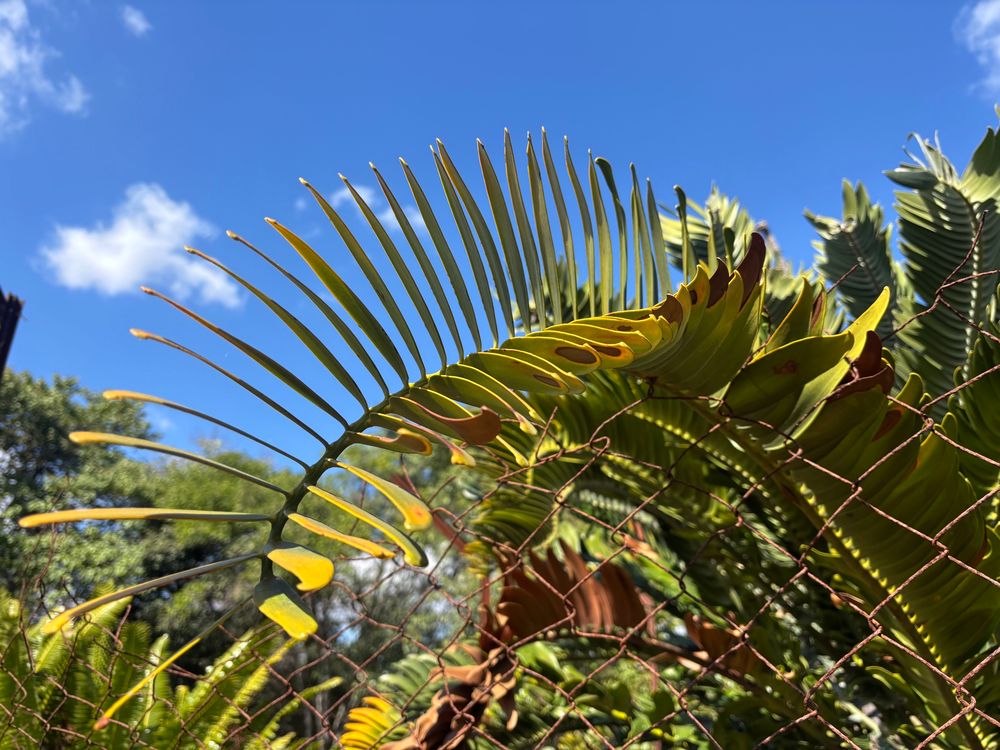
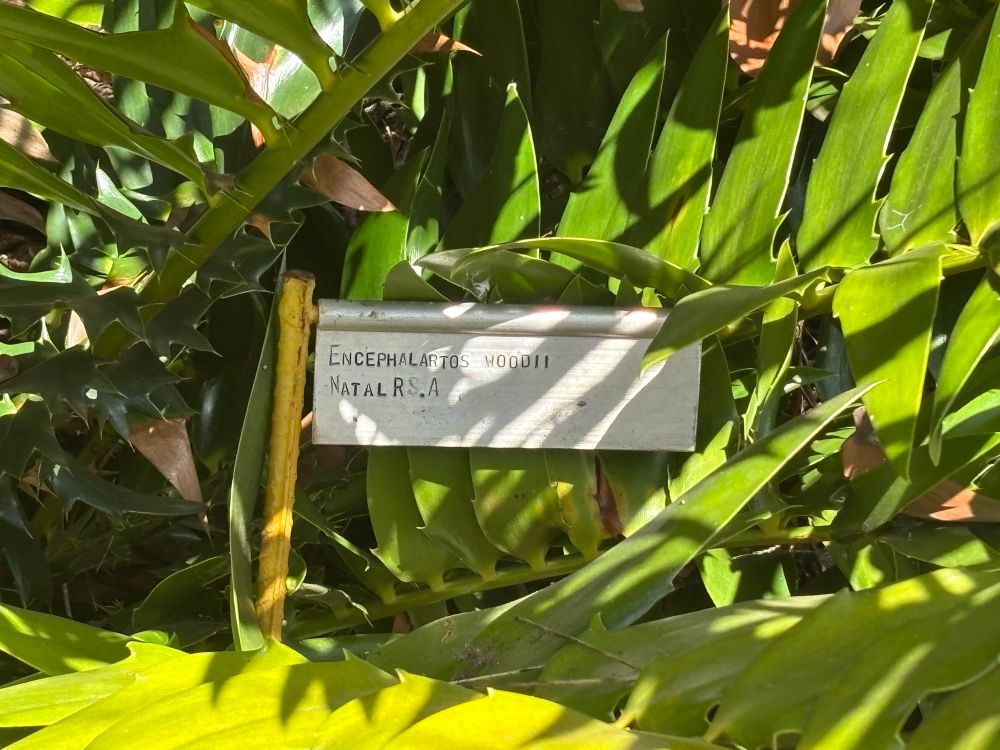
Met the world’s loneliest plant - Encephalartos woodii. One of the few male cycads of its species left in the world, with no known females for a next generation
#Zimbabwe #botany #cycad
www.huntington.org/news/saving-...
#Zimbabwe #botany #cycad
www.huntington.org/news/saving-...
June 1, 2025 at 4:35 AM
Met the world’s loneliest plant - Encephalartos woodii. One of the few male cycads of its species left in the world, with no known females for a next generation
#Zimbabwe #botany #cycad
www.huntington.org/news/saving-...
#Zimbabwe #botany #cycad
www.huntington.org/news/saving-...
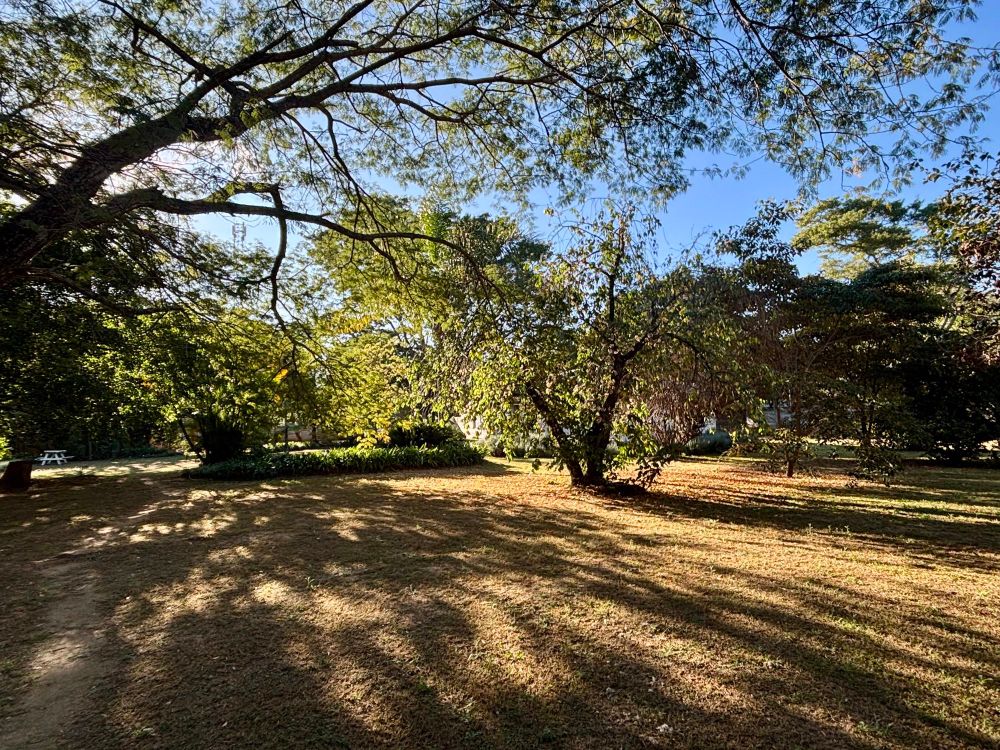
After 10 wasted weeks, where simple tasks you take for granted completely broke me, it feels like maybe I’m slowly starting to get my life back. I’ve missed it.
#concussion #recovery #roadsafety
#concussion #recovery #roadsafety
May 28, 2025 at 4:17 AM
After 10 wasted weeks, where simple tasks you take for granted completely broke me, it feels like maybe I’m slowly starting to get my life back. I’ve missed it.
#concussion #recovery #roadsafety
#concussion #recovery #roadsafety
Reposted by Jill Cairns
In a new paper, we propose the 'ecological yield gap' as a framework to strengthen collaboration between agronomists and ecologists in our quest to enhance on-farm ecosystem services in ways that effectively sustain crop yields while minimising input use:
doi.org/10.1016/j.gf...
🧪🌱🌾🧑🌾🐞💚🤎
doi.org/10.1016/j.gf...
🧪🌱🌾🧑🌾🐞💚🤎

Narrowing the ecological yield gap to sustain crop yields with less inputs
Sustainable production of sufficient and healthy food requires efficient use of agricultural inputs. In many regions of the world with intensive agric…
www.sciencedirect.com
April 22, 2025 at 2:03 PM
In a new paper, we propose the 'ecological yield gap' as a framework to strengthen collaboration between agronomists and ecologists in our quest to enhance on-farm ecosystem services in ways that effectively sustain crop yields while minimising input use:
doi.org/10.1016/j.gf...
🧪🌱🌾🧑🌾🐞💚🤎
doi.org/10.1016/j.gf...
🧪🌱🌾🧑🌾🐞💚🤎
Reposted by Jill Cairns

Reposted by Jill Cairns

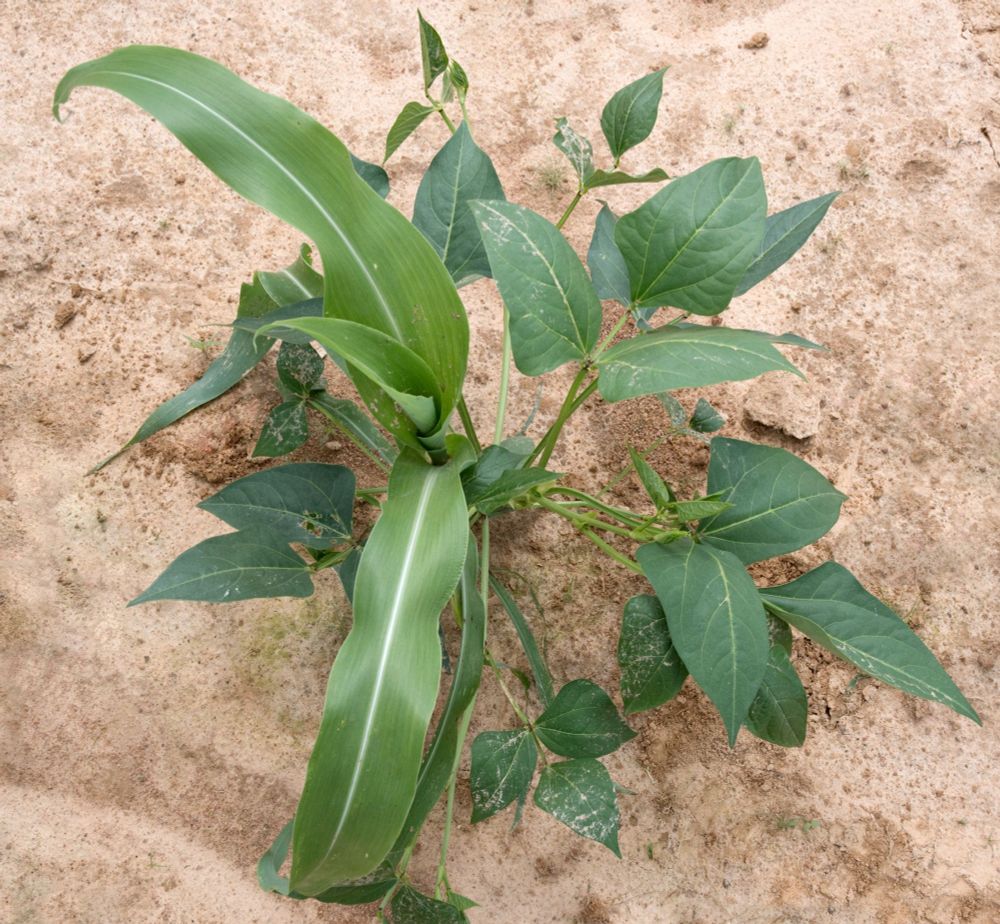
Could drought and poor soil undermine the performance of intercropping ?
Our study in semi-arid Zimbabwe found that the benefits of intercropping are maintained even with water and N stress.
doi.org/10.1016/j.fc...
Congrats Illiana Kwenda - A nice combination of field experiments and modelling
Our study in semi-arid Zimbabwe found that the benefits of intercropping are maintained even with water and N stress.
doi.org/10.1016/j.fc...
Congrats Illiana Kwenda - A nice combination of field experiments and modelling
April 9, 2025 at 9:24 AM
Could drought and poor soil undermine the performance of intercropping ?
Our study in semi-arid Zimbabwe found that the benefits of intercropping are maintained even with water and N stress.
doi.org/10.1016/j.fc...
Congrats Illiana Kwenda - A nice combination of field experiments and modelling
Our study in semi-arid Zimbabwe found that the benefits of intercropping are maintained even with water and N stress.
doi.org/10.1016/j.fc...
Congrats Illiana Kwenda - A nice combination of field experiments and modelling
Reposted by Jill Cairns
Day 2 of #CGIARScienceWeek is in full swing in Nairobi!
Can’t be with us in person? You can still catch all the action online. Each session has a livestream! events.cgiar.org/scienceweek
Explore the full schedule of Day 2 side events:
events.cgiar.org/scienceweek#...
#OneCGIAR #WithScienceWeCan
Can’t be with us in person? You can still catch all the action online. Each session has a livestream! events.cgiar.org/scienceweek
Explore the full schedule of Day 2 side events:
events.cgiar.org/scienceweek#...
#OneCGIAR #WithScienceWeCan
CGIAR Science Week 2025
When humanity faced its greatest challenges, science and innovation provided solutions. Today, major global challenges such as climate change, land and ecosystem degradation, biodiversity loss, food insecurity and malnutrition, rural poverty, and gender and social inequality in agrifood systems threaten the sustainability of food, land, and water systems, leaving the most vulnerable people and communities at greatest risk. Recognizing the urgency of these challenges, CGIAR and the Kenyan Agricultural and Livestock Research Organization (KALRO) are bringing together the world’s leading scientists and decision-makers in agriculture, climate, and health for the very first CGIAR Science Week. This gathering will be a key moment to advance research and innovation, inspire action, and establish critical partnerships that can secure investment in sustainable food systems to nourish both people and the planet. Drawing on CGIAR science and partnerships from around the world, the inaugural CGIAR Science Week will engage the community of global leaders in research, policy, and development working for a food, nutrition, and climate secure future in active dialogue during plenary sessions focused on harnessing and scaling science and innovation. Participants will learn about CGIAR Research Portfolio 2025-2030 through dedicated Strategy Dialogues on Science Programs & Accelerators, and discover cutting-edge science from CGIAR centers worldwide through science talks, innovation showcases, and research workshops. The event also offers the chance to see, first-hand, transformative innovations improving the lives of vulnerable communities in our exhibition area and to explore CGIAR and partner labs and research stations to see science in action during field visits.
events.cgiar.org
April 8, 2025 at 5:48 AM
Day 2 of #CGIARScienceWeek is in full swing in Nairobi!
Can’t be with us in person? You can still catch all the action online. Each session has a livestream! events.cgiar.org/scienceweek
Explore the full schedule of Day 2 side events:
events.cgiar.org/scienceweek#...
#OneCGIAR #WithScienceWeCan
Can’t be with us in person? You can still catch all the action online. Each session has a livestream! events.cgiar.org/scienceweek
Explore the full schedule of Day 2 side events:
events.cgiar.org/scienceweek#...
#OneCGIAR #WithScienceWeCan
Reposted by Jill Cairns

Lots of excellent advice in this piece. The core message - only through writing do you really think and order your thoughts into logical sense. Makes a case for not using AI for 1st draft because you bypass the thinking step
www.nature.com/articles/s41...
@naturebiotech.bsky.social
#PlantScience
www.nature.com/articles/s41...
@naturebiotech.bsky.social
#PlantScience

An open letter to graduate students and other procrastinators: it’s time to write - Nature Biotechnology
Nature Biotechnology - An open letter to graduate students and other procrastinators: it’s time to write
www.nature.com
April 5, 2025 at 8:40 AM
Lots of excellent advice in this piece. The core message - only through writing do you really think and order your thoughts into logical sense. Makes a case for not using AI for 1st draft because you bypass the thinking step
www.nature.com/articles/s41...
@naturebiotech.bsky.social
#PlantScience
www.nature.com/articles/s41...
@naturebiotech.bsky.social
#PlantScience
Reposted by Jill Cairns
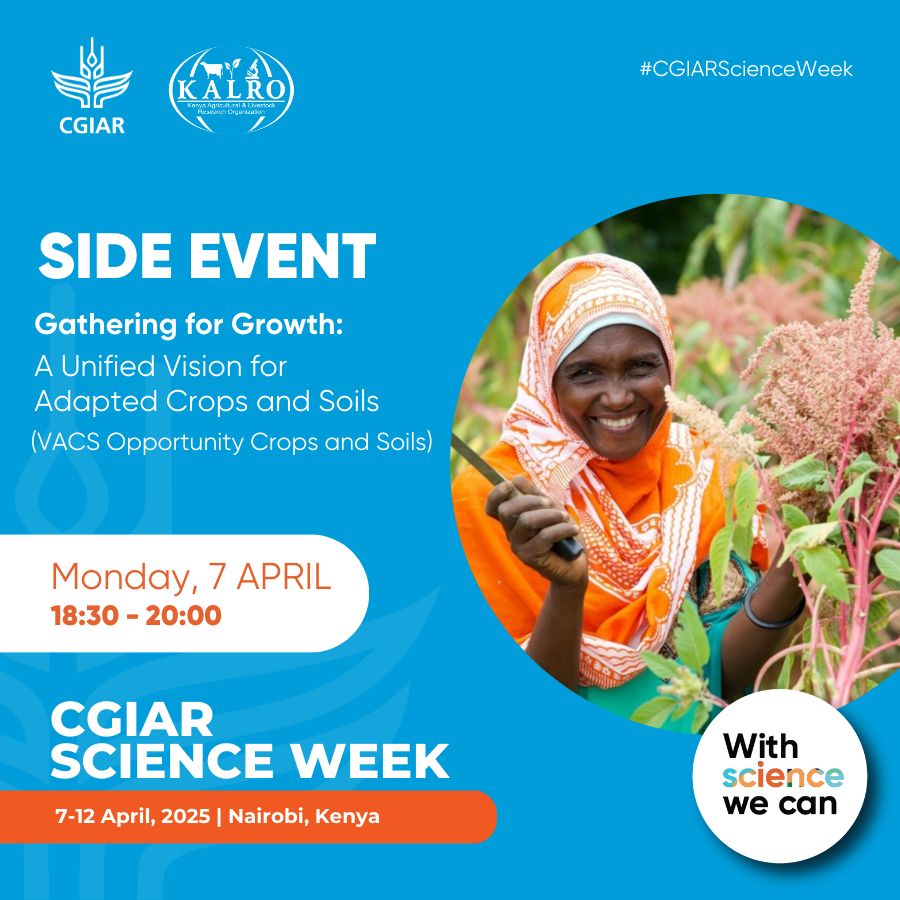
🌍Kicking off #CGIARScienceWeek, join us for the side event: Gathering for Growth: A Unified Vision for Adapted Crops & Soils (VACS Opportunity Crops & Soils). 🌱Discover how we drive resilient #AgSystems through collective action!
🔗 events.cgiar.org/gatheringfor...
@cgiar.org @fao.org
🔗 events.cgiar.org/gatheringfor...
@cgiar.org @fao.org
April 4, 2025 at 6:00 PM
🌍Kicking off #CGIARScienceWeek, join us for the side event: Gathering for Growth: A Unified Vision for Adapted Crops & Soils (VACS Opportunity Crops & Soils). 🌱Discover how we drive resilient #AgSystems through collective action!
🔗 events.cgiar.org/gatheringfor...
@cgiar.org @fao.org
🔗 events.cgiar.org/gatheringfor...
@cgiar.org @fao.org
Reposted by Jill Cairns
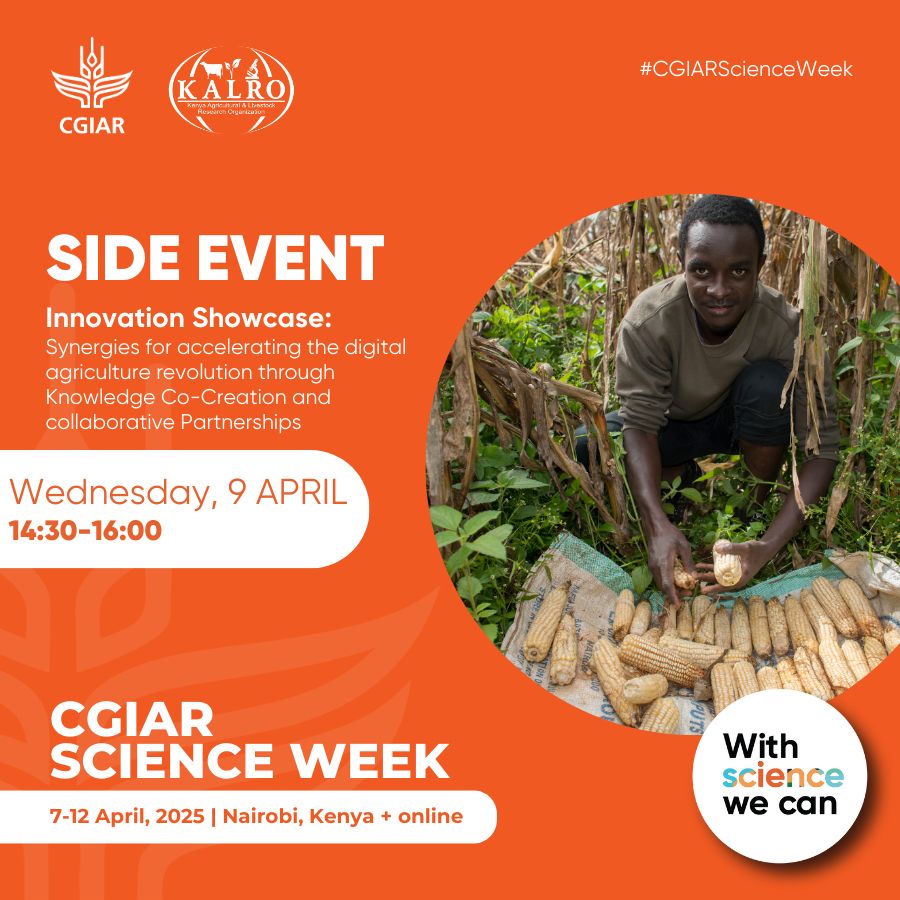
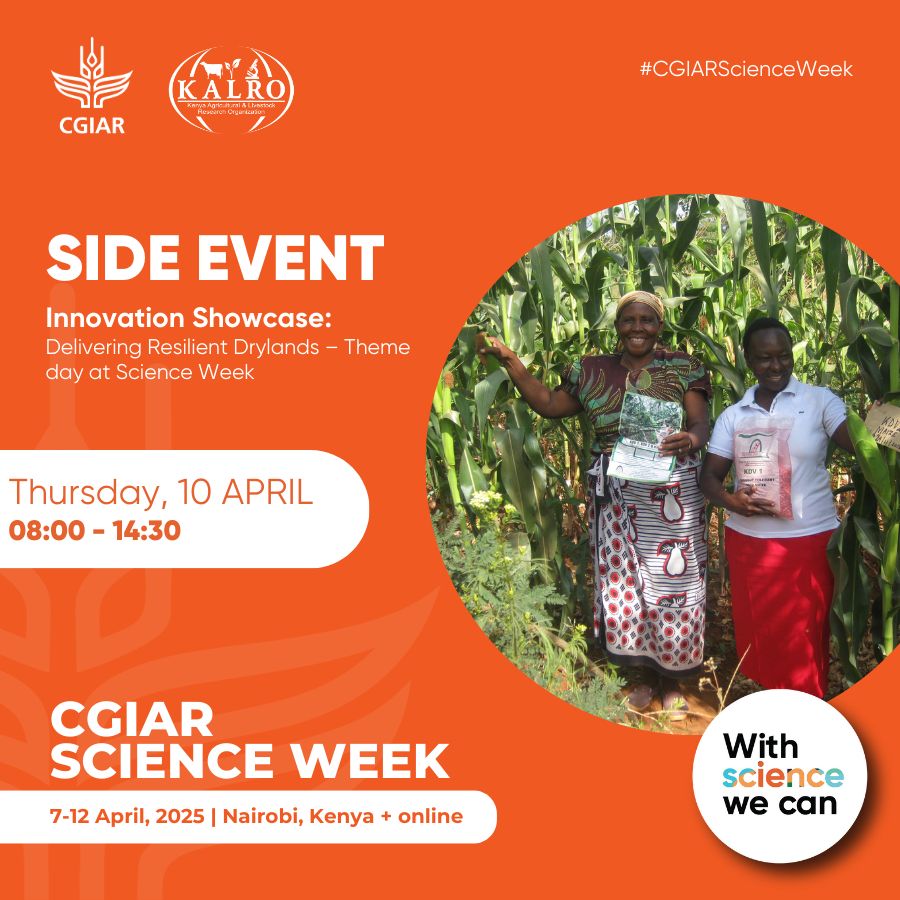
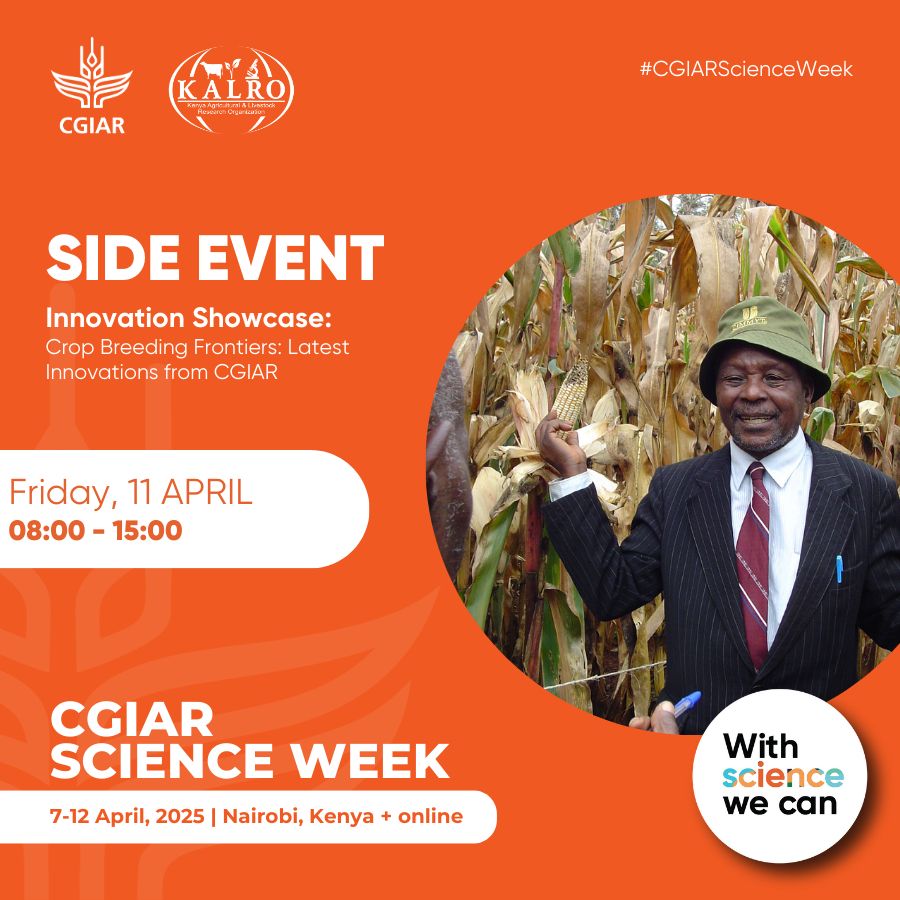
🌱 Join us for the #InnovationShowcase sessions this #CGIARScienceWeek! From digital platforms to genome editing, we’ll be exploring key innovative solutions that are driving #AgResilience. Be part of the conversation!💡💭 @cgiar.org
April 3, 2025 at 5:27 PM
🌱 Join us for the #InnovationShowcase sessions this #CGIARScienceWeek! From digital platforms to genome editing, we’ll be exploring key innovative solutions that are driving #AgResilience. Be part of the conversation!💡💭 @cgiar.org
Reposted by Jill Cairns

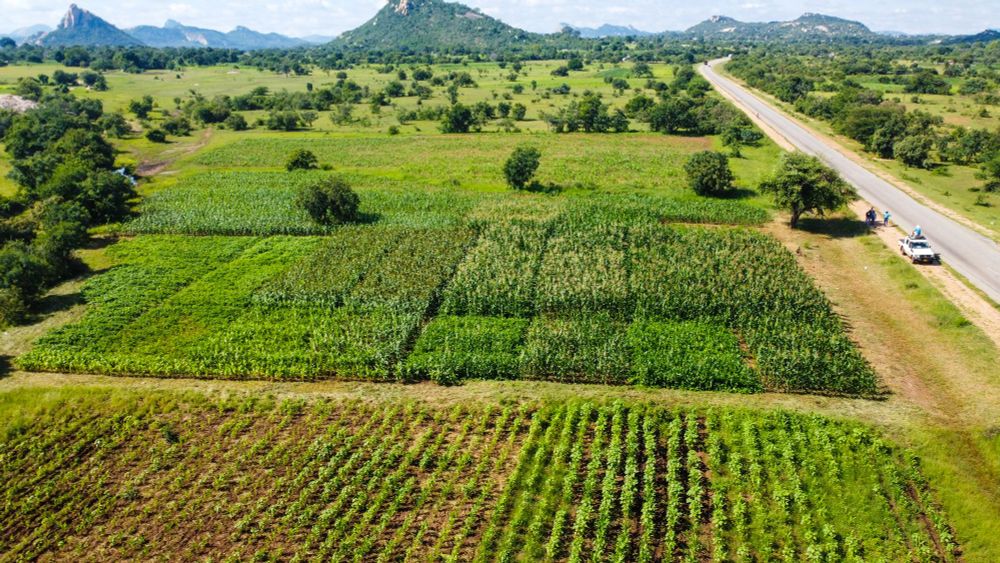
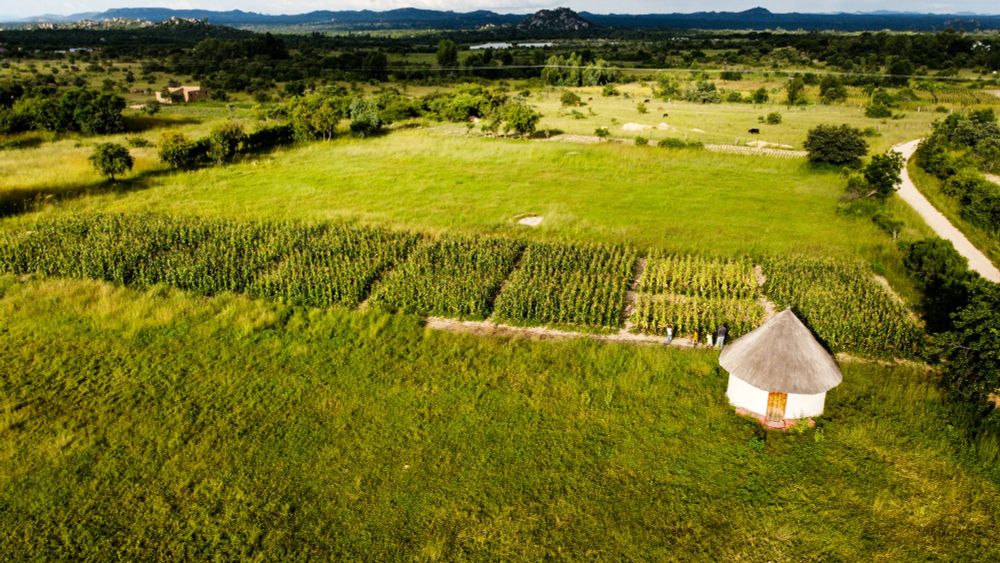
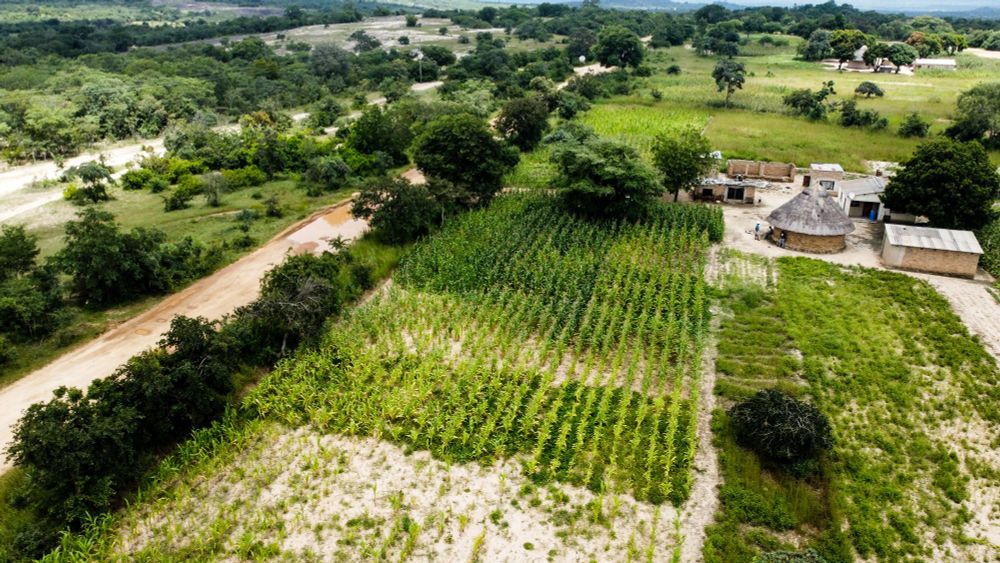
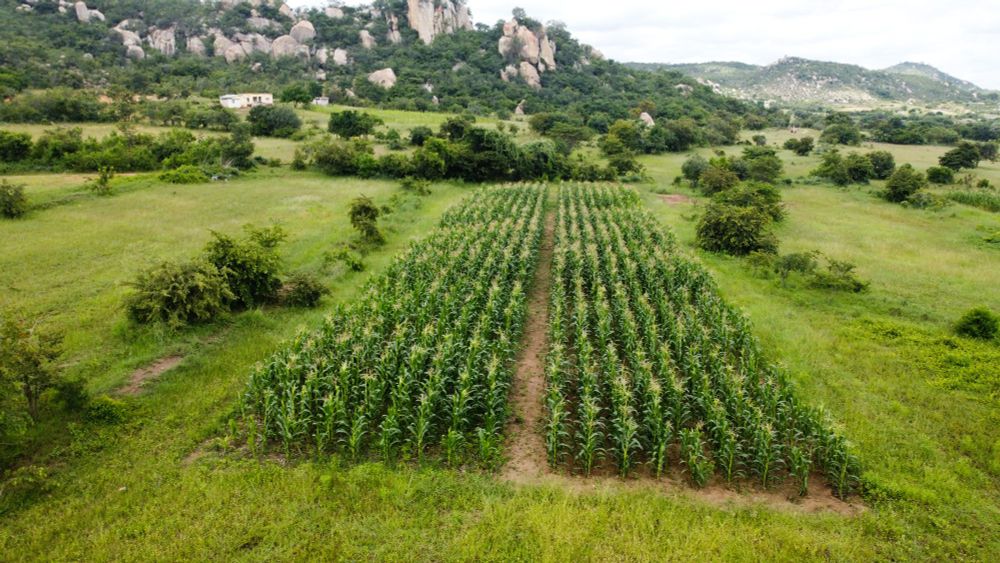
A few aerial pictures from some of our on-farm experiments and demo plots in Murehwa & Mutoko districts, 🇿🇼. Beautiful landscape as always in 🇿🇼 🤩! #intercropping #mulch #manure #fertilizers #RAIZ_project @cirad.bsky.social @cimmyt.bsky.social @gatienfalconnier.bsky.social @kelvinchipoyi.bsky.social
March 20, 2025 at 10:00 AM
A few aerial pictures from some of our on-farm experiments and demo plots in Murehwa & Mutoko districts, 🇿🇼. Beautiful landscape as always in 🇿🇼 🤩! #intercropping #mulch #manure #fertilizers #RAIZ_project @cirad.bsky.social @cimmyt.bsky.social @gatienfalconnier.bsky.social @kelvinchipoyi.bsky.social
Exciting new special issue in @plantspeopleplanet.bsky.social on agricultural biotechnology: potential, challenges and debate.
With a range of papers addressing critical questions on "how agricultural biotechnology is developed and used, and for whom."
nph.onlinelibrary.wiley.com/doi/10.1002/...
With a range of papers addressing critical questions on "how agricultural biotechnology is developed and used, and for whom."
nph.onlinelibrary.wiley.com/doi/10.1002/...
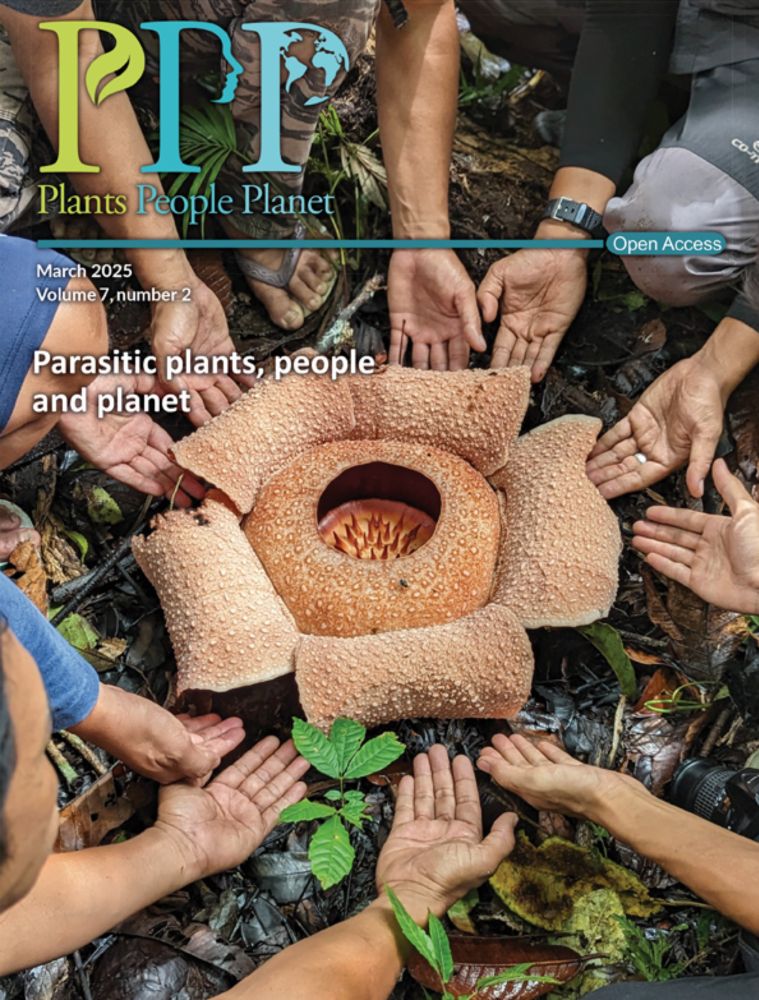
Agricultural biotechnology: Potential, challenges, and debate
With a rapidly expanding human population, urbanization, poverty, and threats from climate change, new innovations are needed to achieve global food security and nutrition requirements in a just and ...
nph.onlinelibrary.wiley.com
April 2, 2025 at 8:46 AM
Exciting new special issue in @plantspeopleplanet.bsky.social on agricultural biotechnology: potential, challenges and debate.
With a range of papers addressing critical questions on "how agricultural biotechnology is developed and used, and for whom."
nph.onlinelibrary.wiley.com/doi/10.1002/...
With a range of papers addressing critical questions on "how agricultural biotechnology is developed and used, and for whom."
nph.onlinelibrary.wiley.com/doi/10.1002/...
Reposted by Jill Cairns

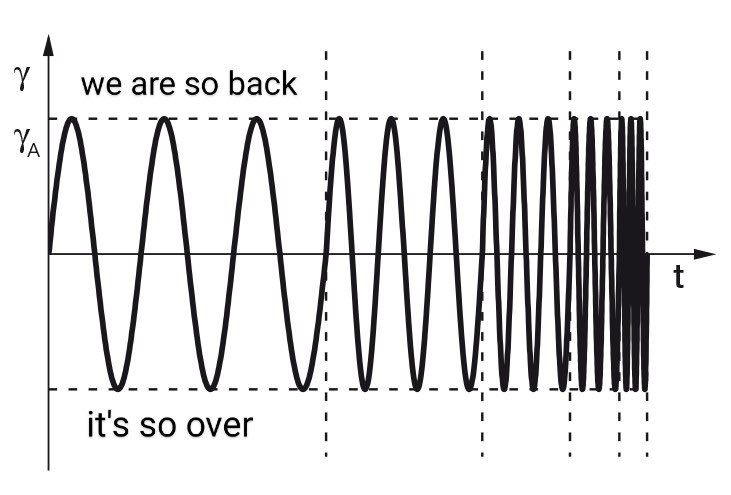
What it feels like revising a paper
March 5, 2025 at 5:14 AM
What it feels like revising a paper
Reposted by Jill Cairns
Despite Africa emitting less than 4% of global greenhouse gas emissions in the atmosphere, the 1.5°C climate change threshold will be approached by 2040 in all five African subregions, even under low emission scenarios.
www.ilri.org/news/study-r...
www.ilri.org/news/study-r...
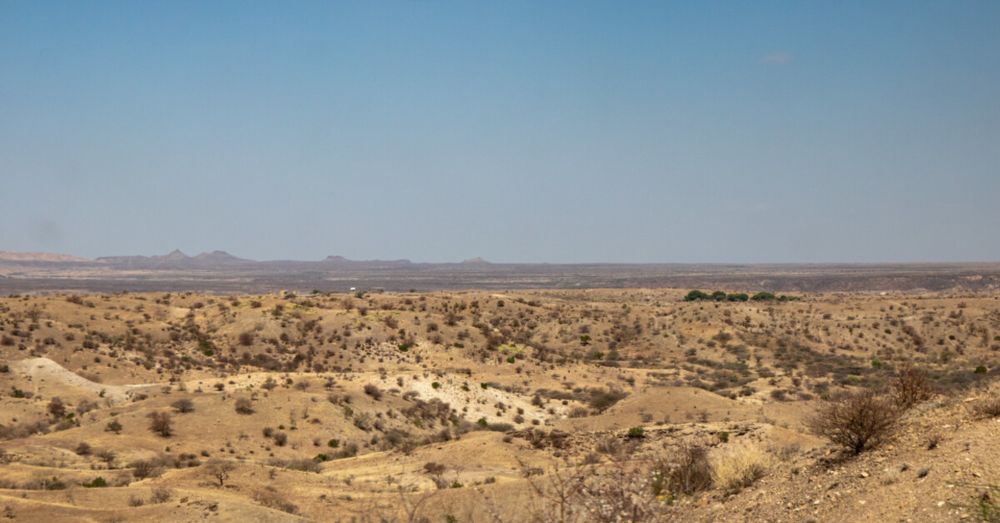
Study reveals Africa will reach 1.5°C climate change threshold by 2040 even under low emission scenarios
New research highlighted in the journal CABI Reviews suggests that all five subregions of Africa will breach the 1.5°C climate change threshold—the limit…
www.ilri.org
February 28, 2025 at 3:07 PM
Despite Africa emitting less than 4% of global greenhouse gas emissions in the atmosphere, the 1.5°C climate change threshold will be approached by 2040 in all five African subregions, even under low emission scenarios.
www.ilri.org/news/study-r...
www.ilri.org/news/study-r...
Reposted by Jill Cairns

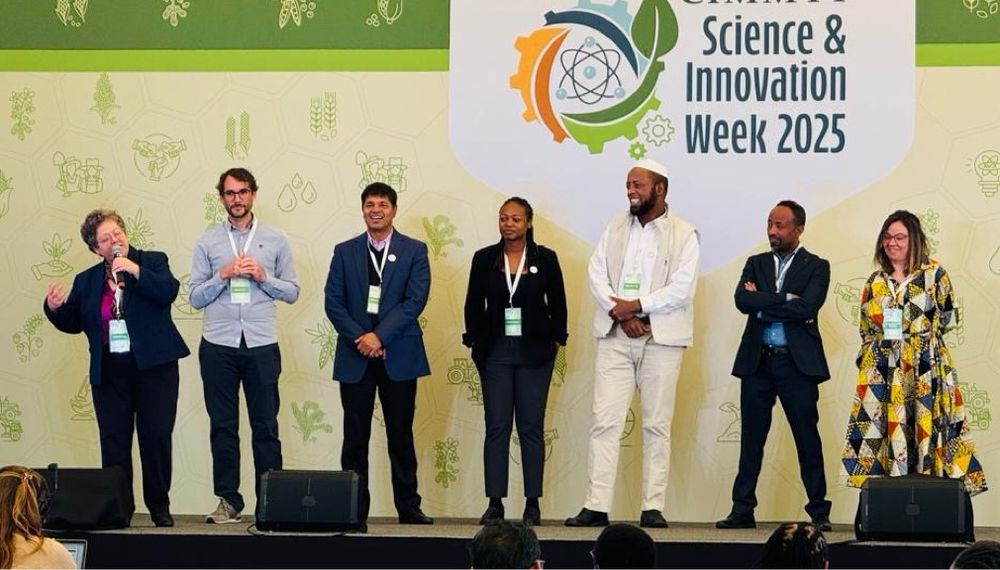
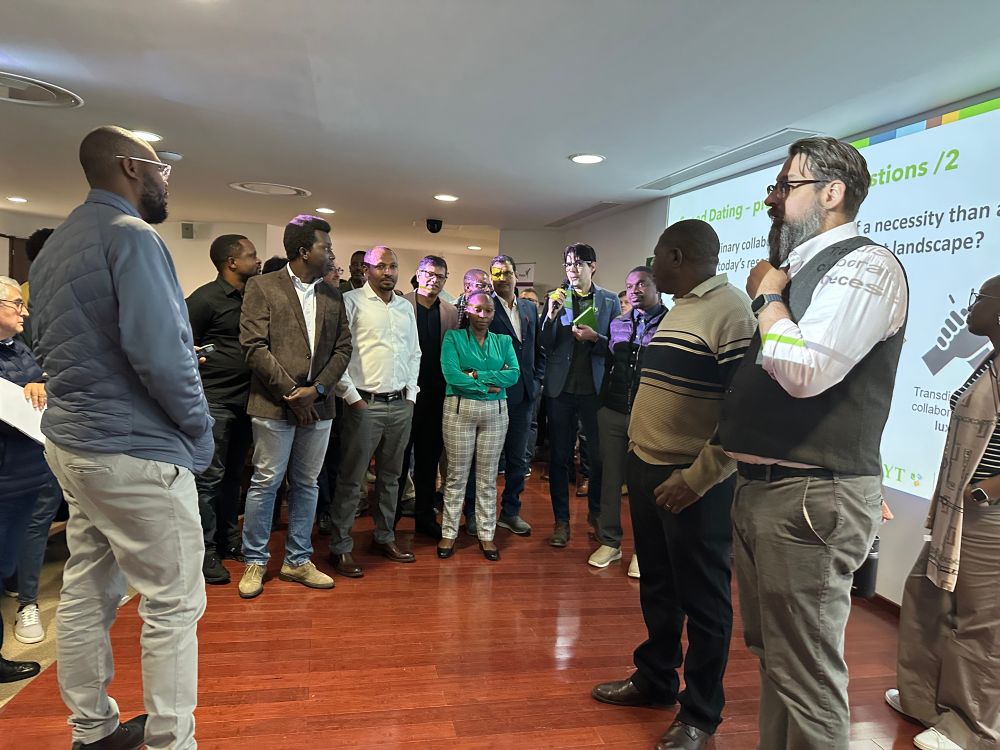
Science @cimmyt with partners builds evidence on market, climate shocks, conflict and how farmers respond. A learning agenda, puralistic extension and geotargeting can inform and improve resilience. @luckywinner1.bsky.social @teksapkota.bsky.social
February 25, 2025 at 10:50 PM
Science @cimmyt with partners builds evidence on market, climate shocks, conflict and how farmers respond. A learning agenda, puralistic extension and geotargeting can inform and improve resilience. @luckywinner1.bsky.social @teksapkota.bsky.social
Reposted by Jill Cairns

Have you seen our 'Weekly Reads from IFPRI' on LinkedIn yet? ✍️
Sign up to get alerts about the weekly selections of recent peer-reviewed publications from IFPRI researchers! @cgiar.org 🧪 #AcademicPublishing
Sign up to get alerts about the weekly selections of recent peer-reviewed publications from IFPRI researchers! @cgiar.org 🧪 #AcademicPublishing

A weekly selection of recent peer-reviewed publications from IFPRI researchers
This week’s list includes articles that examine growth monitoring and promotion in children, livelihood diversification patterns in farming systems across the Eastern Gangetic Plains, the impact of di...
www.linkedin.com
February 25, 2025 at 10:10 PM
Have you seen our 'Weekly Reads from IFPRI' on LinkedIn yet? ✍️
Sign up to get alerts about the weekly selections of recent peer-reviewed publications from IFPRI researchers! @cgiar.org 🧪 #AcademicPublishing
Sign up to get alerts about the weekly selections of recent peer-reviewed publications from IFPRI researchers! @cgiar.org 🧪 #AcademicPublishing
Reposted by Jill Cairns

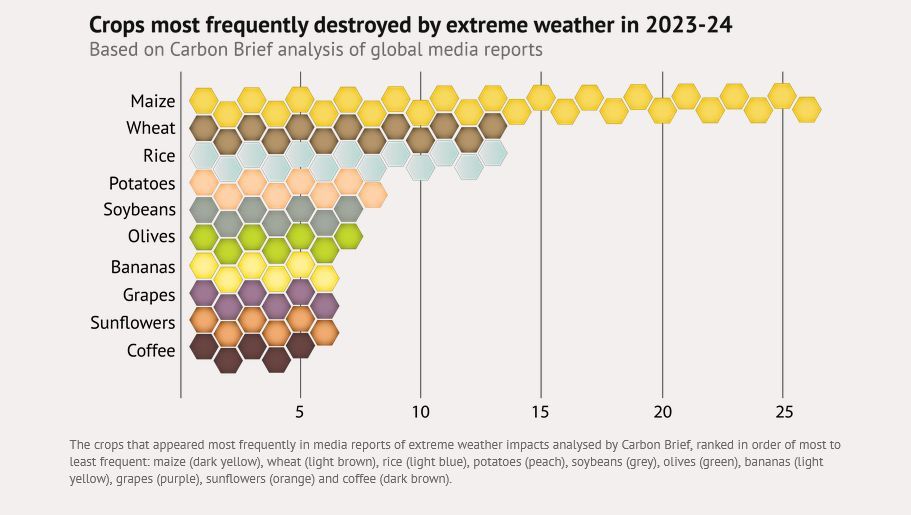
Mapped: How extreme weather is destroying crops around the world
lnkd.in/eR_cfand
lnkd.in/eR_cfand
February 16, 2025 at 4:38 PM
Mapped: How extreme weather is destroying crops around the world
lnkd.in/eR_cfand
lnkd.in/eR_cfand
#motivation for dark early morning (gym) exercise bike rides during #CIMMYT Science and Innovation week
#Zimbabwe #cycling #outdoors
#Zimbabwe #cycling #outdoors
February 14, 2025 at 1:10 PM
#motivation for dark early morning (gym) exercise bike rides during #CIMMYT Science and Innovation week
#Zimbabwe #cycling #outdoors
#Zimbabwe #cycling #outdoors
Reposted by Jill Cairns

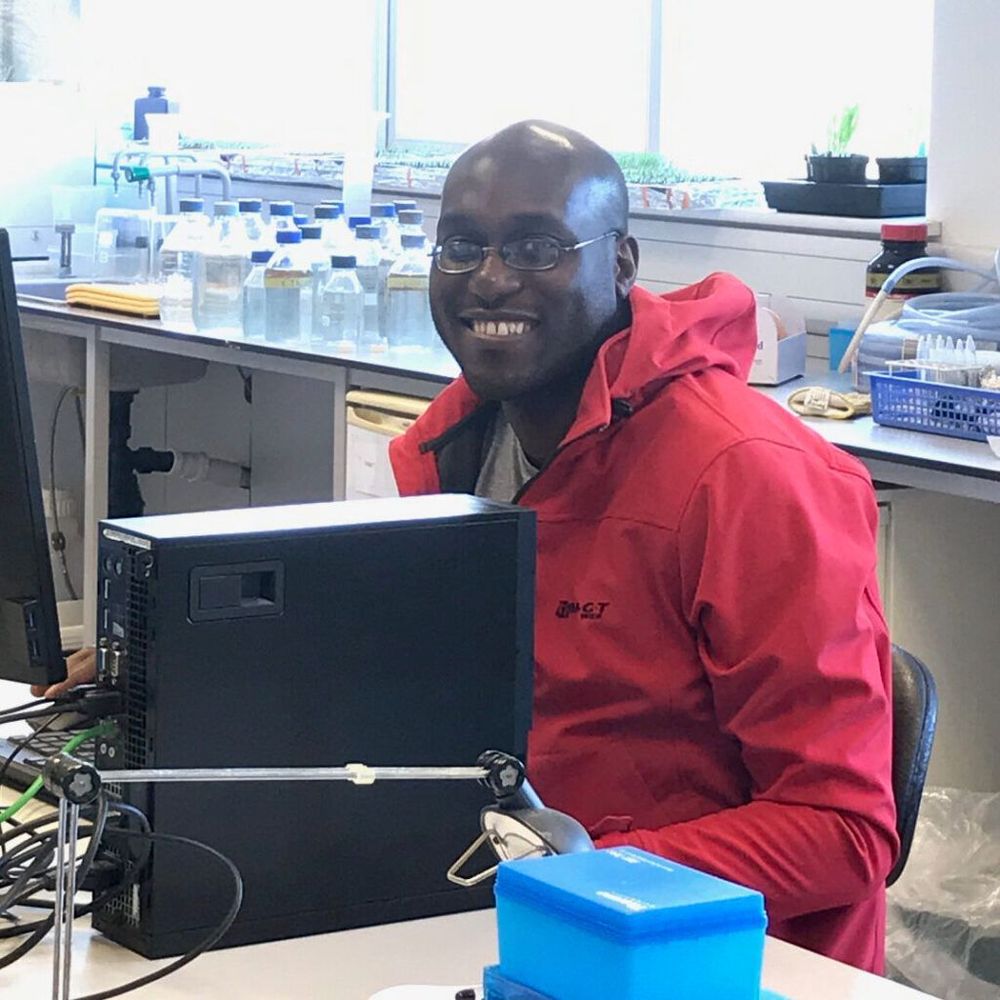
Profile: John is a UKRI Future Leaders Fellow and cereal geneticist based at RAGT Seeds Ltd., focusing on the implementation of genomic and genetic solutions to cereal breeding. Head to the link in our bio for the full video and transcript.
https://buff.ly/4aWpLua
https://buff.ly/4aWpLua
February 13, 2025 at 11:31 AM
Profile: John is a UKRI Future Leaders Fellow and cereal geneticist based at RAGT Seeds Ltd., focusing on the implementation of genomic and genetic solutions to cereal breeding. Head to the link in our bio for the full video and transcript.
https://buff.ly/4aWpLua
https://buff.ly/4aWpLua
Reposted by Jill Cairns

New publication:
The African Animal Breeding Network as a pathway towards genetic improvement of livestock
@ctlgh.bsky.social @srucvets.bsky.social @ilri.org
Read more here: doi.org/10.1038/s415...
The African Animal Breeding Network as a pathway towards genetic improvement of livestock
@ctlgh.bsky.social @srucvets.bsky.social @ilri.org
Read more here: doi.org/10.1038/s415...

The African Animal Breeding Network as a pathway towards genetic improvement of livestock - Nature Genetics
This Perspective introduces the African Animal Breeding Network as a platform to develop infrastructure for innovative livestock genetic improvement in Africa and discusses the challenges in implement...
doi.org
February 11, 2025 at 5:25 PM
New publication:
The African Animal Breeding Network as a pathway towards genetic improvement of livestock
@ctlgh.bsky.social @srucvets.bsky.social @ilri.org
Read more here: doi.org/10.1038/s415...
The African Animal Breeding Network as a pathway towards genetic improvement of livestock
@ctlgh.bsky.social @srucvets.bsky.social @ilri.org
Read more here: doi.org/10.1038/s415...
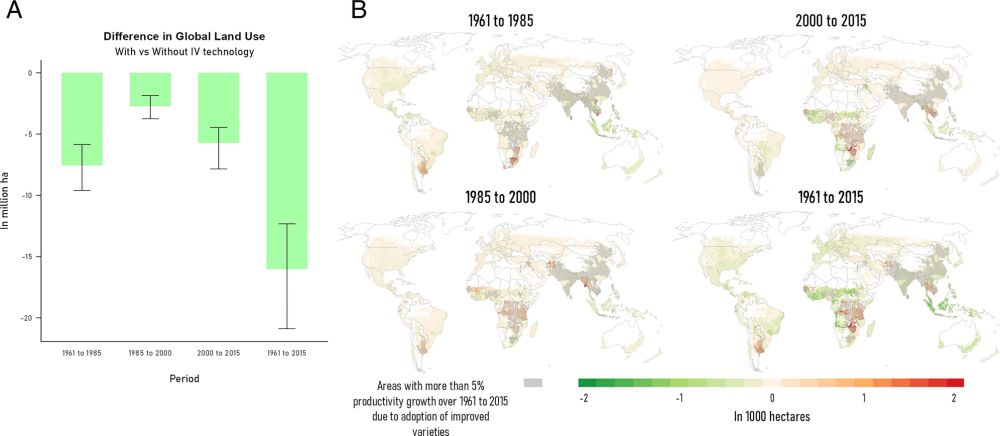
Historical crop improvement by @cgiar.org has "resulted in less cropland expansion, lower LUC greenhouse gas (GHG) emissions and potentially saved thousands of threatened plant and animal species from extinction."
doi.org/10.1073/pnas...
doi.org/10.1073/pnas...
Adoption of improved crop varieties limited biodiversity losses, terrestrial carbon emissions, and cropland expansion in the tropics | PNAS
Research investments in crop improvements, including by national and international
agricultural research centers, have made significant contributio...
doi.org
February 6, 2025 at 5:22 AM
Historical crop improvement by @cgiar.org has "resulted in less cropland expansion, lower LUC greenhouse gas (GHG) emissions and potentially saved thousands of threatened plant and animal species from extinction."
doi.org/10.1073/pnas...
doi.org/10.1073/pnas...
Reposted by Jill Cairns
New paper! @plantspeopleplanet.bsky.social
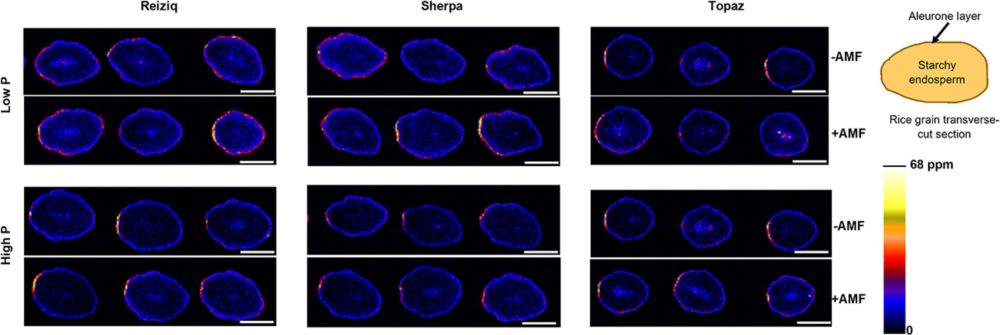
AM fungi decreased the bioavailability of micronutrients (Zn + Fe) in rice 🌾
We used Synchrotron XFM to look at micronutrient concentrations in the aleurone layer of +/- AMF rice, and compared them to wholegrain concentrations 🧐
doi.org/10.1002/ppp3...
AM fungi decreased the bioavailability of micronutrients (Zn + Fe) in rice 🌾
We used Synchrotron XFM to look at micronutrient concentrations in the aleurone layer of +/- AMF rice, and compared them to wholegrain concentrations 🧐
doi.org/10.1002/ppp3...
Arbuscular mycorrhizal fungi increase aleurone layer zinc concentration but reduce overall zinc bioavailability in rice grain
Rice is a critical crop for the delivery of calories and essential micronutrients to the human diet. Biofortification of rice with zinc (Zn) and iron (Fe) aims to combat the health issues associated ....
doi.org
February 2, 2025 at 1:21 AM
New paper! @plantspeopleplanet.bsky.social
AM fungi decreased the bioavailability of micronutrients (Zn + Fe) in rice 🌾
We used Synchrotron XFM to look at micronutrient concentrations in the aleurone layer of +/- AMF rice, and compared them to wholegrain concentrations 🧐
doi.org/10.1002/ppp3...
AM fungi decreased the bioavailability of micronutrients (Zn + Fe) in rice 🌾
We used Synchrotron XFM to look at micronutrient concentrations in the aleurone layer of +/- AMF rice, and compared them to wholegrain concentrations 🧐
doi.org/10.1002/ppp3...