


Jaan Aru
@jaanaru.bsky.social
Raising two kids, co-PI-lot of the Natural and Artificial Intelligence Lab & trying to do some funky research on the intersection of neuroscience, psychology and AI. Estonian
nail.cs.ut.ee
https://scholar.google.de/citations?user=FvFOzS8AAAAJ&hl=en&oi=a
nail.cs.ut.ee
https://scholar.google.de/citations?user=FvFOzS8AAAAJ&hl=en&oi=a
Reposted by Jaan Aru

In the latest @braininspired.bsky.social, @jaanaru.bsky.social argues that our brain’s computations are of a different nature than any AI; brains compute across spatial and temporal scales, and the computations are entwined with the biological materials.
www.thetransmitter.org/brain-inspir...
www.thetransmitter.org/brain-inspir...

Modern AI is simply no match for the complexity likely required for harboring consciousness, says Jaan Aru
He argues that our brain’s computations are of a completely different nature than any artificial intelligence because they take place across many spatial and temporal scales and are inextricably…
www.thetransmitter.org
February 11, 2026 at 3:43 PM
In the latest @braininspired.bsky.social, @jaanaru.bsky.social argues that our brain’s computations are of a different nature than any AI; brains compute across spatial and temporal scales, and the computations are entwined with the biological materials.
www.thetransmitter.org/brain-inspir...
www.thetransmitter.org/brain-inspir...
Reposted by Jaan Aru

"The Self-Evidencing Agent" - my new book - is out now with @mitpress.bsky.social
Can be purchased, or just download the whole thing for free, via the 'Open Access' option.
I'm grateful to @anilseth.bsky.social and Karl Friston for the generous endorsements.
mitpress.mit.edu/978026255389...
Can be purchased, or just download the whole thing for free, via the 'Open Access' option.
I'm grateful to @anilseth.bsky.social and Karl Friston for the generous endorsements.
mitpress.mit.edu/978026255389...

The Self-Evidencing Agent
What is it to be a human individual, an agent? According to Jakob Hohwy, it is to “self-evidence,” to actively seek out sensory evidence for one&...
mitpress.mit.edu
February 7, 2026 at 8:21 AM
"The Self-Evidencing Agent" - my new book - is out now with @mitpress.bsky.social
Can be purchased, or just download the whole thing for free, via the 'Open Access' option.
I'm grateful to @anilseth.bsky.social and Karl Friston for the generous endorsements.
mitpress.mit.edu/978026255389...
Can be purchased, or just download the whole thing for free, via the 'Open Access' option.
I'm grateful to @anilseth.bsky.social and Karl Friston for the generous endorsements.
mitpress.mit.edu/978026255389...
Reposted by Jaan Aru
A third way between computational functionalism and biological naturalism? @neuromorphicboki.bsky.social & @jaanaru.bsky.social think so 👇
🎊📜 NEW PAPER 📜🎊
Can we seriously build synthetic consciousness?
And if so, where do we start?
I’m super excited to present recent publication in Neuroscience & Biobehavioral Reviews where @jaanaru.bsky.social and I confront this challenge head on.
1/n
Can we seriously build synthetic consciousness?
And if so, where do we start?
I’m super excited to present recent publication in Neuroscience & Biobehavioral Reviews where @jaanaru.bsky.social and I confront this challenge head on.
1/n

On biological and artificial consciousness: A case for biological computationalism
The rapid advances in the capabilities of Large Language Models (LLMs) have galvanised public and scientific debates over whether artificial systems m…
sciencedirect.com
December 19, 2025 at 1:34 PM
A third way between computational functionalism and biological naturalism? @neuromorphicboki.bsky.social & @jaanaru.bsky.social think so 👇
The prospect of artificial consciousness might be both over- and underrated 🤔
🎊📜 NEW PAPER 📜🎊
Can we seriously build synthetic consciousness?
And if so, where do we start?
I’m super excited to present recent publication in Neuroscience & Biobehavioral Reviews where @jaanaru.bsky.social and I confront this challenge head on.
1/n
Can we seriously build synthetic consciousness?
And if so, where do we start?
I’m super excited to present recent publication in Neuroscience & Biobehavioral Reviews where @jaanaru.bsky.social and I confront this challenge head on.
1/n
On biological and artificial consciousness: A case for biological computationalism
The rapid advances in the capabilities of Large Language Models (LLMs) have galvanised public and scientific debates over whether artificial systems m…
sciencedirect.com
December 18, 2025 at 7:01 PM
The prospect of artificial consciousness might be both over- and underrated 🤔
Under challenging conditions, human vision turns into iterative problem solving. Typical deep learning algorithms don't do this.
Our paper out now in Plos Computational Biology journals.plos.org/ploscompbiol...
work led by @tarunkhajuria.bsky.social
#visionscience #neuroAI
Our paper out now in Plos Computational Biology journals.plos.org/ploscompbiol...
work led by @tarunkhajuria.bsky.social
#visionscience #neuroAI

Comparing a computational model of visual problem solving with human vision on a difficult vision task
Author summary Human vision is not just about passively receiving information from the environment. Rather, it also involves actively making sense of what we see. When faced with unclear or incomplete...
journals.plos.org
December 10, 2025 at 6:48 PM
Under challenging conditions, human vision turns into iterative problem solving. Typical deep learning algorithms don't do this.
Our paper out now in Plos Computational Biology journals.plos.org/ploscompbiol...
work led by @tarunkhajuria.bsky.social
#visionscience #neuroAI
Our paper out now in Plos Computational Biology journals.plos.org/ploscompbiol...
work led by @tarunkhajuria.bsky.social
#visionscience #neuroAI
There is a lot of talk about LLMs revolutionizing education. But once you get into it, things are not that trivial.
Here, we summarize the questions that emerge when trying to implement AI Tutors nationwide.
Out now in @cp-trendscognsci.bsky.social
#edusky
authors.elsevier.com/a/1ltdo4sIRv...
Here, we summarize the questions that emerge when trying to implement AI Tutors nationwide.
Out now in @cp-trendscognsci.bsky.social
#edusky
authors.elsevier.com/a/1ltdo4sIRv...

October 4, 2025 at 11:36 AM
There is a lot of talk about LLMs revolutionizing education. But once you get into it, things are not that trivial.
Here, we summarize the questions that emerge when trying to implement AI Tutors nationwide.
Out now in @cp-trendscognsci.bsky.social
#edusky
authors.elsevier.com/a/1ltdo4sIRv...
Here, we summarize the questions that emerge when trying to implement AI Tutors nationwide.
Out now in @cp-trendscognsci.bsky.social
#edusky
authors.elsevier.com/a/1ltdo4sIRv...
Reposted by Jaan Aru

Our open-access article - Testing circuit-level theories of consciousness in humans - together with Yunkai Zhu, Carolina Fernandez Pujol, @dvwz.bsky.social, @jonescompneurolab.bsky.social, @tmarvan.bsky.social, and @danclab.bsky.social, was just published @cp-trendscognsci.bsky.social.


September 20, 2025 at 7:33 PM
Our open-access article - Testing circuit-level theories of consciousness in humans - together with Yunkai Zhu, Carolina Fernandez Pujol, @dvwz.bsky.social, @jonescompneurolab.bsky.social, @tmarvan.bsky.social, and @danclab.bsky.social, was just published @cp-trendscognsci.bsky.social.
Could we understand vision as a type of problem-solving? In this new paper, we develop a computational model that iteratively refines the hypothesis about the visual input with evolutionary search.
www.biorxiv.org/content/10.1...
work led by @tarunkhajuria.bsky.social
#visionscience #neuroAI
www.biorxiv.org/content/10.1...
work led by @tarunkhajuria.bsky.social
#visionscience #neuroAI

August 25, 2025 at 10:28 AM
Could we understand vision as a type of problem-solving? In this new paper, we develop a computational model that iteratively refines the hypothesis about the visual input with evolutionary search.
www.biorxiv.org/content/10.1...
work led by @tarunkhajuria.bsky.social
#visionscience #neuroAI
www.biorxiv.org/content/10.1...
work led by @tarunkhajuria.bsky.social
#visionscience #neuroAI
We systematically reviewed 23 in vitro and 26 in vivo electrophysiological studies on psychedelic compounds, with an emphasis on layer 5 pyramidal neurons.
Our results challenge the simplified view that psychedelics uniformly increase cortical excitability
www.biorxiv.org/content/10.1...
Our results challenge the simplified view that psychedelics uniformly increase cortical excitability
www.biorxiv.org/content/10.1...
July 11, 2025 at 12:00 PM
We systematically reviewed 23 in vitro and 26 in vivo electrophysiological studies on psychedelic compounds, with an emphasis on layer 5 pyramidal neurons.
Our results challenge the simplified view that psychedelics uniformly increase cortical excitability
www.biorxiv.org/content/10.1...
Our results challenge the simplified view that psychedelics uniformly increase cortical excitability
www.biorxiv.org/content/10.1...
If you're interested in consciousness, please check this accepted chapter where I try to confront two major assumptions
1) the NCC is probably some type of pattern of spiking
2) we're close to figuring out the computations underlying consciousness
arxiv.org/abs/2506.21485
#consci #assc28
🧵👇
1) the NCC is probably some type of pattern of spiking
2) we're close to figuring out the computations underlying consciousness
arxiv.org/abs/2506.21485
#consci #assc28
🧵👇

The assumptions that restrain us from understanding consciousness
The science of consciousness has been successful over the last decades. Yet, it seems that some of the key questions remain unanswered. Perhaps, as a science of consciousness, we cannot move forward u...
arxiv.org
June 27, 2025 at 11:46 AM
If you're interested in consciousness, please check this accepted chapter where I try to confront two major assumptions
1) the NCC is probably some type of pattern of spiking
2) we're close to figuring out the computations underlying consciousness
arxiv.org/abs/2506.21485
#consci #assc28
🧵👇
1) the NCC is probably some type of pattern of spiking
2) we're close to figuring out the computations underlying consciousness
arxiv.org/abs/2506.21485
#consci #assc28
🧵👇
Reposted by Jaan Aru

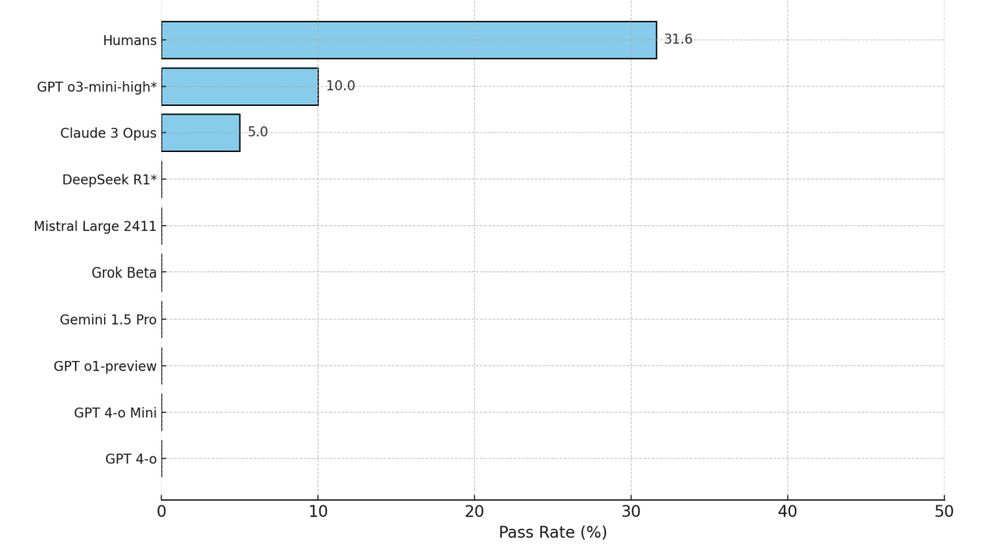
Researchers in Estonia created a logic game that requires creating a mental model of a haunted house. It's not easy! Only 31% of humans can solve it. But that's way better than generative AI models.
The game is fun, try it via the link below. Whatever we mean by reasoning, this is reasoning.
The game is fun, try it via the link below. Whatever we mean by reasoning, this is reasoning.
May 27, 2025 at 12:49 PM
Researchers in Estonia created a logic game that requires creating a mental model of a haunted house. It's not easy! Only 31% of humans can solve it. But that's way better than generative AI models.
The game is fun, try it via the link below. Whatever we mean by reasoning, this is reasoning.
The game is fun, try it via the link below. Whatever we mean by reasoning, this is reasoning.
A great thread by Matthew Larkum on our recent paper🧵
He clarifies how we model the experiment with the Turing machine and ends his thread with the hard choice the computational functionalist must face😢
He clarifies how we model the experiment with the Turing machine and ends his thread with the hard choice the computational functionalist must face😢

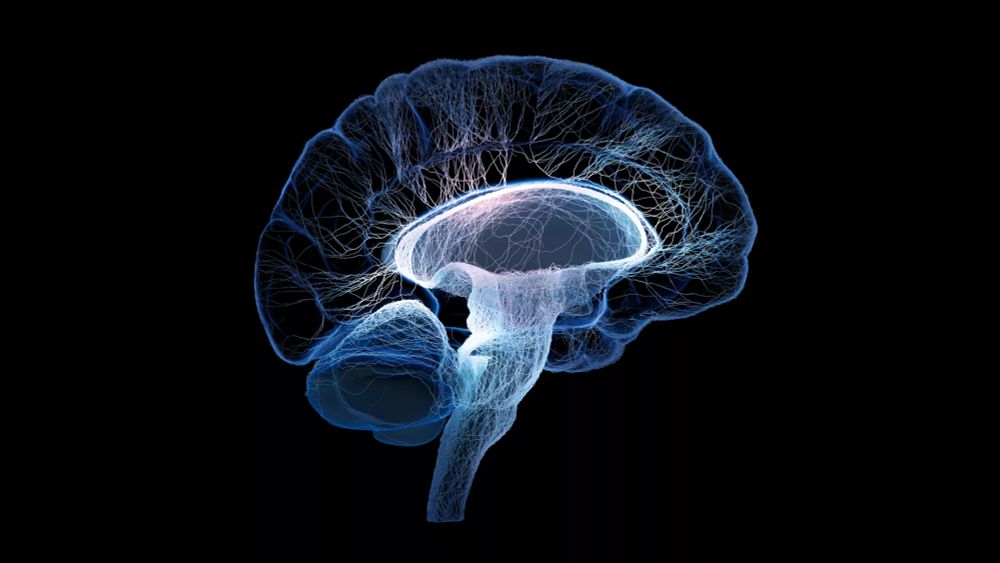
Does neural computation feel like something? In our new paper, we explore a paradox: if you replay all the neural activity of a brain—every spike, every synapse—does it recreate conscious experience?
🧠 doi.org/10.3389/fnin...
🧠 doi.org/10.3389/fnin...
Frontiers | Does neural computation feel like something?
Artificial neural networks are becoming more advanced and human-like in detail and behavior. The notion that machines mimicking human brain computations migh...
doi.org
May 26, 2025 at 12:27 PM
A great thread by Matthew Larkum on our recent paper🧵
He clarifies how we model the experiment with the Turing machine and ends his thread with the hard choice the computational functionalist must face😢
He clarifies how we model the experiment with the Turing machine and ends his thread with the hard choice the computational functionalist must face😢
The belief that artificial consciousness is coming crucially depends on the assumption that consciousness is a computation.
In this new paper, we'll try to convince you that consciousness cannot be a computation
w Albert Gidon and M.Larkum
www.frontiersin.org/journals/neu...
#neuroAI #consci
In this new paper, we'll try to convince you that consciousness cannot be a computation
w Albert Gidon and M.Larkum
www.frontiersin.org/journals/neu...
#neuroAI #consci

May 23, 2025 at 11:10 AM
The belief that artificial consciousness is coming crucially depends on the assumption that consciousness is a computation.
In this new paper, we'll try to convince you that consciousness cannot be a computation
w Albert Gidon and M.Larkum
www.frontiersin.org/journals/neu...
#neuroAI #consci
In this new paper, we'll try to convince you that consciousness cannot be a computation
w Albert Gidon and M.Larkum
www.frontiersin.org/journals/neu...
#neuroAI #consci
Reposted by Jaan Aru
'The illusion of Conscious AI' - new short piece of @bigthink.com bigthink.com/neuropsych/t... (for the longer version, see my Behavioural and Brain Sciences target article, which is now accepting commentary proposals): www.cambridge.org/core/journal... 🧠

The illusion of conscious AI
Neuroscientist Anil Seth explains why people often overestimate how likely it is that AI will become conscious.
bigthink.com
May 14, 2025 at 4:54 PM
'The illusion of Conscious AI' - new short piece of @bigthink.com bigthink.com/neuropsych/t... (for the longer version, see my Behavioural and Brain Sciences target article, which is now accepting commentary proposals): www.cambridge.org/core/journal... 🧠
Reposted by Jaan Aru
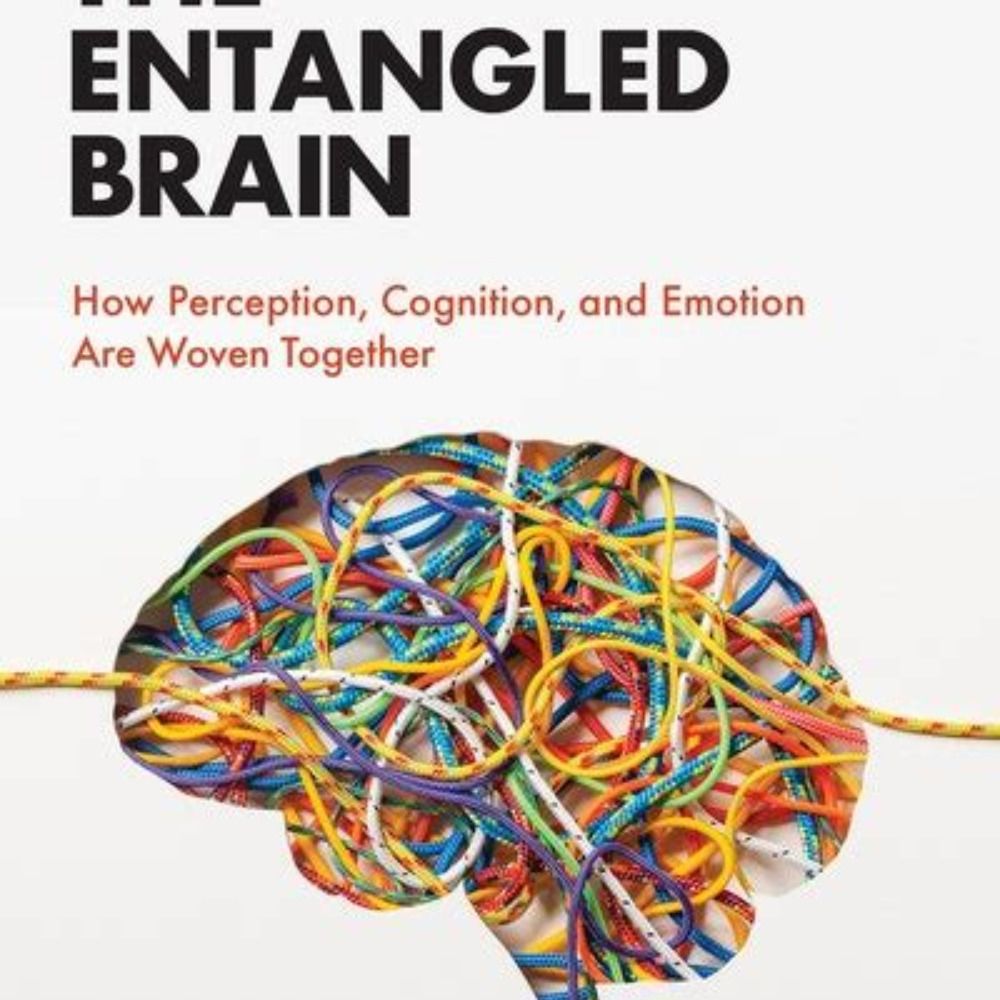
𝗣𝗮𝗿𝗮𝗹𝗹𝗲𝗹 𝗱𝗶𝘀𝘁𝗿𝗶𝗯𝘂𝘁𝗲𝗱 𝗯𝗿𝗮𝗶𝗻 𝗳𝘂𝗻𝗰𝘁𝗶𝗼𝗻, 𝗵𝗼𝘄 𝗱𝗼𝗲𝘀 𝗶𝘁 𝘄𝗼𝗿𝗸?
Don't expect simple mappings between mind and brain.
Check out this piece I wrote for Aeon.
aeon.co/essays/how-t...
Don't expect simple mappings between mind and brain.
Check out this piece I wrote for Aeon.
aeon.co/essays/how-t...
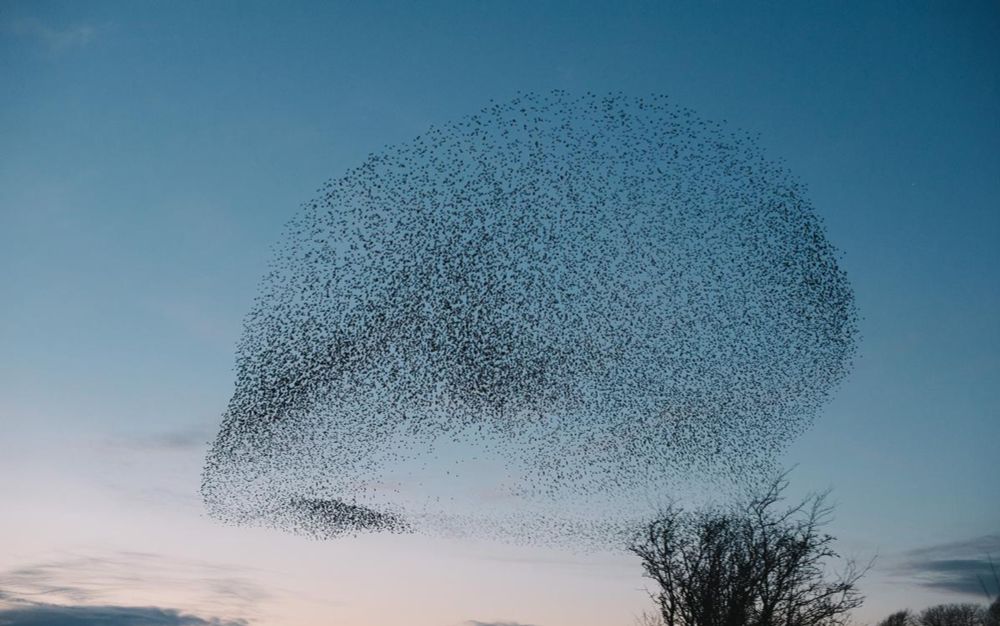
How the human brain is like a murmuration of starlings | Aeon Essays
The brain is much less like a machine than it is like the murmurations of a flock of starlings or an orchestral symphony
aeon.co
May 19, 2025 at 5:28 PM
𝗣𝗮𝗿𝗮𝗹𝗹𝗲𝗹 𝗱𝗶𝘀𝘁𝗿𝗶𝗯𝘂𝘁𝗲𝗱 𝗯𝗿𝗮𝗶𝗻 𝗳𝘂𝗻𝗰𝘁𝗶𝗼𝗻, 𝗵𝗼𝘄 𝗱𝗼𝗲𝘀 𝗶𝘁 𝘄𝗼𝗿𝗸?
Don't expect simple mappings between mind and brain.
Check out this piece I wrote for Aeon.
aeon.co/essays/how-t...
Don't expect simple mappings between mind and brain.
Check out this piece I wrote for Aeon.
aeon.co/essays/how-t...
Reposted by Jaan Aru

With immense pleasure, here is our #TICS opinion paper on "mind blanking"!
@cp-trendscognsci.bsky.social
**Where is my mind?**
A neurocognitive investigation of mind blanking
www.sciencedirect.com/science/arti...
With Jenny Windt, @antoinelutz.bsky.social and @ademertzi.bsky.social
@cp-trendscognsci.bsky.social
**Where is my mind?**
A neurocognitive investigation of mind blanking
www.sciencedirect.com/science/arti...
With Jenny Windt, @antoinelutz.bsky.social and @ademertzi.bsky.social
ScienceDirect.com | Science, health and medical journals, full text articles and books.
authors.elsevier.com
April 24, 2025 at 5:17 PM
With immense pleasure, here is our #TICS opinion paper on "mind blanking"!
@cp-trendscognsci.bsky.social
**Where is my mind?**
A neurocognitive investigation of mind blanking
www.sciencedirect.com/science/arti...
With Jenny Windt, @antoinelutz.bsky.social and @ademertzi.bsky.social
@cp-trendscognsci.bsky.social
**Where is my mind?**
A neurocognitive investigation of mind blanking
www.sciencedirect.com/science/arti...
With Jenny Windt, @antoinelutz.bsky.social and @ademertzi.bsky.social
Reposted by Jaan Aru

Proud to announce our primer on "Ten principles for reliable, efficient, and adaptable coding in psychology and cognitive neuroscience"
www.nature.com/articles/s44...
This primer is for beginners to get started, advanced programmers to improve, and PIs.
#psychology #psychsci #cogsci #neuroskyence
www.nature.com/articles/s44...
This primer is for beginners to get started, advanced programmers to improve, and PIs.
#psychology #psychsci #cogsci #neuroskyence
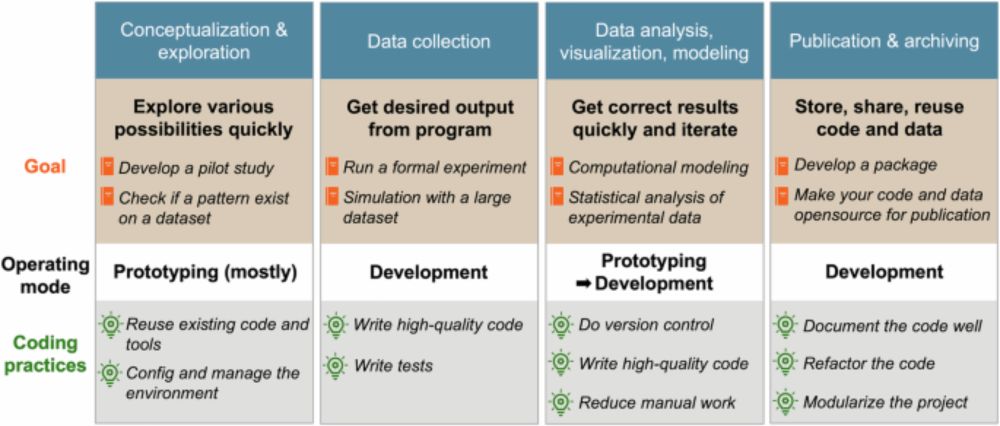
Ten principles for reliable, efficient, and adaptable coding in psychology and cognitive neuroscience - Communications Psychology
Programming is essential for modern research in neuroscience and psychology, but it can quickly become a source of frustration and error. This Primer introduces ten practical principles guiding resear...
www.nature.com
April 15, 2025 at 12:41 PM
Proud to announce our primer on "Ten principles for reliable, efficient, and adaptable coding in psychology and cognitive neuroscience"
www.nature.com/articles/s44...
This primer is for beginners to get started, advanced programmers to improve, and PIs.
#psychology #psychsci #cogsci #neuroskyence
www.nature.com/articles/s44...
This primer is for beginners to get started, advanced programmers to improve, and PIs.
#psychology #psychsci #cogsci #neuroskyence
Reposted by Jaan Aru
𝗕𝗲𝘆𝗼𝗻𝗱 𝗡𝗲𝘁𝘄𝗼𝗿𝗸𝘀: 𝗧𝗼𝘄𝗮𝗿𝗱 𝗔𝗱𝗮𝗽𝘁𝗶𝘃𝗲 𝗠𝗼𝗱𝗲𝗹𝘀 𝗼𝗳 𝗕𝗶𝗼𝗹𝗼𝗴𝗶𝗰𝗮𝗹 𝗖𝗼𝗺𝗽𝗹𝗲𝘅𝗶𝘁𝘆
How can network science tackle complex biological systems?
Substantially reworked version
Largely conceptual, would be happy to see others fill in details or collaborate if people find it of value
osf.io/preprints/os...
#complexity
How can network science tackle complex biological systems?
Substantially reworked version
Largely conceptual, would be happy to see others fill in details or collaborate if people find it of value
osf.io/preprints/os...
#complexity

April 8, 2025 at 5:55 PM
𝗕𝗲𝘆𝗼𝗻𝗱 𝗡𝗲𝘁𝘄𝗼𝗿𝗸𝘀: 𝗧𝗼𝘄𝗮𝗿𝗱 𝗔𝗱𝗮𝗽𝘁𝗶𝘃𝗲 𝗠𝗼𝗱𝗲𝗹𝘀 𝗼𝗳 𝗕𝗶𝗼𝗹𝗼𝗴𝗶𝗰𝗮𝗹 𝗖𝗼𝗺𝗽𝗹𝗲𝘅𝗶𝘁𝘆
How can network science tackle complex biological systems?
Substantially reworked version
Largely conceptual, would be happy to see others fill in details or collaborate if people find it of value
osf.io/preprints/os...
#complexity
How can network science tackle complex biological systems?
Substantially reworked version
Largely conceptual, would be happy to see others fill in details or collaborate if people find it of value
osf.io/preprints/os...
#complexity
Reposted by Jaan Aru
I am so happy—this is the first 1st author paper I have written, since the cancer diagnosis of my late wife seven years ago.
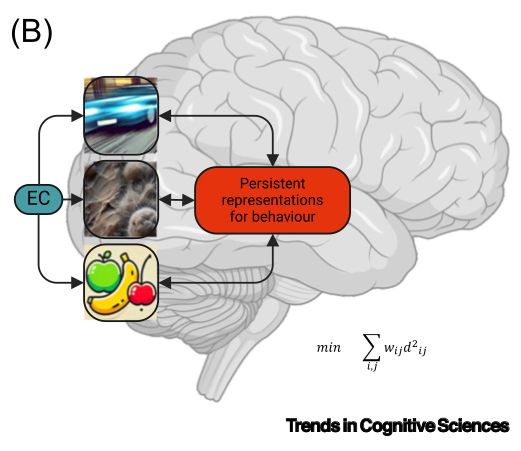
📑 PAPER ALERT: "Beyond binding: from modular to natural vision" in Trends in Cognitive Sciences (2025) sciencedirect.com/science/arti...
📑 PAPER ALERT: "Beyond binding: from modular to natural vision" in Trends in Cognitive Sciences (2025) sciencedirect.com/science/arti...
April 14, 2025 at 8:32 PM
I am so happy—this is the first 1st author paper I have written, since the cancer diagnosis of my late wife seven years ago.
📑 PAPER ALERT: "Beyond binding: from modular to natural vision" in Trends in Cognitive Sciences (2025) sciencedirect.com/science/arti...
📑 PAPER ALERT: "Beyond binding: from modular to natural vision" in Trends in Cognitive Sciences (2025) sciencedirect.com/science/arti...
Reposted by Jaan Aru

New paper from the Neurosurgery Research Team at BCM! "Learning and language in the unconscious human hippocampus"
www.biorxiv.org/content/10.1...
www.biorxiv.org/content/10.1...

Learning and language in the unconscious human hippocampus
Consciousness is a fundamental component of cognition, but the degree to which higher-order perception relies on it remains disputed. Here we demonstrate the persistence of learning, semantic processi...
www.biorxiv.org
April 11, 2025 at 11:50 AM
New paper from the Neurosurgery Research Team at BCM! "Learning and language in the unconscious human hippocampus"
www.biorxiv.org/content/10.1...
www.biorxiv.org/content/10.1...
We created the simplest possible scenario for testing the flexibility of world models in LLMs and humans🌍
Your favorite model cannot really solve the game (also tested DeepSeek and O3 mini). If you try hard, you can💪
paper osf.io/preprints/os...
game paul-henryp.github.io/hauntedhouse
Your favorite model cannot really solve the game (also tested DeepSeek and O3 mini). If you try hard, you can💪
paper osf.io/preprints/os...
game paul-henryp.github.io/hauntedhouse
OSF
osf.io
March 5, 2025 at 6:02 PM
We created the simplest possible scenario for testing the flexibility of world models in LLMs and humans🌍
Your favorite model cannot really solve the game (also tested DeepSeek and O3 mini). If you try hard, you can💪
paper osf.io/preprints/os...
game paul-henryp.github.io/hauntedhouse
Your favorite model cannot really solve the game (also tested DeepSeek and O3 mini). If you try hard, you can💪
paper osf.io/preprints/os...
game paul-henryp.github.io/hauntedhouse
Reposted by Jaan Aru

2.5 years after ‘the great debate’ at ASSC Amsterdam, we revisit it: Lamme, @standehaene.bsky.social , @smfleming.bsky.social , Boly and @anilseth.bsky.social present their theories, and Melloni and myself try to extract some insights and criticisms. >>>
www.sciencedirect.com/science/arti...
www.sciencedirect.com/science/arti...
Unpacking the complexities of consciousness: Theories and reflections
As the field of consciousness science matures, the research agenda has expanded from an initial focus on the neural correlates of consciousness, to de…
www.sciencedirect.com
February 17, 2025 at 6:18 PM
2.5 years after ‘the great debate’ at ASSC Amsterdam, we revisit it: Lamme, @standehaene.bsky.social , @smfleming.bsky.social , Boly and @anilseth.bsky.social present their theories, and Melloni and myself try to extract some insights and criticisms. >>>
www.sciencedirect.com/science/arti...
www.sciencedirect.com/science/arti...
From tiny aha's to big realizations: The bigger the conflict, the deeper the insight💡 🌩️
We propose a new theory of mental breakthroughs bridging insights from problem-solving, psychotherapy, psychedelics, and meditation.
out now in Cognition
Free access: authors.elsevier.com/a/1ka-O2Hx2-...
We propose a new theory of mental breakthroughs bridging insights from problem-solving, psychotherapy, psychedelics, and meditation.
out now in Cognition
Free access: authors.elsevier.com/a/1ka-O2Hx2-...

February 11, 2025 at 12:44 PM
From tiny aha's to big realizations: The bigger the conflict, the deeper the insight💡 🌩️
We propose a new theory of mental breakthroughs bridging insights from problem-solving, psychotherapy, psychedelics, and meditation.
out now in Cognition
Free access: authors.elsevier.com/a/1ka-O2Hx2-...
We propose a new theory of mental breakthroughs bridging insights from problem-solving, psychotherapy, psychedelics, and meditation.
out now in Cognition
Free access: authors.elsevier.com/a/1ka-O2Hx2-...
I have a post-doc position to study the effect of AI on education.
How can we ensure that AI tools enhance natural intelligence?
The position is a part of the Estonian Centre of Excellence in Artificial Intelligence.
Please repost - not easy to get people to work in Estonia 🥶
#edusky #neuroAI
How can we ensure that AI tools enhance natural intelligence?
The position is a part of the Estonian Centre of Excellence in Artificial Intelligence.
Please repost - not easy to get people to work in Estonia 🥶
#edusky #neuroAI
January 13, 2025 at 12:19 PM
What's the difference between artificial and human creativity?
In this new paper, I also discuss how AI may negatively affect the internal processes of human creativity, such as the development of skills, creative authenticity, and the diversity of ideas
onlinelibrary.wiley.com/doi/10.1002/...
In this new paper, I also discuss how AI may negatively affect the internal processes of human creativity, such as the development of skills, creative authenticity, and the diversity of ideas
onlinelibrary.wiley.com/doi/10.1002/...

Artificial Intelligence and the Internal Processes of Creativity
Artificial intelligence (AI) systems capable of generating creative outputs are reshaping our understanding of creativity. This shift presents an opportunity for creativity researchers to reevaluate ...
onlinelibrary.wiley.com
January 13, 2025 at 7:19 AM
What's the difference between artificial and human creativity?
In this new paper, I also discuss how AI may negatively affect the internal processes of human creativity, such as the development of skills, creative authenticity, and the diversity of ideas
onlinelibrary.wiley.com/doi/10.1002/...
In this new paper, I also discuss how AI may negatively affect the internal processes of human creativity, such as the development of skills, creative authenticity, and the diversity of ideas
onlinelibrary.wiley.com/doi/10.1002/...