




Elizabeth Pursey
@elliepursey.bsky.social
Currently mostly writing and drawing. Scientist of microbial genomes, trying to make the best of chronic illness.
Reposted by Elizabeth Pursey

Day 11 #SciArtSeptember prompt venomous: my linocut of a Portuguese Man o’ War floating at the surface of the sea. 🧪🐡
These are beautiful but deadly creatures, also known as bluebottles, resemble jellyfish but are actually colonial organisms called siphonophores. They are made up of many 🧵
These are beautiful but deadly creatures, also known as bluebottles, resemble jellyfish but are actually colonial organisms called siphonophores. They are made up of many 🧵

September 11, 2025 at 12:38 PM
Day 11 #SciArtSeptember prompt venomous: my linocut of a Portuguese Man o’ War floating at the surface of the sea. 🧪🐡
These are beautiful but deadly creatures, also known as bluebottles, resemble jellyfish but are actually colonial organisms called siphonophores. They are made up of many 🧵
These are beautiful but deadly creatures, also known as bluebottles, resemble jellyfish but are actually colonial organisms called siphonophores. They are made up of many 🧵
10 - Tawny
My participation in #SciArtSeptember has been a bit sporadic - chronic illness is messing with me. But here is one of my favourite animals, the Tawny Owl. Love to hear them calling to each other 🤎
My participation in #SciArtSeptember has been a bit sporadic - chronic illness is messing with me. But here is one of my favourite animals, the Tawny Owl. Love to hear them calling to each other 🤎

September 10, 2025 at 6:43 PM
10 - Tawny
My participation in #SciArtSeptember has been a bit sporadic - chronic illness is messing with me. But here is one of my favourite animals, the Tawny Owl. Love to hear them calling to each other 🤎
My participation in #SciArtSeptember has been a bit sporadic - chronic illness is messing with me. But here is one of my favourite animals, the Tawny Owl. Love to hear them calling to each other 🤎
5 - Corridor
#SciArtSeptember
A pastel sketch of a landscape based on a photo I took last year in the Alps. This region is rich in biodiversity and mountains can form important corridors for wildlife to travel.
#SciArtSeptember
A pastel sketch of a landscape based on a photo I took last year in the Alps. This region is rich in biodiversity and mountains can form important corridors for wildlife to travel.

September 5, 2025 at 3:41 PM
5 - Corridor
#SciArtSeptember
A pastel sketch of a landscape based on a photo I took last year in the Alps. This region is rich in biodiversity and mountains can form important corridors for wildlife to travel.
#SciArtSeptember
A pastel sketch of a landscape based on a photo I took last year in the Alps. This region is rich in biodiversity and mountains can form important corridors for wildlife to travel.

September 4, 2025 at 8:50 PM
3 - Jewel
Missed a couple of days of #SciArtSeptember but here is my attempt to join in with today's prompt. This is a pastel pencil drawing of a jewel beetle.
Missed a couple of days of #SciArtSeptember but here is my attempt to join in with today's prompt. This is a pastel pencil drawing of a jewel beetle.

September 3, 2025 at 3:43 PM
3 - Jewel
Missed a couple of days of #SciArtSeptember but here is my attempt to join in with today's prompt. This is a pastel pencil drawing of a jewel beetle.
Missed a couple of days of #SciArtSeptember but here is my attempt to join in with today's prompt. This is a pastel pencil drawing of a jewel beetle.
Not micro, but still nature 🍊

February 21, 2025 at 2:09 PM
Not micro, but still nature 🍊
Bacterial cells

February 12, 2025 at 12:06 PM
Bacterial cells
Bacteriophages, my muse

February 11, 2025 at 10:50 AM
Bacteriophages, my muse
Reposted by Elizabeth Pursey
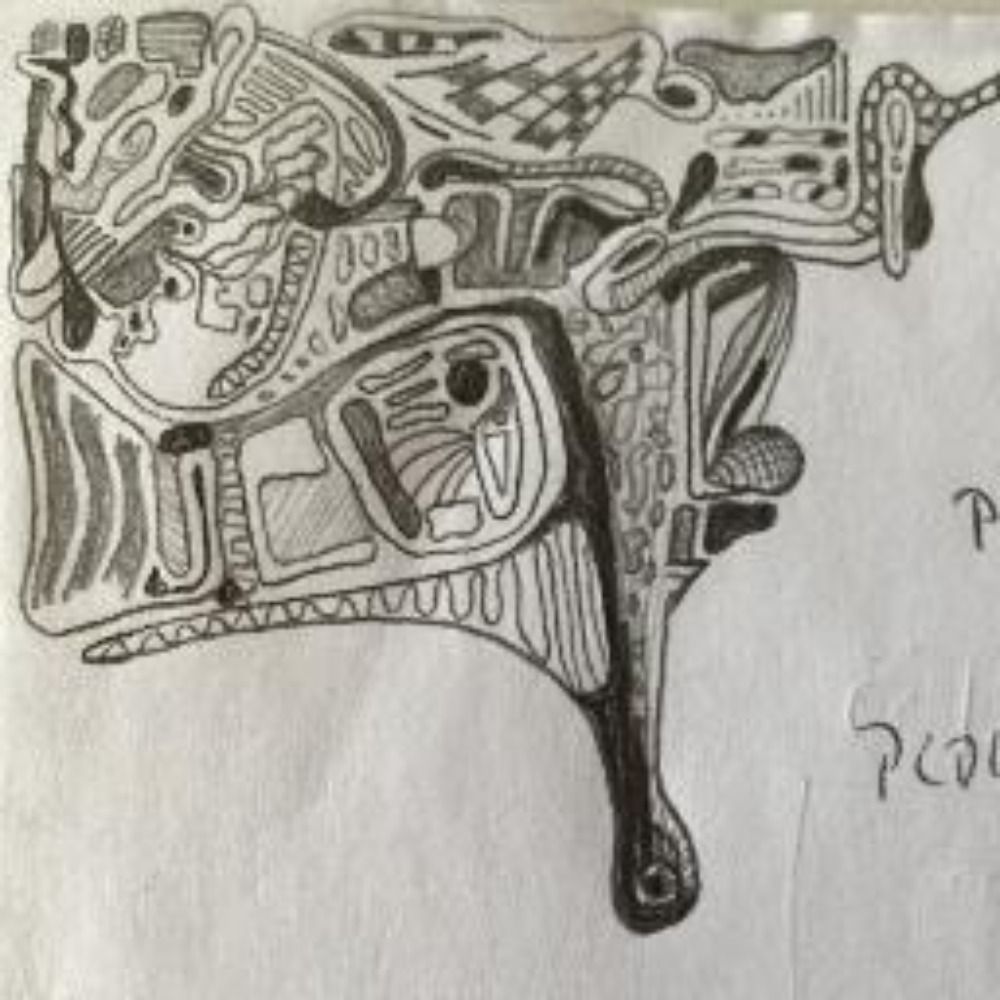
What do bacterial cells do when they run out of nutrients? Although most bacterial studies focus on cells in exponentially growing states, in the wild bacteria likely spend most of their time slowly starving to death. 1/n
www.biorxiv.org/content/10.1...
www.biorxiv.org/content/10.1...

E. coli prepares for starvation by dramatically remodeling its proteome in the first hours after loss of nutrients
It is widely believed that due to nutrient limitations in natural environments, bacteria spend most of their life in non-growing states. However, very little is known about how bacteria change their p...
www.biorxiv.org
January 15, 2025 at 11:12 AM
What do bacterial cells do when they run out of nutrients? Although most bacterial studies focus on cells in exponentially growing states, in the wild bacteria likely spend most of their time slowly starving to death. 1/n
www.biorxiv.org/content/10.1...
www.biorxiv.org/content/10.1...
Reposted by Elizabeth Pursey
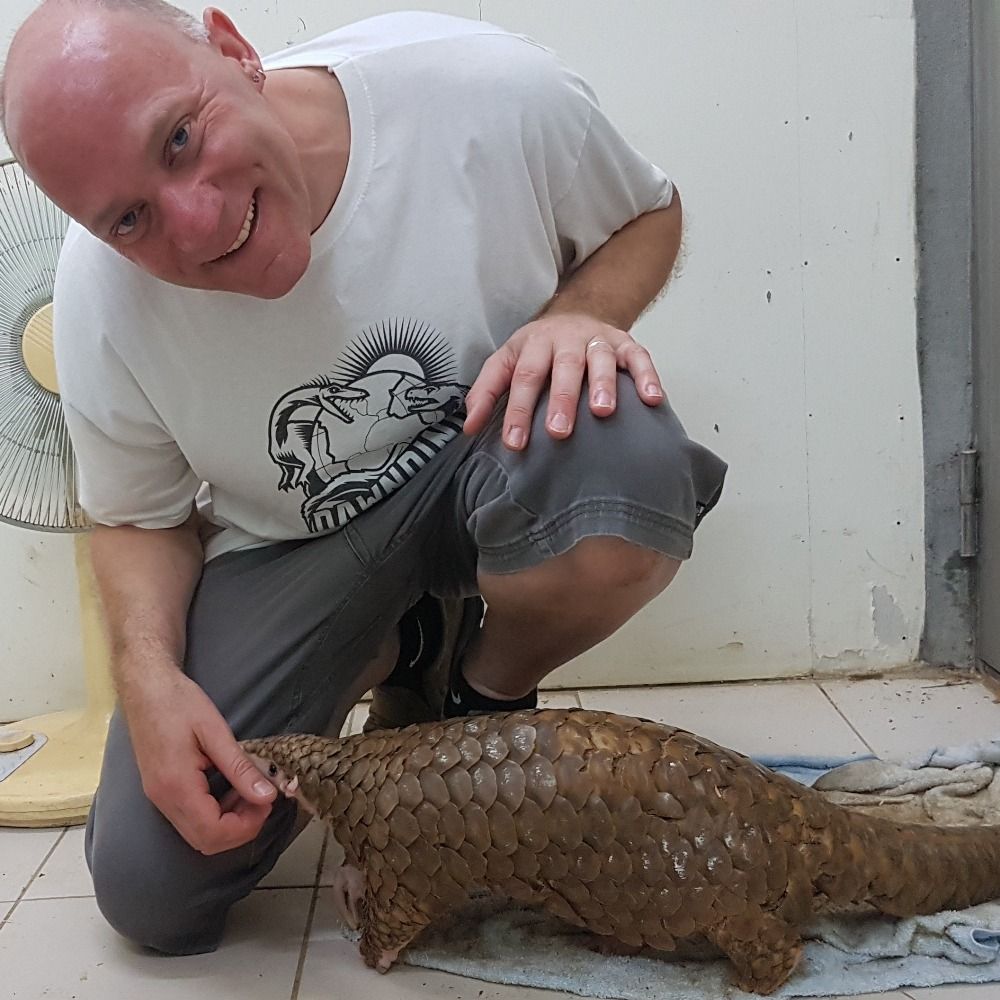
I guess I hadn't posted this yet and didn't even know it had come out-- I was interviewed for (and co-wrote w/Daniel Rabosky) a Trends in Ecology & Evolution "TrendsTalk" article on "Disability in ecology and evolution" -- www.cell.com/trends/ecolo... #DisabledInSTEM #academicchatter #academia

Disability in ecology and evolution
In this TrendsTalk series ‘Disability in ecology and evolution’ in Trends in Ecology
& Evolution, we will be hearing from people about their experiences being disabled
or having a chronic condition an...
www.cell.com
January 13, 2025 at 1:41 PM
I guess I hadn't posted this yet and didn't even know it had come out-- I was interviewed for (and co-wrote w/Daniel Rabosky) a Trends in Ecology & Evolution "TrendsTalk" article on "Disability in ecology and evolution" -- www.cell.com/trends/ecolo... #DisabledInSTEM #academicchatter #academia
Reposted by Elizabeth Pursey
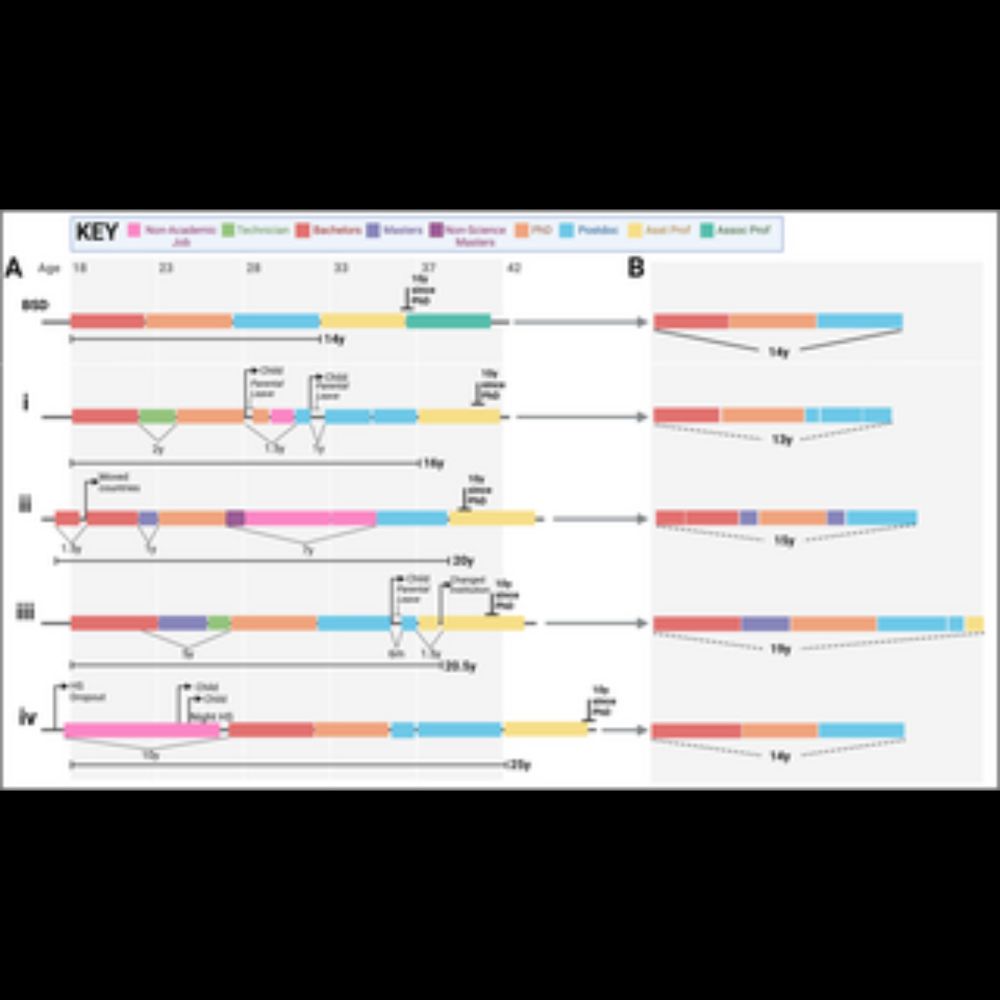
Many people take "non-traditional" career paths in academia.
My Leading Edge colleagues and I did! We wrote for
PLOS Biology about how non-linear careers are increasingly common, but funding agencies and search committees penalize these paths. journals.plos.org/plosbiology/...
My Leading Edge colleagues and I did! We wrote for
PLOS Biology about how non-linear careers are increasingly common, but funding agencies and search committees penalize these paths. journals.plos.org/plosbiology/...
Supporting nonlinear careers to diversify science
Those who follow non-linear career trajectories often face disadvantages in academia. This Perspective looks at why individuals might choose non-linear careers and how these benefit diversity in scien...
journals.plos.org
September 14, 2023 at 7:29 PM
Many people take "non-traditional" career paths in academia.
My Leading Edge colleagues and I did! We wrote for
PLOS Biology about how non-linear careers are increasingly common, but funding agencies and search committees penalize these paths. journals.plos.org/plosbiology/...
My Leading Edge colleagues and I did! We wrote for
PLOS Biology about how non-linear careers are increasingly common, but funding agencies and search committees penalize these paths. journals.plos.org/plosbiology/...
Reposted by Elizabeth Pursey

New paper alert!
Really excited to see this work from a postdoc with Steve Votier @heriotwattuni.bsky.social published in Ecology & Evolution!
In it, we use existing bio-logging data to study competition and facilitation in foraging gannets.
Link to paper here:
dx.doi.org/10.1002/ece3...
Really excited to see this work from a postdoc with Steve Votier @heriotwattuni.bsky.social published in Ecology & Evolution!
In it, we use existing bio-logging data to study competition and facilitation in foraging gannets.
Link to paper here:
dx.doi.org/10.1002/ece3...
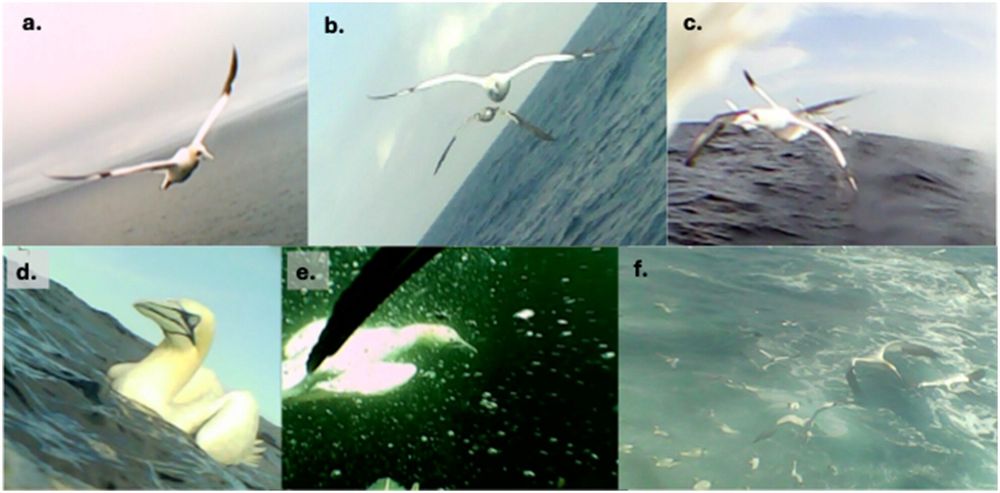
Competition and Facilitation Influence Central Place Foraging Ecology in a Colonial Marine Predator
Analysis of combined deployments of GPS loggers with cameras or temperature–depth recorders reveals that despite experiencing intraspecific competition for food, northern gannets engage in dynamic, c...
dx.doi.org
November 25, 2024 at 12:43 PM
New paper alert!
Really excited to see this work from a postdoc with Steve Votier @heriotwattuni.bsky.social published in Ecology & Evolution!
In it, we use existing bio-logging data to study competition and facilitation in foraging gannets.
Link to paper here:
dx.doi.org/10.1002/ece3...
Really excited to see this work from a postdoc with Steve Votier @heriotwattuni.bsky.social published in Ecology & Evolution!
In it, we use existing bio-logging data to study competition and facilitation in foraging gannets.
Link to paper here:
dx.doi.org/10.1002/ece3...
Reposted by Elizabeth Pursey
Hello new phage phollowers!
I am shamelessly self-promoting mine and Angus Buckling's relatively new review "Critically evaluating the relative importance of phage in shaping microbial community composition"
www.cell.com/trends/micro...
I am shamelessly self-promoting mine and Angus Buckling's relatively new review "Critically evaluating the relative importance of phage in shaping microbial community composition"
www.cell.com/trends/micro...
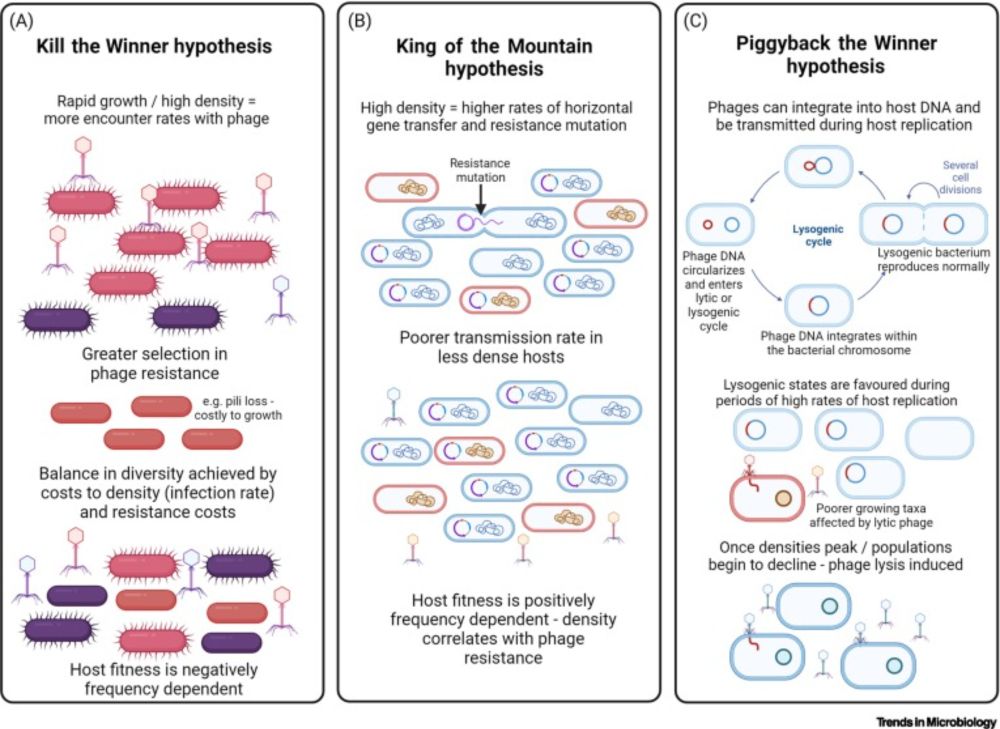
Critically evaluating the relative importance of phage in shaping microbial community composition
The ubiquity of bacteriophages (phages) and the major evolutionary and ecological
impacts they can have on their microbial hosts has resulted in phages often cited
as key drivers shaping microbial com...
www.cell.com
November 15, 2024 at 3:52 PM
Hello new phage phollowers!
I am shamelessly self-promoting mine and Angus Buckling's relatively new review "Critically evaluating the relative importance of phage in shaping microbial community composition"
www.cell.com/trends/micro...
I am shamelessly self-promoting mine and Angus Buckling's relatively new review "Critically evaluating the relative importance of phage in shaping microbial community composition"
www.cell.com/trends/micro...
Reposted by Elizabeth Pursey
Our paper on identifying novel origins of transfer by conjugation is out! One can now expand the known oriTs from 1% to 80% in species like Acinetobacter baumannii. This contributes to unravel hitcher plasmid mobility beyond model elements. #microsky www.nature.com/articles/s41...
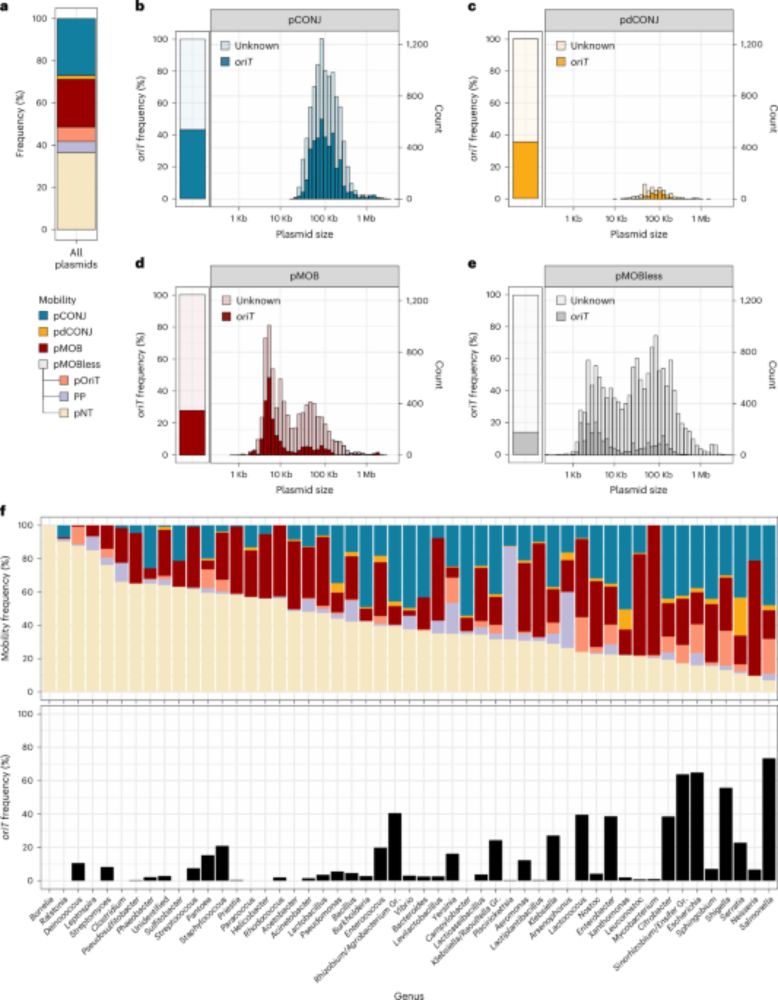
Expanding the diversity of origin of transfer-containing sequences in mobilizable plasmids - Nature Microbiology
Characterization of known plasmid oriT features facilitates identification of 21 oriT-containing sequence families which, alongside candidate sequence validation, expands our understanding of plasmid ...
www.nature.com
November 11, 2024 at 8:18 AM
Our paper on identifying novel origins of transfer by conjugation is out! One can now expand the known oriTs from 1% to 80% in species like Acinetobacter baumannii. This contributes to unravel hitcher plasmid mobility beyond model elements. #microsky www.nature.com/articles/s41...
Reposted by Elizabeth Pursey

📢Calling all researchers! We are studying what makes a great (or not-so-great) supervisor from the perspective of PhD students and postdocs. Our goal? To improve academic mentorship and research environments. Got 5-10 minutes? Take the survey!✍️
forms.gle/WT9GoiaHxypX...
forms.gle/WT9GoiaHxypX...
Labelling my scientific supervisor: A genuine leader or just a big jerk?
Thank you for taking part in this survey. The aim of this survey is to understand which characteristics make a scientific supervisor supportive and constructive or, conversely, detrimental to the grow...
forms.gle
November 7, 2024 at 2:30 PM
📢Calling all researchers! We are studying what makes a great (or not-so-great) supervisor from the perspective of PhD students and postdocs. Our goal? To improve academic mentorship and research environments. Got 5-10 minutes? Take the survey!✍️
forms.gle/WT9GoiaHxypX...
forms.gle/WT9GoiaHxypX...
Reposted by Elizabeth Pursey
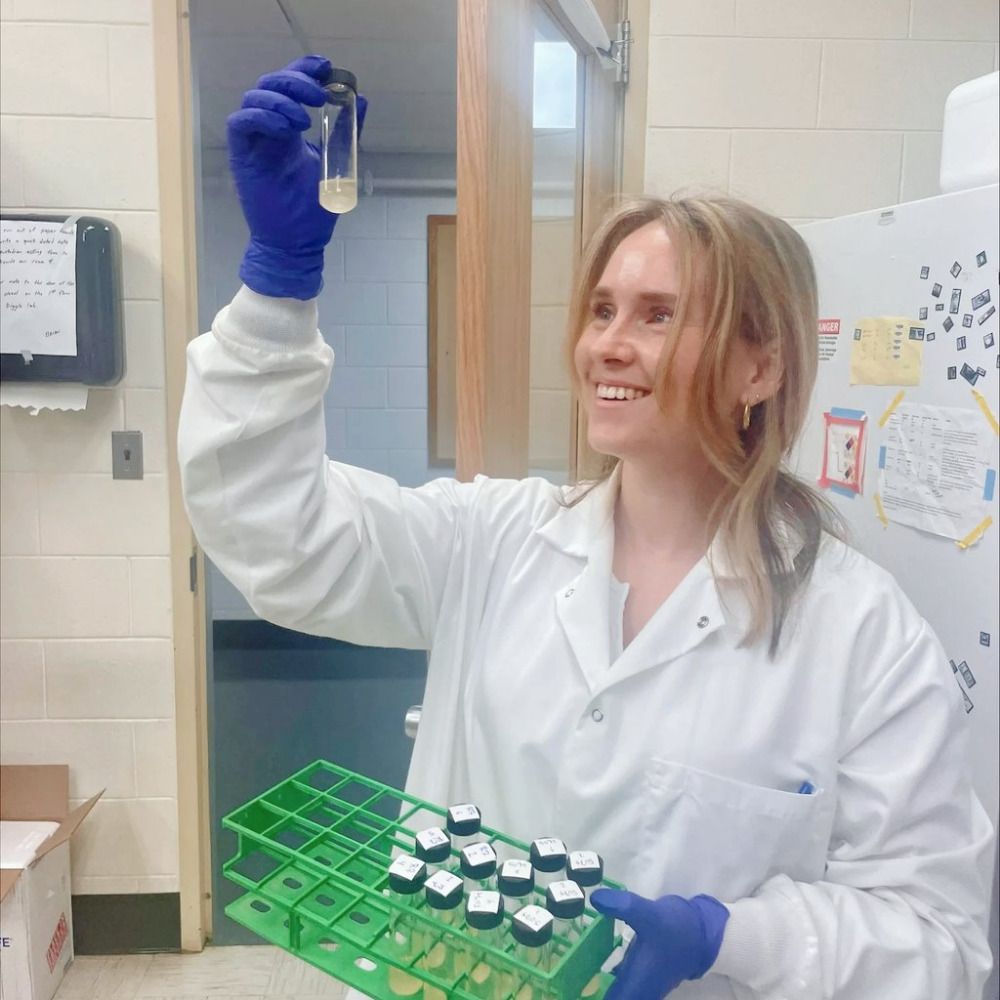
People at work seem to be enjoying my new sign (but are yet to feed the postdoc...) 🧪

November 8, 2024 at 6:41 PM
People at work seem to be enjoying my new sign (but are yet to feed the postdoc...) 🧪
Reposted by Elizabeth Pursey

Rage, rage against the dying of the light. But don’t give into despair. For those of us who cling to liberal values, moral principles, and the dignity of all people, there is much work to do.
November 6, 2024 at 9:11 AM
Rage, rage against the dying of the light. But don’t give into despair. For those of us who cling to liberal values, moral principles, and the dignity of all people, there is much work to do.
Reposted by Elizabeth Pursey

TIR signaling activates caspase-like immunity in bacteria https://www.biorxiv.org/content/10.1101/2024.10.24.620036v1

TIR signaling activates caspase-like immunity in bacteria https://www.biorxiv.org/content/10.1101/2024.10.24.620036v1
Proteases of the caspase family, as well as Toll/Interleukin-1 Receptor (TIR)-domain proteins, have
www.biorxiv.org
October 25, 2024 at 5:16 PM
TIR signaling activates caspase-like immunity in bacteria https://www.biorxiv.org/content/10.1101/2024.10.24.620036v1
Reposted by Elizabeth Pursey
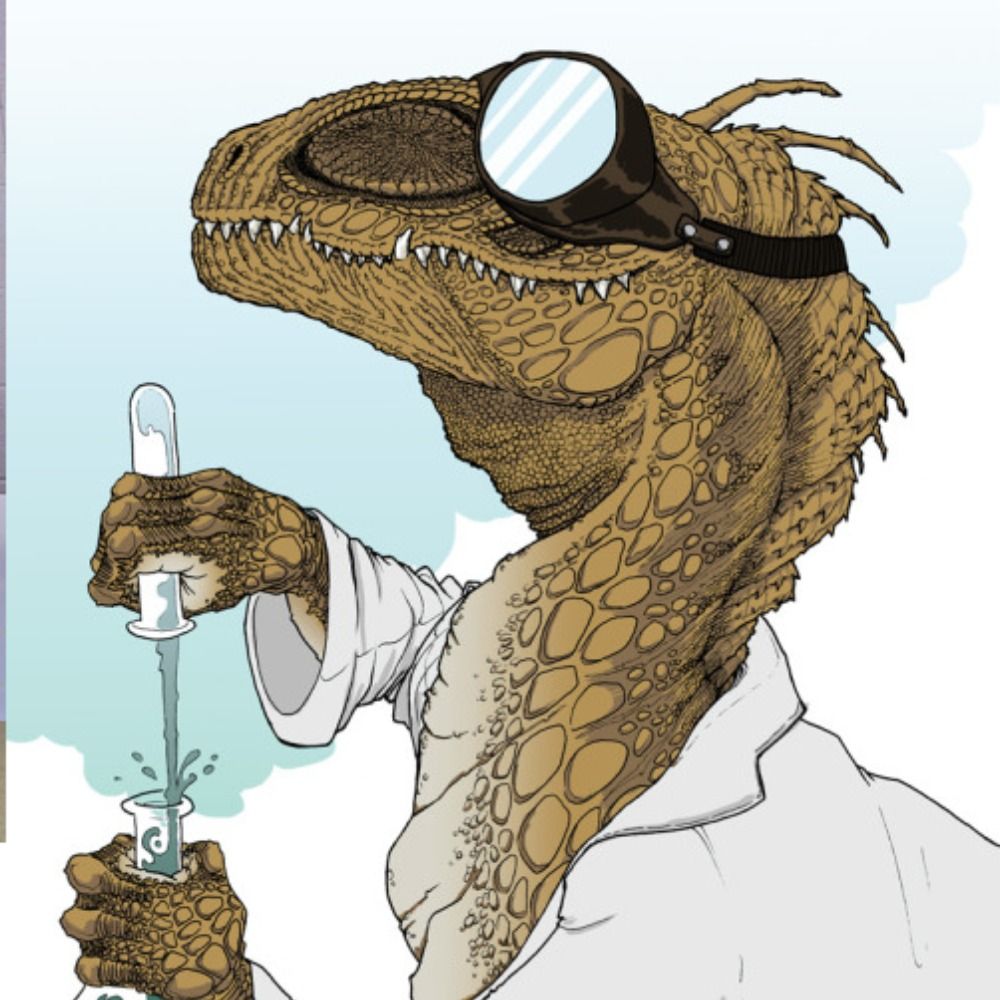
"Women are less likely to be named authors on any given document in all fields and at all career stages."
"Women are credited less in science than men"
Nature 608, p 135–145 (2022)
Link: www.nature.com/articles/s41...
"Women are credited less in science than men"
Nature 608, p 135–145 (2022)
Link: www.nature.com/articles/s41...

October 8, 2024 at 12:08 PM
"Women are less likely to be named authors on any given document in all fields and at all career stages."
"Women are credited less in science than men"
Nature 608, p 135–145 (2022)
Link: www.nature.com/articles/s41...
"Women are credited less in science than men"
Nature 608, p 135–145 (2022)
Link: www.nature.com/articles/s41...
Reposted by Elizabeth Pursey
I'm so happy to see the main part of my PhD work published in Cell Host & Microbe!
We discover and characterise MADS (Methylation Associated Defense System) in its native host, a clinical isolate of 𝘗𝘴𝘦𝘶𝘥𝘰𝘮𝘰𝘯𝘢𝘴 𝘢𝘦𝘳𝘶𝘨𝘪𝘯𝘰𝘴𝘢 strain SMC4386
www.cell.com/cell-host-mi...
We discover and characterise MADS (Methylation Associated Defense System) in its native host, a clinical isolate of 𝘗𝘴𝘦𝘶𝘥𝘰𝘮𝘰𝘯𝘢𝘴 𝘢𝘦𝘳𝘶𝘨𝘪𝘯𝘰𝘴𝘢 strain SMC4386
www.cell.com/cell-host-mi...
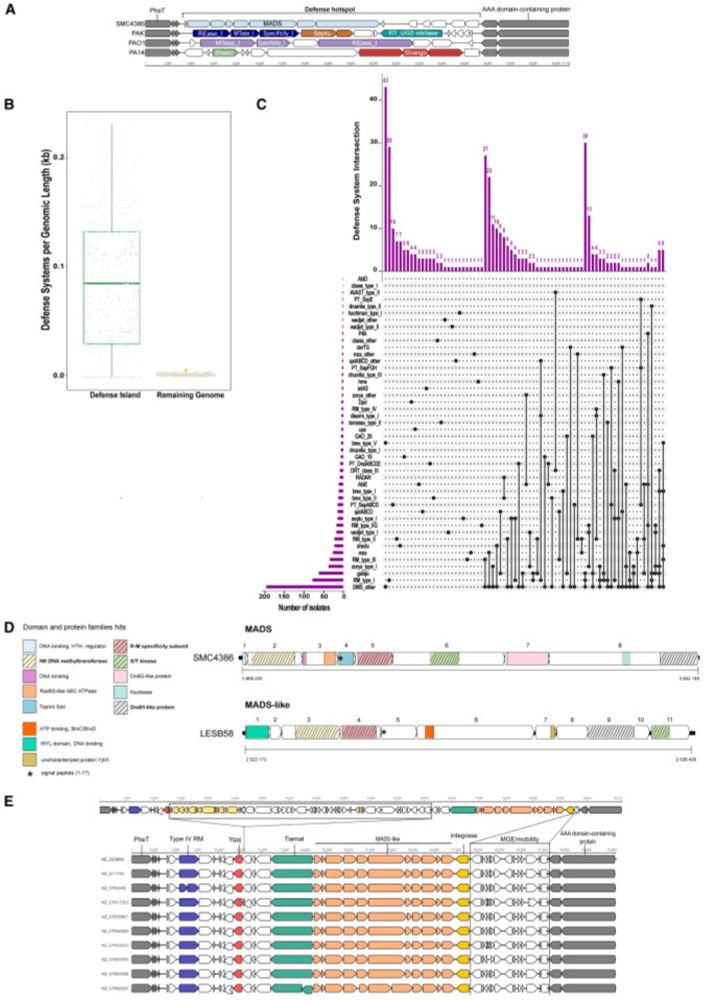
The bacterial defense system MADS interacts with CRISPR-Cas to limit phage infection and escape
The coevolution between bacteria and mobile genetic elements has resulted in a large
diversity of defense systems. Maestri et al. describe an innate immune system, MADS
(methylation-associated defense...
www.cell.com
August 6, 2024 at 12:40 PM
I'm so happy to see the main part of my PhD work published in Cell Host & Microbe!
We discover and characterise MADS (Methylation Associated Defense System) in its native host, a clinical isolate of 𝘗𝘴𝘦𝘶𝘥𝘰𝘮𝘰𝘯𝘢𝘴 𝘢𝘦𝘳𝘶𝘨𝘪𝘯𝘰𝘴𝘢 strain SMC4386
www.cell.com/cell-host-mi...
We discover and characterise MADS (Methylation Associated Defense System) in its native host, a clinical isolate of 𝘗𝘴𝘦𝘶𝘥𝘰𝘮𝘰𝘯𝘢𝘴 𝘢𝘦𝘳𝘶𝘨𝘪𝘯𝘰𝘴𝘢 strain SMC4386
www.cell.com/cell-host-mi...
Reposted by Elizabeth Pursey
Really proud of our new guide to processing and exploring animal tracking data in R which has just been published in @animalecology.bsky.social!
If you work with animal tracking data or have a student that does then please read and share! Lots of useful code and a shiny app for data vis!
If you work with animal tracking data or have a student that does then please read and share! Lots of useful code and a shiny app for data vis!
New paper! If you use animal tracking data, this one's for you!
Proud of this collaboration with fellow @exetercec.bsky.social ECRs @liamlangley1.bsky.social, Stephen Lang, & Luke Ozsanlav-Harris to aid reproducible coding in biologging
Open Access @animalecology.bsky.social: tinyurl.com/58k2fa7u
Proud of this collaboration with fellow @exetercec.bsky.social ECRs @liamlangley1.bsky.social, Stephen Lang, & Luke Ozsanlav-Harris to aid reproducible coding in biologging
Open Access @animalecology.bsky.social: tinyurl.com/58k2fa7u

June 14, 2024 at 4:38 PM
Really proud of our new guide to processing and exploring animal tracking data in R which has just been published in @animalecology.bsky.social!
If you work with animal tracking data or have a student that does then please read and share! Lots of useful code and a shiny app for data vis!
If you work with animal tracking data or have a student that does then please read and share! Lots of useful code and a shiny app for data vis!
Reposted by Elizabeth Pursey

I'm recruiting a Research Technician to work on plasmid transmission and antimicrobial resistance in St Andrews, to start in October. Deadline for applications is 19 June. Please share!
www.vacancies.st-andrews.ac.uk/Vacancies/W/...
www.vacancies.st-andrews.ac.uk/Vacancies/W/...
Research Assistant - AR2992DM
www.vacancies.st-andrews.ac.uk
May 31, 2024 at 7:37 AM
I'm recruiting a Research Technician to work on plasmid transmission and antimicrobial resistance in St Andrews, to start in October. Deadline for applications is 19 June. Please share!
www.vacancies.st-andrews.ac.uk/Vacancies/W/...
www.vacancies.st-andrews.ac.uk/Vacancies/W/...
Reposted by Elizabeth Pursey

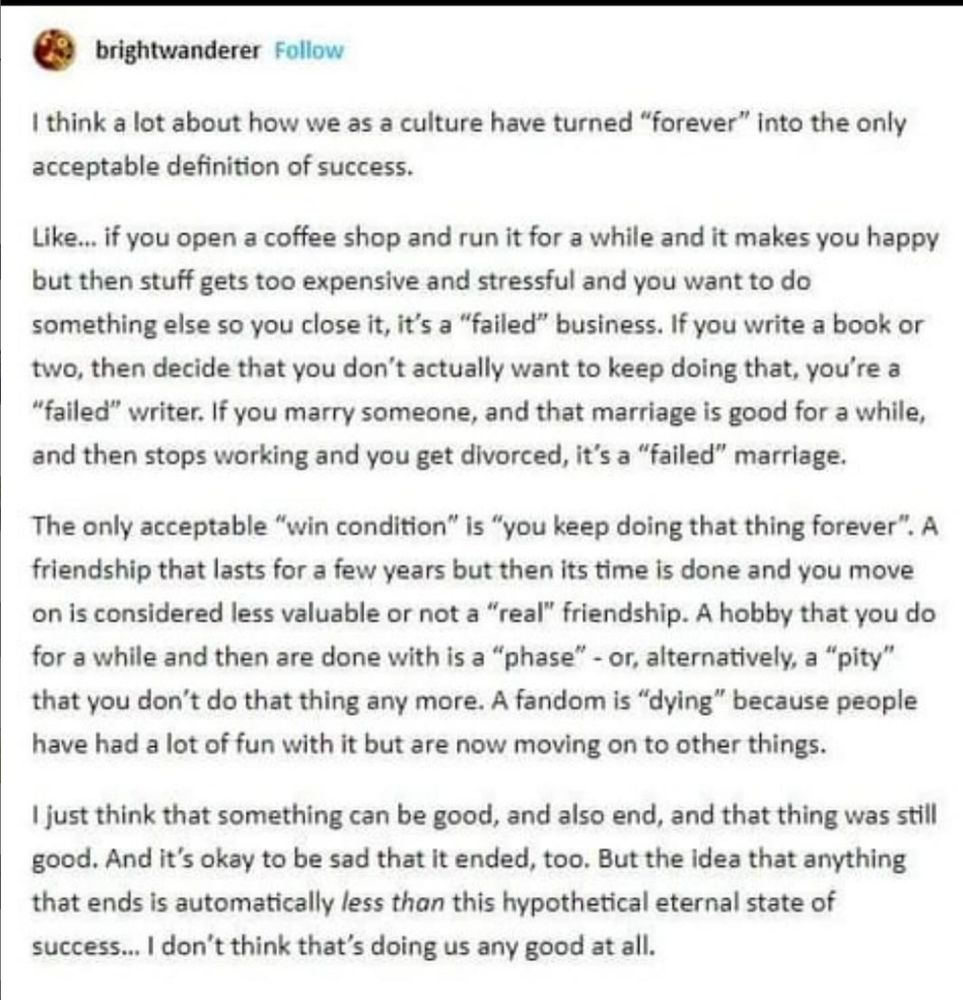
I often think about this in the context of leaving my 17-year long academic career...

April 29, 2024 at 7:58 AM
I often think about this in the context of leaving my 17-year long academic career...
Reposted by Elizabeth Pursey
New paper from the lab, the mysteries involving the genetic elements that move by being mobilized by other MGEs. Hitcher Genetic Elements are distinctive, ancient and diverse.
ecoevorxiv.org/repository/v...
ecoevorxiv.org/repository/v...
Hijackers, hitchhikers, or co-drivers? The mysteries of microbial mobilizable genetic elements
ecoevorxiv.org
April 29, 2024 at 9:44 AM
New paper from the lab, the mysteries involving the genetic elements that move by being mobilized by other MGEs. Hitcher Genetic Elements are distinctive, ancient and diverse.
ecoevorxiv.org/repository/v...
ecoevorxiv.org/repository/v...
Reposted by Elizabeth Pursey
Our paper on "The impact of phage and phage resistance on microbial community dynamics" is finally out in PLOS Biology! What a journey it's been to get here, and I couldn't have done it without my fab co-authors journals.plos.org/plosbiology/...
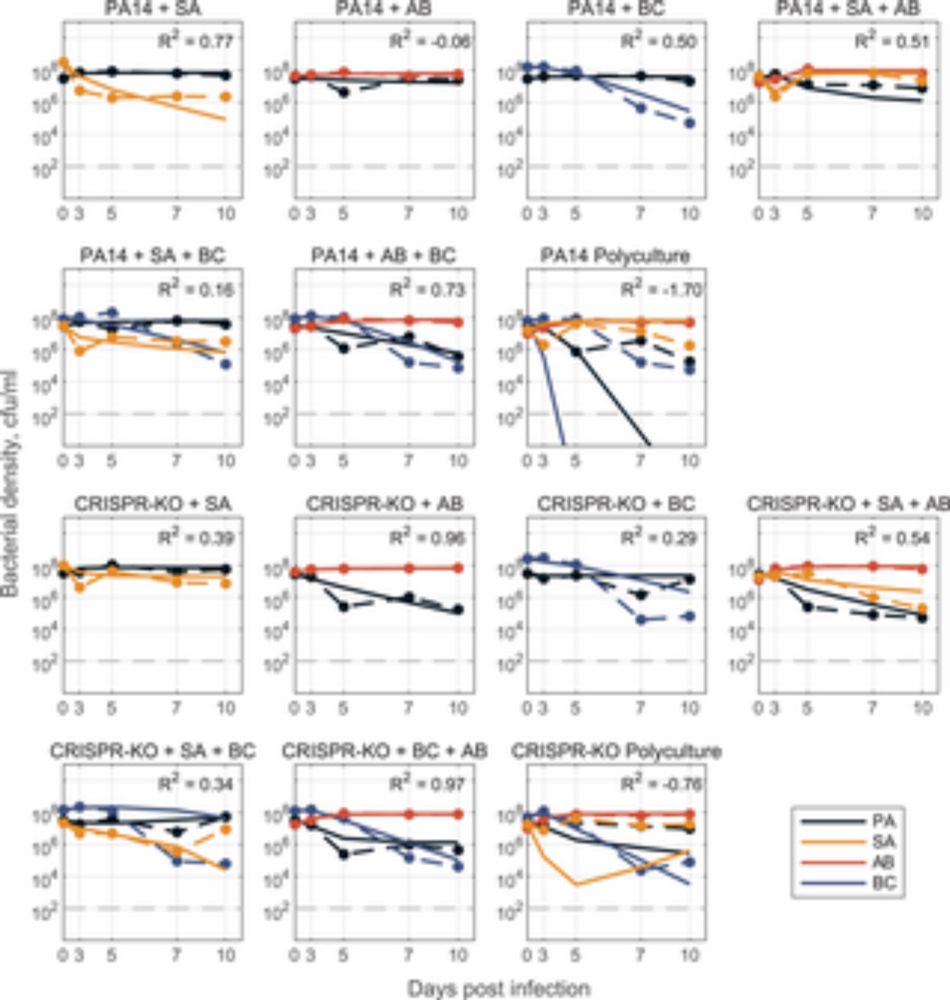
The impact of phage and phage resistance on microbial community dynamics
Phages shape the microbial world. This study uses an evolution experiment to explore how phage impact the structure and dynamics of a four-species bacterial community, finding that phage enables compe...
journals.plos.org
April 22, 2024 at 5:59 PM
Our paper on "The impact of phage and phage resistance on microbial community dynamics" is finally out in PLOS Biology! What a journey it's been to get here, and I couldn't have done it without my fab co-authors journals.plos.org/plosbiology/...