




Ayantika Sen Gupta
@ayantika.bsky.social
Chromosome Biologist, Looking at genes and chromosomes through microscopes. Mom. Supports all underdogs.
Reposted by Ayantika Sen Gupta

Poeple have become one of the most important model organisms for studying evolution. Having literally millions of human genomes is changing our views of human diversity & evolution. Gene copy number variation is coming into clearer focus & we can test theories of selection or drift. 🧪
The typeset version of our article, "Reconstruction of the human amylase locus reveals ancient duplications seeding modern-day variation", is now online. This thread will provide an overview of how gene duplications have shaped modern variation in the amylase locus.
www.science.org/doi/10.1126/...
www.science.org/doi/10.1126/...

Reconstruction of the human amylase locus reveals ancient duplications seeding modern-day variation
Previous studies suggested that the copy number of the human salivary amylase gene, AMY1, correlates with starch-rich diets. However, evolutionary analyses are hampered by the absence of accurate, seq...
www.science.org
November 22, 2024 at 4:25 PM
Poeple have become one of the most important model organisms for studying evolution. Having literally millions of human genomes is changing our views of human diversity & evolution. Gene copy number variation is coming into clearer focus & we can test theories of selection or drift. 🧪
Reposted by Ayantika Sen Gupta

New work on Drosophila centromere evolution led by the amazing @cecilecourret.bsky.social!Thanks to all coauthors and collaborators in the @centromellone.bsky.social lab.

Our new paper on the rapid evolution of centromeres in Drosophila is out! 🚀 Discover how transposable elements and satellite DNAs shape centromere dynamics and drive karyotype evolution over short timescales. @amlarracuente.bsky.social 🌟 Check it out here: journals.plos.org/plosbiology/...

Turnover of retroelements and satellite DNA drives centromere reorganization over short evolutionary timescales in Drosophila
Centromeres reside in rapidly evolving, repeat-rich genomic regions, despite their essential function in chromosome segregation. This study of centromere evolution over short evolutionary timescales i...
journals.plos.org
November 21, 2024 at 10:34 PM
New work on Drosophila centromere evolution led by the amazing @cecilecourret.bsky.social!Thanks to all coauthors and collaborators in the @centromellone.bsky.social lab.
Reposted by Ayantika Sen Gupta
Research funded by NIH generated $2.46 in economic activity for every $1 of funding in 2023 [a total of $92.9 billion]
www.fiercebiotech.com/research/rep...
www.fiercebiotech.com/research/rep...
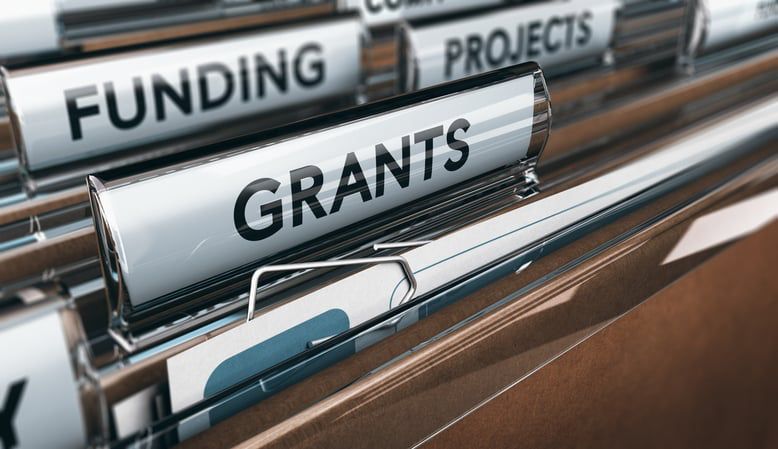
Report: Every dollar of NIH research funding doubles in economic returns
Research funded by the National Institutes of Health (NIH) generated $2.46 in economic activity for every $1 of funding in 2023, a total of $92.9 billion, according to an
www.fiercebiotech.com
November 17, 2024 at 11:56 PM
Research funded by NIH generated $2.46 in economic activity for every $1 of funding in 2023 [a total of $92.9 billion]
www.fiercebiotech.com/research/rep...
www.fiercebiotech.com/research/rep...
What a wonderful read about the history of discovery of GFP and its derivatives. Did you know Douglas Prasher and not Robert Tsien was the one that “cloned” the GFP gene? Read more to find out 👇🏽 #fluorescence #microscopy #cellbiology
Do you know who Douglas Prasher is? Many don't, even though he is the person who cloned the original #GFP gene in the late 1980s. In my short history of plant light #microscopy I also cover a bit of his story - & why he is relatively unknown today, despite the importance of his work. See this 🧵👇
November 18, 2024 at 4:52 AM
What a wonderful read about the history of discovery of GFP and its derivatives. Did you know Douglas Prasher and not Robert Tsien was the one that “cloned” the GFP gene? Read more to find out 👇🏽 #fluorescence #microscopy #cellbiology
Reposted by Ayantika Sen Gupta
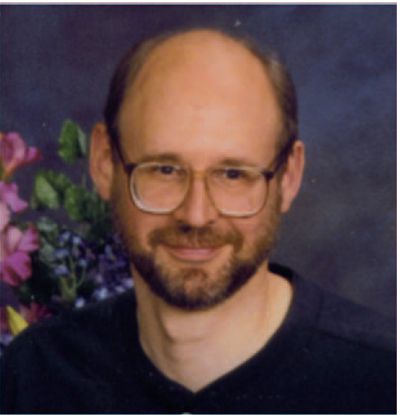
Using microscopy to locate specific genes on chromosomes was one of Joe’s longtime dreams & the time was ripe. With graduate student Mary-Lou Pardue (Gall and Pardue, 1969; Pardue and Gall, 1969) they developed in situ hybridization, a technique that would revolutionize developmental genetics 6/n
November 16, 2024 at 1:43 PM
Using microscopy to locate specific genes on chromosomes was one of Joe’s longtime dreams & the time was ripe. With graduate student Mary-Lou Pardue (Gall and Pardue, 1969; Pardue and Gall, 1969) they developed in situ hybridization, a technique that would revolutionize developmental genetics 6/n
Reposted by Ayantika Sen Gupta
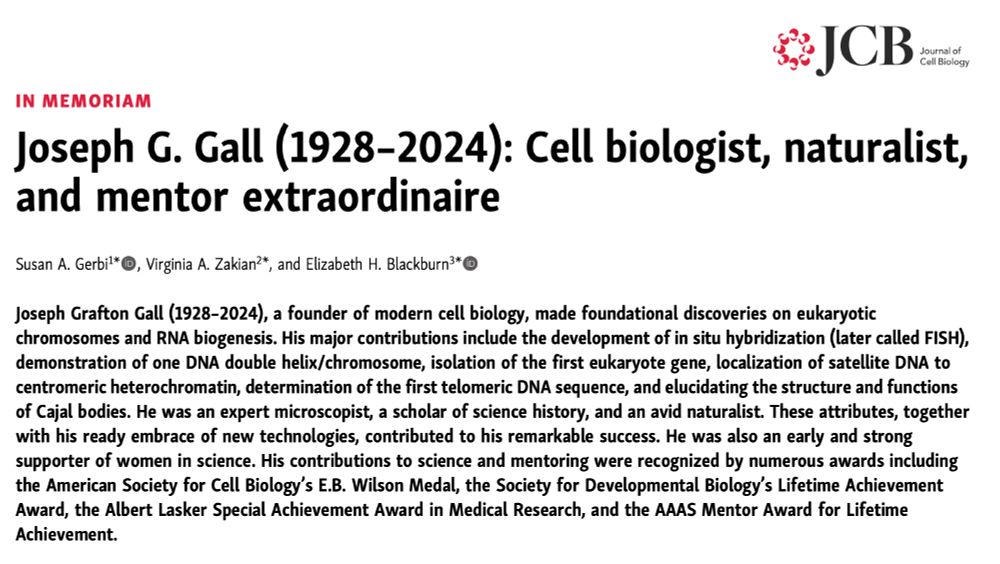
In September the world lost one of the great biologists of our time: Joe Gall. He bridged the transition from the histology era of cell biology to our molecular present, contributing a remarkable set of insights in his 9 decades 1/n 🧪
rupress.org/jcb/article-...
rupress.org/jcb/article-...
November 16, 2024 at 1:28 PM
In September the world lost one of the great biologists of our time: Joe Gall. He bridged the transition from the histology era of cell biology to our molecular present, contributing a remarkable set of insights in his 9 decades 1/n 🧪
rupress.org/jcb/article-...
rupress.org/jcb/article-...
Reposted by Ayantika Sen Gupta
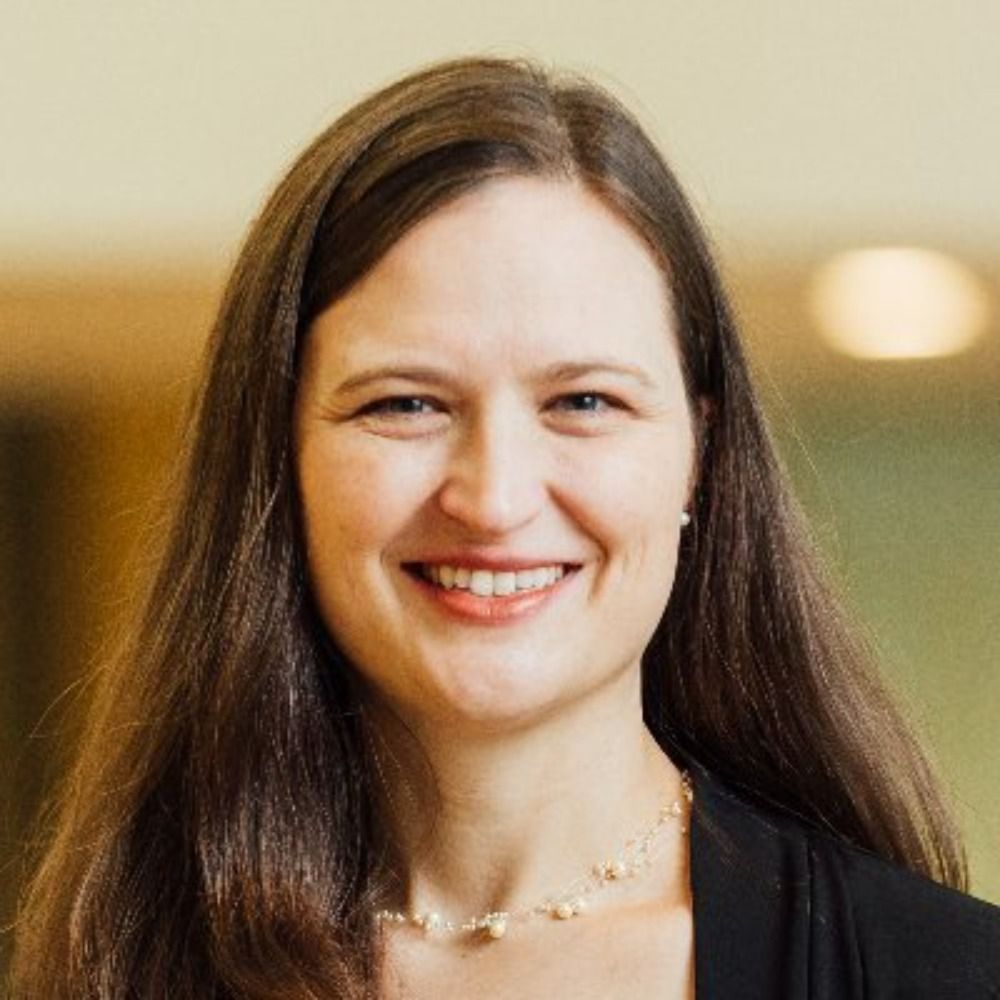

I am excited to start my Bluesky board with a recent achievement. I won 1st place for the postdoctoral trainee poster award at KU Cancer Center Research Symposium where I presented my work on Detecting haplotypic asymmetries at hunan centromeres and their impact on chromosome segregation.

November 15, 2024 at 6:31 PM
I am excited to start my Bluesky board with a recent achievement. I won 1st place for the postdoctoral trainee poster award at KU Cancer Center Research Symposium where I presented my work on Detecting haplotypic asymmetries at hunan centromeres and their impact on chromosome segregation.
Reposted by Ayantika Sen Gupta
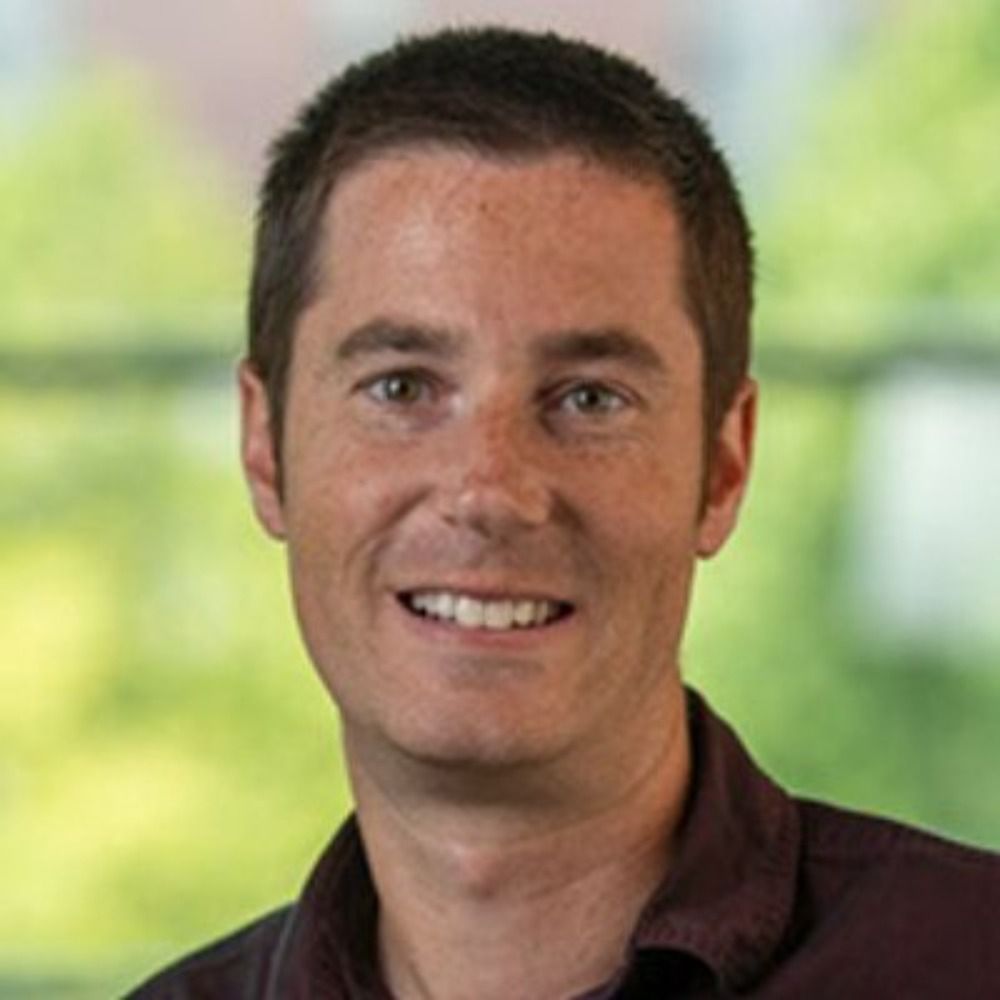
Excited to share our latest work! In it, we develop a new method for studying RNA localization via proximity labeling: OINC-seq! In contrast to other proximity-based methods, labels deposited on RNAs are read directly by sequencing without the need for biotinylation. biorxiv.org/cgi/content/...

November 13, 2024 at 4:46 PM
Excited to share our latest work! In it, we develop a new method for studying RNA localization via proximity labeling: OINC-seq! In contrast to other proximity-based methods, labels deposited on RNAs are read directly by sequencing without the need for biotinylation. biorxiv.org/cgi/content/...