


Adam Blake
@ajblake05.bsky.social
Postdoc at University of Washington focusing on insect vision. My current project is looking at olfaction and vision in mosquitos.
Website: https://www.ajblake.info/
Website: https://www.ajblake.info/
Pinned
Adam Blake
@ajblake05.bsky.social
· Jul 10
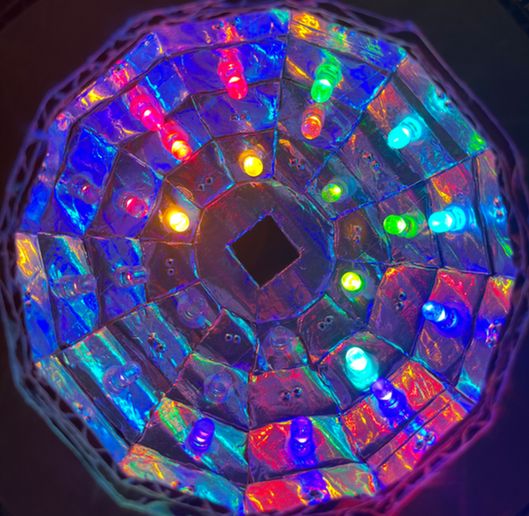
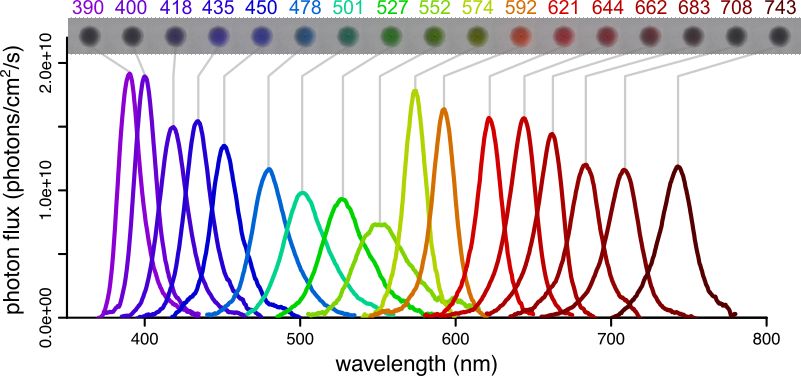
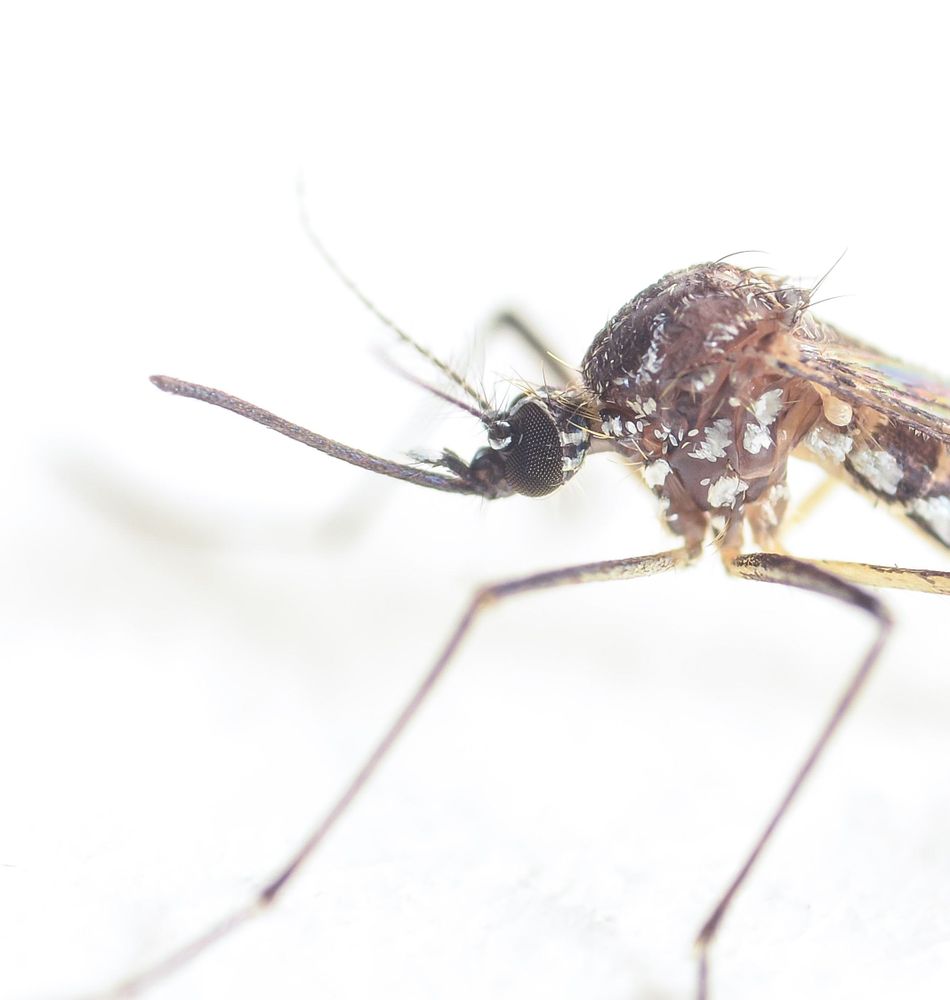
Our new paper is now out in @jexpbiol.bsky.social!!! We had all sorts of fun generating LED stimuli for mosquitos to investigate their visual preferences in the presence of different odors. The paper is open access and available here: journals.biologists.com/jeb/article/...
Reposted by Adam Blake

HEY THEY SAID CANADA THAT’S WHERE WE’RE FROM
(that was amazing)
(that was amazing)
February 9, 2026 at 1:33 AM
HEY THEY SAID CANADA THAT’S WHERE WE’RE FROM
(that was amazing)
(that was amazing)
Reposted by Adam Blake

UPDATE for WIDOW SPIDERS OF THE WORLD:
The book is essentially done but I'm waiting to launch preorders until the huge Latrodectus revision is published. That part is out of my hands, so I don't have a specific date for book launch just yet. Thank you all for your patience!
tl;dr book soon. 🕷️
The book is essentially done but I'm waiting to launch preorders until the huge Latrodectus revision is published. That part is out of my hands, so I don't have a specific date for book launch just yet. Thank you all for your patience!
tl;dr book soon. 🕷️
January 23, 2026 at 2:03 AM
UPDATE for WIDOW SPIDERS OF THE WORLD:
The book is essentially done but I'm waiting to launch preorders until the huge Latrodectus revision is published. That part is out of my hands, so I don't have a specific date for book launch just yet. Thank you all for your patience!
tl;dr book soon. 🕷️
The book is essentially done but I'm waiting to launch preorders until the huge Latrodectus revision is published. That part is out of my hands, so I don't have a specific date for book launch just yet. Thank you all for your patience!
tl;dr book soon. 🕷️
Reposted by Adam Blake

If you were in North Burnaby this AM it was good conditions for hair ice.
We have a lot of old cottonwood trees; lots of them are dead and rotting. Rotting, water saturated broadleaf wood with Exidiopsis effusa, and cold overnight temperatures gives you hair ice.
en.wikipedia.org/wiki/Hair_ice
We have a lot of old cottonwood trees; lots of them are dead and rotting. Rotting, water saturated broadleaf wood with Exidiopsis effusa, and cold overnight temperatures gives you hair ice.
en.wikipedia.org/wiki/Hair_ice


January 23, 2026 at 1:55 AM
If you were in North Burnaby this AM it was good conditions for hair ice.
We have a lot of old cottonwood trees; lots of them are dead and rotting. Rotting, water saturated broadleaf wood with Exidiopsis effusa, and cold overnight temperatures gives you hair ice.
en.wikipedia.org/wiki/Hair_ice
We have a lot of old cottonwood trees; lots of them are dead and rotting. Rotting, water saturated broadleaf wood with Exidiopsis effusa, and cold overnight temperatures gives you hair ice.
en.wikipedia.org/wiki/Hair_ice
Reposted by Adam Blake
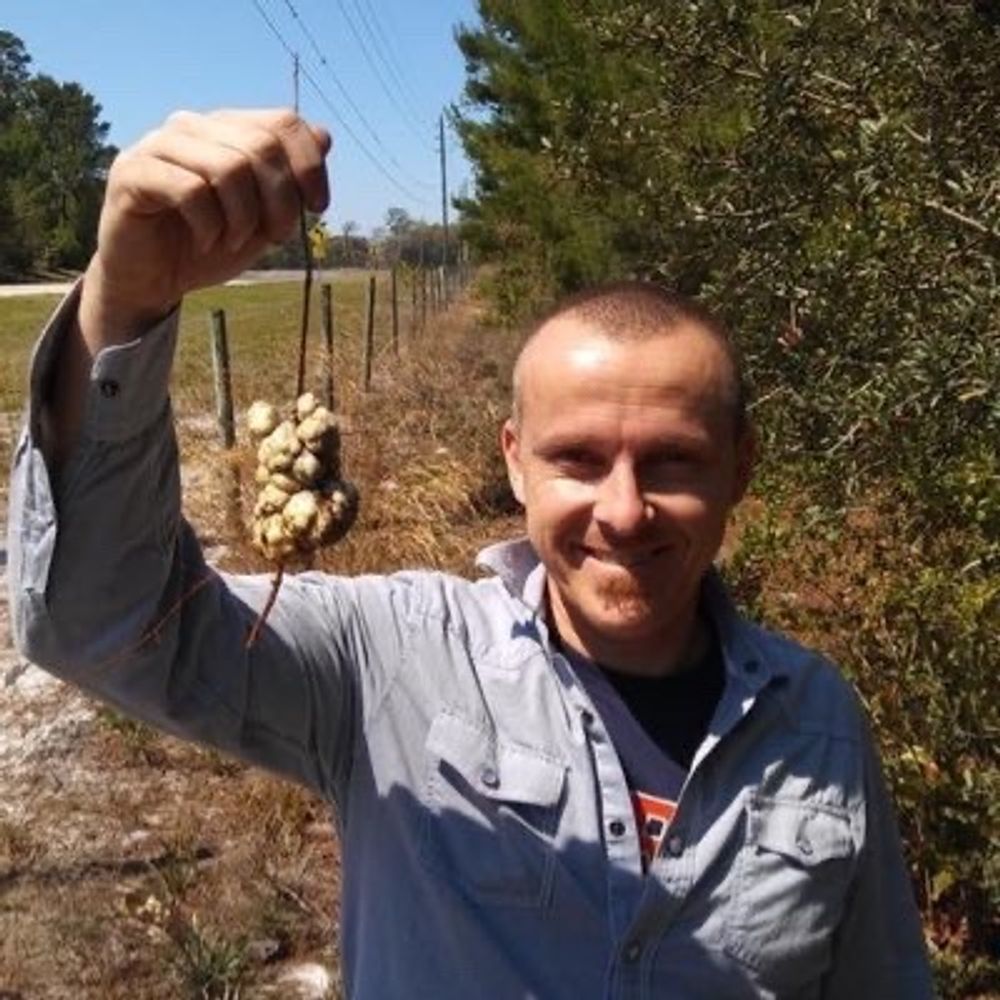
Over 1.4 million views (🤯) of this #ZeFrank video that features some of our lab’s work on gall wasps and parasitoid wasps! (And many others, too!)
youtu.be/ANyJVMhOpkk
youtu.be/ANyJVMhOpkk

True Facts: Parasitoid Wasps
YouTube video by Ze Frank
youtu.be
January 18, 2026 at 3:41 AM
Over 1.4 million views (🤯) of this #ZeFrank video that features some of our lab’s work on gall wasps and parasitoid wasps! (And many others, too!)
youtu.be/ANyJVMhOpkk
youtu.be/ANyJVMhOpkk
Reposted by Adam Blake
UPDATE: The 2025-2026 list of faculty and postdoc positions in ecology and evolutionary biology is out! Be sure to check out this active and helpful community run resources! docs.google.com/spreadsheets...

ecoevojobs.net 2025-26
docs.google.com
September 19, 2025 at 9:47 PM
UPDATE: The 2025-2026 list of faculty and postdoc positions in ecology and evolutionary biology is out! Be sure to check out this active and helpful community run resources! docs.google.com/spreadsheets...
Reposted by Adam Blake

As the Arctic warms, mosquitoes—and the diseases they carry—float north. A recent study finds Jamestown Canyon virus and snowshoe hare virus present in mosquitoes in Arctic and sub-Arctic regions of North America.

Tracking Mosquito-Borne Viruses at the Top of the World
As the Arctic warms, mosquitoes—and the diseases they carry—float north. A recent study finds Jamestown Canyon virus and snowshoe hare virus present in mosquitoes in Arctic and sub-Arctic regions of…
entomologytoday.org
January 6, 2026 at 5:27 PM
As the Arctic warms, mosquitoes—and the diseases they carry—float north. A recent study finds Jamestown Canyon virus and snowshoe hare virus present in mosquitoes in Arctic and sub-Arctic regions of North America.
#SICB2026 if you interested in mosquitoes, color vision or the combination of the two make sure to check out my talk on Wednesday at 11:15 AM in the Odor and Olfaction session. I'll be talking about my work trying to show true color discrimination in Aedes aegypti.

January 6, 2026 at 4:01 PM
#SICB2026 if you interested in mosquitoes, color vision or the combination of the two make sure to check out my talk on Wednesday at 11:15 AM in the Odor and Olfaction session. I'll be talking about my work trying to show true color discrimination in Aedes aegypti.
Reposted by Adam Blake
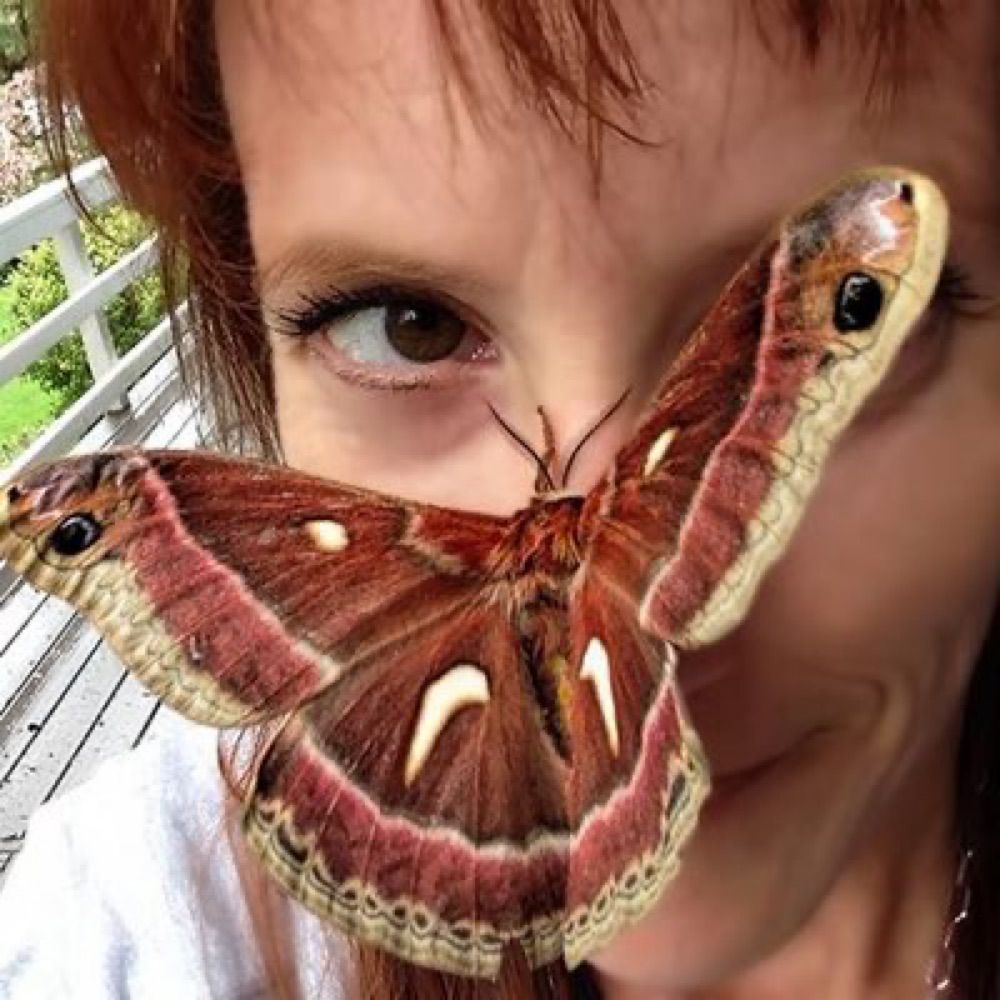
In other Hymenoptera macro size comparison news:
~3/4" Sweat Bee so sweet and teeny...
...then there's the chalcid wasp following her...
#inverts #becurious
~3/4" Sweat Bee so sweet and teeny...
...then there's the chalcid wasp following her...
#inverts #becurious

January 4, 2026 at 2:46 PM
In other Hymenoptera macro size comparison news:
~3/4" Sweat Bee so sweet and teeny...
...then there's the chalcid wasp following her...
#inverts #becurious
~3/4" Sweat Bee so sweet and teeny...
...then there's the chalcid wasp following her...
#inverts #becurious
Reposted by Adam Blake
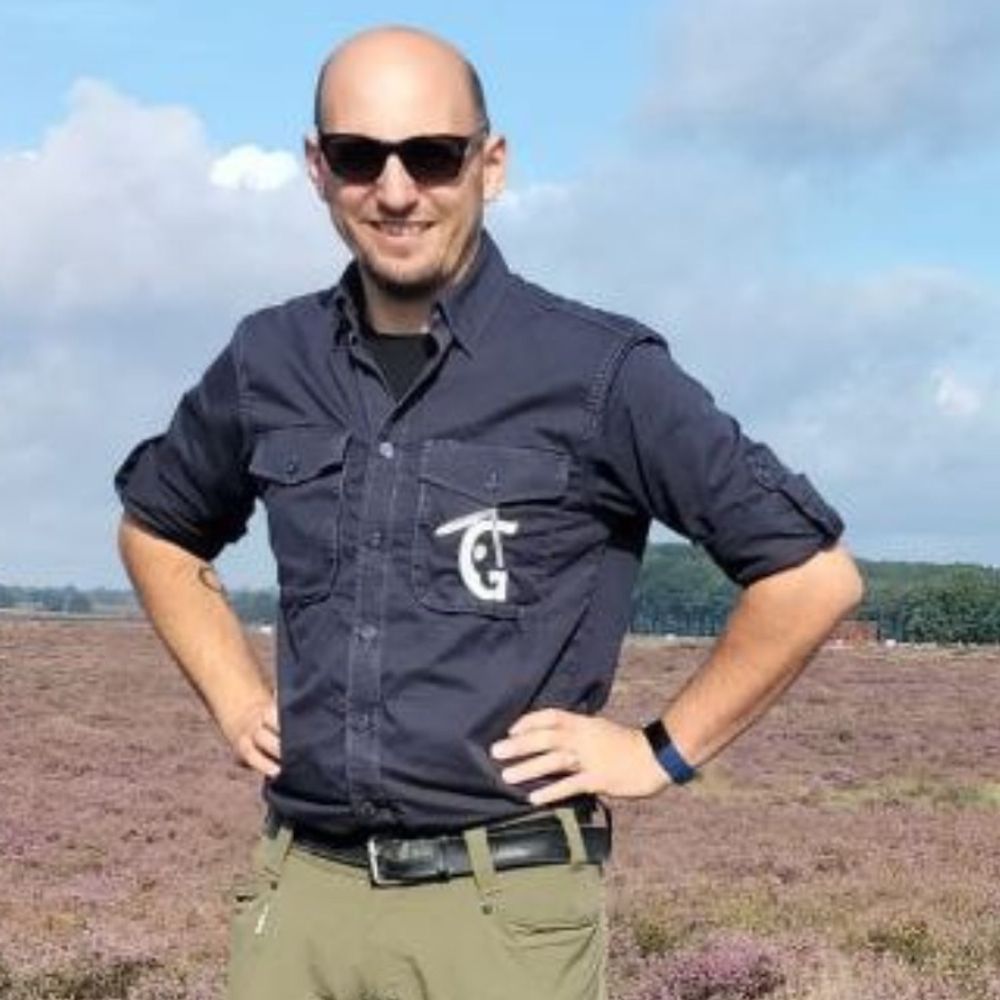
Here's Nasonia vitripennis and Trichogramma evanescens (on the same pencil tip, back in the lab), which I worked on together with Emma van der Woude
#Entomology #ElkDagEenInsect 🐝nee #ElkeDagTweeInsecten
#Entomology #ElkDagEenInsect 🐝nee #ElkeDagTweeInsecten


January 4, 2026 at 4:24 PM
Here's Nasonia vitripennis and Trichogramma evanescens (on the same pencil tip, back in the lab), which I worked on together with Emma van der Woude
#Entomology #ElkDagEenInsect 🐝nee #ElkeDagTweeInsecten
#Entomology #ElkDagEenInsect 🐝nee #ElkeDagTweeInsecten
Reposted by Adam Blake

Be sure to see @yashsondhi.bsky.social & more for the hybrid #SICB2026 symposium on Arduinos, Raspberry Pis and 3D- printable devices used to showcase work on behavior and #environmental monitoring.
linktr.ee/tfranzem
linktr.ee/tfranzem


January 3, 2026 at 11:00 PM
Be sure to see @yashsondhi.bsky.social & more for the hybrid #SICB2026 symposium on Arduinos, Raspberry Pis and 3D- printable devices used to showcase work on behavior and #environmental monitoring.
linktr.ee/tfranzem
linktr.ee/tfranzem
Reposted by Adam Blake

Join us at the Low-Cost & Open-Source Science Hybrid Symposium at #SICB2026
🗓️ Jan 5, 2026 | 📍 Portland, OR
🎤 8 keynote talks
⚡ Lightning talks (register below for discord & zoom links)
🧾 Special issue in @sicbjournals.bsky.social
More details 🔗 linktr.ee/tfranzem
#OpenSource #OpenScience #SICB
🗓️ Jan 5, 2026 | 📍 Portland, OR
🎤 8 keynote talks
⚡ Lightning talks (register below for discord & zoom links)
🧾 Special issue in @sicbjournals.bsky.social
More details 🔗 linktr.ee/tfranzem
#OpenSource #OpenScience #SICB


January 3, 2026 at 11:04 PM
Join us at the Low-Cost & Open-Source Science Hybrid Symposium at #SICB2026
🗓️ Jan 5, 2026 | 📍 Portland, OR
🎤 8 keynote talks
⚡ Lightning talks (register below for discord & zoom links)
🧾 Special issue in @sicbjournals.bsky.social
More details 🔗 linktr.ee/tfranzem
#OpenSource #OpenScience #SICB
🗓️ Jan 5, 2026 | 📍 Portland, OR
🎤 8 keynote talks
⚡ Lightning talks (register below for discord & zoom links)
🧾 Special issue in @sicbjournals.bsky.social
More details 🔗 linktr.ee/tfranzem
#OpenSource #OpenScience #SICB
Reposted by Adam Blake

Pre-print alert 🚨🐜!!!
I am really excited to share results from the first empirical chapter of my PhD. We ( @dornhaus.bsky.social and I) set out to examine how fire ants deal with perturbations to communication during foraging. Turns out their foraging is not robust to this perturbation. (1/5)
I am really excited to share results from the first empirical chapter of my PhD. We ( @dornhaus.bsky.social and I) set out to examine how fire ants deal with perturbations to communication during foraging. Turns out their foraging is not robust to this perturbation. (1/5)

Persist or Give up? Fire ants motivated to search for a high-quality food source even if they don’t know how to find it
Finding resources for the colony is one of the most difficult and risky tasks for a social insect worker. A worker on a foraging trip can face a number of challenges, including interference from other...
www.biorxiv.org
December 29, 2025 at 11:03 PM
Pre-print alert 🚨🐜!!!
I am really excited to share results from the first empirical chapter of my PhD. We ( @dornhaus.bsky.social and I) set out to examine how fire ants deal with perturbations to communication during foraging. Turns out their foraging is not robust to this perturbation. (1/5)
I am really excited to share results from the first empirical chapter of my PhD. We ( @dornhaus.bsky.social and I) set out to examine how fire ants deal with perturbations to communication during foraging. Turns out their foraging is not robust to this perturbation. (1/5)
Reposted by Adam Blake

Yes, lemon pigs did gain popularity right when lots of things went to shit. But correlation is not causation! Consider that the lemon pigs appeared as guardians in our time of need. We actually need to make EVEN MORE lemon pigs if we’re gonna turn things around
Remember to stock up on lemons today for your New Year Lemon Pig-making needs! 🍋

December 31, 2025 at 2:56 AM
Yes, lemon pigs did gain popularity right when lots of things went to shit. But correlation is not causation! Consider that the lemon pigs appeared as guardians in our time of need. We actually need to make EVEN MORE lemon pigs if we’re gonna turn things around
Reposted by Adam Blake
It's almost #SICB2026!
Who do I know that's going to be there? Hit me up!
And if you don't know me & want to be friends, let me know!
And of course: grad student Tabby Moul [Sun @10:30pm], undergrad Oscar Peterson [Sun @ 1:45pm], and I [Wed @ 9am] are presenting talks!
@sicb.bsky.social
Who do I know that's going to be there? Hit me up!
And if you don't know me & want to be friends, let me know!
And of course: grad student Tabby Moul [Sun @10:30pm], undergrad Oscar Peterson [Sun @ 1:45pm], and I [Wed @ 9am] are presenting talks!
@sicb.bsky.social


December 31, 2025 at 5:10 AM
It's almost #SICB2026!
Who do I know that's going to be there? Hit me up!
And if you don't know me & want to be friends, let me know!
And of course: grad student Tabby Moul [Sun @10:30pm], undergrad Oscar Peterson [Sun @ 1:45pm], and I [Wed @ 9am] are presenting talks!
@sicb.bsky.social
Who do I know that's going to be there? Hit me up!
And if you don't know me & want to be friends, let me know!
And of course: grad student Tabby Moul [Sun @10:30pm], undergrad Oscar Peterson [Sun @ 1:45pm], and I [Wed @ 9am] are presenting talks!
@sicb.bsky.social
Reposted by Adam Blake
0.00003 foot tall xmas tree from a Drosophila flight steering muscle 🎄
image by @anne-sustar.bsky.social
image by @anne-sustar.bsky.social

December 24, 2025 at 11:34 PM
0.00003 foot tall xmas tree from a Drosophila flight steering muscle 🎄
image by @anne-sustar.bsky.social
image by @anne-sustar.bsky.social
Reposted by Adam Blake

An analysis of the hidden patterns on the underside of the wings in butterflies within the Agrodiaetus monomorphic complex using UV imaging: doi.org/10.3897/zook...

December 22, 2025 at 10:00 AM
An analysis of the hidden patterns on the underside of the wings in butterflies within the Agrodiaetus monomorphic complex using UV imaging: doi.org/10.3897/zook...
Reposted by Adam Blake

Reposted by Adam Blake

Very proud of this new paper from the lab! Work by the magnificent Andrea Adden and many brilliant collaborators illuminate how moth and butterfly brains have evolved in light of different ecologies. Freely available here: rdcu.be/eVR3B; @lundvision.bsky.social @biologylu.bsky.social

December 22, 2025 at 4:24 PM
Very proud of this new paper from the lab! Work by the magnificent Andrea Adden and many brilliant collaborators illuminate how moth and butterfly brains have evolved in light of different ecologies. Freely available here: rdcu.be/eVR3B; @lundvision.bsky.social @biologylu.bsky.social
Reposted by Adam Blake
So reindeer (Rangifer tarandus) can't fly, but they are VERY MAGICAL.
For example, their EYES CHANGE COLOR during the year & they're one of the few large mammals that can see UV. Golden brown in summer, deep blue in winter.
Let's talk about the unique visual adaptations of Rudolph and company.
For example, their EYES CHANGE COLOR during the year & they're one of the few large mammals that can see UV. Golden brown in summer, deep blue in winter.
Let's talk about the unique visual adaptations of Rudolph and company.

December 20, 2025 at 11:36 PM
So reindeer (Rangifer tarandus) can't fly, but they are VERY MAGICAL.
For example, their EYES CHANGE COLOR during the year & they're one of the few large mammals that can see UV. Golden brown in summer, deep blue in winter.
Let's talk about the unique visual adaptations of Rudolph and company.
For example, their EYES CHANGE COLOR during the year & they're one of the few large mammals that can see UV. Golden brown in summer, deep blue in winter.
Let's talk about the unique visual adaptations of Rudolph and company.
Reposted by Adam Blake
Thrilled to announce a Postdoc opportunity in our group on the evolutionary genetics and ecology of colour. Wonderful system, great collaborators, and room to shape your own ideas.
Apply by 7 Jan: jobs.helsinki.fi/job/13477181...
Apply by 7 Jan: jobs.helsinki.fi/job/13477181...

December 12, 2025 at 2:56 PM
Thrilled to announce a Postdoc opportunity in our group on the evolutionary genetics and ecology of colour. Wonderful system, great collaborators, and room to shape your own ideas.
Apply by 7 Jan: jobs.helsinki.fi/job/13477181...
Apply by 7 Jan: jobs.helsinki.fi/job/13477181...
Reposted by Adam Blake
Made Nanaimo bars! Recipe from the city of Nanaimo ( on their website)

December 21, 2025 at 11:45 PM
Made Nanaimo bars! Recipe from the city of Nanaimo ( on their website)
Sorry Florida! Don’t look at the flash.
“The #1 movie when you were 10 years old is how your 2026 is going to go.”
“The #1 movie when you were 10 years old is how your 2026 is going to go.”

December 20, 2025 at 4:17 AM
Sorry Florida! Don’t look at the flash.
“The #1 movie when you were 10 years old is how your 2026 is going to go.”
“The #1 movie when you were 10 years old is how your 2026 is going to go.”
Reposted by Adam Blake
Update: the RFID-based automated bird feeder (a) has passed the leak test in this week’s western Washington atmospheric river and (b) is officially up and running with each box having its own WiFi connection for remote data download!
Time to take it to the field!
Time to take it to the field!
December 13, 2025 at 12:41 AM
Update: the RFID-based automated bird feeder (a) has passed the leak test in this week’s western Washington atmospheric river and (b) is officially up and running with each box having its own WiFi connection for remote data download!
Time to take it to the field!
Time to take it to the field!
Reposted by Adam Blake

🎉 Thrilled to see our #MosquitoCellAtlas featured on the cover of @cp-cell.bsky.social ! This mosaic represents 367K cells across 19 tissues, unveiling the complex biology that makes mosquitoes the world's deadliest animals. Beautiful art by @somedonkey.bsky.social meets the #Vosshalllab science! 🦟🎨

New issue alert! 👉 cell.com/cell/current
On the cover: The mosquito mosaic represents the tissues of the atlas presented by Goldman et al. The atlas reveals the complex diversity underlying the mosquito’s remarkable ability to locate human hosts and transmit deadly pathogens
On the cover: The mosquito mosaic represents the tissues of the atlas presented by Goldman et al. The atlas reveals the complex diversity underlying the mosquito’s remarkable ability to locate human hosts and transmit deadly pathogens

December 11, 2025 at 4:28 PM
🎉 Thrilled to see our #MosquitoCellAtlas featured on the cover of @cp-cell.bsky.social ! This mosaic represents 367K cells across 19 tissues, unveiling the complex biology that makes mosquitoes the world's deadliest animals. Beautiful art by @somedonkey.bsky.social meets the #Vosshalllab science! 🦟🎨
Reposted by Adam Blake

While many modern plants use colorful flowers to attract pollinators, ancient palm-like plants called cycads lure them by heating up and glowing in the infrared. n.pr/3MuJr08

Forget flowers: These ancient plants attract pollinators by getting hot
While many modern plants use colorful flowers to attract pollinators, ancient palm-like plants called cycads lure them by heating up and glowing in the infrared.
n.pr
December 11, 2025 at 8:58 PM
While many modern plants use colorful flowers to attract pollinators, ancient palm-like plants called cycads lure them by heating up and glowing in the infrared. n.pr/3MuJr08