



(Biomed Chrom) Identifying Active Compounds in Cnidii Fructus Against Ulcerative Colitis: Integration of Chromatographic Analysis, Spectrum‐Effect Relationship, and In Vitro/In Vivo Experiments: ABSTRACT
Cnidii Fructus (CF) is a Chinese herbal medicine with bioactive… #massSpecRSS #biomedchrom
Cnidii Fructus (CF) is a Chinese herbal medicine with bioactive… #massSpecRSS #biomedchrom

Identifying Active Compounds in Cnidii Fructus Against Ulcerative Colitis: Integration of Chromatographic Analysis, Spectrum‐Effect Relationship, and In Vitro/In Vivo Experiments
ABSTRACT
Cnidii Fructus (CF) is a Chinese herbal medicine with bioactive immune properties and potential applications in treating ulcerative colitis (UC), but its well-defined bioactive constituents are understudied. The current study aimed to investigate CF's anti-UC bioactivity and elucidate its bioactive constituents via chromatographic analysis, in vitro/in vivo tests, and spectrum-effect analysis. Results showed 10 batches of CF inhibited the inflammatory response induced by lipopolysaccharide (LPS)–stimulated RAW 264.7 macrophages. High-performance liquid chromatography (HPLC) fingerprint profiles of the 10 batches were established, with 16 common peaks identified. Subsequently, 15 of these peaks (including eight reference-validated compounds) were characterized by ultraperformance liquid chromatography-quadrupole time-of-flight mass spectrometry (UPLC-Q/TOF-MS). Four anti-UC-related compounds were identified via spectrum-effect relationships, namely, diosmin, xanthotoxol, imperatorin, and osthole. Experimental verification confirmed these as key components potentially linked to alleviating inflammatory responses in UC. This study is the first to establish a spectrum-effect relationship for CF's anti-UC effects, identify its critical active constituents, and provide a scientific basis for CF quality control and UC therapeutic development.
dlvr.it
December 26, 2025 at 9:06 PM
(Biomed Chrom) Identifying Active Compounds in Cnidii Fructus Against Ulcerative Colitis: Integration of Chromatographic Analysis, Spectrum‐Effect Relationship, and In Vitro/In Vivo Experiments: ABSTRACT
Cnidii Fructus (CF) is a Chinese herbal medicine with bioactive… #massSpecRSS #biomedchrom
Cnidii Fructus (CF) is a Chinese herbal medicine with bioactive… #massSpecRSS #biomedchrom

high performance liquid chromatographic chakra unblocking
December 20, 2025 at 5:28 AM
high performance liquid chromatographic chakra unblocking

❇️Utilisation of Analytical Method Greenness Score to drive sustainable chromatographic method development
🔗 doi.org/10.1039/D5GC...
AstraZeneca uses AMGS to identify greener chromatographic methods, influence practices & create tools for continuous process verification.
@rsc.org #GreenChemistry
🔗 doi.org/10.1039/D5GC...
AstraZeneca uses AMGS to identify greener chromatographic methods, influence practices & create tools for continuous process verification.
@rsc.org #GreenChemistry

December 17, 2025 at 8:57 AM
❇️Utilisation of Analytical Method Greenness Score to drive sustainable chromatographic method development
🔗 doi.org/10.1039/D5GC...
AstraZeneca uses AMGS to identify greener chromatographic methods, influence practices & create tools for continuous process verification.
@rsc.org #GreenChemistry
🔗 doi.org/10.1039/D5GC...
AstraZeneca uses AMGS to identify greener chromatographic methods, influence practices & create tools for continuous process verification.
@rsc.org #GreenChemistry

Thermochemolysis-gas chromatographic detection of oxidized fatty acids in a single Drosophila melanogaster individual
#Drosophila
#Drosophila
Thermochemolysis-gas chromatographic detection of oxidized fatty acids in a single Drosophila melanogaster individual
#Drosophila
PubMed link
pubmed.ncbi.nlm.nih.gov
December 16, 2025 at 6:23 PM
Thermochemolysis-gas chromatographic detection of oxidized fatty acids in a single Drosophila melanogaster individual
#Drosophila
#Drosophila

🖥️ Yuuya Nagata and his team combine automated synthesis and machine learning models in their new #DigitalDiscovery manuscript which works to transform chromatographic workflows through a new model relating retention time to molecular substructure!
👉 Read more here:
👉 Read more here:

Automated synthesis and fragment descriptor-based machine learning for retention time prediction in supercritical fluid chromatography
The integration of automated synthesis and machine learning (ML) is transforming analytical chemistry by enabling data-driven approaches to method development. Chromatographic column selection, a critical yet time-consuming step in separation science, stands to benefit substantially from such advances. Here,
doi.org
December 16, 2025 at 11:43 AM
🖥️ Yuuya Nagata and his team combine automated synthesis and machine learning models in their new #DigitalDiscovery manuscript which works to transform chromatographic workflows through a new model relating retention time to molecular substructure!
👉 Read more here:
👉 Read more here:

Our 1st collab work on kombucha is out! "Evaluating chromatographic techniques for the aroma profiling of kombucha" has been published in Analytical and Bioanalytical Chemistry. Huge props to 1st author Sarah Foster, publishing as an undergrad with Katelynn Perrault Uptmor at W&M! rdcu.be/eUFPU
Evaluating chromatographic techniques for the aroma profiling of kombucha
rdcu.be
December 15, 2025 at 9:12 PM
Our 1st collab work on kombucha is out! "Evaluating chromatographic techniques for the aroma profiling of kombucha" has been published in Analytical and Bioanalytical Chemistry. Huge props to 1st author Sarah Foster, publishing as an undergrad with Katelynn Perrault Uptmor at W&M! rdcu.be/eUFPU
(ABioanChem) Evaluating chromatographic techniques for the aroma profiling of kombucha: Kombucha is a fermented beverage made from the addition of a symbiotic community of bacteria and yeast (SCOBY) to a sugary base tea. Despite the odors associated with kombucha, few studies have… #MassSpecRSS

Evaluating chromatographic techniques for the aroma profiling of kombucha
Kombucha is a fermented beverage made from the addition of a symbiotic community of bacteria and yeast (SCOBY) to a sugary base tea. Despite the odors associated with kombucha, few studies have examined its chemical aroma profile. The mixture of volatile organic compounds (VOCs) from tea and its fermentation is typically examined using one-dimensional gas chromatography with time-of-flight mass spectrometry (GC-TOFMS). More complex samples benefit from the higher resolution and separation capacity of comprehensive two-dimensional gas chromatography with time-of-flight mass spectrometry (GC×GC-TOFMS), which separates analytes based on their affinity for two distinct stationary phases. This study aimed to compare the efficacy of GC-TOFMS to GC×GC-TOFMS, to use VOC data to differentiate between kombucha products, and to establish an understanding of the VOCs originating from tea versus microorganisms. Samples were taken from 12 sources including two SCOBYs, one starter tea, and eight kombucha teas and analyzed using GC-TOFMS and GC×GC-TOFMS. GC-TOFMS detected 127 analytes across 15 compound classes while GC×GC-TOFMS detected 182 analytes across 17 compound classes. The enhanced separation power of GC×GC-TOFMS allowed for the resolution of coelutions that occurred in GC-TOFMS data. Statistical techniques including principal component analysis (PCA), principal coordinate analysis (PCoA), hierarchical cluster analysis (HCA), Fisher ratio, and fold change were applied to the VOC data. Locally produced products contained simple esters and acids while commercial brands contained terpenes and aromatic compounds. This work builds on the overall aim of linking VOC data from microbes and tea with the flavor profile of fermented foods as examined by advanced analytical techniques.
Graphical abstract
dlvr.it
December 15, 2025 at 3:58 PM
(ABioanChem) Evaluating chromatographic techniques for the aroma profiling of kombucha: Kombucha is a fermented beverage made from the addition of a symbiotic community of bacteria and yeast (SCOBY) to a sugary base tea. Despite the odors associated with kombucha, few studies have… #MassSpecRSS
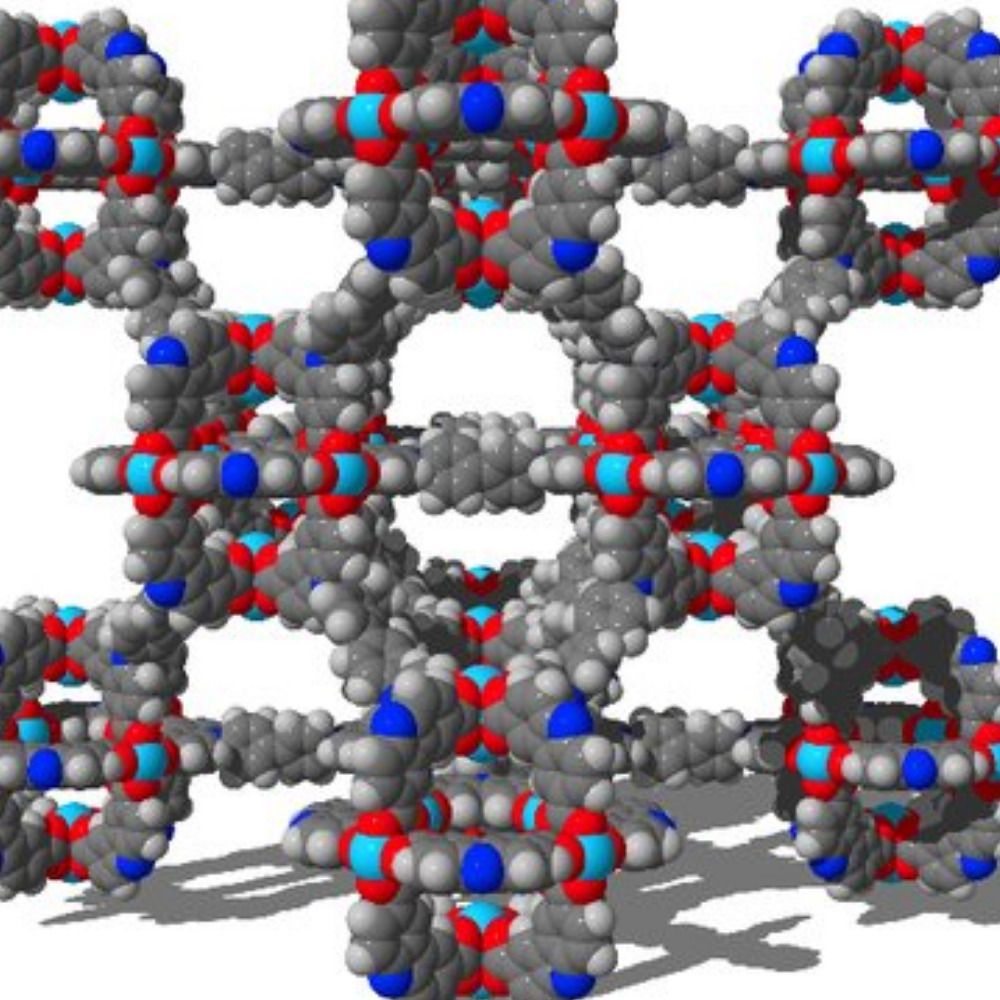
Self-Assembled Nanocomposite of HKUST-1 and Laponite: Towards Hydrogel with High Mechanical Strength for Selective Dye Adsorption and Column Chromatographic Separation http://pubs.rsc.org/en/Content/ArticleLanding/2026/DT/D5DT02005K
December 15, 2025 at 12:17 PM
Self-Assembled Nanocomposite of HKUST-1 and Laponite: Towards Hydrogel with High Mechanical Strength for Selective Dye Adsorption and Column Chromatographic Separation http://pubs.rsc.org/en/Content/ArticleLanding/2026/DT/D5DT02005K
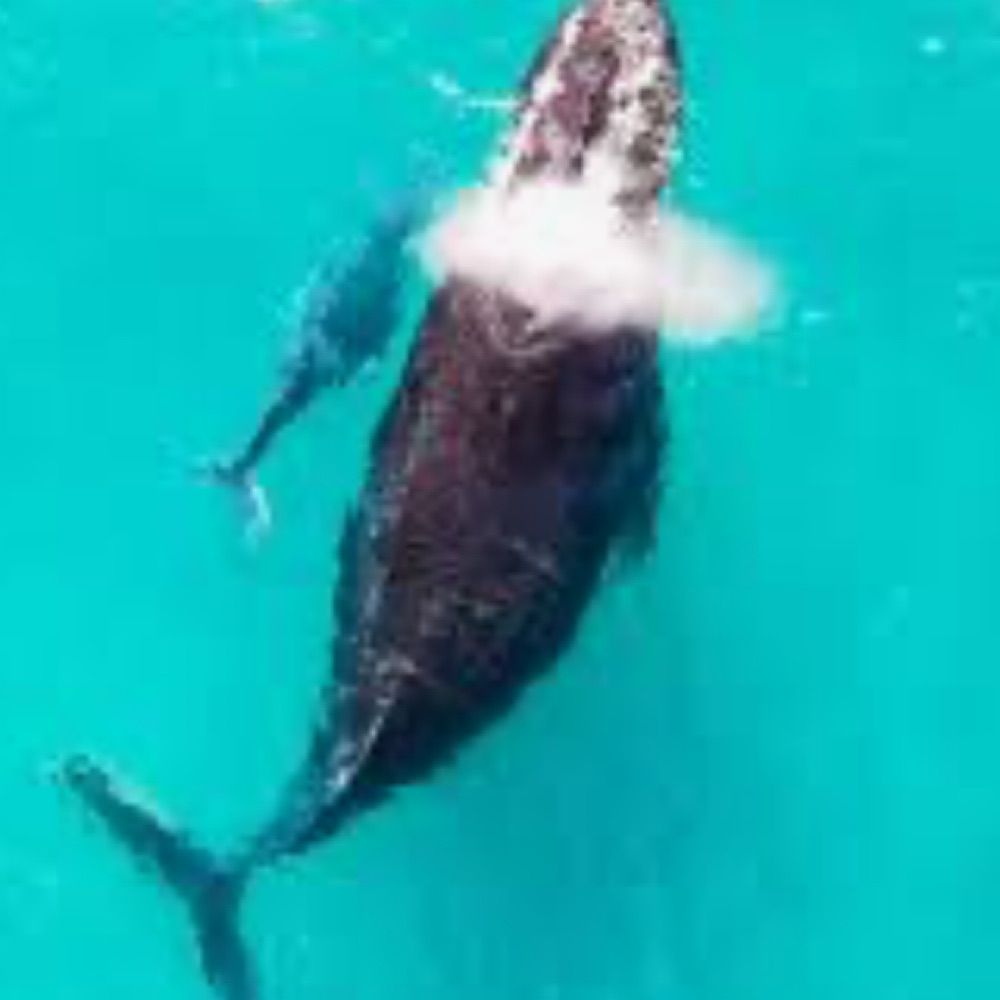
Researchers identified 79 compounds, including 25 phenolics not previously reported in cannabis, using advanced chromatographic techniques.

🔬⚗️👩🔬
Science just found rare, medicinal compounds in cannabis.
Most cannabis growers discard the plant’s leaves after harvest but new research suggests they might be throwing away chemical gold that might hold powerful therapeutic potential.
www.cannabissciencetech.com/view/phenoli...
Science just found rare, medicinal compounds in cannabis.
Most cannabis growers discard the plant’s leaves after harvest but new research suggests they might be throwing away chemical gold that might hold powerful therapeutic potential.
www.cannabissciencetech.com/view/phenoli...

Phenolic Analysis of Cannabis Reveals Rare Flavoalkaloids in Leaves | Cannabis Science and Technology - Cannabis Industry News, Insights
Using an optimized analytical method for this research, the phenolics of cannabis were tested resulting in new findings.
www.cannabissciencetech.com
December 13, 2025 at 7:14 PM
Researchers identified 79 compounds, including 25 phenolics not previously reported in cannabis, using advanced chromatographic techniques.

hashem.alghaili
Source: Muller, M. et al. (2025). “Comprehensive two-dimensional liquid chromatographic analysis of Cannabis phenolics…” Journal of Chromatography A.
Source: Muller, M. et al. (2025). “Comprehensive two-dimensional liquid chromatographic analysis of Cannabis phenolics…” Journal of Chromatography A.

December 13, 2025 at 4:43 AM
hashem.alghaili
Source: Muller, M. et al. (2025). “Comprehensive two-dimensional liquid chromatographic analysis of Cannabis phenolics…” Journal of Chromatography A.
Source: Muller, M. et al. (2025). “Comprehensive two-dimensional liquid chromatographic analysis of Cannabis phenolics…” Journal of Chromatography A.

## Automated Verification of High-Dimensional Chromatographic Separations via Deep Generative Modeling and Causal Inference
**Abstract:** This paper introduces a novel framework for automated verification of high-dimensional chromatographic separations, a critical process in pharmaceutical…
**Abstract:** This paper introduces a novel framework for automated verification of high-dimensional chromatographic separations, a critical process in pharmaceutical…
## Automated Verification of High-Dimensional Chromatographic Separations via Deep Generative Modeling and Causal Inference
**Abstract:** This paper introduces a novel framework for automated verification of high-dimensional chromatographic separations, a critical process in pharmaceutical development and chemical manufacturing. Current validation methods are often time-consuming, resource-intensive, and susceptible to human error, particularly when dealing with intricate separation profiles. Our approach, termed DeepCausalSep, leverages deep generative models (specifically, Variational Autoencoders – VAEs) to learn the underlying distributions of chromatographic data, coupled with causal inference techniques to identify and validate critical separation parameters.
freederia.com
December 10, 2025 at 4:45 PM
## Automated Verification of High-Dimensional Chromatographic Separations via Deep Generative Modeling and Causal Inference
**Abstract:** This paper introduces a novel framework for automated verification of high-dimensional chromatographic separations, a critical process in pharmaceutical…
**Abstract:** This paper introduces a novel framework for automated verification of high-dimensional chromatographic separations, a critical process in pharmaceutical…

To all team #GDGTs members: Gerard Otiniano et al., including @islatope.bsky.social, have a new paper that describes a new open-source tool to deconvolve and integrate chromatographic GDGT peaks!
doi.org/10.1029/2025...
@agu.org
#AGUPubs
🧪
With implications for ⚒️ and #PaleoSky
(1/2)
doi.org/10.1029/2025...
@agu.org
#AGUPubs
🧪
With implications for ⚒️ and #PaleoSky
(1/2)

chromatoPy: An Open‐Source Tool for Chromatographic Peak Deconvolution and Integration Applied to Glycerol Dialkyl Glycerol Tetraethers
chromatoPy enables reproducible chromatographic peak integration using a multi-Gaussian fitting algorithm Peak areas calculated using chromatoPy are comparable to manual integration with low inte...
doi.org
December 8, 2025 at 5:42 PM
To all team #GDGTs members: Gerard Otiniano et al., including @islatope.bsky.social, have a new paper that describes a new open-source tool to deconvolve and integrate chromatographic GDGT peaks!
doi.org/10.1029/2025...
@agu.org
#AGUPubs
🧪
With implications for ⚒️ and #PaleoSky
(1/2)
doi.org/10.1029/2025...
@agu.org
#AGUPubs
🧪
With implications for ⚒️ and #PaleoSky
(1/2)

2/ Smith helped to elucidate the structure of ribonucleic acid molecules (RNA), the genetic material of many plant and animal viruses. This was helped by his development of paper chromatographic methods for analysing nucleosides and other units which make up DNA
December 8, 2025 at 1:46 PM
2/ Smith helped to elucidate the structure of ribonucleic acid molecules (RNA), the genetic material of many plant and animal viruses. This was helped by his development of paper chromatographic methods for analysing nucleosides and other units which make up DNA

ICYMI: Gas chromatographic determination of inorganic bromide residues--a simplified procedure

Gas chromatographic determination of inorganic bromide residues--a simplified procedure
The gas chromatographic method for inorganic bromide residues (based on conversion of bromide ion to 2-bromoethanol by reaction with ethylene oxide) was critically examined. It was observed that the method could be advantageously modified b...
eurekamag.com
December 7, 2025 at 8:11 AM
ICYMI: Gas chromatographic determination of inorganic bromide residues--a simplified procedure
Gas chromatographic determination of inorganic bromide residues--a simplified procedure
Gas chromatographic determination of inorganic bromide residues--a simplified procedure
The gas chromatographic method for inorganic bromide residues (based on conversion of bromide ion to 2-bromoethanol by reaction with ethylene oxide) was critically examined. It was observed that the method could be advantageously modified b...
eurekamag.com
December 6, 2025 at 8:10 AM
Gas chromatographic determination of inorganic bromide residues--a simplified procedure

n today’s webinar on metric tools for the Evaluation of Chromatographic Methods we have explored how key performance metrics—such as applicability, performance and innovation indicators—can be applied to better understand method behavior and ensure consistent, high-quality data.


December 4, 2025 at 6:08 PM
n today’s webinar on metric tools for the Evaluation of Chromatographic Methods we have explored how key performance metrics—such as applicability, performance and innovation indicators—can be applied to better understand method behavior and ensure consistent, high-quality data.
We are excited to invite you to an upcoming webinar
📚 Title: Metric Tools for the Evaluation of Chromatographic Methods
📅 Date: December 4, 2025
🕑 Time: 14:00 (CET)
👉🏻 Read more here: brnw.ch/21wXMgP
📚 Title: Metric Tools for the Evaluation of Chromatographic Methods
📅 Date: December 4, 2025
🕑 Time: 14:00 (CET)
👉🏻 Read more here: brnw.ch/21wXMgP
brnw.ch
November 24, 2025 at 4:11 PM
We are excited to invite you to an upcoming webinar
📚 Title: Metric Tools for the Evaluation of Chromatographic Methods
📅 Date: December 4, 2025
🕑 Time: 14:00 (CET)
👉🏻 Read more here: brnw.ch/21wXMgP
📚 Title: Metric Tools for the Evaluation of Chromatographic Methods
📅 Date: December 4, 2025
🕑 Time: 14:00 (CET)
👉🏻 Read more here: brnw.ch/21wXMgP
Hern\'an R. S\'anchez: Chromatographic Peak Shape from Stochastic Model: Analytic Time-Domain Expression in Terms of Physical Parameters and Conditions under which Heterogeneity Reduces Tailing https://arxiv.org/abs/2511.15088 https://arxiv.org/pdf/2511.15088 https://arxiv.org/html/2511.15088
November 20, 2025 at 6:46 AM
Hern\'an R. S\'anchez: Chromatographic Peak Shape from Stochastic Model: Analytic Time-Domain Expression in Terms of Physical Parameters and Conditions under which Heterogeneity Reduces Tailing https://arxiv.org/abs/2511.15088 https://arxiv.org/pdf/2511.15088 https://arxiv.org/html/2511.15088

Auch die Homöopathie muss viele GMP-Vorgaben erfüllen. Stabilitätstests z.B., wenn auch mit einer logischen und gleichzeitig witzigen Ausnahme.

November 15, 2025 at 8:10 PM
Auch die Homöopathie muss viele GMP-Vorgaben erfüllen. Stabilitätstests z.B., wenn auch mit einer logischen und gleichzeitig witzigen Ausnahme.

Separation mechanisms of a C12-diol mixed-mode #StationaryPhase using #Sulphonamides as model #Analytes revealed hybrid HILIC–reversed-phase interactions, enabling efficient #Chromatographic separation for complex analytical applications. #QSRRs
Open Chemistry: doi.org/10.1515/chem...
Open Chemistry: doi.org/10.1515/chem...

November 10, 2025 at 10:59 AM
Separation mechanisms of a C12-diol mixed-mode #StationaryPhase using #Sulphonamides as model #Analytes revealed hybrid HILIC–reversed-phase interactions, enabling efficient #Chromatographic separation for complex analytical applications. #QSRRs
Open Chemistry: doi.org/10.1515/chem...
Open Chemistry: doi.org/10.1515/chem...

Complementary liquid and gas chromatographic-mass spectrometric methods for detecting residual impurities in Cyrene, a sustainable bio-derived solvent #AnalMethods pubs.rsc.org/en/content/a...
Complementary liquid and gas chromatographic-mass spectrometric methods for detecting residual impurities in Cyrene, a sustainable bio-derived solvent
CyreneTM (dihydrolevoglucosenone) is a biomass derived solvent, which has generated significant interest as an attractive green alternative to traditional dipolar aprotic solvents. However, as with ot...
pubs.rsc.org
November 8, 2025 at 11:27 AM
Complementary liquid and gas chromatographic-mass spectrometric methods for detecting residual impurities in Cyrene, a sustainable bio-derived solvent #AnalMethods pubs.rsc.org/en/content/a...

Green solvents and UHPLC: Balancing chromatographic performance with environmental sustainability
Read the full story in LCGC International. A recent joint study by the University of Lyon (Villeurbanne, France) and the University of Texas at Arlington studied the chromatographic variations induced…
Read the full story in LCGC International. A recent joint study by the University of Lyon (Villeurbanne, France) and the University of Texas at Arlington studied the chromatographic variations induced…
Green solvents and UHPLC: Balancing chromatographic performance with environmental sustainability
Read the full story in LCGC International. A recent joint study by the University of Lyon (Villeurbanne, France) and the University of Texas at Arlington studied the chromatographic variations induced by replacing classical solvents with carbonate esters using simple reverse phase liquid chromatography (RPLC), hydrophilic interaction chromatography (HILIC), and normal phase liquid chromatography (NPLC) separations of model compounds. LCGC International spoke to Sakil Islam, one of the authors of the resulting paper.
envnewsbits.info
November 6, 2025 at 2:38 PM
Green solvents and UHPLC: Balancing chromatographic performance with environmental sustainability
Read the full story in LCGC International. A recent joint study by the University of Lyon (Villeurbanne, France) and the University of Texas at Arlington studied the chromatographic variations induced…
Read the full story in LCGC International. A recent joint study by the University of Lyon (Villeurbanne, France) and the University of Texas at Arlington studied the chromatographic variations induced…

🔬 New research in Anal Chim Acta combines Linear Solvation Structure (LSS) and QSRR modeling to better predict chromatographic retention of phenolic compounds.
🔹 alvaDesc was used to calculate molecular descriptors, supporting mechanistic understanding and predictive accuracy.
🔹 alvaDesc was used to calculate molecular descriptors, supporting mechanistic understanding and predictive accuracy.

October 30, 2025 at 1:52 PM
🔬 New research in Anal Chim Acta combines Linear Solvation Structure (LSS) and QSRR modeling to better predict chromatographic retention of phenolic compounds.
🔹 alvaDesc was used to calculate molecular descriptors, supporting mechanistic understanding and predictive accuracy.
🔹 alvaDesc was used to calculate molecular descriptors, supporting mechanistic understanding and predictive accuracy.

What does two decades of chromatographic reliability look like? Discover the legacy of Restek’s biphenyl phase. #SponsoredPost

Biphenyl: 20 years of Restek innovation
How Restek's Biphenyl column changed chromatography
www.chemistryworld.com
October 30, 2025 at 8:44 AM
What does two decades of chromatographic reliability look like? Discover the legacy of Restek’s biphenyl phase. #SponsoredPost

From inky black to inky blue to a spill of colours behind
its a chromatographic sky
its a chromatographic sky
October 29, 2025 at 5:19 PM
From inky black to inky blue to a spill of colours behind
its a chromatographic sky
its a chromatographic sky