



‘After the ice age, after the fire’
IanRichardson from ‘Deep Time 1’ our first poetic anthology inspired by Robert Macfarlane’s ‘Underland’. @robgmacfarlane.bsky.social
www.blackboughpoetry.com/deep-time-pr...
#poetry #anthropocene #deeptime
IanRichardson from ‘Deep Time 1’ our first poetic anthology inspired by Robert Macfarlane’s ‘Underland’. @robgmacfarlane.bsky.social
www.blackboughpoetry.com/deep-time-pr...
#poetry #anthropocene #deeptime


February 18, 2026 at 9:40 AM
‘After the ice age, after the fire’
IanRichardson from ‘Deep Time 1’ our first poetic anthology inspired by Robert Macfarlane’s ‘Underland’. @robgmacfarlane.bsky.social
www.blackboughpoetry.com/deep-time-pr...
#poetry #anthropocene #deeptime
IanRichardson from ‘Deep Time 1’ our first poetic anthology inspired by Robert Macfarlane’s ‘Underland’. @robgmacfarlane.bsky.social
www.blackboughpoetry.com/deep-time-pr...
#poetry #anthropocene #deeptime

www.hackedexams.com/item/46173/c...
Coastal Habitat ConservATIon New Perspectives And Sustainable Development Of Biodiversity In The Anthropocene Edited By Free Espinosa
#coastalhabitatconservation #anthropocene #hackedexams
Coastal Habitat ConservATIon New Perspectives And Sustainable Development Of Biodiversity In The Anthropocene Edited By Free Espinosa
#coastalhabitatconservation #anthropocene #hackedexams

February 18, 2026 at 7:51 AM
www.hackedexams.com/item/46173/c...
Coastal Habitat ConservATIon New Perspectives And Sustainable Development Of Biodiversity In The Anthropocene Edited By Free Espinosa
#coastalhabitatconservation #anthropocene #hackedexams
Coastal Habitat ConservATIon New Perspectives And Sustainable Development Of Biodiversity In The Anthropocene Edited By Free Espinosa
#coastalhabitatconservation #anthropocene #hackedexams

Very much looking forward to deepen and open up the discussion about "Expert Multiplicity and Scientific Authority in the Anthropocene" at our Roundtable with Jessica Wang, Sabine Clarke, David Demortain, and Etienne Benson at #HSS2026 #eshs2026 in July in Edinburgh: hssonline.org/page/Edinbur...
2026 HSS Annual Meeting - History of Science Society
hssonline.org
February 18, 2026 at 7:39 AM
Very much looking forward to deepen and open up the discussion about "Expert Multiplicity and Scientific Authority in the Anthropocene" at our Roundtable with Jessica Wang, Sabine Clarke, David Demortain, and Etienne Benson at #HSS2026 #eshs2026 in July in Edinburgh: hssonline.org/page/Edinbur...

"New planetary dashboard shows increasing human impact"
- via @sthlmresilience.bsky.social, January 2015
www.stockholmresilience.org/research/res...
- via @sthlmresilience.bsky.social, January 2015
www.stockholmresilience.org/research/res...

February 18, 2026 at 7:35 AM
"New planetary dashboard shows increasing human impact"
- via @sthlmresilience.bsky.social, January 2015
www.stockholmresilience.org/research/res...
- via @sthlmresilience.bsky.social, January 2015
www.stockholmresilience.org/research/res...
The GREAT ACCELERATION
( 1750 – 2010 )
( 1750 – 2010 )

February 18, 2026 at 7:35 AM
The GREAT ACCELERATION
( 1750 – 2010 )
( 1750 – 2010 )

Even the Hegel of the Phenomenology of Spirit could not have envisaged that the advent of the Anthropocene would so radically reverse the direction of his project that humans would be dialectically immersed no longer in the adventures of the Absolute... (1/2)
— Bruno Latour, Facing Gaia, p. 48
— Bruno Latour, Facing Gaia, p. 48
February 18, 2026 at 6:56 AM
Even the Hegel of the Phenomenology of Spirit could not have envisaged that the advent of the Anthropocene would so radically reverse the direction of his project that humans would be dialectically immersed no longer in the adventures of the Absolute... (1/2)
— Bruno Latour, Facing Gaia, p. 48
— Bruno Latour, Facing Gaia, p. 48

Weekly Anthropocene: India's magnificent five-foot-tall greater adjutant stork (Leptoptilos dubius, aka hargila, the “bone-swallower”) is recovering from local near-extirpation across the state of Assam in northeast India thanks to dedicated community conservation efforts tinyurl.com/bdz2zvdx

February 18, 2026 at 6:29 AM
Weekly Anthropocene: India's magnificent five-foot-tall greater adjutant stork (Leptoptilos dubius, aka hargila, the “bone-swallower”) is recovering from local near-extirpation across the state of Assam in northeast India thanks to dedicated community conservation efforts tinyurl.com/bdz2zvdx
Weekly Anthropocene: Extending agrivoltaics globally shows crop yield increases from the protection of solar panels, w/add'l 1,800 million tonnes of food (feeds 2.1 billion people) & earns over $1 trillion in add'l agricultural income! Truly epic potential here sammatey.substack.com/p/the-weekly...

February 18, 2026 at 6:27 AM
Weekly Anthropocene: Extending agrivoltaics globally shows crop yield increases from the protection of solar panels, w/add'l 1,800 million tonnes of food (feeds 2.1 billion people) & earns over $1 trillion in add'l agricultural income! Truly epic potential here sammatey.substack.com/p/the-weekly...

The Weekly Anthropocene, February 18 2026 • Agrivoltaics, hargila storks, Kuno cheetahs, Surya Ghar, Romania's decoupling, beavers in Cornwall, Kigali wetlands, Chinese emissions declines, Sehuencas water frogs, an LA County wolf, and more!

The Weekly Anthropocene, February 18 2026
Agrivoltaics, hargila storks, Kuno cheetahs, Surya Ghar, Romania's decoupling, beavers in Cornwall, Kigali wetlands, Chinese emissions declines, Sehuencas water frogs, an LA County wolf, and more!
sammatey.substack.com
February 18, 2026 at 8:34 AM
The Weekly Anthropocene, February 18 2026 • Agrivoltaics, hargila storks, Kuno cheetahs, Surya Ghar, Romania's decoupling, beavers in Cornwall, Kigali wetlands, Chinese emissions declines, Sehuencas water frogs, an LA County wolf, and more!

Il a raison sur un point : comme dit l'ami @fredsochard.bsky.social une minute de silence pour l'un, des années de silence pour les autres…
par contre @anthropocene-man.bsky.social entre l'acte que tu approuves et celui que tu désavoue (honorer le fasciste ; ignorer ses victimes), y a p.-ê. un lien
par contre @anthropocene-man.bsky.social entre l'acte que tu approuves et celui que tu désavoue (honorer le fasciste ; ignorer ses victimes), y a p.-ê. un lien
February 17, 2026 at 11:50 PM
Il a raison sur un point : comme dit l'ami @fredsochard.bsky.social une minute de silence pour l'un, des années de silence pour les autres…
par contre @anthropocene-man.bsky.social entre l'acte que tu approuves et celui que tu désavoue (honorer le fasciste ; ignorer ses victimes), y a p.-ê. un lien
par contre @anthropocene-man.bsky.social entre l'acte que tu approuves et celui que tu désavoue (honorer le fasciste ; ignorer ses victimes), y a p.-ê. un lien

I was looking something up on Merriam-Webster and their "top lookups" at that particular moment were so weirdly, mostly-gruesomely-perfect (most fun to read from the bottom IMO -- marked sensitive so you can prepare to do so if you like)

February 17, 2026 at 9:58 PM
I was looking something up on Merriam-Webster and their "top lookups" at that particular moment were so weirdly, mostly-gruesomely-perfect (most fun to read from the bottom IMO -- marked sensitive so you can prepare to do so if you like)

oh god, the light won’t save me
so let the anthropocene watch me GOING FUCKING CRAZY!
so let the anthropocene watch me GOING FUCKING CRAZY!
February 17, 2026 at 9:49 PM
oh god, the light won’t save me
so let the anthropocene watch me GOING FUCKING CRAZY!
so let the anthropocene watch me GOING FUCKING CRAZY!

[While I wholeheartedly agree with Jason Moore who suggests replacing the(...) term Anthropocene with Capitalocene, white supremacy features extra-economic drives that exceed a logic of capitalism. In other words, climate breakdown is both capitalogenic and raciogenic] felt that one in my teeth damn
February 17, 2026 at 9:31 PM
[While I wholeheartedly agree with Jason Moore who suggests replacing the(...) term Anthropocene with Capitalocene, white supremacy features extra-economic drives that exceed a logic of capitalism. In other words, climate breakdown is both capitalogenic and raciogenic] felt that one in my teeth damn

The ultra rich and the political class wants to hold onto their power as the world changes and they will do so by making a prison population. They want the sick to die and the poor to be enslaved to keep their standard of living during the Anthropocene
February 17, 2026 at 7:23 PM
The ultra rich and the political class wants to hold onto their power as the world changes and they will do so by making a prison population. They want the sick to die and the poor to be enslaved to keep their standard of living during the Anthropocene

RISK OF HOTHOUSE EARTH WAS SET AT 2°C- IS NOW TODAY AT 1.5°C
Risk of Hothouse Earth was put at 2°C in Aug. 2018 Trajectories of the Earth System in the Anthropocene, Will Steffen Johan Rockström et al 'Based on this analysis of tipping cascades and taking a risk-averse approach,
Risk of Hothouse Earth was put at 2°C in Aug. 2018 Trajectories of the Earth System in the Anthropocene, Will Steffen Johan Rockström et al 'Based on this analysis of tipping cascades and taking a risk-averse approach,
February 17, 2026 at 6:25 PM
RISK OF HOTHOUSE EARTH WAS SET AT 2°C- IS NOW TODAY AT 1.5°C
Risk of Hothouse Earth was put at 2°C in Aug. 2018 Trajectories of the Earth System in the Anthropocene, Will Steffen Johan Rockström et al 'Based on this analysis of tipping cascades and taking a risk-averse approach,
Risk of Hothouse Earth was put at 2°C in Aug. 2018 Trajectories of the Earth System in the Anthropocene, Will Steffen Johan Rockström et al 'Based on this analysis of tipping cascades and taking a risk-averse approach,
2°C Point of no return to Hothouse Earth
Multiple Earth system amplifying feedbacks triggered by 2°C
2°C runaway heated uninhabitable Hothouse Earth
Trajectories on the Anthropocene, 2018 Will Steffen et al
file: #globalwarming. #climatechange. #ClimateCatastrophe
Multiple Earth system amplifying feedbacks triggered by 2°C
2°C runaway heated uninhabitable Hothouse Earth
Trajectories on the Anthropocene, 2018 Will Steffen et al
file: #globalwarming. #climatechange. #ClimateCatastrophe

February 17, 2026 at 6:23 PM
2°C Point of no return to Hothouse Earth
Multiple Earth system amplifying feedbacks triggered by 2°C
2°C runaway heated uninhabitable Hothouse Earth
Trajectories on the Anthropocene, 2018 Will Steffen et al
file: #globalwarming. #climatechange. #ClimateCatastrophe
Multiple Earth system amplifying feedbacks triggered by 2°C
2°C runaway heated uninhabitable Hothouse Earth
Trajectories on the Anthropocene, 2018 Will Steffen et al
file: #globalwarming. #climatechange. #ClimateCatastrophe
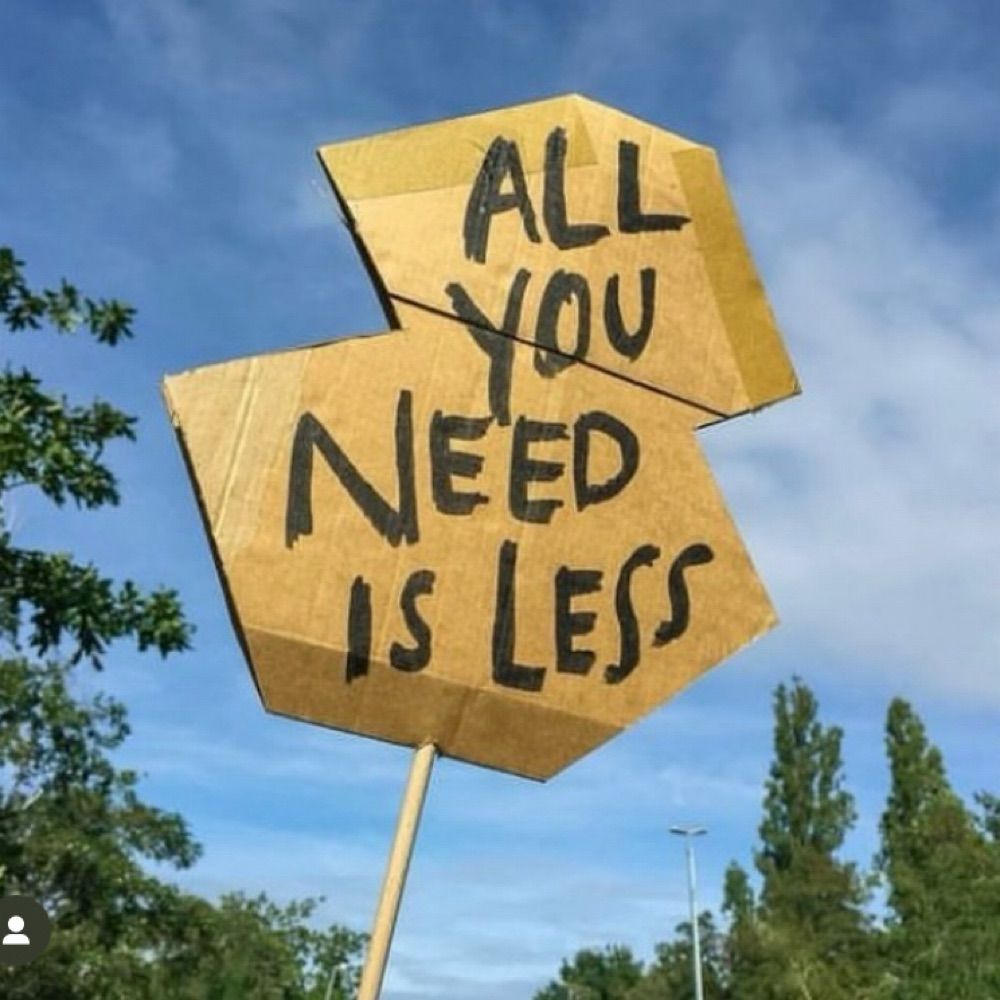
One of the many obstacles #wildlife face in the age of the #Anthropocene.

February 17, 2026 at 5:47 PM
One of the many obstacles #wildlife face in the age of the #Anthropocene.

Anthropocene Illusion, photobook by Zed Nelson guesteditions.com/products/the...

The Anthropocene Illusion, Zed Nelson
"While we destroy the natural world around us, we have become masters of a stage-managed, artificial ‘experience’ of nature—a reassuring spectacle, an illusion." Over six years, across four continents...
guesteditions.com
February 17, 2026 at 5:33 PM
Anthropocene Illusion, photobook by Zed Nelson guesteditions.com/products/the...

Avec l'annonce de la nouvelle Stratégie de défense du Canada, j'ai hâte de voir les prochains concours pour le financement de la recherche!
Quel plaisir ce sera d'adapter mes travaux sur l'éducation en Anthropocène aux besoins de la défense nationale! [soupir]
praxis.encommun.io/n/fjBXkzAKS6...
Quel plaisir ce sera d'adapter mes travaux sur l'éducation en Anthropocène aux besoins de la défense nationale! [soupir]
praxis.encommun.io/n/fjBXkzAKS6...
Le «complexe militaro-industriel» ressuscité sans autre forme de... | Note Praxis
« Dans les conseils du gouvernement, nous devons nous prémunir contre l’acquisition d’une influence injustifiée – qu’elle soit recherchée ou non – pa…
praxis.encommun.io
February 17, 2026 at 5:19 PM
Avec l'annonce de la nouvelle Stratégie de défense du Canada, j'ai hâte de voir les prochains concours pour le financement de la recherche!
Quel plaisir ce sera d'adapter mes travaux sur l'éducation en Anthropocène aux besoins de la défense nationale! [soupir]
praxis.encommun.io/n/fjBXkzAKS6...
Quel plaisir ce sera d'adapter mes travaux sur l'éducation en Anthropocène aux besoins de la défense nationale! [soupir]
praxis.encommun.io/n/fjBXkzAKS6...


I Didn't Want to Make This Video.
YouTube video by Astrum Earth
youtube.com
February 17, 2026 at 4:52 PM
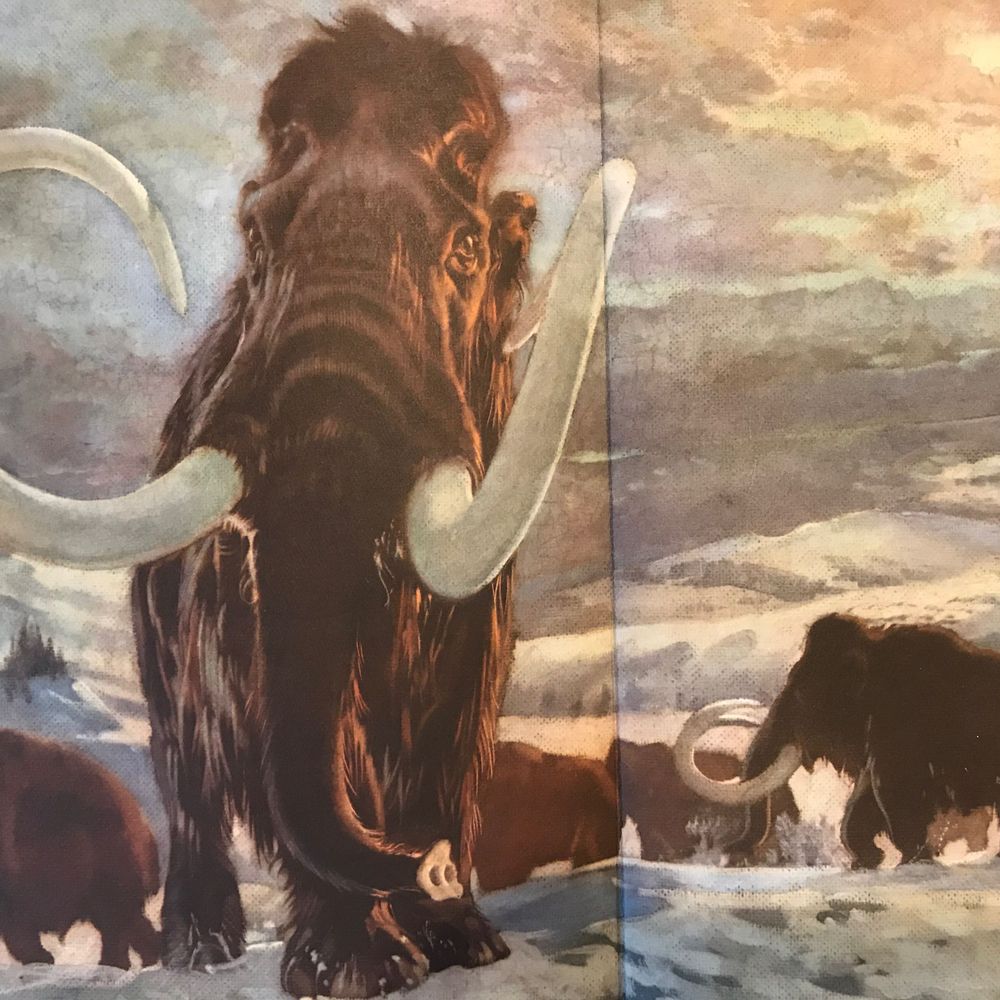
Welcome to the Late-Anthropocene!
February 17, 2026 at 4:36 PM
Welcome to the Late-Anthropocene!

Are zoos still arks—or are they becoming nursing homes?
Read the full story at Anthropocene Magazine. See also: Meireles, J. P., Hahn-Klimroth, M., Lackey, L. B., Van Eeuwijk, N., Bertelsen, M. F., Dressen, S., Dierkes, P. W., Abraham, A. J., & Clauss, M. (2026). Aging populations threaten…
Read the full story at Anthropocene Magazine. See also: Meireles, J. P., Hahn-Klimroth, M., Lackey, L. B., Van Eeuwijk, N., Bertelsen, M. F., Dressen, S., Dierkes, P. W., Abraham, A. J., & Clauss, M. (2026). Aging populations threaten…
Are zoos still arks—or are they becoming nursing homes?
Read the full story at Anthropocene Magazine. See also: Meireles, J. P., Hahn-Klimroth, M., Lackey, L. B., Van Eeuwijk, N., Bertelsen, M. F., Dressen, S., Dierkes, P. W., Abraham, A. J., & Clauss, M. (2026). Aging populations threaten conservation goals of zoos. Proceedings of the National Academy of Sciences, 123(5), e2522274123. As reproduction slows and populations gray, scientists warn that many zoos are losing their capacity to function as effective conservation tools.
envnewsbits.info
February 17, 2026 at 2:50 PM
Are zoos still arks—or are they becoming nursing homes?
Read the full story at Anthropocene Magazine. See also: Meireles, J. P., Hahn-Klimroth, M., Lackey, L. B., Van Eeuwijk, N., Bertelsen, M. F., Dressen, S., Dierkes, P. W., Abraham, A. J., & Clauss, M. (2026). Aging populations threaten…
Read the full story at Anthropocene Magazine. See also: Meireles, J. P., Hahn-Klimroth, M., Lackey, L. B., Van Eeuwijk, N., Bertelsen, M. F., Dressen, S., Dierkes, P. W., Abraham, A. J., & Clauss, M. (2026). Aging populations threaten…

Today’s reading

February 17, 2026 at 2:40 PM
Today’s reading

We're not yet experts at guiding planes to avoid contrails. We should start doing it anyway.
->Anthropocene | More on "Avoiding contrails to reduce warming" at BigEarthData.ai
->Anthropocene | More on "Avoiding contrails to reduce warming" at BigEarthData.ai

We're not yet experts at guiding planes to avoid contrails. We should start doing it anyway.
Nudging aircraft onto slightly different paths to avoid contrail formation could slash climate warming due to aviation over the next 25 years almost in half, according to a new study. The analysis suggests the main risk lies in not acting fast enough. Contrail avoidance “represents a clear, near-term climate opportunity for aviation and swift, coordinated international action could make a meaningful difference,” says study team member Jessie Smith, a postdoctoral researcher at the University of Cambridge in the UK. The climate impact of contrails is intense: the crisp lines of cloud that trace the paths of jumbo jets through the sky are currently estimated to be responsible for the same amount of warming as the aviation industry’s entire history of carbon emissions. But contrails are also ephemeral, raising hopes that simply rerouting aircraft a bit could be a powerful – and immediately effective – climate strategy. The problem is that we can’t predict with certainty where conditions will be right for contrails to form, so we don’t know exactly what parts of the sky to tell aircraft to avoid. And changing flight paths can cause aircraft to burn more fuel and thus produce more carbon emissions, eroding the strategy’s climate...
www.anthropocenemagazine.org
February 17, 2026 at 2:07 PM