


📷:
1. NSF–DOE Rubin Observatory/NOIRLab/SLAC/AURA/P. Marenfeld
2. NSF–DOE Rubin Observatory/NOIRLab/SLAC/AURA/J. Pollard, Acknowledgement: PI: Sarah Greenstreet (NSF NOIRLab/Rubin Observatory)
1. NSF–DOE Rubin Observatory/NOIRLab/SLAC/AURA/P. Marenfeld
2. NSF–DOE Rubin Observatory/NOIRLab/SLAC/AURA/J. Pollard, Acknowledgement: PI: Sarah Greenstreet (NSF NOIRLab/Rubin Observatory)
January 7, 2026 at 5:25 PM
📷:
1. NSF–DOE Rubin Observatory/NOIRLab/SLAC/AURA/P. Marenfeld
2. NSF–DOE Rubin Observatory/NOIRLab/SLAC/AURA/J. Pollard, Acknowledgement: PI: Sarah Greenstreet (NSF NOIRLab/Rubin Observatory)
1. NSF–DOE Rubin Observatory/NOIRLab/SLAC/AURA/P. Marenfeld
2. NSF–DOE Rubin Observatory/NOIRLab/SLAC/AURA/J. Pollard, Acknowledgement: PI: Sarah Greenstreet (NSF NOIRLab/Rubin Observatory)

Fascinating: They look like cosmic companions, but Arp 4 is a cosmic illusion: one galaxy is ~65 million light-years away and the other is ~675 million
(Credit: ESA/Hubble & NASA, J. Dalcanton, Dark Energy Survey/DOE/FNAL/DECam/CTIO/NOIRLab/NSF/AURA)
(Credit: ESA/Hubble & NASA, J. Dalcanton, Dark Energy Survey/DOE/FNAL/DECam/CTIO/NOIRLab/NSF/AURA)

January 9, 2026 at 1:53 AM
Fascinating: They look like cosmic companions, but Arp 4 is a cosmic illusion: one galaxy is ~65 million light-years away and the other is ~675 million
(Credit: ESA/Hubble & NASA, J. Dalcanton, Dark Energy Survey/DOE/FNAL/DECam/CTIO/NOIRLab/NSF/AURA)
(Credit: ESA/Hubble & NASA, J. Dalcanton, Dark Energy Survey/DOE/FNAL/DECam/CTIO/NOIRLab/NSF/AURA)
Here's the rest of Day 3 for NSF–DOE Rubin Observatory at #AAS247! 🔭
🗓️ First science results from Rubin: https://ow.ly/1u6650XT9C6
🗓️ NSF NOIRLab Open House: https://ow.ly/lZIW50XT9C5
Don't forget to visit us in the exhibit hall at the NOIRLab booth!
🗓️ First science results from Rubin: https://ow.ly/1u6650XT9C6
🗓️ NSF NOIRLab Open House: https://ow.ly/lZIW50XT9C5
Don't forget to visit us in the exhibit hall at the NOIRLab booth!


January 7, 2026 at 8:40 PM
Here's the rest of Day 3 for NSF–DOE Rubin Observatory at #AAS247! 🔭
🗓️ First science results from Rubin: https://ow.ly/1u6650XT9C6
🗓️ NSF NOIRLab Open House: https://ow.ly/lZIW50XT9C5
Don't forget to visit us in the exhibit hall at the NOIRLab booth!
🗓️ First science results from Rubin: https://ow.ly/1u6650XT9C6
🗓️ NSF NOIRLab Open House: https://ow.ly/lZIW50XT9C5
Don't forget to visit us in the exhibit hall at the NOIRLab booth!

画像は南米チリで撮影されたもので、セロ・トロロ汎米天文台(CTIO)にあるSOAR望遠鏡と、その頭上に輝く天の川が映っています。SOAR望遠鏡の右には、空にレーザービームを照射するジェミニ南望遠鏡も見えています。
astropics.bookbright.co.jp/industrious-...
Image Credit: International Gemini Observatory/NOIRLab/NSF/AURA/T. Slovinský
astropics.bookbright.co.jp/industrious-...
Image Credit: International Gemini Observatory/NOIRLab/NSF/AURA/T. Slovinský

January 8, 2026 at 3:02 AM
画像は南米チリで撮影されたもので、セロ・トロロ汎米天文台(CTIO)にあるSOAR望遠鏡と、その頭上に輝く天の川が映っています。SOAR望遠鏡の右には、空にレーザービームを照射するジェミニ南望遠鏡も見えています。
astropics.bookbright.co.jp/industrious-...
Image Credit: International Gemini Observatory/NOIRLab/NSF/AURA/T. Slovinský
astropics.bookbright.co.jp/industrious-...
Image Credit: International Gemini Observatory/NOIRLab/NSF/AURA/T. Slovinský
昨年2025年の夜空では、5月初旬に火星、9月初旬に金星がプレセペ星団(M44)に接近しました。画像はプレセペ星団(中央)と、接近した火星(上)と金星(下)を合成したもの。
12月31日公開のNOIRLab(アメリカ光学・赤外天文学研究所)の「Images of the Week」
astropics.bookbright.co.jp/warning-plan...
Image Credit: NOIRLab/NSF/AURA/P. Horálek (Instituto de Física de Opava)
12月31日公開のNOIRLab(アメリカ光学・赤外天文学研究所)の「Images of the Week」
astropics.bookbright.co.jp/warning-plan...
Image Credit: NOIRLab/NSF/AURA/P. Horálek (Instituto de Física de Opava)

January 6, 2026 at 8:42 AM
昨年2025年の夜空では、5月初旬に火星、9月初旬に金星がプレセペ星団(M44)に接近しました。画像はプレセペ星団(中央)と、接近した火星(上)と金星(下)を合成したもの。
12月31日公開のNOIRLab(アメリカ光学・赤外天文学研究所)の「Images of the Week」
astropics.bookbright.co.jp/warning-plan...
Image Credit: NOIRLab/NSF/AURA/P. Horálek (Instituto de Física de Opava)
12月31日公開のNOIRLab(アメリカ光学・赤外天文学研究所)の「Images of the Week」
astropics.bookbright.co.jp/warning-plan...
Image Credit: NOIRLab/NSF/AURA/P. Horálek (Instituto de Física de Opava)
Against a backdrop of snow and volcanic rock, the observatories at the summit of Maunakea in Hawai’i harbor some of the world’s most advanced astronomical equipment, including Gemini North, the open silver dome on the higher ridge. #astronomy
Gemini Observatory/NOIRLab/NSF/AURA/J. Pollard
Gemini Observatory/NOIRLab/NSF/AURA/J. Pollard

January 6, 2026 at 6:51 PM
Against a backdrop of snow and volcanic rock, the observatories at the summit of Maunakea in Hawai’i harbor some of the world’s most advanced astronomical equipment, including Gemini North, the open silver dome on the higher ridge. #astronomy
Gemini Observatory/NOIRLab/NSF/AURA/J. Pollard
Gemini Observatory/NOIRLab/NSF/AURA/J. Pollard
ベラ・C・ルービン天文台での試験観測のデータから、超高速で自転する19個の小惑星が発見されました。そのうちの一つは直径710m、わずか1.88分で自転。直径500mを超えるものとしては、これまで発見された中で最も速く自転する小惑星です。
astropics.bookbright.co.jp/asteroid-202...
Image Credit: NSF–DOE Vera C. Rubin Observatory/NOIRLab/SLAC/AURA/P. Marenfeld
astropics.bookbright.co.jp/asteroid-202...
Image Credit: NSF–DOE Vera C. Rubin Observatory/NOIRLab/SLAC/AURA/P. Marenfeld

January 9, 2026 at 8:48 AM
ベラ・C・ルービン天文台での試験観測のデータから、超高速で自転する19個の小惑星が発見されました。そのうちの一つは直径710m、わずか1.88分で自転。直径500mを超えるものとしては、これまで発見された中で最も速く自転する小惑星です。
astropics.bookbright.co.jp/asteroid-202...
Image Credit: NSF–DOE Vera C. Rubin Observatory/NOIRLab/SLAC/AURA/P. Marenfeld
astropics.bookbright.co.jp/asteroid-202...
Image Credit: NSF–DOE Vera C. Rubin Observatory/NOIRLab/SLAC/AURA/P. Marenfeld
🔭 The Einstein Cross Gravitational Lens
Image Credit & License: NSF, NOIRLab, AURA, WIYN; Processing: J. Rhoads (Arizona State U.) et al.
apod.nasa.gov/apod/ap26010...
Image Credit & License: NSF, NOIRLab, AURA, WIYN; Processing: J. Rhoads (Arizona State U.) et al.
apod.nasa.gov/apod/ap26010...

January 4, 2026 at 8:00 AM
🔭 The Einstein Cross Gravitational Lens
Image Credit & License: NSF, NOIRLab, AURA, WIYN; Processing: J. Rhoads (Arizona State U.) et al.
apod.nasa.gov/apod/ap26010...
Image Credit & License: NSF, NOIRLab, AURA, WIYN; Processing: J. Rhoads (Arizona State U.) et al.
apod.nasa.gov/apod/ap26010...
From @noirlabastro.bsky.social : Here's a list of everything related to NSF NOIRLab and its Programs: Gemini Observatory, Cerro Tololo, Kitt Peak, CSDC, @vrubinobs.bsky.social at #AAS247. Check it out here noirlab.edu/science/meet....
Visit our booth in the exhibit hall. #astronomy @aas.org
Visit our booth in the exhibit hall. #astronomy @aas.org

January 6, 2026 at 2:07 PM
From @noirlabastro.bsky.social : Here's a list of everything related to NSF NOIRLab and its Programs: Gemini Observatory, Cerro Tololo, Kitt Peak, CSDC, @vrubinobs.bsky.social at #AAS247. Check it out here noirlab.edu/science/meet....
Visit our booth in the exhibit hall. #astronomy @aas.org
Visit our booth in the exhibit hall. #astronomy @aas.org
American Astronomical Society (AAS) meetings: where coffee is a food group, name badges are personality traits, and you run into colleagues everywhere. ☕🔭
NSF–DOE Rubin Observatory is in Phoenix for #AAS247! If you're here, visit us at the NOIRLab booth between visits to talks and power outlets.
NSF–DOE Rubin Observatory is in Phoenix for #AAS247! If you're here, visit us at the NOIRLab booth between visits to talks and power outlets.


January 5, 2026 at 7:25 PM
American Astronomical Society (AAS) meetings: where coffee is a food group, name badges are personality traits, and you run into colleagues everywhere. ☕🔭
NSF–DOE Rubin Observatory is in Phoenix for #AAS247! If you're here, visit us at the NOIRLab booth between visits to talks and power outlets.
NSF–DOE Rubin Observatory is in Phoenix for #AAS247! If you're here, visit us at the NOIRLab booth between visits to talks and power outlets.
📍Cerro Pachón, Chile 🇨🇱 @noirlabastro.bsky.social @vrubinobs.bsky.social #astronomy
📷GeminiObs/NOIRLab/NSF/AURA/R.Rutten
📷GeminiObs/NOIRLab/NSF/AURA/R.Rutten

January 2, 2026 at 10:52 PM
📍Cerro Pachón, Chile 🇨🇱 @noirlabastro.bsky.social @vrubinobs.bsky.social #astronomy
📷GeminiObs/NOIRLab/NSF/AURA/R.Rutten
📷GeminiObs/NOIRLab/NSF/AURA/R.Rutten
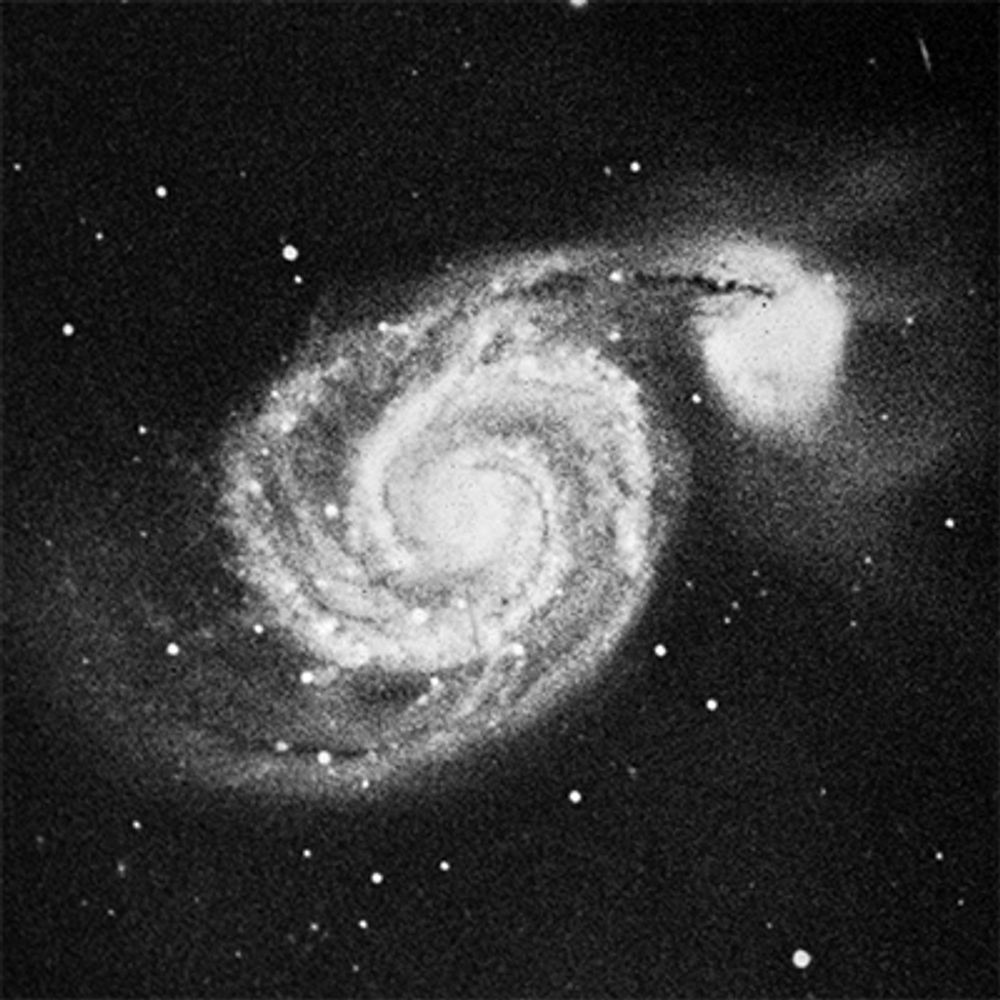
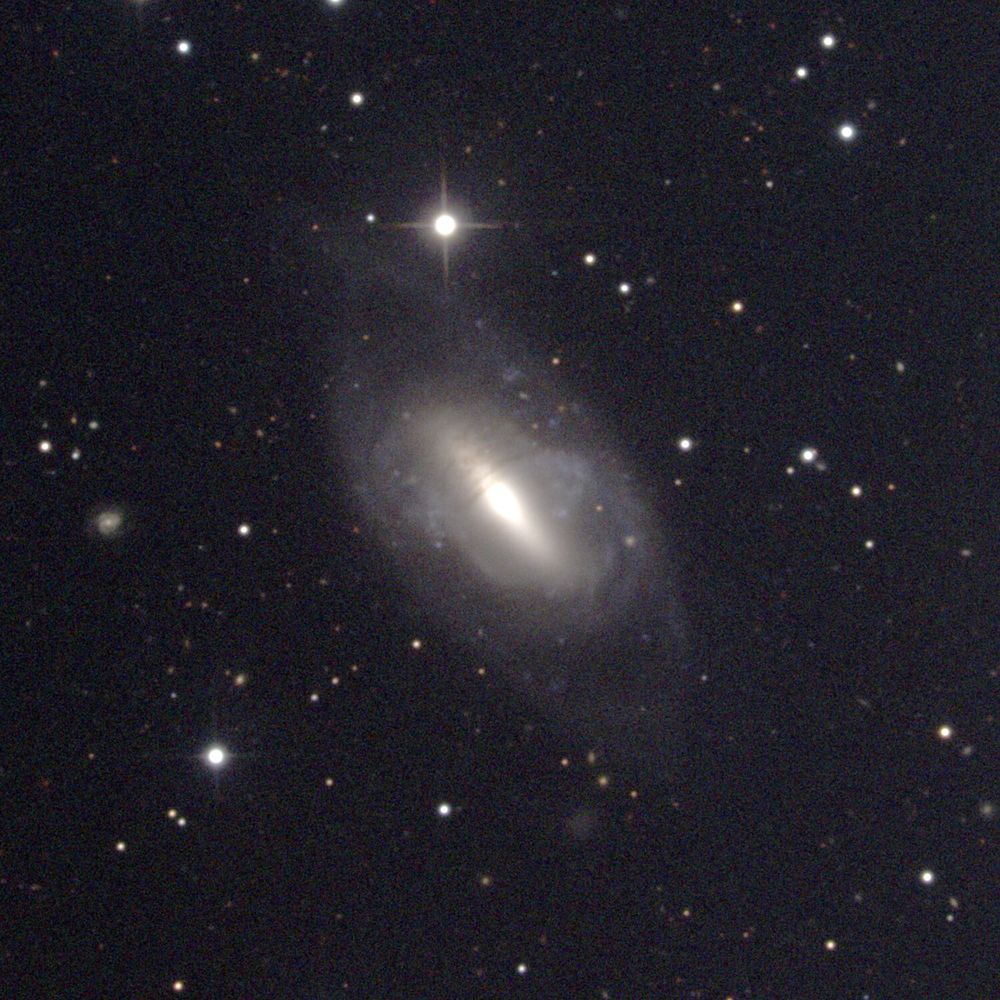
Kitt Peak National Observatory image of Arp 336, also known as NGC 2685.
NGC 2685 is a polar ring galaxy. It has a ring of gas, stars, and dust that orbits perpendicular to the plane of the galaxy, seen as unusual whorls, or helical filaments.
Credit: NOIRLab, AURA, NSF
Source
NGC 2685 is a polar ring galaxy. It has a ring of gas, stars, and dust that orbits perpendicular to the plane of the galaxy, seen as unusual whorls, or helical filaments.
Credit: NOIRLab, AURA, NSF
Source
January 6, 2026 at 12:32 PM
Kitt Peak National Observatory image of Arp 336, also known as NGC 2685.
NGC 2685 is a polar ring galaxy. It has a ring of gas, stars, and dust that orbits perpendicular to the plane of the galaxy, seen as unusual whorls, or helical filaments.
Credit: NOIRLab, AURA, NSF
Source
NGC 2685 is a polar ring galaxy. It has a ring of gas, stars, and dust that orbits perpendicular to the plane of the galaxy, seen as unusual whorls, or helical filaments.
Credit: NOIRLab, AURA, NSF
Source
NSF–DOE Rubin Observatory at #AAS247: Day 1!
🗓️ Leveraging the Power of Cosmic Messengers with Rubin, LIGO, and Gemini: https://ow.ly/J6TL50XRZl4
🗓️ A Night of Cosmic Discovery (RSVP required): https://ow.ly/8qz050XRZl2
Don't forget to visit us in the exhibit hall at the NOIRLab booth!
🗓️ Leveraging the Power of Cosmic Messengers with Rubin, LIGO, and Gemini: https://ow.ly/J6TL50XRZl4
🗓️ A Night of Cosmic Discovery (RSVP required): https://ow.ly/8qz050XRZl2
Don't forget to visit us in the exhibit hall at the NOIRLab booth!


January 5, 2026 at 7:40 PM
NSF–DOE Rubin Observatory at #AAS247: Day 1!
🗓️ Leveraging the Power of Cosmic Messengers with Rubin, LIGO, and Gemini: https://ow.ly/J6TL50XRZl4
🗓️ A Night of Cosmic Discovery (RSVP required): https://ow.ly/8qz050XRZl2
Don't forget to visit us in the exhibit hall at the NOIRLab booth!
🗓️ Leveraging the Power of Cosmic Messengers with Rubin, LIGO, and Gemini: https://ow.ly/J6TL50XRZl4
🗓️ A Night of Cosmic Discovery (RSVP required): https://ow.ly/8qz050XRZl2
Don't forget to visit us in the exhibit hall at the NOIRLab booth!
NSF–DOE Rubin Observatory at #AAS247: Day 2!
🗓️ Rubin and Satellite Constellations: https://ow.ly/rL0l50XSypQ
🗓️ Outreach and Education Engagement: Rubin, Roman, and Beyond: https://ow.ly/aapf50XSypN
And come visit us in the exhibit hall at the NOIRLab booth!
🗓️ Rubin and Satellite Constellations: https://ow.ly/rL0l50XSypQ
🗓️ Outreach and Education Engagement: Rubin, Roman, and Beyond: https://ow.ly/aapf50XSypN
And come visit us in the exhibit hall at the NOIRLab booth!


January 6, 2026 at 5:15 PM
NSF–DOE Rubin Observatory at #AAS247: Day 2!
🗓️ Rubin and Satellite Constellations: https://ow.ly/rL0l50XSypQ
🗓️ Outreach and Education Engagement: Rubin, Roman, and Beyond: https://ow.ly/aapf50XSypN
And come visit us in the exhibit hall at the NOIRLab booth!
🗓️ Rubin and Satellite Constellations: https://ow.ly/rL0l50XSypQ
🗓️ Outreach and Education Engagement: Rubin, Roman, and Beyond: https://ow.ly/aapf50XSypN
And come visit us in the exhibit hall at the NOIRLab booth!
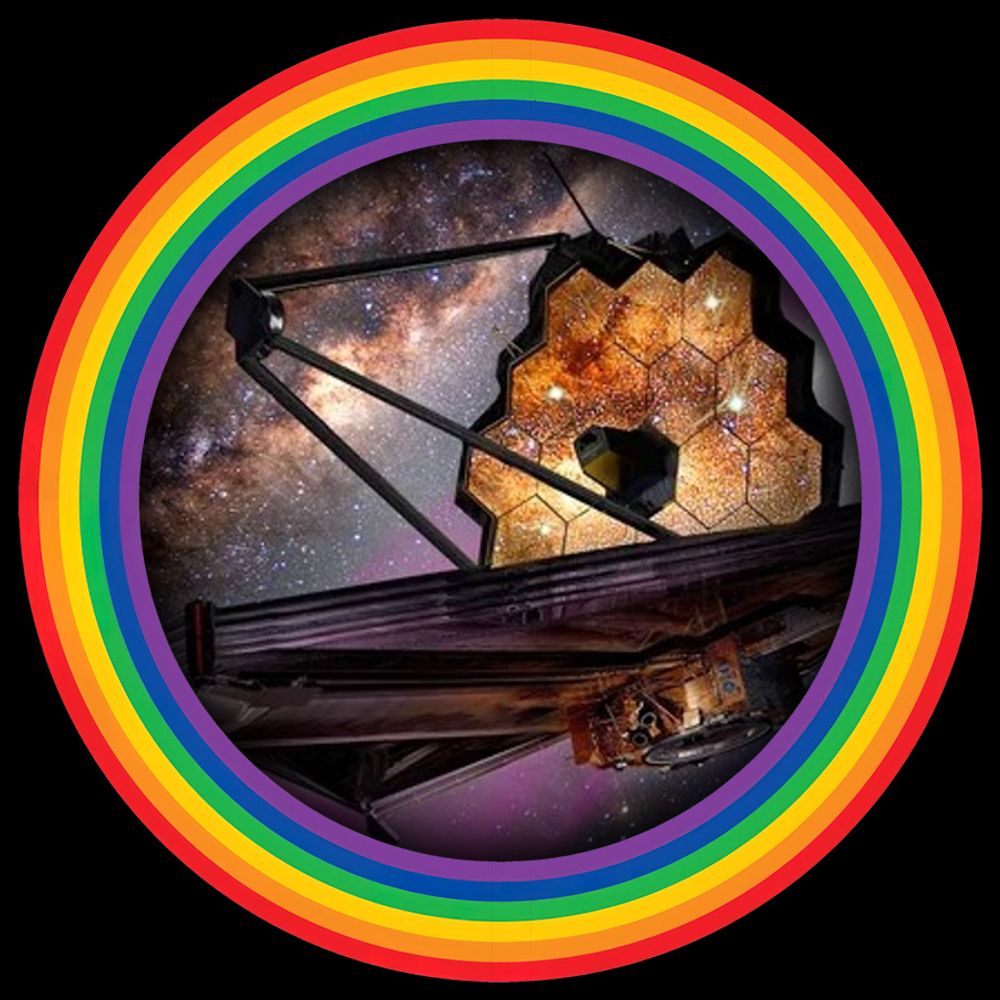
NASA's James Webb Space Telescope on Flickr (Feb 16, 2023)
Explore the intricate gas and dust networks of NGC 7496 as revealed by Webb's MIRI.
flic.kr/p/2ohe27u
Explore the intricate gas and dust networks of NGC 7496 as revealed by Webb's MIRI.
flic.kr/p/2ohe27u

January 6, 2026 at 1:00 AM
NASA's James Webb Space Telescope on Flickr (Feb 16, 2023)
Explore the intricate gas and dust networks of NGC 7496 as revealed by Webb's MIRI.
flic.kr/p/2ohe27u
Explore the intricate gas and dust networks of NGC 7496 as revealed by Webb's MIRI.
flic.kr/p/2ohe27u
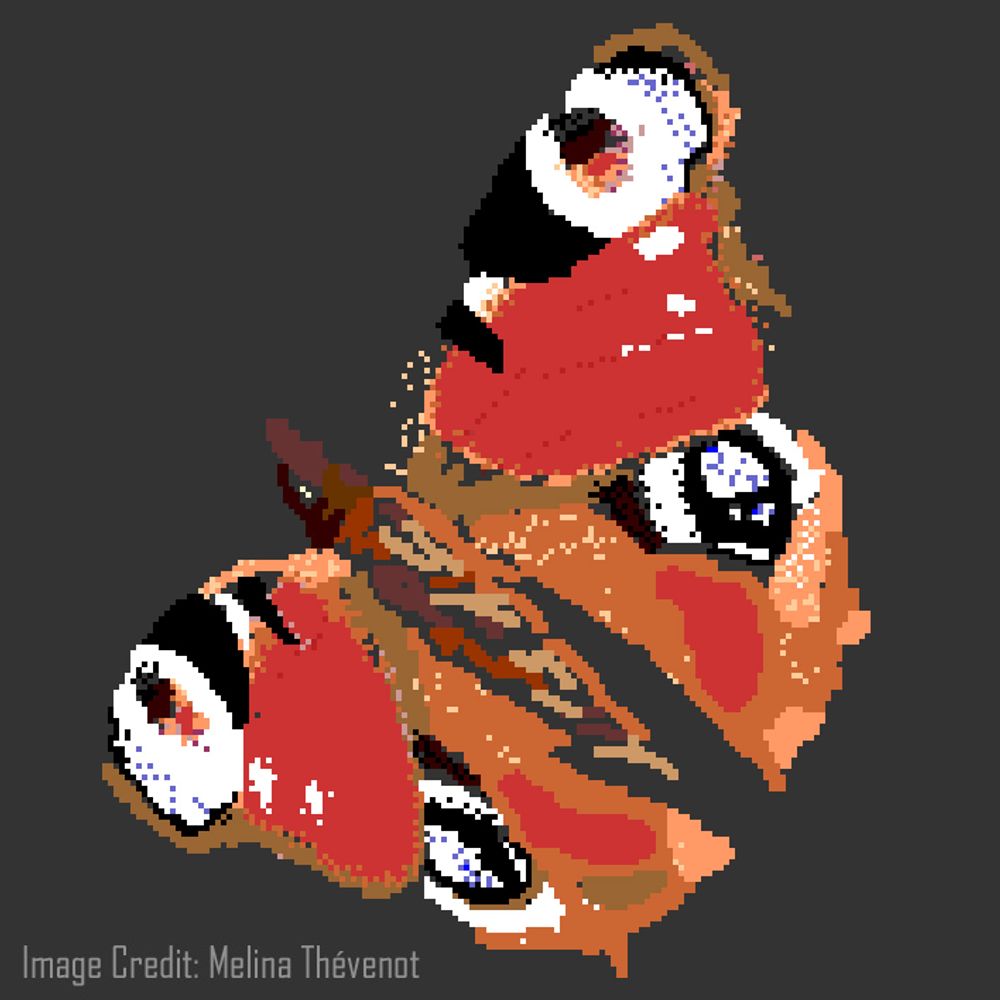
#Firework nebula (around GK Persei) with #KPNO 4-m telescope (image taken in February 2010). Hydrogen-alpha filter.
From NOIRLab image cutout: datalab.noirlab.edu/data-explorer
From NOIRLab image cutout: datalab.noirlab.edu/data-explorer

December 31, 2025 at 8:35 PM
#Firework nebula (around GK Persei) with #KPNO 4-m telescope (image taken in February 2010). Hydrogen-alpha filter.
From NOIRLab image cutout: datalab.noirlab.edu/data-explorer
From NOIRLab image cutout: datalab.noirlab.edu/data-explorer
From @noirlabastro.bsky.social: We had an incredible year of science and discovery at NOIRLab, and we’re celebrating by admiring some of our most dazzling stellar snapshots. #astronomy


December 31, 2025 at 6:53 PM
From @noirlabastro.bsky.social: We had an incredible year of science and discovery at NOIRLab, and we’re celebrating by admiring some of our most dazzling stellar snapshots. #astronomy

The best images from the cosmos in 2025: wow!
"The dark molecular cloud Chamaeleon I is the star-forming region that is closest to Earth and is part of the larger Chamaeleon Complex."
🧪 #Science #Astronomy
Behold the 10 Most Stunning #Space Images of 2025
www.scientificamerican.com/article/the-...
"The dark molecular cloud Chamaeleon I is the star-forming region that is closest to Earth and is part of the larger Chamaeleon Complex."
🧪 #Science #Astronomy
Behold the 10 Most Stunning #Space Images of 2025
www.scientificamerican.com/article/the-...

December 30, 2025 at 4:01 PM
The best images from the cosmos in 2025: wow!
"The dark molecular cloud Chamaeleon I is the star-forming region that is closest to Earth and is part of the larger Chamaeleon Complex."
🧪 #Science #Astronomy
Behold the 10 Most Stunning #Space Images of 2025
www.scientificamerican.com/article/the-...
"The dark molecular cloud Chamaeleon I is the star-forming region that is closest to Earth and is part of the larger Chamaeleon Complex."
🧪 #Science #Astronomy
Behold the 10 Most Stunning #Space Images of 2025
www.scientificamerican.com/article/the-...
Gemini South image of Arp 271, also known as NGC 5426 and NGC 5427.
This pair of galaxies are tugging on each other with gravity. We can see this interaction in the bridge of stars connecting the galaxies.
Credit: International Gemini Observatory, NOIRLab, NSF, AURA
Source
This pair of galaxies are tugging on each other with gravity. We can see this interaction in the bridge of stars connecting the galaxies.
Credit: International Gemini Observatory, NOIRLab, NSF, AURA
Source

January 1, 2026 at 12:31 PM
Gemini South image of Arp 271, also known as NGC 5426 and NGC 5427.
This pair of galaxies are tugging on each other with gravity. We can see this interaction in the bridge of stars connecting the galaxies.
Credit: International Gemini Observatory, NOIRLab, NSF, AURA
Source
This pair of galaxies are tugging on each other with gravity. We can see this interaction in the bridge of stars connecting the galaxies.
Credit: International Gemini Observatory, NOIRLab, NSF, AURA
Source

Hubble image of Arp 282, also known as NGC 169 and NGC 169A.
Interactions between the two galaxies create delicate streams that visibly link the pair.
Credit: ESA/Hubble & NASA, J. Dalcanton, Dark Energy Survey, DOE, FNAL/DECam, CTIO/NOIRLab/NSF/AURA, SDSS, J. Schmidt
Source
Interactions between the two galaxies create delicate streams that visibly link the pair.
Credit: ESA/Hubble & NASA, J. Dalcanton, Dark Energy Survey, DOE, FNAL/DECam, CTIO/NOIRLab/NSF/AURA, SDSS, J. Schmidt
Source

December 31, 2025 at 12:31 AM
Hubble image of Arp 282, also known as NGC 169 and NGC 169A.
Interactions between the two galaxies create delicate streams that visibly link the pair.
Credit: ESA/Hubble & NASA, J. Dalcanton, Dark Energy Survey, DOE, FNAL/DECam, CTIO/NOIRLab/NSF/AURA, SDSS, J. Schmidt
Source
Interactions between the two galaxies create delicate streams that visibly link the pair.
Credit: ESA/Hubble & NASA, J. Dalcanton, Dark Energy Survey, DOE, FNAL/DECam, CTIO/NOIRLab/NSF/AURA, SDSS, J. Schmidt
Source

I telescopi Gemini e Blanco svelano indizi sull'origine del più lungo lampo di raggi gamma mai osservato
@astronomia
I dati acquisiti con diverse strutture NSF NOIRLab indicano che un lampo di raggi gamma della durata di oltre sette ore proviene da una […]
[Original post on mastodon.uno]
@astronomia
I dati acquisiti con diverse strutture NSF NOIRLab indicano che un lampo di raggi gamma della durata di oltre sette ore proviene da una […]
[Original post on mastodon.uno]


December 30, 2025 at 4:43 PM
I telescopi Gemini e Blanco svelano indizi sull'origine del più lungo lampo di raggi gamma mai osservato
@astronomia
I dati acquisiti con diverse strutture NSF NOIRLab indicano che un lampo di raggi gamma della durata di oltre sette ore proviene da una […]
[Original post on mastodon.uno]
@astronomia
I dati acquisiti con diverse strutture NSF NOIRLab indicano che un lampo di raggi gamma della durata di oltre sette ore proviene da una […]
[Original post on mastodon.uno]
From @noirlabastro.bsky.social: This image reveals details in the outskirts of the Orion Nebula. The white-blue spots are clouds of gaseous iron ‘bullets’ being propelled at supersonic speeds from a region of massive star formation. #astronomy
📷: International Gemini Observatory/NOIRLab/NSF/AURA
📷: International Gemini Observatory/NOIRLab/NSF/AURA

December 29, 2025 at 3:34 PM
From @noirlabastro.bsky.social: This image reveals details in the outskirts of the Orion Nebula. The white-blue spots are clouds of gaseous iron ‘bullets’ being propelled at supersonic speeds from a region of massive star formation. #astronomy
📷: International Gemini Observatory/NOIRLab/NSF/AURA
📷: International Gemini Observatory/NOIRLab/NSF/AURA
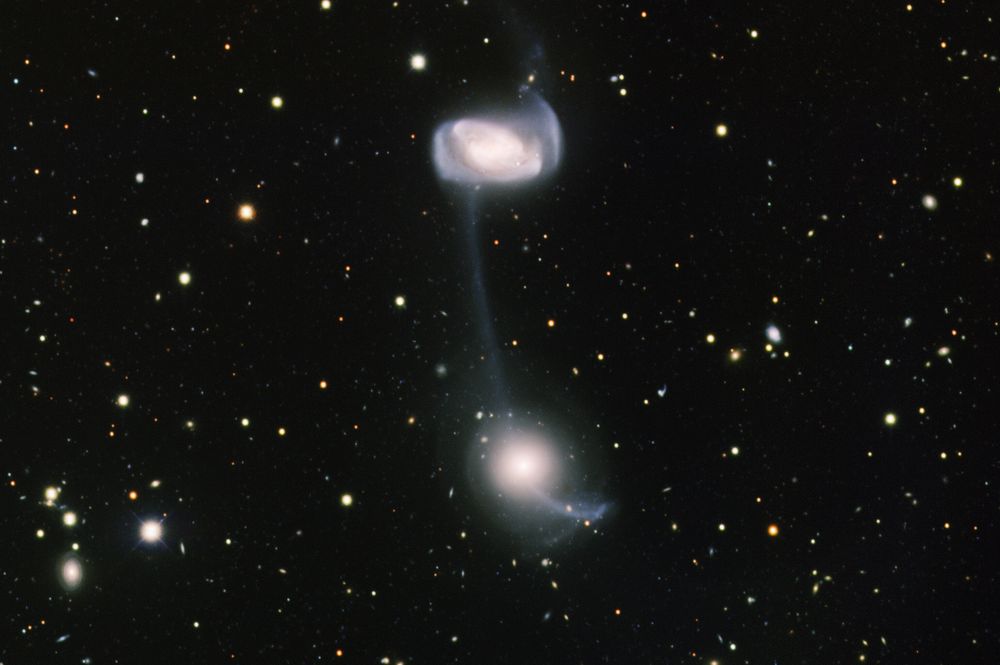
Kitt Peak National Observatory image of Arp 104, also known as NGC 5216 and NGC 5218, or Keenan’s System.
A bridge of stars and gas about 7,000 light years wide and 150,000 light years long connects the two galaxies.
Credit: NOIRLab, NSF, AURA, T.A. Rector, H. Schweiker
Source
A bridge of stars and gas about 7,000 light years wide and 150,000 light years long connects the two galaxies.
Credit: NOIRLab, NSF, AURA, T.A. Rector, H. Schweiker
Source
December 29, 2025 at 12:31 AM
Kitt Peak National Observatory image of Arp 104, also known as NGC 5216 and NGC 5218, or Keenan’s System.
A bridge of stars and gas about 7,000 light years wide and 150,000 light years long connects the two galaxies.
Credit: NOIRLab, NSF, AURA, T.A. Rector, H. Schweiker
Source
A bridge of stars and gas about 7,000 light years wide and 150,000 light years long connects the two galaxies.
Credit: NOIRLab, NSF, AURA, T.A. Rector, H. Schweiker
Source
This is NGC 2264, also called the "Christmas Tree Cluster." It's a cluster of young stars about 2,500 light years away.
They were 'born' during the Pliocene Epoch (2-5 MYA), about the same time as early hominids like Ardipithecus or Homo habilis, so they're barely older than humanity.
🎄💫🔭
They were 'born' during the Pliocene Epoch (2-5 MYA), about the same time as early hominids like Ardipithecus or Homo habilis, so they're barely older than humanity.
🎄💫🔭

December 25, 2025 at 1:18 PM
This is NGC 2264, also called the "Christmas Tree Cluster." It's a cluster of young stars about 2,500 light years away.
They were 'born' during the Pliocene Epoch (2-5 MYA), about the same time as early hominids like Ardipithecus or Homo habilis, so they're barely older than humanity.
🎄💫🔭
They were 'born' during the Pliocene Epoch (2-5 MYA), about the same time as early hominids like Ardipithecus or Homo habilis, so they're barely older than humanity.
🎄💫🔭