


New Research Article published in OPal 🔬
Respiratory structures in cornute stylophorans (Echinodermata)
By Christophe Dupichaud, Bertrand Lefebvre, Ninon Allaire, Enzo Birolini, Malo Meyruey, and Martina Nohejlová
www.openpalaeo.org/article/view...
Respiratory structures in cornute stylophorans (Echinodermata)
By Christophe Dupichaud, Bertrand Lefebvre, Ninon Allaire, Enzo Birolini, Malo Meyruey, and Martina Nohejlová
www.openpalaeo.org/article/view...
February 18, 2026 at 5:39 AM
New Research Article published in OPal 🔬
Respiratory structures in cornute stylophorans (Echinodermata)
By Christophe Dupichaud, Bertrand Lefebvre, Ninon Allaire, Enzo Birolini, Malo Meyruey, and Martina Nohejlová
www.openpalaeo.org/article/view...
Respiratory structures in cornute stylophorans (Echinodermata)
By Christophe Dupichaud, Bertrand Lefebvre, Ninon Allaire, Enzo Birolini, Malo Meyruey, and Martina Nohejlová
www.openpalaeo.org/article/view...
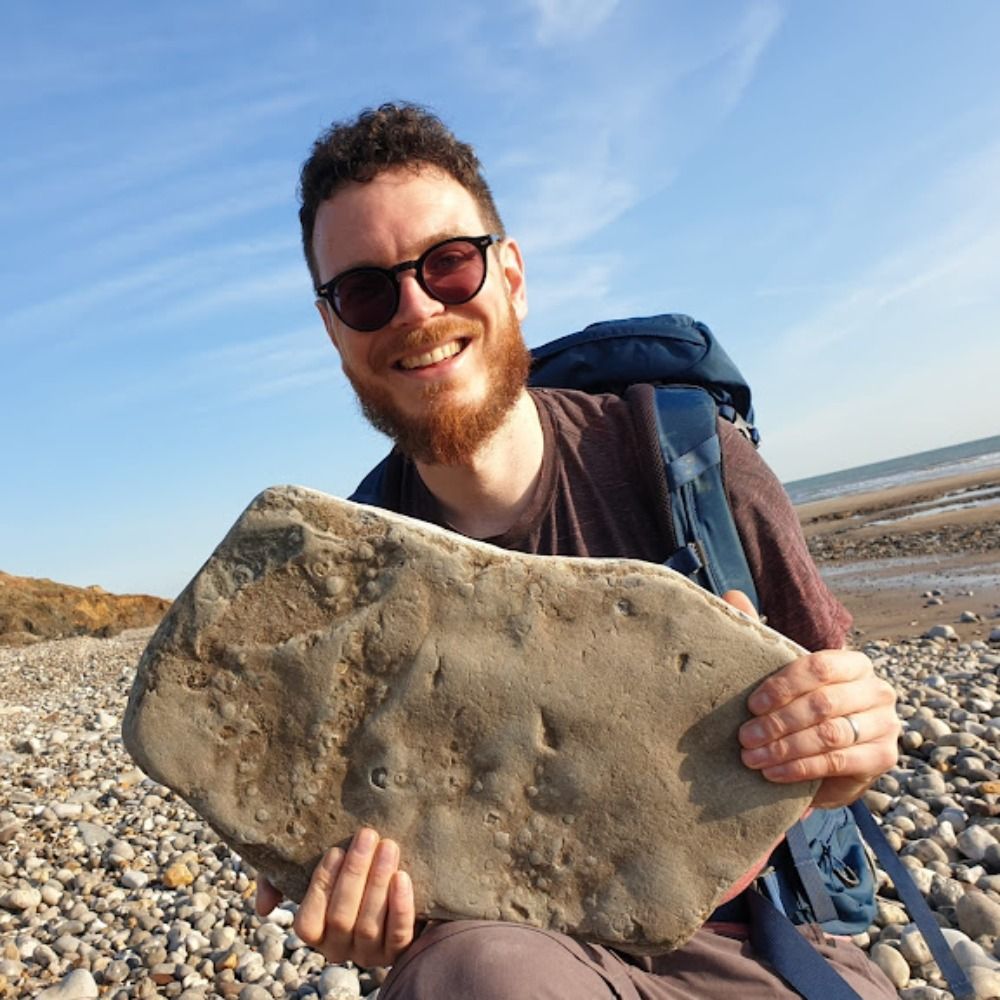
Respiratory structures in cornute stylophorans (Echinodermata)
doi.org/10.26034/la....
As always, published free (no page fees or OA costs) and free to read courtesy of @openpalaeo.bsky.social
#DiamondOA
doi.org/10.26034/la....
As always, published free (no page fees or OA costs) and free to read courtesy of @openpalaeo.bsky.social
#DiamondOA

February 17, 2026 at 8:38 PM
Respiratory structures in cornute stylophorans (Echinodermata)
doi.org/10.26034/la....
As always, published free (no page fees or OA costs) and free to read courtesy of @openpalaeo.bsky.social
#DiamondOA
doi.org/10.26034/la....
As always, published free (no page fees or OA costs) and free to read courtesy of @openpalaeo.bsky.social
#DiamondOA
Phylogenomics of extant Crinoidea (Echinodermata) reveals extensive morphological homoplasies and a Permian origin | Royal Society Open Science royalsocietypublishing.org/rsos/article...

Phylogenomics of extant Crinoidea (Echinodermata) reveals extensive morphological homoplasies and a Permian origin
Abstract. Crinoids have Ordovician origins and are unique among living echinoderms in their attachment to the substrate. Most diversity is within Comatulid
royalsocietypublishing.org
February 11, 2026 at 1:36 PM
Phylogenomics of extant Crinoidea (Echinodermata) reveals extensive morphological homoplasies and a Permian origin | Royal Society Open Science royalsocietypublishing.org/rsos/article...
Rouse et al. (2026-02, Royal Society Open Science)(オープンアクセス open access)
「現生のウミユリ類(棘皮動物)のゲノム系統学により,広範な形態的同形形質およびペルム紀の起源が明らかになる」
Phylogenomics of extant Crinoidea (Echinodermata) reveals extensive morphological homoplasies and a Permian origin
doi.org/10.1098/rsos...
「現生のウミユリ類(棘皮動物)のゲノム系統学により,広範な形態的同形形質およびペルム紀の起源が明らかになる」
Phylogenomics of extant Crinoidea (Echinodermata) reveals extensive morphological homoplasies and a Permian origin
doi.org/10.1098/rsos...


February 11, 2026 at 7:00 AM
Rouse et al. (2026-02, Royal Society Open Science)(オープンアクセス open access)
「現生のウミユリ類(棘皮動物)のゲノム系統学により,広範な形態的同形形質およびペルム紀の起源が明らかになる」
Phylogenomics of extant Crinoidea (Echinodermata) reveals extensive morphological homoplasies and a Permian origin
doi.org/10.1098/rsos...
「現生のウミユリ類(棘皮動物)のゲノム系統学により,広範な形態的同形形質およびペルム紀の起源が明らかになる」
Phylogenomics of extant Crinoidea (Echinodermata) reveals extensive morphological homoplasies and a Permian origin
doi.org/10.1098/rsos...

📄Now published in Historical Biology: "Morphometric study and taxonomic revision of Metopaster species (Asteroidea, Echinodermata) from the Coniacian-Campanian of Northern
Aquitaine" by Loïc Villier, Jérémie Bardin, Marine Fau, Anaïs Salone & Angélique Veysseyre
👇
www.tandfonline.com/doi/full/10....
Aquitaine" by Loïc Villier, Jérémie Bardin, Marine Fau, Anaïs Salone & Angélique Veysseyre
👇
www.tandfonline.com/doi/full/10....

Morphometric study and taxonomic revision of Metopaster species (Asteroidea, Echinodermata) from the Coniacian-Campanian of Northern Aquitaine
Isolated ossicles of sea stars are commonly collected in the Santonian-Campanian series of northern Aquitaine. The most prominent elements are the marginal ossicles of Metopaster, and especially th...
www.tandfonline.com
February 10, 2026 at 9:45 AM
📄Now published in Historical Biology: "Morphometric study and taxonomic revision of Metopaster species (Asteroidea, Echinodermata) from the Coniacian-Campanian of Northern
Aquitaine" by Loïc Villier, Jérémie Bardin, Marine Fau, Anaïs Salone & Angélique Veysseyre
👇
www.tandfonline.com/doi/full/10....
Aquitaine" by Loïc Villier, Jérémie Bardin, Marine Fau, Anaïs Salone & Angélique Veysseyre
👇
www.tandfonline.com/doi/full/10....
Uma fauna de estrelas-do-mar (Asteroidea, Echinodermata) excepcionalmente bem preservada do Mioceno Inicial do sudeste da França sjp.pensoft.net/article/1803...

An exceptionally well-preserved starfish fauna (Asteroidea, Echinodermata) from the Early Miocene of southeastern France
A new starfish fauna from the Late Burdigalian (Early Miocene) of the Apt basin (Rhodano-Provençal gulf, southeastern France) is described here. This new starfish fauna comes from accumulation levels ...
sjp.pensoft.net
February 4, 2026 at 1:54 AM
Uma fauna de estrelas-do-mar (Asteroidea, Echinodermata) excepcionalmente bem preservada do Mioceno Inicial do sudeste da França sjp.pensoft.net/article/1803...
Waters & Bradford Macurda (2026-02, Journal of Paleontology)(オープンアクセス open access)
「ウミツボミ綱(棘皮動物)の新たな上目区分の鍵としての呼吸器系」
Respiratory systems as a key to a new superorder division of the class Blastoidea (Echinodermata)
doi.org/10.1017/jpa....
「ウミツボミ綱(棘皮動物)の新たな上目区分の鍵としての呼吸器系」
Respiratory systems as a key to a new superorder division of the class Blastoidea (Echinodermata)
doi.org/10.1017/jpa....

February 2, 2026 at 11:26 AM
Waters & Bradford Macurda (2026-02, Journal of Paleontology)(オープンアクセス open access)
「ウミツボミ綱(棘皮動物)の新たな上目区分の鍵としての呼吸器系」
Respiratory systems as a key to a new superorder division of the class Blastoidea (Echinodermata)
doi.org/10.1017/jpa....
「ウミツボミ綱(棘皮動物)の新たな上目区分の鍵としての呼吸器系」
Respiratory systems as a key to a new superorder division of the class Blastoidea (Echinodermata)
doi.org/10.1017/jpa....

Ophiocoma echinata
Das ist eine Schlangensternart. Wusste ich bis eben auch nicht, dass das gar keine Seesterne sind, sondern eine andere, eigene Klasse innerhalb des Stammes der Stachelhäuter (Echinodermata)😮
Das ist eine Schlangensternart. Wusste ich bis eben auch nicht, dass das gar keine Seesterne sind, sondern eine andere, eigene Klasse innerhalb des Stammes der Stachelhäuter (Echinodermata)😮

January 16, 2026 at 6:36 PM
Ophiocoma echinata
Das ist eine Schlangensternart. Wusste ich bis eben auch nicht, dass das gar keine Seesterne sind, sondern eine andere, eigene Klasse innerhalb des Stammes der Stachelhäuter (Echinodermata)😮
Das ist eine Schlangensternart. Wusste ich bis eben auch nicht, dass das gar keine Seesterne sind, sondern eine andere, eigene Klasse innerhalb des Stammes der Stachelhäuter (Echinodermata)😮
Estudo morfométrico e revisão taxonômica de espécies de Metopaster (Asteroidea, Echinodermata) do Coniaciano-Campaniano do norte da Aquitânia www.tandfonline.com/doi/full/10....

Morphometric study and taxonomic revision of Metopaster species (Asteroidea, Echinodermata) from the Coniacian-Campanian of Northern Aquitaine
Isolated ossicles of sea stars are commonly collected in the Santonian-Campanian series of northern Aquitaine. The most prominent elements are the marginal ossicles of Metopaster, and especially th...
www.tandfonline.com
January 15, 2026 at 3:02 PM
Estudo morfométrico e revisão taxonômica de espécies de Metopaster (Asteroidea, Echinodermata) do Coniaciano-Campaniano do norte da Aquitânia www.tandfonline.com/doi/full/10....
El Holopneustes inflatus es un erizo de mar de espinas cortas que suele envolver con el quelpo Ecklonia radiata, del que se alimenta. 📷Felix Harper #echinodermata

January 13, 2026 at 8:07 PM
El Holopneustes inflatus es un erizo de mar de espinas cortas que suele envolver con el quelpo Ecklonia radiata, del que se alimenta. 📷Felix Harper #echinodermata

Not a single mention of any of the classes of echinodermata? I'm so saddened by that. 😭
January 2, 2026 at 5:24 PM
Not a single mention of any of the classes of echinodermata? I'm so saddened by that. 😭
However, here are some of them that did scan well that never made it onto the Tumblr, as a treat!
(Read the alt-texts for some FT-inspired descriptions)
(Read the alt-texts for some FT-inspired descriptions)


January 2, 2026 at 5:22 AM
However, here are some of them that did scan well that never made it onto the Tumblr, as a treat!
(Read the alt-texts for some FT-inspired descriptions)
(Read the alt-texts for some FT-inspired descriptions)

Echinodermata

December 26, 2025 at 3:45 PM
Echinodermata
El pepino de mar Neoamphicyclus mutans se entierra en los sedimentos bajo las rocas en las costas del sur de Australia y Nueva Zelanda. Por eso, tanto por estar escondido como por medir 5 cm, es difícil de encontrar. Se podría decir...que no se ve un carajo 😎. 📷Leon Altoff #echinodermata

December 20, 2025 at 8:45 PM
El pepino de mar Neoamphicyclus mutans se entierra en los sedimentos bajo las rocas en las costas del sur de Australia y Nueva Zelanda. Por eso, tanto por estar escondido como por medir 5 cm, es difícil de encontrar. Se podría decir...que no se ve un carajo 😎. 📷Leon Altoff #echinodermata

Dr. Stanton G. Belford will be joining us for our January #SICB zoom
www.stantonbelford.com
He is one of 2024's BIMS authors of
doi.org/10.1093/icb/...
Email sicbmedia@sicb.org to receive the link for
January 20th
at 12 noon est.
#biologist #science #scientists #Echinodermata
www.stantonbelford.com
He is one of 2024's BIMS authors of
doi.org/10.1093/icb/...
Email sicbmedia@sicb.org to receive the link for
January 20th
at 12 noon est.
#biologist #science #scientists #Echinodermata

December 19, 2025 at 12:53 PM
Dr. Stanton G. Belford will be joining us for our January #SICB zoom
www.stantonbelford.com
He is one of 2024's BIMS authors of
doi.org/10.1093/icb/...
Email sicbmedia@sicb.org to receive the link for
January 20th
at 12 noon est.
#biologist #science #scientists #Echinodermata
www.stantonbelford.com
He is one of 2024's BIMS authors of
doi.org/10.1093/icb/...
Email sicbmedia@sicb.org to receive the link for
January 20th
at 12 noon est.
#biologist #science #scientists #Echinodermata

Yes, for even the echinodermata hads bilateralism, unlike many today, if anys. The oldest one is a one they only have the trace fossils for, small worms under the bug matts, consuming bacterial poop maybe, or whatever lay under the bacterial matts, tearing them up, eating rangeomorphs, worm world.
December 18, 2025 at 4:29 AM
Yes, for even the echinodermata hads bilateralism, unlike many today, if anys. The oldest one is a one they only have the trace fossils for, small worms under the bug matts, consuming bacterial poop maybe, or whatever lay under the bacterial matts, tearing them up, eating rangeomorphs, worm world.
Cambrian bilateral echinodermata. Hard to reconstruct these from fossils I expect. Be really interested in starfishies.

December 18, 2025 at 12:38 AM
Cambrian bilateral echinodermata. Hard to reconstruct these from fossils I expect. Be really interested in starfishies.
And very old! Much unchained too, when you think about the rare vertebrate in the Cambrian, and the prolific numbers of echinodermata and related organisms in the Cambrian seas, even many now extinct bilateral species and I guess you'd call them extinct phyla when that far, we are one fish species!
December 17, 2025 at 7:43 AM
And very old! Much unchained too, when you think about the rare vertebrate in the Cambrian, and the prolific numbers of echinodermata and related organisms in the Cambrian seas, even many now extinct bilateral species and I guess you'd call them extinct phyla when that far, we are one fish species!
Comatulella brachiolata no es una estrella de mar ni una ofiura, ambas del subfilo Asterozoa, pero sí es un equinodermo, concretamente un crinoideo que como adulto no tiene tallo.📷Jade annise #echinodermata

December 14, 2025 at 8:02 PM
Comatulella brachiolata no es una estrella de mar ni una ofiura, ambas del subfilo Asterozoa, pero sí es un equinodermo, concretamente un crinoideo que como adulto no tiene tallo.📷Jade annise #echinodermata
El Arbacia nigra es un erizo herbívoro que se alimenta del quelpo Lessonia trabeculata, especialmente los jóvenes, por lo que puede tener un impacto en su población. Se caracteriza por tener una cara plana y otra abovedada. 📷Calo Calvo Mac #echinodermata

December 10, 2025 at 8:16 PM
El Arbacia nigra es un erizo herbívoro que se alimenta del quelpo Lessonia trabeculata, especialmente los jóvenes, por lo que puede tener un impacto en su población. Se caracteriza por tener una cara plana y otra abovedada. 📷Calo Calvo Mac #echinodermata
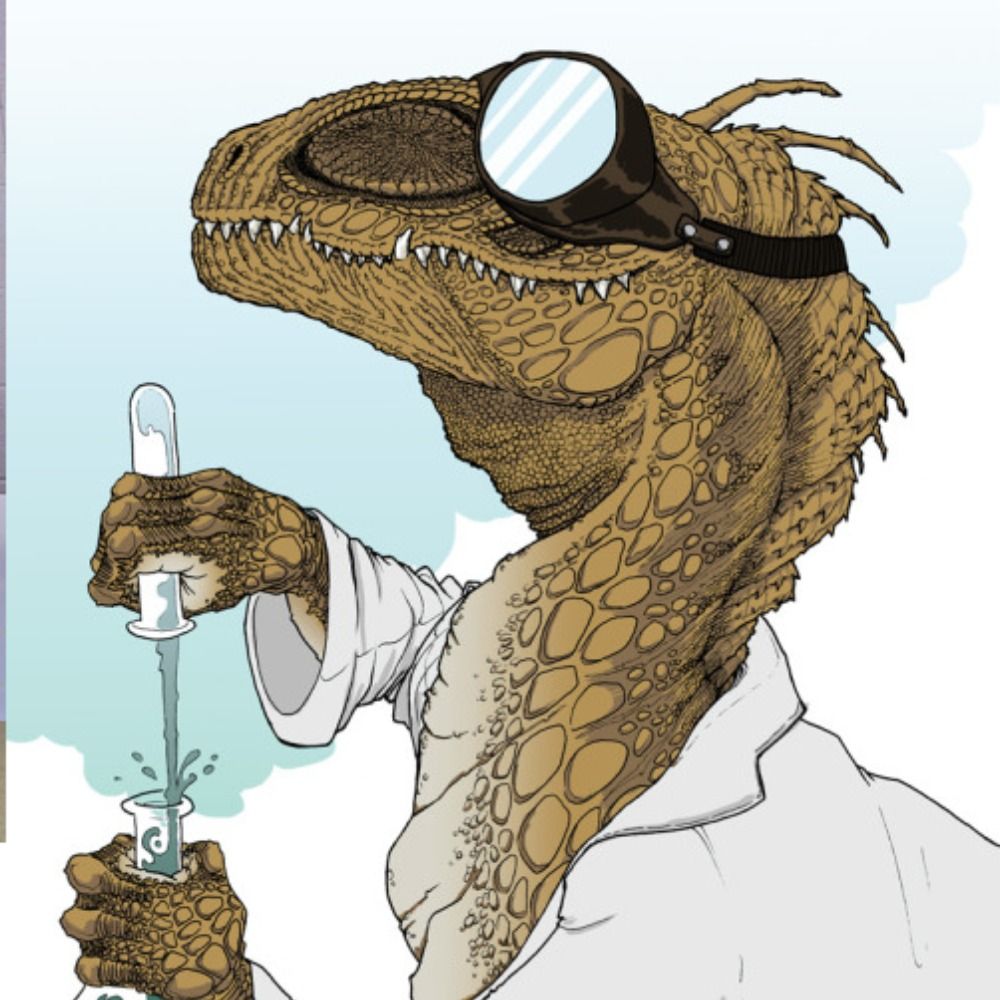
What could have happened: the descendants of Atlascystis stopped making TRUNKS & focused on making radial ARMS.
There are examples of asymmetric, three-fold & five-fold symmetric species in this grouping.
Here's how I'm choosing to visualize it:
Imagine if human babies never got bigger trunks...
There are examples of asymmetric, three-fold & five-fold symmetric species in this grouping.
Here's how I'm choosing to visualize it:
Imagine if human babies never got bigger trunks...

December 10, 2025 at 3:24 PM
What could have happened: the descendants of Atlascystis stopped making TRUNKS & focused on making radial ARMS.
There are examples of asymmetric, three-fold & five-fold symmetric species in this grouping.
Here's how I'm choosing to visualize it:
Imagine if human babies never got bigger trunks...
There are examples of asymmetric, three-fold & five-fold symmetric species in this grouping.
Here's how I'm choosing to visualize it:
Imagine if human babies never got bigger trunks...
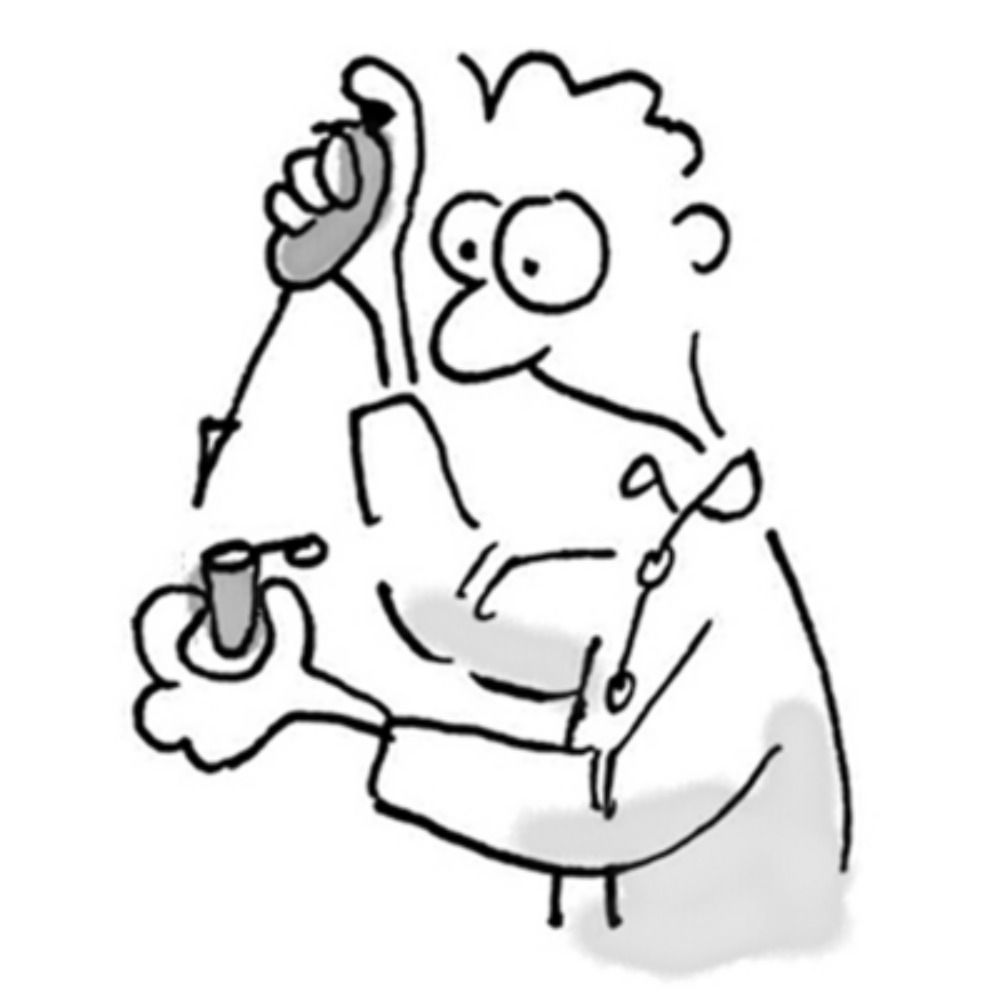
Von wegen „kopflos“!
Neue Transkriptomdaten bringen neue Erkentnisse zum reichlich komplexen Nervensystem der #Stachelhäuter! Mehr dazu im Editorial von Larissa Tetsch:
www.laborjournal.de/editorials/3...
#laborjournal #lifesciences #echinodermata #seeigel #evolutionsbiologie
Neue Transkriptomdaten bringen neue Erkentnisse zum reichlich komplexen Nervensystem der #Stachelhäuter! Mehr dazu im Editorial von Larissa Tetsch:
www.laborjournal.de/editorials/3...
#laborjournal #lifesciences #echinodermata #seeigel #evolutionsbiologie


December 10, 2025 at 11:25 AM
Von wegen „kopflos“!
Neue Transkriptomdaten bringen neue Erkentnisse zum reichlich komplexen Nervensystem der #Stachelhäuter! Mehr dazu im Editorial von Larissa Tetsch:
www.laborjournal.de/editorials/3...
#laborjournal #lifesciences #echinodermata #seeigel #evolutionsbiologie
Neue Transkriptomdaten bringen neue Erkentnisse zum reichlich komplexen Nervensystem der #Stachelhäuter! Mehr dazu im Editorial von Larissa Tetsch:
www.laborjournal.de/editorials/3...
#laborjournal #lifesciences #echinodermata #seeigel #evolutionsbiologie
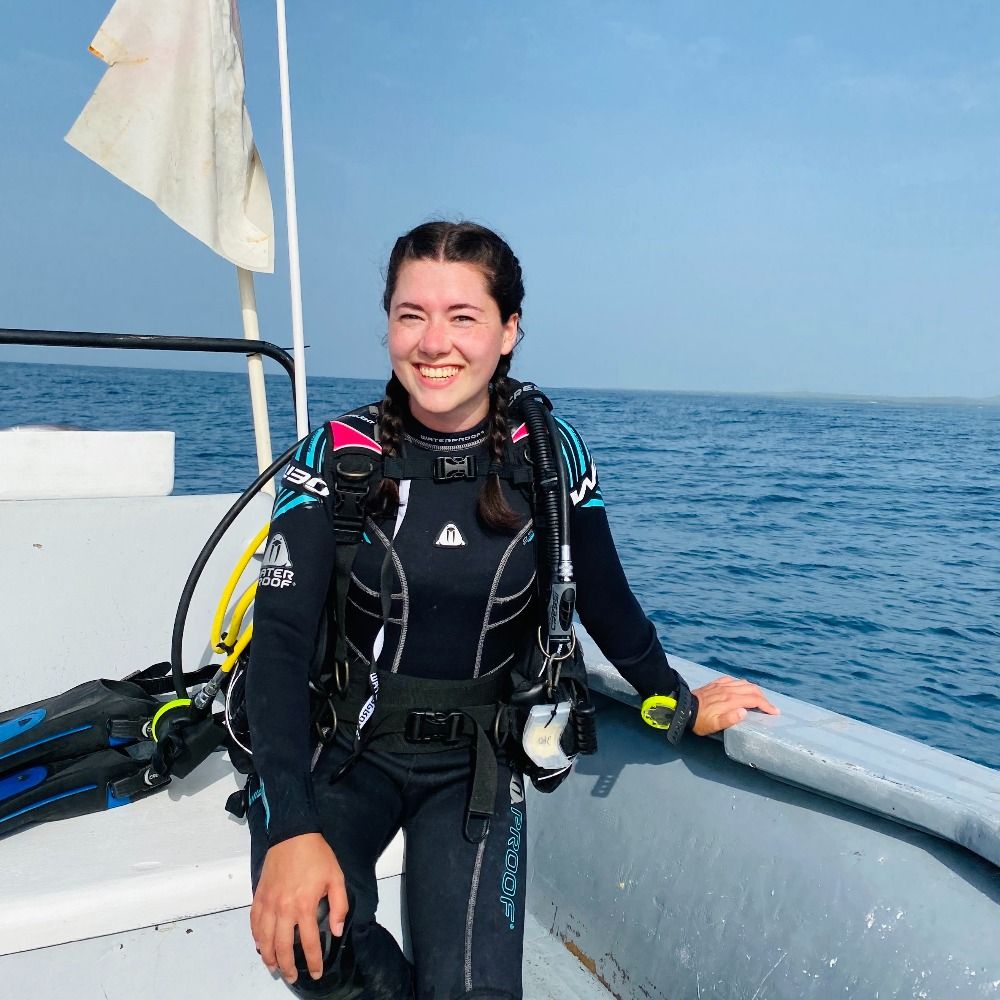
🌊 Phylum Friday: Echinodermata - Urchins!! 🌊 While they may look scary, sea urchins are slow-moving herbivores that eat kelp and other algae. Urchins typically hide from light using their tube feet to hold on to shells, algae and detritus for shade and extra protection from predators!


December 5, 2025 at 5:14 PM
🌊 Phylum Friday: Echinodermata - Urchins!! 🌊 While they may look scary, sea urchins are slow-moving herbivores that eat kelp and other algae. Urchins typically hide from light using their tube feet to hold on to shells, algae and detritus for shade and extra protection from predators!
#ThursdayThrowback: Carter & White present an illustrated catalogue of Forcipulatacea specimens from the Natural History Museum, London- sea stars (Asteroidea, Echinodermata) distinguished by their unique pedicellariae.
Read the study here: buff.ly/Gj82HiT #seastar #biodiversity #collections #NHM
Read the study here: buff.ly/Gj82HiT #seastar #biodiversity #collections #NHM

December 4, 2025 at 8:00 AM
#ThursdayThrowback: Carter & White present an illustrated catalogue of Forcipulatacea specimens from the Natural History Museum, London- sea stars (Asteroidea, Echinodermata) distinguished by their unique pedicellariae.
Read the study here: buff.ly/Gj82HiT #seastar #biodiversity #collections #NHM
Read the study here: buff.ly/Gj82HiT #seastar #biodiversity #collections #NHM
El erizo corazón norteño (Brisaster latifrons) es un erizo del mar del barro cuya forma que le da nombre y sus espinas dispuestas tangencialmente le ayudan a enterrarse en el fondo marino. 📷Instituto Hakai #echinodermata

December 2, 2025 at 8:01 PM
El erizo corazón norteño (Brisaster latifrons) es un erizo del mar del barro cuya forma que le da nombre y sus espinas dispuestas tangencialmente le ayudan a enterrarse en el fondo marino. 📷Instituto Hakai #echinodermata