


⚡ RESEARCH SPOTLIGHT⚡
Alice Clark, PhD research student at the University of Sussex is our Sea-SI investigator! She is involved in 2 areas of biodiversity research: Baited Underwater Remote Video systems (BRUVs) & Environmental DNA (eDNA) analysis & so far has found more than 80 species in our seas!
Alice Clark, PhD research student at the University of Sussex is our Sea-SI investigator! She is involved in 2 areas of biodiversity research: Baited Underwater Remote Video systems (BRUVs) & Environmental DNA (eDNA) analysis & so far has found more than 80 species in our seas!
October 8, 2025 at 7:31 AM
⚡ RESEARCH SPOTLIGHT⚡
Alice Clark, PhD research student at the University of Sussex is our Sea-SI investigator! She is involved in 2 areas of biodiversity research: Baited Underwater Remote Video systems (BRUVs) & Environmental DNA (eDNA) analysis & so far has found more than 80 species in our seas!
Alice Clark, PhD research student at the University of Sussex is our Sea-SI investigator! She is involved in 2 areas of biodiversity research: Baited Underwater Remote Video systems (BRUVs) & Environmental DNA (eDNA) analysis & so far has found more than 80 species in our seas!
Lights, camera… science! BRUVs (Baited Remote Underwater Video systems) let us spy on the ocean’s wild side—no scuba required. With a baited lens and standardized setup, we capture who shows up, how many, and what they’re doing, all without disturbing the scene.
May 14, 2025 at 5:49 PM
Lights, camera… science! BRUVs (Baited Remote Underwater Video systems) let us spy on the ocean’s wild side—no scuba required. With a baited lens and standardized setup, we capture who shows up, how many, and what they’re doing, all without disturbing the scene.

The marginal sight of Adelie penguins swimming Antarctica.. we install this 66 non intrusive baited remote underwater camera video systems (BRUVS) as part of a long term plan to monitor the health of the ocean in this area.
🌡 warning shorten winter sea ice cover..🐧penguins, wales and seals eat krill
🌡 warning shorten winter sea ice cover..🐧penguins, wales and seals eat krill
July 11, 2025 at 4:34 PM
The marginal sight of Adelie penguins swimming Antarctica.. we install this 66 non intrusive baited remote underwater camera video systems (BRUVS) as part of a long term plan to monitor the health of the ocean in this area.
🌡 warning shorten winter sea ice cover..🐧penguins, wales and seals eat krill
🌡 warning shorten winter sea ice cover..🐧penguins, wales and seals eat krill
#BRUVS Baited Remote Underwater Video Systems are particularly suitable for #conservation research, such as monitoring of #MPAs, since they are non-invasive and relatively low-cost and create a permanent record 🦑🌍
November 4, 2024 at 9:09 PM
#BRUVS Baited Remote Underwater Video Systems are particularly suitable for #conservation research, such as monitoring of #MPAs, since they are non-invasive and relatively low-cost and create a permanent record 🦑🌍
In the ocean, we call this a "Baited Underwater Video System," or BRUVS. Check out @globalfinprint for great videos of this in action.
December 14, 2024 at 7:20 PM
In the ocean, we call this a "Baited Underwater Video System," or BRUVS. Check out @globalfinprint for great videos of this in action.

📖Published📖
In this paper, Sajtovich et al. outlines the technical specifications for BRUVS-Lite, an open-source, user-friendly, cost-effective stereo-Baited Remote Underwater Video Systems with integrated lights engineered to deliver high-quality underwater imagery 📹 🌊
buff.ly/1bqCRRx
In this paper, Sajtovich et al. outlines the technical specifications for BRUVS-Lite, an open-source, user-friendly, cost-effective stereo-Baited Remote Underwater Video Systems with integrated lights engineered to deliver high-quality underwater imagery 📹 🌊
buff.ly/1bqCRRx

September 19, 2025 at 8:15 AM
📖Published📖
In this paper, Sajtovich et al. outlines the technical specifications for BRUVS-Lite, an open-source, user-friendly, cost-effective stereo-Baited Remote Underwater Video Systems with integrated lights engineered to deliver high-quality underwater imagery 📹 🌊
buff.ly/1bqCRRx
In this paper, Sajtovich et al. outlines the technical specifications for BRUVS-Lite, an open-source, user-friendly, cost-effective stereo-Baited Remote Underwater Video Systems with integrated lights engineered to deliver high-quality underwater imagery 📹 🌊
buff.ly/1bqCRRx
🧪 The #KelpSummit2025 welcomes PhD student Alice Clark at @sussex.ac.uk to give an update of Biodiversity beyond the byelaw using environmental DNA and Baited Remote Underwater Video Systems (BRUVS).
#Kelp #HelpOurKelp #SussexKelp #AttenboroughCentre #sussex_ifca #zsl #qmul #universityofsussex
#Kelp #HelpOurKelp #SussexKelp #AttenboroughCentre #sussex_ifca #zsl #qmul #universityofsussex

April 2, 2025 at 11:00 AM
🧪 The #KelpSummit2025 welcomes PhD student Alice Clark at @sussex.ac.uk to give an update of Biodiversity beyond the byelaw using environmental DNA and Baited Remote Underwater Video Systems (BRUVS).
#Kelp #HelpOurKelp #SussexKelp #AttenboroughCentre #sussex_ifca #zsl #qmul #universityofsussex
#Kelp #HelpOurKelp #SussexKelp #AttenboroughCentre #sussex_ifca #zsl #qmul #universityofsussex
Wow, check out the stripes on this tiger shark, seen as part of the #CocosGalapagosExpedition ! The tool being used here is a BRUVS, baited underwater video system- like a camera trap but underwater! https://t.co/rL6SpO3QHu
December 2, 2024 at 12:03 AM
Wow, check out the stripes on this tiger shark, seen as part of the #CocosGalapagosExpedition ! The tool being used here is a BRUVS, baited underwater video system- like a camera trap but underwater! https://t.co/rL6SpO3QHu
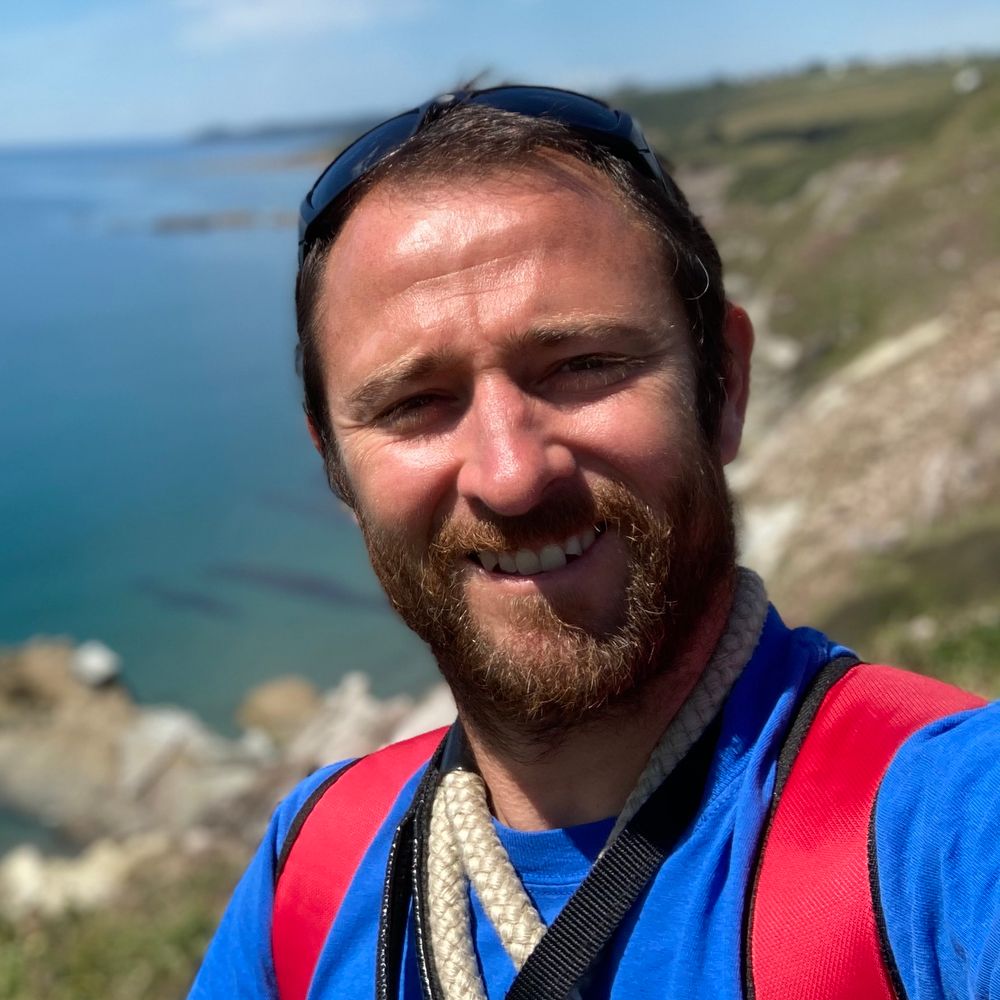
A little more #sharkscience from my #PhD at @one-cardiffuni.bsky.social - a Short Communication published in Marine Biodiversity by @springernature.com.
A fortuitous finding from #BRUVS sampling in #CardiganBay Special Area of Conservation in the UK - a #piebald leucistic smallspotted #catshark.
A fortuitous finding from #BRUVS sampling in #CardiganBay Special Area of Conservation in the UK - a #piebald leucistic smallspotted #catshark.

November 25, 2025 at 10:47 AM
A little more #sharkscience from my #PhD at @one-cardiffuni.bsky.social - a Short Communication published in Marine Biodiversity by @springernature.com.
A fortuitous finding from #BRUVS sampling in #CardiganBay Special Area of Conservation in the UK - a #piebald leucistic smallspotted #catshark.
A fortuitous finding from #BRUVS sampling in #CardiganBay Special Area of Conservation in the UK - a #piebald leucistic smallspotted #catshark.
People behind the Project: 'Roll out the Researchers': Alice Clark, a PhD student at University of Sussex whose research focuses on monitoring biodiversity along the Sussex coastline using Baited Remote Underwater Videos (BRUVs) and environmental DNA.
Alice's favourite kelp creature...the stingray
Alice's favourite kelp creature...the stingray


October 4, 2025 at 8:30 AM
People behind the Project: 'Roll out the Researchers': Alice Clark, a PhD student at University of Sussex whose research focuses on monitoring biodiversity along the Sussex coastline using Baited Remote Underwater Videos (BRUVs) and environmental DNA.
Alice's favourite kelp creature...the stingray
Alice's favourite kelp creature...the stingray

Welcome to the Marine Futures Lab Bluesky page! We are a marine ecology lab using Baited Remote Underwater Video Systems (BRUVS) to study marine wildlife, gathering data on diversity, distribution, abundance, size and behaviour. Follow us for updates on our research!🎥🐟

January 31, 2025 at 3:06 AM
Welcome to the Marine Futures Lab Bluesky page! We are a marine ecology lab using Baited Remote Underwater Video Systems (BRUVS) to study marine wildlife, gathering data on diversity, distribution, abundance, size and behaviour. Follow us for updates on our research!🎥🐟

Meet the team at #URIGSO developing #BRUVs—Baited Remote Underwater Video systems—designed to make deep-sea shark research more accessible! The technology allows scientists to capture footage of elusive deep-sea sharks without requiring complex infrastructure. 🦈 🌊 🦑 🧪
📹: buff.ly/4ihuM2N
📹: buff.ly/4ihuM2N

February 28, 2025 at 4:27 PM
Meet the team at #URIGSO developing #BRUVs—Baited Remote Underwater Video systems—designed to make deep-sea shark research more accessible! The technology allows scientists to capture footage of elusive deep-sea sharks without requiring complex infrastructure. 🦈 🌊 🦑 🧪
📹: buff.ly/4ihuM2N
📹: buff.ly/4ihuM2N
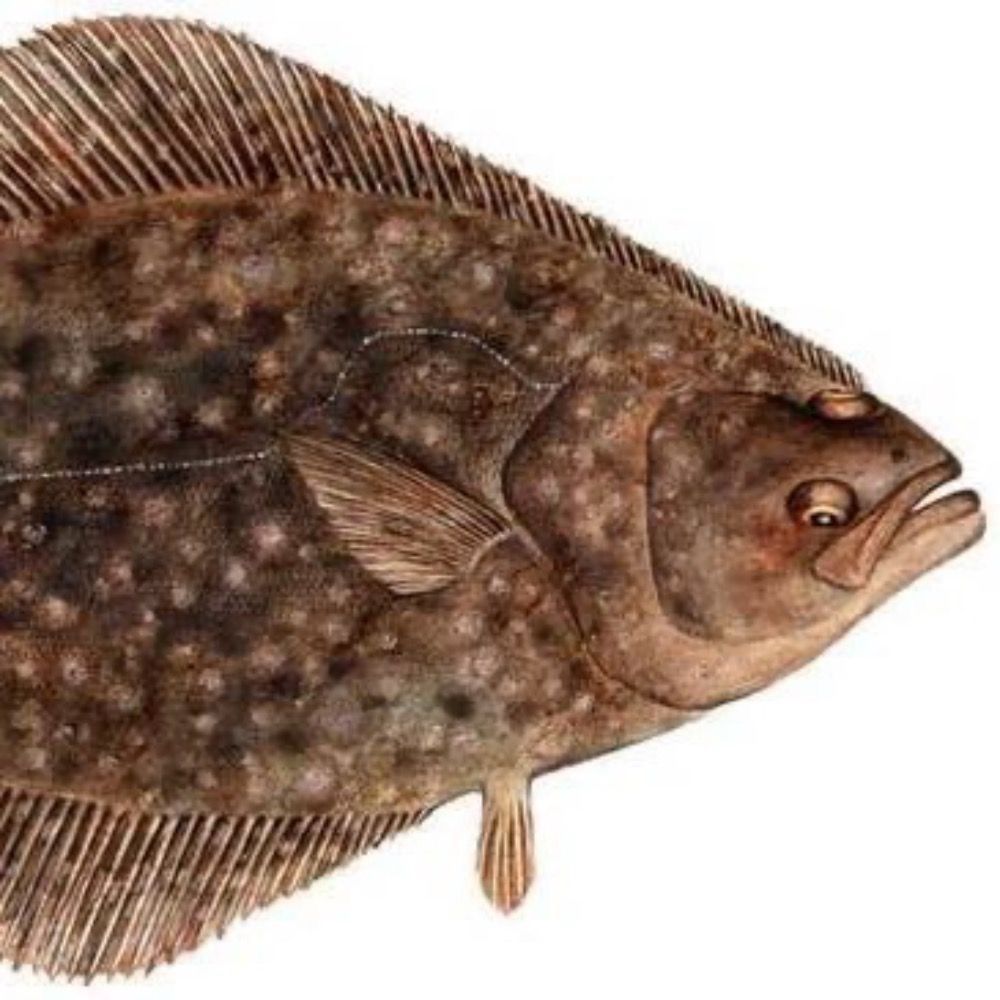
You have to say BRUVs like you’re English though.

June 27, 2025 at 12:17 AM
You have to say BRUVs like you’re English though.
The BRUVs workshop – An Australia-wide synthesis of baited remote underwater video data to answer broad-scale ecological questions about fish, sharks and rays - ScienceDirect https://www.sciencedirect.com/science/article/abs/pii/S0308597X21000403
ScienceDirect
www.sciencedirect.com
December 2, 2024 at 12:20 PM
The BRUVs workshop – An Australia-wide synthesis of baited remote underwater video data to answer broad-scale ecological questions about fish, sharks and rays - ScienceDirect https://www.sciencedirect.com/science/article/abs/pii/S0308597X21000403

"The scientists used underwater cameras called baited remote underwater video systems (BRUVs) to observe sharks in seven marine parks found throughout Ecuador, Costa Rica, Colombia, and Mexico."
🌅🦈📽️ #Sharks #MarineParks #Oceans #Biology #Environment #Research #Nature
🌅🦈📽️ #Sharks #MarineParks #Oceans #Biology #Environment #Research #Nature

Sharks are thriving in some marine parks—but not others. Why?
A study of marine parks spanning Mexico to Ecuador found key differences that allow ecosystems to flourish.
www.nationalgeographic.com
November 26, 2025 at 7:47 PM
"The scientists used underwater cameras called baited remote underwater video systems (BRUVs) to observe sharks in seven marine parks found throughout Ecuador, Costa Rica, Colombia, and Mexico."
🌅🦈📽️ #Sharks #MarineParks #Oceans #Biology #Environment #Research #Nature
🌅🦈📽️ #Sharks #MarineParks #Oceans #Biology #Environment #Research #Nature
They’re using baited underwater video systems (BRUVs), like underwater camera traps. At least it’s not just telemetry tagging
December 5, 2024 at 6:49 PM
They’re using baited underwater video systems (BRUVs), like underwater camera traps. At least it’s not just telemetry tagging
Our new #OA paper is out!
doi.org/10.1371/jour...
Over two years, we deployed 400+ #BRUVS in the data-poor archipelago of São Tomé and Príncipe, one of the countries most dependent on #fisheries in the world!
This research was part of ongoing conservation actions aiming to establish MPAs 🦑🌍🐠
doi.org/10.1371/jour...
Over two years, we deployed 400+ #BRUVS in the data-poor archipelago of São Tomé and Príncipe, one of the countries most dependent on #fisheries in the world!
This research was part of ongoing conservation actions aiming to establish MPAs 🦑🌍🐠

November 4, 2024 at 8:58 PM
Our new #OA paper is out!
doi.org/10.1371/jour...
Over two years, we deployed 400+ #BRUVS in the data-poor archipelago of São Tomé and Príncipe, one of the countries most dependent on #fisheries in the world!
This research was part of ongoing conservation actions aiming to establish MPAs 🦑🌍🐠
doi.org/10.1371/jour...
Over two years, we deployed 400+ #BRUVS in the data-poor archipelago of São Tomé and Príncipe, one of the countries most dependent on #fisheries in the world!
This research was part of ongoing conservation actions aiming to establish MPAs 🦑🌍🐠
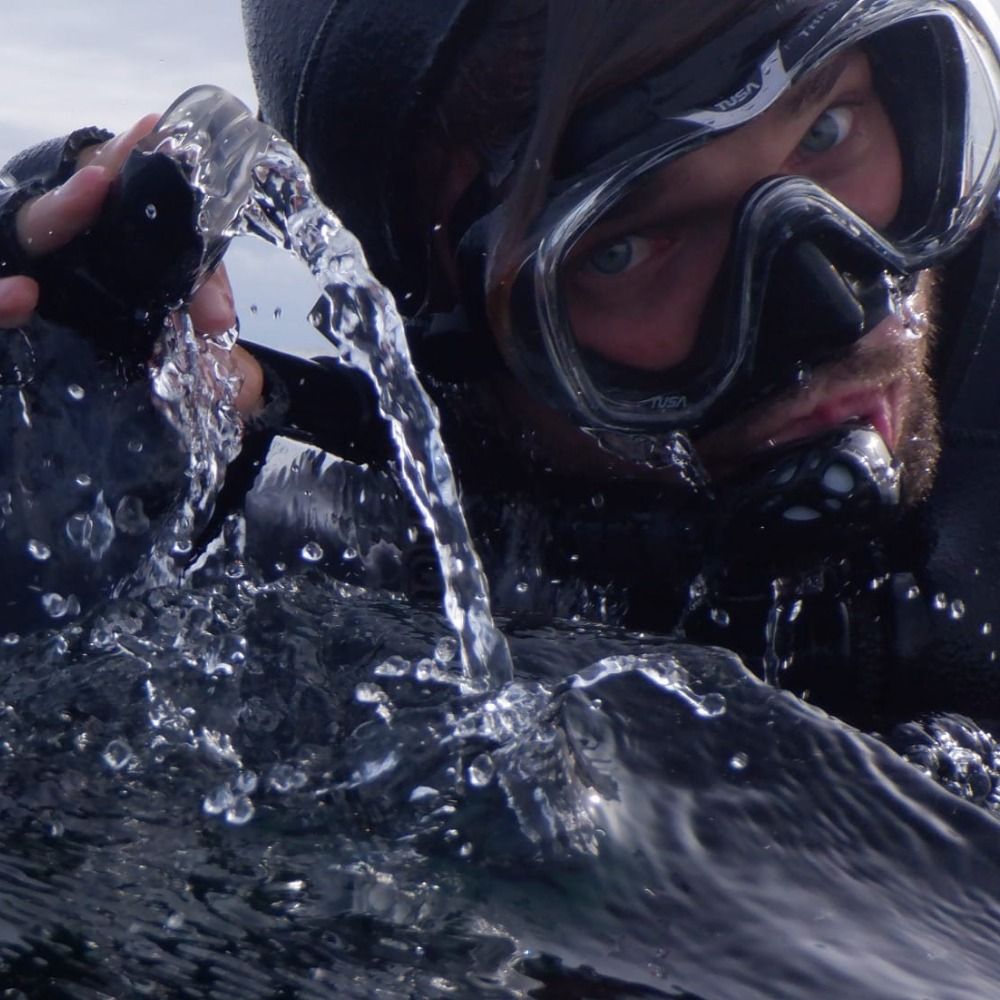
Yes,
I use baited remote underwater video cameras (BRUVs) to understand the diversity of Elasmobranch in a highly productive estuarine area 🦈📷
I would love to be added❗
kennpapadopoulo.com
#BRUVs
I use baited remote underwater video cameras (BRUVs) to understand the diversity of Elasmobranch in a highly productive estuarine area 🦈📷
I would love to be added❗
kennpapadopoulo.com
#BRUVs
Kenn Papadopoulo
kennpapadopoulo.com
January 26, 2025 at 2:30 PM
Yes,
I use baited remote underwater video cameras (BRUVs) to understand the diversity of Elasmobranch in a highly productive estuarine area 🦈📷
I would love to be added❗
kennpapadopoulo.com
#BRUVs
I use baited remote underwater video cameras (BRUVs) to understand the diversity of Elasmobranch in a highly productive estuarine area 🦈📷
I would love to be added❗
kennpapadopoulo.com
#BRUVs
👋 How’s it going, BRUV? 👋
At Oceans Research Institute, Clemson University students are diving into marine science—without even getting wet! 🌊🐟
Using Baited Remote Underwater Video systems (BRUVs), students gain insights into what’s happening on the seafloor when no one’s around.
At Oceans Research Institute, Clemson University students are diving into marine science—without even getting wet! 🌊🐟
Using Baited Remote Underwater Video systems (BRUVs), students gain insights into what’s happening on the seafloor when no one’s around.


June 16, 2025 at 12:34 PM
👋 How’s it going, BRUV? 👋
At Oceans Research Institute, Clemson University students are diving into marine science—without even getting wet! 🌊🐟
Using Baited Remote Underwater Video systems (BRUVs), students gain insights into what’s happening on the seafloor when no one’s around.
At Oceans Research Institute, Clemson University students are diving into marine science—without even getting wet! 🌊🐟
Using Baited Remote Underwater Video systems (BRUVs), students gain insights into what’s happening on the seafloor when no one’s around.
Image 3: Driving the Blueboat ASV.
Image 4: In action.
Image 5: A spiny starfish (Marthasterias glacialis).
Image 6: Remote sampling - baited remote underwater video (BRUVs).
Image 4: In action.
Image 5: A spiny starfish (Marthasterias glacialis).
Image 6: Remote sampling - baited remote underwater video (BRUVs).


October 17, 2025 at 11:30 AM
Image 3: Driving the Blueboat ASV.
Image 4: In action.
Image 5: A spiny starfish (Marthasterias glacialis).
Image 6: Remote sampling - baited remote underwater video (BRUVs).
Image 4: In action.
Image 5: A spiny starfish (Marthasterias glacialis).
Image 6: Remote sampling - baited remote underwater video (BRUVs).
Btw baited cameras (BRUVS) are cameras with bait to attract marine animals closer so they can be studied and observed safely without disturbing them!
November 3, 2025 at 6:12 PM
Btw baited cameras (BRUVS) are cameras with bait to attract marine animals closer so they can be studied and observed safely without disturbing them!
"Are we underestimating elasmobranch abundances on baited remote underwater video systems (BRUVS) using traditional metrics?" ...
December 12, 2024 at 4:14 AM
"Are we underestimating elasmobranch abundances on baited remote underwater video systems (BRUVS) using traditional metrics?" ...
Lights, camera… science! BRUVs (Baited Remote Underwater Video systems) let us spy on the ocean’s wild side—no scuba required. With a baited lens and standardized setup, we capture who shows up, how many, and what they’re doing, all without disturbing the scene.

May 14, 2025 at 5:51 PM
Lights, camera… science! BRUVs (Baited Remote Underwater Video systems) let us spy on the ocean’s wild side—no scuba required. With a baited lens and standardized setup, we capture who shows up, how many, and what they’re doing, all without disturbing the scene.
Using Baited Remote Underwater Video Surveys (BRUVs) to Analyze the Structure of Predators in Guanahacabibes National Park, Cuba www.mdpi.com/2410-3888/10... "Sharks were more abundant in strictly protected areas "
www.mdpi.com
April 14, 2025 at 1:13 PM
Using Baited Remote Underwater Video Surveys (BRUVs) to Analyze the Structure of Predators in Guanahacabibes National Park, Cuba www.mdpi.com/2410-3888/10... "Sharks were more abundant in strictly protected areas "