



WiF | Women | Faculty of Science | Uni of Amsterdam
@wif-uva.bsky.social
Women in the Faculty of Science (#WiF) support network at the University of Amsterdam, The Netherlands
#WomenInScience
#WomenInScience
🌍 Celebrating #InternationalWomensDay! ♀️💪
🌟Join us for an inspiring talk by dr. Tana Joseph on “The evolution of gender equity in (science) Academia ” 🎉
📅 March 8th
⏰ 12pm
📍 UvA, Science Park, F1.02
🔗RSVP and info: rb.gy/9ekul2
#WomenInSTEM 👩🔬
🌟Join us for an inspiring talk by dr. Tana Joseph on “The evolution of gender equity in (science) Academia ” 🎉
📅 March 8th
⏰ 12pm
📍 UvA, Science Park, F1.02
🔗RSVP and info: rb.gy/9ekul2
#WomenInSTEM 👩🔬
March 7, 2024 at 7:25 AM
🌍 Celebrating #InternationalWomensDay! ♀️💪
🌟Join us for an inspiring talk by dr. Tana Joseph on “The evolution of gender equity in (science) Academia ” 🎉
📅 March 8th
⏰ 12pm
📍 UvA, Science Park, F1.02
🔗RSVP and info: rb.gy/9ekul2
#WomenInSTEM 👩🔬
🌟Join us for an inspiring talk by dr. Tana Joseph on “The evolution of gender equity in (science) Academia ” 🎉
📅 March 8th
⏰ 12pm
📍 UvA, Science Park, F1.02
🔗RSVP and info: rb.gy/9ekul2
#WomenInSTEM 👩🔬
March 4, 2024 at 2:22 PM
🌍 Celebrating #InternationalWomensDay! ♀️💪
🌟Join us for an inspiring talk by dr. Tana Joseph on “The evolution of gender equity in (science) Academia ” 🎉
📅 March 8th
⏰ 12pm
📍 UvA, Science Park, F1.02
🔗RSVP and info: rb.gy/9ekul2
#WomenInSTEM 👩🔬
🌟Join us for an inspiring talk by dr. Tana Joseph on “The evolution of gender equity in (science) Academia ” 🎉
📅 March 8th
⏰ 12pm
📍 UvA, Science Park, F1.02
🔗RSVP and info: rb.gy/9ekul2
#WomenInSTEM 👩🔬
Highlighting Women in #Physics
Fantastic interview with University of Amsterdam physicist Flavia de Almeida Dias @fladias.bsky.social about her career path, women in academia and much more!
#WomenInSTEM 🧪
www.nature.com/articles/s42...
Fantastic interview with University of Amsterdam physicist Flavia de Almeida Dias @fladias.bsky.social about her career path, women in academia and much more!
#WomenInSTEM 🧪
www.nature.com/articles/s42...
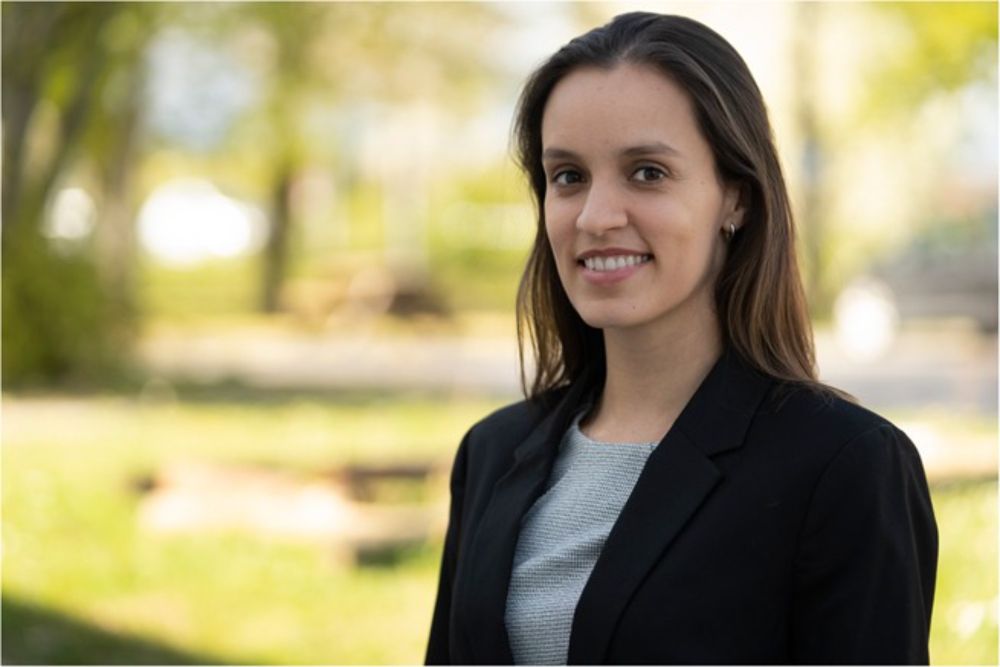
Women in Physics: an interview with Flavia de Almeida Dias - Communications Physics
Flavia de Almeida Dias is an experimental particle physicist who has been a member of the ATLAS Collaboration at the Large Hadron Collider since 2013 and has had leading contributions in analyses invo...
www.nature.com
March 1, 2024 at 2:31 PM
Highlighting Women in #Physics
Fantastic interview with University of Amsterdam physicist Flavia de Almeida Dias @fladias.bsky.social about her career path, women in academia and much more!
#WomenInSTEM 🧪
www.nature.com/articles/s42...
Fantastic interview with University of Amsterdam physicist Flavia de Almeida Dias @fladias.bsky.social about her career path, women in academia and much more!
#WomenInSTEM 🧪
www.nature.com/articles/s42...
And here is yet another study adding to the long list of studies showing bias against female scientists...
#WomenInSTEM 🧪
www.forbes.com/sites/kimels...
#WomenInSTEM 🧪
www.forbes.com/sites/kimels...

Men Forget About Female Researchers, Says Study On Gender Citation Gap
Researchers think they've uncovered the reason why women's academic work is cited less than men's—men forget about women's contributions.
www.forbes.com
February 28, 2024 at 9:04 AM
And here is yet another study adding to the long list of studies showing bias against female scientists...
#WomenInSTEM 🧪
www.forbes.com/sites/kimels...
#WomenInSTEM 🧪
www.forbes.com/sites/kimels...
Reposted by WiF | Women | Faculty of Science | Uni of Amsterdam

More tips to read? Subscribe to our monthly newsletter via: www.lnvh.nl/newsletters-...
February 14, 2024 at 1:43 PM
More tips to read? Subscribe to our monthly newsletter via: www.lnvh.nl/newsletters-...
This week our tip to read is Science Europe's new ‘Practical Guide to Supporting Diversity in Research Environments’. It highlights key findings from a membership survey conducted in 2023, showcases good practices, and provides practical recommendations.
www.scienceeurope.org/our-resource...
www.scienceeurope.org/our-resource...

Practical Guide to Supporting Diversity in Research Environments
www.scienceeurope.org
February 14, 2024 at 4:23 PM
Reposted by WiF | Women | Faculty of Science | Uni of Amsterdam
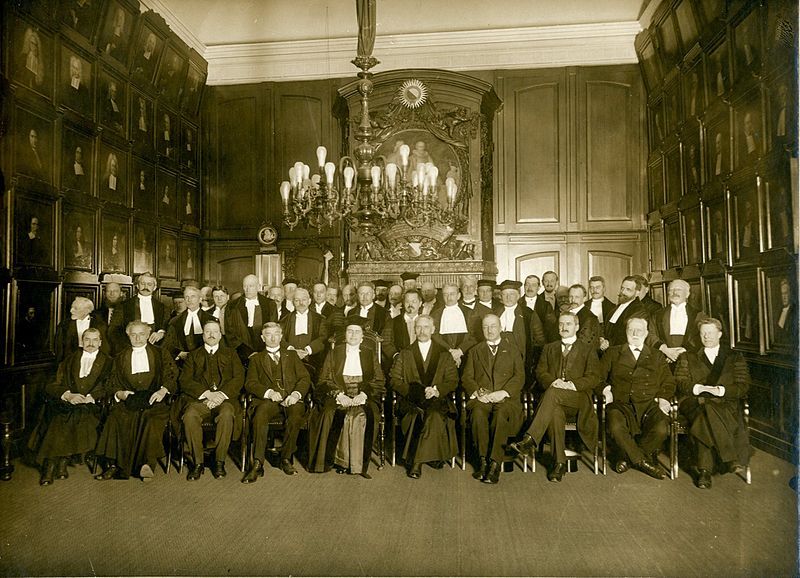
#OnThisDay, 10 Feb 1917, plant pathologist Johanna Westerdijk becomes the first woman appointed as a professor in the Netherlands when she joins Utrecht University.
#WomenInHistory #WomenInSTEM 🗃️
#WomenInHistory #WomenInSTEM 🗃️
February 10, 2024 at 9:00 AM
#OnThisDay, 10 Feb 1917, plant pathologist Johanna Westerdijk becomes the first woman appointed as a professor in the Netherlands when she joins Utrecht University.
#WomenInHistory #WomenInSTEM 🗃️
#WomenInHistory #WomenInSTEM 🗃️
Reposted by WiF | Women | Faculty of Science | Uni of Amsterdam
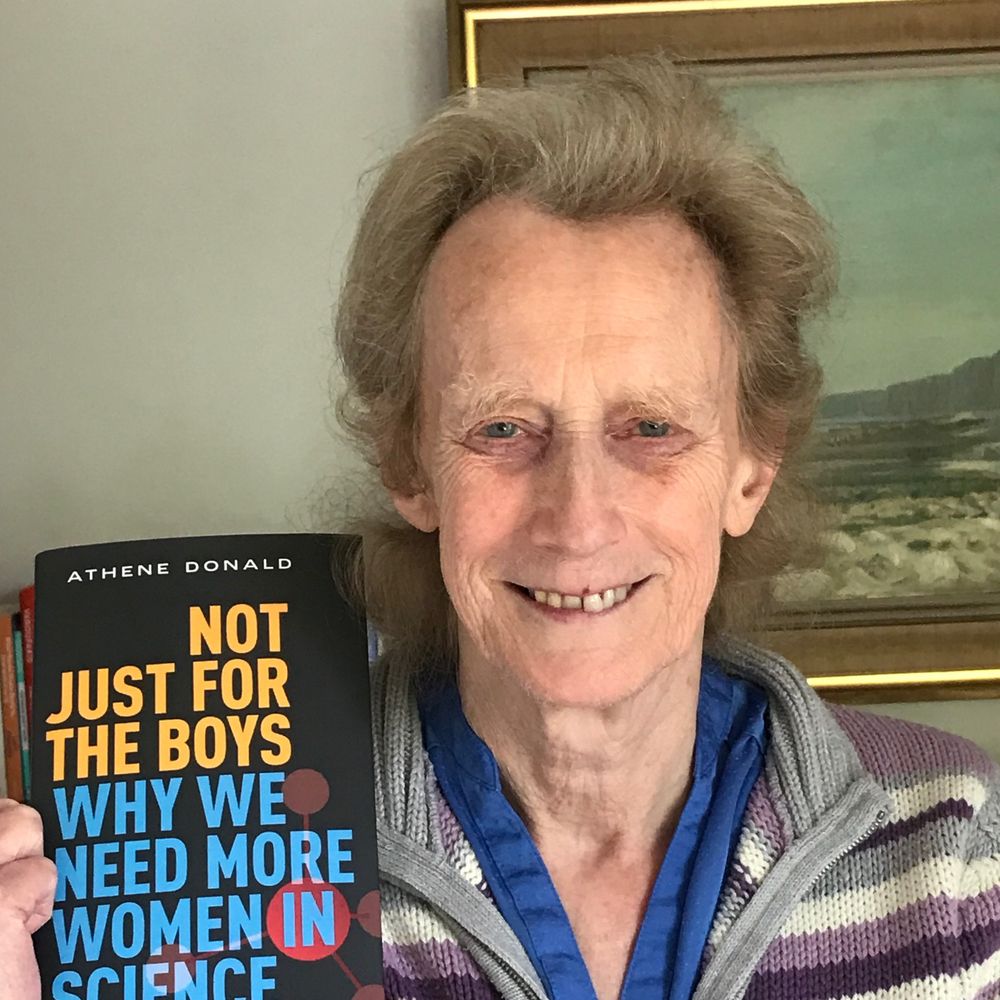
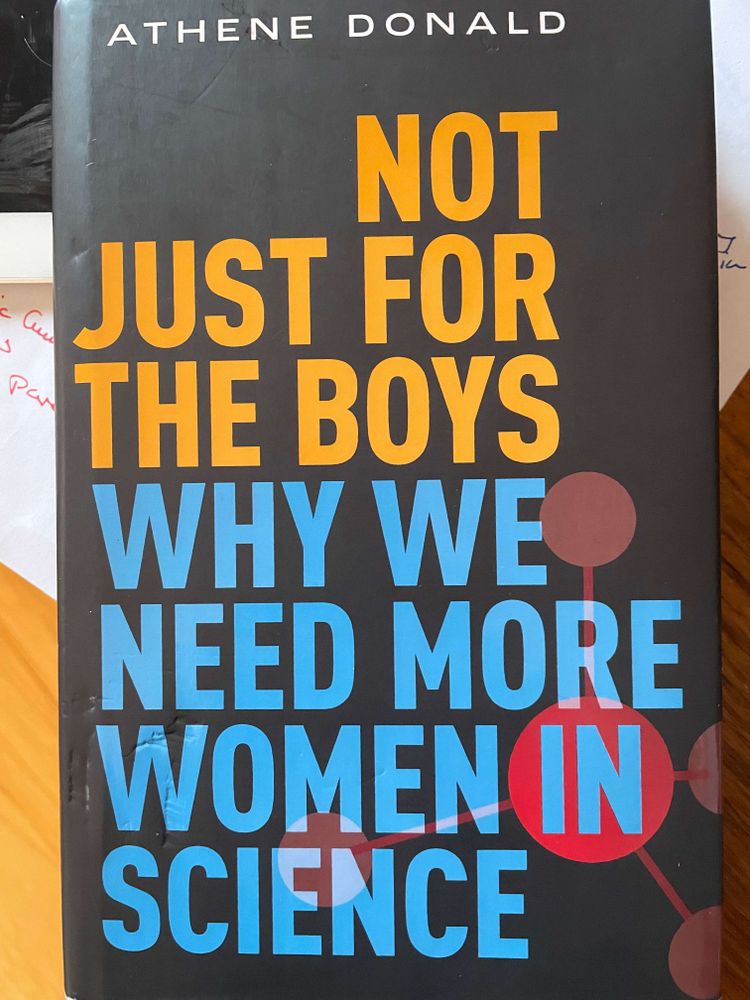
On International Day of Women and Girls in Science, we should think about how many girls are still deterred from pursuing careers in science. My book explains why and why it matters #womeninSTEM
February 11, 2024 at 10:01 AM
On International Day of Women and Girls in Science, we should think about how many girls are still deterred from pursuing careers in science. My book explains why and why it matters #womeninSTEM
🥳 Happy International Day of Women and Girls in Science ♀️🧪👩🔬
🥳 This Sunday is International Day of Women and Girls in Science ♀️🧪👩🔬
#WomenInScienceDay
#WomeninSTEM
To celebrate, join the public talk by Prof. dr. Marieke van den Brink! “The Ethics of Care in Academia”
📆 Mon 12 Feb
🕐 12:00 - 13:00
🗺️ UvA Science Park 904, D1.110
February 11, 2024 at 11:33 AM
🥳 Happy International Day of Women and Girls in Science ♀️🧪👩🔬
Reposted by WiF | Women | Faculty of Science | Uni of Amsterdam
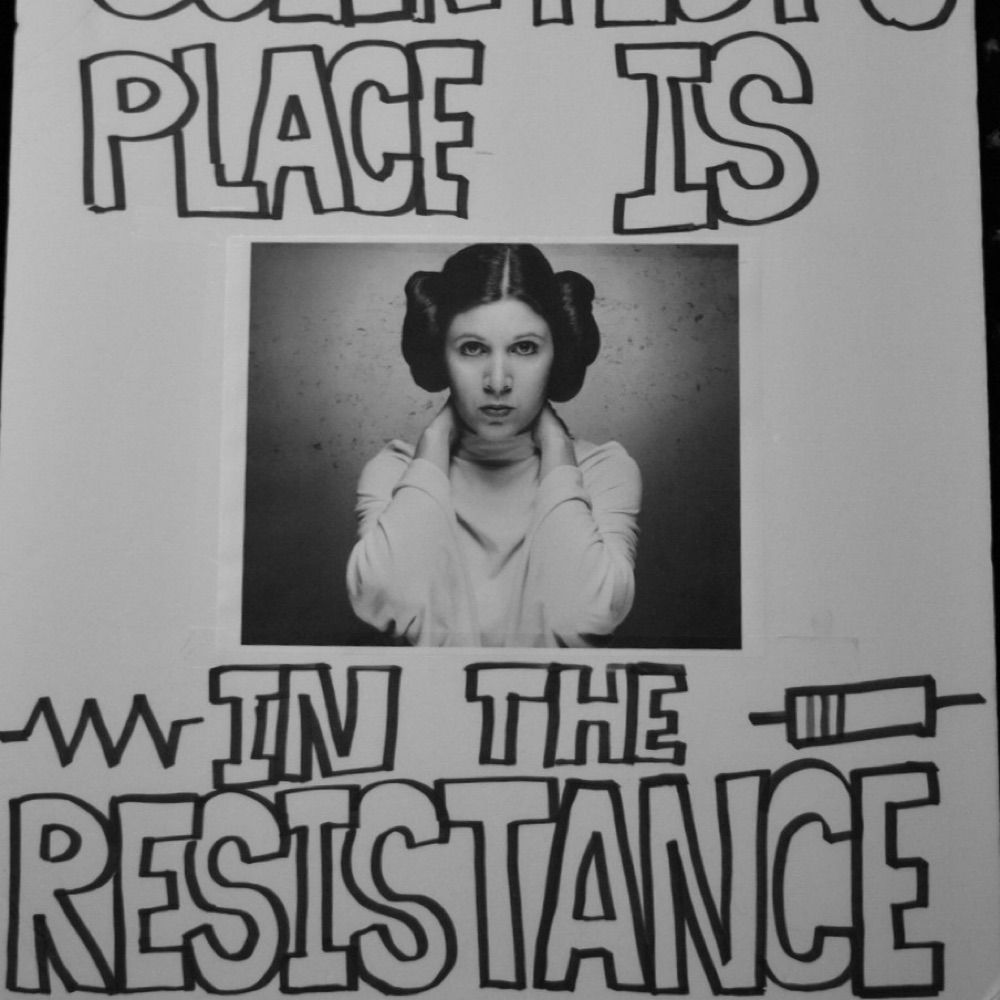
Stories from #WomenInSTEM at CERN for the International Day of Women and Girls in Science 👩🏻🔬 🧪 ⚛️
Stories from CERN's women in science
Each year, on 11 February, CERN celebrates the International Day of Women and Girls in Science by shedding light on the variety of career paths for women in STEM. This year, we asked nine female scientists to share their stories with us and tell us what inspired them to pursue a STEM career and what are their favourite memories involving science. Sorina, physicist at the CMS experiment Sorina is a Romanian research physicist at the CMS experiment, working on heavy-ion research. “My favourite thing about my job is the data analysis, as well as detector development and installation. I am very happy when I can work with the students. The most rewarding part of it is when I see their careers as physicists evolve.” Jenny, PhD student at the ATLAS experiment Jenny is a Norwegian doctoral student at the University of Oslo. She’s currently working on upgrading the pixel detector for the ATLAS experiment. Science was her favourite class in school, which inspired her to pursue a career in STEM. “My curiosity for science started with what we can see in our everyday lives, for example how yeast makes bread dough rise, how a candle flame goes out if it loses access to oxygen, or how nature changes with the seasons.” Pinelopi, PhD student with the Medipix collaboration Pinelopi is a PhD student with the Medipix collaboration. Medipix chips developed for pixel detectors at the LHC are now used in a variety of fields, including medical imaging. It was her family and her secondary school experiences that inspired Pinelopi to pursue a career in STEM. “My mother studied physics, so I wanted to become like her, while my father loves to explore ideas and think outside the box. As a secondary school student, I visited CERN with my class, and I was amazed by everything. My dream was to one day return as a physicist.” Federica, PhD student at the LHCb experiment Federica is an Italian doctoral student in particle physics, working on heavy-ion physics at the LHCb experiment. She is currently involved in putting the VELO detector into service. Federica has always been curious about science and knew from an early age that she was going to pursue a STEM career. Her favourite memory involving science goes back to secondary school, when two CERN physicists visited her class to give a masterclass. “They built a hand-made cloud chamber for us, with things you could find in the kitchen, to detect the particles from cosmic rays. And I fell in love with particle physics!” remembers Federica. Joni, physicist at the ATLAS experiment Joni, a Vietnamese physicist from the University of Melbourne, focuses mainly on data analysis for heavy-ion collisions at the ATLAS experiment. She’s also involved in the operation of the ATLAS detector. Joni is passionate about science communication and education activities, especially for the young generation. Her passion for science was triggered by her curiosity to explore – in her own words – “worlds that are physically unreachable and invisible to the naked eye, like atoms and subatomic particles”. Joni shared with us a glimpse of one of her first big moments at CERN: “When I started working as a run control shifter, I was very nervous, but the shift leader, Clara Nellist, was very kind and supportive of the whole crew. Now that I've become a shift leader myself, I'm truly grateful to Clara and everyone I've had a chance to work with at CERN, who constantly encouraged me to move beyond my comfort zone.” Livia, post-doc at the ALICE experiment Livia, an Italian physicist, oversees the operation of the muon spectrometer of the ALICE experiment. She’s also doing research and development on silicon detectors for the upcoming ALICE detector upgrade. Since secondary school, Livia has always been enthusiastic about science. The experiments in her school’s laboratory and her passion for research convinced Livia to pursue a STEM career. When we asked Livia about her favourite moments at work, she didn’t hesitate: “The amazing and fun time I spent in the ALICE control room, waiting for the LHC beam to arrive, while preparing the detectors for data taking. The most fun for me is doing R&D on particle physics detectors, building them from scratch and then seeing them installed in the experiment caverns.” Tetiana, physicist at the ATLAS experiment Tetiana is a Ukrainian physicist from the Annecy Particle Physics Laboratory in France, working on the ATLAS experiment. She works on the upgrade of the electronics for an ATLAS calorimeter. She’s also searching for phenomena beyond the Standard Model. When we asked what inspired her to pursue a STEM career, Tetiana told us that it was an obvious choice for her, as everyone in her family was either a scientist or an engineer. “I decided to do a PhD in physics and mathematics when I was 10 years old.” Her favourite memory involving science from her childhood is growing “beautiful blue crystals from copper sulphate. They were growing on the kitchen windowsill in my home in Kharkiv next to jars of green onions.” Deepti, engineer for the North Area Consolidation project Deepti is an Indian engineer working on the project to consolidate CERN’s North Area experiment facility. Deepti was always intrigued by the basic principles of science and their everyday utility. Her affinity for STEM kept growing over the years and she decided to pursue a career in mechanical engineering. “During my childhood, I was fascinated by buoyancy, gravity, density and water displacement as I watched paper boats float on water. When I was a young child, I learned to make paper boats and put them on running water during the monsoon season in India.” Alicia, PhD student in the accelerator field Alicia is a Spanish doctoral student working on developing an ultra-fast generator for special magnets used in CERN’s accelerators. During her engineering studies, she enjoyed being in the lab the most, which inspired her to choose this path. “When I was still living in Madrid, I used to go to a secondary school that was very close to the Residencia de Estudiantes [student housing] and I loved that place: the buildings are beautiful, the garden that surrounds it, everything. And then I read a discreet sign that said that this was also a historical site of the European Physical Society. Marie Curie had been there, Einstein too… That may have had an influence on my choice of a degree!” says Alicia.
home.cern
February 7, 2024 at 10:14 PM
Stories from #WomenInSTEM at CERN for the International Day of Women and Girls in Science 👩🏻🔬 🧪 ⚛️
Reposted by WiF | Women | Faculty of Science | Uni of Amsterdam
How many individuals from under-represented groups have left a STEM career because of an unsustainable allostatic load? How many are currently close to their threshold? So much more the community can do to address this #AcademicSky #WomeninSTEM www.nature.com/articles/d41...
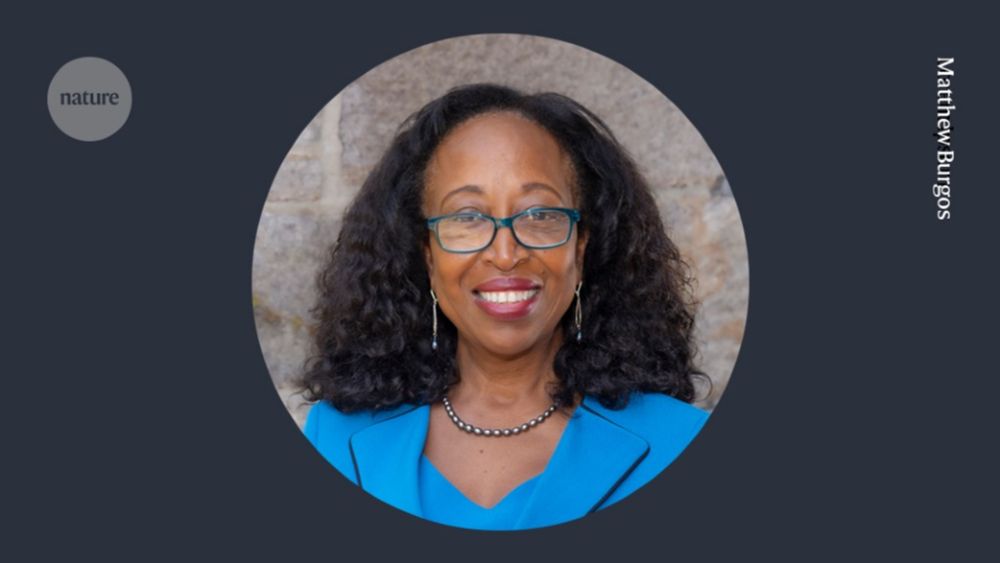
Why the mental cost of a STEM career can be too high for women and people of colour
Under-represented groups face chronic barriers, creating psychological — and physical — effects. The scientific community must ease this burden.
www.nature.com
February 9, 2024 at 11:53 AM
How many individuals from under-represented groups have left a STEM career because of an unsustainable allostatic load? How many are currently close to their threshold? So much more the community can do to address this #AcademicSky #WomeninSTEM www.nature.com/articles/d41...
Reposted by WiF | Women | Faculty of Science | Uni of Amsterdam
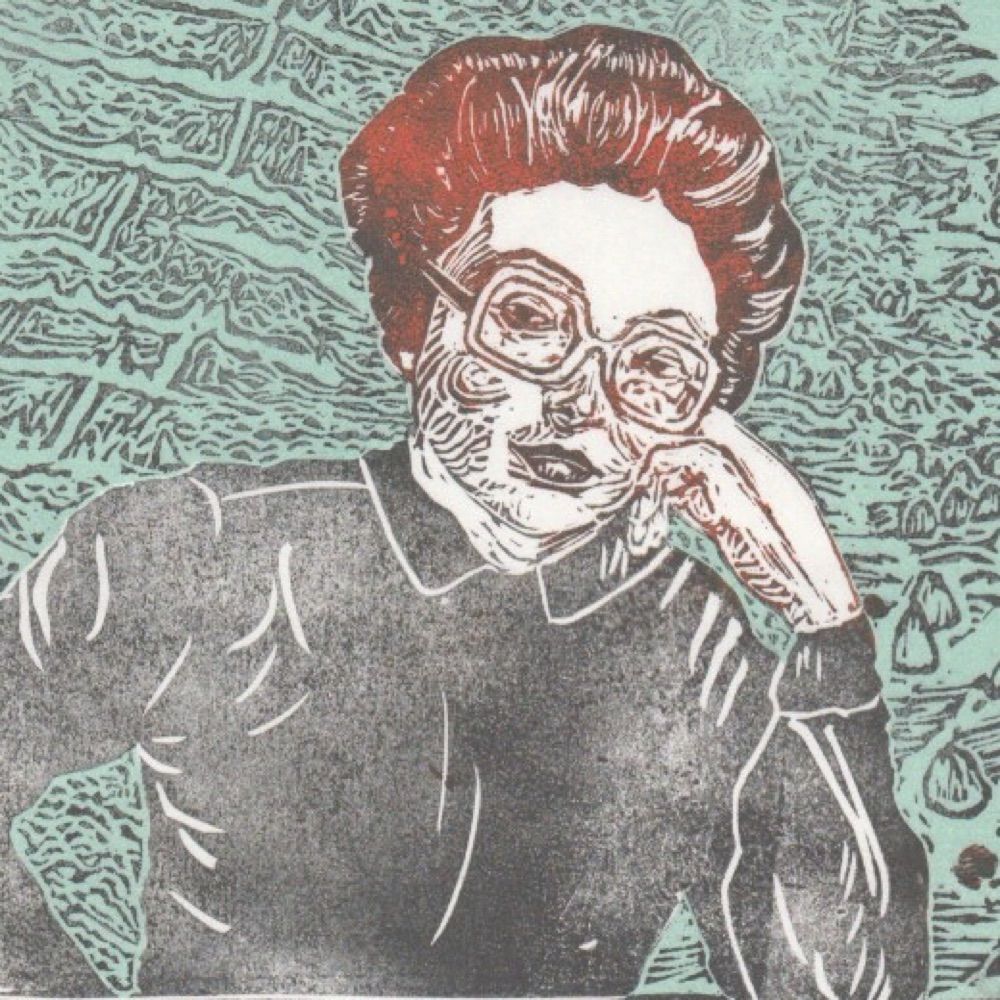
🧪 👩🔬

Women academics are more likely to be married to other academics, which means that partner accommodations are an equity issue. This Tenure, She Wrote post is a decade old, but still very relevant.

“Solving” the Two-Body Problem
The two-body problem is a classical mechanics one, in which the motion of two interacting particles must be determined. I’m not a physicist, so I don’t know how hard it is to solve. In career terms…
tenureshewrote.wordpress.com
February 9, 2024 at 2:23 PM
🧪 👩🔬
Reposted by WiF | Women | Faculty of Science | Uni of Amsterdam
🥳 This Sunday is International Day of Women and Girls in Science ♀️🧪👩🔬
#WomenInScienceDay
#WomeninSTEM
To celebrate, join the public talk by Prof. dr. Marieke van den Brink! “The Ethics of Care in Academia”
📆 Mon 12 Feb
🕐 12:00 - 13:00
🗺️ UvA Science Park 904, D1.110
February 9, 2024 at 3:32 PM
🥳 This Sunday is International Day of Women and Girls in Science ♀️🧪👩🔬
#WomenInScienceDay
#WomeninSTEM
To celebrate, join the public talk by Prof. dr. Marieke van den Brink! “The Ethics of Care in Academia”
📆 Mon 12 Feb
🕐 12:00 - 13:00
🗺️ UvA Science Park 904, D1.110
🥳 This Sunday is International Day of Women and Girls in Science ♀️🧪👩🔬
#WomenInScienceDay
#WomeninSTEM
To celebrate, join the public talk by Prof. dr. Marieke van den Brink! “The Ethics of Care in Academia”
📆 Mon 12 Feb
🕐 12:00 - 13:00
🗺️ UvA Science Park 904, D1.110
February 9, 2024 at 3:32 PM
🥳 This Sunday is International Day of Women and Girls in Science ♀️🧪👩🔬
#WomenInScienceDay
#WomeninSTEM
To celebrate, join the public talk by Prof. dr. Marieke van den Brink! “The Ethics of Care in Academia”
📆 Mon 12 Feb
🕐 12:00 - 13:00
🗺️ UvA Science Park 904, D1.110
Happy New Year from the WIF team!
To kick off 2024, here is some interesting reading 👇
"Gender bias in paper citations is less common among younger scientists, but still plays a part in making women’s research less visible."
www.nature.com/articles/d41...
#WomenInSTEM
🧪 #AcademicSky
#FeministSky
To kick off 2024, here is some interesting reading 👇
"Gender bias in paper citations is less common among younger scientists, but still plays a part in making women’s research less visible."
www.nature.com/articles/d41...
#WomenInSTEM
🧪 #AcademicSky
#FeministSky
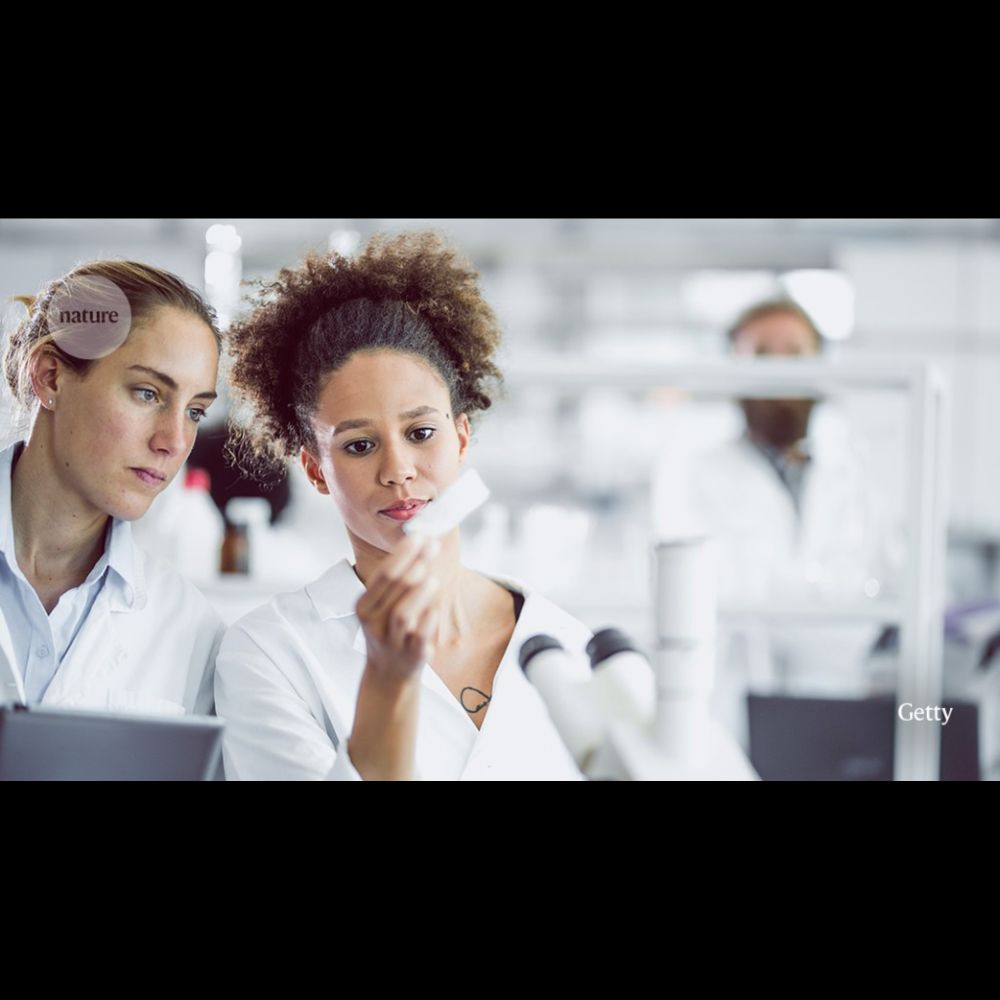
Citations show gender bias — and the reasons are surprising
Gender bias in paper citations is less common among younger scientists, but it still plays a part in making women’s research less visible. Gender bias in paper citations is less common among younger...
www.nature.com
January 5, 2024 at 2:19 PM
Happy New Year from the WIF team!
To kick off 2024, here is some interesting reading 👇
"Gender bias in paper citations is less common among younger scientists, but still plays a part in making women’s research less visible."
www.nature.com/articles/d41...
#WomenInSTEM
🧪 #AcademicSky
#FeministSky
To kick off 2024, here is some interesting reading 👇
"Gender bias in paper citations is less common among younger scientists, but still plays a part in making women’s research less visible."
www.nature.com/articles/d41...
#WomenInSTEM
🧪 #AcademicSky
#FeministSky
Reposted by WiF | Women | Faculty of Science | Uni of Amsterdam
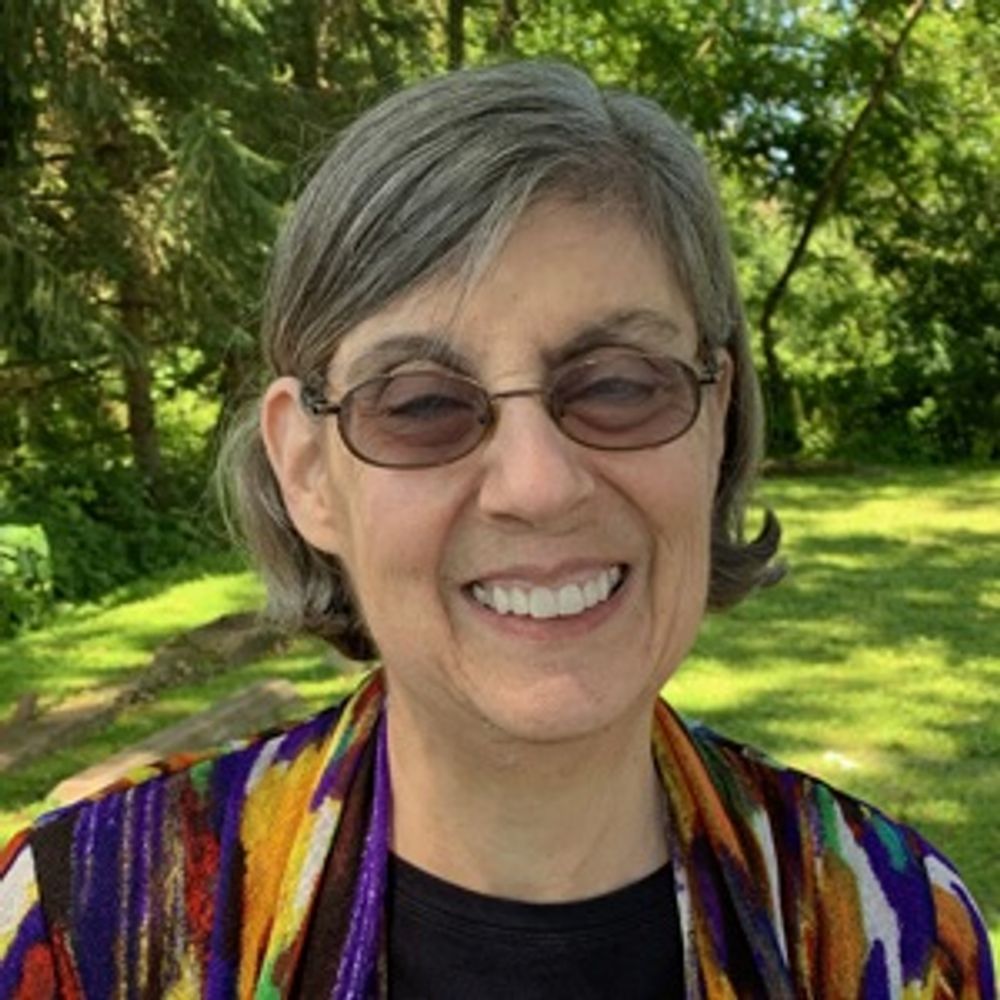
Happy #mathematics day! Celebrate by reading a #biography of a #womeninmath, Sophie Kovaleski. @crestonbooks.bsky.social #math #bookposse #teachers #librarian #educators #homeschoolers #bookstagram #booktok #kidlit #edusky #WomenInSTEM #scicomm #STEAM #STEM #STEMeducation #GirlsInSTEM #nonfiction

December 22, 2023 at 10:19 PM
Happy #mathematics day! Celebrate by reading a #biography of a #womeninmath, Sophie Kovaleski. @crestonbooks.bsky.social #math #bookposse #teachers #librarian #educators #homeschoolers #bookstagram #booktok #kidlit #edusky #WomenInSTEM #scicomm #STEAM #STEM #STEMeducation #GirlsInSTEM #nonfiction
Gender inequality in academia: the cum laude conundrum
"Female PhD candidates are almost half as likely to be awarded the distinction of cum laude than their male counterparts, ... new research from the University of Amsterdam has shown."
#WomenInSTEM
www.uva.nl/en/content/n...
"Female PhD candidates are almost half as likely to be awarded the distinction of cum laude than their male counterparts, ... new research from the University of Amsterdam has shown."
#WomenInSTEM
www.uva.nl/en/content/n...
Gender inequality in academia: the cum laude conundrum
Female PhD candidates are almost half as likely to be awarded the distinction of cum laude than their male counterparts, even when sharing the same doctoral supervisor, new research from the Universit...
www.uva.nl
December 22, 2023 at 8:14 AM
Gender inequality in academia: the cum laude conundrum
"Female PhD candidates are almost half as likely to be awarded the distinction of cum laude than their male counterparts, ... new research from the University of Amsterdam has shown."
#WomenInSTEM
www.uva.nl/en/content/n...
"Female PhD candidates are almost half as likely to be awarded the distinction of cum laude than their male counterparts, ... new research from the University of Amsterdam has shown."
#WomenInSTEM
www.uva.nl/en/content/n...
Hello world!! We are the Women in the Faculty of Science at the University of Amsterdam.
Follow us on Bsky!
#WomenInSTEM
#AcademicSky
Follow us on Bsky!
#WomenInSTEM
#AcademicSky
December 21, 2023 at 6:20 PM
Hello world!! We are the Women in the Faculty of Science at the University of Amsterdam.
Follow us on Bsky!
#WomenInSTEM
#AcademicSky
Follow us on Bsky!
#WomenInSTEM
#AcademicSky
New study: Sexism in #academia is bad for science and a waste of public funding
"The high cost of #sexism cannot continue to be ignored. With both problems and solutions clearly identified, there is little excuse not to act."
#WomeninSTEM
www.nature.com/articles/s41...
"The high cost of #sexism cannot continue to be ignored. With both problems and solutions clearly identified, there is little excuse not to act."
#WomeninSTEM
www.nature.com/articles/s41...
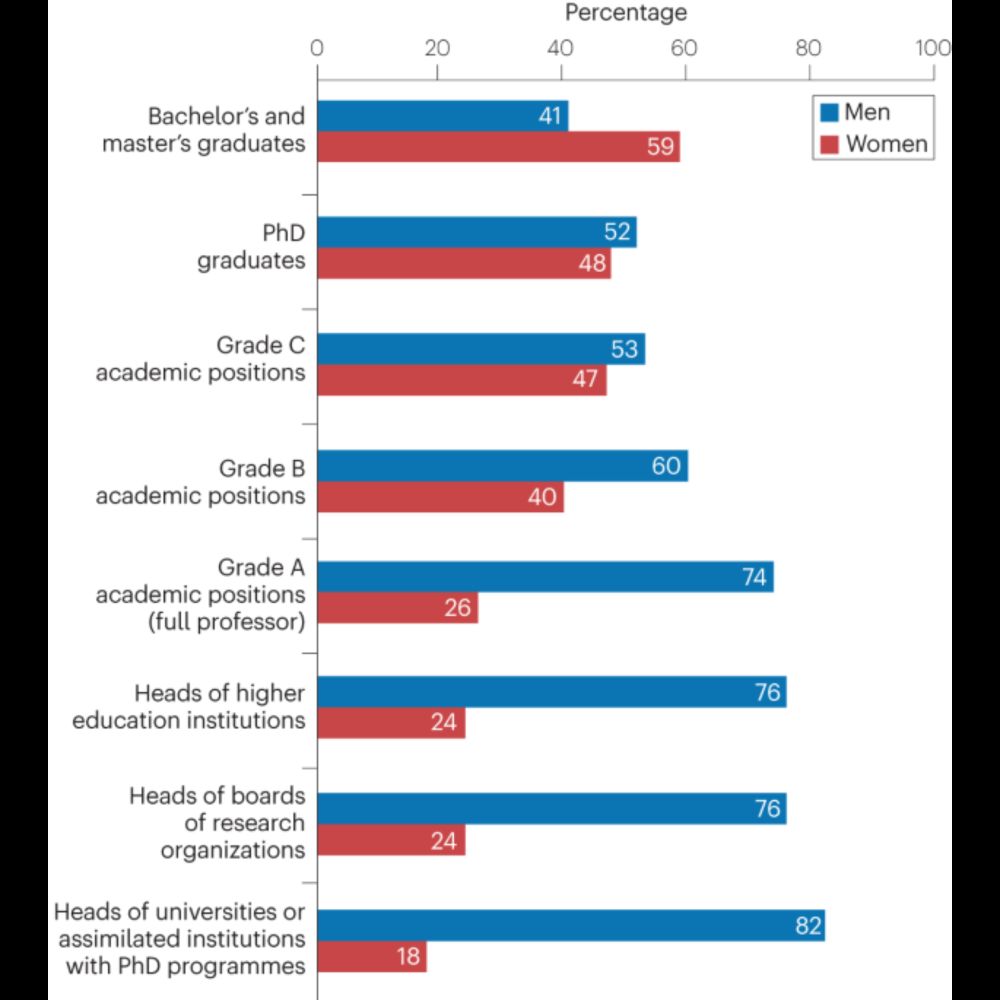
Sexism in academia is bad for science and a waste of public funding - Nature Reviews Materials
Higher education and research institutions are critical to the well-being and success of societies, meaning their financial support is strongly in the public interest. At the same time, value-for-mone...
www.nature.com
December 21, 2023 at 6:00 PM
New study: Sexism in #academia is bad for science and a waste of public funding
"The high cost of #sexism cannot continue to be ignored. With both problems and solutions clearly identified, there is little excuse not to act."
#WomeninSTEM
www.nature.com/articles/s41...
"The high cost of #sexism cannot continue to be ignored. With both problems and solutions clearly identified, there is little excuse not to act."
#WomeninSTEM
www.nature.com/articles/s41...