




Niels Vander Elst
@vanderelstniels.bsky.social
Postdoctoral Researcher on #Phage #Endolysin at The Karolinska Institute in #Stockholm 👨🔬✨ | Junior Faculty #Leadership Member ⚕️| Swedish at heart
Reposted by Niels Vander Elst

Usual “IN MICE” caveat but holy fuck there might be progress happening on reversing antibiotic resistance (via Swedish news bragging about Karolinska Institutet) molmed.biomedcentral.com/articles/10....

Bacteriophage-derived endolysins restore antibiotic susceptibility in β-lactam- and macrolide-resistant Streptococcus pneumoniae infections - Molecular Medicine
Streptococcus pneumoniae, the pneumococcus, is a cause of major illness globally. Invasive pneumococcal disease (IPD) is characterized by pneumococci invading blood (bacteremia), lungs (pneumonia), or...
molmed.biomedcentral.com
August 12, 2025 at 1:09 AM
Usual “IN MICE” caveat but holy fuck there might be progress happening on reversing antibiotic resistance (via Swedish news bragging about Karolinska Institutet) molmed.biomedcentral.com/articles/10....
Reposted by Niels Vander Elst

Här är det nya vapnet mot antibiotikaresistens
https://www.svt.se/nyheter/inrikes/har-ar-det-nya-vapnet-mot-antibiotikaresistens
https://www.svt.se/nyheter/inrikes/har-ar-det-nya-vapnet-mot-antibiotikaresistens

Svenska forskare kan ha hittat nytt vapen mot antibiotikaresistens
”Kan vara största dödsorsaken om 20-30 år”
www.svt.se
August 11, 2025 at 4:05 AM
Här är det nya vapnet mot antibiotikaresistens
https://www.svt.se/nyheter/inrikes/har-ar-det-nya-vapnet-mot-antibiotikaresistens
https://www.svt.se/nyheter/inrikes/har-ar-det-nya-vapnet-mot-antibiotikaresistens
Released a #Preprint on #Bacteriophage #Endolysins: while monotherapy shows promise, it’s not always consistent. I argue for combining endolysins with cell wall–targeting #Antibiotics to improve future clinical outcomes. Feedback appreciated!
dx.doi.org/10.31219/osf...
dx.doi.org/10.31219/osf...
OSF
dx.doi.org
August 4, 2025 at 9:18 AM
Released a #Preprint on #Bacteriophage #Endolysins: while monotherapy shows promise, it’s not always consistent. I argue for combining endolysins with cell wall–targeting #Antibiotics to improve future clinical outcomes. Feedback appreciated!
dx.doi.org/10.31219/osf...
dx.doi.org/10.31219/osf...
Reposted by Niels Vander Elst

🧬 Bacteriophage-derived endolysins restore antibiotic susceptibility in β-lactam- and macrolide-resistant Streptococcus pneumoniae infections:
link.springer.com/article/10.1...
link.springer.com/article/10.1...

Bacteriophage-derived endolysins restore antibiotic susceptibility in β-lactam- and macrolide-resistant Streptococcus pneumoniae infections - Molecular Medicine
Streptococcus pneumoniae, the pneumococcus, is a cause of major illness globally. Invasive pneumococcal disease (IPD) is characterized by pneumococci invading blood (bacteremia), lungs (pneumonia), or...
link.springer.com
May 16, 2025 at 1:45 PM
🧬 Bacteriophage-derived endolysins restore antibiotic susceptibility in β-lactam- and macrolide-resistant Streptococcus pneumoniae infections:
link.springer.com/article/10.1...
link.springer.com/article/10.1...
Reposted by Niels Vander Elst

Combining the enzyme endolysin with antibiotics restores effectiveness against resistant bacteria in mouse models, offering protection in all organs, including the brain, where antibiotics alone are less effective. doi.org/g9hp8x

Enzyme can restore antibiotic effect in the event of resistance
Bacterial resistance negates the effect of antibiotics in the treatment of infection. Using mouse models, researchers now show that if antibiotics are administered with an enzyme called endolysin, the combined effect protects against infection by resistant bacteria in all bodily organs—including the brain, which antibiotics alone have difficulty reaching.
phys.org
May 7, 2025 at 5:03 PM
Combining the enzyme endolysin with antibiotics restores effectiveness against resistant bacteria in mouse models, offering protection in all organs, including the brain, where antibiotics alone are less effective. doi.org/g9hp8x
Reposted by Niels Vander Elst
#Antibiotics administered together with the enzyme endolysin from bacteriophages protect against infection by resistant bacteria in all bodily organs in mice – including the brain, which antibiotics alone have difficulty reaching. Study published in Molecular Medicine 🧪 news.ki.se/researchers-...
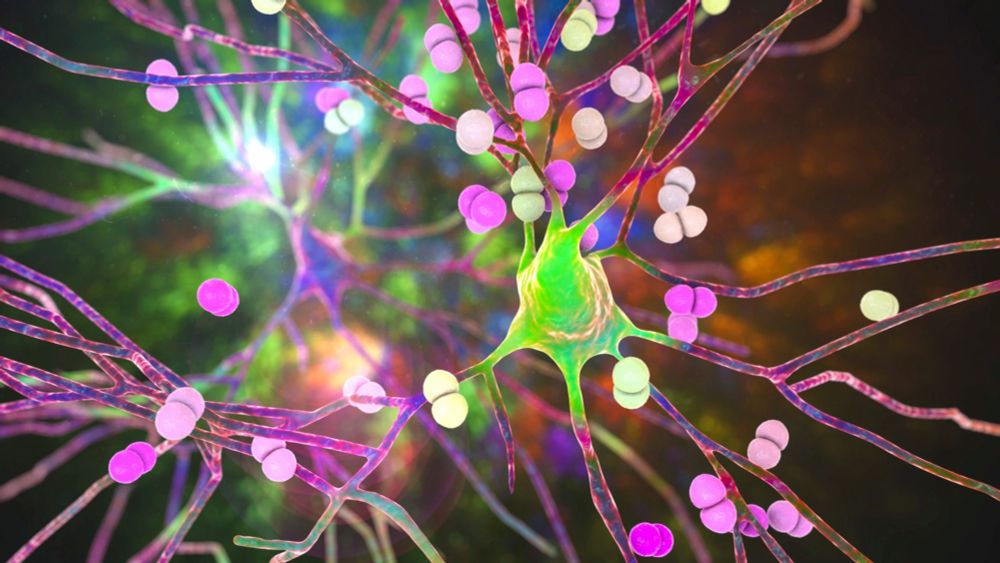
Researchers restore antibiotic effect in the event of resistance
Bacterial resistance negates the effect of antibiotics in the treatment of infection. Using mouse models, researchers now show that if antibiotics are administered with an enzyme called endolysin, the...
news.ki.se
May 7, 2025 at 3:36 PM
#Antibiotics administered together with the enzyme endolysin from bacteriophages protect against infection by resistant bacteria in all bodily organs in mice – including the brain, which antibiotics alone have difficulty reaching. Study published in Molecular Medicine 🧪 news.ki.se/researchers-...