




@tristan16.bsky.social
Reposted

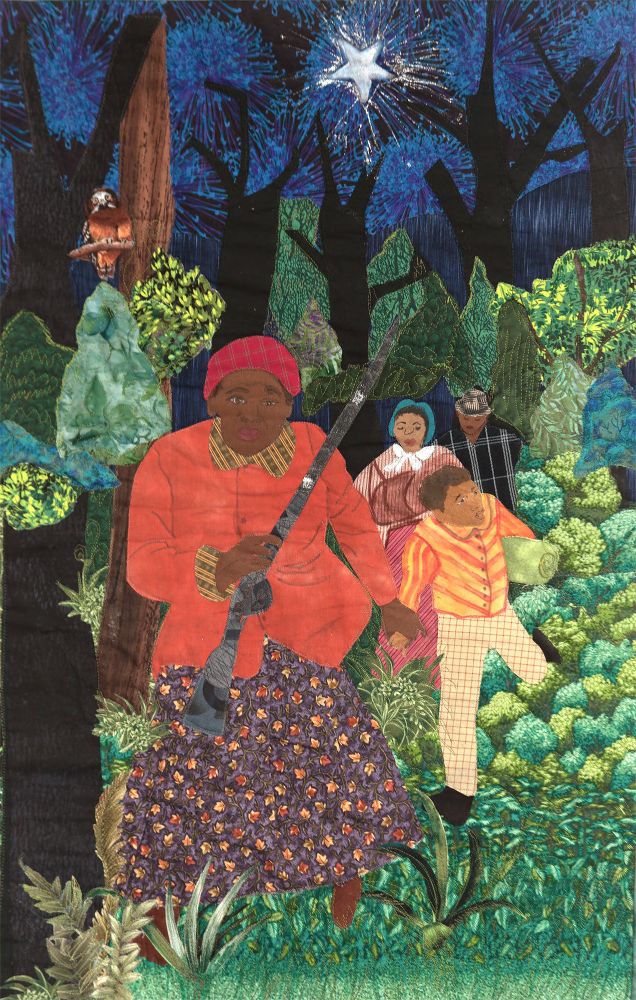
Harriet Tubman #quilt by my Mom, Vera P. Hall, who makes quilts celebrating Black people who fought for their own freedom. This seems to be the crowd favorite of the “We Didn’t Wait for Freedom” series. Happy #Juneteenth #quilting
June 19, 2025 at 12:19 PM
Harriet Tubman #quilt by my Mom, Vera P. Hall, who makes quilts celebrating Black people who fought for their own freedom. This seems to be the crowd favorite of the “We Didn’t Wait for Freedom” series. Happy #Juneteenth #quilting
Reposted


average warrior cat fights:
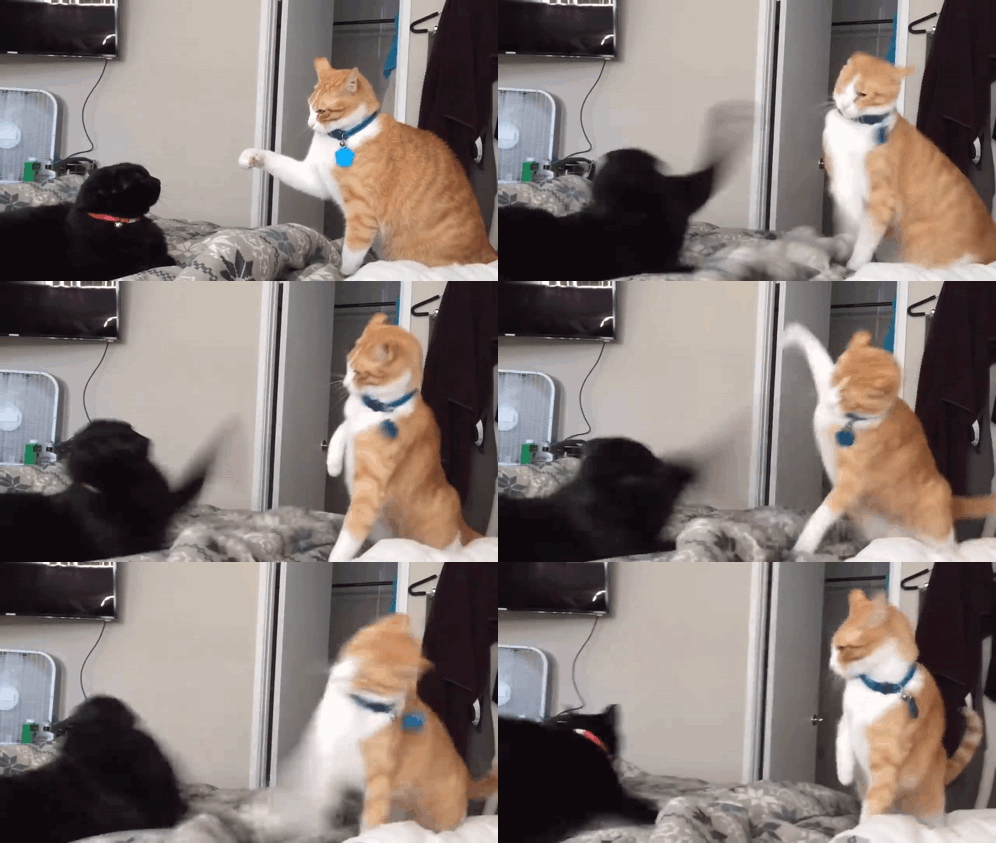
a cat with a blue tag on its collar stands on its hind legs
ALT: a cat with a blue tag on its collar stands on its hind legs
media.tenor.com
February 6, 2025 at 11:14 PM
average warrior cat fights:
Reposted


Reposted

December 3, 2024 at 6:13 PM
Reposted

Tulip says ELLO !!

December 4, 2024 at 1:13 AM
Tulip says ELLO !!
Reposted

I want to draw
-doesn't draw
-doesn't draw
-doesn't draw
-doesn't draw
-doesn't draw
-doesn't draw
-doesn't draw
-doesn't draw
-doesn't draw
-doesn't draw
-doesn't draw
-doesn't draw
-doesn't draw
-doesn't draw
-doesn't draw
-doesn't draw
-doesn't draw
-doesn't draw
-doesn't draw
-doesn't draw
-doesn't draw
-doesn't draw
-doesn't draw
-doesn't draw
December 4, 2024 at 12:53 AM
I want to draw
-doesn't draw
-doesn't draw
-doesn't draw
-doesn't draw
-doesn't draw
-doesn't draw
-doesn't draw
-doesn't draw
-doesn't draw
-doesn't draw
-doesn't draw
-doesn't draw
-doesn't draw
-doesn't draw
-doesn't draw
-doesn't draw
-doesn't draw
-doesn't draw
-doesn't draw
-doesn't draw
-doesn't draw
-doesn't draw
-doesn't draw
-doesn't draw
Reposted

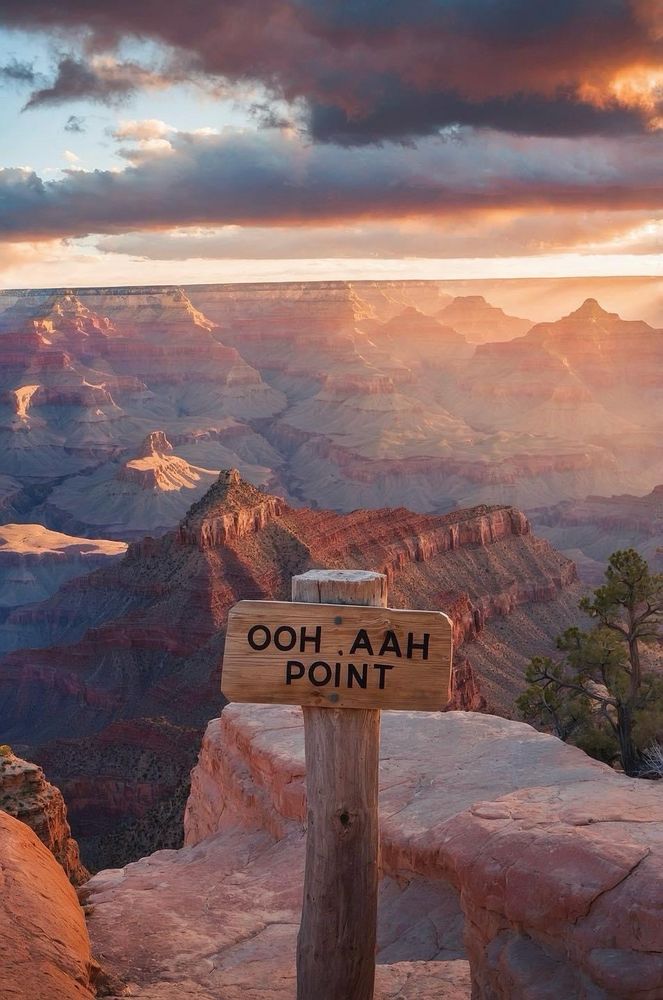
Have you been here? The view serves as a reminder of what we are working to protect.
December 4, 2024 at 1:43 AM
Have you been here? The view serves as a reminder of what we are working to protect.


Reposted


Reposted
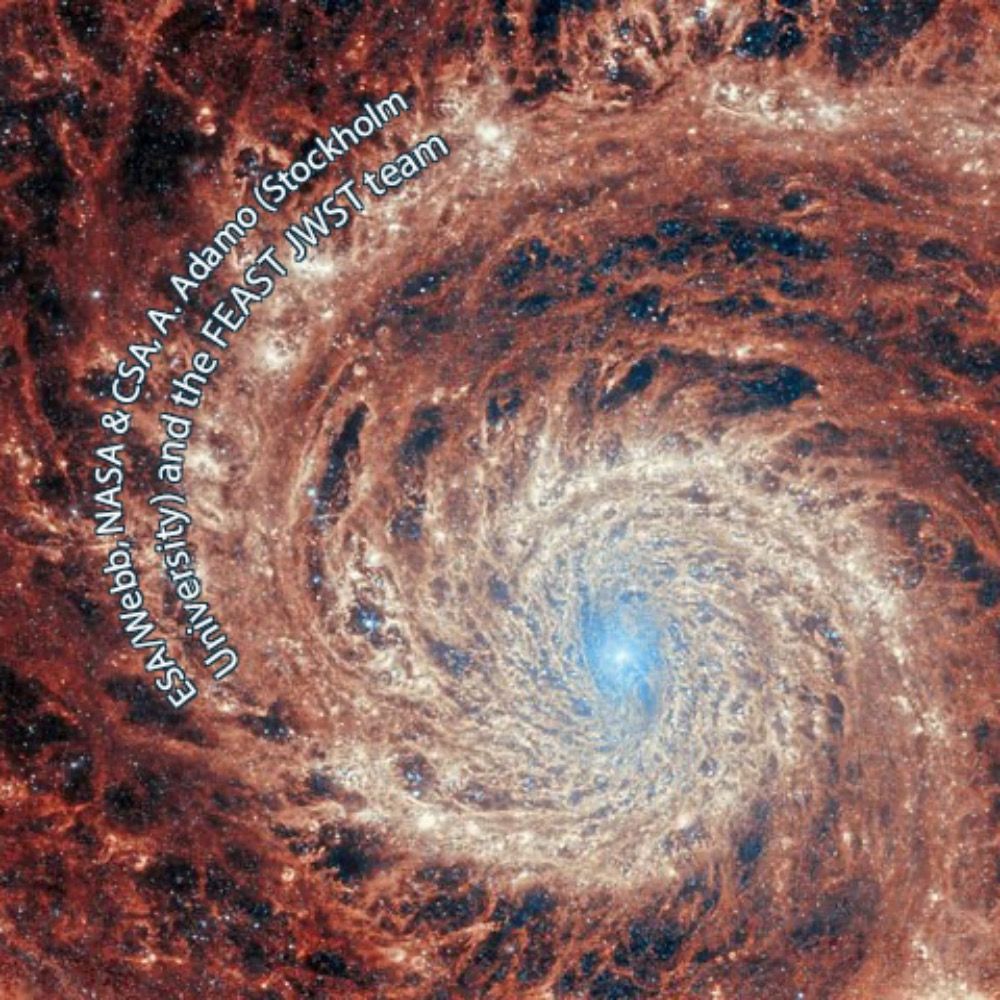
A smooth galaxy, observed with the Hubble Space Telescope in the COSMOS survey.
It is at redshift 0.32 (lookback time 3.73 billion years) with coordinates (150.37250, 2.09144).
48 volunteers classified this galaxy in Galaxy Zoo: Hubble.🔭
It is at redshift 0.32 (lookback time 3.73 billion years) with coordinates (150.37250, 2.09144).
48 volunteers classified this galaxy in Galaxy Zoo: Hubble.🔭

October 22, 2024 at 11:16 AM
A smooth galaxy, observed with the Hubble Space Telescope in the COSMOS survey.
It is at redshift 0.32 (lookback time 3.73 billion years) with coordinates (150.37250, 2.09144).
48 volunteers classified this galaxy in Galaxy Zoo: Hubble.🔭
It is at redshift 0.32 (lookback time 3.73 billion years) with coordinates (150.37250, 2.09144).
48 volunteers classified this galaxy in Galaxy Zoo: Hubble.🔭
Reposted
A galaxy with non-smooth features, observed with the Hubble Space Telescope in the COSMOS survey.
It is at redshift 0.70 (lookback time 6.50 billion years) with coordinates (150.40602, 2.51161).
52 volunteers classified this galaxy in Galaxy Zoo: Hubble.
It is at redshift 0.70 (lookback time 6.50 billion years) with coordinates (150.40602, 2.51161).
52 volunteers classified this galaxy in Galaxy Zoo: Hubble.

October 21, 2024 at 3:22 PM
A galaxy with non-smooth features, observed with the Hubble Space Telescope in the COSMOS survey.
It is at redshift 0.70 (lookback time 6.50 billion years) with coordinates (150.40602, 2.51161).
52 volunteers classified this galaxy in Galaxy Zoo: Hubble.
It is at redshift 0.70 (lookback time 6.50 billion years) with coordinates (150.40602, 2.51161).
52 volunteers classified this galaxy in Galaxy Zoo: Hubble.
Reposted

My PlayStation 5 physical collection thus far. 🔥🤌🏻

October 21, 2024 at 12:09 PM
My PlayStation 5 physical collection thus far. 🔥🤌🏻
Reposted
A smooth galaxy, observed with the Apache Point 2.5m Telescope in the SDSS survey.
It is at redshift 0.050 (lookback time 698.4 million years) with coordinates (196.55968, 9.24372).
45 volunteers classified this galaxy in Galaxy Zoo 2.
It is at redshift 0.050 (lookback time 698.4 million years) with coordinates (196.55968, 9.24372).
45 volunteers classified this galaxy in Galaxy Zoo 2.

October 21, 2024 at 11:18 AM
A smooth galaxy, observed with the Apache Point 2.5m Telescope in the SDSS survey.
It is at redshift 0.050 (lookback time 698.4 million years) with coordinates (196.55968, 9.24372).
45 volunteers classified this galaxy in Galaxy Zoo 2.
It is at redshift 0.050 (lookback time 698.4 million years) with coordinates (196.55968, 9.24372).
45 volunteers classified this galaxy in Galaxy Zoo 2.
Reposted
A spiral galaxy, possibly merging, observed with the Hubble Space Telescope in the GEMS survey.
It is at redshift 0.67 (lookback time 6.33 billion years) with coordinates (52.86595, -27.93788).
27 volunteers classified this galaxy in Galaxy Zoo: Hubble.
It is at redshift 0.67 (lookback time 6.33 billion years) with coordinates (52.86595, -27.93788).
27 volunteers classified this galaxy in Galaxy Zoo: Hubble.

October 20, 2024 at 2:17 PM
A spiral galaxy, possibly merging, observed with the Hubble Space Telescope in the GEMS survey.
It is at redshift 0.67 (lookback time 6.33 billion years) with coordinates (52.86595, -27.93788).
27 volunteers classified this galaxy in Galaxy Zoo: Hubble.
It is at redshift 0.67 (lookback time 6.33 billion years) with coordinates (52.86595, -27.93788).
27 volunteers classified this galaxy in Galaxy Zoo: Hubble.
Reposted

Some photons I rescued a while ago before they crashed into my driveway.
The Pleiades, the closest star cluster to Earth, ~444 light years away. They formed relatively recently, possibly around the time non-bird dinosaurs disappeared.
🧪🔭 #astrophotography
The Pleiades, the closest star cluster to Earth, ~444 light years away. They formed relatively recently, possibly around the time non-bird dinosaurs disappeared.
🧪🔭 #astrophotography

October 20, 2024 at 1:03 PM
Some photons I rescued a while ago before they crashed into my driveway.
The Pleiades, the closest star cluster to Earth, ~444 light years away. They formed relatively recently, possibly around the time non-bird dinosaurs disappeared.
🧪🔭 #astrophotography
The Pleiades, the closest star cluster to Earth, ~444 light years away. They formed relatively recently, possibly around the time non-bird dinosaurs disappeared.
🧪🔭 #astrophotography
Reposted
October 20, 2024 at 2:27 PM