



Alexandra Badea
@portokalh.bsky.social
Alzheimer’s disease neuroimaging
Duke Radiology, Neurology, BIAC
BME
Duke Radiology, Neurology, BIAC
BME
Smelling the Risk: Early Olfactory Deficits, Brain Networks, and Blood Markers of Alzheimers Disease Risk in Humanized APOE Mice #NeuroDegeneration 🧪🧠 www.biorxiv.org/content/10.1...

Smelling the Risk: Early Olfactory Deficits, Brain Networks, and Blood Markers of Alzheimers Disease Risk in Humanized APOE Mice
Olfactory impairment is a hallmark of early Alzheimers disease (AD), but the underlying mechanisms connecting sensory decline to genetic and environmental risk factors remain unclear. Our integrative ...
www.biorxiv.org
June 10, 2025 at 9:40 PM
Smelling the Risk: Early Olfactory Deficits, Brain Networks, and Blood Markers of Alzheimers Disease Risk in Humanized APOE Mice #NeuroDegeneration 🧪🧠 www.biorxiv.org/content/10.1...
Reposted by Alexandra Badea

Take a look at our new work, providing explanations for the mechanisms of deep brain stimulation, with insights into the modulation of motor- premotor cortex activity from mouse-based and translatable research methodologies for future therapy solutions
shorturl.at/5Atjh
shorturl.at/5Atjh

Frequency- and layer-specific effects of high-frequency STN stimulation on mouse motor cortical areas in vivo
Abstract. High-frequency deep brain stimulation (DBS) of the subthalamic nucleus (STN) is an effective evidence-based therapy for Parkinson’s disease; howe
shorturl.at
June 10, 2025 at 6:47 PM
Take a look at our new work, providing explanations for the mechanisms of deep brain stimulation, with insights into the modulation of motor- premotor cortex activity from mouse-based and translatable research methodologies for future therapy solutions
shorturl.at/5Atjh
shorturl.at/5Atjh
Reposted by Alexandra Badea
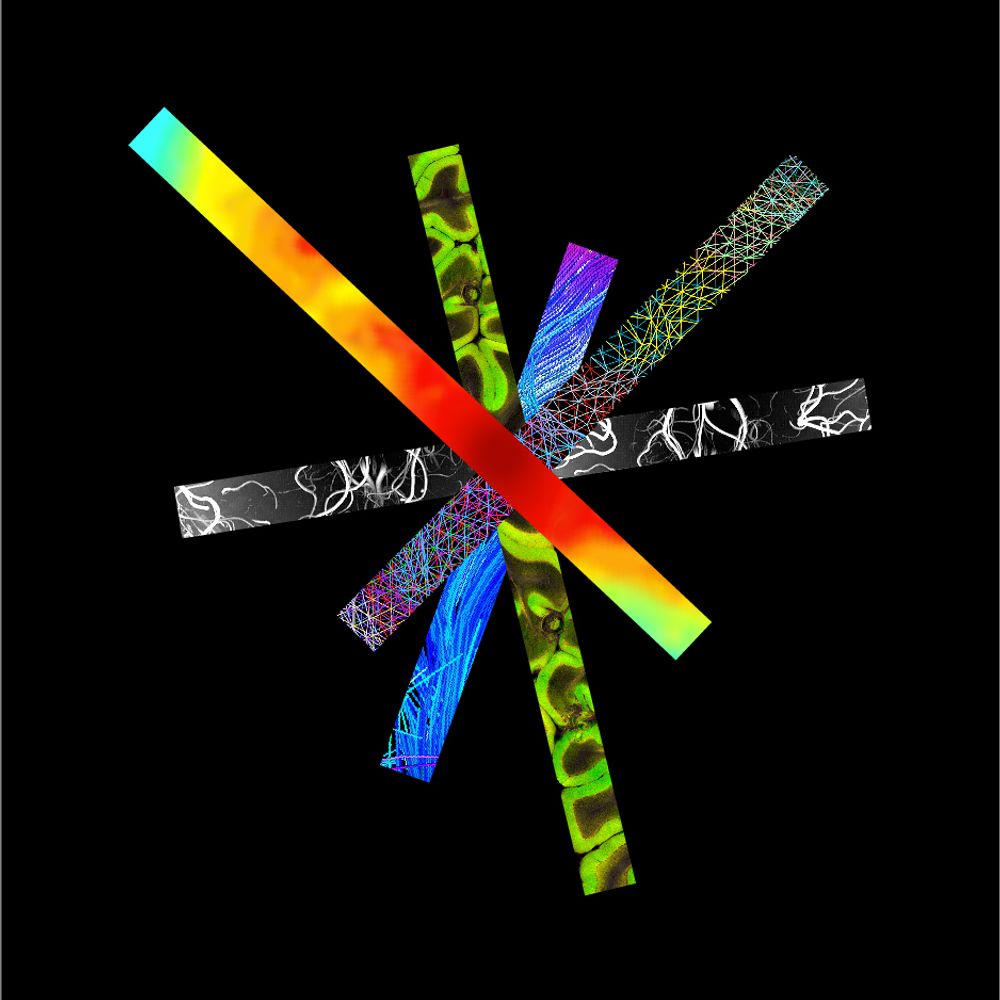
The Martinos Center is proud to present the story of David Cohen, the inventor of #MEG and father of #biomagnetism. You can read the biography online, with our compliments, at the address below. Email gboas@mgh.harvard.edu for PDF reprints.
meg.martinos.org/david-cohen-...
meg.martinos.org/david-cohen-...

David Cohen: The Father of MEG
David Cohen: The Father of MEG traces the life and science of David Cohen, the physicist who launched the field of biomagnetism and introduced the world to the biomedical imaging technology now known ...
meg.martinos.org
May 13, 2025 at 7:46 PM
The Martinos Center is proud to present the story of David Cohen, the inventor of #MEG and father of #biomagnetism. You can read the biography online, with our compliments, at the address below. Email gboas@mgh.harvard.edu for PDF reprints.
meg.martinos.org/david-cohen-...
meg.martinos.org/david-cohen-...

Most delicious!
Tamir, J.I., Blumenthal, M., Wang, J. et al. MRI acquisition and reconstruction cookbook: recipes for reproducibility, served with real-world flavour. Magn Reson Mater Phy (2025). doi.org/10.1007/s103...
Tamir, J.I., Blumenthal, M., Wang, J. et al. MRI acquisition and reconstruction cookbook: recipes for reproducibility, served with real-world flavour. Magn Reson Mater Phy (2025). doi.org/10.1007/s103...

MRI acquisition and reconstruction cookbook: recipes for reproducibility, served with real-world flavour - Magnetic Resonance Materials in Physics, Biology and Medicine
MRI acquisition and reconstruction research has transformed into a computation-driven field. As methods become more sophisticated, compute-heavy, and data-hungry, efforts to reproduce them become more...
doi.org
April 23, 2025 at 12:41 AM
Most delicious!
Tamir, J.I., Blumenthal, M., Wang, J. et al. MRI acquisition and reconstruction cookbook: recipes for reproducibility, served with real-world flavour. Magn Reson Mater Phy (2025). doi.org/10.1007/s103...
Tamir, J.I., Blumenthal, M., Wang, J. et al. MRI acquisition and reconstruction cookbook: recipes for reproducibility, served with real-world flavour. Magn Reson Mater Phy (2025). doi.org/10.1007/s103...
Reposted by Alexandra Badea
We are hiring a Senior Engineering Physicist to work on building an ultra-compact in vivo NMR/MRI device. Please forward to anyone you think may be interested. Salary range included in the posting. Based in Toronto but hybrid. #NMRchat
careers.synexmedical.com/jobs/5742819...
careers.synexmedical.com/jobs/5742819...

Senior Engineering Physicist - Synex Medical
The Basics. This is a full-time position. This is a hybrid position. We'll ask that you spend at least one day per week in the office on a regular basis. A few times per year, there will be a w...
careers.synexmedical.com
March 29, 2025 at 6:25 PM
We are hiring a Senior Engineering Physicist to work on building an ultra-compact in vivo NMR/MRI device. Please forward to anyone you think may be interested. Salary range included in the posting. Based in Toronto but hybrid. #NMRchat
careers.synexmedical.com/jobs/5742819...
careers.synexmedical.com/jobs/5742819...
Την άνοιξη αν δεν την βρεις την φτιάχνεις
Ναι την φτιάχνεις.
Κάθε φορά από την αρχή.
Όλο και πιο ζωντανή.
Όλο και πιο ποτισμένη.
Ναι την φτιάχνεις.
Ο. Ελύτης
Ναι την φτιάχνεις.
Κάθε φορά από την αρχή.
Όλο και πιο ζωντανή.
Όλο και πιο ποτισμένη.
Ναι την φτιάχνεις.
Ο. Ελύτης
April 22, 2025 at 1:51 AM
Την άνοιξη αν δεν την βρεις την φτιάχνεις
Ναι την φτιάχνεις.
Κάθε φορά από την αρχή.
Όλο και πιο ζωντανή.
Όλο και πιο ποτισμένη.
Ναι την φτιάχνεις.
Ο. Ελύτης
Ναι την φτιάχνεις.
Κάθε φορά από την αρχή.
Όλο και πιο ζωντανή.
Όλο και πιο ποτισμένη.
Ναι την φτιάχνεις.
Ο. Ελύτης
APOE is known for its role in Alzheimer’s —but it also shapes your bones. Our study shows that APOE, immunity, and sex interact to alter bone structure in aged mice. Grateful to Rohan Nadkarni & QIAL team. www.spiedigitallibrary.org/conference-p...
#MRI #Alzheimers #BoneHealth #Neurodegeneration
#MRI #Alzheimers #BoneHealth #Neurodegeneration

Quantitative comparison of femurs in apolipoprotein E mouse models using high-resolution photon-counting micro-CT
Apolipoprotein E (APOE) genotype and nitric oxide synthase 2 (NOS2) expression are key genetic factors that influence bone health. While prior studies explored differences in bones by APOE genotype, the role of sex and NOS2 require further investigation. In this study, we acquired micro-CT scans of femurs and analyzed their characteristics in a cohort of mice with variation in age, sex, APOE genotype, and humanized NOS2 (HN) expression. Femurs were extracted from 57 mice and scanned using photon-counting micro-CT with two energy thresholds. Scan data was iteratively reconstructed and decomposed into water and calcium material maps. Trabecular and cortical femur features were computed from calcium maps of femurs using ImageJ’s BoneJ plugin. Statistical analyses of femur features were applied on the entire cohort of mice and on subgroups stratified by sex, APOE genotype, and HN status. Our image quality assessment found that the calcium map has higher contrast to noise ratio than both energy channels of the iterative reconstruction. Differences in bone volume fraction by APOE genotype were found in the whole group, but this result was not reproduced in subgroups stratified by sex or HN status. Analyses in the whole group and in stratified subgroups revealed that the interaction between sex and HN status was a significant predictor of femur features and that HN females tend to have low trabecular bone content. This study illustrates the benefits of photon-counting CT for femur imaging and shows meaningful effects of age, APOE genotype, sex, HN, and their interactions on bone health.
www.spiedigitallibrary.org
April 6, 2025 at 3:01 AM
APOE is known for its role in Alzheimer’s —but it also shapes your bones. Our study shows that APOE, immunity, and sex interact to alter bone structure in aged mice. Grateful to Rohan Nadkarni & QIAL team. www.spiedigitallibrary.org/conference-p...
#MRI #Alzheimers #BoneHealth #Neurodegeneration
#MRI #Alzheimers #BoneHealth #Neurodegeneration
Can exercise shape brain resilience to Alzheimer’s disease?
Our preprint shows voluntary and enforced exercise drive distinct neuroplastic changes in a mouse model—from memory to reward circuit reorganization.
🔗 doi.org/10.1101/2025...
#Alzheimers #Neuroimaging #ExerciseScience
Our preprint shows voluntary and enforced exercise drive distinct neuroplastic changes in a mouse model—from memory to reward circuit reorganization.
🔗 doi.org/10.1101/2025...
#Alzheimers #Neuroimaging #ExerciseScience
Neuroimaging Biomarkers of Neuroprotection: Impact of Voluntary versus Enforced Exercise in Alzheimers Disease Models
Exercise is a promising strategy for preventing or delaying Alzheimers disease (AD), yet its mechanisms remain unclear. We investigated how exercise influences brain structure, function, and behavior ...
doi.org
April 4, 2025 at 1:48 AM
Can exercise shape brain resilience to Alzheimer’s disease?
Our preprint shows voluntary and enforced exercise drive distinct neuroplastic changes in a mouse model—from memory to reward circuit reorganization.
🔗 doi.org/10.1101/2025...
#Alzheimers #Neuroimaging #ExerciseScience
Our preprint shows voluntary and enforced exercise drive distinct neuroplastic changes in a mouse model—from memory to reward circuit reorganization.
🔗 doi.org/10.1101/2025...
#Alzheimers #Neuroimaging #ExerciseScience
Reposted by Alexandra Badea
strong endorse!!

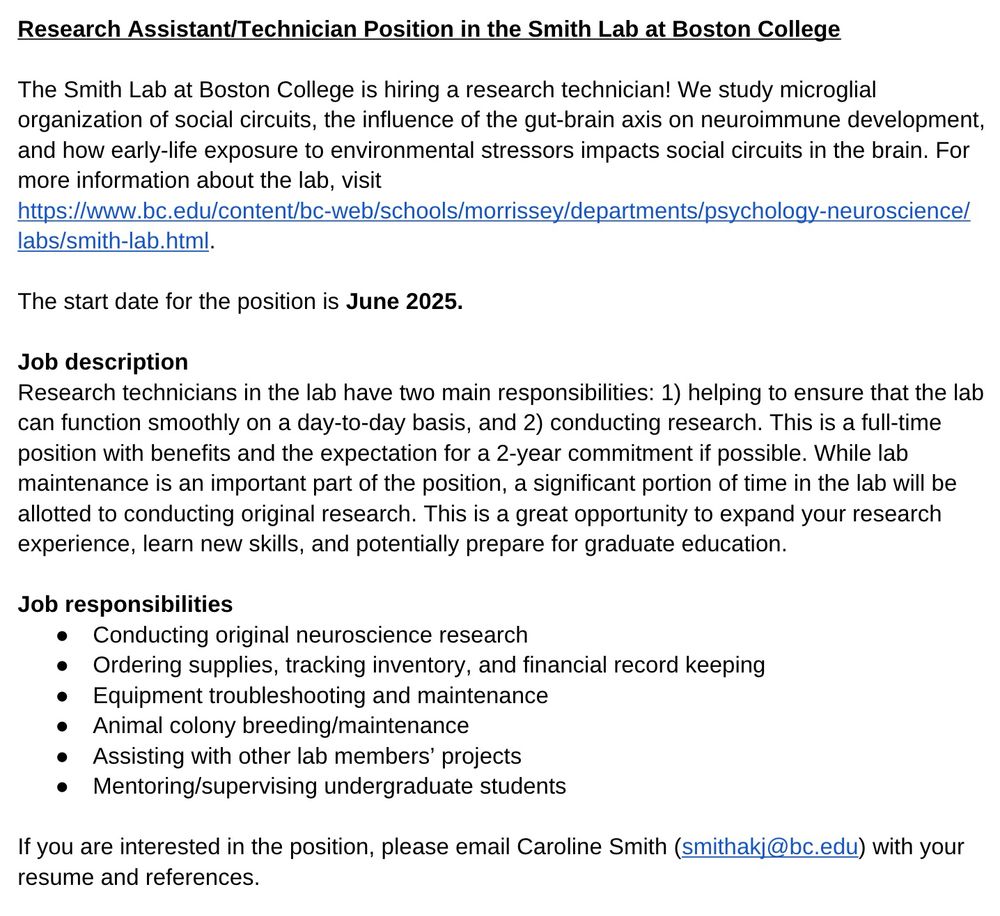
Job opportunity with Caroline Smith at BC please repost!
April 2, 2025 at 7:26 PM
strong endorse!!
Reposted by Alexandra Badea
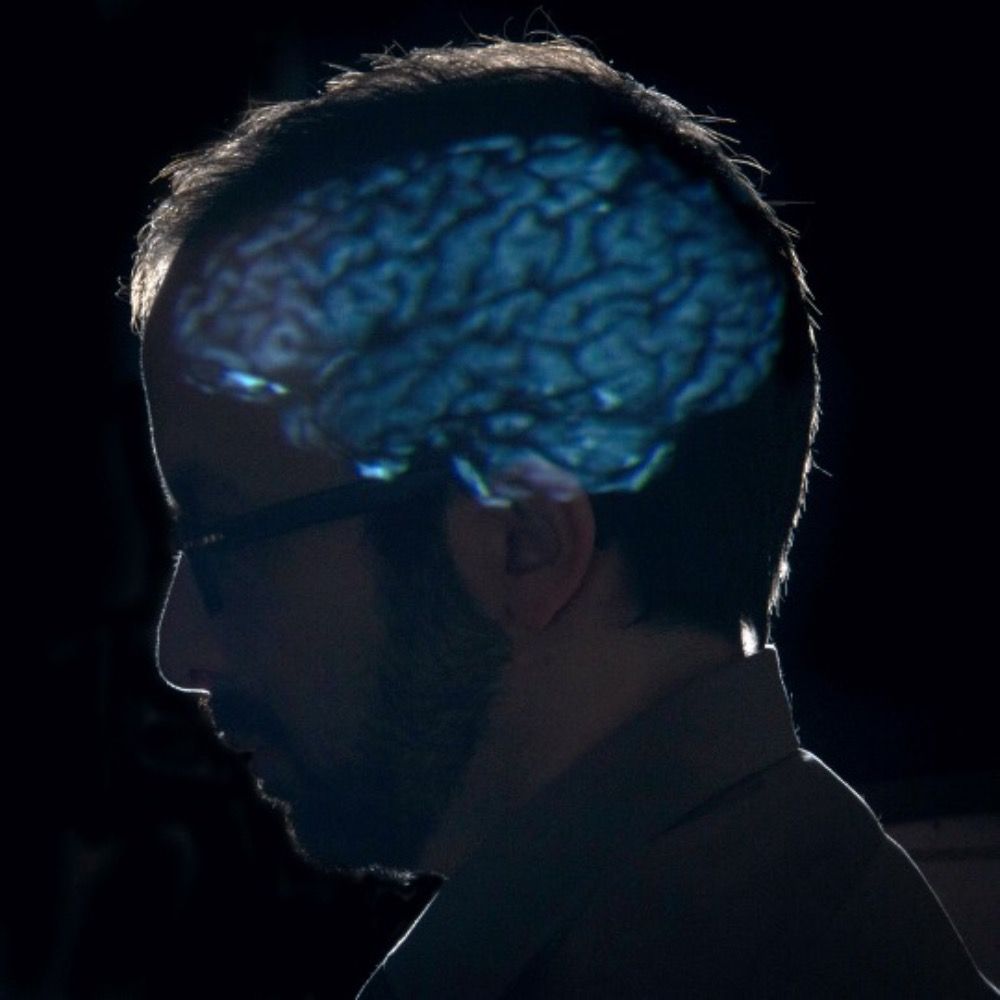
Thanks everyone who came to see our trialwise RSA poster.
Preprint went live today!
www.biorxiv.org/content/10.1...
Preprint went live today!
www.biorxiv.org/content/10.1...
April 1, 2025 at 10:16 PM
Thanks everyone who came to see our trialwise RSA poster.
Preprint went live today!
www.biorxiv.org/content/10.1...
Preprint went live today!
www.biorxiv.org/content/10.1...
Reposted by Alexandra Badea
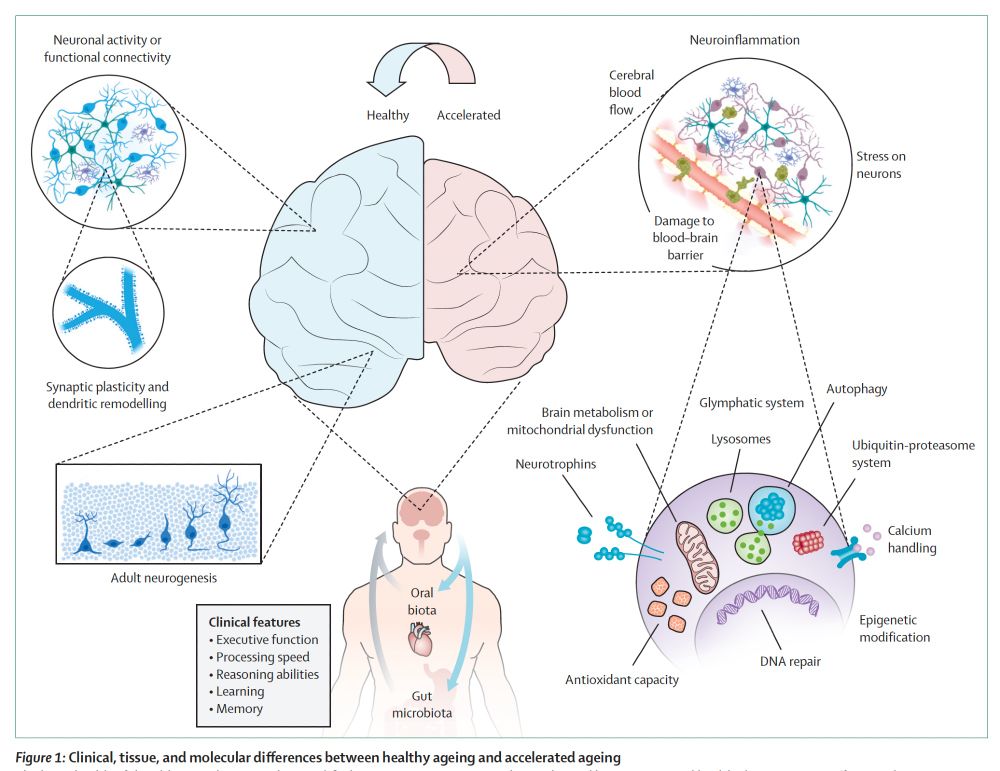
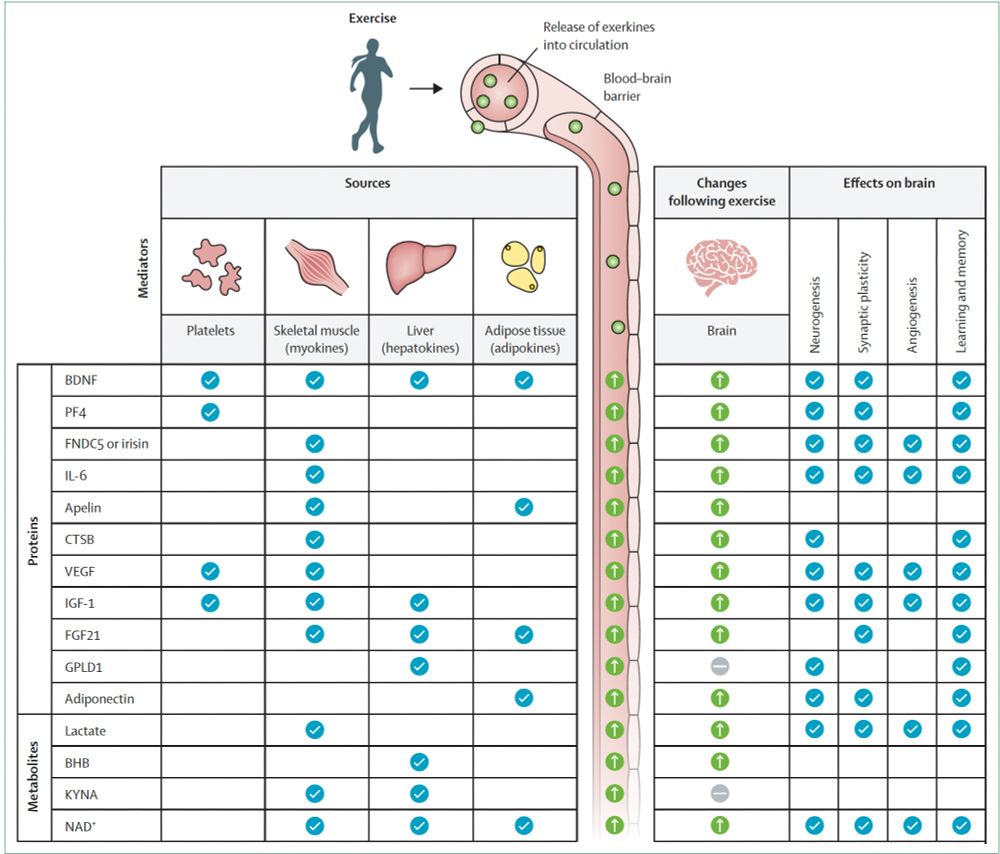
How does exercise and fitness promote healthy brain aging?
An outstanding, comprehensive review @thelancet.bsky.social
reduced neuroinflammmation, preserves blood-brain-barrier, neurogenesis, role of exerkines, and much more
www.thelancet.com/journals/lan...
An outstanding, comprehensive review @thelancet.bsky.social
reduced neuroinflammmation, preserves blood-brain-barrier, neurogenesis, role of exerkines, and much more
www.thelancet.com/journals/lan...
March 28, 2025 at 12:00 AM
How does exercise and fitness promote healthy brain aging?
An outstanding, comprehensive review @thelancet.bsky.social
reduced neuroinflammmation, preserves blood-brain-barrier, neurogenesis, role of exerkines, and much more
www.thelancet.com/journals/lan...
An outstanding, comprehensive review @thelancet.bsky.social
reduced neuroinflammmation, preserves blood-brain-barrier, neurogenesis, role of exerkines, and much more
www.thelancet.com/journals/lan...


Excited to share our latest paper in Brain Structure and Function! 🧠✨
We explore how age & APOE risk factors impact long-range brain connections using multiscale bundle analysis.
🔗 You can read it here: rdcu.be/eehiz
We explore how age & APOE risk factors impact long-range brain connections using multiscale bundle analysis.
🔗 You can read it here: rdcu.be/eehiz
Mapping the impact of age and APOE risk factors for late onset Alzheimer’s disease on long range brain connections through multiscale bundle analysis
rdcu.be
March 20, 2025 at 1:16 PM
Excited to share our latest paper in Brain Structure and Function! 🧠✨
We explore how age & APOE risk factors impact long-range brain connections using multiscale bundle analysis.
🔗 You can read it here: rdcu.be/eehiz
We explore how age & APOE risk factors impact long-range brain connections using multiscale bundle analysis.
🔗 You can read it here: rdcu.be/eehiz
Reposted by Alexandra Badea
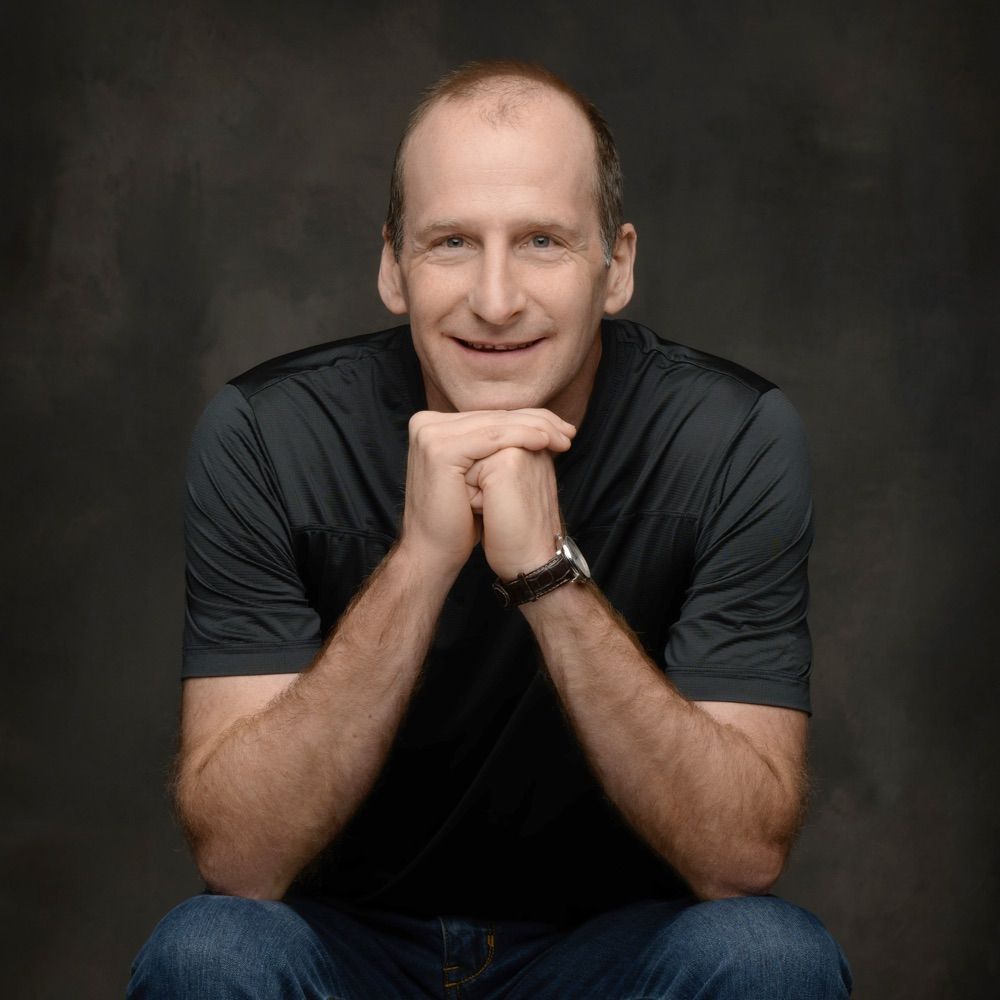
Excited to join Bluesky today! As an ion channel biophysicist, Professor at Duke Neurobiology, and Director of Graduate Studies I will be sharing my insights. Plus the occasional post of my private life. Please help me connect to my community by sharing this post.

January 20, 2025 at 3:32 PM
Excited to join Bluesky today! As an ion channel biophysicist, Professor at Duke Neurobiology, and Director of Graduate Studies I will be sharing my insights. Plus the occasional post of my private life. Please help me connect to my community by sharing this post.
Reposted by Alexandra Badea

"Nvidia is naming its next critical AI chip platform after Vera Rubin, an American astronomer."
www.cnbc.com/2025/03/13/n...
www.cnbc.com/2025/03/13/n...

Nvidia’s next chips are named after Vera Rubin, astronomer who discovered dark matter
Nvidia CEO Jensen Huang is expected to reveal details about Rubin, the chipmaker's next AI GPU, on Tuesday at the company's annual GTC conference.
www.cnbc.com
March 18, 2025 at 8:05 PM
"Nvidia is naming its next critical AI chip platform after Vera Rubin, an American astronomer."
www.cnbc.com/2025/03/13/n...
www.cnbc.com/2025/03/13/n...


I wonder why this is happening ?

March 2, 2025 at 3:37 AM
I wonder why this is happening ?