


@mariovrn.bsky.social
Engineer working on space industry. Science, gliding and nature enthusiast.
Reposted

Today is the December solstice at 15:03 GMT/16:03 CET.
This @eumetsat.int MTG‑I1 image from 19 December 2025, 06:00 GMT, shows Earth’s day–night terminator tilted near its annual maximum of about 23.5°.
This @eumetsat.int MTG‑I1 image from 19 December 2025, 06:00 GMT, shows Earth’s day–night terminator tilted near its annual maximum of about 23.5°.

December 21, 2025 at 11:26 AM
Today is the December solstice at 15:03 GMT/16:03 CET.
This @eumetsat.int MTG‑I1 image from 19 December 2025, 06:00 GMT, shows Earth’s day–night terminator tilted near its annual maximum of about 23.5°.
This @eumetsat.int MTG‑I1 image from 19 December 2025, 06:00 GMT, shows Earth’s day–night terminator tilted near its annual maximum of about 23.5°.
Reposted
Tres meses antes de la aprobación de la Constitución se estrenó 'La escopeta nacional', el epítome de lo "berlanguiano".
Es una crítica feroz a las élites del tardofranquismo, que sufre en sus carnes un comercial catalán de firmes principios.
Vamos con el #MakeEmLaugh.
HILO🧵⤵️
Es una crítica feroz a las élites del tardofranquismo, que sufre en sus carnes un comercial catalán de firmes principios.
Vamos con el #MakeEmLaugh.
HILO🧵⤵️
November 12, 2025 at 8:07 PM
Tres meses antes de la aprobación de la Constitución se estrenó 'La escopeta nacional', el epítome de lo "berlanguiano".
Es una crítica feroz a las élites del tardofranquismo, que sufre en sus carnes un comercial catalán de firmes principios.
Vamos con el #MakeEmLaugh.
HILO🧵⤵️
Es una crítica feroz a las élites del tardofranquismo, que sufre en sus carnes un comercial catalán de firmes principios.
Vamos con el #MakeEmLaugh.
HILO🧵⤵️
Reposted

Por cada animal salvaje hay 10 para consumo o domésticos. Los humanos vuelan ya más que las aves. En los mares, queda el 30% de las ballenas que había en 1850. Y solo perros, gatos y roedores urbanos pesan más que el resto de animales terrestres silvestres social.elpais.com/7cqik11

El planeta es nuestra granja: por cada animal salvaje hay 10 para consumo o domésticos
Dos estudios muestran como la vida domesticada supera a la silvestre con las personas moviéndose más que el conjunto de animales
social.elpais.com
October 27, 2025 at 9:21 PM
Por cada animal salvaje hay 10 para consumo o domésticos. Los humanos vuelan ya más que las aves. En los mares, queda el 30% de las ballenas que había en 1850. Y solo perros, gatos y roedores urbanos pesan más que el resto de animales terrestres silvestres social.elpais.com/7cqik11
Reposted
From a crewmember on yesterday's Teal 74 mission into now-Category 5 Hurricane #Melissa. As clear of an eye as you will see in the Atlantic basin.
October 27, 2025 at 4:11 PM
From a crewmember on yesterday's Teal 74 mission into now-Category 5 Hurricane #Melissa. As clear of an eye as you will see in the Atlantic basin.
Reposted


Reposted

El vídeo que sacamos mañana en @elcomidista.bsky.social. Míralo antes de que nos lo censuren. youtu.be/y4Wh77fVybA?...

Los boicots a empresas y alimentos ligados a Israel | EL COMIDISTA
YouTube video by El Comidista en EL PAÍS
youtu.be
September 30, 2025 at 6:09 PM
El vídeo que sacamos mañana en @elcomidista.bsky.social. Míralo antes de que nos lo censuren. youtu.be/y4Wh77fVybA?...
Reposted

Este vídeo es increíble y resulta difícil de imaginar esa claridad y contundencia en televisión.
www.youtube.com/watch?v=y4Wh...
www.youtube.com/watch?v=y4Wh...

Los boicots a empresas y alimentos ligados a Israel | EL COMIDISTA
YouTube video by El Comidista en EL PAÍS
www.youtube.com
September 30, 2025 at 7:19 PM
Este vídeo es increíble y resulta difícil de imaginar esa claridad y contundencia en televisión.
www.youtube.com/watch?v=y4Wh...
www.youtube.com/watch?v=y4Wh...
Reposted

Una cosa que podemos hacer además de enredarnos en la dialéctica del genocidio, es comprar un kit de emergencias para Médicos sin fronteras. Que son 18€ y es mucho más útil. Si no puedes aportar, comparte.
www.msf.es/colabora/don...
www.msf.es/colabora/don...


September 27, 2025 at 7:03 PM
Una cosa que podemos hacer además de enredarnos en la dialéctica del genocidio, es comprar un kit de emergencias para Médicos sin fronteras. Que son 18€ y es mucho más útil. Si no puedes aportar, comparte.
www.msf.es/colabora/don...
www.msf.es/colabora/don...
Reposted

Buenos días, domingueros

September 28, 2025 at 6:26 AM
Buenos días, domingueros
Reposted

“Si yo miento deliberadamente como hacen Herrera o Losantos me echan. Pero estos tíos lo pueden hacer cada mañana”.
Este domingo #SalvadosWyoming no se calla ni una.
Este domingo #SalvadosWyoming no se calla ni una.
September 5, 2025 at 1:13 PM
“Si yo miento deliberadamente como hacen Herrera o Losantos me echan. Pero estos tíos lo pueden hacer cada mañana”.
Este domingo #SalvadosWyoming no se calla ni una.
Este domingo #SalvadosWyoming no se calla ni una.
Reposted
¿Han cambiado los veranos en España?
Y tanto: aquí vemos cómo se comportaban en la década de los 80 frente a cómo lo hacen ahora.
T. diaria promedio a 850 hPa (~1500m) y su comparación con la media 1940-2025.
Las anomalías cálidas (+) son ahora más intensas, pero especialmente más persistentes.
Y tanto: aquí vemos cómo se comportaban en la década de los 80 frente a cómo lo hacen ahora.
T. diaria promedio a 850 hPa (~1500m) y su comparación con la media 1940-2025.
Las anomalías cálidas (+) son ahora más intensas, pero especialmente más persistentes.

August 19, 2025 at 8:58 AM
¿Han cambiado los veranos en España?
Y tanto: aquí vemos cómo se comportaban en la década de los 80 frente a cómo lo hacen ahora.
T. diaria promedio a 850 hPa (~1500m) y su comparación con la media 1940-2025.
Las anomalías cálidas (+) son ahora más intensas, pero especialmente más persistentes.
Y tanto: aquí vemos cómo se comportaban en la década de los 80 frente a cómo lo hacen ahora.
T. diaria promedio a 850 hPa (~1500m) y su comparación con la media 1940-2025.
Las anomalías cálidas (+) son ahora más intensas, pero especialmente más persistentes.
Reposted

🐋 Leviatán vs 🦑 Kraken la gran batalla COLOSAL
Captan por primera vez a un cachalote con un calamar gigante en la boca. Un registro único en su tipo.
CréditoS @lud_adventure & @ecowatch.discovery.mauritius
Captan por primera vez a un cachalote con un calamar gigante en la boca. Un registro único en su tipo.
CréditoS @lud_adventure & @ecowatch.discovery.mauritius
September 4, 2025 at 9:19 AM
🐋 Leviatán vs 🦑 Kraken la gran batalla COLOSAL
Captan por primera vez a un cachalote con un calamar gigante en la boca. Un registro único en su tipo.
CréditoS @lud_adventure & @ecowatch.discovery.mauritius
Captan por primera vez a un cachalote con un calamar gigante en la boca. Un registro único en su tipo.
CréditoS @lud_adventure & @ecowatch.discovery.mauritius
Reposted
“Just because trees fall naturally in the forest doesn’t make the chainsaw a hoax.” — @drshepherd2013.bsky.social

This is a great cartoon of the illogical narratives I hear refuting climate warming. As I have said many times, it's not "either/or" when it comes to natural variability and human contributions, it's "both/and." Grass grows naturally and it grows differently when you fertilize the lawn....

September 1, 2025 at 8:23 PM
“Just because trees fall naturally in the forest doesn’t make the chainsaw a hoax.” — @drshepherd2013.bsky.social
Reposted

I'm looking away from our world for a moment.
I'm looking at the little dot in this image.
It's a newborn planet, 5 times the mass of Jupiter, carving a path through the disk of dust around its star. This is the first time we've seen the process clearly. 🧪🔭
www.eso.org/public/image...
I'm looking at the little dot in this image.
It's a newborn planet, 5 times the mass of Jupiter, carving a path through the disk of dust around its star. This is the first time we've seen the process clearly. 🧪🔭
www.eso.org/public/image...

August 27, 2025 at 4:49 PM
I'm looking away from our world for a moment.
I'm looking at the little dot in this image.
It's a newborn planet, 5 times the mass of Jupiter, carving a path through the disk of dust around its star. This is the first time we've seen the process clearly. 🧪🔭
www.eso.org/public/image...
I'm looking at the little dot in this image.
It's a newborn planet, 5 times the mass of Jupiter, carving a path through the disk of dust around its star. This is the first time we've seen the process clearly. 🧪🔭
www.eso.org/public/image...
Reposted

Reposted
Hoy teníamos un día bastante despejado en el noroeste peninsular y el satélite Terra ha podido captar -gracias al uso de distintas bandas espectrales- las cicatrices de los incendios que han ocurrido. Las podéis ver perfectamente por su color marrón.
Devastador.
Devastador.

August 22, 2025 at 5:04 PM
Hoy teníamos un día bastante despejado en el noroeste peninsular y el satélite Terra ha podido captar -gracias al uso de distintas bandas espectrales- las cicatrices de los incendios que han ocurrido. Las podéis ver perfectamente por su color marrón.
Devastador.
Devastador.
Reposted

This iceberg wasn’t just chilling - it flipped upside down off the coast of Greenland in a wild ocean somersault. ❄️🔄
August 20, 2025 at 6:12 PM
This iceberg wasn’t just chilling - it flipped upside down off the coast of Greenland in a wild ocean somersault. ❄️🔄
Reposted
Unbelievable footage from NOAA’s Hurricane Hunters inside the eye of Hurricane Erin.
Simply incredible.
Simply incredible.
August 16, 2025 at 9:22 PM
Unbelievable footage from NOAA’s Hurricane Hunters inside the eye of Hurricane Erin.
Simply incredible.
Simply incredible.
Reposted

1 in 3 doctors were born overseas.
1 in 5 university academics were born overseas.
1 in 7 UK business founders were born overseas.
1 in 2 builders were born overseas.
1 in 5 nurses were born overseas.
1 in 4 transport workers were born overseas.
The media, their framing, IS the problem
1 in 5 university academics were born overseas.
1 in 7 UK business founders were born overseas.
1 in 2 builders were born overseas.
1 in 5 nurses were born overseas.
1 in 4 transport workers were born overseas.
The media, their framing, IS the problem

August 10, 2025 at 3:22 PM
1 in 3 doctors were born overseas.
1 in 5 university academics were born overseas.
1 in 7 UK business founders were born overseas.
1 in 2 builders were born overseas.
1 in 5 nurses were born overseas.
1 in 4 transport workers were born overseas.
The media, their framing, IS the problem
1 in 5 university academics were born overseas.
1 in 7 UK business founders were born overseas.
1 in 2 builders were born overseas.
1 in 5 nurses were born overseas.
1 in 4 transport workers were born overseas.
The media, their framing, IS the problem
Reposted
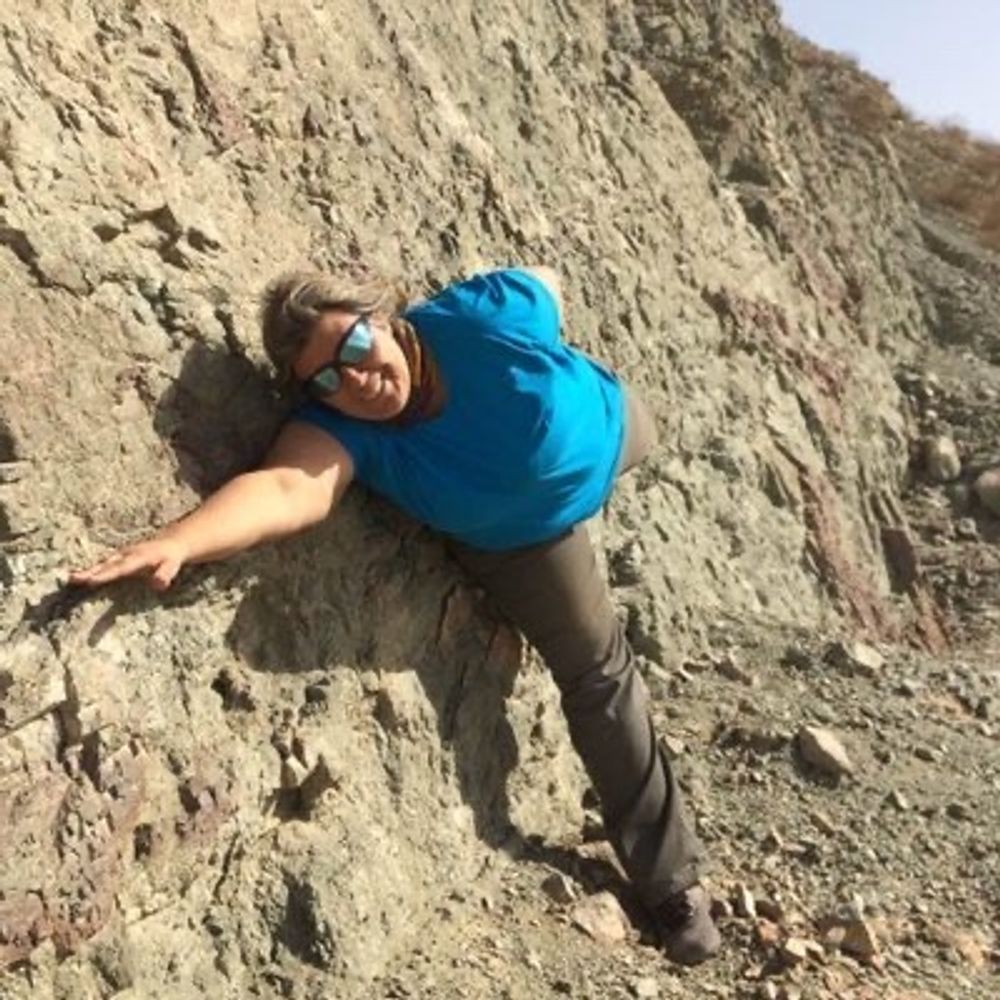
Apparently surface rupture during the Myanmar 2025. I'm very surprised by the weak shaking along the rupture. I'm not sure if this is the main rupture (I would say no - nonetheless, VERY COOL). Author unknown, location Thazi (to be confirmed)
May 12, 2025 at 2:18 AM
Apparently surface rupture during the Myanmar 2025. I'm very surprised by the weak shaking along the rupture. I'm not sure if this is the main rupture (I would say no - nonetheless, VERY COOL). Author unknown, location Thazi (to be confirmed)
Reposted

It is fucking insane that we had a decade of people complaining about the dangers of cancel culture, and now literally hundreds of thousands of people are being purged from government jobs for ideological reasons, but that is not cancel culture.
July 25, 2025 at 1:35 PM
It is fucking insane that we had a decade of people complaining about the dangers of cancel culture, and now literally hundreds of thousands of people are being purged from government jobs for ideological reasons, but that is not cancel culture.
Reposted
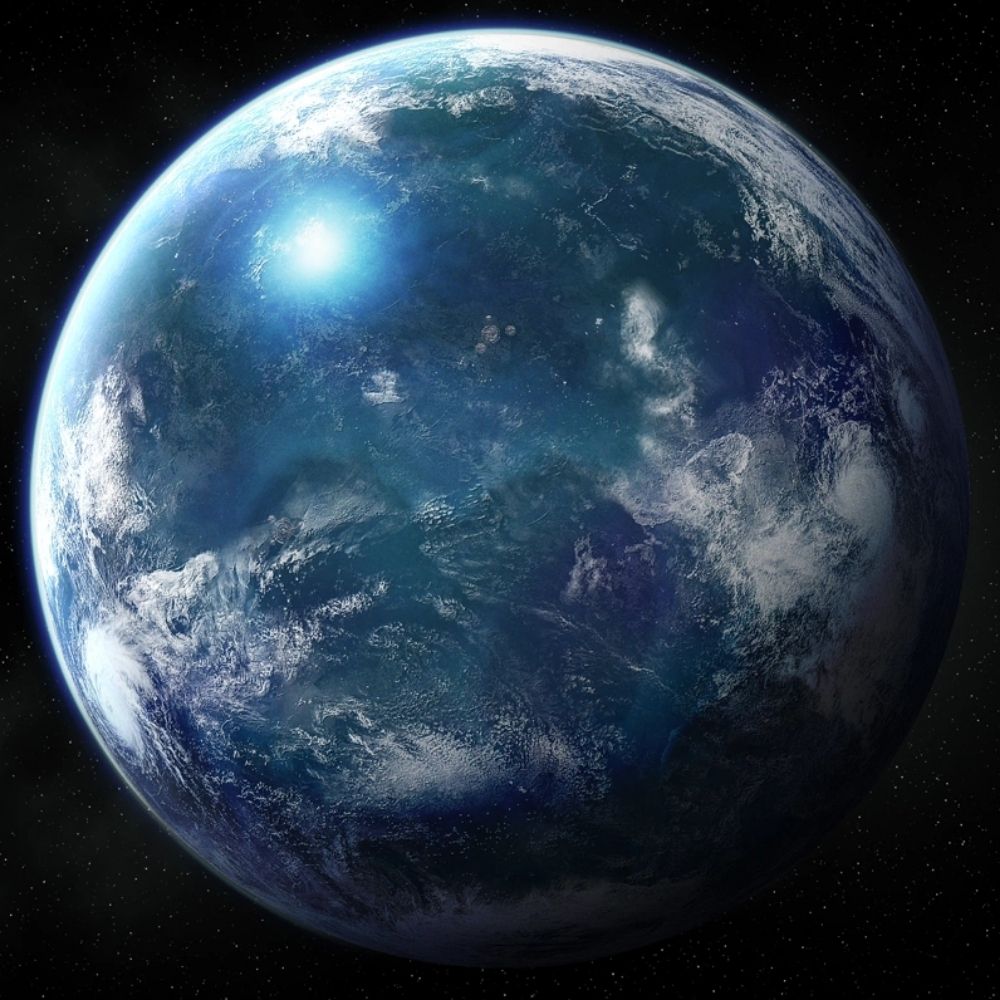
This is absurd.
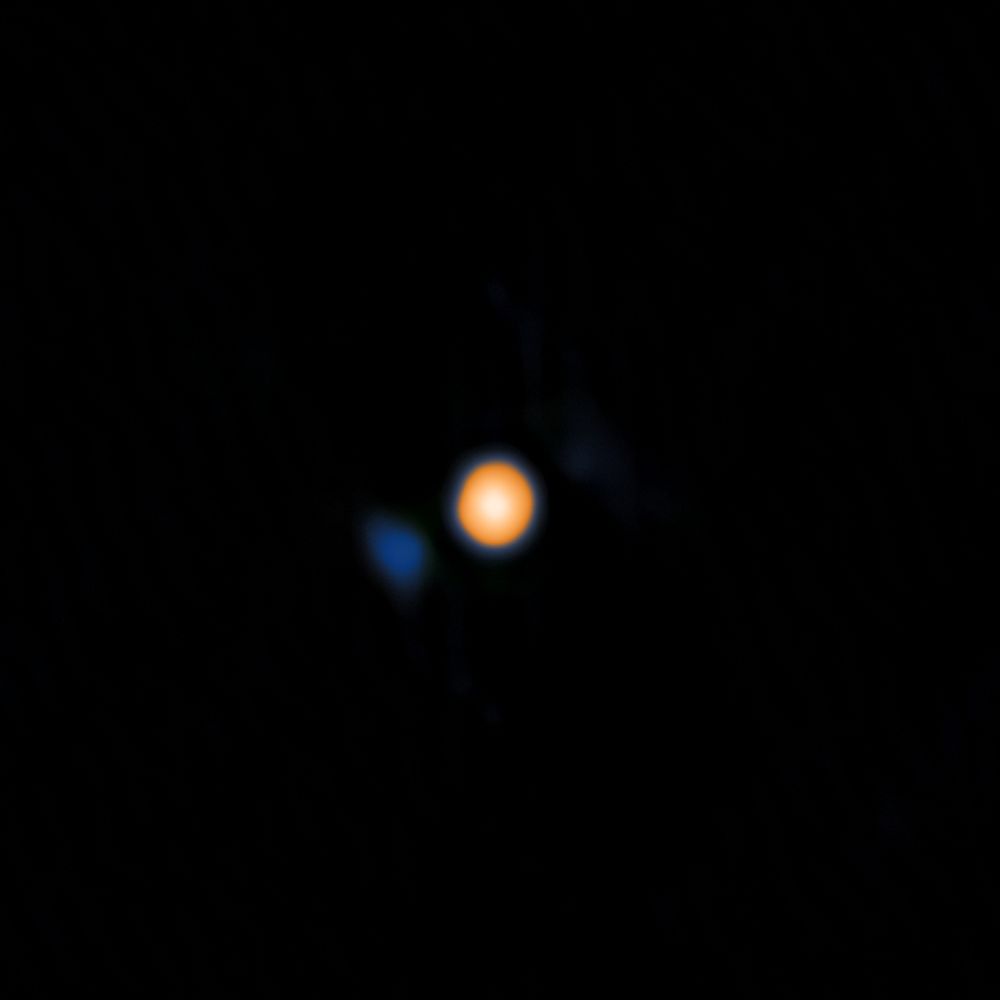
The red supergiant Betelgeuse is the bright feature in this image.
But that darker blue splotch is a *companion star* that's just been discovered—and it orbits so close to Betelgeuse that it's inside the larger star's outer atmosphere.
The red supergiant Betelgeuse is the bright feature in this image.
But that darker blue splotch is a *companion star* that's just been discovered—and it orbits so close to Betelgeuse that it's inside the larger star's outer atmosphere.
July 21, 2025 at 9:07 PM
This is absurd.
The red supergiant Betelgeuse is the bright feature in this image.
But that darker blue splotch is a *companion star* that's just been discovered—and it orbits so close to Betelgeuse that it's inside the larger star's outer atmosphere.
The red supergiant Betelgeuse is the bright feature in this image.
But that darker blue splotch is a *companion star* that's just been discovered—and it orbits so close to Betelgeuse that it's inside the larger star's outer atmosphere.
Reposted

basking sharks
Sarah-Kim Watchorn
"Charle and I had the best day out there. just Ireland doing its thing. Finally showing you guys some footage that has been patiently waiting on my hard drive"
Sarah-Kim Watchorn
"Charle and I had the best day out there. just Ireland doing its thing. Finally showing you guys some footage that has been patiently waiting on my hard drive"
July 20, 2025 at 11:13 PM
basking sharks
Sarah-Kim Watchorn
"Charle and I had the best day out there. just Ireland doing its thing. Finally showing you guys some footage that has been patiently waiting on my hard drive"
Sarah-Kim Watchorn
"Charle and I had the best day out there. just Ireland doing its thing. Finally showing you guys some footage that has been patiently waiting on my hard drive"
Reposted
‼️ El plan de la ultraderecha para plantar ideas autoritarias en tu cerebro y erosionar la democracia www.eldiario.es/1_be0b65?utm...
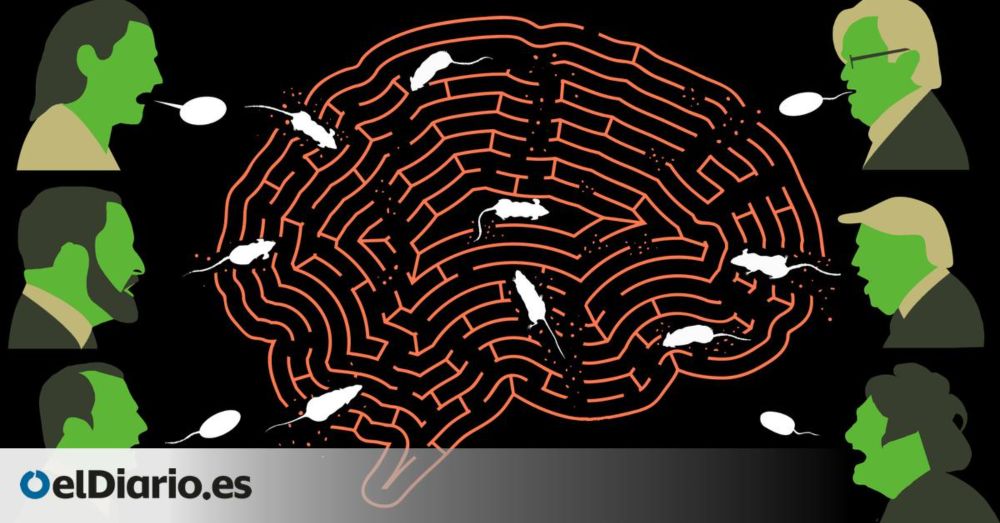
El plan de la ultraderecha para plantar ideas autoritarias en tu cerebro y erosionar la democracia
Neurocientíficos y politólogos describen los mecanismos psicológicos por los que asimilamos propuestas y acciones que antes habrían provocado nuestra indignación y terminan calando en amplios sectores...
www.eldiario.es
July 13, 2025 at 6:00 AM
‼️ El plan de la ultraderecha para plantar ideas autoritarias en tu cerebro y erosionar la democracia www.eldiario.es/1_be0b65?utm...
Reposted
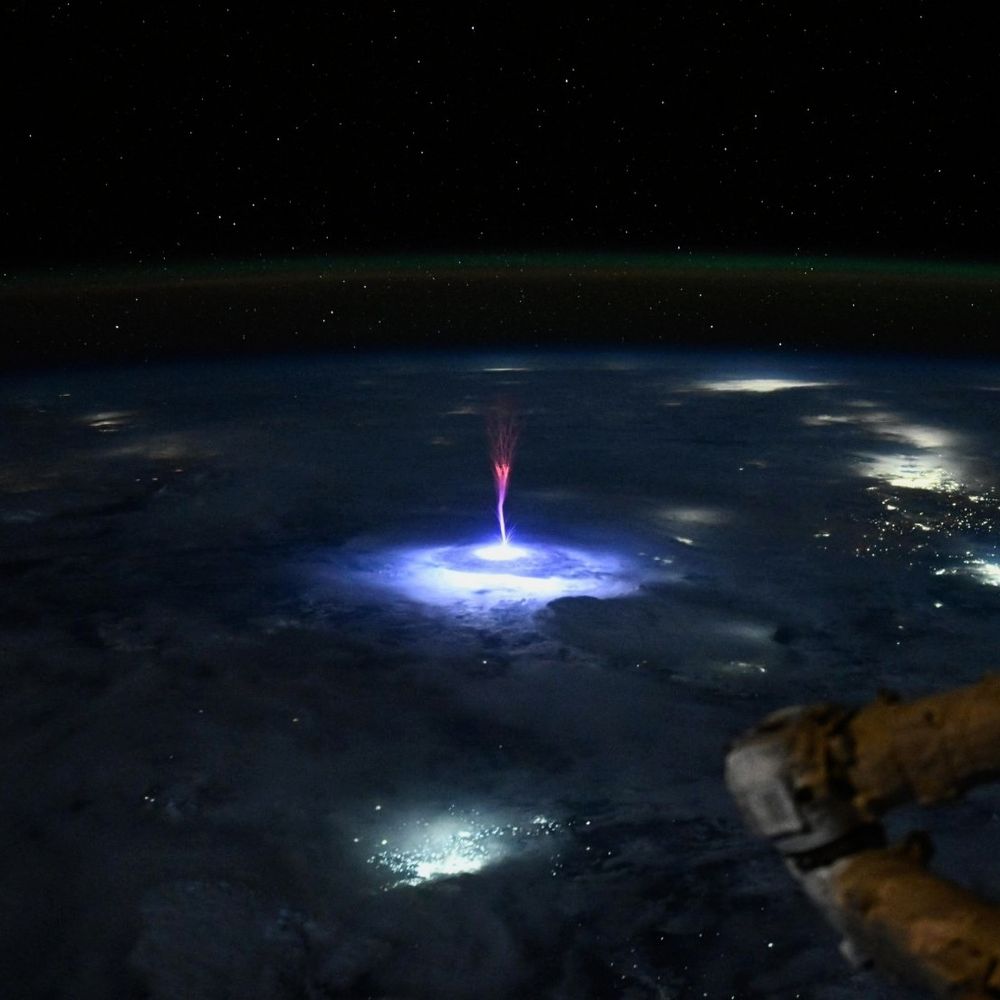
Whoa.
That's a sprite, an elusive, high-altitude electrical discharge from a thundercloud photographed by NASA astronaut Nichole Ayers from the ISS earlier today.
With reported sightings going back more than a century, this phenomenon was first photographed in 1989.
That's a sprite, an elusive, high-altitude electrical discharge from a thundercloud photographed by NASA astronaut Nichole Ayers from the ISS earlier today.
With reported sightings going back more than a century, this phenomenon was first photographed in 1989.
July 3, 2025 at 9:40 PM
Whoa.
That's a sprite, an elusive, high-altitude electrical discharge from a thundercloud photographed by NASA astronaut Nichole Ayers from the ISS earlier today.
With reported sightings going back more than a century, this phenomenon was first photographed in 1989.
That's a sprite, an elusive, high-altitude electrical discharge from a thundercloud photographed by NASA astronaut Nichole Ayers from the ISS earlier today.
With reported sightings going back more than a century, this phenomenon was first photographed in 1989.