



Giovanni Becerra
@giovannibecerra.bsky.social
MSc Student at CICESE in 🇲🇽 working with ecomorphological evolution in damselfishes 🐠🪸💻 | Broadly interested in Paleobiology and Macroevolution 🦖🦤🧬| Film enthusiast 🎥🎬🎞️
🔗 https://www.researchgate.net/profile/Angel-Becerra-Rodriguez
🔗 https://www.researchgate.net/profile/Angel-Becerra-Rodriguez
Reposted by Giovanni Becerra

🚨 Palaeo jobs alert!! 🚨
Two(!!) postdoc positions available in Cambridge!
1. Human Evolutionary Anatomy: cam.ac.uk/jobs/researc...
2. Evolutionary Biomechanics: cam.ac.uk/jobs/researc...
As part of the @erc.europa.eu funded STEPS project!
Two(!!) postdoc positions available in Cambridge!
1. Human Evolutionary Anatomy: cam.ac.uk/jobs/researc...
2. Evolutionary Biomechanics: cam.ac.uk/jobs/researc...
As part of the @erc.europa.eu funded STEPS project!
November 28, 2025 at 11:38 AM
🚨 Palaeo jobs alert!! 🚨
Two(!!) postdoc positions available in Cambridge!
1. Human Evolutionary Anatomy: cam.ac.uk/jobs/researc...
2. Evolutionary Biomechanics: cam.ac.uk/jobs/researc...
As part of the @erc.europa.eu funded STEPS project!
Two(!!) postdoc positions available in Cambridge!
1. Human Evolutionary Anatomy: cam.ac.uk/jobs/researc...
2. Evolutionary Biomechanics: cam.ac.uk/jobs/researc...
As part of the @erc.europa.eu funded STEPS project!
Reposted by Giovanni Becerra
🚨 Job position @cam.ac.uk 🚨
Project Coordinator for 5 years at 0.5 FTE on the ERC Funded STEPS project. Closing date for application 2nd January 2026, interviews ~3 weeks later!
Apply here: www.cam.ac.uk/jobs/project...
@cam-archaeology.bsky.social
@erc.europa.eu
Project Coordinator for 5 years at 0.5 FTE on the ERC Funded STEPS project. Closing date for application 2nd January 2026, interviews ~3 weeks later!
Apply here: www.cam.ac.uk/jobs/project...
@cam-archaeology.bsky.social
@erc.europa.eu
Project Coordinator (Part Time, Fixed Term)
The post holder will work as part of the ERC Starting Grant project STEPS: Biomechanical simulations of hominin locomotion across complex terrains led by Principal Investigator Dr Ashleigh Wiseman
www.cam.ac.uk
November 20, 2025 at 6:00 PM
🚨 Job position @cam.ac.uk 🚨
Project Coordinator for 5 years at 0.5 FTE on the ERC Funded STEPS project. Closing date for application 2nd January 2026, interviews ~3 weeks later!
Apply here: www.cam.ac.uk/jobs/project...
@cam-archaeology.bsky.social
@erc.europa.eu
Project Coordinator for 5 years at 0.5 FTE on the ERC Funded STEPS project. Closing date for application 2nd January 2026, interviews ~3 weeks later!
Apply here: www.cam.ac.uk/jobs/project...
@cam-archaeology.bsky.social
@erc.europa.eu
Reposted by Giovanni Becerra

Out late for #FossilFriday, it's our invited @annualreviews.bsky.social paper with @sarahlsheffield.bsky.social and @bigfacecats.bsky.social on why Phylogenetic Paleoecology is useful and how to do it.
doi.org/10.1146/annu...
doi.org/10.1146/annu...

A Practical Guide to Phylogenetic Paleoecology
The burgeoning field of phylogenetic paleoecology combines paleoecological data with hypotheses of phylogenetic relationships to tease apart the roles that ecology and relatedness both play in the evo...
doi.org
November 29, 2025 at 12:31 AM
Out late for #FossilFriday, it's our invited @annualreviews.bsky.social paper with @sarahlsheffield.bsky.social and @bigfacecats.bsky.social on why Phylogenetic Paleoecology is useful and how to do it.
doi.org/10.1146/annu...
doi.org/10.1146/annu...
Reposted by Giovanni Becerra

DAFNEE, a useful database of academic-friendly journals in #Ecology and Evolutionary #Biology
academic.oup.com/jeb/advance-...
academic.oup.com/jeb/advance-...

Time to publish responsibly: DAFNEE, a database of academia-friendly journals in ecology and evolutionary biology
Abstract. The current economics of scientific publishing reveal a profound imbalance: academia pays prices far exceeding the actual costs of publication. R
academic.oup.com
December 2, 2025 at 7:06 AM
DAFNEE, a useful database of academic-friendly journals in #Ecology and Evolutionary #Biology
academic.oup.com/jeb/advance-...
academic.oup.com/jeb/advance-...
Reposted by Giovanni Becerra

Happy to share our new paper is now published! 🎉
We developed a non-invasive method to model animal hearing using 3D photogrammetry and showed it on bats 🦇 and a pig. It even allowed us to capture the 3D mesh of an alive and awake bat and model its hearing! 🔉
Article: doi.org/10.1111/2041... 🧪
We developed a non-invasive method to model animal hearing using 3D photogrammetry and showed it on bats 🦇 and a pig. It even allowed us to capture the 3D mesh of an alive and awake bat and model its hearing! 🔉
Article: doi.org/10.1111/2041... 🧪

3D photogrammetry as a low‐cost and non‐invasive method for acoustic modelling of animal hearing
Sound localization is important for all eared animals and the spatio-spectral cues for localization are described through the head-related transfer function (HRTF). Current state-of-the-art for ob...
doi.org
November 18, 2025 at 8:40 AM
Happy to share our new paper is now published! 🎉
We developed a non-invasive method to model animal hearing using 3D photogrammetry and showed it on bats 🦇 and a pig. It even allowed us to capture the 3D mesh of an alive and awake bat and model its hearing! 🔉
Article: doi.org/10.1111/2041... 🧪
We developed a non-invasive method to model animal hearing using 3D photogrammetry and showed it on bats 🦇 and a pig. It even allowed us to capture the 3D mesh of an alive and awake bat and model its hearing! 🔉
Article: doi.org/10.1111/2041... 🧪
Reposted by Giovanni Becerra
Mad props for being able to scan a live bat. Rocks can be tricky, live subjects must have been a challenge.
Happy to share our new paper is now published! 🎉
We developed a non-invasive method to model animal hearing using 3D photogrammetry and showed it on bats 🦇 and a pig. It even allowed us to capture the 3D mesh of an alive and awake bat and model its hearing! 🔉
Article: doi.org/10.1111/2041... 🧪
We developed a non-invasive method to model animal hearing using 3D photogrammetry and showed it on bats 🦇 and a pig. It even allowed us to capture the 3D mesh of an alive and awake bat and model its hearing! 🔉
Article: doi.org/10.1111/2041... 🧪
3D photogrammetry as a low‐cost and non‐invasive method for acoustic modelling of animal hearing
Sound localization is important for all eared animals and the spatio-spectral cues for localization are described through the head-related transfer function (HRTF). Current state-of-the-art for ob...
doi.org
November 22, 2025 at 5:37 AM
Mad props for being able to scan a live bat. Rocks can be tricky, live subjects must have been a challenge.
Reposted by Giovanni Becerra

Can you teach human anatomy - or know someone who can?
CWRU Anatomy is recruiting, and it would be great to have another paleontologist in the department!
More info and application: apply.interfolio.com/151831
Please share widely!
@societyofvertpaleo.bsky.social
CWRU Anatomy is recruiting, and it would be great to have another paleontologist in the department!
More info and application: apply.interfolio.com/151831
Please share widely!
@societyofvertpaleo.bsky.social

November 24, 2025 at 11:32 PM
Can you teach human anatomy - or know someone who can?
CWRU Anatomy is recruiting, and it would be great to have another paleontologist in the department!
More info and application: apply.interfolio.com/151831
Please share widely!
@societyofvertpaleo.bsky.social
CWRU Anatomy is recruiting, and it would be great to have another paleontologist in the department!
More info and application: apply.interfolio.com/151831
Please share widely!
@societyofvertpaleo.bsky.social
Reposted by Giovanni Becerra
Reposted by Giovanni Becerra

In an era marked by rapid climate change and biodiversity loss, it is imperative that we continue to invest in the unique value of natural history collections data
"Global sampling decline erodes science potential of natural history collections" 🧪
"Global sampling decline erodes science potential of natural history collections" 🧪

Global sampling decline erodes science potential of natural history collections - Nature Communications
Natural history collections hold over two billion specimens representing Earth’s biodiversity, but their scientific value depends on continued specimen collection and digitisation. This study demonstr...
www.nature.com
November 26, 2025 at 2:10 AM
In an era marked by rapid climate change and biodiversity loss, it is imperative that we continue to invest in the unique value of natural history collections data
"Global sampling decline erodes science potential of natural history collections" 🧪
"Global sampling decline erodes science potential of natural history collections" 🧪
Reposted by Giovanni Becerra
Our lab's PhD student Daniel's take on body size biases in tetrapod taxonomy: nsojournals.onlinelibrary.wiley.com/doi/10.1002/...

Too big to miss: body size biases in tetrapod species descriptions and their implications for conservation
While species descriptions are rooted in biological diversity, their timing and patterns have also been influenced by historical, socioeconomic, and perceptual biases. Among these, body size has long...
nsojournals.onlinelibrary.wiley.com
November 14, 2025 at 1:56 PM
Our lab's PhD student Daniel's take on body size biases in tetrapod taxonomy: nsojournals.onlinelibrary.wiley.com/doi/10.1002/...
Reposted by Giovanni Becerra

Just in time for #2025SVP, @gsferreira.bsky.social & I have a new paper! We explore the neuroantomy of the early stem turtles Kayentachelys aprix and Eileanchelys waldmani, based on CT scans I acquired long ago during my UK-based PhD times. Flight to B'ham in 2h 🤩🐢
link.springer.com/article/10.1...
link.springer.com/article/10.1...

Neuroanatomy of Kayentachelys aprix and Eileanchelys waldmani provide insights into the early evolution of the turtle brain - Swiss Journal of Palaeontology
Even though many early stem turtles are known from relatively well-preserved skulls, their neuroanatomy remains poorly understood, limiting insights into key cranial and ecological transitions. Here w...
link.springer.com
November 11, 2025 at 1:14 PM
Just in time for #2025SVP, @gsferreira.bsky.social & I have a new paper! We explore the neuroantomy of the early stem turtles Kayentachelys aprix and Eileanchelys waldmani, based on CT scans I acquired long ago during my UK-based PhD times. Flight to B'ham in 2h 🤩🐢
link.springer.com/article/10.1...
link.springer.com/article/10.1...
Reposted by Giovanni Becerra
Anyone interested in applying for PhDs at #2025SVP, email or find me or @tguillerme.bsky.social for a chat if you’re interested in morphological trait evolution with a conservation theme:
🔗 www.findaphd.com/phds/project...
🔗 www.findaphd.com/phds/project...

ACCE+ DLA Programme: Morphological Trait Evolution in Isolated Populations of Large Mammals and its Implications for Rewilding in the UK at University of Liverpool on FindAPhD.com
PhD Project - ACCE+ DLA Programme: Morphological Trait Evolution in Isolated Populations of Large Mammals and its Implications for Rewilding in the UK at University of Liverpool, listed on FindAPhD.co...
www.findaphd.com
November 13, 2025 at 1:59 PM
Anyone interested in applying for PhDs at #2025SVP, email or find me or @tguillerme.bsky.social for a chat if you’re interested in morphological trait evolution with a conservation theme:
🔗 www.findaphd.com/phds/project...
🔗 www.findaphd.com/phds/project...
Reposted by Giovanni Becerra

🦎✨ New research delivers the 1st full 3D anatomical atlases of the veiled chameleon (Chamaeleo calyptratus)! Open-access atlases + lesson plans offer powerful new tools for studying reptile evolution and teaching comparative anatomy.
Leavey et al.: anatomypubs.onlinelibrary.wiley.com/doi/10.1002/...
Leavey et al.: anatomypubs.onlinelibrary.wiley.com/doi/10.1002/...

November 19, 2025 at 12:30 PM
🦎✨ New research delivers the 1st full 3D anatomical atlases of the veiled chameleon (Chamaeleo calyptratus)! Open-access atlases + lesson plans offer powerful new tools for studying reptile evolution and teaching comparative anatomy.
Leavey et al.: anatomypubs.onlinelibrary.wiley.com/doi/10.1002/...
Leavey et al.: anatomypubs.onlinelibrary.wiley.com/doi/10.1002/...
Reposted by Giovanni Becerra

New paper on the notosuchian Eremosuchus by @piginatutu.bsky.social, co-authored by myself and @pdmannion.bsky.social among others out now!! We even find some cool evidence of replacement teeth in the dentary! www.tandfonline.com/doi/full/10....

A re-evaluation of the notosuchian crocodyliform Eremosuchus elkoholicus from the lower Eocene of Algeria and the evolutionary and biogeographic history of sebecids
Notosuchian systematics have been highly debated in recent decades, particularly the placement of sebecids and closely related species. As the only notosuchian lineage to have survived the Cretaceo...
www.tandfonline.com
November 24, 2025 at 9:13 AM
New paper on the notosuchian Eremosuchus by @piginatutu.bsky.social, co-authored by myself and @pdmannion.bsky.social among others out now!! We even find some cool evidence of replacement teeth in the dentary! www.tandfonline.com/doi/full/10....
Reposted by Giovanni Becerra
Thread on today's paper, which is 3/4 from my dissertation on the evolution of fishes and using morphological data for phylogenetic analyses. Come with me, on a journey on phylogenetics and fishes.
anatomypubs.onlinelibrary.wiley.com/doi/10.1002/...
anatomypubs.onlinelibrary.wiley.com/doi/10.1002/...

An ontological morphological phylogenetic framework for living and extinct ray‐finned fishes (Actinopterygii)
The ray-finned fishes include one out of every two species of living vertebrates on Earth and have an abundant fossil record stretching 380 million years into the past. The division of systematic kno...
anatomypubs.onlinelibrary.wiley.com
November 18, 2025 at 4:22 AM
Thread on today's paper, which is 3/4 from my dissertation on the evolution of fishes and using morphological data for phylogenetic analyses. Come with me, on a journey on phylogenetics and fishes.
anatomypubs.onlinelibrary.wiley.com/doi/10.1002/...
anatomypubs.onlinelibrary.wiley.com/doi/10.1002/...
Reposted by Giovanni Becerra
*Gain skills and training in journal publishing!* Open Palaeontology is looking for Managing Editors and Steering Committee members! Please consider helping to shape community open-access publishing in palaeontology, and spread the word!
openpalaeo.org
@openpalaeo.bsky.social
openpalaeo.org
@openpalaeo.bsky.social


November 19, 2025 at 10:49 AM
*Gain skills and training in journal publishing!* Open Palaeontology is looking for Managing Editors and Steering Committee members! Please consider helping to shape community open-access publishing in palaeontology, and spread the word!
openpalaeo.org
@openpalaeo.bsky.social
openpalaeo.org
@openpalaeo.bsky.social
Reposted by Giovanni Becerra
This #FossilFriday marvel at an early Dyrosauridae from the middle Campanian Quseir Formation of Egypt! Displaying transitional cranial features, Wadisuchus is confirmed as the early-diverging dyrosauridae! Check it out: doi.org/10.1093/zool... @linneansociety.bsky.social

November 21, 2025 at 10:45 AM
This #FossilFriday marvel at an early Dyrosauridae from the middle Campanian Quseir Formation of Egypt! Displaying transitional cranial features, Wadisuchus is confirmed as the early-diverging dyrosauridae! Check it out: doi.org/10.1093/zool... @linneansociety.bsky.social
Reposted by Giovanni Becerra

Foot in door! NPS paleontology seasonal positions! www.usajobs.gov/job/85081670... @societyofvertpaleo.bsky.social

USAJOBS connects job seekers with federal jobs across the United States and around the world as the official employment site for the federal government
These positions may be filled for a six month seasonal period, but can vary due to weather conditions, project needs, or funding. Anticipated Entry on Duty: <strong>April-May 2026</strong>
<p>For more...
www.usajobs.gov
November 24, 2025 at 8:01 PM
Foot in door! NPS paleontology seasonal positions! www.usajobs.gov/job/85081670... @societyofvertpaleo.bsky.social
Reposted by Giovanni Becerra
Can you teach human anatomy - or know someone who can? CWRU is recruiting, and it would be great to recruit someone from @societyofvertpaleo.bsky.social

November 24, 2025 at 11:15 PM
Can you teach human anatomy - or know someone who can? CWRU is recruiting, and it would be great to recruit someone from @societyofvertpaleo.bsky.social
Reposted by Giovanni Becerra

New paper out! It was an honor to collaborate with the legend Leah Krubitzer on this review to show that paleontologists and neurobiologists working together can only improve our understanding of brain evolution 🧠
www.nature.com/articles/s44...
Full access to the paper: rdcu.be/eK167
www.nature.com/articles/s44...
Full access to the paper: rdcu.be/eK167

The functional adaptations of mammalian brain structures through a behavioural ecology lens - Nature Reviews Biodiversity
Palaeontologists and comparative neurobiologists share a common interest in the evolution of the mammalian brain, but often fail to realize the benefits of this shared interest. This Review draws thes...
www.nature.com
October 15, 2025 at 9:52 AM
New paper out! It was an honor to collaborate with the legend Leah Krubitzer on this review to show that paleontologists and neurobiologists working together can only improve our understanding of brain evolution 🧠
www.nature.com/articles/s44...
Full access to the paper: rdcu.be/eK167
www.nature.com/articles/s44...
Full access to the paper: rdcu.be/eK167
Reposted by Giovanni Becerra
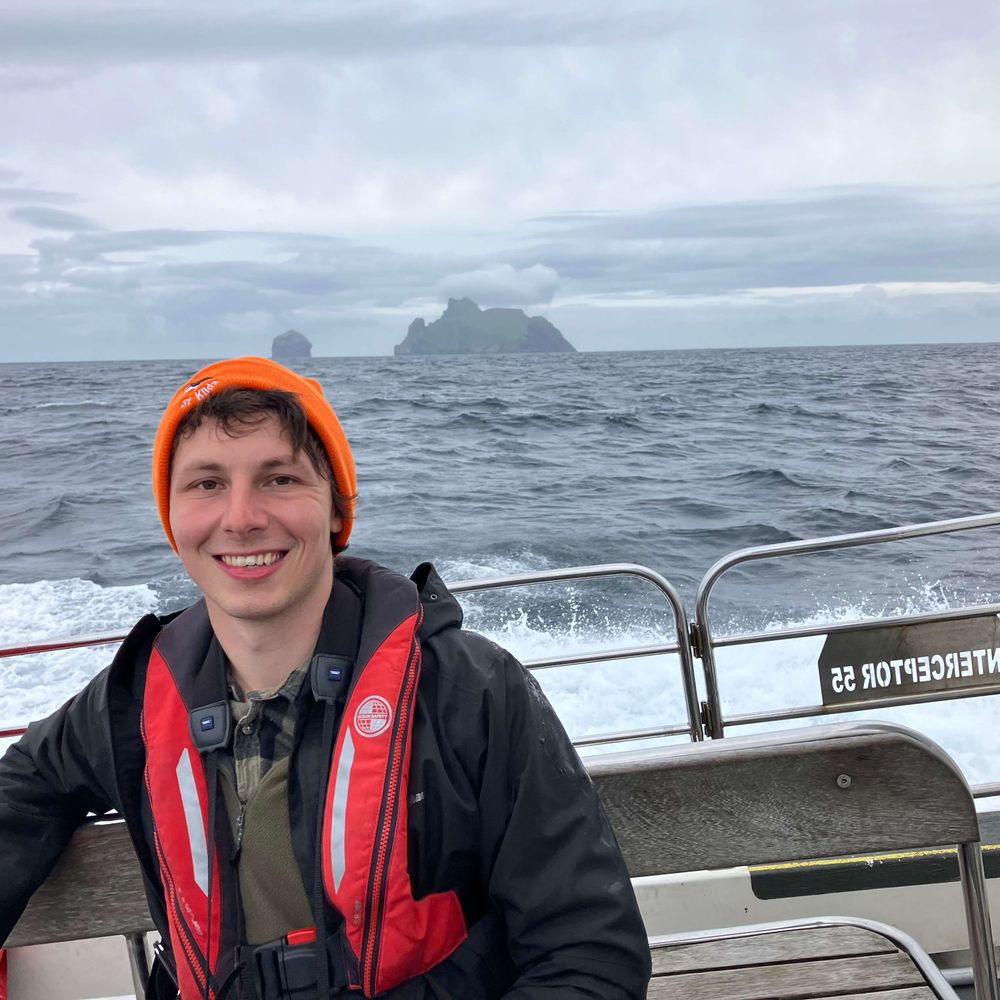
Do you like islands? And/or arthropods? Please get in touch with me (m.t.jezierski[at]bham.ac.uk) or another member of the supervisory team!
We will help you study island evolution in arthropods with a (funded) PhD @unibirmingham.bsky.social. 🪲🏝️🦋
centa.ac.uk/studentship/...
*Please share this!*
We will help you study island evolution in arthropods with a (funded) PhD @unibirmingham.bsky.social. 🪲🏝️🦋
centa.ac.uk/studentship/...
*Please share this!*
2026-B22 The island syndrome in arthropods – CENTA
centa.ac.uk
October 21, 2025 at 5:19 PM
Do you like islands? And/or arthropods? Please get in touch with me (m.t.jezierski[at]bham.ac.uk) or another member of the supervisory team!
We will help you study island evolution in arthropods with a (funded) PhD @unibirmingham.bsky.social. 🪲🏝️🦋
centa.ac.uk/studentship/...
*Please share this!*
We will help you study island evolution in arthropods with a (funded) PhD @unibirmingham.bsky.social. 🪲🏝️🦋
centa.ac.uk/studentship/...
*Please share this!*
Reposted by Giovanni Becerra
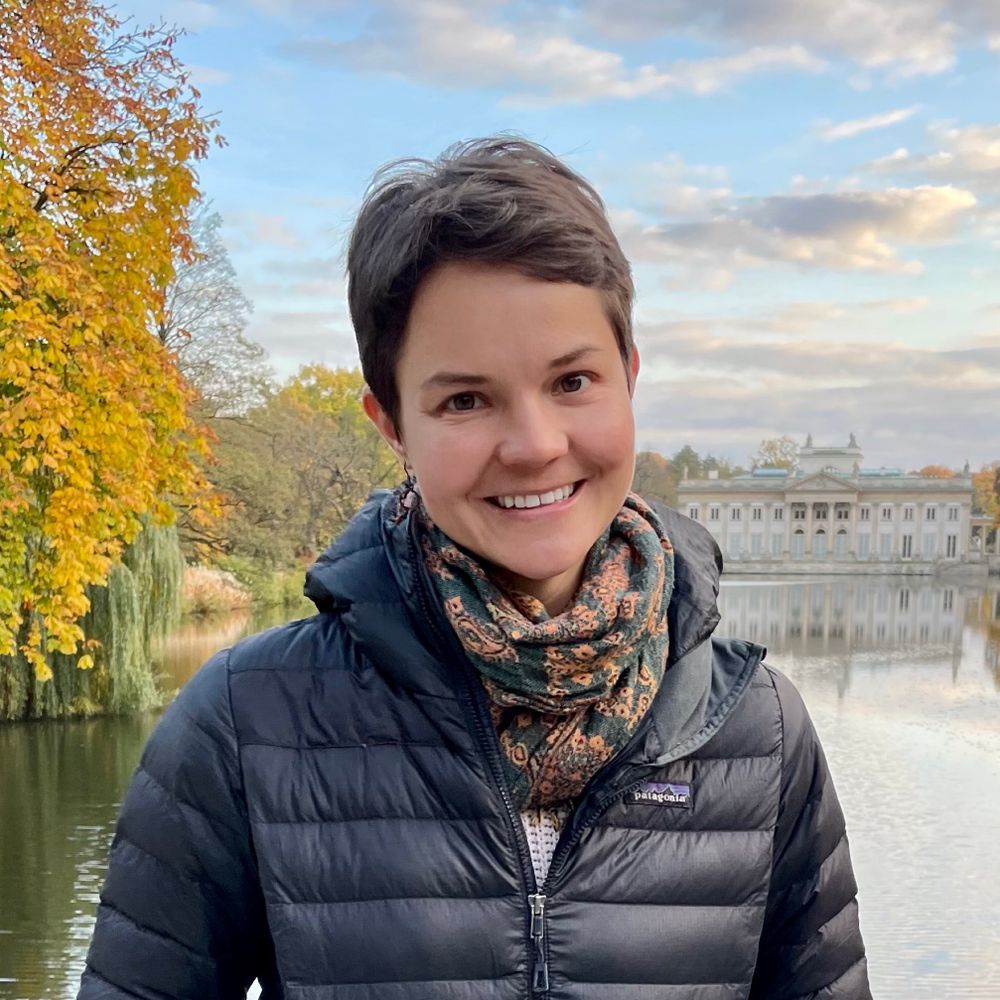
Hello! I’m recruiting three graduate students (MS or PhD) to start in summer or fall 2026 . Projects are broadly focused on the ecology, restoration, and management of rangelands, deserts, and forests. Please share!
Lab website: functionalrestoration.nmsu.edu
Lab website: functionalrestoration.nmsu.edu


October 23, 2025 at 3:47 AM
Hello! I’m recruiting three graduate students (MS or PhD) to start in summer or fall 2026 . Projects are broadly focused on the ecology, restoration, and management of rangelands, deserts, and forests. Please share!
Lab website: functionalrestoration.nmsu.edu
Lab website: functionalrestoration.nmsu.edu
Reposted by Giovanni Becerra
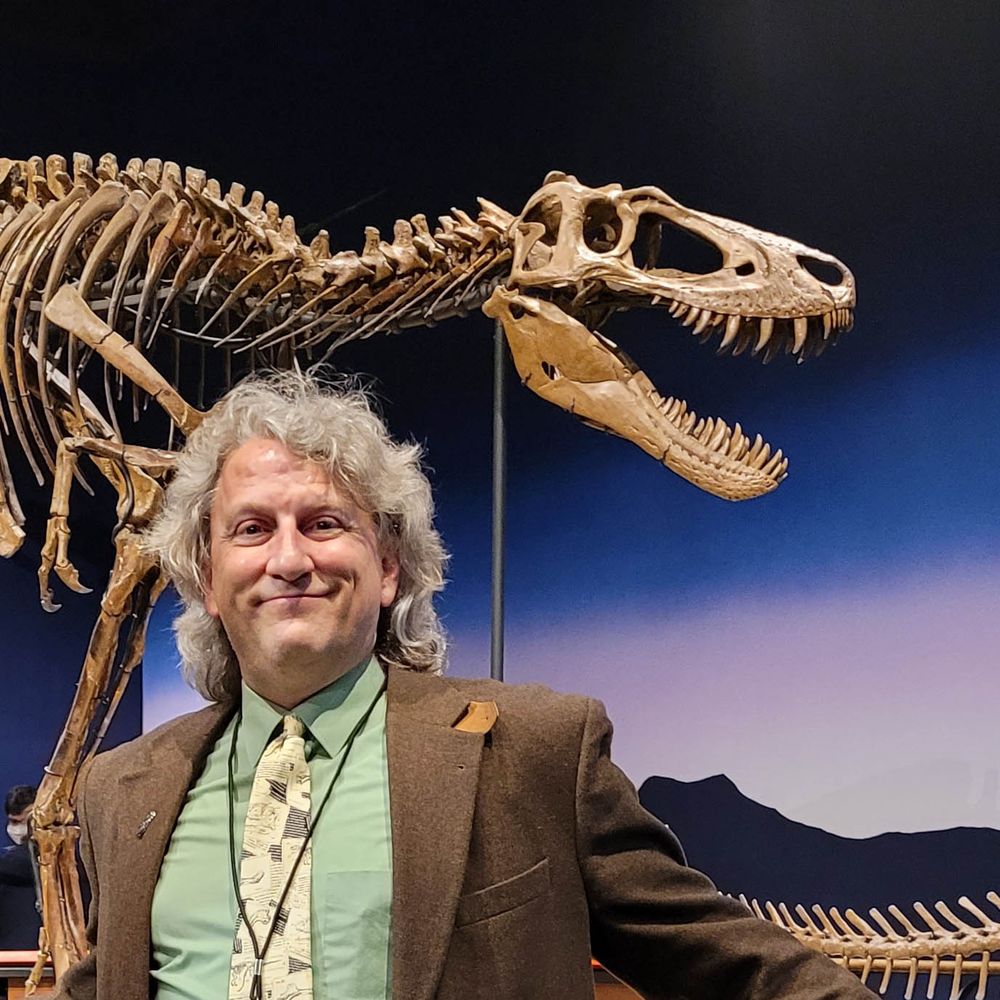
Central Asian radiation of modern large-mammal faunas in Miocene | Science Advances www.science.org/doi/10.1126/...

Central Asian radiation of modern large-mammal faunas in Miocene
Faunal phylogenetic contribution analysis of a mammal supertree shows Central Asia was the Neogene hub for modern megafauna.
www.science.org
October 26, 2025 at 8:47 PM
Central Asian radiation of modern large-mammal faunas in Miocene | Science Advances www.science.org/doi/10.1126/...
Reposted by Giovanni Becerra
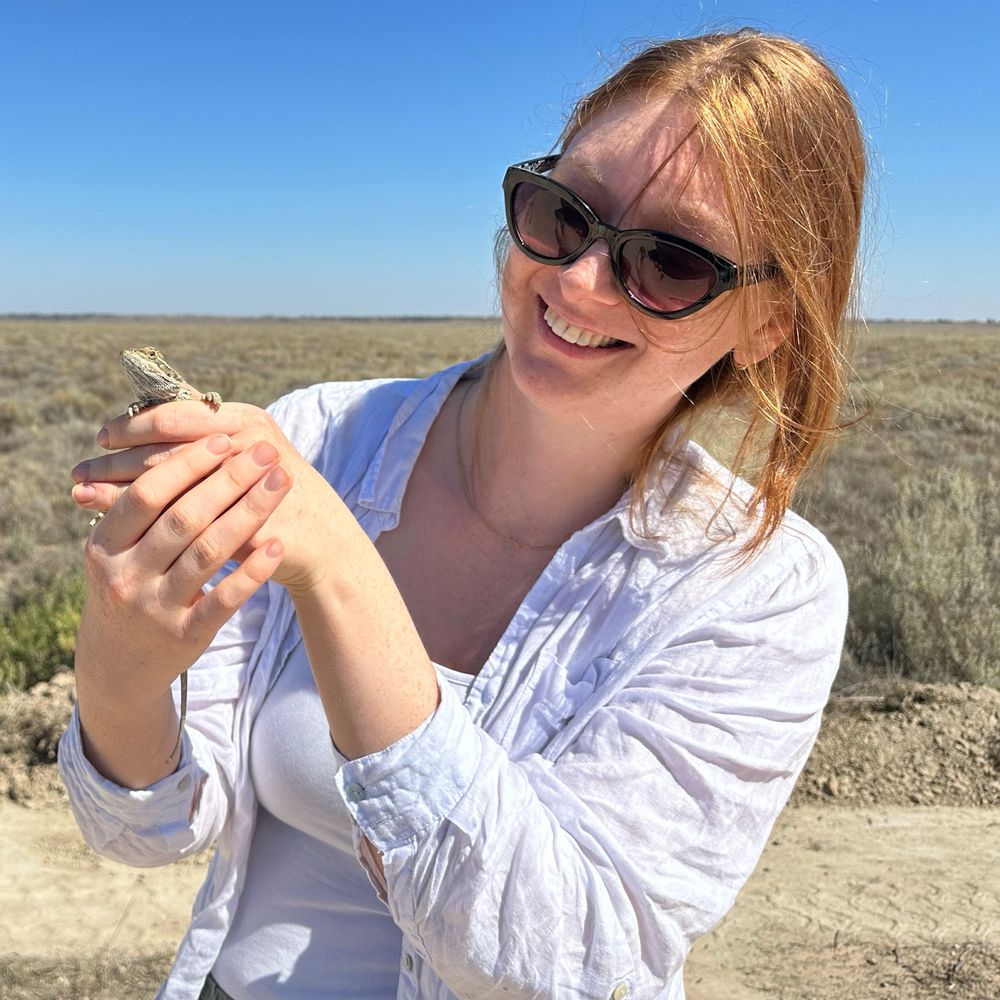
Out today in @currentbiology.bsky.social and led by @tillramm.bsky.social! We integrated population genomics, fossils, SDMs, and micro-CT scanning to understand how climate change has influenced extinctions and extant genetic diversity in the threatened Australian mountain dragon #ozherps #genomics

Climate change predicts Quaternary extinctions and extant genetic diversity in a threatened Australian lizard
Ramm et al. show that Quaternary climate change predicts local extinctions and intraspecific
differences in genetic diversity of the threatened Mountain Dragon (Rankinia diemensis).
Their data suggest...
www.cell.com
October 29, 2025 at 6:48 AM
Out today in @currentbiology.bsky.social and led by @tillramm.bsky.social! We integrated population genomics, fossils, SDMs, and micro-CT scanning to understand how climate change has influenced extinctions and extant genetic diversity in the threatened Australian mountain dragon #ozherps #genomics
Reposted by Giovanni Becerra
New paper today in Proc B @royalsociety.org. We explored nest architecture in 3,685 species of birds, modelling the multivariate nature of nests, i.e. how shape, location or attachment co-occur. Then we explored how the environment affected nest architecture evolution. Spoilers in the title! 🪺🐦🌍

A wide range of abiotic and biotic variables leaves most variation in bird nest architecture unexplained | Proceedings of the Royal Society B: Biological Sciences
Nests are the locations or containers for offspring, and mediate interactions between
offspring and the environment. However, understanding how environmental factors shape
the evolution of nest archit...
royalsocietypublishing.org
October 29, 2025 at 10:53 AM
New paper today in Proc B @royalsociety.org. We explored nest architecture in 3,685 species of birds, modelling the multivariate nature of nests, i.e. how shape, location or attachment co-occur. Then we explored how the environment affected nest architecture evolution. Spoilers in the title! 🪺🐦🌍