



Brian Pentz
@brianpentz.bsky.social
Postdoc, Global Science Team
The Nature Conservancy
Any views expressed here are mine alone and do not reflect the views/positions of TNC.
The Nature Conservancy
Any views expressed here are mine alone and do not reflect the views/positions of TNC.
Reposted by Brian Pentz
🧪Democratic regression is happening in key fishing and fisheries dependent states. It also has the potential to disrupt global fisheries governance. New paper with @brianpentz.bsky.social explores the trends, their ramifications, and sets out a research agenda onlinelibrary.wiley.com/doi/10.1111/...
onlinelibrary.wiley.com
November 28, 2025 at 7:42 PM
🧪Democratic regression is happening in key fishing and fisheries dependent states. It also has the potential to disrupt global fisheries governance. New paper with @brianpentz.bsky.social explores the trends, their ramifications, and sets out a research agenda onlinelibrary.wiley.com/doi/10.1111/...
Reposted by Brian Pentz
We are in a global democratic recession; what does that mean for addressing climate change and biodiversity loss? Its complicated, especially given that conservation practice has become increasingly democratic
Check our our exploratory research here 🧪
www.sciencedirect.com/science/arti...
Check our our exploratory research here 🧪
www.sciencedirect.com/science/arti...

Does democratic regression threaten biodiversity conservation and climate action? Exploring the relationships, implications, and opportunities for democratization as a conservation strategy
A global democratic recession is underway, but its repercussions for the pursuit of progress on the joint crises of climate change and biodiversity lo…
www.sciencedirect.com
July 7, 2025 at 10:10 PM
We are in a global democratic recession; what does that mean for addressing climate change and biodiversity loss? Its complicated, especially given that conservation practice has become increasingly democratic
Check our our exploratory research here 🧪
www.sciencedirect.com/science/arti...
Check our our exploratory research here 🧪
www.sciencedirect.com/science/arti...
Reposted by Brian Pentz

For the first time, fossil fuels provided less than half of U.S. electricity generation for a full month (March 2025). One more milestone in the energy transition. oilprice.com/Energy/Energ... #Upshift
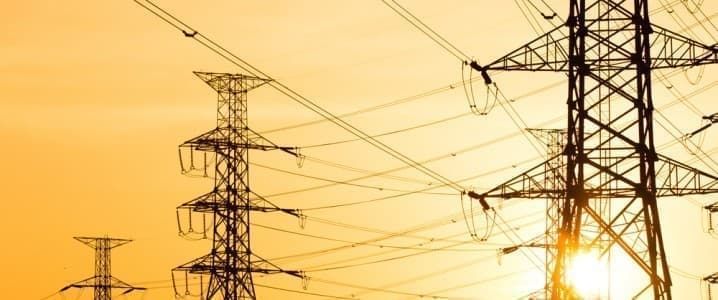
U.S. Electricity From Fossils Fuels Dips Below 50% for the First Time Ever | OilPrice.com
For the first time in history, fossil fuels supplied less than half of the United States' electricity generation for an entire month, marking a significant shift in the nation's energy mix.
oilprice.com
May 6, 2025 at 2:15 AM
For the first time, fossil fuels provided less than half of U.S. electricity generation for a full month (March 2025). One more milestone in the energy transition. oilprice.com/Energy/Energ... #Upshift
Reposted by Brian Pentz

Just in one year, just the clean air act, prevented hundreds of thousands of early deaths. The lowest possible estimate of the benefits found that benefits outweigh the costs by 3 to 1. The most likely estimate is 30 to 1. The high estimate is 90 to 1. Ninety. Nine Zero. www.epa.gov/clean-air-ac...

February 24, 2025 at 8:43 PM
Just in one year, just the clean air act, prevented hundreds of thousands of early deaths. The lowest possible estimate of the benefits found that benefits outweigh the costs by 3 to 1. The most likely estimate is 30 to 1. The high estimate is 90 to 1. Ninety. Nine Zero. www.epa.gov/clean-air-ac...