



Augusto Souto
@augustosouto.bsky.social
Reposted by Augusto Souto

Interesting project. Lots of questions to be answered (e.g., cost per AF?) Thanks @ianjames.bsky.social for the article. www.latimes.com/environment/...

New desalination technology being tested in California could lower costs of tapping seawater
A new desalination technology is undergoing testing in Southern California. Water managers hope it will offer an environmentally friendly way of tapping the Pacific Ocean.
www.latimes.com
March 22, 2025 at 9:03 PM
Interesting project. Lots of questions to be answered (e.g., cost per AF?) Thanks @ianjames.bsky.social for the article. www.latimes.com/environment/...
Reposted by Augusto Souto

A university with less money is still a university. A university without its autonomy is not a university.
March 21, 2025 at 8:31 AM
A university with less money is still a university. A university without its autonomy is not a university.
Reposted by Augusto Souto

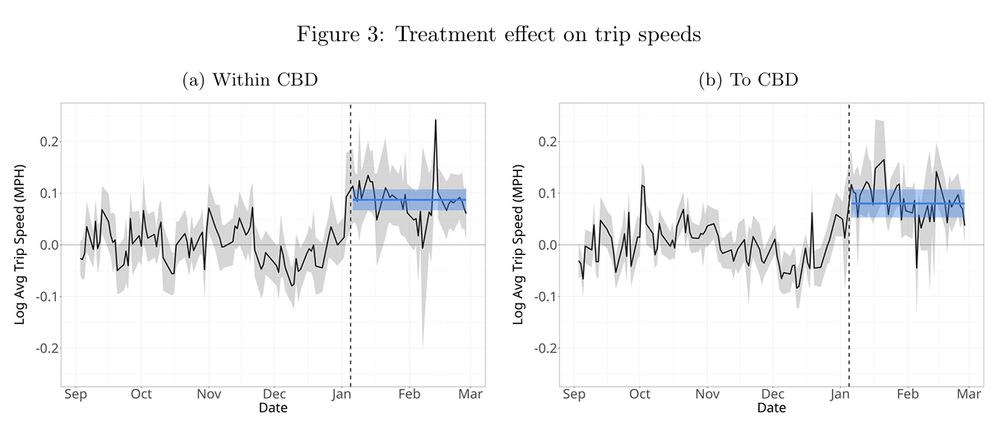
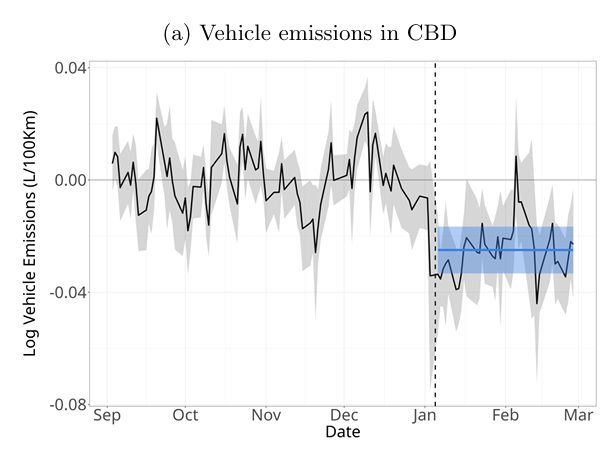
New NBER paper shows dramatic effects of NYC's congestion pricing in contrast with a set of control cities: A large reduction in travel times on roadways—average speeds increased by 15%—combined with a substantial reduction in vehicular emissions. www.nber.org/system/files...
March 17, 2025 at 3:57 PM
New NBER paper shows dramatic effects of NYC's congestion pricing in contrast with a set of control cities: A large reduction in travel times on roadways—average speeds increased by 15%—combined with a substantial reduction in vehicular emissions. www.nber.org/system/files...
Reposted by Augusto Souto

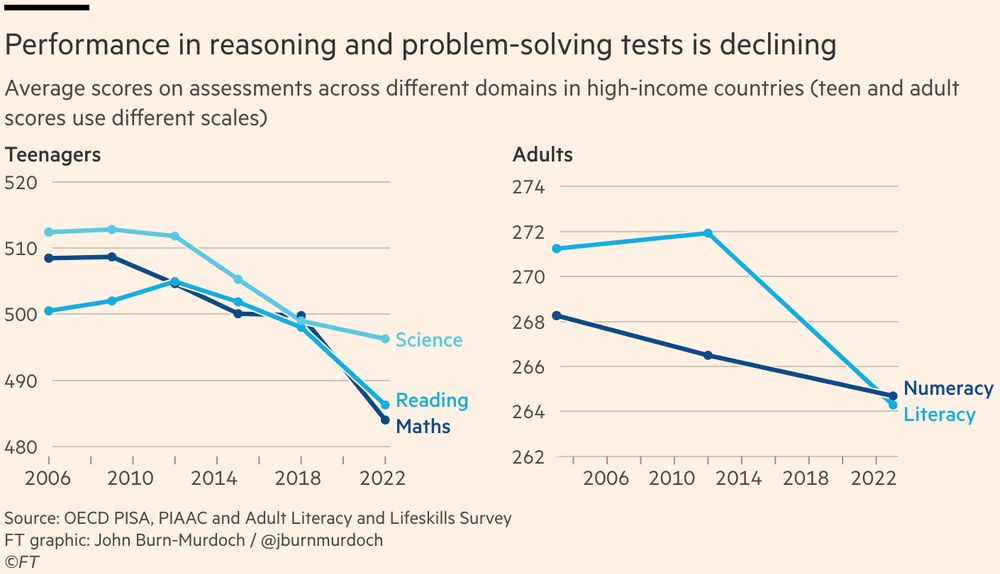
NEW 🧵 Is human intelligence starting to decline?
Recent results from major international tests show that the average person’s capacity to process information, use reasoning and solve novel problems has been falling since around the mid 2010s
What should we make of this?
www.ft.com/content/a801...
Recent results from major international tests show that the average person’s capacity to process information, use reasoning and solve novel problems has been falling since around the mid 2010s
What should we make of this?
www.ft.com/content/a801...
March 14, 2025 at 1:18 PM
NEW 🧵 Is human intelligence starting to decline?
Recent results from major international tests show that the average person’s capacity to process information, use reasoning and solve novel problems has been falling since around the mid 2010s
What should we make of this?
www.ft.com/content/a801...
Recent results from major international tests show that the average person’s capacity to process information, use reasoning and solve novel problems has been falling since around the mid 2010s
What should we make of this?
www.ft.com/content/a801...
Reposted by Augusto Souto

“Billions of people will lose their livelihoods and economic output reduced by up to 34% if the Earth is allowed to warm by 3 degrees Celsius this century, but investing less than 2% of GDP now could eliminate most of those losses, a groundbreaking new report found”
www.forbes.com/sites/davidr...
www.forbes.com/sites/davidr...
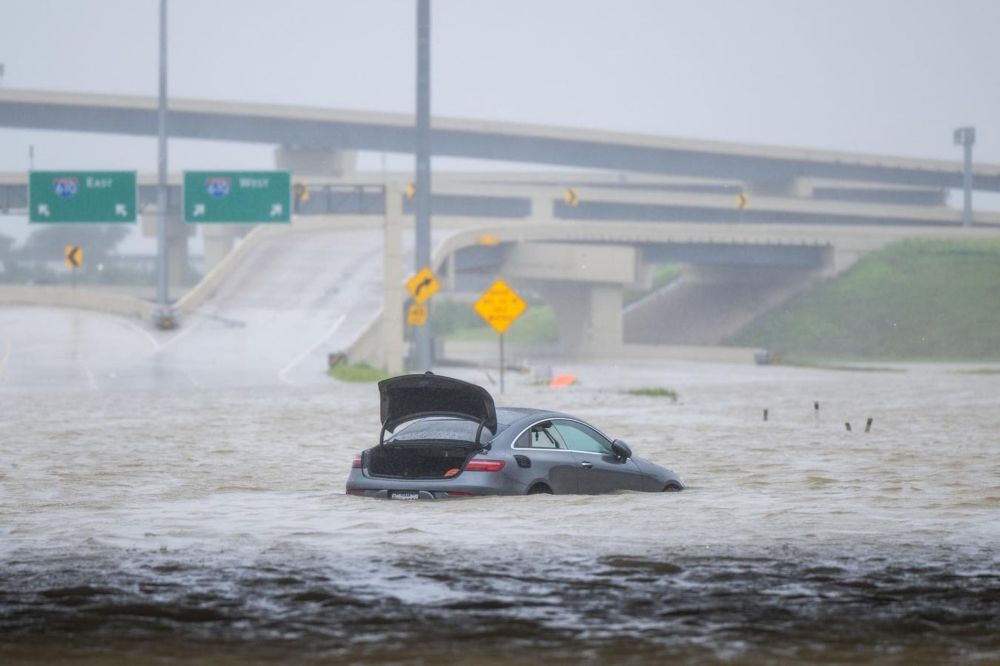
Climate Inaction Could Cost 1/3 Of Global GDP This Century, BCG Warns
The Big 3 consulting firm finds that most harms come from productivity losses, but also reveals how nations could avoid 90% of climate damage.
www.forbes.com
March 13, 2025 at 10:11 PM
“Billions of people will lose their livelihoods and economic output reduced by up to 34% if the Earth is allowed to warm by 3 degrees Celsius this century, but investing less than 2% of GDP now could eliminate most of those losses, a groundbreaking new report found”
www.forbes.com/sites/davidr...
www.forbes.com/sites/davidr...
Reposted by Augusto Souto


December 7, 2024 at 1:47 PM
Reposted by Augusto Souto

I have an op-ed in the NYT today about how to reduce crime.
The key idea, based on decades of strong research evidence: focus on increasing the probability of getting caught, not the punishment.
www.nytimes.com/2024/12/07/o...
The key idea, based on decades of strong research evidence: focus on increasing the probability of getting caught, not the punishment.
www.nytimes.com/2024/12/07/o...
December 7, 2024 at 12:16 PM
I have an op-ed in the NYT today about how to reduce crime.
The key idea, based on decades of strong research evidence: focus on increasing the probability of getting caught, not the punishment.
www.nytimes.com/2024/12/07/o...
The key idea, based on decades of strong research evidence: focus on increasing the probability of getting caught, not the punishment.
www.nytimes.com/2024/12/07/o...
Reposted by Augusto Souto

These two papers, taken together, really cause a rethinking of behavioral economies.
Rather than having anomalous risk preferences; it looks like people have complexity aversion to "hard" decisions, especially on valuation, which drives behavioral anomalies. Herbert Simon ftw.
Rather than having anomalous risk preferences; it looks like people have complexity aversion to "hard" decisions, especially on valuation, which drives behavioral anomalies. Herbert Simon ftw.


November 27, 2024 at 4:33 PM
These two papers, taken together, really cause a rethinking of behavioral economies.
Rather than having anomalous risk preferences; it looks like people have complexity aversion to "hard" decisions, especially on valuation, which drives behavioral anomalies. Herbert Simon ftw.
Rather than having anomalous risk preferences; it looks like people have complexity aversion to "hard" decisions, especially on valuation, which drives behavioral anomalies. Herbert Simon ftw.