




astrid
@archivelove.bsky.social
Reposted by astrid

"Se estima que construir un edificio nuevo —aunque sea mucho más eficiente que uno promedio— puede tardar hasta 80 años en amortizar sus emisiones incorporadas. Hay que recordarlo: la industria del cemento por sí sola representa alrededor del 6-8% de las emisiones globales de CO2"

November 22, 2025 at 7:07 PM
"Se estima que construir un edificio nuevo —aunque sea mucho más eficiente que uno promedio— puede tardar hasta 80 años en amortizar sus emisiones incorporadas. Hay que recordarlo: la industria del cemento por sí sola representa alrededor del 6-8% de las emisiones globales de CO2"
Reposted by astrid

The U.S. is the biggest emitter of carbon emissions from AI, making up 45% of the world’s emissions.

“Data Crunch”: AI Boom Threatens to Entrench Fossil Fuels and Compromise Climate Goals
A new report titled “Data Crunch: How the AI Boom Threatens to Entrench Fossil Fuels and Compromise Climate Goals” from the Center for Biological Diversity warns the booming artificial intelligence in...
www.democracynow.org
November 23, 2025 at 3:01 AM
The U.S. is the biggest emitter of carbon emissions from AI, making up 45% of the world’s emissions.
Reposted by astrid

Hoy se celebraban las neptunalia, fiestas en honor del dios Neptuno -divinidad de lo acuático y lo marino-, a quien pedían que propiciara la lluvia en el caluroso verano.

July 23, 2025 at 9:04 AM
Hoy se celebraban las neptunalia, fiestas en honor del dios Neptuno -divinidad de lo acuático y lo marino-, a quien pedían que propiciara la lluvia en el caluroso verano.
Reposted by astrid

Today is #WorldBrainDay 🧠
This Woodcut illustration is from Cerebri Anatome (c.1664) by Thomas Willis, the father of #neuroscience. The term #neurology first appears in this book. He also discovered the Circle of Willis, an important anatomical structure that provides blood to the brain.
This Woodcut illustration is from Cerebri Anatome (c.1664) by Thomas Willis, the father of #neuroscience. The term #neurology first appears in this book. He also discovered the Circle of Willis, an important anatomical structure that provides blood to the brain.

July 22, 2025 at 11:00 AM
Today is #WorldBrainDay 🧠
This Woodcut illustration is from Cerebri Anatome (c.1664) by Thomas Willis, the father of #neuroscience. The term #neurology first appears in this book. He also discovered the Circle of Willis, an important anatomical structure that provides blood to the brain.
This Woodcut illustration is from Cerebri Anatome (c.1664) by Thomas Willis, the father of #neuroscience. The term #neurology first appears in this book. He also discovered the Circle of Willis, an important anatomical structure that provides blood to the brain.
Reposted by astrid

Más de 100 organizaciones advierten que están condenando a la población de Gaza a morir de hambre en masa 👇
www.bbc.com/news/article...
www.bbc.com/news/article...

More than 100 humanitarian groups warn of mass starvation in Gaza
A joint statement says the Israeli government's "siege" has left aid supplies "totally depleted".
www.bbc.com
July 23, 2025 at 10:04 PM
Más de 100 organizaciones advierten que están condenando a la población de Gaza a morir de hambre en masa 👇
www.bbc.com/news/article...
www.bbc.com/news/article...
Reposted by astrid

Arthur and Henry 💛


July 23, 2025 at 8:38 AM
Arthur and Henry 💛
"Our subjective and intentional experience and reexperience show that our consciousness is not a process of the material world." #Bergson
substack.com/home/post/p-...
substack.com/home/post/p-...

July 23, 2025 at 11:38 PM
"Our subjective and intentional experience and reexperience show that our consciousness is not a process of the material world." #Bergson
substack.com/home/post/p-...
substack.com/home/post/p-...
Reposted by astrid

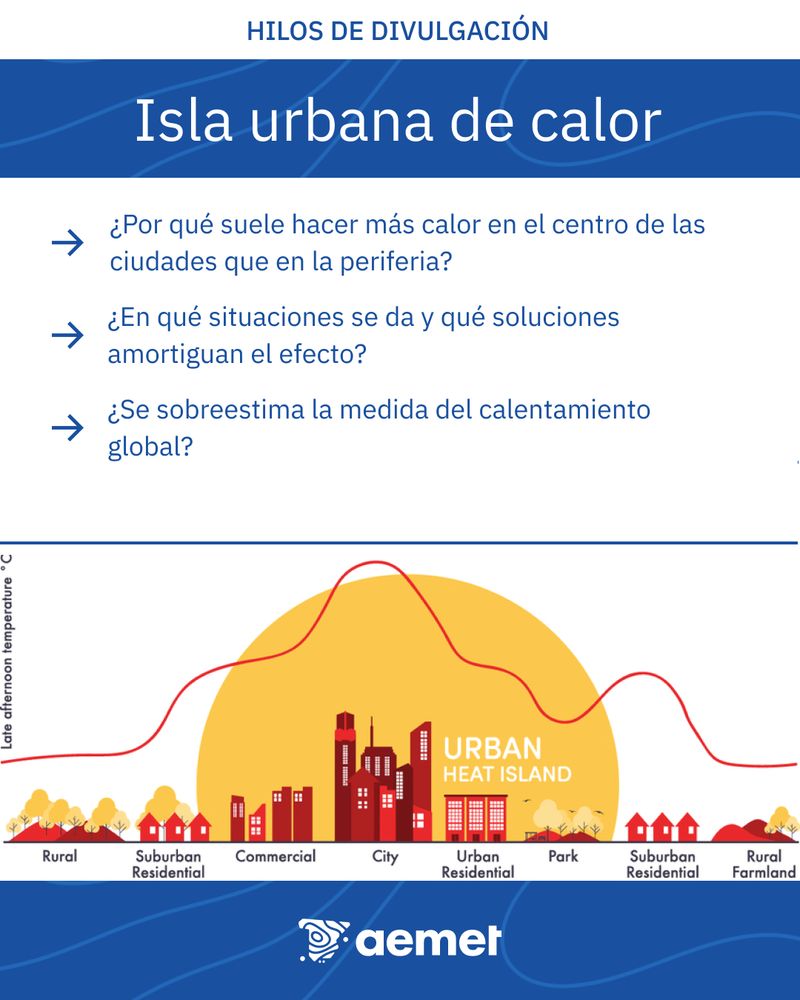
🧵🌆🌡️Hoy hablaremos del efecto isla urbana de calor, que provoca un aumento en las temperaturas nocturnas en los centros de grandes ciudades. En el hilo os contaremos su relación con la contaminación, si el calentamiento global le afecta y qué hacen los árboles con este efecto.
July 16, 2025 at 3:45 PM
🧵🌆🌡️Hoy hablaremos del efecto isla urbana de calor, que provoca un aumento en las temperaturas nocturnas en los centros de grandes ciudades. En el hilo os contaremos su relación con la contaminación, si el calentamiento global le afecta y qué hacen los árboles con este efecto.
Reposted by astrid
#MosaicMonday 🏺
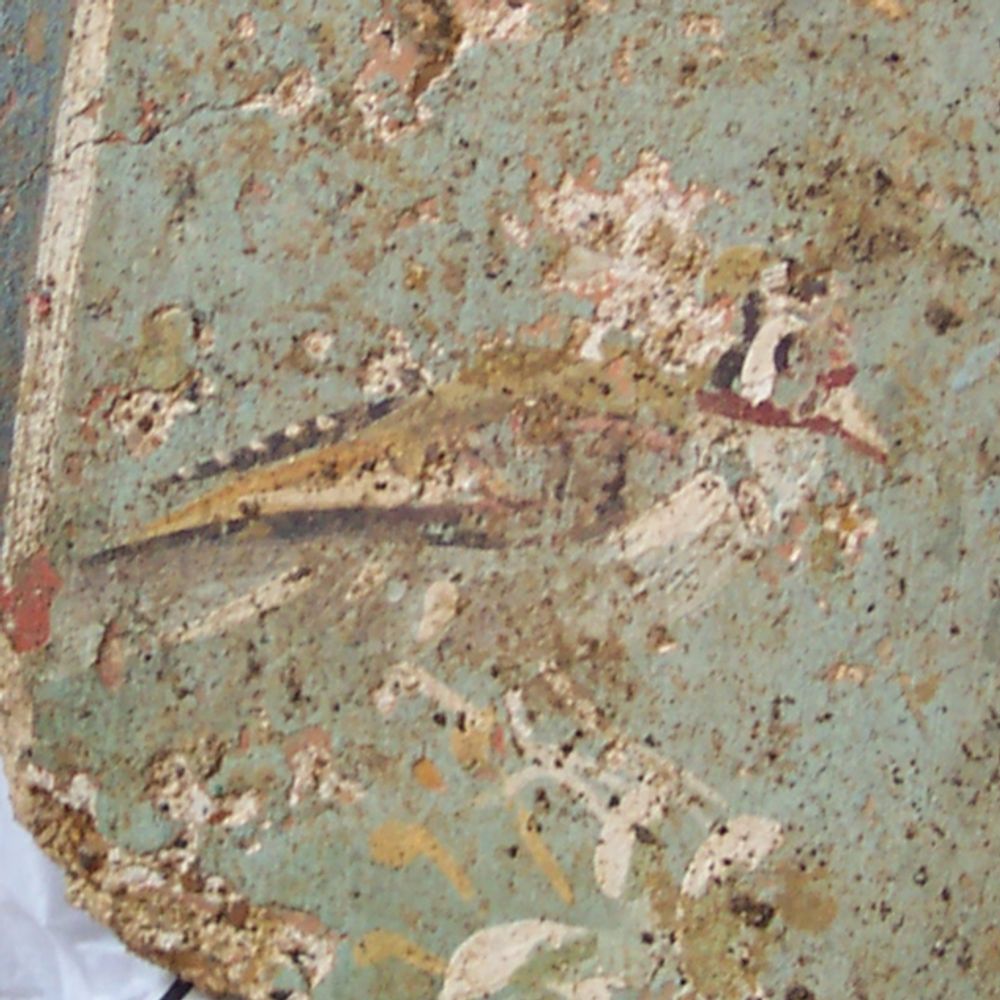
Giant fishes could be a tricky catch for 3-4 C #Roman period boatmen in this lively scene from Utica, Tunisia.
British missionary Nathan Davis excavated on behalf of
British Museum at Carthage + Utica, also retrieving Greek, Latin + Phoenician finds that arrived at Museum 1857-1860.
Giant fishes could be a tricky catch for 3-4 C #Roman period boatmen in this lively scene from Utica, Tunisia.
British missionary Nathan Davis excavated on behalf of
British Museum at Carthage + Utica, also retrieving Greek, Latin + Phoenician finds that arrived at Museum 1857-1860.

July 21, 2025 at 8:43 AM
#MosaicMonday 🏺
Giant fishes could be a tricky catch for 3-4 C #Roman period boatmen in this lively scene from Utica, Tunisia.
British missionary Nathan Davis excavated on behalf of
British Museum at Carthage + Utica, also retrieving Greek, Latin + Phoenician finds that arrived at Museum 1857-1860.
Giant fishes could be a tricky catch for 3-4 C #Roman period boatmen in this lively scene from Utica, Tunisia.
British missionary Nathan Davis excavated on behalf of
British Museum at Carthage + Utica, also retrieving Greek, Latin + Phoenician finds that arrived at Museum 1857-1860.
Bueno... Entre las cosas que aprendí hoy:
- Mariátegui ya era asistente editorial a los 14 años.
- Fanon falleció a los 36. 💔
- Interesante el concepto de descentralización.
jacobin.com.br/2022/07/como...
- Mariátegui ya era asistente editorial a los 14 años.
- Fanon falleció a los 36. 💔
- Interesante el concepto de descentralización.
jacobin.com.br/2022/07/como...

July 21, 2025 at 3:45 AM
Bueno... Entre las cosas que aprendí hoy:
- Mariátegui ya era asistente editorial a los 14 años.
- Fanon falleció a los 36. 💔
- Interesante el concepto de descentralización.
jacobin.com.br/2022/07/como...
- Mariátegui ya era asistente editorial a los 14 años.
- Fanon falleció a los 36. 💔
- Interesante el concepto de descentralización.
jacobin.com.br/2022/07/como...
Reposted by astrid

O filósofo e psiquiatra anticolonial, Frantz Fanon, nasceu neste dia em 1925. Ele forjou sua visão sobre o Sul Global na luta de libertação argelina, onde se convenceu de que a independência nacional seria vazia sem a revolução social.

Como Frantz Fanon foi transformado pela Revolução Argelina
O filósofo e psiquiatra anticolonial, Frantz Fanon, nasceu neste dia em 1925. Ele forjou sua visão sobre o Sul Global na luta de libertação argelina, onde se convenceu de que a independência nacional ...
jacobin.com.br
July 20, 2025 at 6:43 PM
O filósofo e psiquiatra anticolonial, Frantz Fanon, nasceu neste dia em 1925. Ele forjou sua visão sobre o Sul Global na luta de libertação argelina, onde se convenceu de que a independência nacional seria vazia sem a revolução social.
Reposted by astrid

Reposted by astrid
El deterioro de los servicios públicos (concretamente, sanidad) se vincula con el crecimiento en el voto a partidos ultraderechistas.

December 8, 2024 at 8:04 PM
El deterioro de los servicios públicos (concretamente, sanidad) se vincula con el crecimiento en el voto a partidos ultraderechistas.
Reposted by astrid
"Rebajar impuestos a los ricos conduce a una mayor desigualdad tanto en el corto como en el medio plazo, sin ningún efecto en el crecimiento económico o el desempleo"

November 25, 2024 at 10:16 PM
"Rebajar impuestos a los ricos conduce a una mayor desigualdad tanto en el corto como en el medio plazo, sin ningún efecto en el crecimiento económico o el desempleo"
Reposted by astrid

Tit of the Day:
The Azure Tit
📷 Per Smith
The Azure Tit
📷 Per Smith

January 15, 2025 at 5:09 AM
Tit of the Day:
The Azure Tit
📷 Per Smith
The Azure Tit
📷 Per Smith
Reposted by astrid
lololol

January 15, 2025 at 8:36 PM
lololol
Reposted by astrid

Reposted by astrid

#14 of 25 MEDICAL HISTORY OBJECTS for 2025 💉
During WWI, Marie Curie created a vehicle that contained a hospital bed, a generator, an X-ray machine and photographic darkroom equipment. These “petite Curies" could be driven to the Front. Curie also helped train 150 women as radiology technicians.
During WWI, Marie Curie created a vehicle that contained a hospital bed, a generator, an X-ray machine and photographic darkroom equipment. These “petite Curies" could be driven to the Front. Curie also helped train 150 women as radiology technicians.

January 1, 2025 at 2:40 AM
#14 of 25 MEDICAL HISTORY OBJECTS for 2025 💉
During WWI, Marie Curie created a vehicle that contained a hospital bed, a generator, an X-ray machine and photographic darkroom equipment. These “petite Curies" could be driven to the Front. Curie also helped train 150 women as radiology technicians.
During WWI, Marie Curie created a vehicle that contained a hospital bed, a generator, an X-ray machine and photographic darkroom equipment. These “petite Curies" could be driven to the Front. Curie also helped train 150 women as radiology technicians.
Reposted by astrid
As we head into 2025, I'll be sharing 25 MEDICAL HISTORY OBJECTS starting with...
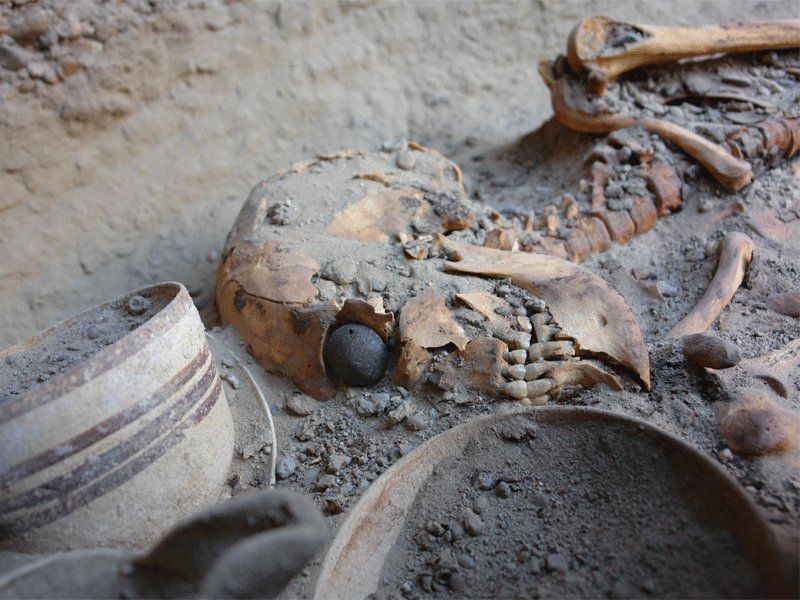
#1) 5,000-year-old prosthetic eye made of bitumen paste with lines radiating out from iris. Worn by a 6’ tall woman (possibly a priestess), found near the city of Zabol in Iran. The eye would have been painted gold.
#1) 5,000-year-old prosthetic eye made of bitumen paste with lines radiating out from iris. Worn by a 6’ tall woman (possibly a priestess), found near the city of Zabol in Iran. The eye would have been painted gold.
December 31, 2024 at 2:54 PM
As we head into 2025, I'll be sharing 25 MEDICAL HISTORY OBJECTS starting with...
#1) 5,000-year-old prosthetic eye made of bitumen paste with lines radiating out from iris. Worn by a 6’ tall woman (possibly a priestess), found near the city of Zabol in Iran. The eye would have been painted gold.
#1) 5,000-year-old prosthetic eye made of bitumen paste with lines radiating out from iris. Worn by a 6’ tall woman (possibly a priestess), found near the city of Zabol in Iran. The eye would have been painted gold.
Reposted by astrid

Como me piden mucha bibliografía últimamente, pongo este listado (no actualizado) de libros recomendados de mi asignatura de filo de la historia de hace 5 años
Trata temas como la memoria, la tradición, el testigo, tensiones entre filosofía e historia...
www.academia.edu/37561088/BIB...
Trata temas como la memoria, la tradición, el testigo, tensiones entre filosofía e historia...
www.academia.edu/37561088/BIB...

BIBLIOGRAFÍA ASIGNATURA FILOSOFÍA DE LA HISTORIA
BIBLIOGRAFÍA ASIGNATURA FILOSOFÍA DE LA HISTORIA
www.academia.edu
December 31, 2024 at 4:13 PM
Como me piden mucha bibliografía últimamente, pongo este listado (no actualizado) de libros recomendados de mi asignatura de filo de la historia de hace 5 años
Trata temas como la memoria, la tradición, el testigo, tensiones entre filosofía e historia...
www.academia.edu/37561088/BIB...
Trata temas como la memoria, la tradición, el testigo, tensiones entre filosofía e historia...
www.academia.edu/37561088/BIB...
Reposted by astrid
Un aumento del 20% del espacio verde urbano se asocia con una disminución del 9% en las muertes atribuibles al exceso de calor. Estudio en 452 ciudades de 14 países.

December 31, 2024 at 12:39 AM
Un aumento del 20% del espacio verde urbano se asocia con una disminución del 9% en las muertes atribuibles al exceso de calor. Estudio en 452 ciudades de 14 países.
Reposted by astrid

A few moments from 2024...


December 30, 2024 at 4:23 PM
A few moments from 2024...
Reposted by astrid

#OTD December 30 1903, two Garibaldi-class armored cruisers were purchased by Imperial Japan from #Argentina. These were later called the Kasuga-class, and named #Kasuga and #Nisshin. Some sources indicate these ships were ordered by #Argentina, some stipulate they were ordered by #Italy. 1/7
December 30, 2024 at 9:16 AM
#OTD December 30 1903, two Garibaldi-class armored cruisers were purchased by Imperial Japan from #Argentina. These were later called the Kasuga-class, and named #Kasuga and #Nisshin. Some sources indicate these ships were ordered by #Argentina, some stipulate they were ordered by #Italy. 1/7