


Andrew Hoffman
@andrew.hoffman.aero
PhD candidate studying comets! ☄️✨
ORCID: 0000-0002-8732-6980
ORCID: 0000-0002-8732-6980
Reposted by Andrew Hoffman

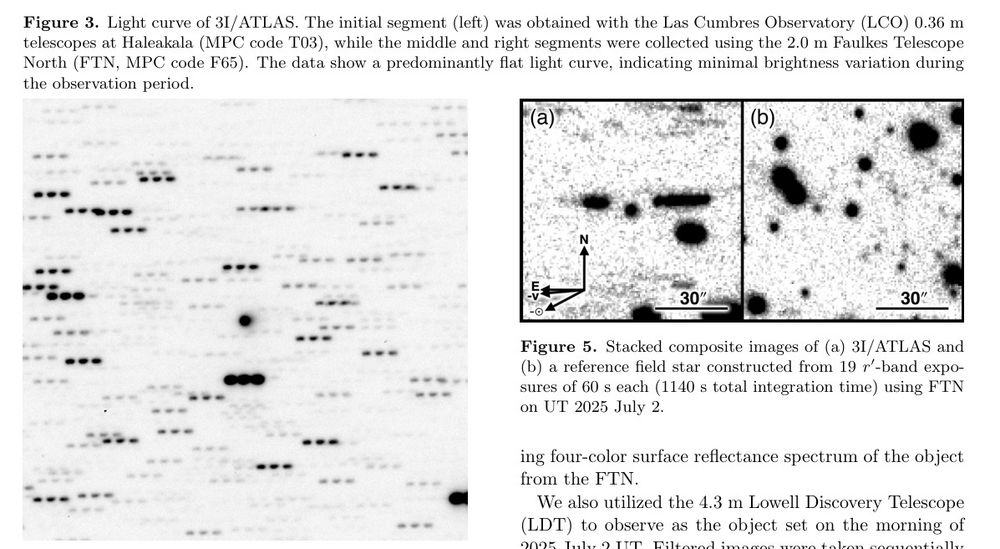
Neat new paper out on 3I/ATLAS discussing its discovery, orbit, and characterization. 🔭
arxiv.org/pdf/2507.02757
arxiv.org/pdf/2507.02757
July 4, 2025 at 8:15 PM
Neat new paper out on 3I/ATLAS discussing its discovery, orbit, and characterization. 🔭
arxiv.org/pdf/2507.02757
arxiv.org/pdf/2507.02757
Reposted by Andrew Hoffman

A time-lapse of some images of asteroid (52246) Donaldjohanson during the encounter by Lucy!
Images taken on April 20, 2025, from a distance of 1,600 to 1,100 km.
Credit: NASA/Goddard/SwRI/Johns Hopkins APL
science.nasa.gov/image-articl...
#PlanetSci #SciComm 🧪
Images taken on April 20, 2025, from a distance of 1,600 to 1,100 km.
Credit: NASA/Goddard/SwRI/Johns Hopkins APL
science.nasa.gov/image-articl...
#PlanetSci #SciComm 🧪
April 21, 2025 at 6:48 PM
A time-lapse of some images of asteroid (52246) Donaldjohanson during the encounter by Lucy!
Images taken on April 20, 2025, from a distance of 1,600 to 1,100 km.
Credit: NASA/Goddard/SwRI/Johns Hopkins APL
science.nasa.gov/image-articl...
#PlanetSci #SciComm 🧪
Images taken on April 20, 2025, from a distance of 1,600 to 1,100 km.
Credit: NASA/Goddard/SwRI/Johns Hopkins APL
science.nasa.gov/image-articl...
#PlanetSci #SciComm 🧪
Reposted by Andrew Hoffman

Here is a summary of observations from both
Gemini telescopes in March 2025, divided by instrument and color-coded by location. Gemini's ZORRO 🦊 took the most observations this month, totaling 4,600! #astronomy
Gemini telescopes in March 2025, divided by instrument and color-coded by location. Gemini's ZORRO 🦊 took the most observations this month, totaling 4,600! #astronomy
April 3, 2025 at 7:02 PM
Here is a summary of observations from both
Gemini telescopes in March 2025, divided by instrument and color-coded by location. Gemini's ZORRO 🦊 took the most observations this month, totaling 4,600! #astronomy
Gemini telescopes in March 2025, divided by instrument and color-coded by location. Gemini's ZORRO 🦊 took the most observations this month, totaling 4,600! #astronomy
Reposted by Andrew Hoffman

Reposted by Andrew Hoffman


Reposted by Andrew Hoffman

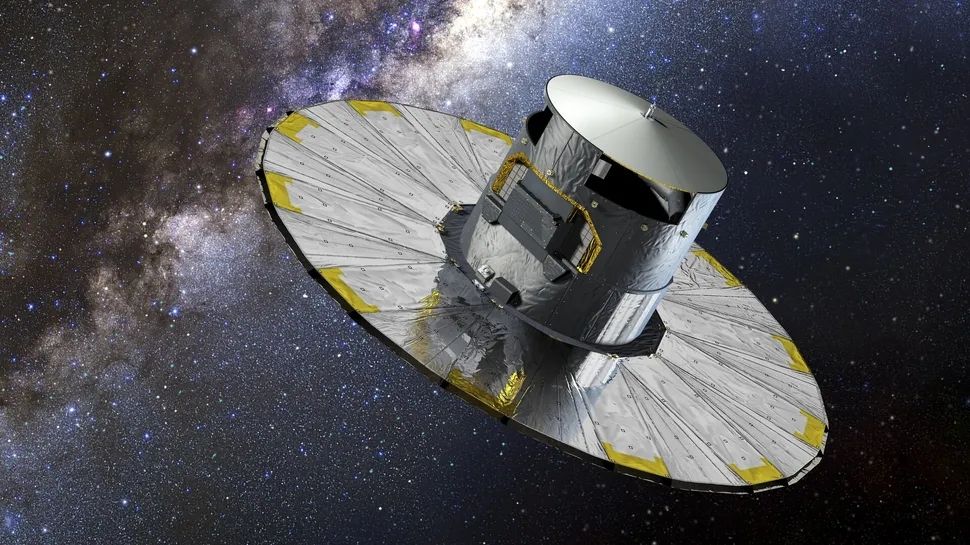
The @esa.int Gaia satellite will take its final scientific measurements on Wednesday. 🔭
This will conclude a 12 year series of continuous observations.
Larger Gaia data releases are still in progress, but Gaia has already had a HUGE impact on our understanding of the #milkyway.
(Image: ESA)
This will conclude a 12 year series of continuous observations.
Larger Gaia data releases are still in progress, but Gaia has already had a HUGE impact on our understanding of the #milkyway.
(Image: ESA)
January 12, 2025 at 5:25 PM
Reposted by Andrew Hoffman
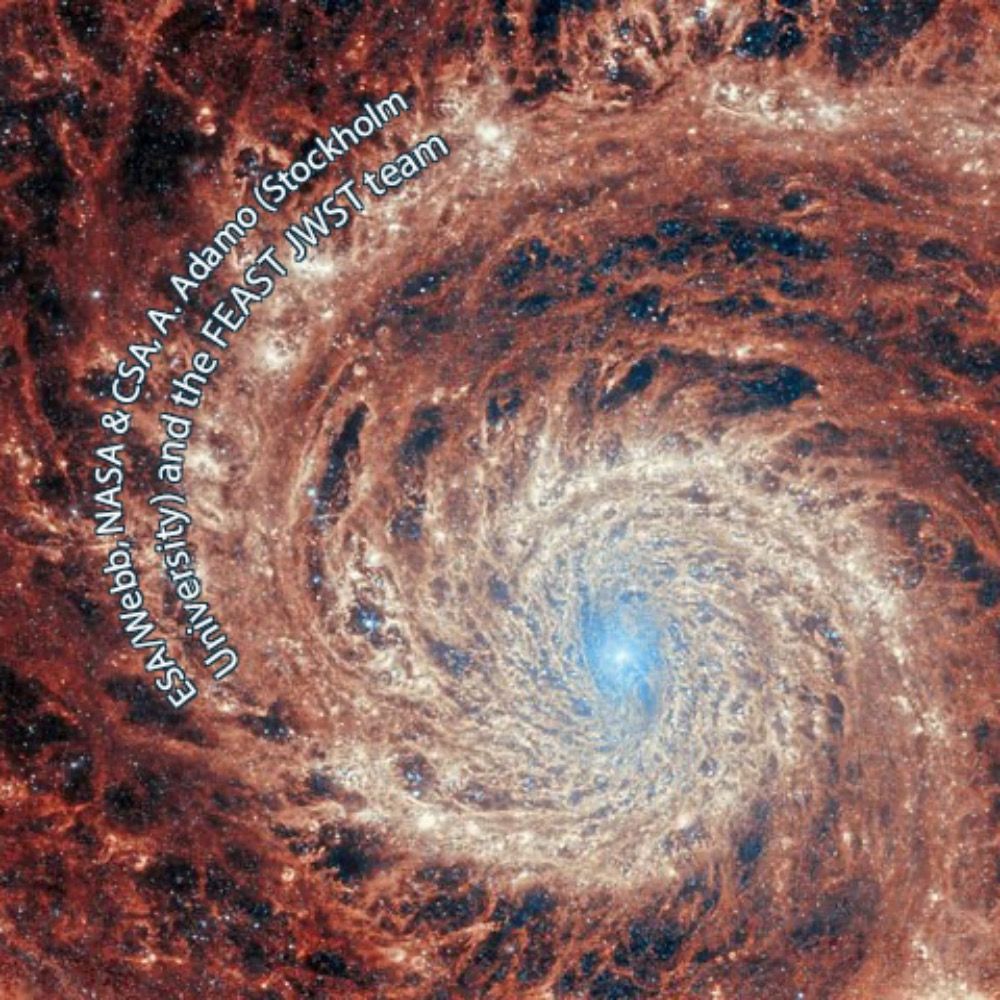
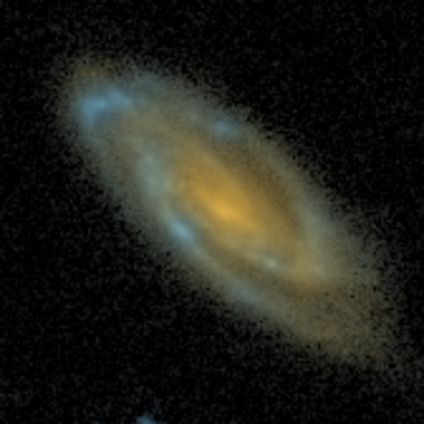
A spiral galaxy, observed with the Hubble Space Telescope in the COSMOS survey.
It is at redshift 0.36 (lookback time 4.09 billion years) with coordinates (150.01663, 1.87030).
46 volunteers classified this galaxy in Galaxy Zoo: Hubble.
It is at redshift 0.36 (lookback time 4.09 billion years) with coordinates (150.01663, 1.87030).
46 volunteers classified this galaxy in Galaxy Zoo: Hubble.
December 29, 2024 at 7:07 AM
A spiral galaxy, observed with the Hubble Space Telescope in the COSMOS survey.
It is at redshift 0.36 (lookback time 4.09 billion years) with coordinates (150.01663, 1.87030).
46 volunteers classified this galaxy in Galaxy Zoo: Hubble.
It is at redshift 0.36 (lookback time 4.09 billion years) with coordinates (150.01663, 1.87030).
46 volunteers classified this galaxy in Galaxy Zoo: Hubble.
Reposted by Andrew Hoffman

🚨🚨New paper alert!! 🚨🚨🧪🔭
Today we published exciting new results from the Rosetta mission! These results have big implications for where the comet formed and for whether comets could have supplied water to Earth. #PlanetaryScience #Rosetta 🧵1/n
www.science.org/doi/10.1126/...
Today we published exciting new results from the Rosetta mission! These results have big implications for where the comet formed and for whether comets could have supplied water to Earth. #PlanetaryScience #Rosetta 🧵1/n
www.science.org/doi/10.1126/...
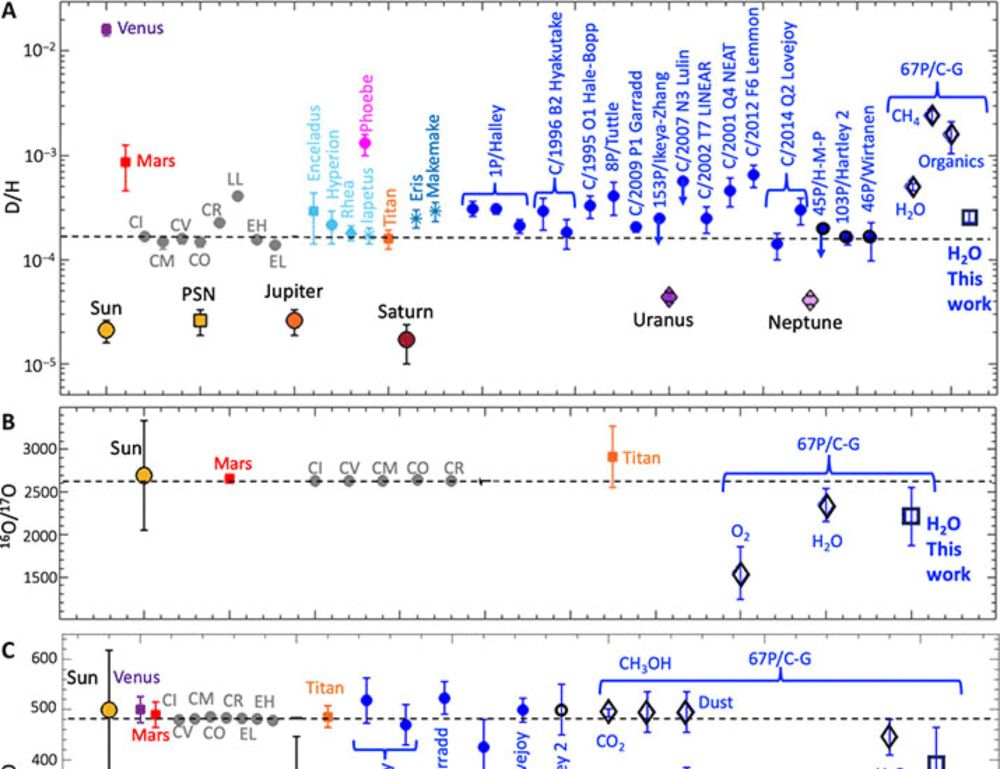
A nearly terrestrial D/H for comet 67P/Churyumov-Gerasimenko
Analysis of Rosetta measurements suggests that Jupiter family comets could have delivered much of Earth’s water.
www.science.org
November 15, 2024 at 7:42 PM
🚨🚨New paper alert!! 🚨🚨🧪🔭
Today we published exciting new results from the Rosetta mission! These results have big implications for where the comet formed and for whether comets could have supplied water to Earth. #PlanetaryScience #Rosetta 🧵1/n
www.science.org/doi/10.1126/...
Today we published exciting new results from the Rosetta mission! These results have big implications for where the comet formed and for whether comets could have supplied water to Earth. #PlanetaryScience #Rosetta 🧵1/n
www.science.org/doi/10.1126/...
Reposted by Andrew Hoffman

Astronomer Annie Jump Cannon was born #OTD in 1863. She was a pioneer of stellar classification and co-creator of the Harvard Classification Scheme.
Over her lifetime she *manually* classified around 350,000 stars. (1/n) 🧪 🔭 👩🔬 ⚛️
Image: Harvard University, Radcliffe Archives
Over her lifetime she *manually* classified around 350,000 stars. (1/n) 🧪 🔭 👩🔬 ⚛️
Image: Harvard University, Radcliffe Archives

December 11, 2024 at 3:39 PM
Astronomer Annie Jump Cannon was born #OTD in 1863. She was a pioneer of stellar classification and co-creator of the Harvard Classification Scheme.
Over her lifetime she *manually* classified around 350,000 stars. (1/n) 🧪 🔭 👩🔬 ⚛️
Image: Harvard University, Radcliffe Archives
Over her lifetime she *manually* classified around 350,000 stars. (1/n) 🧪 🔭 👩🔬 ⚛️
Image: Harvard University, Radcliffe Archives
Reposted by Andrew Hoffman
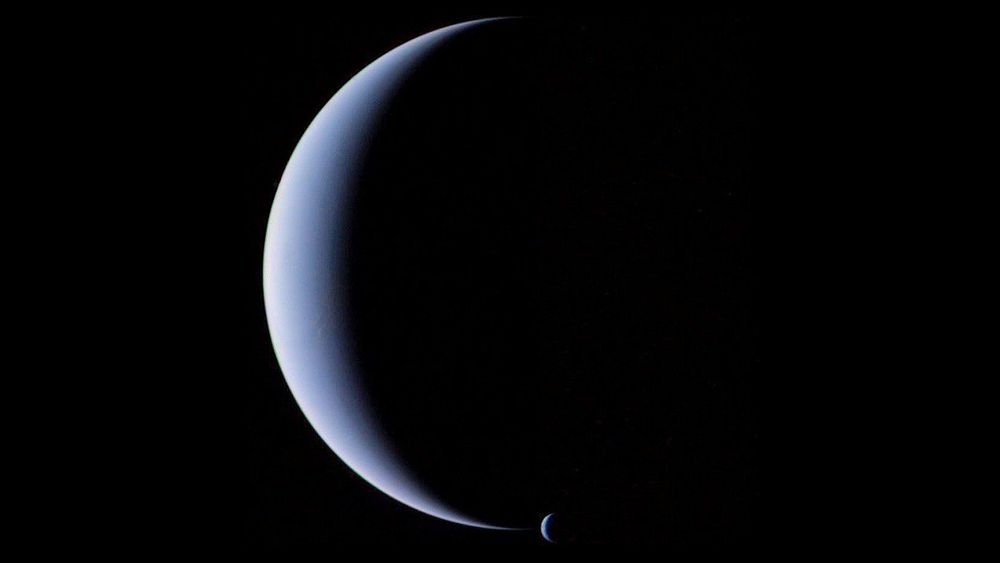
It looks like it's from a sci-fi film, but this is a real photo.
Neptune and its captured moon Triton, out there in the dark.
Seen by Voyager 2, in 1989.
Neptune and its captured moon Triton, out there in the dark.
Seen by Voyager 2, in 1989.
December 5, 2024 at 6:08 PM
It looks like it's from a sci-fi film, but this is a real photo.
Neptune and its captured moon Triton, out there in the dark.
Seen by Voyager 2, in 1989.
Neptune and its captured moon Triton, out there in the dark.
Seen by Voyager 2, in 1989.
Reposted by Andrew Hoffman

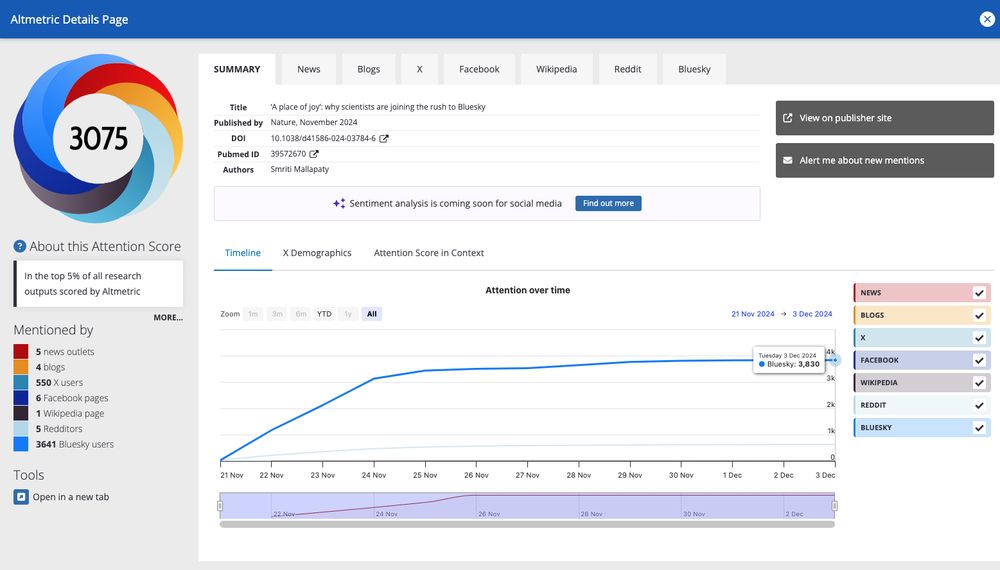
Scientists, academics, researchers: We’re excited to share that @altmetric.com is now tracking mentions of your research on Bluesky! 🧪

There are already many articles for which there is more attention on Bluesky than on other comparable micro-blogging sites, meaning the academic community and the general public have clearly adopted Bluesky as one of its core places to disseminate and discuss new research.
A Place of Joy.
A Place of Joy.
December 3, 2024 at 2:10 PM
Scientists, academics, researchers: We’re excited to share that @altmetric.com is now tracking mentions of your research on Bluesky! 🧪
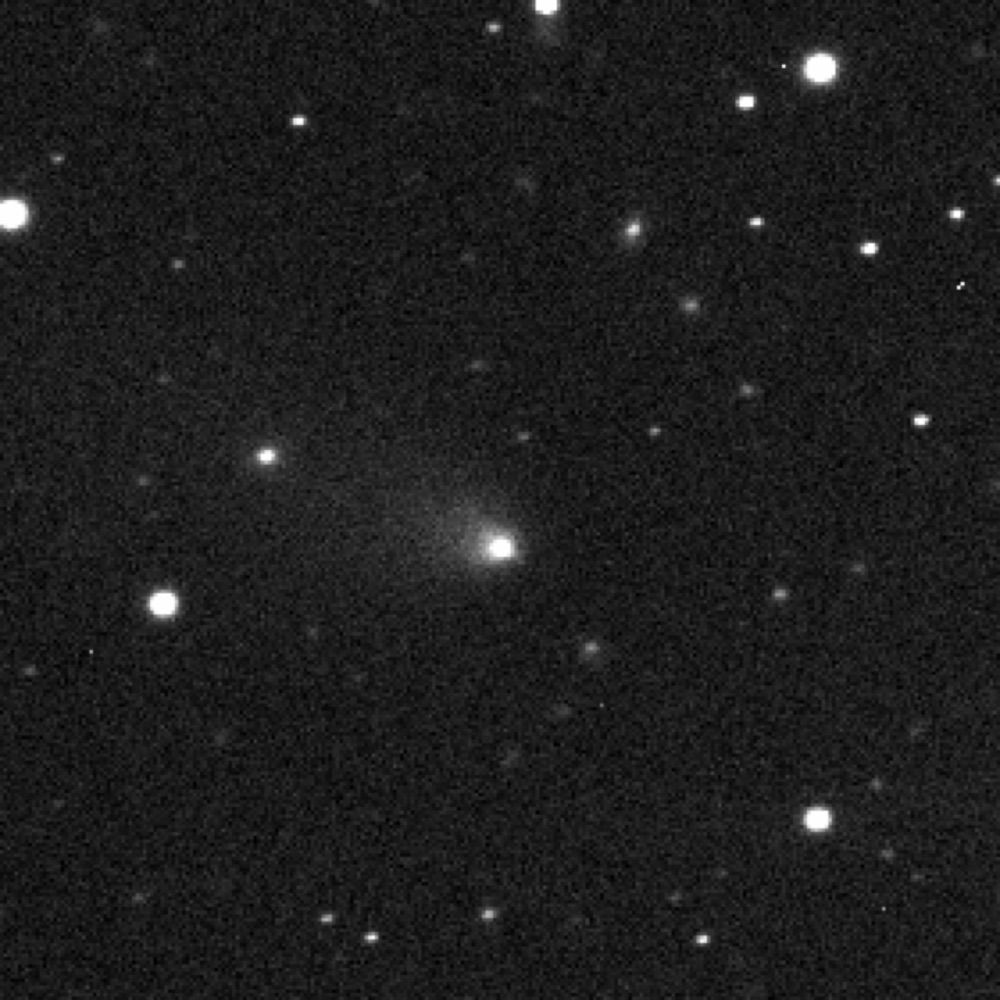
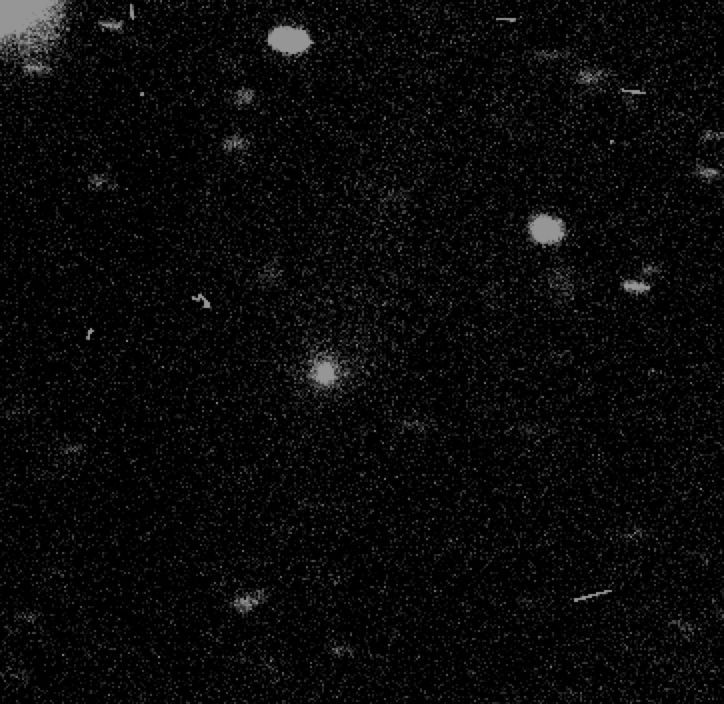
The long period comet C/2021 C5 at 5.79 au from the sun. Imaged with Gemini North/GMOS.
November 30, 2024 at 8:38 PM
The long period comet C/2021 C5 at 5.79 au from the sun. Imaged with Gemini North/GMOS.
Reposted by Andrew Hoffman

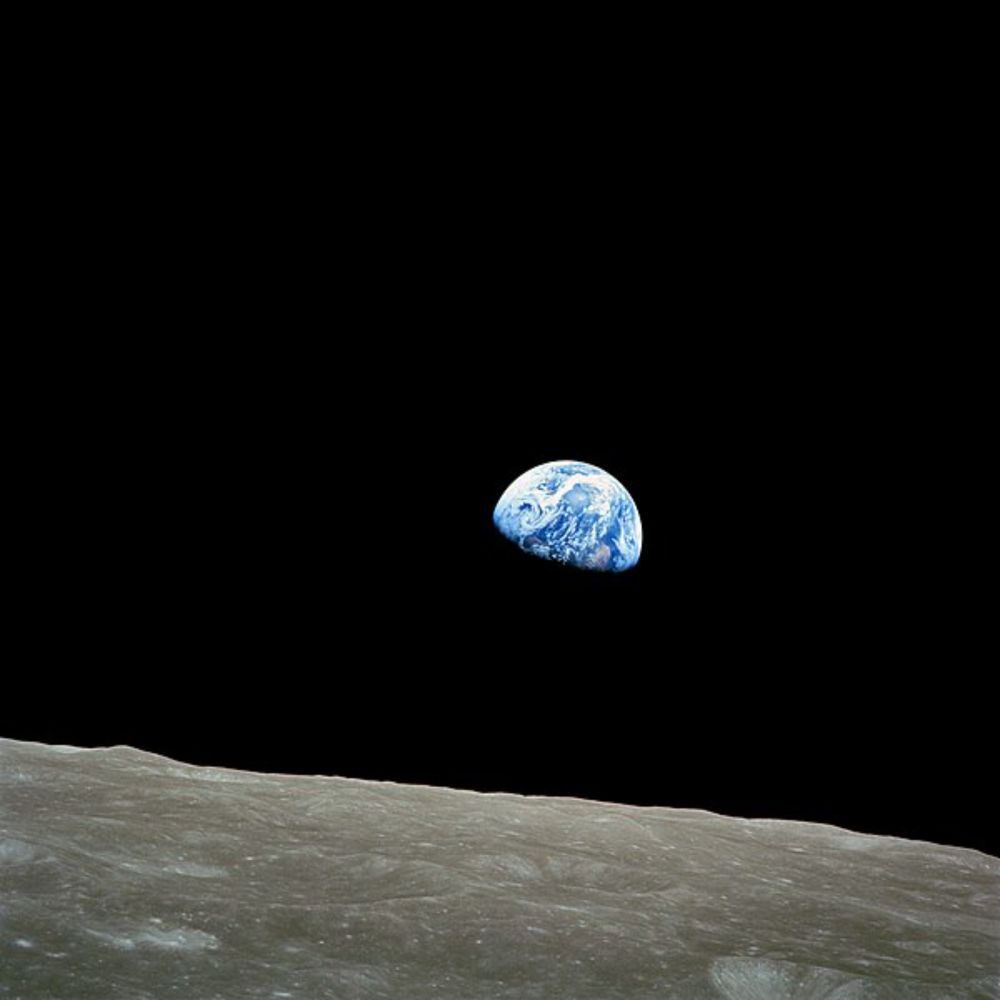
Beyond just astrochemistry, I am passionate about using our understanding of other planets to better understand our own (and advocate for) Earth. A few years ago, I published an article in @astrobites.bsky.social on astrophysics and eco-anxiety (astrobites.org/2021/06/04/a...).
The “Pale Blue Dot” Blues
This Beyond Astrobites post discusses reconciling a career in astrophysics with eco-anxiety. When surrounded by our Earthly problems, specifically climate change, how can we find fulfillment in our…
astrobites.org
November 25, 2024 at 4:34 PM
Beyond just astrochemistry, I am passionate about using our understanding of other planets to better understand our own (and advocate for) Earth. A few years ago, I published an article in @astrobites.bsky.social on astrophysics and eco-anxiety (astrobites.org/2021/06/04/a...).
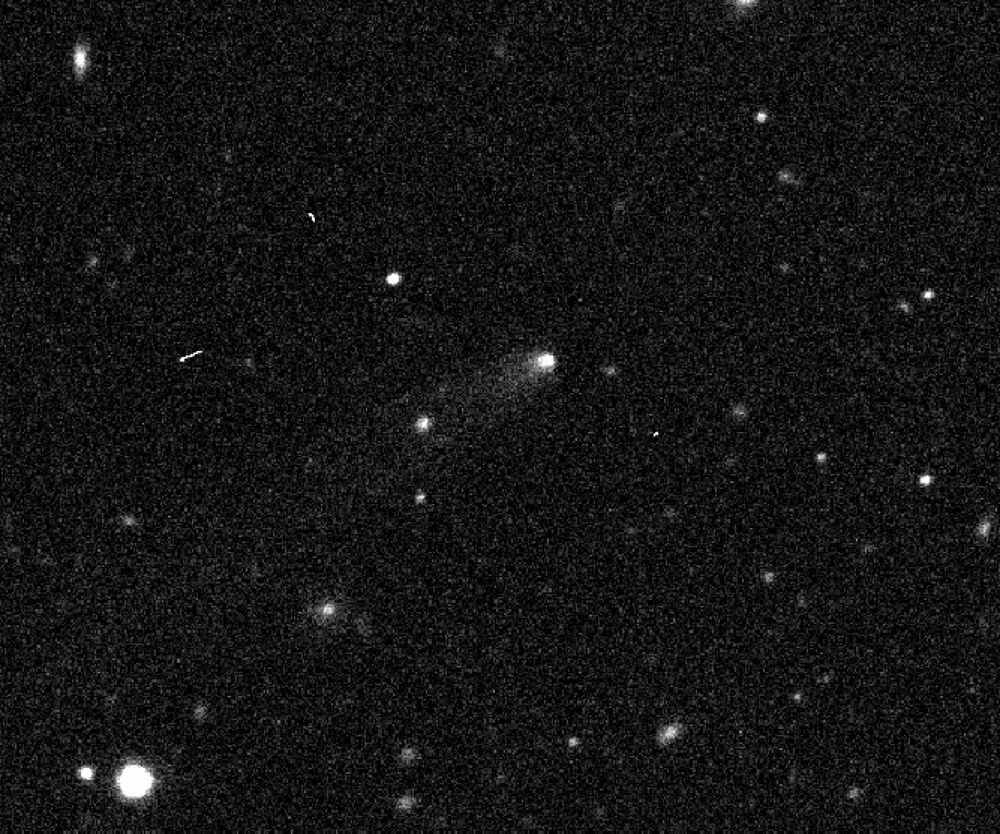
The long period comet C/2020 U4 at 8.06 au from the sun. Imaged with Gemini North/GMOS.
November 29, 2024 at 5:27 AM
The long period comet C/2020 U4 at 8.06 au from the sun. Imaged with Gemini North/GMOS.
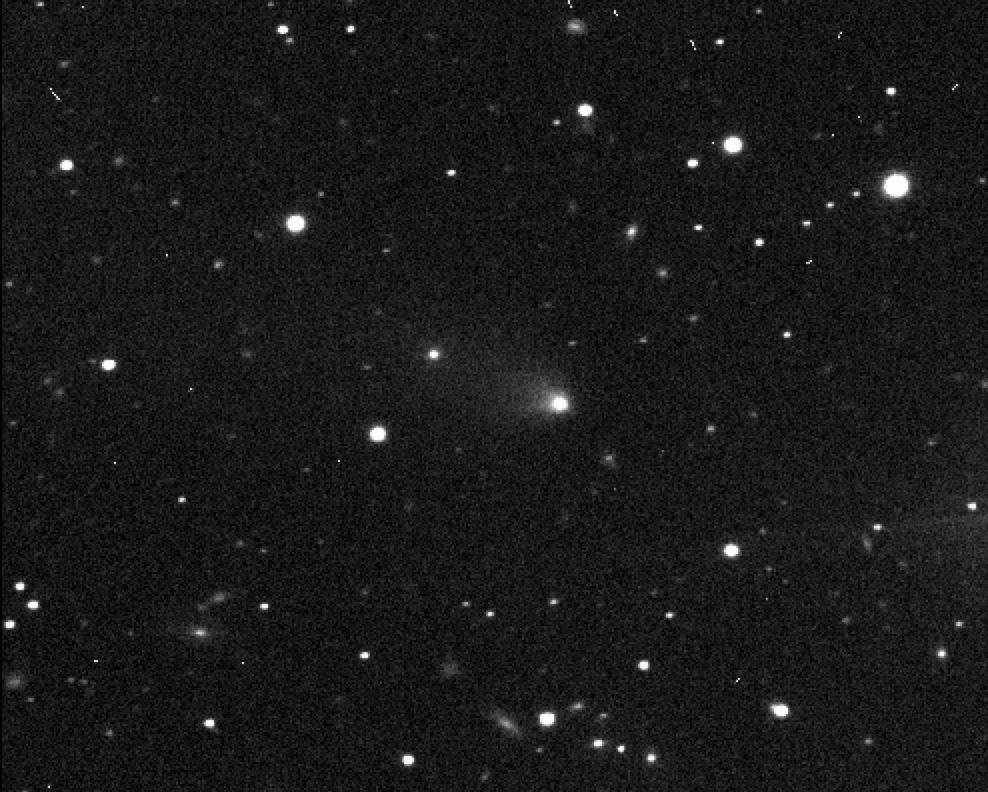
The long period comet C/2021 X1 at 5.14 au from the sun. Imaged with Gemini North/GMOS.
November 29, 2024 at 5:13 AM
The long period comet C/2021 X1 at 5.14 au from the sun. Imaged with Gemini North/GMOS.