




Roman Stetsenko
@romanstet.bsky.social
Evolutionary biologist interested in the population genetics and genomics of selfing organisms.
Post-doc at Uni. of Edinburgh.
Post-doc at Uni. of Edinburgh.
Reposted by Roman Stetsenko
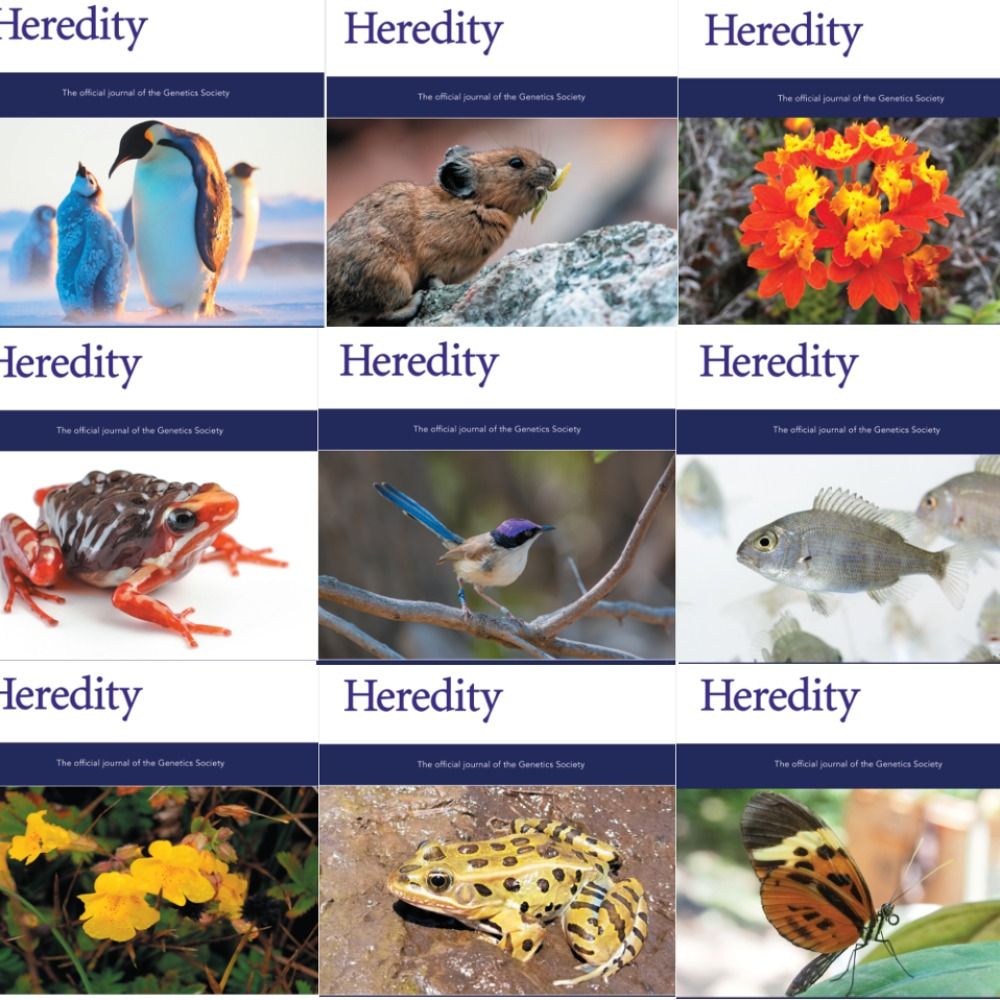
🎙️🔊📻 New Heredity podcast!
From PopGroup 59 in Lille.
Plenary speaker Florencia Camus talks about:
1. The conference
2. Conflict and coadaptation between the mitochondrial and nuclear genomes
Listen here: shows.acast.com/heredity-pod...
From PopGroup 59 in Lille.
Plenary speaker Florencia Camus talks about:
1. The conference
2. Conflict and coadaptation between the mitochondrial and nuclear genomes
Listen here: shows.acast.com/heredity-pod...
January 31, 2026 at 12:40 PM
🎙️🔊📻 New Heredity podcast!
From PopGroup 59 in Lille.
Plenary speaker Florencia Camus talks about:
1. The conference
2. Conflict and coadaptation between the mitochondrial and nuclear genomes
Listen here: shows.acast.com/heredity-pod...
From PopGroup 59 in Lille.
Plenary speaker Florencia Camus talks about:
1. The conference
2. Conflict and coadaptation between the mitochondrial and nuclear genomes
Listen here: shows.acast.com/heredity-pod...
Reposted by Roman Stetsenko
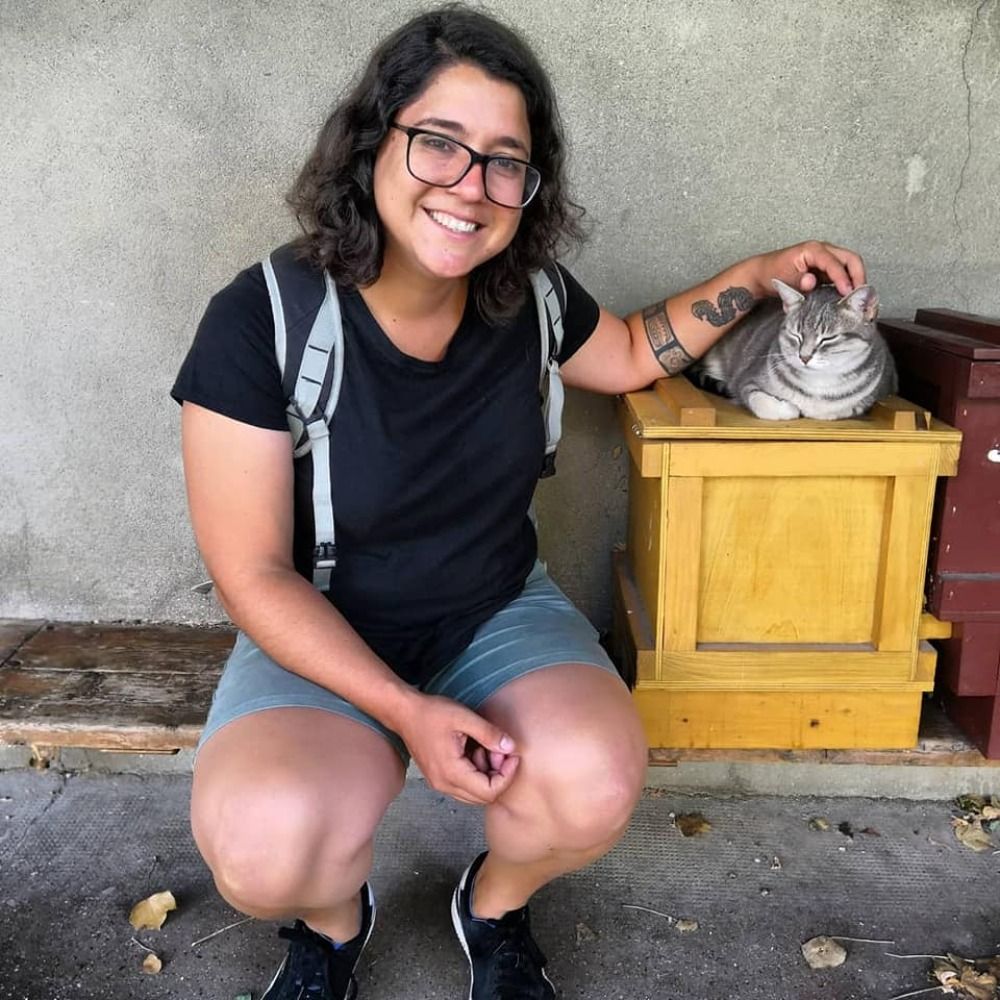
Pleasure giving a recap of a wonderful PopGroup conference, and the opportunity to talk about my research.
🔥
🔥
🎙️🔊📻 New Heredity podcast!
From PopGroup 59 in Lille.
Plenary speaker Florencia Camus talks about:
1. The conference
2. Conflict and coadaptation between the mitochondrial and nuclear genomes
Listen here: shows.acast.com/heredity-pod...
From PopGroup 59 in Lille.
Plenary speaker Florencia Camus talks about:
1. The conference
2. Conflict and coadaptation between the mitochondrial and nuclear genomes
Listen here: shows.acast.com/heredity-pod...
February 3, 2026 at 11:49 AM
Pleasure giving a recap of a wonderful PopGroup conference, and the opportunity to talk about my research.
🔥
🔥
Reposted by Roman Stetsenko
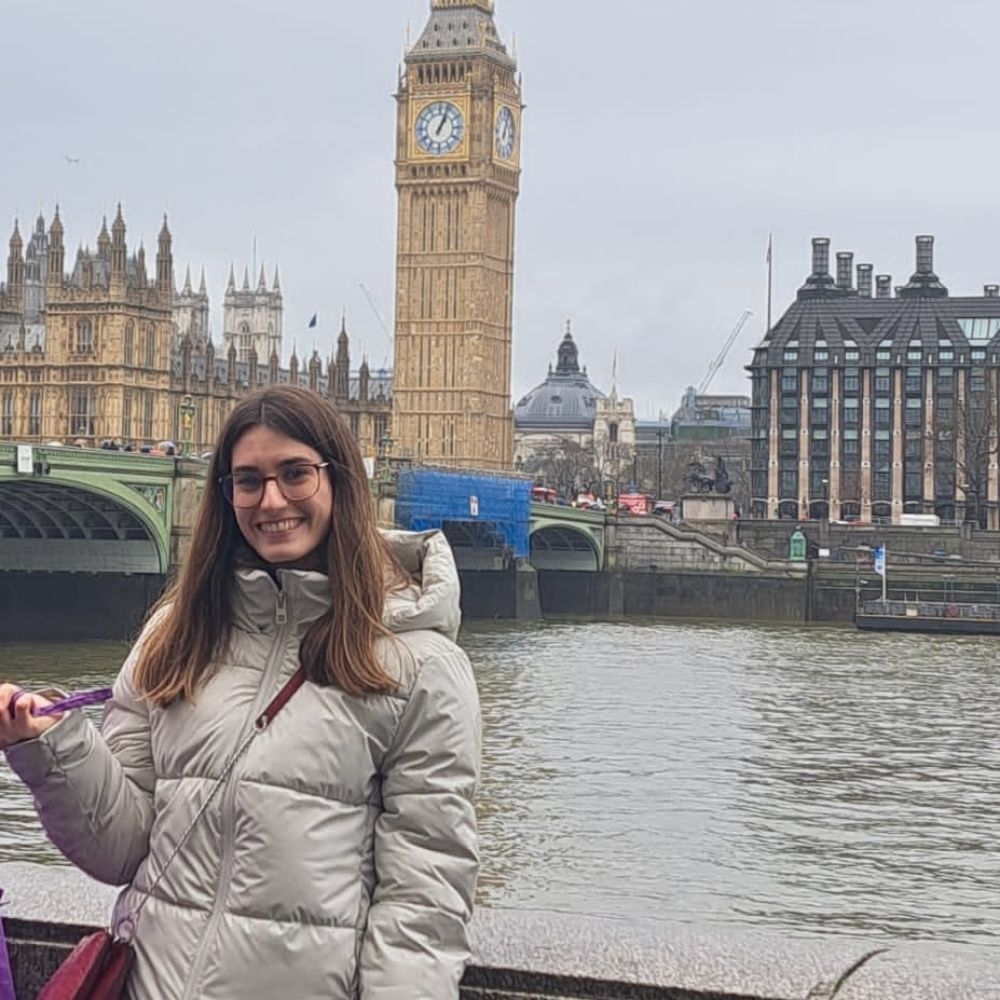
New paper out in PNAS!!! 🎉
Do more plasmid copies mean faster evolution?
🧵 Dive into the story
www.pnas.org/doi/10.1073/...
Do more plasmid copies mean faster evolution?
🧵 Dive into the story
www.pnas.org/doi/10.1073/...

Plasmid mutation rates scale with copy number | PNAS
Plasmids are extrachromosomal DNA molecules that spread by horizontal transfer and
shape bacterial evolution. Plasmids are typically present at mul...
www.pnas.org
January 27, 2026 at 12:02 PM
New paper out in PNAS!!! 🎉
Do more plasmid copies mean faster evolution?
🧵 Dive into the story
www.pnas.org/doi/10.1073/...
Do more plasmid copies mean faster evolution?
🧵 Dive into the story
www.pnas.org/doi/10.1073/...
Reposted by Roman Stetsenko
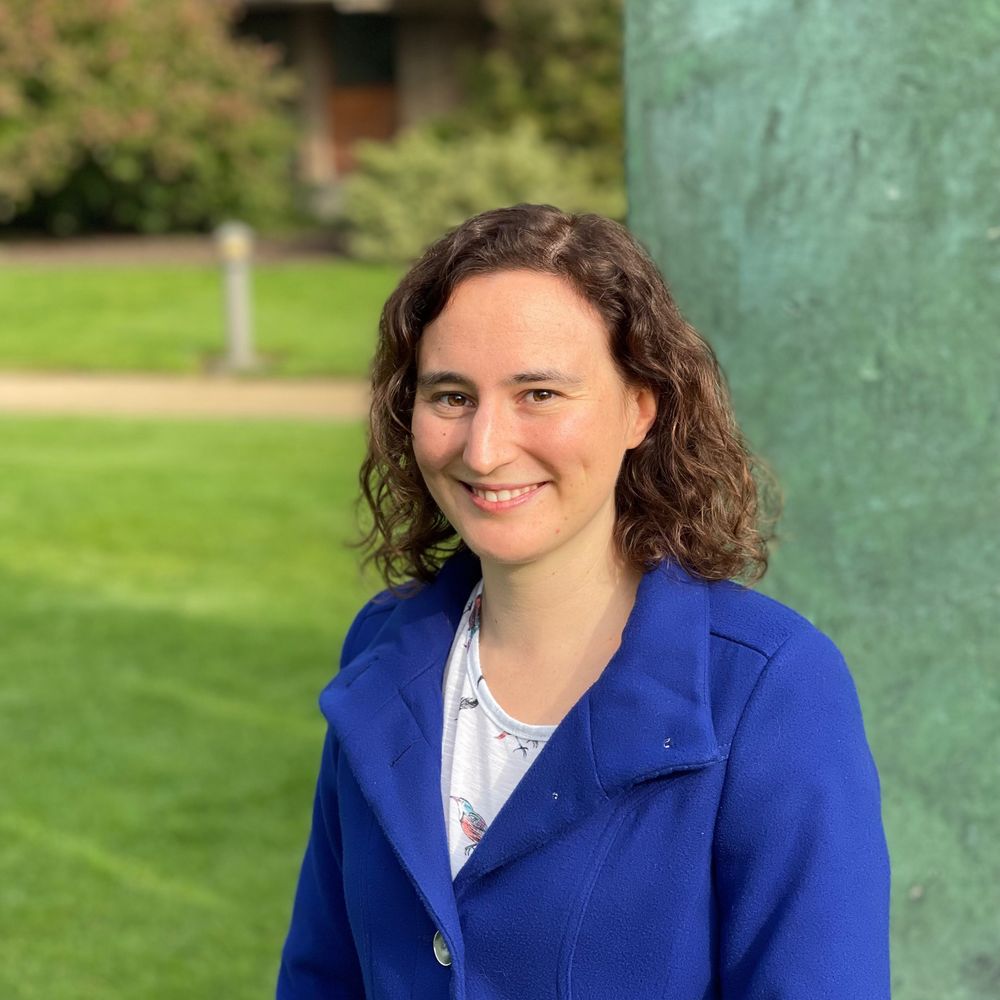
Out in @science.org this week: SIPS binds to a conserved region of SRK to control interspecies incompatibility in Brassicaceae. This contrasts with SRK's variable region, which is involved in self-incompatibility interactions.
www.science.org/doi/10.1126/...
#plantscience
www.science.org/doi/10.1126/...
#plantscience

Pan-family pollen signals control an interspecific stigma barrier across Brassicaceae species
Prezygotic interspecific incompatibility prevents hybridization between species, which limits interbreeding strategies for crop improvement using wild relatives. The Brassica rapa female self-incompat...
www.science.org
January 23, 2026 at 1:01 PM
Out in @science.org this week: SIPS binds to a conserved region of SRK to control interspecies incompatibility in Brassicaceae. This contrasts with SRK's variable region, which is involved in self-incompatibility interactions.
www.science.org/doi/10.1126/...
#plantscience
www.science.org/doi/10.1126/...
#plantscience
Reposted by Roman Stetsenko

L'Ukraine fait face à une vague combinée de froid glacial et de bombardements russes. L'inaction de la "coalition des volontaires" devient chaque jour plus insupportable. L'Europe rate une fois encore son rendez-vous avec l'Histoire. #SkyShieldNow @fpetit.bsky.social @nicolastenzer.bsky.social

January 20, 2026 at 8:35 AM
L'Ukraine fait face à une vague combinée de froid glacial et de bombardements russes. L'inaction de la "coalition des volontaires" devient chaque jour plus insupportable. L'Europe rate une fois encore son rendez-vous avec l'Histoire. #SkyShieldNow @fpetit.bsky.social @nicolastenzer.bsky.social
Reposted by Roman Stetsenko
The last few days have provided Europeans with an important lesson on how to handle Trump. Don't beg, don't bluster, but do use the leverage you have to impose costs of him for his reckless behavior. European Greenland actions should inform their Ukraine policy. open.substack.com/pub/phillips...

Well Europe, Do You Get It Finally? Standing Up To Trump Works Better Than Prostrating Yourself
Now, do the same about Ukraine
open.substack.com
January 22, 2026 at 7:17 AM
The last few days have provided Europeans with an important lesson on how to handle Trump. Don't beg, don't bluster, but do use the leverage you have to impose costs of him for his reckless behavior. European Greenland actions should inform their Ukraine policy. open.substack.com/pub/phillips...
Reposted by Roman Stetsenko

Pregnancy loss is common in humans, and chromosomal abnormalities are the leading cause. Using genetic data from ~140,000 IVF embryos, we show that maternal variation in meiosis genes influences recombination and aneuploidy risk.
First authors: @saracarioscia.bsky.social & @aabiddanda.github.io
First authors: @saracarioscia.bsky.social & @aabiddanda.github.io

Common variation in meiosis genes shapes human recombination and aneuploidy - Nature
Analysis of data from pre-implantation genetic testing sheds light on the genetic basis of meiotic-origin aneuploidy, the leading cause of human pregnancy loss, identifying common genetic variants ass...
www.nature.com
January 21, 2026 at 9:14 PM
Pregnancy loss is common in humans, and chromosomal abnormalities are the leading cause. Using genetic data from ~140,000 IVF embryos, we show that maternal variation in meiosis genes influences recombination and aneuploidy risk.
First authors: @saracarioscia.bsky.social & @aabiddanda.github.io
First authors: @saracarioscia.bsky.social & @aabiddanda.github.io
Reposted by Roman Stetsenko

A new preprint from the lab, with postdoc @deboraycb.bsky.social and collaborators @aidaandres.bsky.social and Tim Connallon:
“Characterising the detectable and invisible fractions of genomic loci under balancing selection”
www.biorxiv.org/content/10.6...
“Characterising the detectable and invisible fractions of genomic loci under balancing selection”
www.biorxiv.org/content/10.6...
www.biorxiv.org
January 21, 2026 at 3:32 PM
A new preprint from the lab, with postdoc @deboraycb.bsky.social and collaborators @aidaandres.bsky.social and Tim Connallon:
“Characterising the detectable and invisible fractions of genomic loci under balancing selection”
www.biorxiv.org/content/10.6...
“Characterising the detectable and invisible fractions of genomic loci under balancing selection”
www.biorxiv.org/content/10.6...
Reposted by Roman Stetsenko
Balancing selection alert!! 🧬🧪
New preprint where we try to quantify how likely (or rather, unlikely) it is for balancing selection to maintain stable polymorphism, and how easy (or rather, challenging) it is to identify its signatures in genomes.
#Popgen #MolecularEvolution #EvoBio #Science
New preprint where we try to quantify how likely (or rather, unlikely) it is for balancing selection to maintain stable polymorphism, and how easy (or rather, challenging) it is to identify its signatures in genomes.
#Popgen #MolecularEvolution #EvoBio #Science
A new preprint from the lab, with postdoc @deboraycb.bsky.social and collaborators @aidaandres.bsky.social and Tim Connallon:
“Characterising the detectable and invisible fractions of genomic loci under balancing selection”
www.biorxiv.org/content/10.6...
“Characterising the detectable and invisible fractions of genomic loci under balancing selection”
www.biorxiv.org/content/10.6...
www.biorxiv.org
January 21, 2026 at 4:11 PM
Balancing selection alert!! 🧬🧪
New preprint where we try to quantify how likely (or rather, unlikely) it is for balancing selection to maintain stable polymorphism, and how easy (or rather, challenging) it is to identify its signatures in genomes.
#Popgen #MolecularEvolution #EvoBio #Science
New preprint where we try to quantify how likely (or rather, unlikely) it is for balancing selection to maintain stable polymorphism, and how easy (or rather, challenging) it is to identify its signatures in genomes.
#Popgen #MolecularEvolution #EvoBio #Science
Reposted by Roman Stetsenko
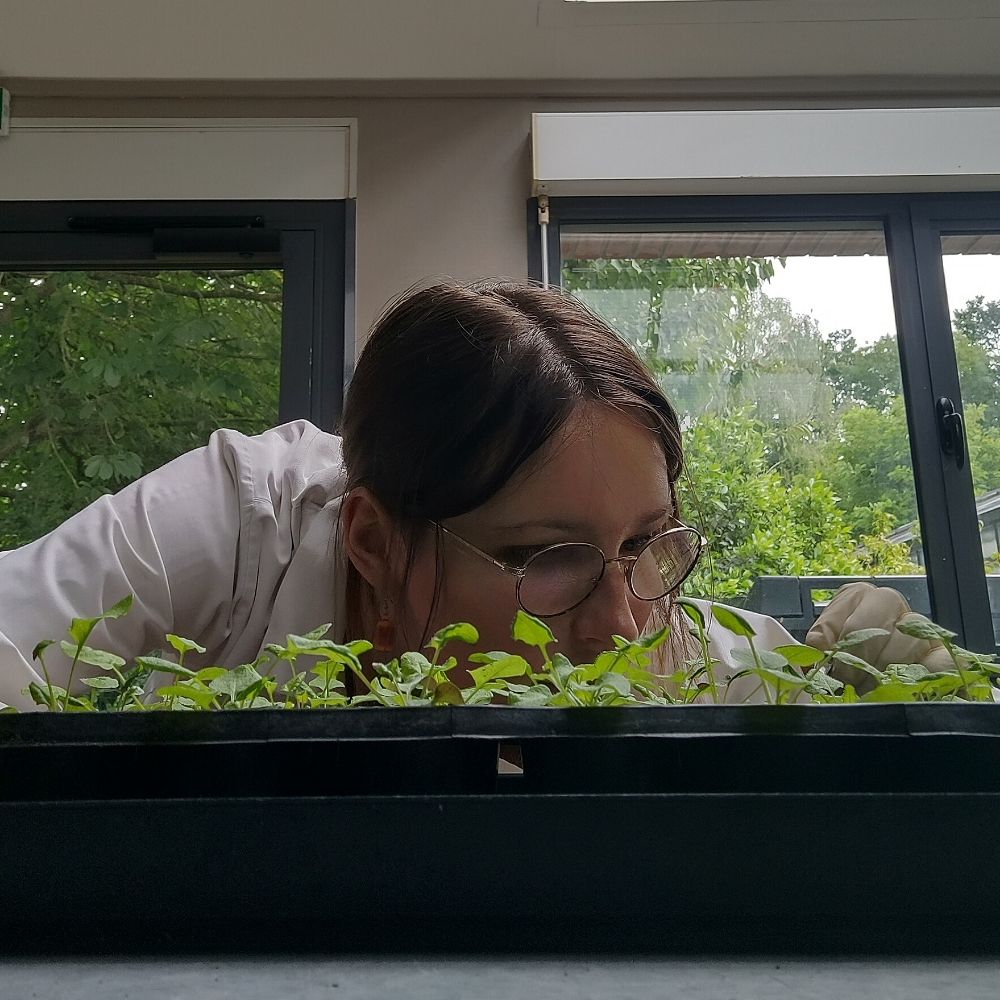
🧬 What does the starting material from which genes could emerge #denovo look like?
🌱 We used #RiboSeq to investigate the landscape of translated de novo ORFs in 3 #Arabidopsis species, and how they might be linked to gene birth!
📝 Check out our preprint here:
doi.org/10.1101/2025...
🌱 We used #RiboSeq to investigate the landscape of translated de novo ORFs in 3 #Arabidopsis species, and how they might be linked to gene birth!
📝 Check out our preprint here:
doi.org/10.1101/2025...
Pervasive translation of short open reading frames and de novo gene emergence in Arabidopsis
Ancestrally non-genic sequences are now widely recognized as potential reservoirs for the de novo emergence of new genes. Across clades, some de novo genes were proven to have substantial phenotypic effects, and to contribute to the emergence of novel biological functions. Yet, still very little is known about the starting material from which de novo genes emerge, especially in plants. To fill this gap, we generated Ribosome Profiling data from the closely related species Arabidopsis halleri, A. lyrata and A. thaliana and characterized genome-wide patterns of translation across them. Synteny analysis revealed 211 Open Reading Frames (ORFs) that have emerged de novo within the Arabidopsis genus and already exhibit signs of active translation. Most of these de novo translated ORFs were species- and even accession-specific, indicating their transient nature, with patterns of polymorphism consistent with neutral evolution in natural populations. They were also significantly shorter and less expressed than conserved Coding DNA Sequences (CDS), and their GC content increased with phylogenetic conservation. While most of them were located in intergenic regions and are thus newly discovered, 34 were previously annotated as CDS in at least one genome, and are promising putative genes. Our results demonstrate the abundance of translation events outside of conserved CDS, and their role as starting material for the emergence of novel genes in plants. ### Competing Interest Statement The authors have declared no competing interest. Université de Lille, https://ror.org/0546v5182
doi.org
January 20, 2026 at 10:58 AM
🧬 What does the starting material from which genes could emerge #denovo look like?
🌱 We used #RiboSeq to investigate the landscape of translated de novo ORFs in 3 #Arabidopsis species, and how they might be linked to gene birth!
📝 Check out our preprint here:
doi.org/10.1101/2025...
🌱 We used #RiboSeq to investigate the landscape of translated de novo ORFs in 3 #Arabidopsis species, and how they might be linked to gene birth!
📝 Check out our preprint here:
doi.org/10.1101/2025...
Reposted by Roman Stetsenko

Cow Tools!
We have lived alongside cows for nearly 10,000 years.
We breed them and exploit them
It is now, only now, that we have discovered THEY CAN USE TOOLS
Here I describe our study
(paper) www.sciencedirect.com/science/arti... in @currentbiology.bsky.social
with @auersperga.bsky.social
We have lived alongside cows for nearly 10,000 years.
We breed them and exploit them
It is now, only now, that we have discovered THEY CAN USE TOOLS
Here I describe our study
(paper) www.sciencedirect.com/science/arti... in @currentbiology.bsky.social
with @auersperga.bsky.social


January 19, 2026 at 5:26 PM
Cow Tools!
We have lived alongside cows for nearly 10,000 years.
We breed them and exploit them
It is now, only now, that we have discovered THEY CAN USE TOOLS
Here I describe our study
(paper) www.sciencedirect.com/science/arti... in @currentbiology.bsky.social
with @auersperga.bsky.social
We have lived alongside cows for nearly 10,000 years.
We breed them and exploit them
It is now, only now, that we have discovered THEY CAN USE TOOLS
Here I describe our study
(paper) www.sciencedirect.com/science/arti... in @currentbiology.bsky.social
with @auersperga.bsky.social
Reposted by Roman Stetsenko

Characterising the detectable and invisible fractions of genomic loci under balancing selection https://www.biorxiv.org/content/10.64898/2026.01.13.698512v1
January 13, 2026 at 1:32 PM
Characterising the detectable and invisible fractions of genomic loci under balancing selection https://www.biorxiv.org/content/10.64898/2026.01.13.698512v1
Reposted by Roman Stetsenko

We (with Fanny Pouyet and Brian Charlesworth) provide a theoretical perspective on rescaling forward simulations in population genetics, along with some guidelines:
arxiv.org/abs/2601.05367
arxiv.org/abs/2601.05367

The rights and wrongs of rescaling in population genetics simulations
Computer simulations of complex population genetic models are an essential tool for making sense of the large-scale datasets of multiple genome sequences from a single species that are becoming increa...
arxiv.org
January 12, 2026 at 9:38 PM
We (with Fanny Pouyet and Brian Charlesworth) provide a theoretical perspective on rescaling forward simulations in population genetics, along with some guidelines:
arxiv.org/abs/2601.05367
arxiv.org/abs/2601.05367
Reposted by Roman Stetsenko

Back in Toulouse, but very happy with my first PopGroup @popgroup2026.bsky.social. Every time I come to Lille, I remember how pleasant the city is (here it was even better with the snow) and how much I enjoy good times with my friendly collaborators there.
January 10, 2026 at 9:25 PM
Back in Toulouse, but very happy with my first PopGroup @popgroup2026.bsky.social. Every time I come to Lille, I remember how pleasant the city is (here it was even better with the snow) and how much I enjoy good times with my friendly collaborators there.
Reposted by Roman Stetsenko

Always inspiring to start the year at @popgroup2026.bsky.social !
If you were there and want to learn more about pangenomes, there’s still time to register for our meeting in Edinburgh in June, co-organised with @charlottewright.bsky.social & @joanameier.bsky.social royalsociety.org/science-even...
If you were there and want to learn more about pangenomes, there’s still time to register for our meeting in Edinburgh in June, co-organised with @charlottewright.bsky.social & @joanameier.bsky.social royalsociety.org/science-even...
royalsociety.org
January 10, 2026 at 2:36 PM
Always inspiring to start the year at @popgroup2026.bsky.social !
If you were there and want to learn more about pangenomes, there’s still time to register for our meeting in Edinburgh in June, co-organised with @charlottewright.bsky.social & @joanameier.bsky.social royalsociety.org/science-even...
If you were there and want to learn more about pangenomes, there’s still time to register for our meeting in Edinburgh in June, co-organised with @charlottewright.bsky.social & @joanameier.bsky.social royalsociety.org/science-even...
Reposted by Roman Stetsenko
It was an honour to talk at PopGroup!
Thanks to the organisers for making it a very memorable event 🥳
Thanks to the organisers for making it a very memorable event 🥳
Last plenary of #PGG59 by Flo Camus on the fascinating evolution of mitochondria and their intricate interactions with the nuclear genome !

January 10, 2026 at 2:34 PM
It was an honour to talk at PopGroup!
Thanks to the organisers for making it a very memorable event 🥳
Thanks to the organisers for making it a very memorable event 🥳
Reposted by Roman Stetsenko

My first PopGroup—it was great! Thanks to all the organizers, especially.
January 10, 2026 at 2:57 PM
My first PopGroup—it was great! Thanks to all the organizers, especially.
Reposted by Roman Stetsenko

Last plenary of #PGG59 by Flo Camus on the fascinating evolution of mitochondria and their intricate interactions with the nuclear genome !
January 9, 2026 at 8:51 AM
Last plenary of #PGG59 by Flo Camus on the fascinating evolution of mitochondria and their intricate interactions with the nuclear genome !
Reposted by Roman Stetsenko

Super great time at @popgroup2026.bsky.social in Lille 👉 presenting lab postdoc work, reconnecting with colleagues worldwide & exchanging inspiring ideas!
Huge thanks to organizers @vincentcastric.bsky.social, @crouxevo.bsky.social, Diala Abu Awad @thomaslesaffre.bsky.social, @romanstet.bsky.social
Huge thanks to organizers @vincentcastric.bsky.social, @crouxevo.bsky.social, Diala Abu Awad @thomaslesaffre.bsky.social, @romanstet.bsky.social

January 10, 2026 at 12:39 AM
Super great time at @popgroup2026.bsky.social in Lille 👉 presenting lab postdoc work, reconnecting with colleagues worldwide & exchanging inspiring ideas!
Huge thanks to organizers @vincentcastric.bsky.social, @crouxevo.bsky.social, Diala Abu Awad @thomaslesaffre.bsky.social, @romanstet.bsky.social
Huge thanks to organizers @vincentcastric.bsky.social, @crouxevo.bsky.social, Diala Abu Awad @thomaslesaffre.bsky.social, @romanstet.bsky.social
Reposted by Roman Stetsenko

Excited to share my first first-author paper from my master’s work at @carleton.ca , with @andrew-m-simons.bsky.social and Myron Smith!
We explored how constraints on adaptation can aid the persistence of bet-hedging traits in the short term.
royalsocietypublishing.org/rspb/article...
We explored how constraints on adaptation can aid the persistence of bet-hedging traits in the short term.
royalsocietypublishing.org/rspb/article...

Avoiding dead ends: the experimental evolution of constraint as adaptation to environmental variation
Abstract. Environmental unpredictability can result in the evolution of bet-hedging traits, which maximize long-term fitness but are, by definition, subopt
royalsocietypublishing.org
January 8, 2026 at 3:11 PM
Excited to share my first first-author paper from my master’s work at @carleton.ca , with @andrew-m-simons.bsky.social and Myron Smith!
We explored how constraints on adaptation can aid the persistence of bet-hedging traits in the short term.
royalsocietypublishing.org/rspb/article...
We explored how constraints on adaptation can aid the persistence of bet-hedging traits in the short term.
royalsocietypublishing.org/rspb/article...

Reposted by Roman Stetsenko
First plenary by Denis Roze !

January 7, 2026 at 12:44 PM
First plenary by Denis Roze !
Reposted by Roman Stetsenko

Excited to visit Lille France for @popgroup2026.bsky.social ! Looking forward to present about butterfly wing colour polymorphism on Thursday at 11.30am in Salle D 🦋


January 7, 2026 at 4:54 PM
Excited to visit Lille France for @popgroup2026.bsky.social ! Looking forward to present about butterfly wing colour polymorphism on Thursday at 11.30am in Salle D 🦋
Reposted by Roman Stetsenko

We have arrived in snowy Lille for the 59th PopGroup conference! Come to the MEE stand and have a chat! 😀
@popgroup2026.bsky.social
@popgroup2026.bsky.social

January 7, 2026 at 3:10 PM
We have arrived in snowy Lille for the 59th PopGroup conference! Come to the MEE stand and have a chat! 😀
@popgroup2026.bsky.social
@popgroup2026.bsky.social
Reposted by Roman Stetsenko

I'm excited to share that our preprint is now available on bioRxiv! Our study challenges the widespread use of molecular genetic diversity as a predictor adaptive potential, with important implications for how genetic data is used to inform conservation decisions.
www.biorxiv.org/content/10.6...
www.biorxiv.org/content/10.6...

Nucleotide diversity is a poor predictor of short-term adaptive potential
A capacity to adapt is essential for a population to avoid extinction in a changing world and is recognised as a global conservation priority. Adaptation requires additive (heritable) genetic variatio...
www.biorxiv.org
January 6, 2026 at 8:26 AM
I'm excited to share that our preprint is now available on bioRxiv! Our study challenges the widespread use of molecular genetic diversity as a predictor adaptive potential, with important implications for how genetic data is used to inform conservation decisions.
www.biorxiv.org/content/10.6...
www.biorxiv.org/content/10.6...