



Mirella Miettinen
@mimiet.bsky.social
Academy Research Fellow
Law School, University of Eastern Finland
Law School, University of Eastern Finland
Reposted by Mirella Miettinen

Are you assessing environmental risks of biocides? 🐝 Introducing the B-risk tool, designed to evaluate biocide risks to bees. This adaptation of EFSA’s original tool for plant protection products supports compliance with ECHA’s 2024 Bee Guidance. 🐝Access to B-risk tool - https://fcld.ly/brisktool

January 30, 2026 at 9:01 AM
Are you assessing environmental risks of biocides? 🐝 Introducing the B-risk tool, designed to evaluate biocide risks to bees. This adaptation of EFSA’s original tool for plant protection products supports compliance with ECHA’s 2024 Bee Guidance. 🐝Access to B-risk tool - https://fcld.ly/brisktool
Reposted by Mirella Miettinen
"Industry and oil-producing countries push chemical recycling [pyrolysis] to preserve plastic growth and fossil profits,” Lee Bell, technical and policy adviser at the NGO International Pollutants Elimination Network (IPEN) told Voxeurop:
voxeurop.eu/en/ghost-rec...
voxeurop.eu/en/ghost-rec...

Ghost recycling: how Big Oil re-brands and sells fossil fuel as green plastic
Saudi Aramco, one of the world’s top corporate greenhouse gas emitters, supplies fossil-based plastics to global brands that sell them as “recycled.” Loopholes in industry-backed rules let these brand...
voxeurop.eu
January 28, 2026 at 8:26 PM
"Industry and oil-producing countries push chemical recycling [pyrolysis] to preserve plastic growth and fossil profits,” Lee Bell, technical and policy adviser at the NGO International Pollutants Elimination Network (IPEN) told Voxeurop:
voxeurop.eu/en/ghost-rec...
voxeurop.eu/en/ghost-rec...
Reposted by Mirella Miettinen
A new UK government report warns that global #biodiversity loss threatens food security, economic stability, and geopolitical order. In my latest blog post I ask whether pollination should now be considered a #nationalsecurity issue:
jeffollerton.co.uk/2026/01/26/p...
@butterfly-project.bsky.social
jeffollerton.co.uk/2026/01/26/p...
@butterfly-project.bsky.social

Pollination as a matter of national security
In these turbulent times it’s hard to know where to focus one’s gaze. Do we concentrate on Ukraine? Greenland? Venezuela? Sudan? China? Russia? The Middle East? The rise of the far righ…
jeffollerton.co.uk
January 26, 2026 at 2:57 PM
A new UK government report warns that global #biodiversity loss threatens food security, economic stability, and geopolitical order. In my latest blog post I ask whether pollination should now be considered a #nationalsecurity issue:
jeffollerton.co.uk/2026/01/26/p...
@butterfly-project.bsky.social
jeffollerton.co.uk/2026/01/26/p...
@butterfly-project.bsky.social
Reposted by Mirella Miettinen

🧵2/5
A recent study by Chase et al. @royentsoc.bsky.social provides compelling evidence that soil properties — specifically sand content — can strongly shape bee communities.
It challenges the widespread assumption that flowers alone determine where bees live and thrive.
🔗 doi.org/10.1111/icad...
A recent study by Chase et al. @royentsoc.bsky.social provides compelling evidence that soil properties — specifically sand content — can strongly shape bee communities.
It challenges the widespread assumption that flowers alone determine where bees live and thrive.
🔗 doi.org/10.1111/icad...

Soil sand content is a driving force in structuring bee communities
We conducted a carefully designed observational study across three soil sand content categories using Dalea purpurea that attracts a wide range of bee species and grows in different soil types. Soil...
doi.org
January 15, 2026 at 2:09 PM
🧵2/5
A recent study by Chase et al. @royentsoc.bsky.social provides compelling evidence that soil properties — specifically sand content — can strongly shape bee communities.
It challenges the widespread assumption that flowers alone determine where bees live and thrive.
🔗 doi.org/10.1111/icad...
A recent study by Chase et al. @royentsoc.bsky.social provides compelling evidence that soil properties — specifically sand content — can strongly shape bee communities.
It challenges the widespread assumption that flowers alone determine where bees live and thrive.
🔗 doi.org/10.1111/icad...
Reposted by Mirella Miettinen

Neonicotinoids not only disrupt ecosystems, they also form a overlooked source of reactive nitrogen that perturbs global nitrogen cycling, amplifies atmospheric oxidative capacity, and influences climate dynamics.
#neonicotinoids
www.nature.com/articles/s41...
#neonicotinoids
www.nature.com/articles/s41...
Aqueous photochemistry of neonicotinoids unveils a major source of atmospheric reactive nitrogen impacting global climate - npj Climate and Atmospheric Science
npj Climate and Atmospheric Science - Aqueous photochemistry of neonicotinoids unveils a major source of atmospheric reactive nitrogen impacting global climate
www.nature.com
December 19, 2025 at 7:53 AM
Neonicotinoids not only disrupt ecosystems, they also form a overlooked source of reactive nitrogen that perturbs global nitrogen cycling, amplifies atmospheric oxidative capacity, and influences climate dynamics.
#neonicotinoids
www.nature.com/articles/s41...
#neonicotinoids
www.nature.com/articles/s41...
Reposted by Mirella Miettinen

𝐖𝐡𝐨 𝐭𝐫𝐮𝐥𝐲 𝐩𝐫𝐨𝐭𝐞𝐜𝐭𝐬 𝐭𝐡𝐞 𝐪𝐮𝐚𝐥𝐢𝐭𝐲 𝐨𝐟 𝐡𝐨𝐧𝐞𝐲?
BeeLife is concerned about the recent vote in the European Parliament enabling/approving the raise of the allowed level of #acetamiprid residues in #honey
BeeLife is concerned about the recent vote in the European Parliament enabling/approving the raise of the allowed level of #acetamiprid residues in #honey

December 18, 2025 at 4:32 PM
𝐖𝐡𝐨 𝐭𝐫𝐮𝐥𝐲 𝐩𝐫𝐨𝐭𝐞𝐜𝐭𝐬 𝐭𝐡𝐞 𝐪𝐮𝐚𝐥𝐢𝐭𝐲 𝐨𝐟 𝐡𝐨𝐧𝐞𝐲?
BeeLife is concerned about the recent vote in the European Parliament enabling/approving the raise of the allowed level of #acetamiprid residues in #honey
BeeLife is concerned about the recent vote in the European Parliament enabling/approving the raise of the allowed level of #acetamiprid residues in #honey
Reposted by Mirella Miettinen

Climate change is putting medicinal plants at risk, threatening health care for the 80% of people who rely on traditional medicine.
Heat, habitat loss and extreme weather are altering plant chemistry, while communities fight back through conservation and knowledge-sharing.
Heat, habitat loss and extreme weather are altering plant chemistry, while communities fight back through conservation and knowledge-sharing.

The vanishing pharmacy: How climate change is reshaping traditional medicine
Gyatso Bista remembers the sacks of kutki. As a child learning to become a healer in Nepal’s kingdom of Lo Manthang, Bista would watch as heaps of the bitter-tasting herb, prized for treating fever,…
news.mongabay.com
December 16, 2025 at 2:10 AM
Climate change is putting medicinal plants at risk, threatening health care for the 80% of people who rely on traditional medicine.
Heat, habitat loss and extreme weather are altering plant chemistry, while communities fight back through conservation and knowledge-sharing.
Heat, habitat loss and extreme weather are altering plant chemistry, while communities fight back through conservation and knowledge-sharing.
Reposted by Mirella Miettinen
Baobab trees provide fruit, fibre, medicine and shelter for people & wildlife. Their survival depends on pollination by bats & moths. While these trees can cope with a wide range of environmental & climatic conditions, bats and moths may be more susceptible.
📰 https://ow.ly/1J6250XponU
📰 https://ow.ly/1J6250XponU

December 10, 2025 at 10:00 AM
Baobab trees provide fruit, fibre, medicine and shelter for people & wildlife. Their survival depends on pollination by bats & moths. While these trees can cope with a wide range of environmental & climatic conditions, bats and moths may be more susceptible.
📰 https://ow.ly/1J6250XponU
📰 https://ow.ly/1J6250XponU
Reposted by Mirella Miettinen

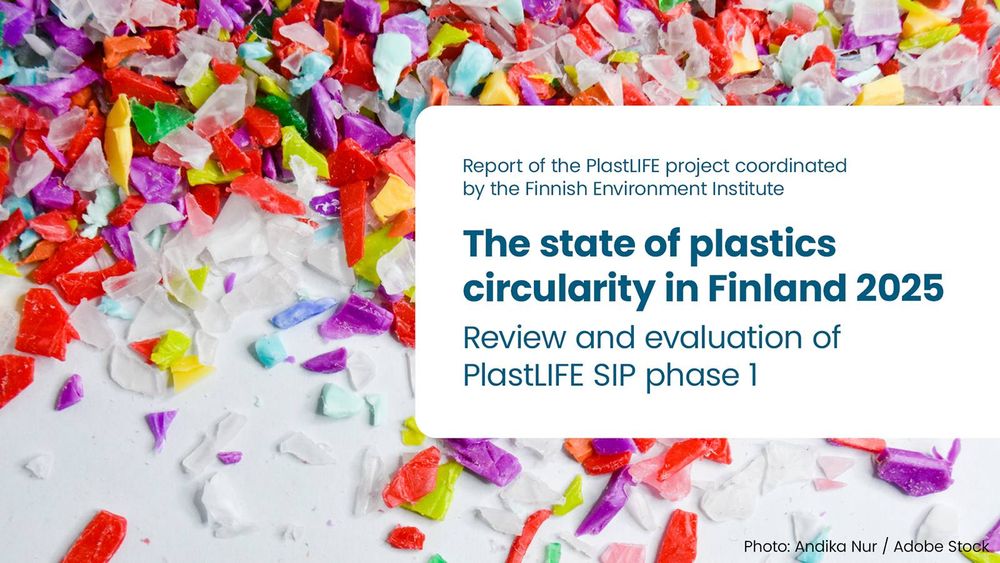
Finland must accelerate efforts towards a circular economy of plastics. How can this be done?
Read more:
Report: The state of plastics circularity in Finland 2025 - Review and evaluation of PlastLIFE SIP phase 1 (helda.fi): hdl.handle.net/10138/604241
Press release: www.sttinfo.fi/tiedote/7164...
Read more:
Report: The state of plastics circularity in Finland 2025 - Review and evaluation of PlastLIFE SIP phase 1 (helda.fi): hdl.handle.net/10138/604241
Press release: www.sttinfo.fi/tiedote/7164...
November 27, 2025 at 7:05 AM
Finland must accelerate efforts towards a circular economy of plastics. How can this be done?
Read more:
Report: The state of plastics circularity in Finland 2025 - Review and evaluation of PlastLIFE SIP phase 1 (helda.fi): hdl.handle.net/10138/604241
Press release: www.sttinfo.fi/tiedote/7164...
Read more:
Report: The state of plastics circularity in Finland 2025 - Review and evaluation of PlastLIFE SIP phase 1 (helda.fi): hdl.handle.net/10138/604241
Press release: www.sttinfo.fi/tiedote/7164...
Reposted by Mirella Miettinen

An Ecology Letters article explores urban #pollinator interventions across Europe. It is accompanied by an infographic on five intervention types designed to reach citizens and decision-makers.
Learn more: www.safeguard.biozentrum.uni-wuerzburg.de/News/ViewNew...
Learn more: www.safeguard.biozentrum.uni-wuerzburg.de/News/ViewNew...

November 25, 2025 at 3:18 PM
An Ecology Letters article explores urban #pollinator interventions across Europe. It is accompanied by an infographic on five intervention types designed to reach citizens and decision-makers.
Learn more: www.safeguard.biozentrum.uni-wuerzburg.de/News/ViewNew...
Learn more: www.safeguard.biozentrum.uni-wuerzburg.de/News/ViewNew...
Changes to EU chemical legislation grant exemptions for human and vet medicines, but the sector is not entirely exempt from the new rules. If the changes threaten to undermine the desired goals in the health sector, the responses may even hinder green transformation. doi.org/10.1080/2052...

Crossing silos: how changes in EU chemicals policy and legislation are reflected in its pharmaceutical policy and legislation
The European Union (EU) has introduced several changes to its chemicals policy and legislation with an ambition to transform society greener. This study examined selected changes introduced in EU c...
doi.org
November 25, 2025 at 8:41 AM
Changes to EU chemical legislation grant exemptions for human and vet medicines, but the sector is not entirely exempt from the new rules. If the changes threaten to undermine the desired goals in the health sector, the responses may even hinder green transformation. doi.org/10.1080/2052...
Reposted by Mirella Miettinen
Towards pollinator-friendly policy and practices #Safeguard policy brief "The topic of pollinators is characterised by different (including opposing) views which are subject to unequal access to policymaking, with a few largely advantaged views gaining political leverage" zenodo.org/records/1490...

February 21, 2025 at 3:06 PM
Towards pollinator-friendly policy and practices #Safeguard policy brief "The topic of pollinators is characterised by different (including opposing) views which are subject to unequal access to policymaking, with a few largely advantaged views gaining political leverage" zenodo.org/records/1490...
Reposted by Mirella Miettinen

No matter who’s in the White House, the business case for green chemistry endures, with fewer liabilities, lower costs, safer workplaces, and happier investors. cen.acs.org/environment/... #chemsky 🧪

Opinion: Green chemistry doesn’t need a federal boost. No, really
The case for creating safer, cleaner, and more-efficient chemical processes has never been stronger
cen.acs.org
November 15, 2025 at 6:04 PM
No matter who’s in the White House, the business case for green chemistry endures, with fewer liabilities, lower costs, safer workplaces, and happier investors. cen.acs.org/environment/... #chemsky 🧪
Reposted by Mirella Miettinen
Is the #IPCC failing to fulfil its social contract?
A Model at its Limits: The Intergovernmental Panel on Climate
Change from the Inside
- IPCC faces an identity crisis
- persistent disconnect between scientific enterprise and
meaningful political action
www.cambridge.org/core/service...
A Model at its Limits: The Intergovernmental Panel on Climate
Change from the Inside
- IPCC faces an identity crisis
- persistent disconnect between scientific enterprise and
meaningful political action
www.cambridge.org/core/service...
www.cambridge.org
November 14, 2025 at 5:30 AM
Is the #IPCC failing to fulfil its social contract?
A Model at its Limits: The Intergovernmental Panel on Climate
Change from the Inside
- IPCC faces an identity crisis
- persistent disconnect between scientific enterprise and
meaningful political action
www.cambridge.org/core/service...
A Model at its Limits: The Intergovernmental Panel on Climate
Change from the Inside
- IPCC faces an identity crisis
- persistent disconnect between scientific enterprise and
meaningful political action
www.cambridge.org/core/service...
Reposted by Mirella Miettinen

The 2025 @lancetcountdown.bsky.social report reveals climate change inaction is costing lives and livelihoods, and harming the economy.
During #COP30, explore recommendations for action: spkl.io/63324AbjGM #LancetClimate25
During #COP30, explore recommendations for action: spkl.io/63324AbjGM #LancetClimate25

November 10, 2025 at 3:34 PM
The 2025 @lancetcountdown.bsky.social report reveals climate change inaction is costing lives and livelihoods, and harming the economy.
During #COP30, explore recommendations for action: spkl.io/63324AbjGM #LancetClimate25
During #COP30, explore recommendations for action: spkl.io/63324AbjGM #LancetClimate25
Reposted by Mirella Miettinen
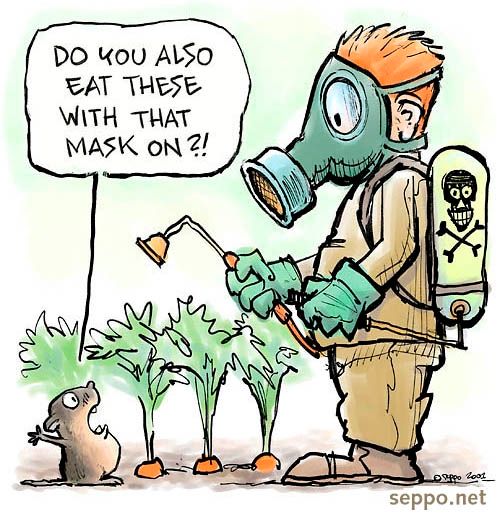
130+ organisations urge von der Leyen to strengthen enforcement of #EU #pesticide law.
October 29, 2025 at 6:28 AM
130+ organisations urge von der Leyen to strengthen enforcement of #EU #pesticide law.
Reposted by Mirella Miettinen
🧵1/4
☕️ Your morning coffee depends on pollinators more than you might think.
Every day, the world savours more than 2 billion cups of coffee. Yet this daily ritual relies on a hidden workforce: pollinators. Bees, butterflies and countless others ensure that coffee blossoms fulfil their potential.
☕️ Your morning coffee depends on pollinators more than you might think.
Every day, the world savours more than 2 billion cups of coffee. Yet this daily ritual relies on a hidden workforce: pollinators. Bees, butterflies and countless others ensure that coffee blossoms fulfil their potential.
October 1, 2025 at 5:03 AM
🧵1/4
☕️ Your morning coffee depends on pollinators more than you might think.
Every day, the world savours more than 2 billion cups of coffee. Yet this daily ritual relies on a hidden workforce: pollinators. Bees, butterflies and countless others ensure that coffee blossoms fulfil their potential.
☕️ Your morning coffee depends on pollinators more than you might think.
Every day, the world savours more than 2 billion cups of coffee. Yet this daily ritual relies on a hidden workforce: pollinators. Bees, butterflies and countless others ensure that coffee blossoms fulfil their potential.
Thank you @katarinazimmer.bsky.social for interviewing me, along with many other experts, for this insightful piece "How Human Medicines Are Disrupting Aquatic Ecosystems" | ACS Central Science pubs.acs.org/doi/10.1021/....

How Human Medicines Are Disrupting Aquatic Ecosystems
More drugs are entering aquatic habitats. Scientists are teasing apart how they influence the behavior, reproduction, and biology of organisms that live there.
pubs.acs.org
September 15, 2025 at 7:34 AM
Thank you @katarinazimmer.bsky.social for interviewing me, along with many other experts, for this insightful piece "How Human Medicines Are Disrupting Aquatic Ecosystems" | ACS Central Science pubs.acs.org/doi/10.1021/....
Reposted by Mirella Miettinen
🦋 Amid the growing controversy over pesticide-heavy lily farming in the Netherlands, @jeroenvandersluijs.bsky.social sat down with @dvhn.nl for an in-depth interview. The conversation goes far beyond lilies – touching on wider environmental issues 🐛
👉 butterfly-europe.eu/interview-wi...
👉 butterfly-europe.eu/interview-wi...
Interview with project coordinator Jeroen P. van der Sluijs
butterfly-europe.eu
July 23, 2025 at 11:06 AM
🦋 Amid the growing controversy over pesticide-heavy lily farming in the Netherlands, @jeroenvandersluijs.bsky.social sat down with @dvhn.nl for an in-depth interview. The conversation goes far beyond lilies – touching on wider environmental issues 🐛
👉 butterfly-europe.eu/interview-wi...
👉 butterfly-europe.eu/interview-wi...
Reposted by Mirella Miettinen
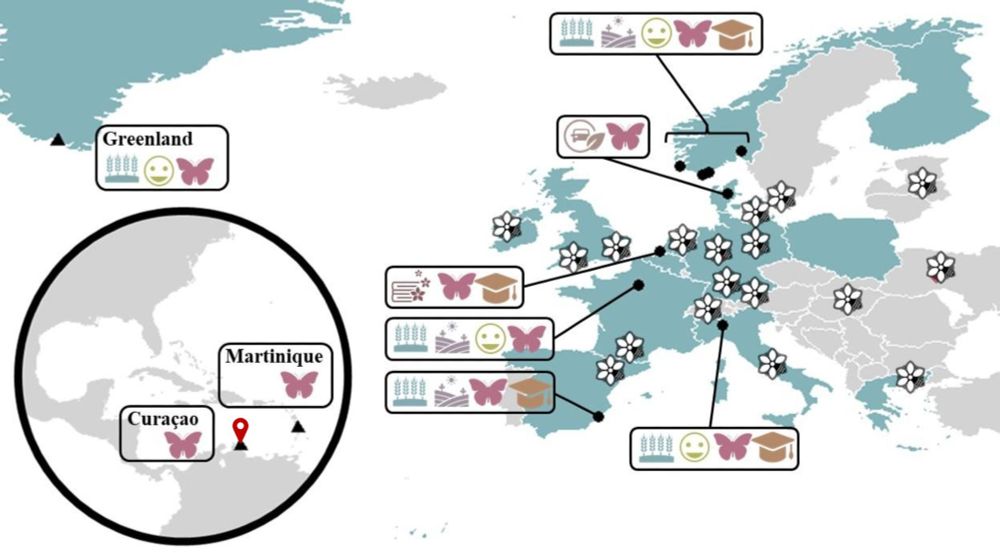
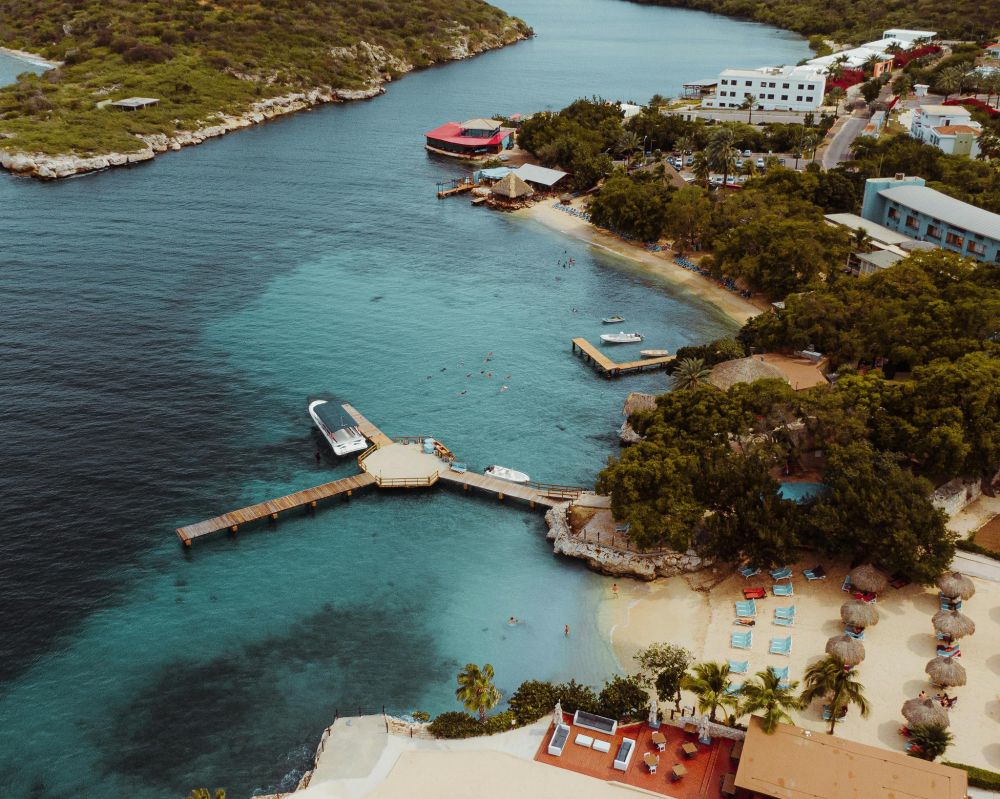
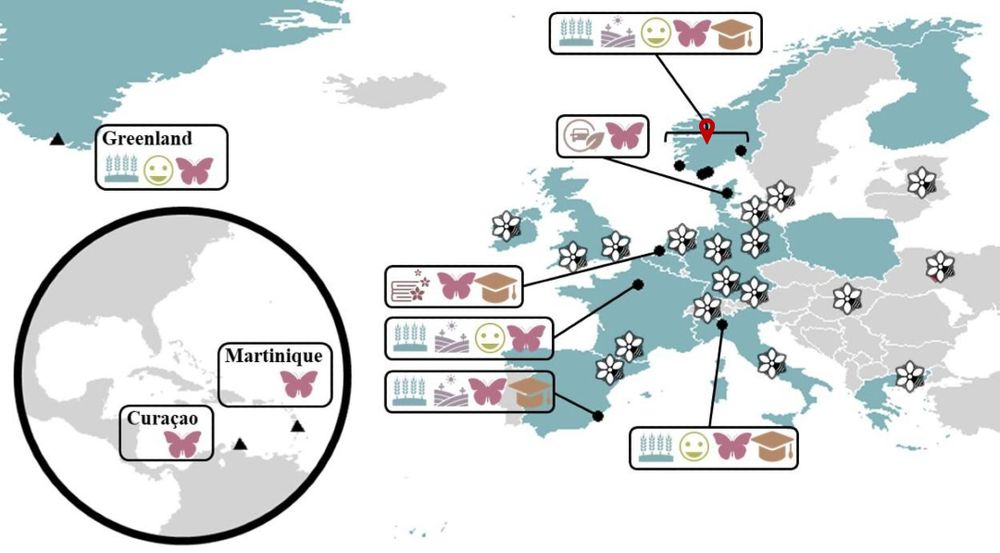
(1/2) Offcontinental locations 2/3: 📍Curaçao.
We will be teaming up with Carmabi.
Very little research has been done on pollinators in this region, so this is a great chance for us to gather valuable data and learn more about the diversity and importance of pollinators.
We will be teaming up with Carmabi.
Very little research has been done on pollinators in this region, so this is a great chance for us to gather valuable data and learn more about the diversity and importance of pollinators.
July 24, 2025 at 11:46 AM
(1/2) Offcontinental locations 2/3: 📍Curaçao.
We will be teaming up with Carmabi.
Very little research has been done on pollinators in this region, so this is a great chance for us to gather valuable data and learn more about the diversity and importance of pollinators.
We will be teaming up with Carmabi.
Very little research has been done on pollinators in this region, so this is a great chance for us to gather valuable data and learn more about the diversity and importance of pollinators.
On mielenkiintoista seurata, millaisia havaintoja partnerit @butterfly-project.bsky.social hankkeessamme tekevät kaukaisimmilta tutkimuskohteiltamme, kuten Grönlannista. Mikä on pölyttäjien arvo yhteiskunnalle siellä? Ja mitkä lajit ovat tärkeimpiä pölyttäjiä?
Offcontinental locations: 1/3📍#Greenland
Rock cranberry, crowberry, cloudberry, and blueberry🫐 = important food sources for wildlife🦊 and the Indigenous communities in Greenland. Building on earlier work on pollination networks in eastern Greenland, we will expand to more populated areas in the west
Rock cranberry, crowberry, cloudberry, and blueberry🫐 = important food sources for wildlife🦊 and the Indigenous communities in Greenland. Building on earlier work on pollination networks in eastern Greenland, we will expand to more populated areas in the west


July 18, 2025 at 4:50 AM
On mielenkiintoista seurata, millaisia havaintoja partnerit @butterfly-project.bsky.social hankkeessamme tekevät kaukaisimmilta tutkimuskohteiltamme, kuten Grönlannista. Mikä on pölyttäjien arvo yhteiskunnalle siellä? Ja mitkä lajit ovat tärkeimpiä pölyttäjiä?
Reposted by Mirella Miettinen
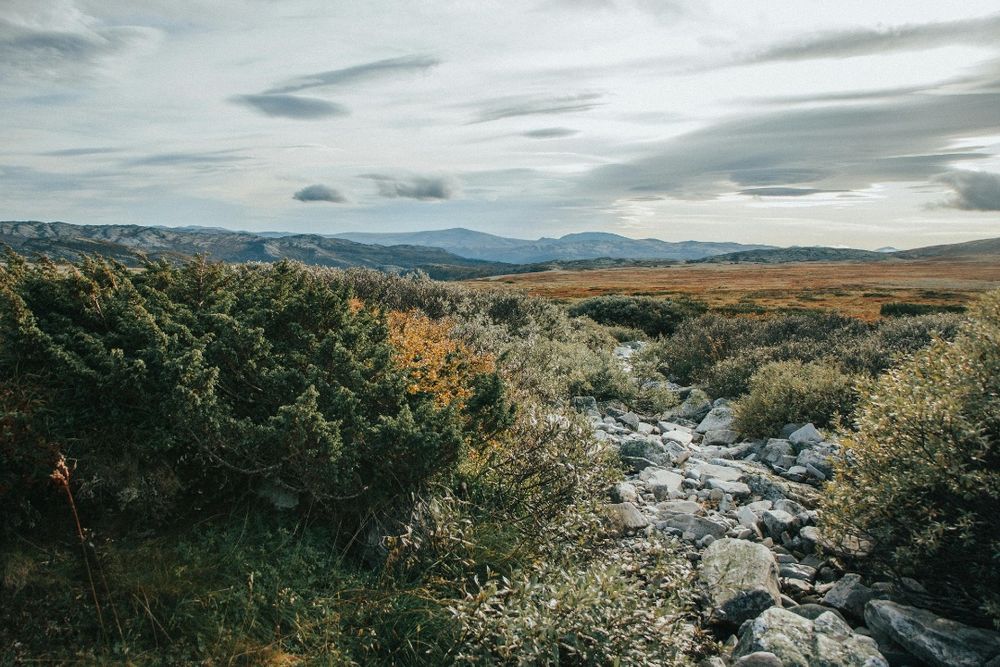
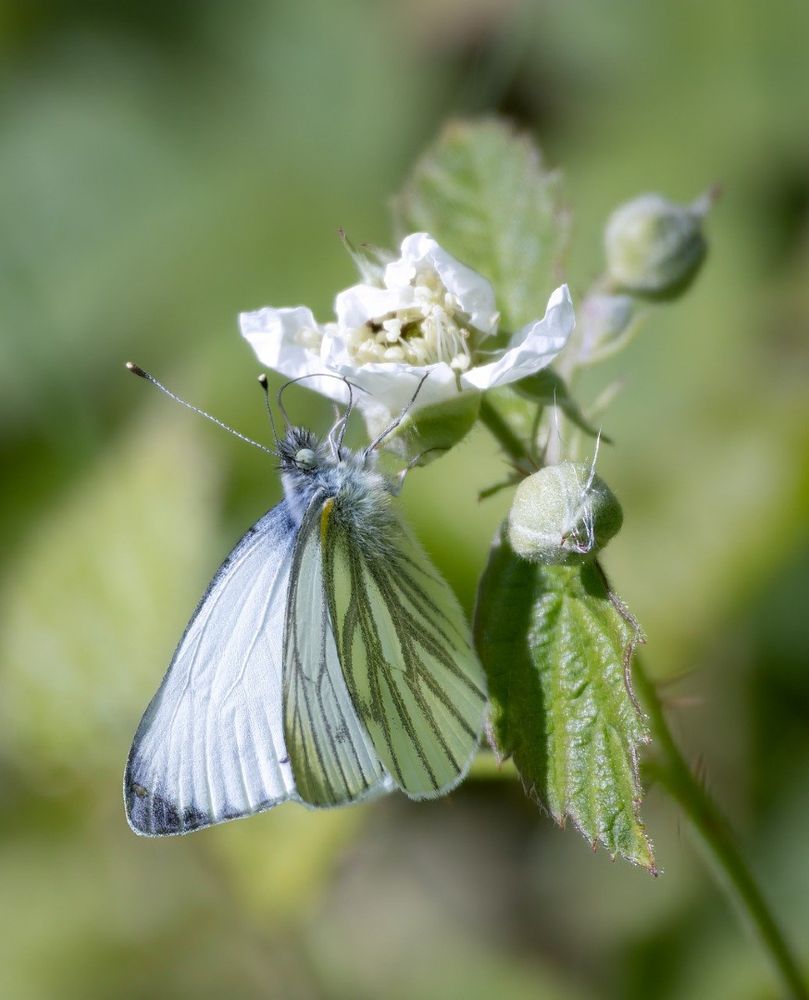
(1/2) #LivingLabs focus on 📍 Southern Norway!
In Landøy, abandoned coastal heathlands are being restored after decades of neglect following the 1960s fisheries collapse. Restoration supports pollinators, carbon storage, and cultural heritage.
#ButterflyEUProject #PollinatorsMatter #SouthernNorway
In Landøy, abandoned coastal heathlands are being restored after decades of neglect following the 1960s fisheries collapse. Restoration supports pollinators, carbon storage, and cultural heritage.
#ButterflyEUProject #PollinatorsMatter #SouthernNorway
July 3, 2025 at 5:01 AM
(1/2) #LivingLabs focus on 📍 Southern Norway!
In Landøy, abandoned coastal heathlands are being restored after decades of neglect following the 1960s fisheries collapse. Restoration supports pollinators, carbon storage, and cultural heritage.
#ButterflyEUProject #PollinatorsMatter #SouthernNorway
In Landøy, abandoned coastal heathlands are being restored after decades of neglect following the 1960s fisheries collapse. Restoration supports pollinators, carbon storage, and cultural heritage.
#ButterflyEUProject #PollinatorsMatter #SouthernNorway
Reposted by Mirella Miettinen

♻️ A circular economy isn’t always a safe one.
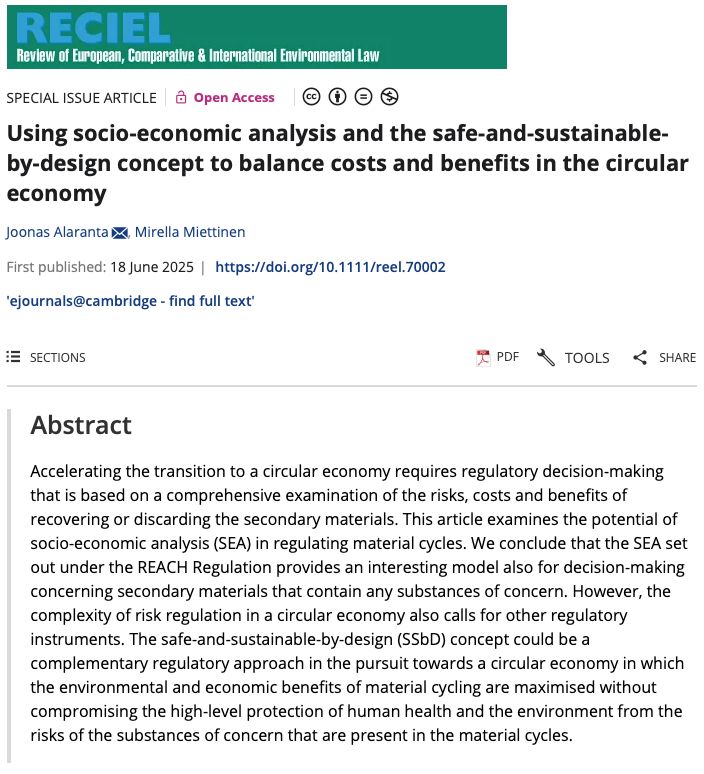
New and #opanaccess: Joonas Alaranta & @mimiet.bsky.social examine how REACH & socio-economic analysis handle hazardous substances in recycled materials and how the SSbD framework could offer a more sustainable path.
Read here: doi.org/10.1111/reel...
New and #opanaccess: Joonas Alaranta & @mimiet.bsky.social examine how REACH & socio-economic analysis handle hazardous substances in recycled materials and how the SSbD framework could offer a more sustainable path.
Read here: doi.org/10.1111/reel...
June 25, 2025 at 10:31 AM
♻️ A circular economy isn’t always a safe one.
New and #opanaccess: Joonas Alaranta & @mimiet.bsky.social examine how REACH & socio-economic analysis handle hazardous substances in recycled materials and how the SSbD framework could offer a more sustainable path.
Read here: doi.org/10.1111/reel...
New and #opanaccess: Joonas Alaranta & @mimiet.bsky.social examine how REACH & socio-economic analysis handle hazardous substances in recycled materials and how the SSbD framework could offer a more sustainable path.
Read here: doi.org/10.1111/reel...
This perspective "How pollinator decline could disrupt supply chains" is an important and refreshing, and also requires close communication with various stakeholders in the supply chains included in the @butterfly-project.bsky.social project. #biodiversity #environment #chemicals @cceel.bsky.social
🧵2/n
🎓 From law to landscapes:
@mimiet.bsky.social @uniuef.bsky.social leads key work in the #ButterflyProject, exploring how pollinator decline could disrupt supply chains in food, medicine, cosmetics, and more. 🧪🌿
📖
🎓 From law to landscapes:
@mimiet.bsky.social @uniuef.bsky.social leads key work in the #ButterflyProject, exploring how pollinator decline could disrupt supply chains in food, medicine, cosmetics, and more. 🧪🌿
📖
Environmental considerations in the European Union's pharmaceuticals legislation: Key instruments and their challenges in addressing global manufacturing supply chains
This article analyses how two key instruments of European Union pharmaceuticals legislation—good manufacturing practices and environmental risk assessment of pharmaceuticals—address known risks posed...
f.mtr.cool
June 18, 2025 at 10:39 AM
This perspective "How pollinator decline could disrupt supply chains" is an important and refreshing, and also requires close communication with various stakeholders in the supply chains included in the @butterfly-project.bsky.social project. #biodiversity #environment #chemicals @cceel.bsky.social