



Martin Cloake
@martincloake.bsky.social

Latest edition of The Football Fan on World Cup ticket prices, Premier League tricksiness and the power of protest.

Who wants the World? (Cup)
Is the furore over tournament ticket prices a positive sign?
open.substack.com
December 12, 2025 at 1:14 PM
Latest edition of The Football Fan on World Cup ticket prices, Premier League tricksiness and the power of protest.

This.
I guess with the Kraken thing they could argue that it's a crypto exchange and no worse than any other.
But continuing to push a specific crypto product that has proved itself beyond doubt to be total crap is inexcusable.
But continuing to push a specific crypto product that has proved itself beyond doubt to be total crap is inexcusable.
November 20, 2025 at 4:46 PM
This.
Reposted by Martin Cloake
To be fair to Spurs, they are not wrong when they describe their fan tokens as "high-risk."

November 20, 2025 at 4:37 PM
To be fair to Spurs, they are not wrong when they describe their fan tokens as "high-risk."
Latest edition of The Football Fan now out, with a European theme.
Is that all we get away?, by @MartinCloake open.substack.com/pub/martincl...
Is that all we get away?, by @MartinCloake open.substack.com/pub/martincl...

Is that all we get away?
I have written frequently about the dreadful experience of away fans at European games. Things aren’t getting any better. That needs to change.
open.substack.com
October 8, 2025 at 11:53 AM
Latest edition of The Football Fan now out, with a European theme.
Is that all we get away?, by @MartinCloake open.substack.com/pub/martincl...
Is that all we get away?, by @MartinCloake open.substack.com/pub/martincl...
Shouting into the void perhaps, but the Outlook for Mac upgrade is possibly the worst software upgrade in the history of software. Has smashed the ability to autofill email addresses, and typing in every address every time is a significant time thief. Well done all at Microsoft Towers.
October 1, 2025 at 1:56 PM
Shouting into the void perhaps, but the Outlook for Mac upgrade is possibly the worst software upgrade in the history of software. Has smashed the ability to autofill email addresses, and typing in every address every time is a significant time thief. Well done all at Microsoft Towers.
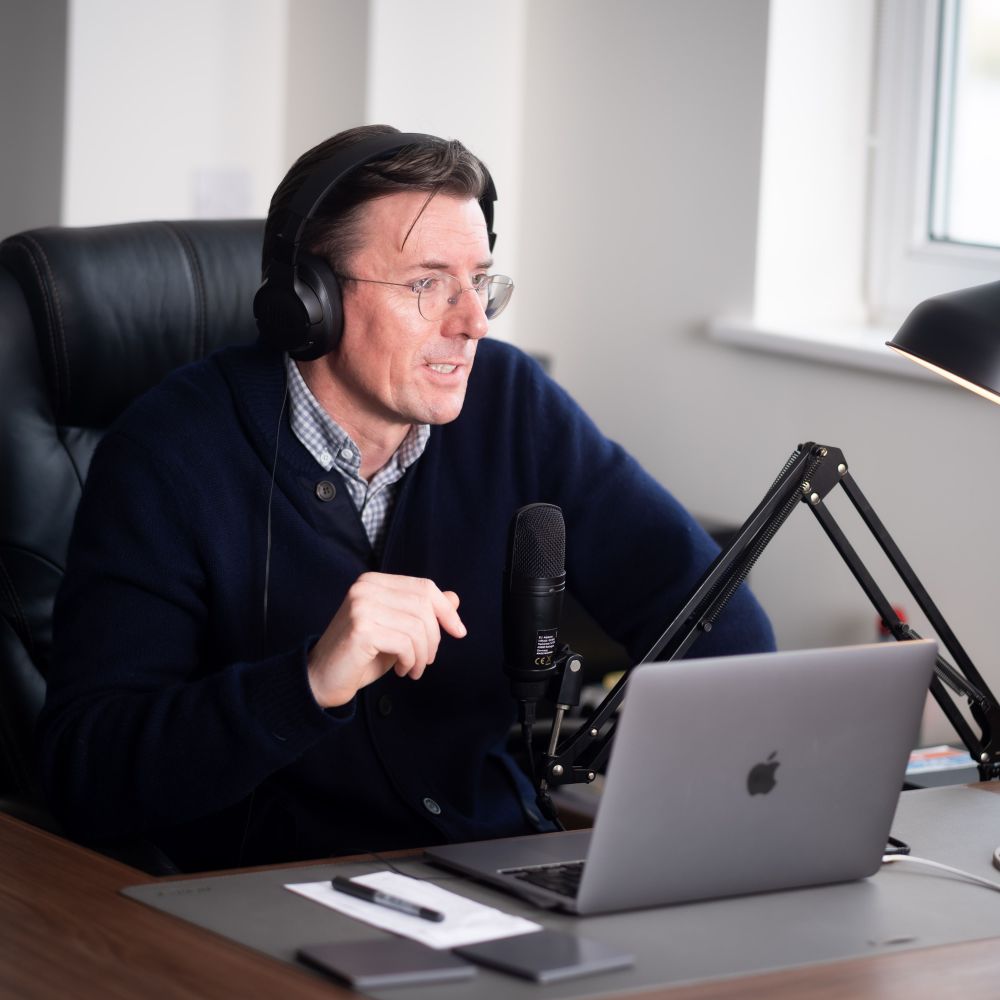
Last plug for my appearance on It Started With A Kick with @rcfoster.bsky.social Apologies for visual disturbance.
Tail wagging the dog is how @martincloake.bsky.social describes relationship between tv and football. Find out more in Part 2 of Martin’s episode - bit.ly/41JA5Cv
September 15, 2025 at 1:00 PM
Last plug for my appearance on It Started With A Kick with @rcfoster.bsky.social Apologies for visual disturbance.
Interesting seeing the stories of how people came to support their club after my ISWAK episode with @rcfoster.bsky.social The accepted wisdom has tended to be that support is passed down the generations, but there is more to the story.
September 9, 2025 at 6:13 PM
Interesting seeing the stories of how people came to support their club after my ISWAK episode with @rcfoster.bsky.social The accepted wisdom has tended to be that support is passed down the generations, but there is more to the story.
Apologies for the disturbing video clip, I’ve always said I had a great face for radio. But I really enjoyed talking about the actual football on Richard’s excellent pod #coys
How @martincloake.bsky.social almost became a @qpr.co.uk fan before plumping for @tottenhamhotspur.com Hear more of Martin’s story in Part 1 of his episode -
bit.ly/4nmDSho
bit.ly/4nmDSho
September 9, 2025 at 3:13 PM
Apologies for the disturbing video clip, I’ve always said I had a great face for radio. But I really enjoyed talking about the actual football on Richard’s excellent pod #coys
Coverage of #stopexploitingloyalty reaches Brazilian-based website ludopedio @wearethefsa.bsky.social

Como promover mudanças
Mudanças no futebol: um olhar sobre como elas impactam a confiança e a organização entre os torcedores e as equipes
Por Martin Cloake (@martincloake.bsky.social)
#Ludopédio #Arquibancada #Futebol
ludopedio.org.br/arquibancada...
Mudanças no futebol: um olhar sobre como elas impactam a confiança e a organização entre os torcedores e as equipes
Por Martin Cloake (@martincloake.bsky.social)
#Ludopédio #Arquibancada #Futebol
ludopedio.org.br/arquibancada...

Como promover mudanças
Mudanças no futebol: um olhar sobre como elas impactam a confiança e a organização entre os torcedores e as equipes.
ludopedio.org.br
September 8, 2025 at 1:28 PM
Coverage of #stopexploitingloyalty reaches Brazilian-based website ludopedio @wearethefsa.bsky.social
Fine stuff from @spursblogger

The Levy Legacy – What Might Have Been
In evaluating the career of Daniel Levy as Tottenham Hotspur chairman, only one thing can be said with any degree of certainty. If someone reaches a straightforward conclusion, they’re wrong. Altho…
tottenhamonmymind.com
September 7, 2025 at 2:53 PM
Fine stuff from @spursblogger
Question now is, what is the owners’ vision for the club? Looks very much like the Lewis family have made their move and this could be very positive. But we need clarity and transparency. I’ve seen too many false dawns. #coys
September 4, 2025 at 5:29 PM
Question now is, what is the owners’ vision for the club? Looks very much like the Lewis family have made their move and this could be very positive. But we need clarity and transparency. I’ve seen too many false dawns. #coys
At a time when doubtless thousands of new ‘experts’ on tax will emerge, it is absolutely a requirement to follow Dan.
A key question to ask Ms Rayner: when she obtained the stamp duty advice, did she tell the adviser about the trust?
It’s an easy yes/no question.
It’s an easy yes/no question.
September 3, 2025 at 1:30 PM
At a time when doubtless thousands of new ‘experts’ on tax will emerge, it is absolutely a requirement to follow Dan.
This will be worth a listen - and Ewan’s book is a good read too.
Today on It Was What It Was, the football history podcast, Ewan Flynn joins us to talk Paul Gascoigne, Terry Venables and Tottenham's turbulent 1990-91 season.
podfollow.com/1745066482
podfollow.com/1745066482
August 29, 2025 at 7:39 AM
This will be worth a listen - and Ewan’s book is a good read too.
Fingers crossed someone has confiscated Daniel’s phone and locked him in a cupboard to prevent a “One last thing” call scuppering the Simons deal.
August 29, 2025 at 7:37 AM
Fingers crossed someone has confiscated Daniel’s phone and locked him in a cupboard to prevent a “One last thing” call scuppering the Simons deal.
The first edition of The Football Fan for the new season is out now.

What’s the big idea?
A new season and new attempts to ruin a simply beautiful game. Welcome back!
martincloake.substack.com
August 28, 2025 at 3:29 PM
The first edition of The Football Fan for the new season is out now.
It’s Grimsby up north.
August 27, 2025 at 9:26 PM
It’s Grimsby up north.
This is so good.

Football journalism needs defending – it won’t surrender ...
The term ‘match report’ is misleading, and serves no purpose in describing what football journalism does
observer.co.uk
August 25, 2025 at 8:28 PM
This is so good.
This is a very good read, and a sadly familiar story. In the UK, it’s a better picture but the pressure is more subtle and some of the themes still apply.

Football is the Police State's Petri Dish
As is the custom, the Police Union publish their thoughts on the Bundesliga launch
www.unmodern.football
August 22, 2025 at 9:04 AM
This is a very good read, and a sadly familiar story. In the UK, it’s a better picture but the pressure is more subtle and some of the themes still apply.

Son is a proper #spurs legend and it was a privilege to see him and Harry Kane in one of the greatest partnerships ever. Sonny’s commitment and loyalty never at fault either. If only our board had similar ability and ambition. But thank you for the days, Sonny.
August 2, 2025 at 8:42 AM
Son is a proper #spurs legend and it was a privilege to see him and Harry Kane in one of the greatest partnerships ever. Sonny’s commitment and loyalty never at fault either. If only our board had similar ability and ambition. But thank you for the days, Sonny.
Something from me, @katlaw.bsky.social and @anthoulla1.bsky.social on @tottenhamhotspur.com ‘s latest ticketing misstep. We can still get it put right, though.
thefightingcock.co.uk/2025/08/is-t...
thefightingcock.co.uk/2025/08/is-t...

Is the new Ticket Share policy fair?
Ticket Share is no longer free. Previously, Season Ticket Holders could transfer a ticket to anyone with a free Club account. Now, they can only send it to someone who’s paid for a One Hotspur Members...
thefightingcock.co.uk
August 1, 2025 at 8:34 AM
Something from me, @katlaw.bsky.social and @anthoulla1.bsky.social on @tottenhamhotspur.com ‘s latest ticketing misstep. We can still get it put right, though.
thefightingcock.co.uk/2025/08/is-t...
thefightingcock.co.uk/2025/08/is-t...
Multi-club ownership, flexible rules and Crystal Palace are the focus in the latest edition of The Football Fan.
martincloake.substac...
martincloake.substac...

Rules, damn rules and Crystal Palace
Multi-club ownership is at the heart of the dispute between Crystal Palace and UEFA, and everyone has questions to answer
martincloake.substack.com
July 25, 2025 at 11:20 AM
Multi-club ownership, flexible rules and Crystal Palace are the focus in the latest edition of The Football Fan.
martincloake.substac...
martincloake.substac...