



Issues in Science and Technology
@issuesinst.bsky.social
Pinned
ISSUES is thrilled to join the Bluesky community!
A brief introduction: We’re a digital and print opinion journal published by @nationalacademies.org and Arizona State University. We provide a forum for discussion of public policy related to science, technology, and society. 1/ issues.org
A brief introduction: We’re a digital and print opinion journal published by @nationalacademies.org and Arizona State University. We provide a forum for discussion of public policy related to science, technology, and society. 1/ issues.org
On “productive struggle” and the AI expertise paradox: “The tools that enable novices to perform more like experts simultaneously make them less likely to become experts.”
Christopher Cotton & Lydia Scholle-Cotton respond to our podcast with labor economist David Autor: issues.org/ai-expertise...
Christopher Cotton & Lydia Scholle-Cotton respond to our podcast with labor economist David Autor: issues.org/ai-expertise...

The AI Expertise Paradox
Are early-career professionals—whose output benefits most from AI today—going to be prepared to lead their fields in an AI-driven future?
issues.org
February 4, 2026 at 8:07 PM
On “productive struggle” and the AI expertise paradox: “The tools that enable novices to perform more like experts simultaneously make them less likely to become experts.”
Christopher Cotton & Lydia Scholle-Cotton respond to our podcast with labor economist David Autor: issues.org/ai-expertise...
Christopher Cotton & Lydia Scholle-Cotton respond to our podcast with labor economist David Autor: issues.org/ai-expertise...
Our January #FutureTenseFiction story is here! Read @andrewliptak.com’s “Deficiency Agent,” which follows a Marine whose role in an AI-led decision loop is to “root out any weirdness the AI might spit out” on the battlefield.

I am very, very pleased to announce that I have a new short story out: “Deficiency Agent”, published in ASU Center for Science and the Imagination’s Future Tense series.

Deficiency Agent | Future Tense Fiction
Andrew Liptak’s story takes us to the front lines, where Marines fight alongside an unpredictable AI agent.
issues.org
January 30, 2026 at 9:39 PM
Our January #FutureTenseFiction story is here! Read @andrewliptak.com’s “Deficiency Agent,” which follows a Marine whose role in an AI-led decision loop is to “root out any weirdness the AI might spit out” on the battlefield.
Reposted by Issues in Science and Technology

I'm very excited to share our new article "A Texas-Sized, Texas-Shaped Approach to Biomedical Research" in @issuesinst.bsky.social issues.org/texas-resear... @stpolicy.bsky.social @bakerinstitute.bsky.social

A Texas-Sized, Texas-Shaped Approach to Biomedical Research
Texas voters have approved billions to study cancer and dementia, embracing the idea that biomedical research is a force for public good.
issues.org
January 26, 2026 at 6:30 PM
I'm very excited to share our new article "A Texas-Sized, Texas-Shaped Approach to Biomedical Research" in @issuesinst.bsky.social issues.org/texas-resear... @stpolicy.bsky.social @bakerinstitute.bsky.social
“Learning that Texas champions a progressive funding regime for biomedical research may come as a surprise,” @kennethmevans.bsky.social, Kirsten Matthews, & Heidi Russell write. But the state’s bipartisan funding model can help other state-led social contracts for science. issues.org/texas-resear...

A Texas-Sized, Texas-Shaped Approach to Biomedical Research
Texas voters have approved billions to study cancer and dementia, embracing the idea that biomedical research is a force for public good.
issues.org
January 27, 2026 at 9:26 PM
“Learning that Texas champions a progressive funding regime for biomedical research may come as a surprise,” @kennethmevans.bsky.social, Kirsten Matthews, & Heidi Russell write. But the state’s bipartisan funding model can help other state-led social contracts for science. issues.org/texas-resear...
Reposted by Issues in Science and Technology
A fascinating read that everyone should check out! “By looking more closely at the locust, the enterprise can begin to examine how power people, powerful interest, and ideologies affect the landscape of science”
@issuesinst.bsky.social issues.org/locusts-fede...
@issuesinst.bsky.social issues.org/locusts-fede...

The “Terrible Engine of Destruction” That Inspired Federal Science Funding
What can we learn about the relationship between science and the American public from the story of plagues of locusts in the 1870s?
issues.org
January 23, 2026 at 3:00 PM
A fascinating read that everyone should check out! “By looking more closely at the locust, the enterprise can begin to examine how power people, powerful interest, and ideologies affect the landscape of science”
@issuesinst.bsky.social issues.org/locusts-fede...
@issuesinst.bsky.social issues.org/locusts-fede...
Reposted by Issues in Science and Technology
Terrific article that offers a different and much needed perspective on the development of the US social contract for science, and also previews our upcoming article on Texas state biomedical research policy in @issuesinst.bsky.social issues.org/locusts-fede...

The “Terrible Engine of Destruction” That Inspired Federal Science Funding
What can we learn about the relationship between science and the American public from the story of plagues of locusts in the 1870s?
issues.org
January 20, 2026 at 7:56 PM
Terrific article that offers a different and much needed perspective on the development of the US social contract for science, and also previews our upcoming article on Texas state biomedical research policy in @issuesinst.bsky.social issues.org/locusts-fede...
Reposted by Issues in Science and Technology

Simons Foundation president David Spergel recently spoke to @issuesinst.bsky.social about the future of science philanthropy: https://issues.org/american-science-simons-spergel-interview/ #science #math #philanthropy

“There Are Two Possible Futures for American Science.”
The Simons Foundation president talks about science philanthropy, the future of the research enterprise, and remaining hopeful.
issues.org
January 8, 2026 at 5:05 PM
Simons Foundation president David Spergel recently spoke to @issuesinst.bsky.social about the future of science philanthropy: https://issues.org/american-science-simons-spergel-interview/ #science #math #philanthropy
Reposted by Issues in Science and Technology
A recent Issues in Science and Technology interview with J. B. Branch takes a look at AI chatbots, their impacts on users — including teens and the elderly — and how companies and policymakers can protect vulnerable populations.
Read or listen: https://ow.ly/tihm50XOrvp
Read or listen: https://ow.ly/tihm50XOrvp

Making AI Chatbots Safer
J. B. Branch discusses what AI chatbots are, what the companies behind these AIs are doing, and how they might be regulated.
ow.ly
December 28, 2025 at 7:00 PM
A recent Issues in Science and Technology interview with J. B. Branch takes a look at AI chatbots, their impacts on users — including teens and the elderly — and how companies and policymakers can protect vulnerable populations.
Read or listen: https://ow.ly/tihm50XOrvp
Read or listen: https://ow.ly/tihm50XOrvp
ISSUES is hiring! We’re looking for an Assistant Editor, based in Phoenix, to support editorial operations: producing and optimizing articles for web, copyediting, fact-checking, creating for social media, assisting with podcast and event production, and more. We all wear many hats! And so will you.
December 16, 2025 at 6:18 PM
ISSUES is hiring! We’re looking for an Assistant Editor, based in Phoenix, to support editorial operations: producing and optimizing articles for web, copyediting, fact-checking, creating for social media, assisting with podcast and event production, and more. We all wear many hats! And so will you.
“How did the system come to use superglue to fix my brain? Who in the world would do such a thing?”
Physician and science policy scholar Robert Cook-Deegan shares lessons he learned from “being the guy on the operating room table”: issues.org/subdural-hem...
Physician and science policy scholar Robert Cook-Deegan shares lessons he learned from “being the guy on the operating room table”: issues.org/subdural-hem...

A Brief Note From the Guy on the Table
A traumatic brain injury gave me a crash course in a dysfunctional insurance bureaucracy and the wondrous healing powers of superglue.
issues.org
December 8, 2025 at 6:50 PM
“How did the system come to use superglue to fix my brain? Who in the world would do such a thing?”
Physician and science policy scholar Robert Cook-Deegan shares lessons he learned from “being the guy on the operating room table”: issues.org/subdural-hem...
Physician and science policy scholar Robert Cook-Deegan shares lessons he learned from “being the guy on the operating room table”: issues.org/subdural-hem...
Reposted by Issues in Science and Technology
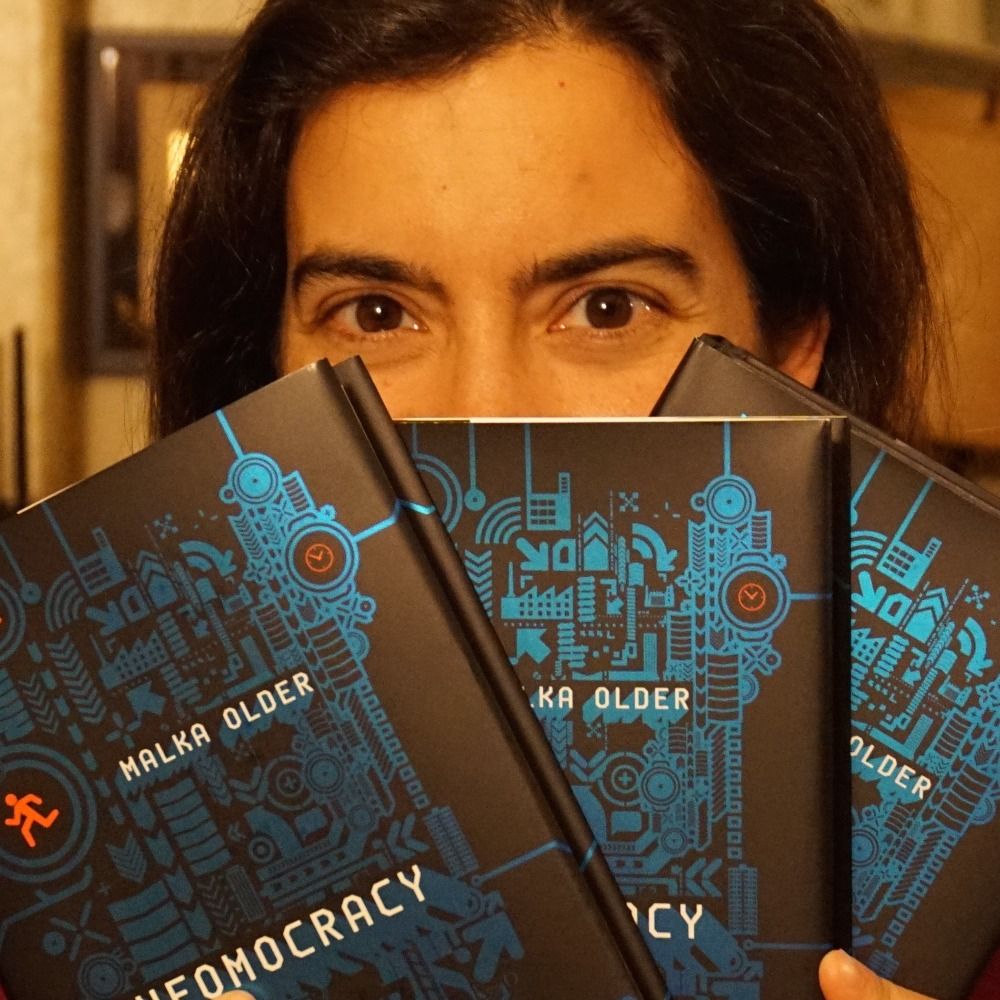
and on THURSDAY all three editors will be in conversation with @issuesinst.bsky.social @edfinn.bsky.social @craigcalhoun.bsky.social in what promises to be a fascinating virtual event - join us! issues.org/event/what-i...

What Is Fiction’s Role in Imagining Better Social Policies?
Join us for a conversation on how social scientists, advocates, and policy makers can use fiction to imagine better futures.
issues.org
December 1, 2025 at 12:11 PM
and on THURSDAY all three editors will be in conversation with @issuesinst.bsky.social @edfinn.bsky.social @craigcalhoun.bsky.social in what promises to be a fascinating virtual event - join us! issues.org/event/what-i...
Reposted by Issues in Science and Technology

Wrote a short opinion piece for
@issuesinst.bsky.social in response to a science fiction story by E.G. Condé about the inescapable heat death of all our data. Can biology help us slow this thermodynamic destiny? Thanks to @imaginationasu.bsky.social for the invitation:
issues.org/futuretensef...
@issuesinst.bsky.social in response to a science fiction story by E.G. Condé about the inescapable heat death of all our data. Can biology help us slow this thermodynamic destiny? Thanks to @imaginationasu.bsky.social for the invitation:
issues.org/futuretensef...

Can We Cool Down Data? | Future Tense Fiction
The energy demands of data centers—accelerated by AI—are steering us toward disaster. Could biology help bring us back from the brink?
issues.org
November 26, 2025 at 6:46 PM
Wrote a short opinion piece for
@issuesinst.bsky.social in response to a science fiction story by E.G. Condé about the inescapable heat death of all our data. Can biology help us slow this thermodynamic destiny? Thanks to @imaginationasu.bsky.social for the invitation:
issues.org/futuretensef...
@issuesinst.bsky.social in response to a science fiction story by E.G. Condé about the inescapable heat death of all our data. Can biology help us slow this thermodynamic destiny? Thanks to @imaginationasu.bsky.social for the invitation:
issues.org/futuretensef...
Reposted by Issues in Science and Technology
A recent Issues in Science and Technology piece explores how creating a National #Biosafety and #Biosecurity Agency that oversees the entire research life cycle can help manage risks and build public trust while allowing scientists to continue doing good work.
Read: https://ow.ly/Tgpc50Xt8AG
Read: https://ow.ly/Tgpc50Xt8AG

Better Biosecurity for the Bioeconomy
David R. Gillum makes the case for a National Biosafety and Biosecurity Agency to deal with evolving biosecurity threats.
ow.ly
November 17, 2025 at 9:01 PM
A recent Issues in Science and Technology piece explores how creating a National #Biosafety and #Biosecurity Agency that oversees the entire research life cycle can help manage risks and build public trust while allowing scientists to continue doing good work.
Read: https://ow.ly/Tgpc50Xt8AG
Read: https://ow.ly/Tgpc50Xt8AG
Reposted by Issues in Science and Technology
In case you missed it, the 5th and final-for-this-season episode of NOT NOW BUT SOON, the podcast I host at @issuesinst.bsky.social, came out yesterday! Search "The Ongoing Transformation" to find the series wherever you get your podcasts or click below ⬇️
NEW EPISODE OUT TODAY! I talked to art historian and curator @brigittevdsande.bsky.social about war, art, fiction, disasters, imagination - join us: issues.org/not-now-but-...

Not Now, But Soon: The Art of Portraying War
Brigitte van der Sande discusses how art humanizes the victims of war and spurs action, and how imagination can be a force for resistance.
issues.org
November 12, 2025 at 3:49 PM
In case you missed it, the 5th and final-for-this-season episode of NOT NOW BUT SOON, the podcast I host at @issuesinst.bsky.social, came out yesterday! Search "The Ongoing Transformation" to find the series wherever you get your podcasts or click below ⬇️
Reposted by Issues in Science and Technology
How does social media distort our understanding of what the public thinks? Join us on November 13 for the 2025 #DavidLecture with Jay Van Bavel, PhD about how technology and psychology interact to create a funhouse mirror version of public opinion: https://ow.ly/uaPk50XiyHF

October 27, 2025 at 7:01 PM
How does social media distort our understanding of what the public thinks? Join us on November 13 for the 2025 #DavidLecture with Jay Van Bavel, PhD about how technology and psychology interact to create a funhouse mirror version of public opinion: https://ow.ly/uaPk50XiyHF
In 2005, the Panda Trial held that intelligent design cannot be taught in science classrooms. 20 years later, @monyab.bsky.social revisits the trial and the people involved, finding insights into conflicts around community, religion, science, and education. Read the story: issues.org/science-curr...

Of Pandas and Science Curricula
Twenty years ago, a landmark court case held that intelligent design cannot be taught in science classrooms. What lessons does it offer for conflicts in education?
issues.org
November 5, 2025 at 5:52 PM
In 2005, the Panda Trial held that intelligent design cannot be taught in science classrooms. 20 years later, @monyab.bsky.social revisits the trial and the people involved, finding insights into conflicts around community, religion, science, and education. Read the story: issues.org/science-curr...
Our new #FutureTenseFiction story is here! “Coser y Cantar” by Gabriela Damián Miravete, translated by Will Vanderhyden, explores fast fashion, AI, and corporate accountability. Read it here: issues.org/futuretensef... #speculativefiction

Coser y Cantar | Future Tense Fiction
Gabriela Damián Miravete’s Future Tense Fiction story explores labor, fast fashion, and the textile industry.
issues.org
October 31, 2025 at 4:38 PM
Our new #FutureTenseFiction story is here! “Coser y Cantar” by Gabriela Damián Miravete, translated by Will Vanderhyden, explores fast fashion, AI, and corporate accountability. Read it here: issues.org/futuretensef... #speculativefiction
“There is no question that oversight of high-consequence biological research is needed. But what kind, and how much?”
David Gillum makes the case for a National Biosafety and Biosecurity Agency: issues.org/biosecurity-... #biosafety #biosecurity
David Gillum makes the case for a National Biosafety and Biosecurity Agency: issues.org/biosecurity-... #biosafety #biosecurity

Better Biosecurity for the Bioeconomy
David R. Gillum makes the case for a National Biosafety and Biosecurity Agency to deal with evolving biosecurity threats.
issues.org
October 29, 2025 at 6:13 PM
“There is no question that oversight of high-consequence biological research is needed. But what kind, and how much?”
David Gillum makes the case for a National Biosafety and Biosecurity Agency: issues.org/biosecurity-... #biosafety #biosecurity
David Gillum makes the case for a National Biosafety and Biosecurity Agency: issues.org/biosecurity-... #biosafety #biosecurity
Reposted by Issues in Science and Technology

My opinion on the decline of our national pandemic preparedness and risks to biosecurity in @issuesinst.bsky.social @nationalacademies.org
issues.org/unprepared-p...
issues.org/unprepared-p...

October 28, 2025 at 9:18 PM
My opinion on the decline of our national pandemic preparedness and risks to biosecurity in @issuesinst.bsky.social @nationalacademies.org
issues.org/unprepared-p...
issues.org/unprepared-p...
Reposted by Issues in Science and Technology
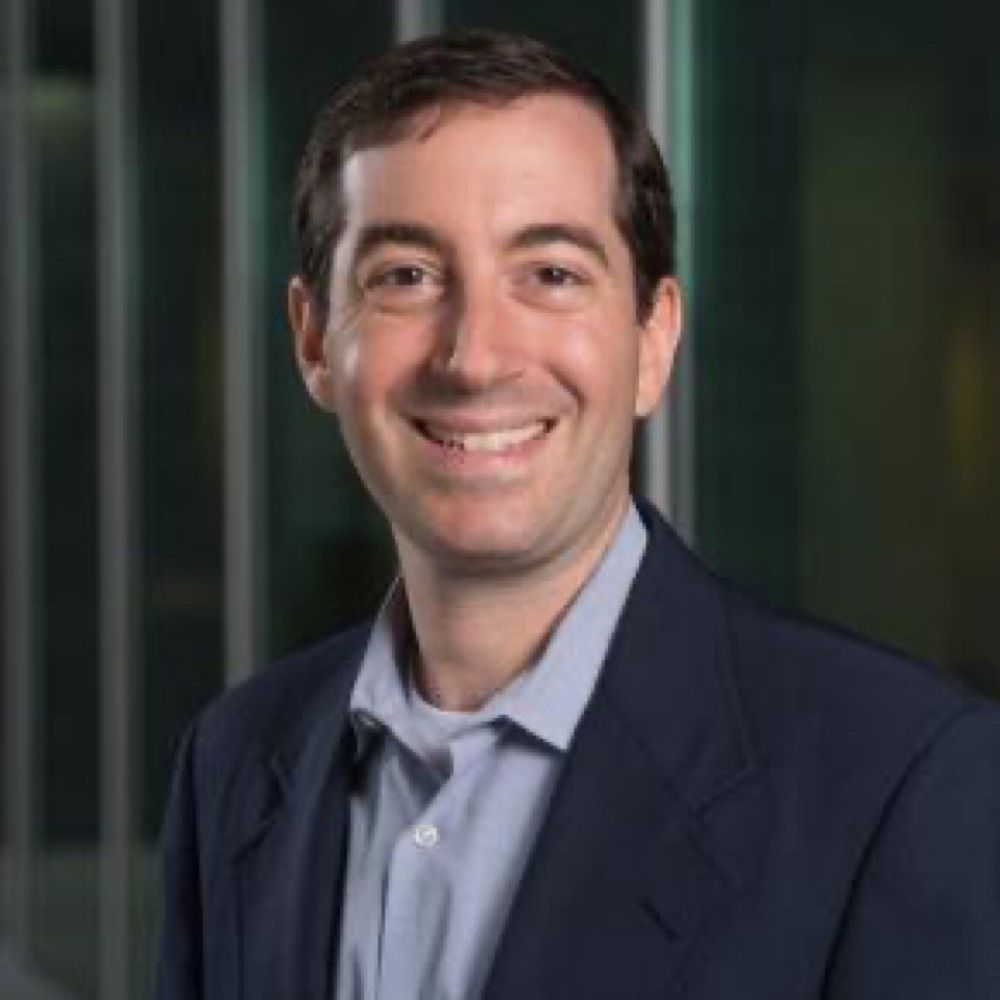
Great new article by David Gillum in @issuesinst.bsky.social
Better Biosecurity for the Bioeconomy
issues.org/biosecurity-...
Better Biosecurity for the Bioeconomy
issues.org/biosecurity-...

Better Biosecurity for the Bioeconomy
David R. Gillum makes the case for a National Biosafety and Biosecurity Agency to deal with evolving biosecurity threats.
issues.org
October 29, 2025 at 2:56 PM
Great new article by David Gillum in @issuesinst.bsky.social
Better Biosecurity for the Bioeconomy
issues.org/biosecurity-...
Better Biosecurity for the Bioeconomy
issues.org/biosecurity-...
Reposted by Issues in Science and Technology
NEW EPISODE DAY! In this edition of NOT NOW BUT SOON, I talk to my friend Nasir Andisha, ambassador and permanent representative of Afghanistan to the United Nations, where he represents the people—not the current government—of a country that has been navigating disaster for decades.

Not Now, But Soon: Losing Your Country
Nasir Andisha, Afghan ambassador to the UN, shares the story of what it’s like to lose his nation, but continue to advocate for its people.
issues.org
October 28, 2025 at 12:26 PM
NEW EPISODE DAY! In this edition of NOT NOW BUT SOON, I talk to my friend Nasir Andisha, ambassador and permanent representative of Afghanistan to the United Nations, where he represents the people—not the current government—of a country that has been navigating disaster for decades.
“Examples of chatbots promoting antisocial behavior, violence, and self-harm have multiplied across platforms since large language models came into wide usage,” @jbbranch.bsky.social writes. Read his piece on regulatory pathways for enforcing AI safety standards: issues.org/ai-companion...

AI Companions Are Not Your Teen’s Friend
Despite broad agreement that teens should be protected from threats posed by AI companions, federal regulation is dangerously limited.
issues.org
October 27, 2025 at 7:46 PM
“Examples of chatbots promoting antisocial behavior, violence, and self-harm have multiplied across platforms since large language models came into wide usage,” @jbbranch.bsky.social writes. Read his piece on regulatory pathways for enforcing AI safety standards: issues.org/ai-companion...
Reposted by Issues in Science and Technology
A new article in Issues in Science and Technology explores a new directive to build a #nuclear reactor on the Moon, why past U.S. #SpaceNuclear programs have failed, and what is needed to ensure that this time is different.
Read: https://ow.ly/PqjR50XhOTm
Read: https://ow.ly/PqjR50XhOTm

October 26, 2025 at 9:00 PM
A new article in Issues in Science and Technology explores a new directive to build a #nuclear reactor on the Moon, why past U.S. #SpaceNuclear programs have failed, and what is needed to ensure that this time is different.
Read: https://ow.ly/PqjR50XhOTm
Read: https://ow.ly/PqjR50XhOTm
The much-discussed “social contract” between science and the federal government, once described by physicist Harvey Brooks as “free of strings,” is now “clearly defunct,” @lisamargonelli.bsky.social writes in her Editor’s Journal for the Fall ISSUES. issues.org/science-soci...

No Longer Free of Strings
Federally funded science now comes with strings attached—scientists must understand what happened before they can respond.
issues.org
October 23, 2025 at 7:02 PM
The much-discussed “social contract” between science and the federal government, once described by physicist Harvey Brooks as “free of strings,” is now “clearly defunct,” @lisamargonelli.bsky.social writes in her Editor’s Journal for the Fall ISSUES. issues.org/science-soci...
The story of how, in three months, 10 research organizations developed a new model for funding indirect costs—and of a $26 slice of carrot cake—as told by Kelvin Droegemeier, Barbara Snyder, @scipolguy.bsky.social, Nancy Andrews, Willie May, Kurt Marek, & Farin Kamangar: issues.org/indirect-cos...

Three Months on the Way to FAIR
When NIH announced caps on indirect costs, the Joint Associations Group (JAG) developed a new FAIR model for handling F&A costs.
issues.org
October 21, 2025 at 6:38 PM
The story of how, in three months, 10 research organizations developed a new model for funding indirect costs—and of a $26 slice of carrot cake—as told by Kelvin Droegemeier, Barbara Snyder, @scipolguy.bsky.social, Nancy Andrews, Willie May, Kurt Marek, & Farin Kamangar: issues.org/indirect-cos...