


Ian Beavis
@ianbeavis.bsky.social
Research Curator at the Amelia, Tunbridge Wells. Entomologist. Natural historian. Local historian. Ecology & heritage of Scilly & the Channel Islands
Reposted by Ian Beavis
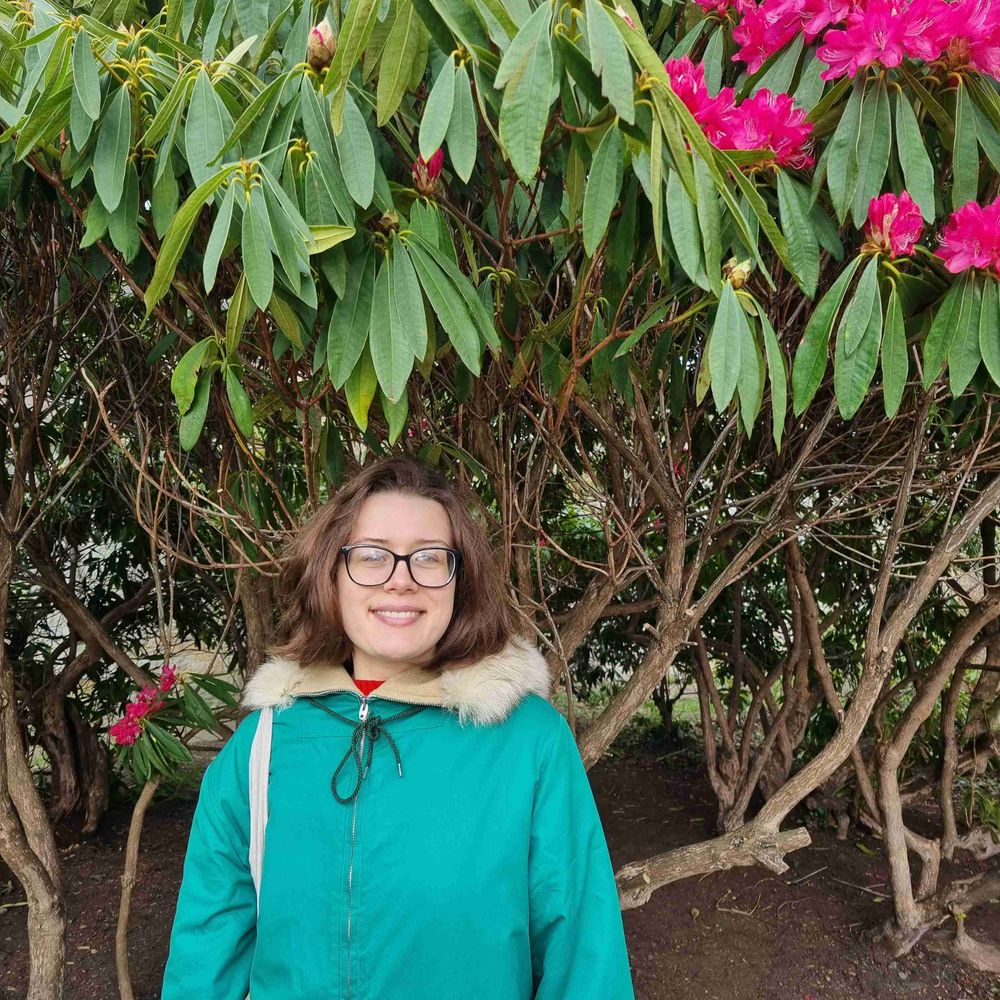
1 / 23 Prototaxites is known from some very large fossils, including columns over 8m tall. These fossils date from the end of the Silurian to the Late Devonian (425–365 million years ago). This makes Prototaxites the largest organism on the Earth’s surface before the appearance of tall trees.

January 21, 2026 at 7:39 PM
1 / 23 Prototaxites is known from some very large fossils, including columns over 8m tall. These fossils date from the end of the Silurian to the Late Devonian (425–365 million years ago). This makes Prototaxites the largest organism on the Earth’s surface before the appearance of tall trees.
Reposted by Ian Beavis
The female Common Kingfisher Alcedo atthis in a small London park was showing really well this morning #birds. The male was elsewhere, so there was no more courtship behaviour seen today, following yesterdays extended session. No cropping was required.

January 29, 2026 at 3:21 PM
The female Common Kingfisher Alcedo atthis in a small London park was showing really well this morning #birds. The male was elsewhere, so there was no more courtship behaviour seen today, following yesterdays extended session. No cropping was required.
The British bagworms (Psychidae) depicted in Charles Barrett's British Lepidoptera vol.2 (1895)


January 28, 2026 at 9:11 PM
The British bagworms (Psychidae) depicted in Charles Barrett's British Lepidoptera vol.2 (1895)
Until Richard South's hugely popular Moths of the British Isles (first published 1907) fixed the boundary between macro and micro moths, the Psychidae (bagworms) used to be part of the Macrolepidoptera, as here in Seitz's Macrolepidoptera of the Palaearctic Region.

January 28, 2026 at 9:09 PM
Until Richard South's hugely popular Moths of the British Isles (first published 1907) fixed the boundary between macro and micro moths, the Psychidae (bagworms) used to be part of the Macrolepidoptera, as here in Seitz's Macrolepidoptera of the Palaearctic Region.
The British bagworm moths (showing winged males & mostly wingless females) & their cases, illustrated in Moths & Butterflies of Great Britain & Ireland vol.2 (1985)

January 28, 2026 at 9:02 PM
The British bagworm moths (showing winged males & mostly wingless females) & their cases, illustrated in Moths & Butterflies of Great Britain & Ireland vol.2 (1985)
Reposted by Ian Beavis
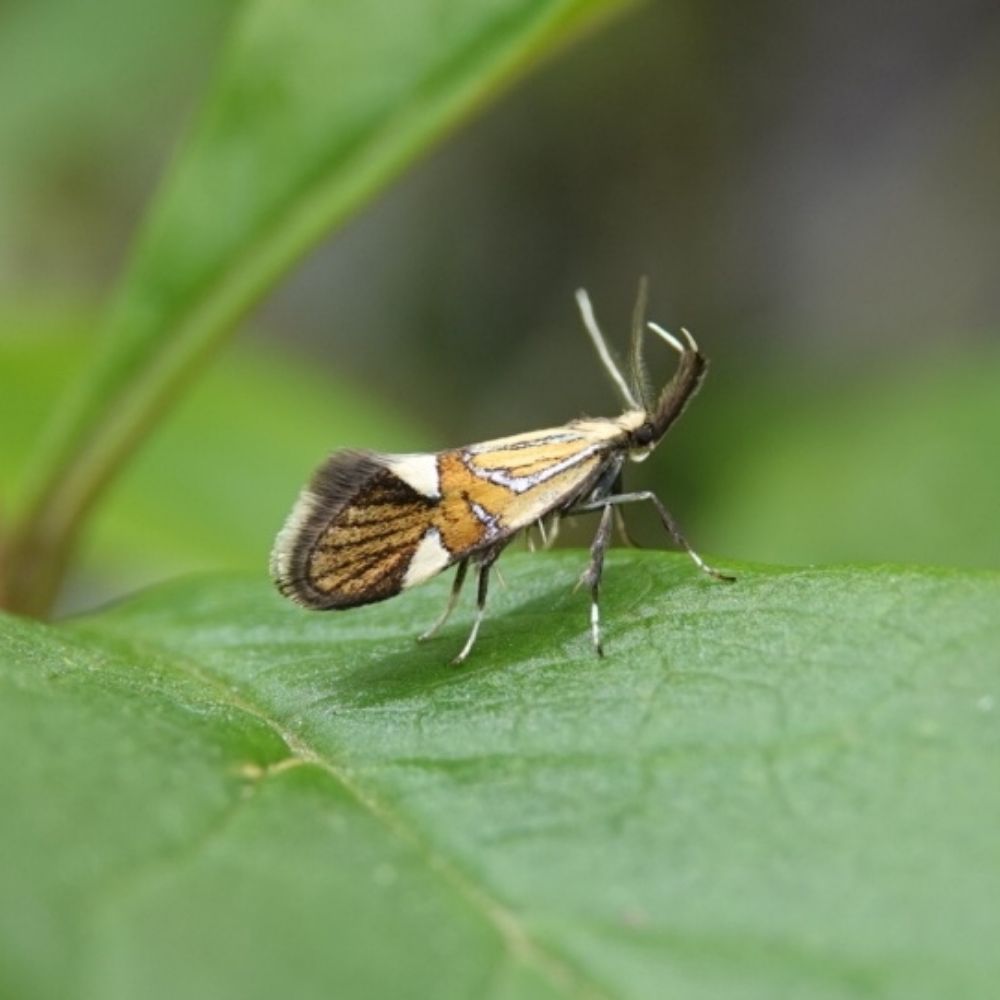
3 species of Psychidae on one section of wooden fence. Whilst I was passing by I decided to check the fence where last year I counted over 1000 Luffia lapidella cases, found 853 today along with a probable Dahlica sp. case (needs rearing to confirm) A bonus Psyche casta was nfy. VC30 #teammoth


January 19, 2026 at 11:27 PM
3 species of Psychidae on one section of wooden fence. Whilst I was passing by I decided to check the fence where last year I counted over 1000 Luffia lapidella cases, found 853 today along with a probable Dahlica sp. case (needs rearing to confirm) A bonus Psyche casta was nfy. VC30 #teammoth
This is the commonest of the British bagworms (Psychidae). You can find them on gravestones in our local cemeteries, but if you have an old garden fence it's probably there too. Most bagworms have winged males & wingless females - but the females of this species are parthenigenetic
Possible Luffia lapidella,
Ramshorn Bagworm moth? @norwichbirder.bsky.social
Ramshorn Bagworm moth? @norwichbirder.bsky.social


January 28, 2026 at 8:58 PM
This is the commonest of the British bagworms (Psychidae). You can find them on gravestones in our local cemeteries, but if you have an old garden fence it's probably there too. Most bagworms have winged males & wingless females - but the females of this species are parthenigenetic
Reposted by Ian Beavis
This has been confirmed by DNA analysis as being Cortinarius lividomalvaceus. With oak on a road verge in Oxon. Maybe new to Britain...Hoping to get the verge a County Road Verge Nature Reserve, the first for fungi in county! many other nice woodland fungi here as well #fungifriends


January 27, 2026 at 10:04 AM
This has been confirmed by DNA analysis as being Cortinarius lividomalvaceus. With oak on a road verge in Oxon. Maybe new to Britain...Hoping to get the verge a County Road Verge Nature Reserve, the first for fungi in county! many other nice woodland fungi here as well #fungifriends
Reposted by Ian Beavis
Horsey - The only spot in Norfolk for Cladonia rangiferina. A northern reindeer moss usually found in montane heaths, moorland, dunes & woodlands in the north North & West. And something as yet unidentified. @norfolknats.bsky.social


January 28, 2026 at 8:40 AM
Horsey - The only spot in Norfolk for Cladonia rangiferina. A northern reindeer moss usually found in montane heaths, moorland, dunes & woodlands in the north North & West. And something as yet unidentified. @norfolknats.bsky.social
Reposted by Ian Beavis
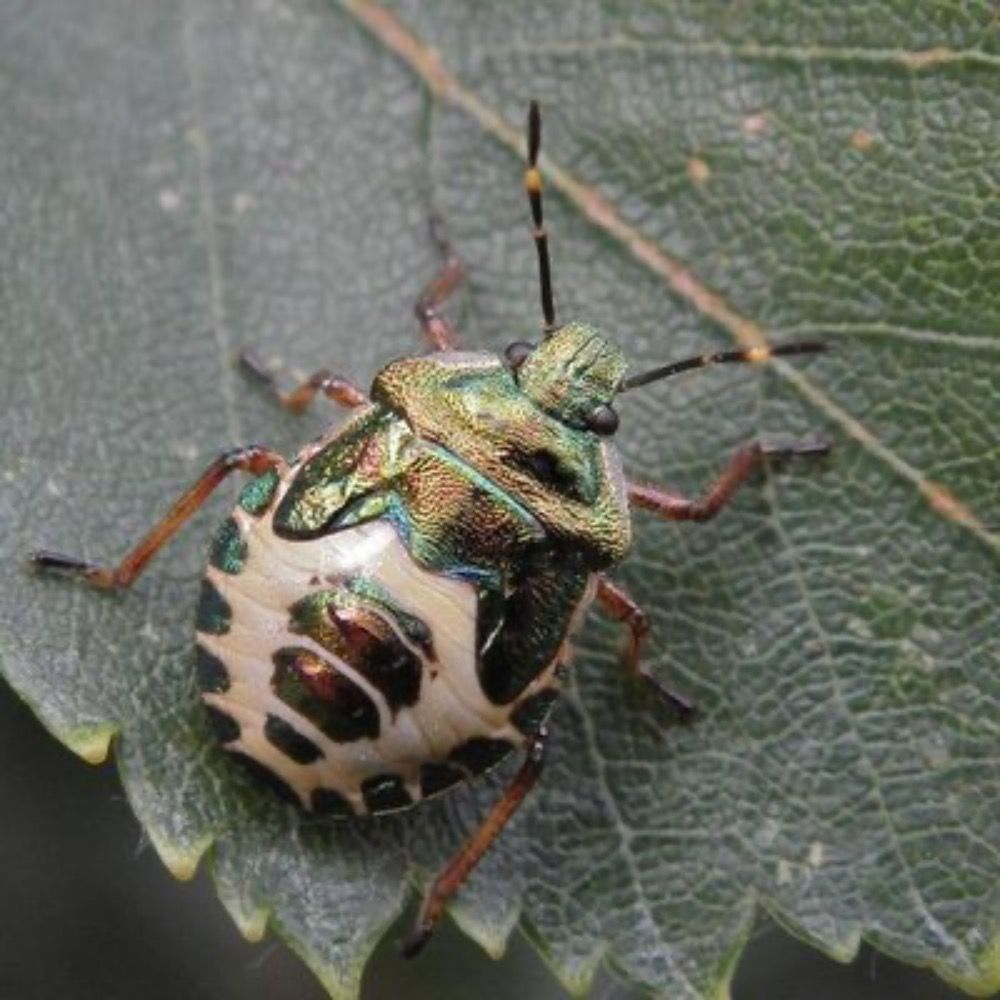
Beautiful sunny day (at last!)! Saw my first butterfly of the year, a Red Admiral (no photo!). Also spotted this lovely Hawthorn Shieldbug (Acanthosoma haemorrhoidale) tucked up in dead birch leaves! #FeelsLikeSpring #Lepidoptera #Acanthosomatidae

January 28, 2026 at 3:14 PM
Beautiful sunny day (at last!)! Saw my first butterfly of the year, a Red Admiral (no photo!). Also spotted this lovely Hawthorn Shieldbug (Acanthosoma haemorrhoidale) tucked up in dead birch leaves! #FeelsLikeSpring #Lepidoptera #Acanthosomatidae
Reposted by Ian Beavis

Good morning. Still breezy here, but bright this morning. A power outage yesterday though <2 hrs, so not too bad.
Today’s #photoofthday - archive shot from a trip to the Outer #Hebrides April ‘17. The boardwalk at Vatersay. All the shots looked photoshopped but weren’t!
Have a good one
#Scotland
Today’s #photoofthday - archive shot from a trip to the Outer #Hebrides April ‘17. The boardwalk at Vatersay. All the shots looked photoshopped but weren’t!
Have a good one
#Scotland

January 28, 2026 at 9:02 AM
Good morning. Still breezy here, but bright this morning. A power outage yesterday though <2 hrs, so not too bad.
Today’s #photoofthday - archive shot from a trip to the Outer #Hebrides April ‘17. The boardwalk at Vatersay. All the shots looked photoshopped but weren’t!
Have a good one
#Scotland
Today’s #photoofthday - archive shot from a trip to the Outer #Hebrides April ‘17. The boardwalk at Vatersay. All the shots looked photoshopped but weren’t!
Have a good one
#Scotland
Reposted by Ian Beavis
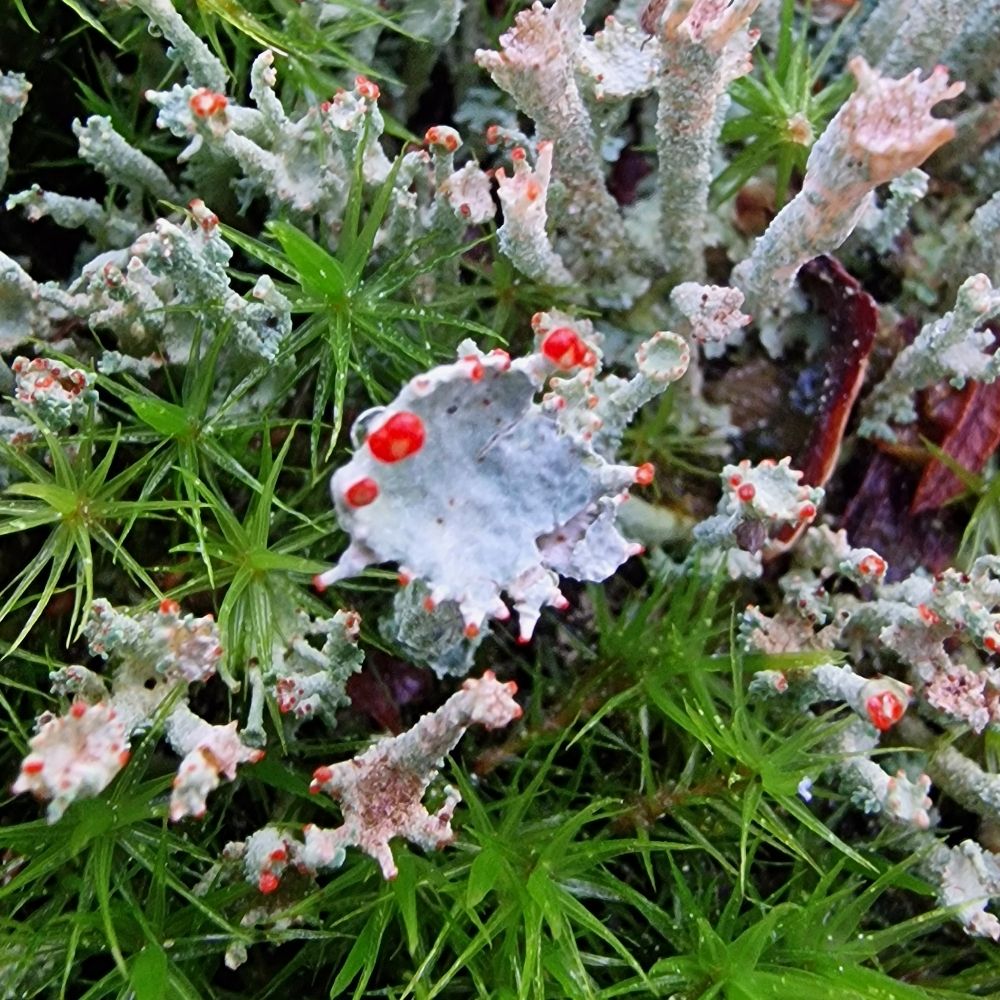
At last I have seen the Juniper Shield Bug, Cyphostethus tristriatus thanks to @graemelyons.bsky.social who pointed them out. Also learned a good technique for bug collecting! Sullington, South Downs #shieldbugs #juniper A good day.


January 25, 2026 at 9:43 PM
At last I have seen the Juniper Shield Bug, Cyphostethus tristriatus thanks to @graemelyons.bsky.social who pointed them out. Also learned a good technique for bug collecting! Sullington, South Downs #shieldbugs #juniper A good day.
Reposted by Ian Beavis
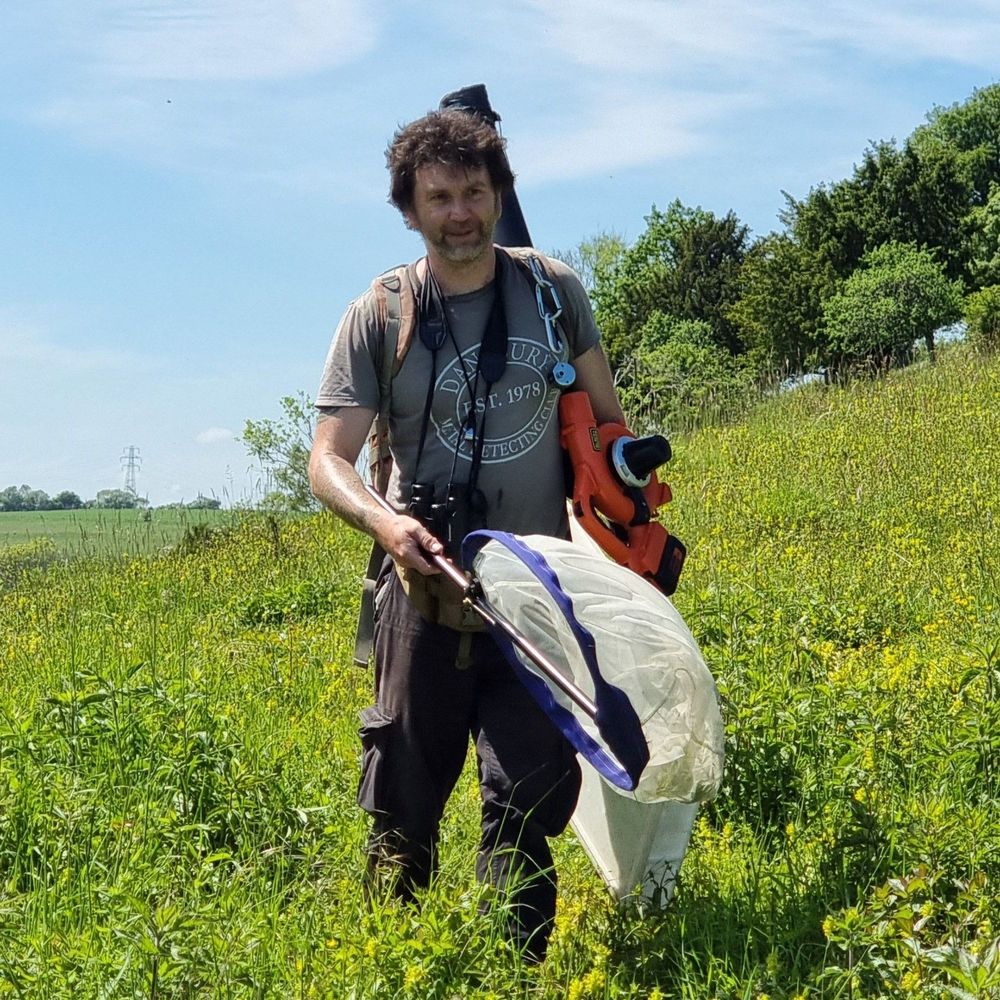
analternativenaturalhistoryofsussex.blogspot.com/2026/01/1000... I am on 1,025 species as of the 25th January! Read the full story here.

1,000 species recorded in 25 days
On Sunday, I breached the 1,000 species mark on a fantastic and rather unplanned trip out with the local British Bryological Society to Sull...
analternativenaturalhistoryofsussex.blogspot.com
January 28, 2026 at 9:18 AM
analternativenaturalhistoryofsussex.blogspot.com/2026/01/1000... I am on 1,025 species as of the 25th January! Read the full story here.
Reposted by Ian Beavis

Reposted by Ian Beavis

Don’t know about anyone else but this is the densest display of Maidenhair Spleenwort I have ever seen


January 23, 2026 at 6:22 PM
Don’t know about anyone else but this is the densest display of Maidenhair Spleenwort I have ever seen
Reposted by Ian Beavis
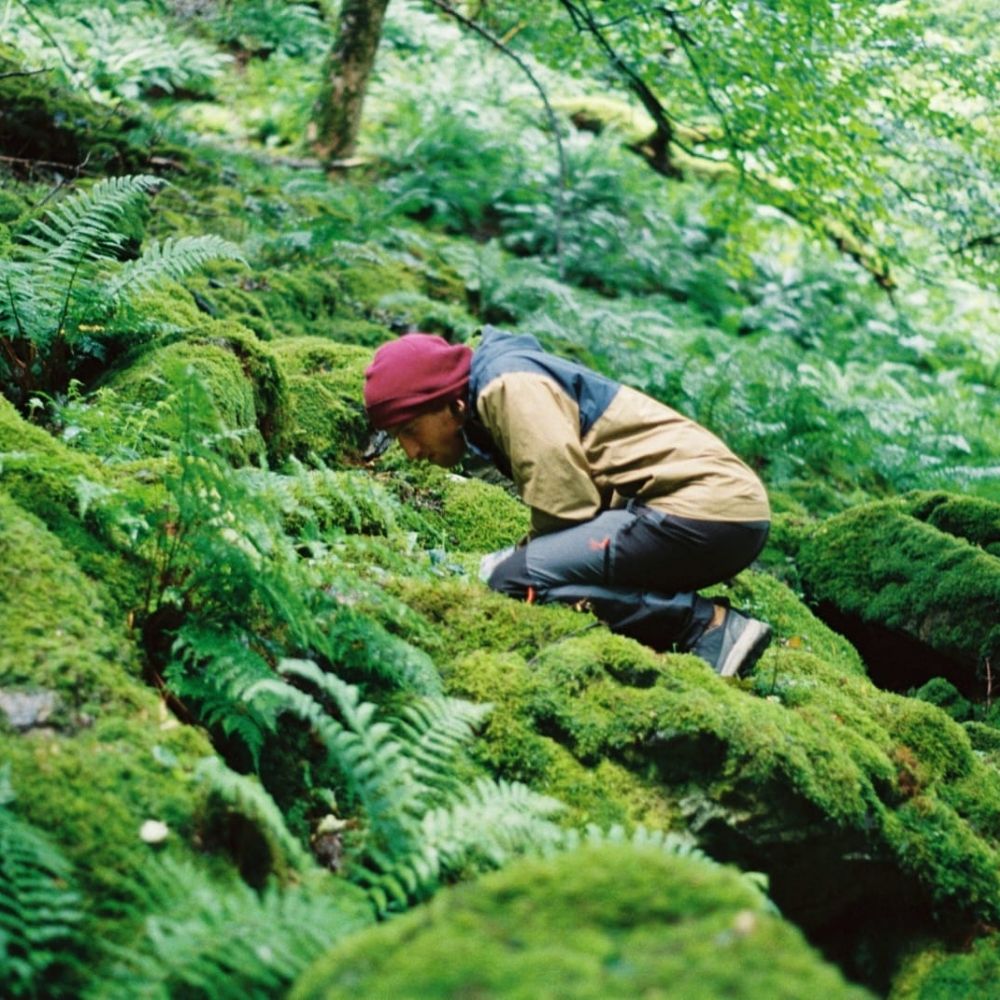
The fabulous Asplenium x murbeckii. This is the hybrid between A. septentrionale and A. ruta-muraria at it's only known British/Irish site.
#wildflowerhour
#wildflowerhour

January 25, 2026 at 7:56 PM
The fabulous Asplenium x murbeckii. This is the hybrid between A. septentrionale and A. ruta-muraria at it's only known British/Irish site.
#wildflowerhour
#wildflowerhour
Lesser Periwinkle trailing down an old wall in central Tunbridge Wells #wildflowerhour

January 25, 2026 at 8:42 PM
Lesser Periwinkle trailing down an old wall in central Tunbridge Wells #wildflowerhour
This must be the inspiration behind W Keble Martin's Concise British Flora of 1965. The style of the plates with plants overlapping & hand-drawn captions is very similar. Compare this plate with violets in Keble Martin with the fourth one below.

January 25, 2026 at 8:40 PM
This must be the inspiration behind W Keble Martin's Concise British Flora of 1965. The style of the plates with plants overlapping & hand-drawn captions is very similar. Compare this plate with violets in Keble Martin with the fourth one below.
Reposted by Ian Beavis
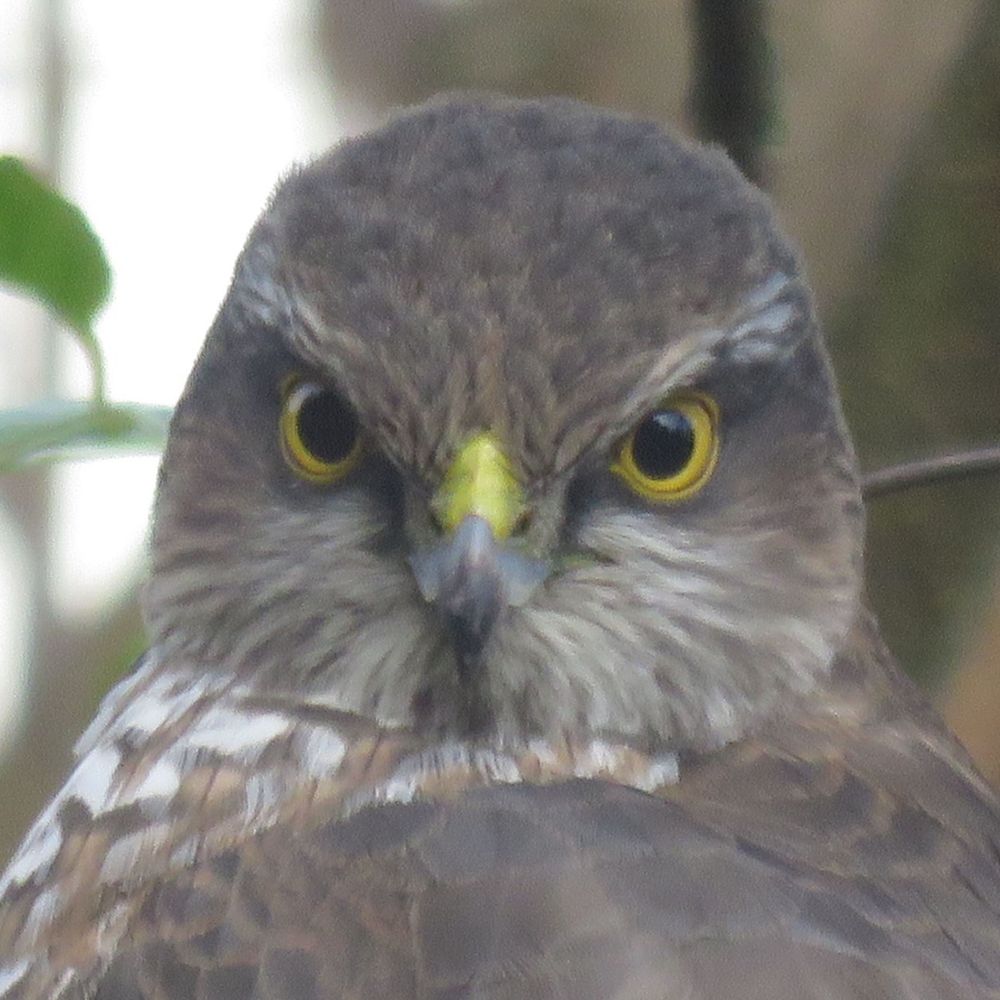
Cleaning out the bee hotels and harvesting red and orange vented mason bee cocoons. A couple of male RMBs (see his white tache) had already hatched, still alive. Put back to bed and will try again in March when there's pollen and mates about. @bumblebeetrust.bsky.social

January 25, 2026 at 4:17 PM
Cleaning out the bee hotels and harvesting red and orange vented mason bee cocoons. A couple of male RMBs (see his white tache) had already hatched, still alive. Put back to bed and will try again in March when there's pollen and mates about. @bumblebeetrust.bsky.social
Reposted by Ian Beavis

1/2 This is Psychoides filicivera (left), and what I believe is well-worn P verhuella (right). Both moths spend larval stage consuming spores of ferns, particularly Asplenium species in case of P verhuella. Inadvertently bred in closed terrarium I assembled from collected local ferns, including…


January 25, 2026 at 6:48 PM
1/2 This is Psychoides filicivera (left), and what I believe is well-worn P verhuella (right). Both moths spend larval stage consuming spores of ferns, particularly Asplenium species in case of P verhuella. Inadvertently bred in closed terrarium I assembled from collected local ferns, including…
Reposted by Ian Beavis

My new favourite Cladonia is C. rangiferina, which I went to see today at its only known site in Norfolk near Horsey Gap. More usually found on montane heaths in Scotland, it’s a robust bushy “reindeer moss” with a pale grey and brown colour scheme. Seems to be doing well.


January 16, 2026 at 5:21 PM
My new favourite Cladonia is C. rangiferina, which I went to see today at its only known site in Norfolk near Horsey Gap. More usually found on montane heaths in Scotland, it’s a robust bushy “reindeer moss” with a pale grey and brown colour scheme. Seems to be doing well.
Reposted by Ian Beavis

🪰 #Freshwater Friday - A rare glimpse of a mayfly (Heptageniidae) moulting!
This stop-frame sequence shows a Heptageniidae shedding its exoskeleton - captured by our brilliant Riverfly volunteer Hilary. Just one of the many hidden stories happening beneath the water's surface.
#CitizenScience
This stop-frame sequence shows a Heptageniidae shedding its exoskeleton - captured by our brilliant Riverfly volunteer Hilary. Just one of the many hidden stories happening beneath the water's surface.
#CitizenScience
January 16, 2026 at 12:02 PM
🪰 #Freshwater Friday - A rare glimpse of a mayfly (Heptageniidae) moulting!
This stop-frame sequence shows a Heptageniidae shedding its exoskeleton - captured by our brilliant Riverfly volunteer Hilary. Just one of the many hidden stories happening beneath the water's surface.
#CitizenScience
This stop-frame sequence shows a Heptageniidae shedding its exoskeleton - captured by our brilliant Riverfly volunteer Hilary. Just one of the many hidden stories happening beneath the water's surface.
#CitizenScience
Reposted by Ian Beavis
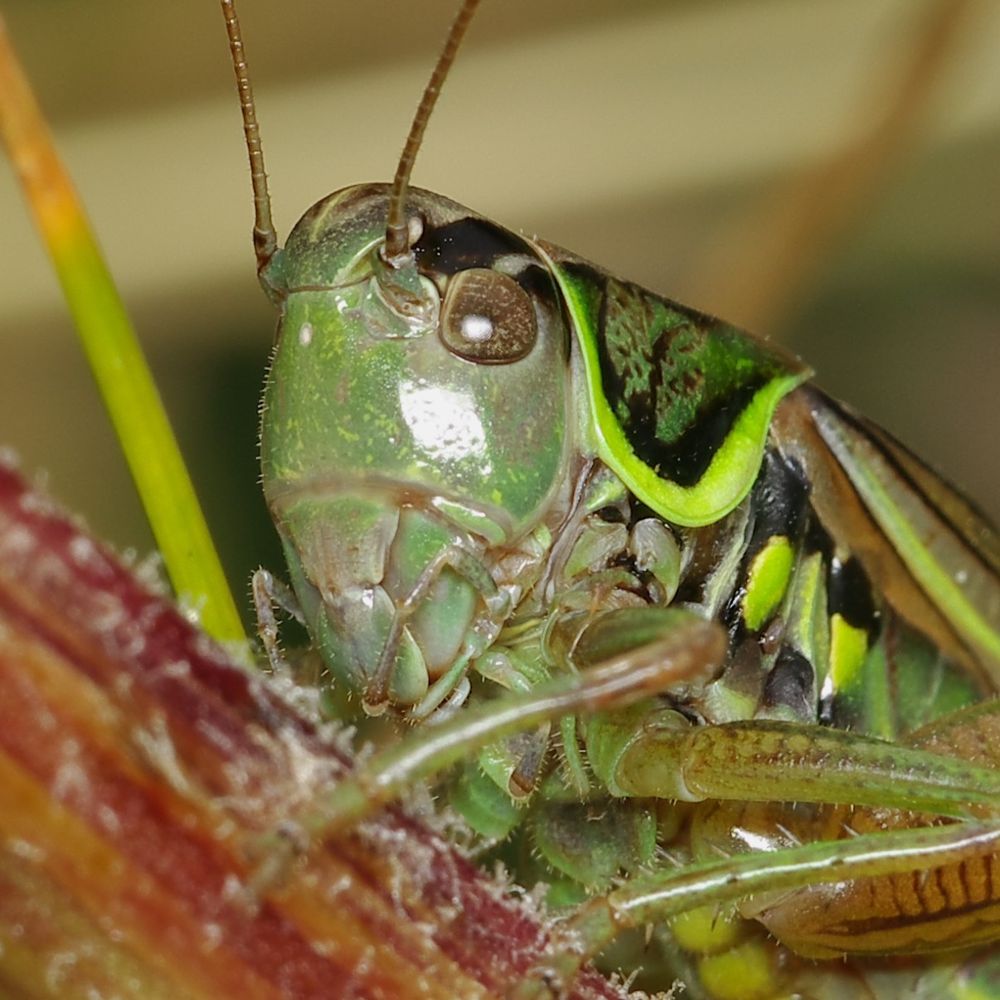
Wildlife group's trip to Morville yesterday was very wet indeed but we soldiered on... for a while. Finds included this splendid ground beetle, Anchomenus dorsalis.

January 22, 2026 at 6:22 PM
Wildlife group's trip to Morville yesterday was very wet indeed but we soldiered on... for a while. Finds included this splendid ground beetle, Anchomenus dorsalis.
And a plate illustrating a range of British jellyfish from the Oxford Book of Invertebrates (1971)

January 22, 2026 at 9:31 PM
And a plate illustrating a range of British jellyfish from the Oxford Book of Invertebrates (1971)
The jellyfish Cyanea capillata (see last repost) & the related blue C lamarcki from F S Russell's Medusae of the British Isles vol.2 (1970)


January 22, 2026 at 9:29 PM
The jellyfish Cyanea capillata (see last repost) & the related blue C lamarcki from F S Russell's Medusae of the British Isles vol.2 (1970)