



Grant Linley
@glinley.bsky.social
Ecology | Fire ecology | Conservation biology | Camera traps | Postdoctoral fellow | University of Queensland
Reposted by Grant Linley
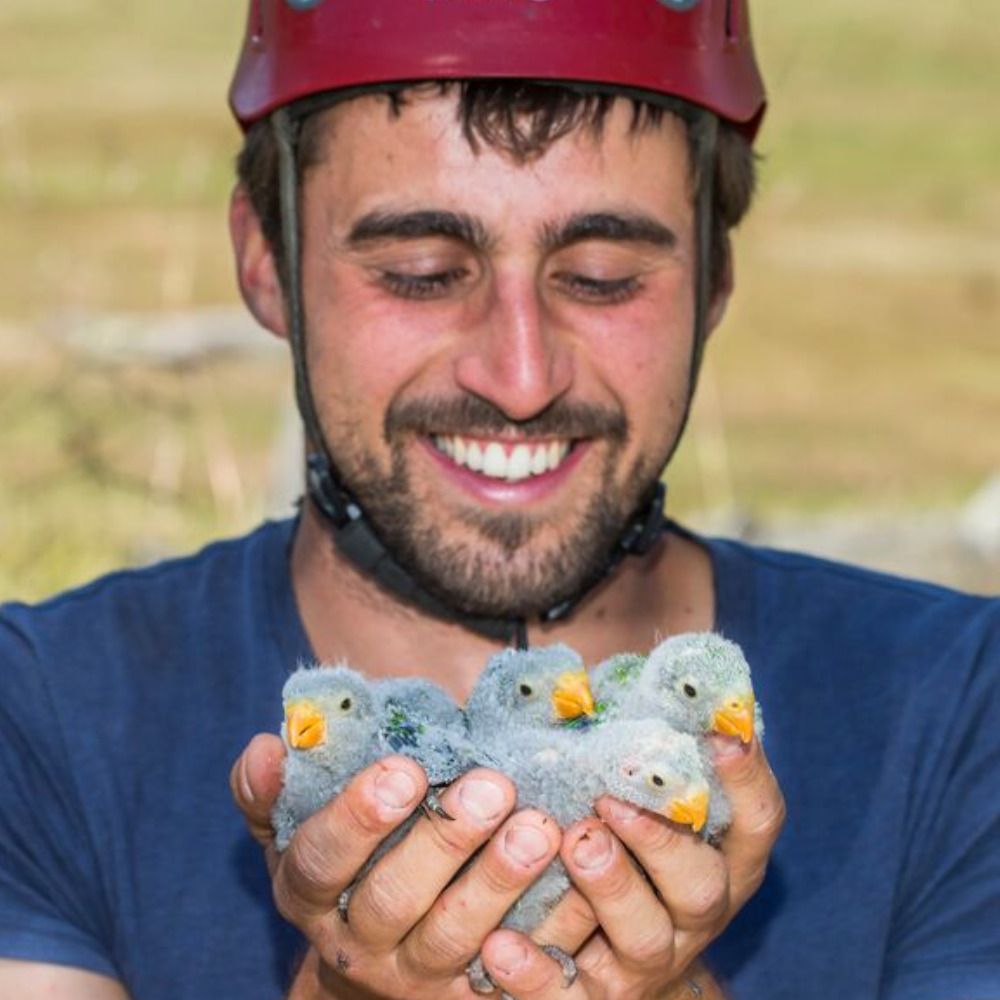
Check out the fascinating work that @febiologia.bsky.social is doing to protect forty-spotted pardalotes!!
www.abc.net.au/news/2026-01...
www.abc.net.au/news/2026-01...

'So, I had this idea': Scientists dispense insecticide-coated feathers for birds to build nests
Donning a helmet and a well-equipped harness, Dr Fernanda Alves looks like she is set to take on an extreme sport. Instead, she is climbing trees to check nesting boxes for a tiny and very rare bird.
www.abc.net.au
January 4, 2026 at 12:45 AM
Check out the fascinating work that @febiologia.bsky.social is doing to protect forty-spotted pardalotes!!
www.abc.net.au/news/2026-01...
www.abc.net.au/news/2026-01...
Reposted by Grant Linley

"Bond’s work leaves behind an inconvenient lesson for an era of climate urgency: that speed is not a substitute for understanding, and that good intentions, applied without care, can erase ancient worlds as efficiently as neglect." A beautiful tribute to William Bond. Forever missed by many.

William Bond, defender of grasslands
In recent years, one of the loudest ideas in environmental policy has been that trees are the planet’s universal remedy. Plant enough of them, in enough places, and carbon will be soaked up, water wil...
www.butlernature.com
December 23, 2025 at 7:31 AM
"Bond’s work leaves behind an inconvenient lesson for an era of climate urgency: that speed is not a substitute for understanding, and that good intentions, applied without care, can erase ancient worlds as efficiently as neglect." A beautiful tribute to William Bond. Forever missed by many.
Reposted by Grant Linley

Have you ever wondered what you would find if you could keep your eyes on a bee for more than a few meters? Us, too!
preprint (with videos!) + thread 🧵
Precise, individualized foraging flights in honey #bees 🐝 revealed by multicopter drone-based tracking
www.biorxiv.org/content/10.6...
1/9
preprint (with videos!) + thread 🧵
Precise, individualized foraging flights in honey #bees 🐝 revealed by multicopter drone-based tracking
www.biorxiv.org/content/10.6...
1/9
December 6, 2025 at 2:01 PM
Have you ever wondered what you would find if you could keep your eyes on a bee for more than a few meters? Us, too!
preprint (with videos!) + thread 🧵
Precise, individualized foraging flights in honey #bees 🐝 revealed by multicopter drone-based tracking
www.biorxiv.org/content/10.6...
1/9
preprint (with videos!) + thread 🧵
Precise, individualized foraging flights in honey #bees 🐝 revealed by multicopter drone-based tracking
www.biorxiv.org/content/10.6...
1/9
Reposted by Grant Linley

I’m recruiting a PhD and MSC student for fall 2026 working on the movement ecology and conservation of Mexican spotted owls in SW forests and rocky canyonlands. Exciting partnership with Los Alamos National Laboratory. Great vibrant lab group, high impact research! 🦉
gavinmjones.com/opportunities/
gavinmjones.com/opportunities/

Opportunities
***PhD and MSc openings – Movement ecology and conservation*** I will periodically support graduate students, postdocs, and other staff through the Biology Department at the University of New…
gavinmjones.com
December 5, 2025 at 7:30 PM
I’m recruiting a PhD and MSC student for fall 2026 working on the movement ecology and conservation of Mexican spotted owls in SW forests and rocky canyonlands. Exciting partnership with Los Alamos National Laboratory. Great vibrant lab group, high impact research! 🦉
gavinmjones.com/opportunities/
gavinmjones.com/opportunities/
Reposted by Grant Linley

In time for the festive season, my latest paper charts the 25 million year story of how mistletoe and songbirds somersaulted across the Americas, diversifying as they went. Strap in for an epic ecological tale #MistletoeMunchersFromWayBack 1/12
nsojournals.onlinelibrary.wiley.com/doi/10.1002/...
nsojournals.onlinelibrary.wiley.com/doi/10.1002/...

Evolutionary dynamics of dietary specialisation – insights from Neotropical mistletoe‐dependent frugivores
Mistletoes occur worldwide, with most relying on birds to disperse their sticky seeds to suitable hosts. There has been considerable ecological research on these interactions, emphasizing those birds....
nsojournals.onlinelibrary.wiley.com
December 2, 2025 at 4:53 AM
In time for the festive season, my latest paper charts the 25 million year story of how mistletoe and songbirds somersaulted across the Americas, diversifying as they went. Strap in for an epic ecological tale #MistletoeMunchersFromWayBack 1/12
nsojournals.onlinelibrary.wiley.com/doi/10.1002/...
nsojournals.onlinelibrary.wiley.com/doi/10.1002/...
Reposted by Grant Linley
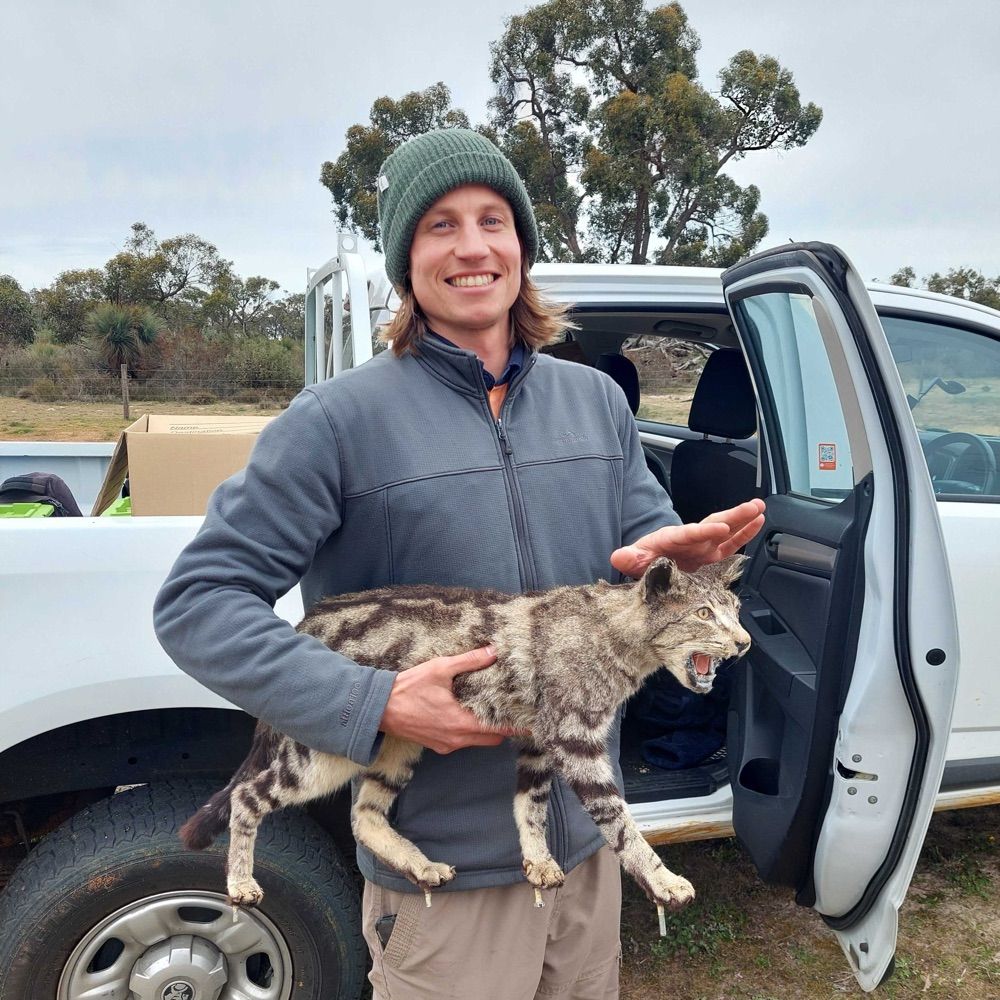
🚨 🦎 New paper out exploring shingleback lizard movement ecology and habitat selection in a fragmented agricultural landscape
🌳 Main takeaway: retaining small patches of native vegetation is crucial to provide habitat and maintain landscape connectivity
link.springer.com/article/10.1...
🌳 Main takeaway: retaining small patches of native vegetation is crucial to provide habitat and maintain landscape connectivity
link.springer.com/article/10.1...


November 29, 2025 at 12:05 AM
🚨 🦎 New paper out exploring shingleback lizard movement ecology and habitat selection in a fragmented agricultural landscape
🌳 Main takeaway: retaining small patches of native vegetation is crucial to provide habitat and maintain landscape connectivity
link.springer.com/article/10.1...
🌳 Main takeaway: retaining small patches of native vegetation is crucial to provide habitat and maintain landscape connectivity
link.springer.com/article/10.1...
Reposted by Grant Linley

Lots of folks captioning aurora photos like "for a few minutes we didn't think about politics"
guess I'm built different, every time I'm out trying to see night sky stuff I frequently think about how much light pollution is entirely preventable with just a tiny bit of regulation
guess I'm built different, every time I'm out trying to see night sky stuff I frequently think about how much light pollution is entirely preventable with just a tiny bit of regulation

November 13, 2025 at 10:03 PM
Lots of folks captioning aurora photos like "for a few minutes we didn't think about politics"
guess I'm built different, every time I'm out trying to see night sky stuff I frequently think about how much light pollution is entirely preventable with just a tiny bit of regulation
guess I'm built different, every time I'm out trying to see night sky stuff I frequently think about how much light pollution is entirely preventable with just a tiny bit of regulation
Reposted by Grant Linley

Our new study just came out taking a look at how drought influences human-wildlife conflict reports in California! Check it out here: www.science.org/doi/10.1126/...

November 12, 2025 at 11:03 PM
Our new study just came out taking a look at how drought influences human-wildlife conflict reports in California! Check it out here: www.science.org/doi/10.1126/...
Reposted by Grant Linley

What would you share with an earlier version of yourself?

What I wish I knew: 33 thoughts for early career researchers
Thirty three reflections I wish someone had shared with me early in my research career.
predirections.substack.com
November 11, 2025 at 12:41 AM
What would you share with an earlier version of yourself?
Reposted by Grant Linley
Two PhD student positions on Fire Resilience of Amazon Forests (Application deadline Nov 26), Wageningen
@masha-vandersande.bsky.social @w-u-r.bsky.social
www.wur.nl/nl/vacature/...
@masha-vandersande.bsky.social @w-u-r.bsky.social
www.wur.nl/nl/vacature/...
November 5, 2025 at 10:36 PM
Two PhD student positions on Fire Resilience of Amazon Forests (Application deadline Nov 26), Wageningen
@masha-vandersande.bsky.social @w-u-r.bsky.social
www.wur.nl/nl/vacature/...
@masha-vandersande.bsky.social @w-u-r.bsky.social
www.wur.nl/nl/vacature/...
Reposted by Grant Linley
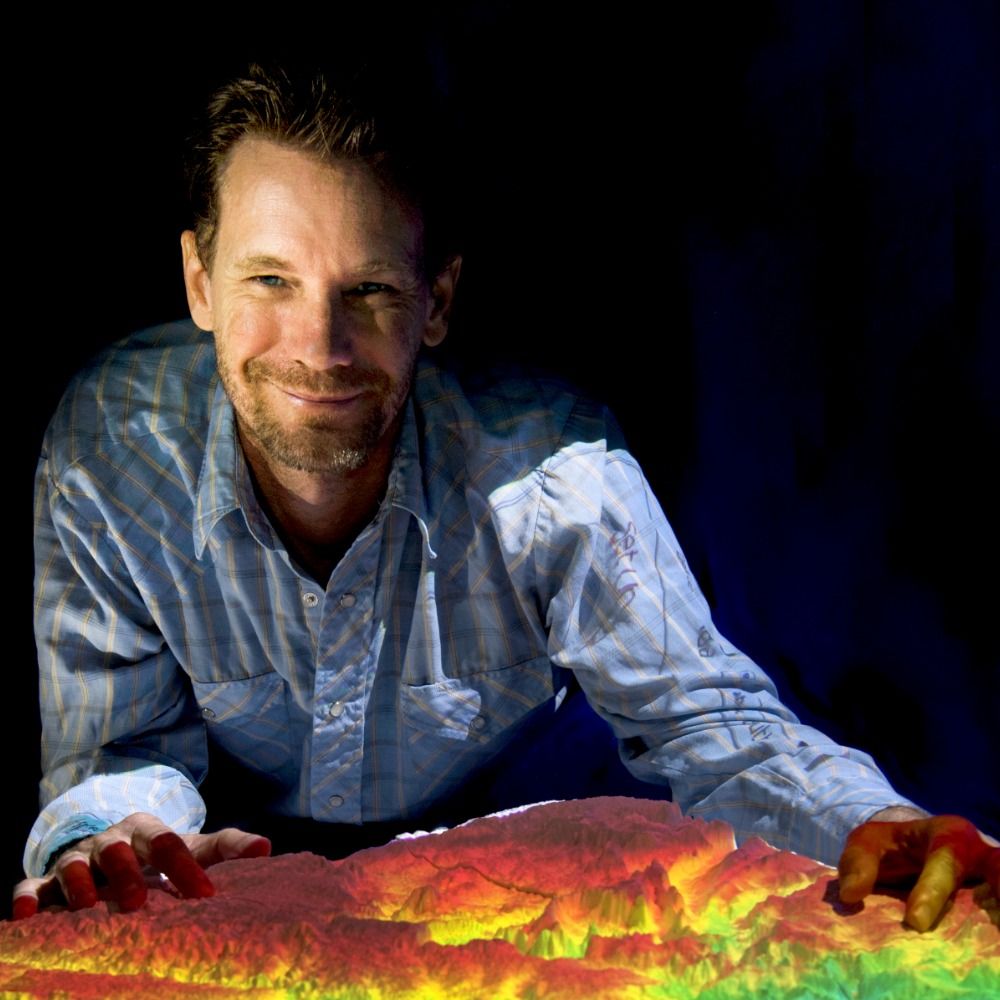
I have been developing techniques for the automated assessment of fire events across Australia using NAFI (firenorth.org.au) data. These are the top 10 largest across Australia so far this year. 3 of them are > 1 million hectares (Terra-Fires, 100x mega fire). The year is not over.

October 26, 2025 at 11:47 PM
I have been developing techniques for the automated assessment of fire events across Australia using NAFI (firenorth.org.au) data. These are the top 10 largest across Australia so far this year. 3 of them are > 1 million hectares (Terra-Fires, 100x mega fire). The year is not over.
Reposted by Grant Linley

Real time data coming out of the world’s climate measurement systems should be stopping us in our tracks. The latest estimate shows that, this week, the Earth is 1.9°C warmer than before we began burning fossil fuels.
#climatecrisis #ClimateEmergency #auspol www.lyrebirddreaming.com/post/we-re-t...
#climatecrisis #ClimateEmergency #auspol www.lyrebirddreaming.com/post/we-re-t...

We’re Touching 1.9°C - And It’s Only 2025
Real time data coming out of the world’s climate measurement systems should be stopping us in our tracks. The latest estimate by climate scientist Dr Karsten Haustein shows that, this week, the Earth ...
www.lyrebirddreaming.com
October 20, 2025 at 12:29 AM
Real time data coming out of the world’s climate measurement systems should be stopping us in our tracks. The latest estimate shows that, this week, the Earth is 1.9°C warmer than before we began burning fossil fuels.
#climatecrisis #ClimateEmergency #auspol www.lyrebirddreaming.com/post/we-re-t...
#climatecrisis #ClimateEmergency #auspol www.lyrebirddreaming.com/post/we-re-t...
Reposted by Grant Linley

A surge in global temperatures has caused widespread bleaching and death of warm-water corals around the world.
go.nature.com/4n8cvHn
go.nature.com/4n8cvHn

Coral die-off marks Earth’s first climate ‘tipping point’, scientists say
A surge in global temperatures has caused widespread bleaching and death of warm-water corals around the world.
go.nature.com
October 13, 2025 at 9:33 AM
A surge in global temperatures has caused widespread bleaching and death of warm-water corals around the world.
go.nature.com/4n8cvHn
go.nature.com/4n8cvHn
Reposted by Grant Linley

Watch to the end.

Dr. Jane Goodall filmed an interview with Netflix in March 2025 that she understood would only be released after her death.
October 5, 2025 at 3:40 PM
Watch to the end.
Reposted by Grant Linley
Out today in @science.org, we show wildfire disasters have surged in the last decade, as climate change intensifies fire weather and exacerbates other vulnerabilities.
📄 www.science.org/doi/10.1126/...
With @pyrogeog.bsky.social @climate-guy.bsky.social
📄 www.science.org/doi/10.1126/...
With @pyrogeog.bsky.social @climate-guy.bsky.social

Climate-linked escalation of societally disastrous wildfires
Climate change and land mismanagement are creating increasingly fire-prone built and natural environments. However, despite worsening fire seasons, evidence is lacking globally for trends in socially ...
www.science.org
October 2, 2025 at 11:06 PM
Out today in @science.org, we show wildfire disasters have surged in the last decade, as climate change intensifies fire weather and exacerbates other vulnerabilities.
📄 www.science.org/doi/10.1126/...
With @pyrogeog.bsky.social @climate-guy.bsky.social
📄 www.science.org/doi/10.1126/...
With @pyrogeog.bsky.social @climate-guy.bsky.social
Reposted by Grant Linley
🔥New Paper!🔥 from Julianna Santos,
@ltkelly.bsky.social @lluisbrotons.bsky.social @urbanfrogger.bsky.social @cristinaaponte.bsky.social , Lauren Ponisio, Stephen Mason, and David Keith!
onlinelibrary.wiley.com/doi/10.1111/...
@ltkelly.bsky.social @lluisbrotons.bsky.social @urbanfrogger.bsky.social @cristinaaponte.bsky.social , Lauren Ponisio, Stephen Mason, and David Keith!
onlinelibrary.wiley.com/doi/10.1111/...

The Mechanisms Through Which Fire Drives Population Change in Terrestrial Biota
Understanding the mechanisms through which fire influences populations is necessary to protect species from fire regime change. We develop a cross-taxa framework that identifies mechanisms through wh...
onlinelibrary.wiley.com
September 22, 2025 at 11:41 AM
🔥New Paper!🔥 from Julianna Santos,
@ltkelly.bsky.social @lluisbrotons.bsky.social @urbanfrogger.bsky.social @cristinaaponte.bsky.social , Lauren Ponisio, Stephen Mason, and David Keith!
onlinelibrary.wiley.com/doi/10.1111/...
@ltkelly.bsky.social @lluisbrotons.bsky.social @urbanfrogger.bsky.social @cristinaaponte.bsky.social , Lauren Ponisio, Stephen Mason, and David Keith!
onlinelibrary.wiley.com/doi/10.1111/...
Reposted by Grant Linley

New paper out today with @biodiversityguy.bsky.social and @lizardlab.bsky.social
royalsocietypublishing.org/doi/10.1098/...
royalsocietypublishing.org/doi/10.1098/...

From anecdote to evidence: experimental validation of fire-cue recognition in Australian sleepy lizards | Biology Letters
Fire has shaped the evolution of both plants and animals. Animals exposed to fire throughout their evolutionary history are predicted to exhibit behavioural adaptations that enhance survival during fire. Here, we investigated whether Australian sleepy ...
royalsocietypublishing.org
September 17, 2025 at 6:33 AM
New paper out today with @biodiversityguy.bsky.social and @lizardlab.bsky.social
royalsocietypublishing.org/doi/10.1098/...
royalsocietypublishing.org/doi/10.1098/...
Reposted by Grant Linley

Hot off the press! Check out our new paper on sleepy lizard aka shingleback skink fire cue discrimination led by @ecolojolly.bsky.social DM if you want a PDF.

September 17, 2025 at 2:38 AM
Hot off the press! Check out our new paper on sleepy lizard aka shingleback skink fire cue discrimination led by @ecolojolly.bsky.social DM if you want a PDF.
Reposted by Grant Linley
We have a new paper developing methods for looking at bird-fire macroecology. What’s most fascinating to me is that the magnitude *and* direction of fire effects can vary enormously across a species range. Stationarity is dead!! Long live non-stationarity!!
doi.org/10.1002/fee....
doi.org/10.1002/fee....

Evaluating macroecological fire impacts on bird populations
Fire regimes are context-dependent, as are the ways that animals respond. However, most information on animal responses to fire comes from short-term local field studies, which are hard to extrapolat....
doi.org
September 5, 2025 at 3:59 PM
We have a new paper developing methods for looking at bird-fire macroecology. What’s most fascinating to me is that the magnitude *and* direction of fire effects can vary enormously across a species range. Stationarity is dead!! Long live non-stationarity!!
doi.org/10.1002/fee....
doi.org/10.1002/fee....
Reposted by Grant Linley

our paper on how light pollution affects bird vocal behavior is out today in Science!!
w/ @brentpease.bsky.social
www.science.org/doi/10.1126/...
w/ @brentpease.bsky.social
www.science.org/doi/10.1126/...

August 21, 2025 at 11:01 PM
our paper on how light pollution affects bird vocal behavior is out today in Science!!
w/ @brentpease.bsky.social
www.science.org/doi/10.1126/...
w/ @brentpease.bsky.social
www.science.org/doi/10.1126/...
Reposted by Grant Linley
New paper: The role of fire on Earth
doi.org/10.1093/bios... BioScience @aibsbiology.bsky.social
Fire affects all major components of the Earth system: atmosphere, hydrosphere, geosphere, anthroposphere, & biosphere. Fire is an intrinsic factor on our planet.
🧪🌍🔥🌳🌿🌐 wildfire
doi.org/10.1093/bios... BioScience @aibsbiology.bsky.social
Fire affects all major components of the Earth system: atmosphere, hydrosphere, geosphere, anthroposphere, & biosphere. Fire is an intrinsic factor on our planet.
🧪🌍🔥🌳🌿🌐 wildfire

August 25, 2025 at 10:59 PM
New paper: The role of fire on Earth
doi.org/10.1093/bios... BioScience @aibsbiology.bsky.social
Fire affects all major components of the Earth system: atmosphere, hydrosphere, geosphere, anthroposphere, & biosphere. Fire is an intrinsic factor on our planet.
🧪🌍🔥🌳🌿🌐 wildfire
doi.org/10.1093/bios... BioScience @aibsbiology.bsky.social
Fire affects all major components of the Earth system: atmosphere, hydrosphere, geosphere, anthroposphere, & biosphere. Fire is an intrinsic factor on our planet.
🧪🌍🔥🌳🌿🌐 wildfire
Reposted by Grant Linley
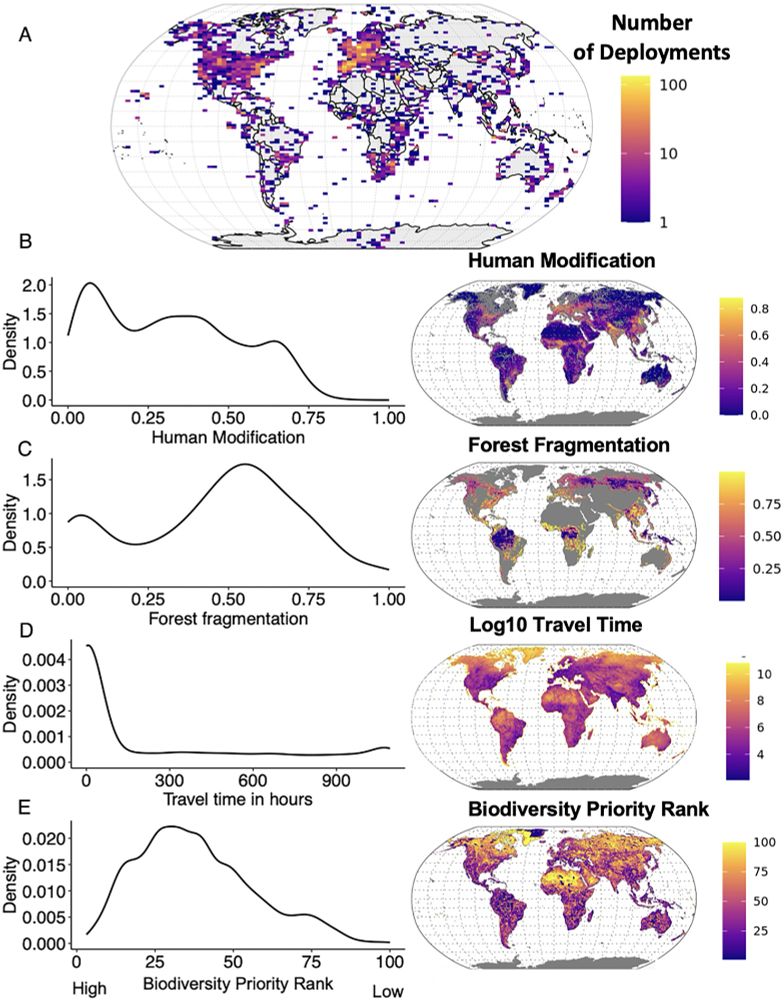
Thrilled to share our new article in @pnas.org highlighting global gaps in where we study animal movement—and outlining the next generation of smart bio-loggers.
👉 Read the full study in PNAS: lnkd.in/exP8NCeZ
1/
👉 Read the full study in PNAS: lnkd.in/exP8NCeZ
1/
July 30, 2025 at 12:03 AM
Thrilled to share our new article in @pnas.org highlighting global gaps in where we study animal movement—and outlining the next generation of smart bio-loggers.
👉 Read the full study in PNAS: lnkd.in/exP8NCeZ
1/
👉 Read the full study in PNAS: lnkd.in/exP8NCeZ
1/
Reposted by Grant Linley

The first paper from my postdoc is finally out! In collaboration with @kaitlyngaynor.bsky.social and Amy Angert, we outline how behavioral plasticity influences animal species’ distributions and can improve our understanding of range shifts under climate change! www.sciencedirect.com/science/arti...
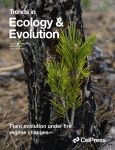
Linking individual animal behavior to species range shifts under climate change
Climate change has led animal species to shift their ranges to greater elevations, latitudes, and depths, tracking their preferred abiotic niche. Howe…
www.sciencedirect.com
July 17, 2025 at 5:52 PM
The first paper from my postdoc is finally out! In collaboration with @kaitlyngaynor.bsky.social and Amy Angert, we outline how behavioral plasticity influences animal species’ distributions and can improve our understanding of range shifts under climate change! www.sciencedirect.com/science/arti...
Reposted by Grant Linley

Wildfire activity worldwide was higher in 2023 and 2024 than in any year since monitoring began in 2001. Tropical forests are seeing particularly high rates of forest loss. Some forest systems may be approaching tipping points of ecosystem change. In PNAS: www.pnas.org/doi/10.1073/...
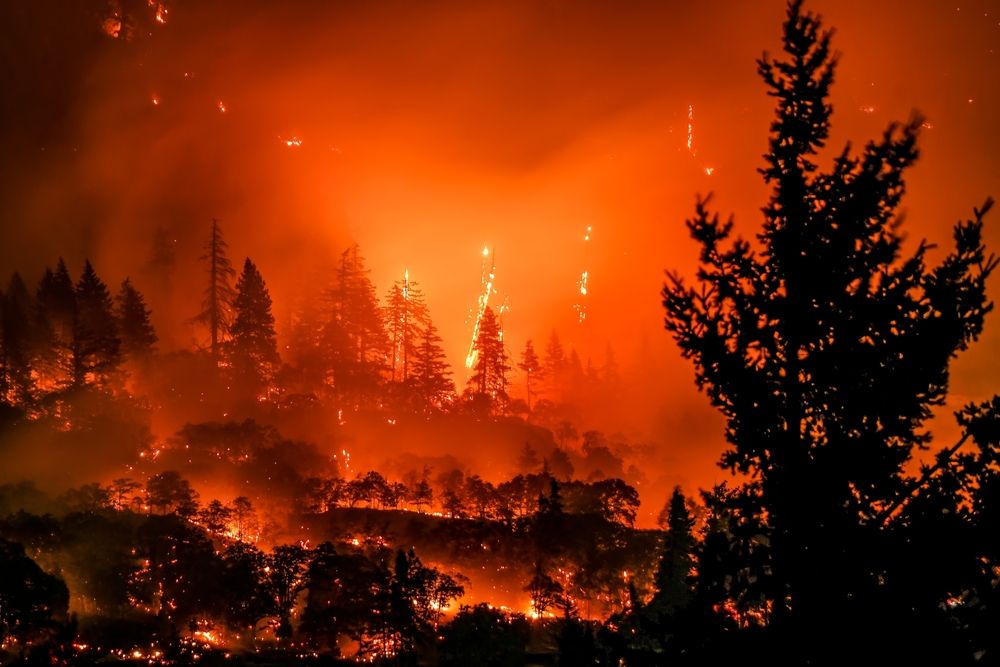
August 6, 2025 at 8:22 PM
Wildfire activity worldwide was higher in 2023 and 2024 than in any year since monitoring began in 2001. Tropical forests are seeing particularly high rates of forest loss. Some forest systems may be approaching tipping points of ecosystem change. In PNAS: www.pnas.org/doi/10.1073/...
Reposted by Grant Linley

What are the evolutionary implications of changes in fire regimes for animals?
We explore this in our new paper in @globalchangebio.bsky.social
📖 onlinelibrary.wiley.com/doi/10.1111/...
with @mwtingley.bsky.social @jgpausas.bsky.social & team
#Biodiversity #FireEcology #EcoEvo 🔥🦎🧬
We explore this in our new paper in @globalchangebio.bsky.social
📖 onlinelibrary.wiley.com/doi/10.1111/...
with @mwtingley.bsky.social @jgpausas.bsky.social & team
#Biodiversity #FireEcology #EcoEvo 🔥🦎🧬
July 25, 2025 at 6:55 AM
What are the evolutionary implications of changes in fire regimes for animals?
We explore this in our new paper in @globalchangebio.bsky.social
📖 onlinelibrary.wiley.com/doi/10.1111/...
with @mwtingley.bsky.social @jgpausas.bsky.social & team
#Biodiversity #FireEcology #EcoEvo 🔥🦎🧬
We explore this in our new paper in @globalchangebio.bsky.social
📖 onlinelibrary.wiley.com/doi/10.1111/...
with @mwtingley.bsky.social @jgpausas.bsky.social & team
#Biodiversity #FireEcology #EcoEvo 🔥🦎🧬