



Dr. Dirk N. Karger
@dirknkarger.bsky.social
Scientist bridging #Climate and #Biodiversity...
Reposted by Dr. Dirk N. Karger
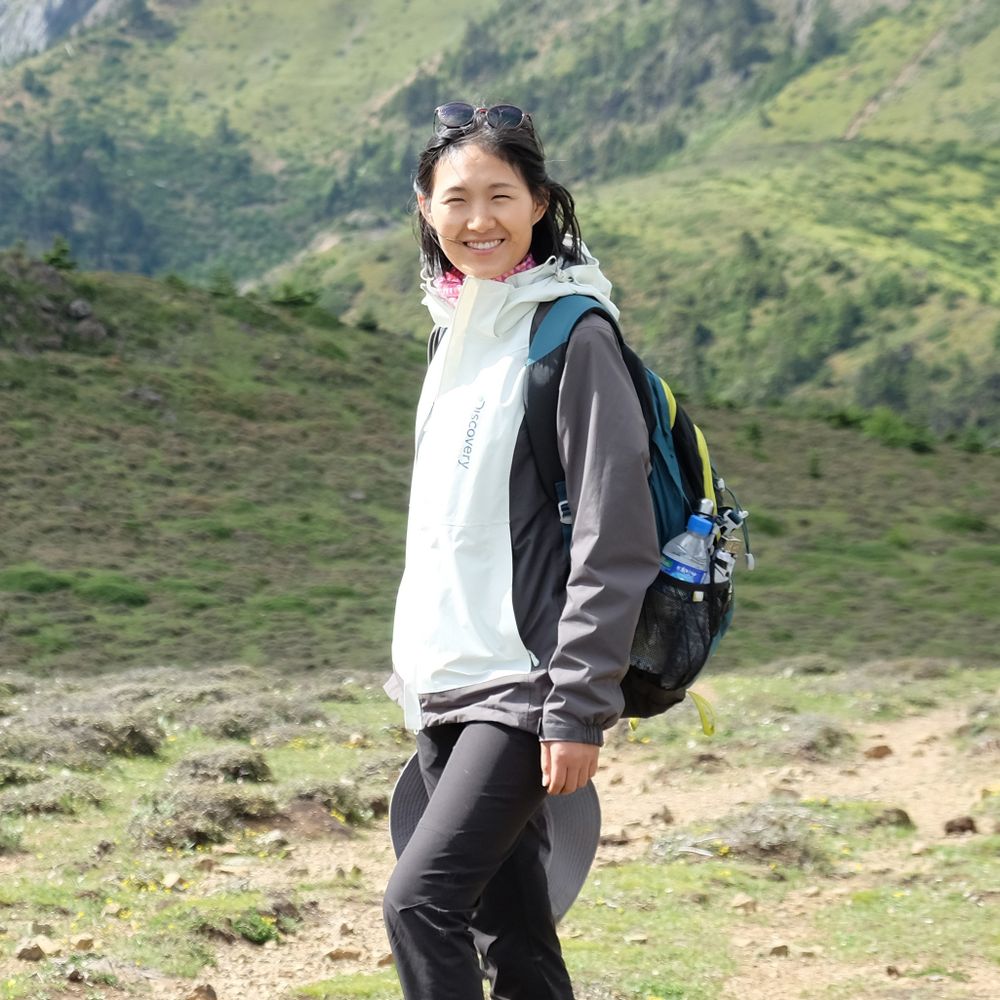
How have mountain building and climate change shaped alpine biodiversity over millions of years? Check out our new study in Science Advances! www.science.org/doi/10.1126/...

The asynchronous rise of Northern Hemisphere alpine floras reveals general responses of biotic assembly to orogeny and climate change
The asynchronous rise of Northern Hemisphere alpine floras was shaped by general responses to orogeny and climate change.
www.science.org
December 21, 2025 at 2:31 PM
How have mountain building and climate change shaped alpine biodiversity over millions of years? Check out our new study in Science Advances! www.science.org/doi/10.1126/...
Reposted by Dr. Dirk N. Karger

The @wsl-dme.bsky.social lab members arrived at #TIBS2026 in Aarhus. We are excited to enjoy great talks, posters, workshops, discussions with colleagues and friends, and we look forward to contribute as well, with 7 oral and 5 poster contributions.
#Biogeography #Macroecology #Biodiversity
#Biogeography #Macroecology #Biodiversity

January 7, 2026 at 10:51 PM
The @wsl-dme.bsky.social lab members arrived at #TIBS2026 in Aarhus. We are excited to enjoy great talks, posters, workshops, discussions with colleagues and friends, and we look forward to contribute as well, with 7 oral and 5 poster contributions.
#Biogeography #Macroecology #Biodiversity
#Biogeography #Macroecology #Biodiversity
Reposted by Dr. Dirk N. Karger
Great talk by @vboussange.bsky.social from @wsl-dme.bsky.social on "Multiscale species richness modelling". Victor developed a cool method to map species richness in a way that allows spatial scaling and to retrieve scale-relevant information.

January 7, 2026 at 10:59 PM
Great talk by @vboussange.bsky.social from @wsl-dme.bsky.social on "Multiscale species richness modelling". Victor developed a cool method to map species richness in a way that allows spatial scaling and to retrieve scale-relevant information.
Reposted by Dr. Dirk N. Karger
Elena Plekhanova from @wsl-dme.bsky.social just gave a very interesting talk on how to use #AI in combination with #RemoteSensing to map global #biomes.
#Macroecology #Biodiversity #Mapping
@wslresearch.bsky.social
#Macroecology #Biodiversity #Mapping
@wslresearch.bsky.social

January 8, 2026 at 2:34 PM
Elena Plekhanova from @wsl-dme.bsky.social just gave a very interesting talk on how to use #AI in combination with #RemoteSensing to map global #biomes.
#Macroecology #Biodiversity #Mapping
@wslresearch.bsky.social
#Macroecology #Biodiversity #Mapping
@wslresearch.bsky.social
Reposted by Dr. Dirk N. Karger
🗾The poster sessions at #TIBS2026 are a great opportunity to exchange results and ideas, and to meet new people. We enjoy the interaction and atmosphere. And we will leave with a rich set of new ideas and connections.🚀
#Biogeography #Macroecology #Biodiversity #CHELSA
@wslresearch.bsky.social
#Biogeography #Macroecology #Biodiversity #CHELSA
@wslresearch.bsky.social


January 9, 2026 at 1:35 AM
🗾The poster sessions at #TIBS2026 are a great opportunity to exchange results and ideas, and to meet new people. We enjoy the interaction and atmosphere. And we will leave with a rich set of new ideas and connections.🚀
#Biogeography #Macroecology #Biodiversity #CHELSA
@wslresearch.bsky.social
#Biogeography #Macroecology #Biodiversity #CHELSA
@wslresearch.bsky.social
Reposted by Dr. Dirk N. Karger
Interesting talk by @nezimmermann.bsky.social from our DME lab today at #TIBS2026 on a new conceptual framework on #BiomeBiogeography. This concept is at the core of our #biome project, in which several lab members are involved.

January 9, 2026 at 3:03 PM
Interesting talk by @nezimmermann.bsky.social from our DME lab today at #TIBS2026 on a new conceptual framework on #BiomeBiogeography. This concept is at the core of our #biome project, in which several lab members are involved.
Reposted by Dr. Dirk N. Karger
Damiano Righetti from our DME lab just presented his cool research at #TIBS2026 on trophic species distribution modelling of tuna and its pray.

January 9, 2026 at 3:17 PM
Damiano Righetti from our DME lab just presented his cool research at #TIBS2026 on trophic species distribution modelling of tuna and its pray.
Reposted by Dr. Dirk N. Karger
@wennading.bsky.social from the DME lab presented her great work at #TIBS2026 on the origin of mountain floras in response to biotic assembly, orogeny and climate change. If you are interested, her is the latest paper on the topic: www.science.org/doi/full/10....

January 9, 2026 at 3:14 PM
@wennading.bsky.social from the DME lab presented her great work at #TIBS2026 on the origin of mountain floras in response to biotic assembly, orogeny and climate change. If you are interested, her is the latest paper on the topic: www.science.org/doi/full/10....
Reposted by Dr. Dirk N. Karger
Our DME member @dirknkarger.bsky.social gave a great talk on adapting land use to climate change and how this can mitigate global biodiversity decline.

January 9, 2026 at 3:05 PM
Our DME member @dirknkarger.bsky.social gave a great talk on adapting land use to climate change and how this can mitigate global biodiversity decline.
Reposted by Dr. Dirk N. Karger

Great talk at #TIBS2026 by @dirknkarger.bsky.social on how adapting land use to climate change may mitigate global biodiversity decline. Along these lines: check out our new paper on land use and climate change impacts on global biodiversity: onlinelibrary.wiley.com/doi/full/10....


January 9, 2026 at 11:46 AM
Great talk at #TIBS2026 by @dirknkarger.bsky.social on how adapting land use to climate change may mitigate global biodiversity decline. Along these lines: check out our new paper on land use and climate change impacts on global biodiversity: onlinelibrary.wiley.com/doi/full/10....
Reposted by Dr. Dirk N. Karger

The dismantling of NCAR should be the trending story on Bluesky, not the fucking Oscars leaving ABC for YouTube.

Trump moves to shut down Boulder climate research lab NCAR, drawing rebukes from Colorado officials
Federal lawmakers called the planned NCAR closure “deeply dangerous” and “blatantly retaliatory.” Gov. Jared Polis said: “If true, public safety is at risk and science…
www.denverpost.com
December 17, 2025 at 7:59 PM
The dismantling of NCAR should be the trending story on Bluesky, not the fucking Oscars leaving ABC for YouTube.
Reposted by Dr. Dirk N. Karger
Exploring the tropical cloud forests of #Guacamayos. 🔎 Foggy, rain-soaked and mild temperatures: #cloudforests are some of the most species- and endemism-rich biomes on Earth. Despite covering only 0.4% of global land, they host 3,700 #species of birds, mammals, amphibians and tree ferns. 🌧️🌳🌿


November 14, 2025 at 3:22 PM
Exploring the tropical cloud forests of #Guacamayos. 🔎 Foggy, rain-soaked and mild temperatures: #cloudforests are some of the most species- and endemism-rich biomes on Earth. Despite covering only 0.4% of global land, they host 3,700 #species of birds, mammals, amphibians and tree ferns. 🌧️🌳🌿
Reposted by Dr. Dirk N. Karger
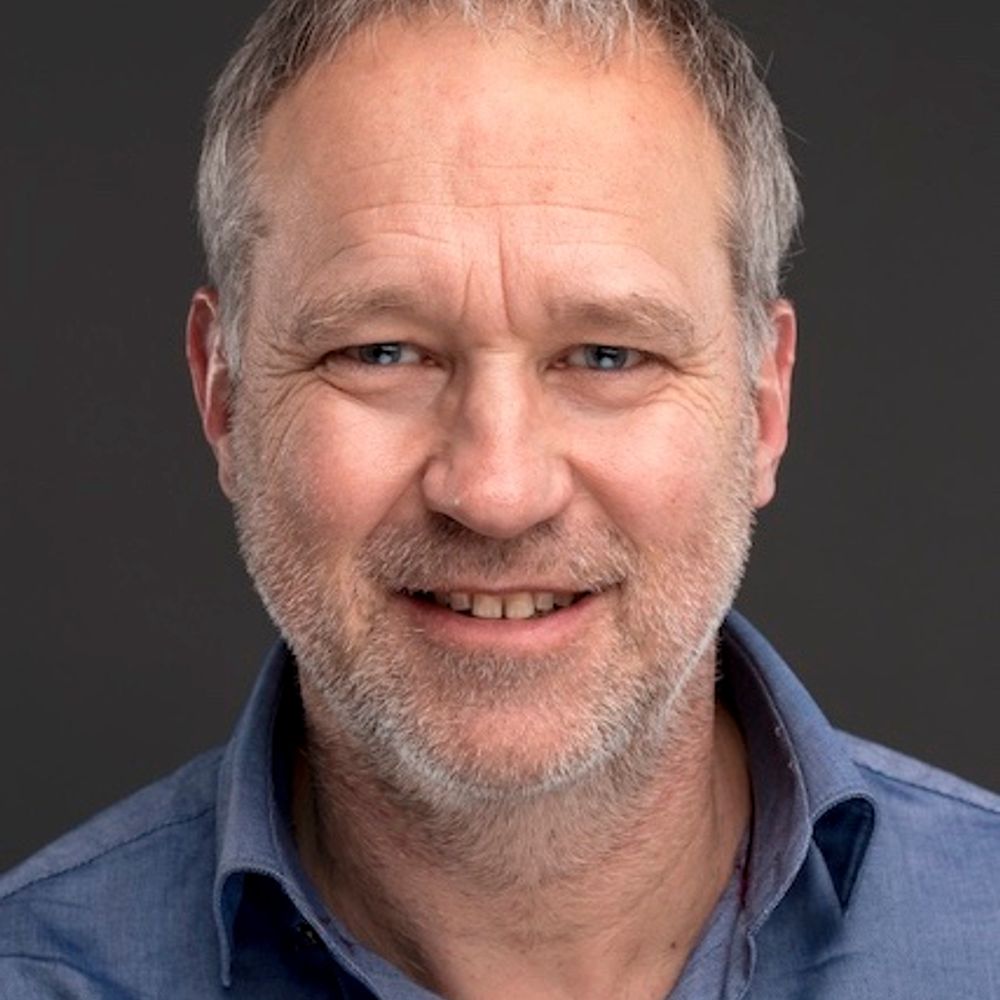
🌧️ If your team members are patiently waiting for 1h in the rain in a tropical #cloudforest, chatting, playing, laughing and happily continue fieldwork with rain-sensitive instruments as soon as the rain stops & finish the day with a “high five”: Now you know, you have a fantastic team! 🫶


November 17, 2025 at 2:18 AM
🌧️ If your team members are patiently waiting for 1h in the rain in a tropical #cloudforest, chatting, playing, laughing and happily continue fieldwork with rain-sensitive instruments as soon as the rain stops & finish the day with a “high five”: Now you know, you have a fantastic team! 🫶
Reposted by Dr. Dirk N. Karger
🌳 Towering trees (often >50 m), massive buttress roots and woody lianas are typical plant traits of tropical rainforests. 🌧

November 10, 2025 at 3:02 AM
🌳 Towering trees (often >50 m), massive buttress roots and woody lianas are typical plant traits of tropical rainforests. 🌧
Reposted by Dr. Dirk N. Karger
🌿Fieldwork in the #Yasuni National Park, #Ecuador.🦜
Our researchers are studying the structural and functional properties of #rainforests to better understand and define #biomes.🌳🔎
Our researchers are studying the structural and functional properties of #rainforests to better understand and define #biomes.🌳🔎
November 8, 2025 at 7:27 PM
🌿Fieldwork in the #Yasuni National Park, #Ecuador.🦜
Our researchers are studying the structural and functional properties of #rainforests to better understand and define #biomes.🌳🔎
Our researchers are studying the structural and functional properties of #rainforests to better understand and define #biomes.🌳🔎

Reposted by Dr. Dirk N. Karger

MeteoSchweiz, die @ethz.ch und C2SM präsentieren die neuen Schweizer Klimaszenarien.
Diese zeigen, wie sich das Schweizer Klima verändert, wenn die globale Mitteltemperatur z.B. um 3 Grad steigt.
#klimaszenarien #meteoschweiz #ETH #C2SM #NCCS
Diese zeigen, wie sich das Schweizer Klima verändert, wenn die globale Mitteltemperatur z.B. um 3 Grad steigt.
#klimaszenarien #meteoschweiz #ETH #C2SM #NCCS

Die Schweizer Klimaszenarien 2025
MeteoSchweiz stellt in Zusammenarbeit mit der ETH Zürich und C2SM unter dem Dach des National Centre for Climate Services (NCCS) die neusten Erkenntnisse zum...
www.youtube.com
November 4, 2025 at 10:01 AM
MeteoSchweiz, die @ethz.ch und C2SM präsentieren die neuen Schweizer Klimaszenarien.
Diese zeigen, wie sich das Schweizer Klima verändert, wenn die globale Mitteltemperatur z.B. um 3 Grad steigt.
#klimaszenarien #meteoschweiz #ETH #C2SM #NCCS
Diese zeigen, wie sich das Schweizer Klima verändert, wenn die globale Mitteltemperatur z.B. um 3 Grad steigt.
#klimaszenarien #meteoschweiz #ETH #C2SM #NCCS
Reposted by Dr. Dirk N. Karger
🔊 New paper: first integration of population genetics🧬 and dynamic species distribution modeling🌐 using #KISSMig to reconstruct postglacial dynamics of wild black pepper, endemic to India’s Western Ghats. #macroecology #popgen #phylogeography #biogeography
👉 onlinelibrary.wiley.com/doi/10.1111/...
👉 onlinelibrary.wiley.com/doi/10.1111/...
September 22, 2025 at 10:46 AM
🔊 New paper: first integration of population genetics🧬 and dynamic species distribution modeling🌐 using #KISSMig to reconstruct postglacial dynamics of wild black pepper, endemic to India’s Western Ghats. #macroecology #popgen #phylogeography #biogeography
👉 onlinelibrary.wiley.com/doi/10.1111/...
👉 onlinelibrary.wiley.com/doi/10.1111/...
Reposted by Dr. Dirk N. Karger
🌎 Our BIOME project team has just begun a 3.5-week research expedition in Ecuador! 🇪🇨 They’ll be conducting fieldwork across diverse landscapes to study how biomes have evolved and how to define them. 🔎🌿🏔️ Stay tuned for field updates! ✨
👉BIOME project: shorturl.at/RLQPw
👉BIOME project: shorturl.at/RLQPw

October 31, 2025 at 11:11 PM
🌎 Our BIOME project team has just begun a 3.5-week research expedition in Ecuador! 🇪🇨 They’ll be conducting fieldwork across diverse landscapes to study how biomes have evolved and how to define them. 🔎🌿🏔️ Stay tuned for field updates! ✨
👉BIOME project: shorturl.at/RLQPw
👉BIOME project: shorturl.at/RLQPw
Reposted by Dr. Dirk N. Karger

Reposted by Dr. Dirk N. Karger

New research reveals how to better monitor tree #drought #stress! We combined remote sensing data (greenness & photoprotection indicators) with leaf water potential measurements to track drought impacts across different tree species.
www.sciencedirect.com/science/arti...
www.sciencedirect.com/science/arti...

Deciphering tree drought responses across species: linking leaf water potentials with remote sensing greenness and photoprotection dynamics
Monitoring forest drought stress requires indicators that capture tree water relations across species and scales. Remote sensing enables large-scale a…
www.sciencedirect.com
October 1, 2025 at 2:26 PM
New research reveals how to better monitor tree #drought #stress! We combined remote sensing data (greenness & photoprotection indicators) with leaf water potential measurements to track drought impacts across different tree species.
www.sciencedirect.com/science/arti...
www.sciencedirect.com/science/arti...
Reposted by Dr. Dirk N. Karger
@clechartre.bsky.social reimplemented #BIOME4 into a modular, high-performance #Julia version, enabling 1 km vegetation modeling 🌱 and integration of #CHELSA climate datasets. 🌦️ We can now simulate biome patterns across complex terrains ⛰️ and define biome boundaries with greater accuracy. 🎯
July 10, 2025 at 7:32 PM
@clechartre.bsky.social reimplemented #BIOME4 into a modular, high-performance #Julia version, enabling 1 km vegetation modeling 🌱 and integration of #CHELSA climate datasets. 🌦️ We can now simulate biome patterns across complex terrains ⛰️ and define biome boundaries with greater accuracy. 🎯
Reposted by Dr. Dirk N. Karger
Hiring/Seeking a *permanent* programmer in ecological modelling at my lab @unibonn.bsky.social. We mechanistically model plant communities, island biogeography, species range dynamics, eco-evolutionary feedbacks, diversity gradients, tropical forests, vascular epiphytes. Pls rt! shorturl.at/Bzzdt
Programmer in Ecological Modelling
Full-time, permanent, EG 10, Reference number: 2025/72
shorturl.at
July 10, 2025 at 7:00 PM
Hiring/Seeking a *permanent* programmer in ecological modelling at my lab @unibonn.bsky.social. We mechanistically model plant communities, island biogeography, species range dynamics, eco-evolutionary feedbacks, diversity gradients, tropical forests, vascular epiphytes. Pls rt! shorturl.at/Bzzdt
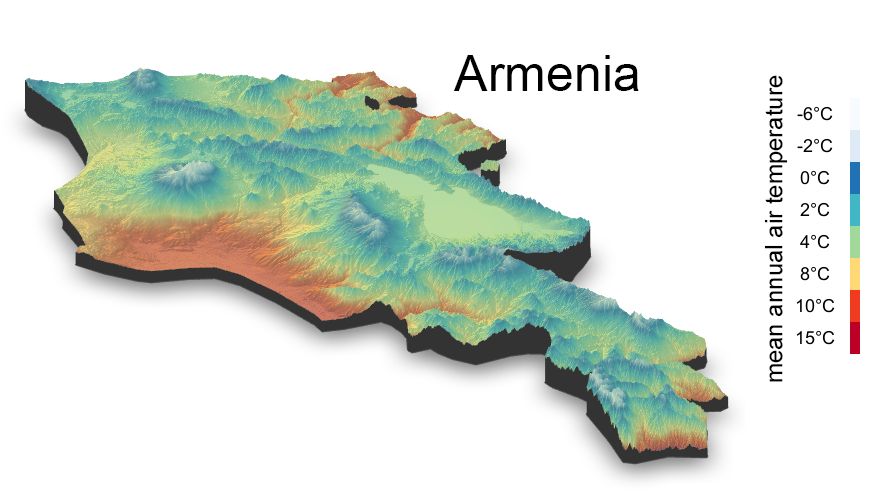
🌿 Join Our Team as Postdoctoral Researcher in Regional Climate Downscaling at the Swiss Federal Research Institute WSL in Switzerland and lead the development of regional, highresolution climate scenarios for Armenia. @wslresearch.bsky.social @wsl-dme.bsky.social apply.refline.ch/273855/1747/...
July 8, 2025 at 10:53 AM
🌿 Join Our Team as Postdoctoral Researcher in Regional Climate Downscaling at the Swiss Federal Research Institute WSL in Switzerland and lead the development of regional, highresolution climate scenarios for Armenia. @wslresearch.bsky.social @wsl-dme.bsky.social apply.refline.ch/273855/1747/...