


del Campo Lab
@delcampolab.bsky.social
Microbial Ecology and Evolution Lab at IBE Barcelona led by @fonamental.bsky.social. Studying marine animal holobionts🦠🪸🌊
Reposted by del Campo Lab

Despite a relatively stable microbiome, we reveal that microbial co-occurrence networks shift between daytime carbohydrate catabolism and nighttime methylotrophy, indicating metabolic hand-offs across domains of life within the holobiont. #SymbioSky #ProtistsOnSky


January 28, 2026 at 6:32 PM
Despite a relatively stable microbiome, we reveal that microbial co-occurrence networks shift between daytime carbohydrate catabolism and nighttime methylotrophy, indicating metabolic hand-offs across domains of life within the holobiont. #SymbioSky #ProtistsOnSky
Reposted by del Campo Lab
To help reduce the annotation gap of functional assignment in non-model organisms like corals, we supplemented our host gene ontology enrichment terms using protT5 protein language model to predict functions for poorly annotated proteins, adding more context beyond standard homology-based pipelines.
January 28, 2026 at 6:32 PM
To help reduce the annotation gap of functional assignment in non-model organisms like corals, we supplemented our host gene ontology enrichment terms using protT5 protein language model to predict functions for poorly annotated proteins, adding more context beyond standard homology-based pipelines.
Reposted by del Campo Lab
We uncover transcriptional rhythms in the coral, including dawn initiated RNA biosynthesis, midday & dusk regulation of phosphate metabolism, and midnight activation of stress and repair pathways. Breviolum sp. displays tightly regulated cell cycle dynamics and nutrient transport oscillations.


January 28, 2026 at 6:32 PM
We uncover transcriptional rhythms in the coral, including dawn initiated RNA biosynthesis, midday & dusk regulation of phosphate metabolism, and midnight activation of stress and repair pathways. Breviolum sp. displays tightly regulated cell cycle dynamics and nutrient transport oscillations.
Reposted by del Campo Lab
🚨New Pub Alert🚨 We present a system-level molecular framework of natural diel regulation in the stony coral P. strigosa, integrating host & symbiodiniaceae transcriptomics with microbiome dynamics over 6hr intervals. Amazing to publish this PhD work @miamirosenstiel.bsky.social 👉 shorturl.at/TzYEr


January 28, 2026 at 6:32 PM
🚨New Pub Alert🚨 We present a system-level molecular framework of natural diel regulation in the stony coral P. strigosa, integrating host & symbiodiniaceae transcriptomics with microbiome dynamics over 6hr intervals. Amazing to publish this PhD work @miamirosenstiel.bsky.social 👉 shorturl.at/TzYEr
Reposted by del Campo Lab
Happy to have contributed to the #protists section of this @ergabiodiv.bsky.social whitepaper 👉 From Permits to Samples: Addressing Key Challenges for High-Quality Reference Genome Generation in Europe onlinelibrary.wiley.com/doi/10.1111/...

January 27, 2026 at 5:00 PM
Happy to have contributed to the #protists section of this @ergabiodiv.bsky.social whitepaper 👉 From Permits to Samples: Addressing Key Challenges for High-Quality Reference Genome Generation in Europe onlinelibrary.wiley.com/doi/10.1111/...
Reposted by del Campo Lab

Kulikov, @ikeririsarri.bsky.social @fonamental.bsky.social et al present a 529.6 Mb chromosome-scale genome for the redlip blenny (scaffold N50 = 23.7 Mb; BUSCO = 97.06%). Annotation identified 18,927 protein-coding genes.
🔗 doi.org/10.1093/gbe/evaf242
📸 Evan D’Alessandro
#genome #evolution
🔗 doi.org/10.1093/gbe/evaf242
📸 Evan D’Alessandro
#genome #evolution

January 5, 2026 at 3:40 PM
Kulikov, @ikeririsarri.bsky.social @fonamental.bsky.social et al present a 529.6 Mb chromosome-scale genome for the redlip blenny (scaffold N50 = 23.7 Mb; BUSCO = 97.06%). Annotation identified 18,927 protein-coding genes.
🔗 doi.org/10.1093/gbe/evaf242
📸 Evan D’Alessandro
#genome #evolution
🔗 doi.org/10.1093/gbe/evaf242
📸 Evan D’Alessandro
#genome #evolution
Reposted by del Campo Lab

Interested in a PhD at @icmcsic.bsky.social with me & @fonamental.bsky.social? We’re seeking motivated candidates for an #INPhINIT incoming fellowship to study mesophotic coral ecosystems as thermal refuges & holobiont responses across depth gradients. Info: fundacionlacaixa.org/ca/beques-do...

Doctorat INPhINIT
Coneix les 60 beques de doctorat dINPhINIT per a investigadors que vulguin realitzar estudis de doctorat en universitats d'Espanya i Portugal.
fundacionlacaixa.org
December 30, 2025 at 9:09 AM
Interested in a PhD at @icmcsic.bsky.social with me & @fonamental.bsky.social? We’re seeking motivated candidates for an #INPhINIT incoming fellowship to study mesophotic coral ecosystems as thermal refuges & holobiont responses across depth gradients. Info: fundacionlacaixa.org/ca/beques-do...
Reposted by del Campo Lab

🔬 What is sciencewashing?
At the PRBB Sustainability Seminar, Javier del Campo warns about the misuse of science to gain prestige or profit and highlights the social power of the scientific community.
More: tuit.cat/uvQp2
At the PRBB Sustainability Seminar, Javier del Campo warns about the misuse of science to gain prestige or profit and highlights the social power of the scientific community.
More: tuit.cat/uvQp2

Sciencewashing and science soft power: notes from the PRBB Sustainability Seminars - El·lipse
The latest PRBB 'sustainability seminar', by Javier del Campo, was about the soft power of scientists to counteract sciencewashing - a practice used to increase an institution's profit or prestige by ...
tuit.cat
December 15, 2025 at 3:30 PM
🔬 What is sciencewashing?
At the PRBB Sustainability Seminar, Javier del Campo warns about the misuse of science to gain prestige or profit and highlights the social power of the scientific community.
More: tuit.cat/uvQp2
At the PRBB Sustainability Seminar, Javier del Campo warns about the misuse of science to gain prestige or profit and highlights the social power of the scientific community.
More: tuit.cat/uvQp2
Reposted by del Campo Lab

A new combtooth blenny genome just dropped! Assembled from recycled ONT data + HiC + RNAseq.
Thanks, Nikita Kulikov, Kim Joffroy, @ambonacolta.bsky.social @delcampolab.bsky.social for your hard work
Thanks, Nikita Kulikov, Kim Joffroy, @ambonacolta.bsky.social @delcampolab.bsky.social for your hard work

The chromosome-scale genome assembly of the redlip blenny, Ophioblennius macclurei (Blenniidae)
Abstract. Here, we present a high-quality, chromosome-scale genome assembly for the redlip blenny Ophioblennius macclurei (family Blennidae). The assembly
academic.oup.com
December 12, 2025 at 9:32 AM
A new combtooth blenny genome just dropped! Assembled from recycled ONT data + HiC + RNAseq.
Thanks, Nikita Kulikov, Kim Joffroy, @ambonacolta.bsky.social @delcampolab.bsky.social for your hard work
Thanks, Nikita Kulikov, Kim Joffroy, @ambonacolta.bsky.social @delcampolab.bsky.social for your hard work
Reposted by del Campo Lab

Unlock the power of #Metabarcoding in #MicrobialEcology!
Join our online course, with Anna Luigi and @delcampolab.bsky.social in March
@qiime2.org #Rstats
www.physalia-courses.org/courses-work...
Join our online course, with Anna Luigi and @delcampolab.bsky.social in March
@qiime2.org #Rstats
www.physalia-courses.org/courses-work...

Metabarcoding in microbial Ecology
www.physalia-courses.org
November 27, 2025 at 1:55 PM
Unlock the power of #Metabarcoding in #MicrobialEcology!
Join our online course, with Anna Luigi and @delcampolab.bsky.social in March
@qiime2.org #Rstats
www.physalia-courses.org/courses-work...
Join our online course, with Anna Luigi and @delcampolab.bsky.social in March
@qiime2.org #Rstats
www.physalia-courses.org/courses-work...
Today at the @iec.cat , @matteoagazzi.bsky.social gave an update on our coral reference genomes project🪸, part or the @catbiogenoma.bsky.social. It was great to see what everyone is working on within the @catbiogenoma.bsky.social effort! #corals #genomes

November 12, 2025 at 4:07 PM
Today at the @iec.cat , @matteoagazzi.bsky.social gave an update on our coral reference genomes project🪸, part or the @catbiogenoma.bsky.social. It was great to see what everyone is working on within the @catbiogenoma.bsky.social effort! #corals #genomes
.@rociomozo.bsky.social is officially a PhD student in our lab! Her thesis project will explore the evolutionary history of Suessiales and the origin of symbiosis in the group🦠 Welcome!!🥳 #protists #corals #symbiosis #protistsonsky

November 10, 2025 at 2:09 PM
.@rociomozo.bsky.social is officially a PhD student in our lab! Her thesis project will explore the evolutionary history of Suessiales and the origin of symbiosis in the group🦠 Welcome!!🥳 #protists #corals #symbiosis #protistsonsky
We had a great time last week at @same18-bcn.bsky.social in Barcelona!


October 6, 2025 at 8:41 PM
We had a great time last week at @same18-bcn.bsky.social in Barcelona!
Reposted by del Campo Lab
Your students arrive in Curaçao earlier than you and say: We are bored. Can we do that extra diel cycle sampling that we talked about 🤔 ?
Your only answer as a PI: Sure 😬
The outcome? Sleep-deprived students and an excellent work on the #coral holobiont rhythmicity 🪸🦠⏰
#symbiosis #microbiome
Your only answer as a PI: Sure 😬
The outcome? Sleep-deprived students and an excellent work on the #coral holobiont rhythmicity 🪸🦠⏰
#symbiosis #microbiome
🚨New Preprint Alert🚨 P. strigosa, a reef-building coral shows tightly regulated transcriptional control over natural diel cycles. #CoralReefs #Symbiosky #bioinformatics #marinemicrobes #protistsonsky www.biorxiv.org/content/10.1...

August 8, 2025 at 9:17 AM
Your students arrive in Curaçao earlier than you and say: We are bored. Can we do that extra diel cycle sampling that we talked about 🤔 ?
Your only answer as a PI: Sure 😬
The outcome? Sleep-deprived students and an excellent work on the #coral holobiont rhythmicity 🪸🦠⏰
#symbiosis #microbiome
Your only answer as a PI: Sure 😬
The outcome? Sleep-deprived students and an excellent work on the #coral holobiont rhythmicity 🪸🦠⏰
#symbiosis #microbiome
Reposted by del Campo Lab
This effort was a 'tour de force' only made possible by my incredible lab @ambonacolta.bsky.social and @fonamental.bsky.social. Absolutely thrilled to get this part of my Ph.D. dissertation out, thank you everyone involved!

August 7, 2025 at 5:02 PM
This effort was a 'tour de force' only made possible by my incredible lab @ambonacolta.bsky.social and @fonamental.bsky.social. Absolutely thrilled to get this part of my Ph.D. dissertation out, thank you everyone involved!
Reposted by del Campo Lab
Lastly, we explored microbiome structure 🦠 through time. Broadly, the microbial composition is largely stable through time, with notable taxon-specific changes through day/night light cycles. During the day carbohydrate catabolizers show enrichment, while night hours feature methylotrophs.


August 7, 2025 at 5:02 PM
Lastly, we explored microbiome structure 🦠 through time. Broadly, the microbial composition is largely stable through time, with notable taxon-specific changes through day/night light cycles. During the day carbohydrate catabolizers show enrichment, while night hours feature methylotrophs.
Reposted by del Campo Lab
Similar to the host, the symbiont Breviolum showed diel regulated transcription, although more subtle. Time-specific functions were recovered, showing metabolite transfer and nitrogen/carbohydrate metabolism through daytime, while cellular division and reorganization/turnover during the dark hours.

August 7, 2025 at 5:02 PM
Similar to the host, the symbiont Breviolum showed diel regulated transcription, although more subtle. Time-specific functions were recovered, showing metabolite transfer and nitrogen/carbohydrate metabolism through daytime, while cellular division and reorganization/turnover during the dark hours.
Reposted by del Campo Lab
In the coral host, we observed dawn as a molecular surge in RNA metabolism 🧬, midday exhibits high phosphate regulation 🔋, dusk reflects lipid & amino acid metabolism ♻️, and midnight shows mRNA catabolism & mitochondrial reorganization 🗂️. Most striking, we recovered ~30% transcripts as rhythmic.

August 7, 2025 at 5:02 PM
In the coral host, we observed dawn as a molecular surge in RNA metabolism 🧬, midday exhibits high phosphate regulation 🔋, dusk reflects lipid & amino acid metabolism ♻️, and midnight shows mRNA catabolism & mitochondrial reorganization 🗂️. Most striking, we recovered ~30% transcripts as rhythmic.
Reposted by del Campo Lab
🚨New Preprint Alert🚨 P. strigosa, a reef-building coral shows tightly regulated transcriptional control over natural diel cycles. #CoralReefs #Symbiosky #bioinformatics #marinemicrobes #protistsonsky www.biorxiv.org/content/10.1...
August 7, 2025 at 5:02 PM
🚨New Preprint Alert🚨 P. strigosa, a reef-building coral shows tightly regulated transcriptional control over natural diel cycles. #CoralReefs #Symbiosky #bioinformatics #marinemicrobes #protistsonsky www.biorxiv.org/content/10.1...
Reposted by del Campo Lab
10/
Huge thanks to this amazing team! @fonamental.bsky.social @polcapdevila.bsky.social @elpiratavell.bsky.social @medrecover.bsky.social over.bsky.social @icmcsic.bsky.social @szndohrn.bsky.social @ub.edu @ibe-barcelona.bsky.social
#MedCalRes @ageinves.bsky.social @cienciagob.bsky.social
Huge thanks to this amazing team! @fonamental.bsky.social @polcapdevila.bsky.social @elpiratavell.bsky.social @medrecover.bsky.social over.bsky.social @icmcsic.bsky.social @szndohrn.bsky.social @ub.edu @ibe-barcelona.bsky.social
#MedCalRes @ageinves.bsky.social @cienciagob.bsky.social
July 31, 2025 at 1:47 PM
Reposted by del Campo Lab
9/
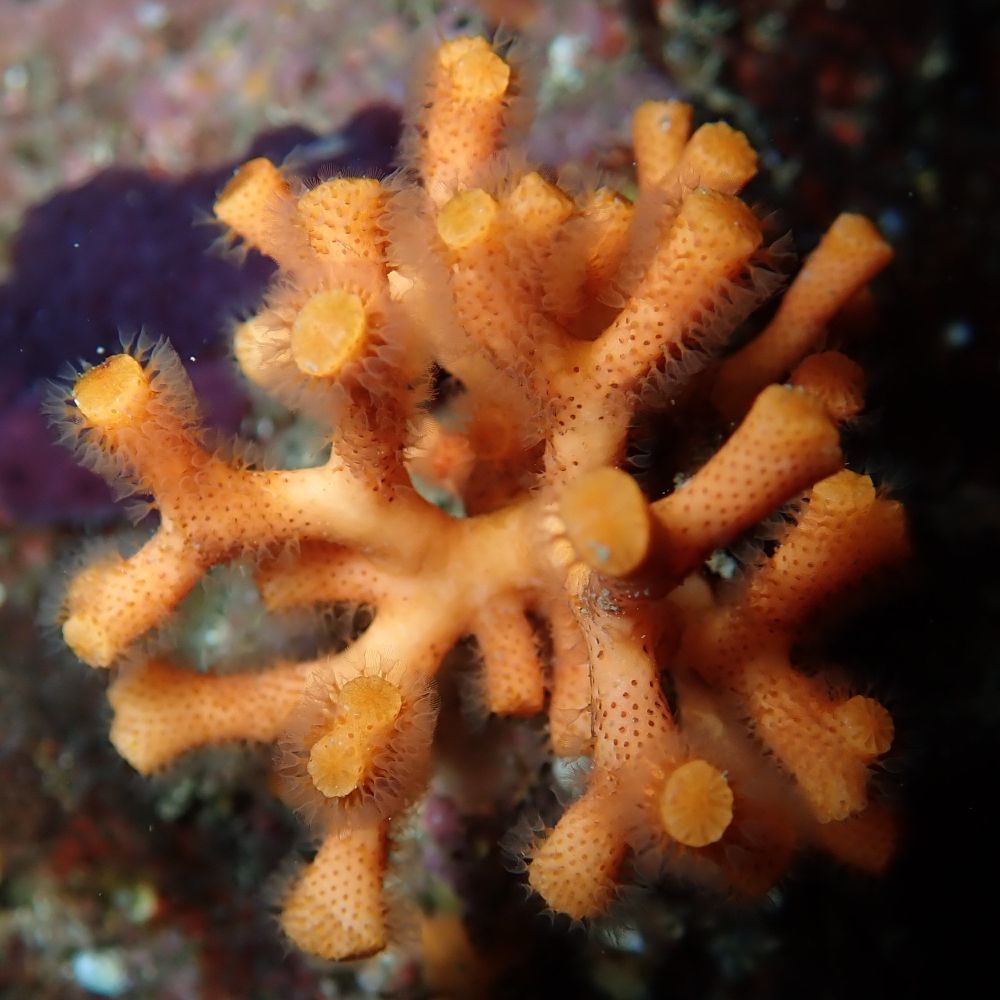
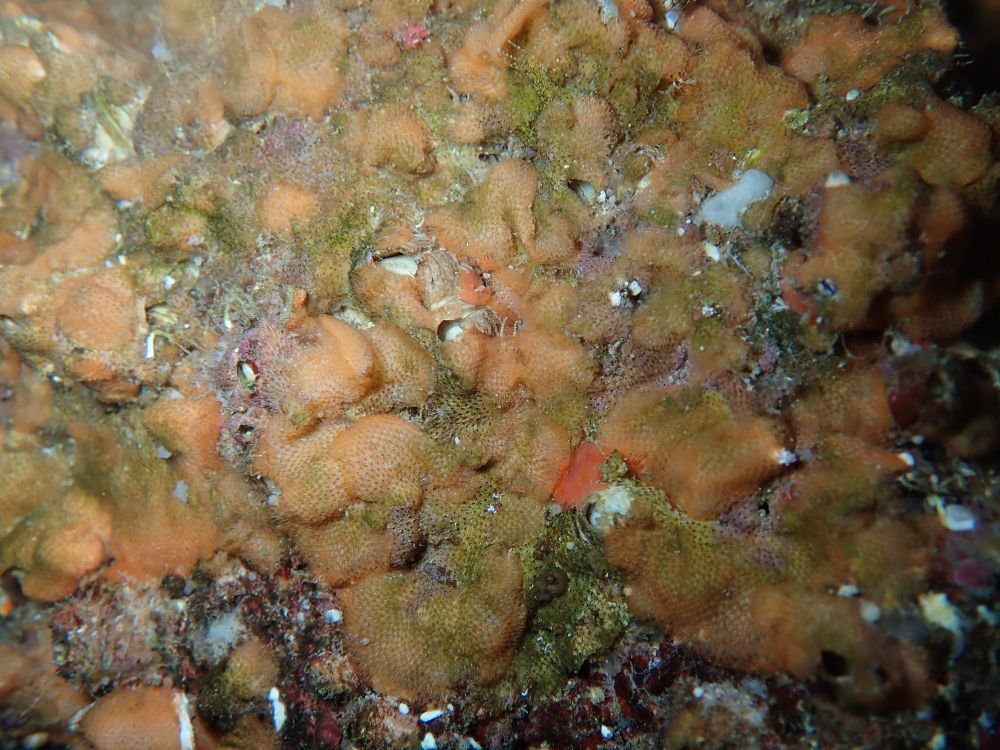
Bryozoans are key habitat-formers, yet often overlooked in climate research.
Our work shows they’re at risk under future ocean conditions.
🌊 We need more long-term, multi-stressor studies in natural settings. Stay tuned for the ongoing HOLOCHANGE and MedAcidWarm projects!
Bryozoans are key habitat-formers, yet often overlooked in climate research.
Our work shows they’re at risk under future ocean conditions.
🌊 We need more long-term, multi-stressor studies in natural settings. Stay tuned for the ongoing HOLOCHANGE and MedAcidWarm projects!
July 31, 2025 at 1:47 PM
9/
Bryozoans are key habitat-formers, yet often overlooked in climate research.
Our work shows they’re at risk under future ocean conditions.
🌊 We need more long-term, multi-stressor studies in natural settings. Stay tuned for the ongoing HOLOCHANGE and MedAcidWarm projects!
Bryozoans are key habitat-formers, yet often overlooked in climate research.
Our work shows they’re at risk under future ocean conditions.
🌊 We need more long-term, multi-stressor studies in natural settings. Stay tuned for the ongoing HOLOCHANGE and MedAcidWarm projects!
Reposted by del Campo Lab
8/
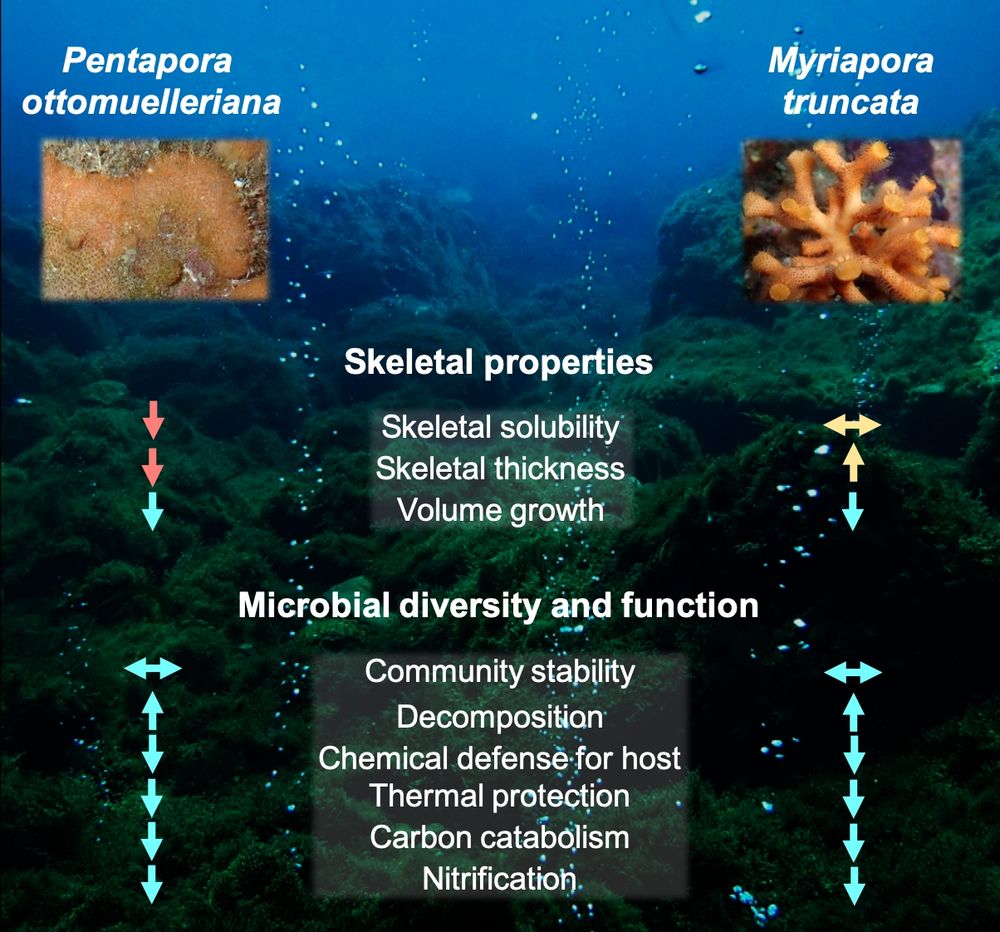
This is the first study to document long-term microbiome and skeletal responses to combined ocean acidification & warming in bryozoans in the wild.
We reveal:
✅ Complex, species-specific strategies
⚠️ Signs of vulnerability under future ocean conditions
This is the first study to document long-term microbiome and skeletal responses to combined ocean acidification & warming in bryozoans in the wild.
We reveal:
✅ Complex, species-specific strategies
⚠️ Signs of vulnerability under future ocean conditions
July 31, 2025 at 1:47 PM
8/
This is the first study to document long-term microbiome and skeletal responses to combined ocean acidification & warming in bryozoans in the wild.
We reveal:
✅ Complex, species-specific strategies
⚠️ Signs of vulnerability under future ocean conditions
This is the first study to document long-term microbiome and skeletal responses to combined ocean acidification & warming in bryozoans in the wild.
We reveal:
✅ Complex, species-specific strategies
⚠️ Signs of vulnerability under future ocean conditions
Reposted by del Campo Lab
7/
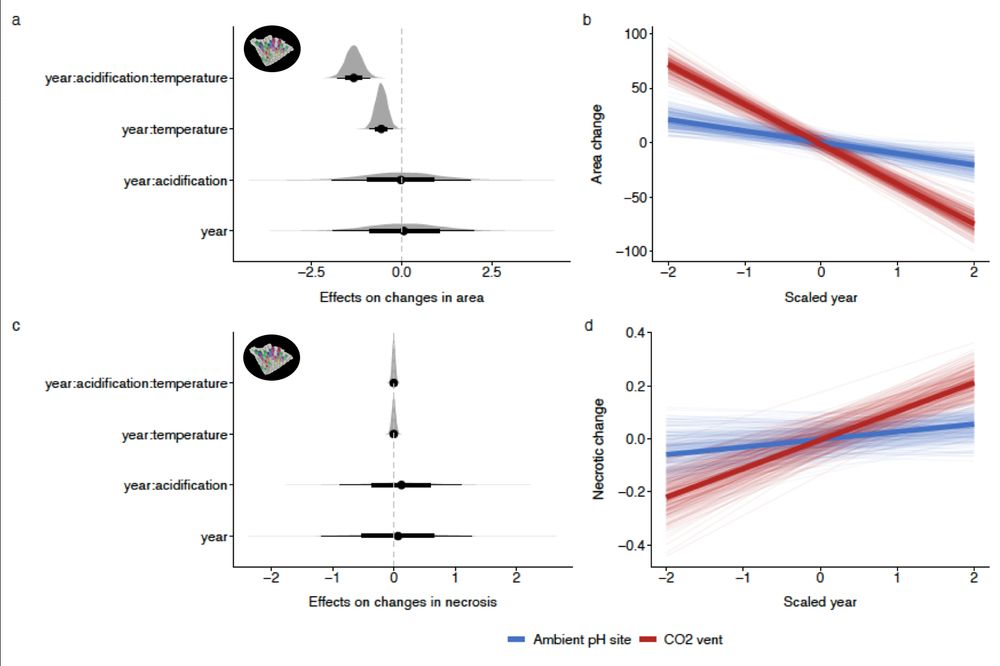
What about long-term effects?
We monitored Pentapora populations over 5 years:
📉 Bryozoan cover declined
☠️ Necrosis increased
🌡️ Warming & acidification together accelerated mortality
What about long-term effects?
We monitored Pentapora populations over 5 years:
📉 Bryozoan cover declined
☠️ Necrosis increased
🌡️ Warming & acidification together accelerated mortality
July 31, 2025 at 1:47 PM
7/
What about long-term effects?
We monitored Pentapora populations over 5 years:
📉 Bryozoan cover declined
☠️ Necrosis increased
🌡️ Warming & acidification together accelerated mortality
What about long-term effects?
We monitored Pentapora populations over 5 years:
📉 Bryozoan cover declined
☠️ Necrosis increased
🌡️ Warming & acidification together accelerated mortality
Reposted by del Campo Lab
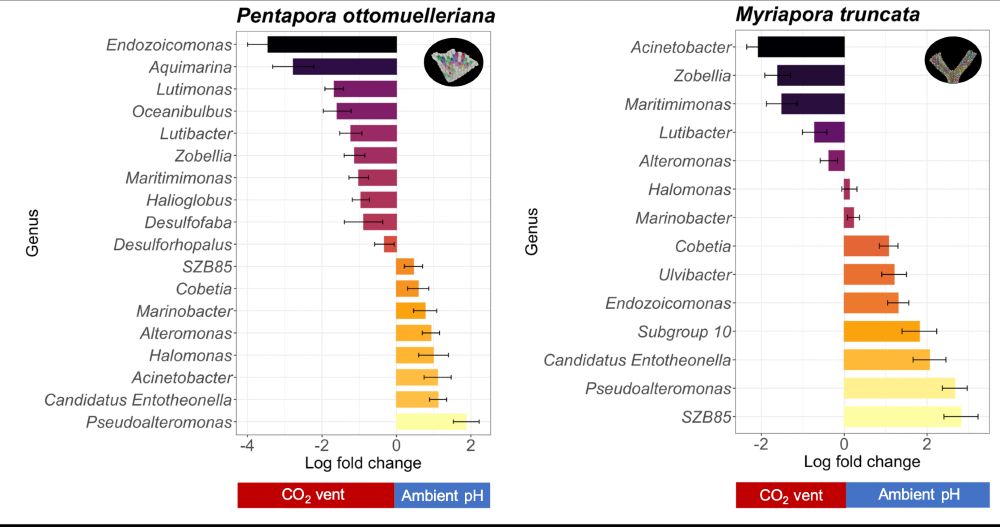
6/
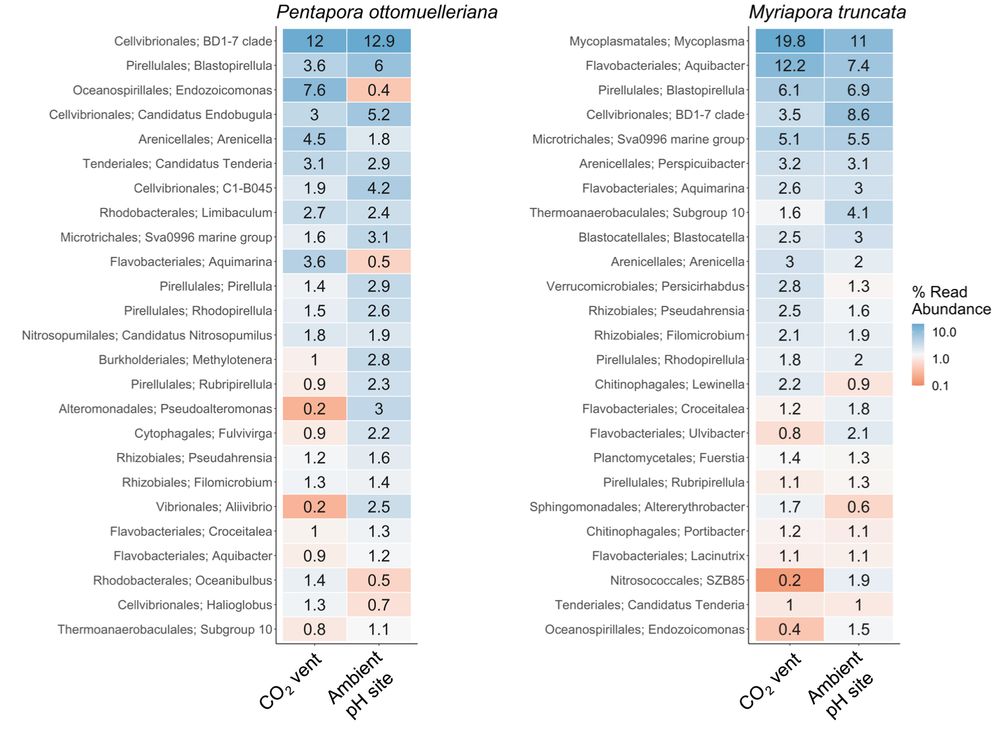
But not all are good news...
We also observed:
📉 Loss of key microbial genera
☠️Rise of opportunists & anaerobes
These microbial shifts may signal early dysbiosis — an early warning of declining host health.
But not all are good news...
We also observed:
📉 Loss of key microbial genera
☠️Rise of opportunists & anaerobes
These microbial shifts may signal early dysbiosis — an early warning of declining host health.
July 31, 2025 at 1:47 PM
6/
But not all are good news...
We also observed:
📉 Loss of key microbial genera
☠️Rise of opportunists & anaerobes
These microbial shifts may signal early dysbiosis — an early warning of declining host health.
But not all are good news...
We also observed:
📉 Loss of key microbial genera
☠️Rise of opportunists & anaerobes
These microbial shifts may signal early dysbiosis — an early warning of declining host health.
Reposted by del Campo Lab
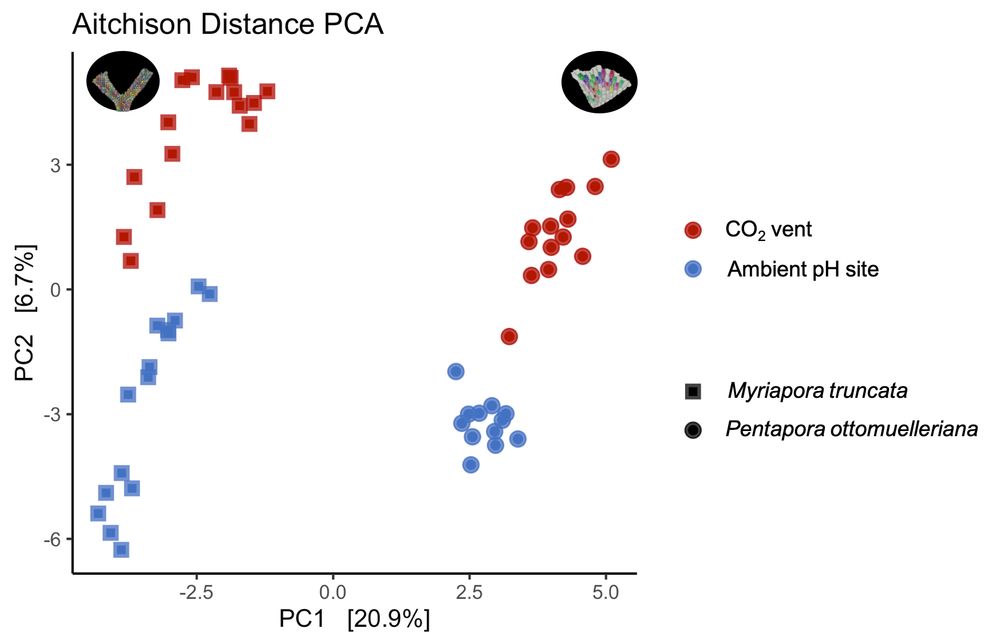
5/
🦠 Microbial communities:
We found species-specific core microbiomes, conserved across both pH conditions.
This stability suggests potential acclimatization capacity in both species despite environmental stress.
🦠 Microbial communities:
We found species-specific core microbiomes, conserved across both pH conditions.
This stability suggests potential acclimatization capacity in both species despite environmental stress.
July 31, 2025 at 1:47 PM
5/
🦠 Microbial communities:
We found species-specific core microbiomes, conserved across both pH conditions.
This stability suggests potential acclimatization capacity in both species despite environmental stress.
🦠 Microbial communities:
We found species-specific core microbiomes, conserved across both pH conditions.
This stability suggests potential acclimatization capacity in both species despite environmental stress.