



Christopher Wheat
@chriswheat.bsky.social
Ecological & Evolutionary Functional Genomics, mostly butterflies. Biology Professor, Stockholm University.
Reposted by Christopher Wheat

GBE welcomes Patrícia Beldade (@pbeldade.bsky.social; Universidade de Lisboa) as a new Associate Editor. She brings with her experience in evo-devo, the genetic basis of phenotypic variation, insect pigmentation, developmental plasticity, and evolutionary novelty.
#societyjournal
#societyjournal

February 10, 2026 at 3:36 PM
GBE welcomes Patrícia Beldade (@pbeldade.bsky.social; Universidade de Lisboa) as a new Associate Editor. She brings with her experience in evo-devo, the genetic basis of phenotypic variation, insect pigmentation, developmental plasticity, and evolutionary novelty.
#societyjournal
#societyjournal
Reposted by Christopher Wheat

New @ergabiodiv.bsky.social - @biogeneurope.bsky.social reference genomes have been made available! 🥳
Meet these mosquitoes: Culex laticinctus, Culex, modestus, Culex perexiguus and Culex theileri! 🦟🦟 🦟🦟
More information 👉 academic.oup.com/gbe/article/...
Meet these mosquitoes: Culex laticinctus, Culex, modestus, Culex perexiguus and Culex theileri! 🦟🦟 🦟🦟
More information 👉 academic.oup.com/gbe/article/...

February 10, 2026 at 12:51 PM
New @ergabiodiv.bsky.social - @biogeneurope.bsky.social reference genomes have been made available! 🥳
Meet these mosquitoes: Culex laticinctus, Culex, modestus, Culex perexiguus and Culex theileri! 🦟🦟 🦟🦟
More information 👉 academic.oup.com/gbe/article/...
Meet these mosquitoes: Culex laticinctus, Culex, modestus, Culex perexiguus and Culex theileri! 🦟🦟 🦟🦟
More information 👉 academic.oup.com/gbe/article/...
Reposted by Christopher Wheat
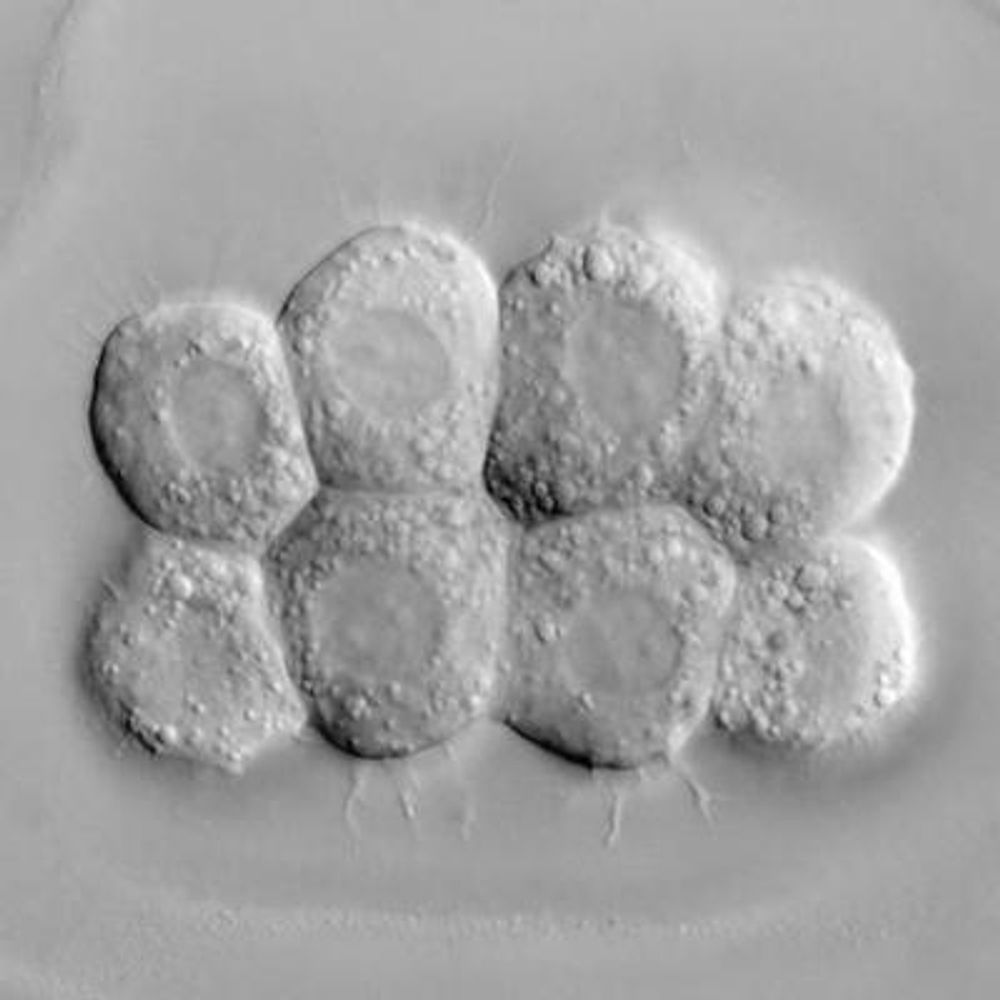
Eco-evo-devo advances on seasonal plasticity of butterfly eyespots https://pubmed.ncbi.nlm.nih.gov/41662921/ #EvoDevo
February 10, 2026 at 1:00 PM
Eco-evo-devo advances on seasonal plasticity of butterfly eyespots https://pubmed.ncbi.nlm.nih.gov/41662921/ #EvoDevo
Reposted by Christopher Wheat


Reposted by Christopher Wheat

📣 The 2nd #STSM call of #10kLepGenomes is complete!
Eight researchers have been awarded funding for short scientific missions to boost collaboration, training, and knowledge exchange across the network.
Congrats to the selected candidates and thanks to everyone who applied! 🦋
www.10klepgenomes.eu
Eight researchers have been awarded funding for short scientific missions to boost collaboration, training, and knowledge exchange across the network.
Congrats to the selected candidates and thanks to everyone who applied! 🦋
www.10klepgenomes.eu

10kLepGenomes | COST Action CA23122
The 10kLepGenomes COST Action aims to take advantage of the massive amount of data being produced by genome initiatives, in order to understand pressing issues of biodiversity loss, pest control, and ...
www.10klepgenomes.eu
February 4, 2026 at 9:48 AM
📣 The 2nd #STSM call of #10kLepGenomes is complete!
Eight researchers have been awarded funding for short scientific missions to boost collaboration, training, and knowledge exchange across the network.
Congrats to the selected candidates and thanks to everyone who applied! 🦋
www.10klepgenomes.eu
Eight researchers have been awarded funding for short scientific missions to boost collaboration, training, and knowledge exchange across the network.
Congrats to the selected candidates and thanks to everyone who applied! 🦋
www.10klepgenomes.eu
Reposted by Christopher Wheat

#biodiversity #bioinformatics Summer School announcement ... 21-26 June in Siegen, Germany co-organised by @sib.swiss & @denbi.bsky.social www.sib.swiss/training/cou...
🟢 eDNA & ecosystems
🟣 pangenome diversity
🔵 population genetics
🟡 comparative genomics
🟢 eDNA & ecosystems
🟣 pangenome diversity
🔵 population genetics
🟡 comparative genomics
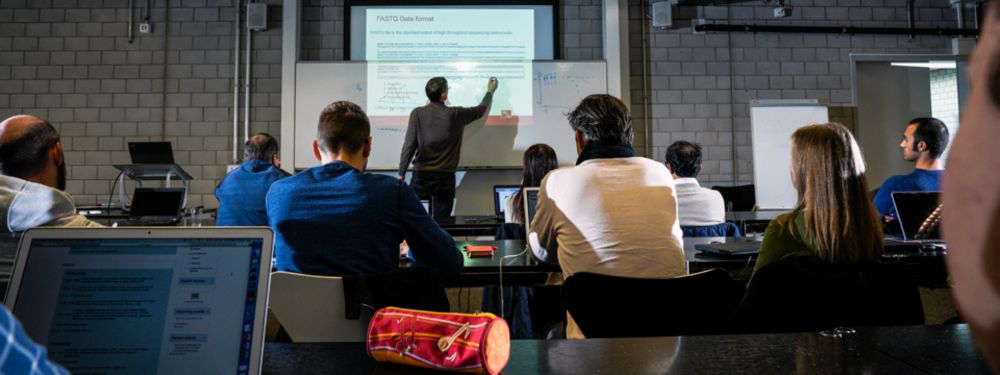
Biodiversity Bioinformatics Summer School
This School is co-organized by SIB/ELIXIR Switzerland and de.NBI/ELIXIR Germany
Overview
Biodiversity is fundamental to ecosystem functioning, yet it
www.sib.swiss
February 7, 2026 at 12:07 PM
#biodiversity #bioinformatics Summer School announcement ... 21-26 June in Siegen, Germany co-organised by @sib.swiss & @denbi.bsky.social www.sib.swiss/training/cou...
🟢 eDNA & ecosystems
🟣 pangenome diversity
🔵 population genetics
🟡 comparative genomics
🟢 eDNA & ecosystems
🟣 pangenome diversity
🔵 population genetics
🟡 comparative genomics
Reposted by Christopher Wheat

Take a look at this 👀!
⬇️⬇️⬇️
⬇️⬇️⬇️
📣 The 2nd #STSM call of #10kLepGenomes is complete!
Eight researchers have been awarded funding for short scientific missions to boost collaboration, training, and knowledge exchange across the network.
Congrats to the selected candidates and thanks to everyone who applied! 🦋
www.10klepgenomes.eu
Eight researchers have been awarded funding for short scientific missions to boost collaboration, training, and knowledge exchange across the network.
Congrats to the selected candidates and thanks to everyone who applied! 🦋
www.10klepgenomes.eu
10kLepGenomes | COST Action CA23122
The 10kLepGenomes COST Action aims to take advantage of the massive amount of data being produced by genome initiatives, in order to understand pressing issues of biodiversity loss, pest control, and ...
www.10klepgenomes.eu
February 5, 2026 at 2:09 PM
Take a look at this 👀!
⬇️⬇️⬇️
⬇️⬇️⬇️
Reposted by Christopher Wheat
🚨 JOB ALERT 🚨
2-year postdoc in canine behaviour at Linköping University, Sweden.
#AcademicSky #ScienceJobs
liu.se/en/work-at-l...
2-year postdoc in canine behaviour at Linköping University, Sweden.
#AcademicSky #ScienceJobs
liu.se/en/work-at-l...
February 7, 2026 at 8:51 AM
🚨 JOB ALERT 🚨
2-year postdoc in canine behaviour at Linköping University, Sweden.
#AcademicSky #ScienceJobs
liu.se/en/work-at-l...
2-year postdoc in canine behaviour at Linköping University, Sweden.
#AcademicSky #ScienceJobs
liu.se/en/work-at-l...
Reposted by Christopher Wheat

Started poking around with the paper-2-web Claude skill. Uploaded a PDF of one of my recent papers. "Make it a website". 5 minutes later: genome-engineering-biodiversity.netlify.app


February 6, 2026 at 5:01 PM
Started poking around with the paper-2-web Claude skill. Uploaded a PDF of one of my recent papers. "Make it a website". 5 minutes later: genome-engineering-biodiversity.netlify.app
Simply excellent, VERY timely

Sir Ian McKellen performing a monologue from Shakespeare’s Sir Thomas More on the Stephen Colbert show. Never have I heard this monologue performed with such a keen sense of prescience. Nor have I ever been in this exact historical moment.TY Sir Ian, for reaching us once again.
#Pinks #ProudBlue
#Pinks #ProudBlue
February 5, 2026 at 4:59 PM
Simply excellent, VERY timely
Reposted by Christopher Wheat

Special Feature: Archambeau et al. reveal substantial variability in genomic offset predictions across methods and SNP sets in maritime pine, highlighting the need for further validation of genomic offset models.
Read now ahead of print!
www.journals.uchicago.edu/doi/10.1086/...
Read now ahead of print!
www.journals.uchicago.edu/doi/10.1086/...

February 5, 2026 at 4:51 PM
Special Feature: Archambeau et al. reveal substantial variability in genomic offset predictions across methods and SNP sets in maritime pine, highlighting the need for further validation of genomic offset models.
Read now ahead of print!
www.journals.uchicago.edu/doi/10.1086/...
Read now ahead of print!
www.journals.uchicago.edu/doi/10.1086/...
Reposted by Christopher Wheat
Blog post on the new OpenAI Codex app doi.org/10.59350/b6e... #Rstats

OpenAI Codex App
Vibe-updating my old qqman R package to ggplot2 with plan+execute.
doi.org
February 4, 2026 at 10:01 PM
Blog post on the new OpenAI Codex app doi.org/10.59350/b6e... #Rstats
Good lord. Look, if you’re not interrogating, validating, and triangulating your LLM results, to ensure they are accurate and insightful, you’re just lazy, irresponsible, and part of the coming wave of crap … good LLM accelerated science doesn’t look like this mindless fluff ..

If you haven't done yet, please try Claude Coworker just to get an idea about its capabilities.
It took 2 minutes for it to read our paper, provide perfectly running R-code to justify a case selection across 14 countries using Vdem. Produced a 10 pager underlining our case selection.
It took 2 minutes for it to read our paper, provide perfectly running R-code to justify a case selection across 14 countries using Vdem. Produced a 10 pager underlining our case selection.
February 3, 2026 at 7:03 AM
Good lord. Look, if you’re not interrogating, validating, and triangulating your LLM results, to ensure they are accurate and insightful, you’re just lazy, irresponsible, and part of the coming wave of crap … good LLM accelerated science doesn’t look like this mindless fluff ..
Reposted by Christopher Wheat
AI-assisted coding isn’t a special category anymore. We just call that "coding." You specify, steer, test, refactor. The tools changed, the job didn’t. Vision and judgment are still the work. antirez.com/news/159

January 31, 2026 at 11:26 AM
AI-assisted coding isn’t a special category anymore. We just call that "coding." You specify, steer, test, refactor. The tools changed, the job didn’t. Vision and judgment are still the work. antirez.com/news/159
Reposted by Christopher Wheat
Text-mining applied to #taxonomy & #biodiversity literature greatly facilitate data synthesis & reviews, identification of #knowledge gaps & biases, plus data-informed investigation of #ecological & #evolutionary trends bdj.pensoft.net/article/1530... @plazi-species.bsky.social @sib.swiss #SIBiLS
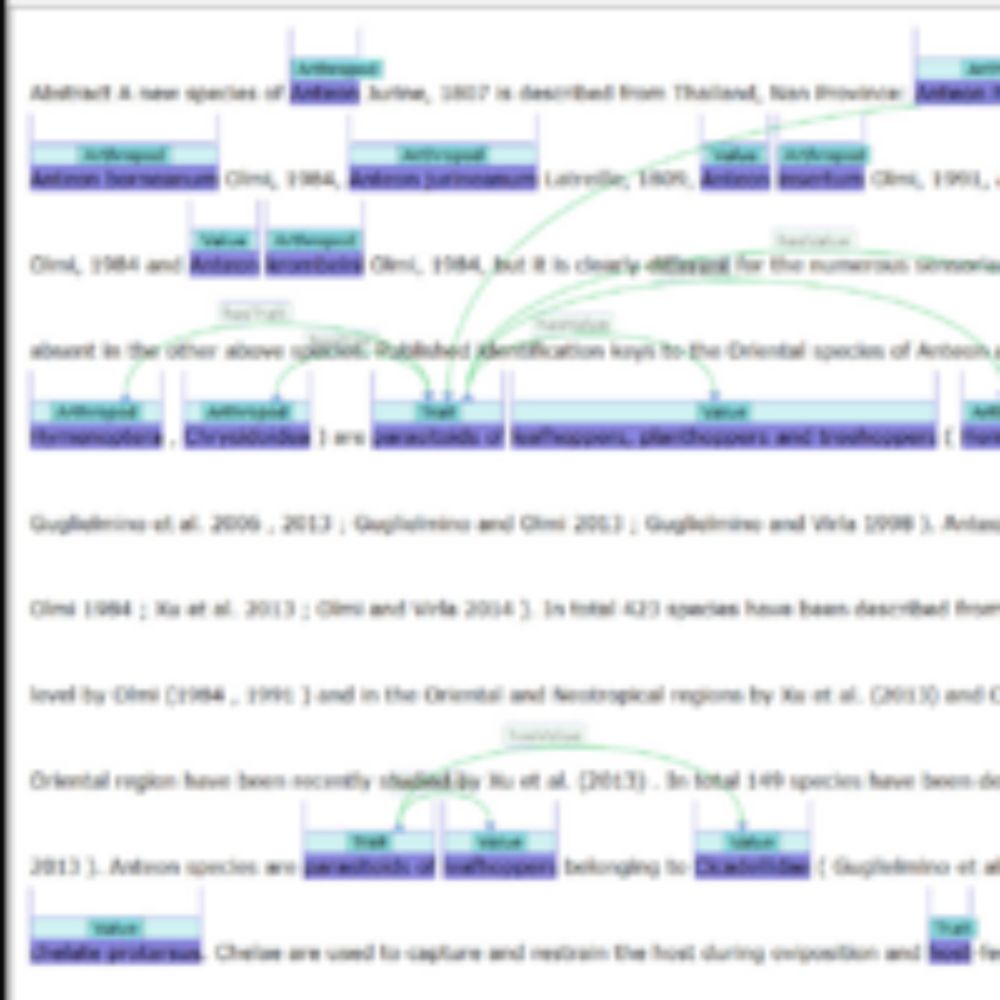
From literature to biodiversity data: mining arthropod organismal traits with machine learning
The fields of taxonomy and biodiversity research have witnessed an exponential growth in published literature. This vast corpus of articles holds information on the diverse biological traits of organi...
bdj.pensoft.net
January 31, 2026 at 12:35 PM
Text-mining applied to #taxonomy & #biodiversity literature greatly facilitate data synthesis & reviews, identification of #knowledge gaps & biases, plus data-informed investigation of #ecological & #evolutionary trends bdj.pensoft.net/article/1530... @plazi-species.bsky.social @sib.swiss #SIBiLS
Reposted by Christopher Wheat
Academia is just a job rdcu.be/e1DWH. I've been in academia, industry, & back again. Laurel's essay lands with me: boundaries, sane hours, and less martyrdom can actually improve creativity and science. I’m not 100% sold though, for many it’s also identity and mission.

January 31, 2026 at 5:00 PM
Academia is just a job rdcu.be/e1DWH. I've been in academia, industry, & back again. Laurel's essay lands with me: boundaries, sane hours, and less martyrdom can actually improve creativity and science. I’m not 100% sold though, for many it’s also identity and mission.
Reposted by Christopher Wheat
Special Feature: A new special issue explores genomic forecasting, a promising, but developing tool for conservation. The verdict: it's a useful approach, but its reliability often depends on the context.
Read now ahead of print!
www.journals.uchicago.edu/doi/10.1086/...
Read now ahead of print!
www.journals.uchicago.edu/doi/10.1086/...
January 30, 2026 at 8:34 PM
Special Feature: A new special issue explores genomic forecasting, a promising, but developing tool for conservation. The verdict: it's a useful approach, but its reliability often depends on the context.
Read now ahead of print!
www.journals.uchicago.edu/doi/10.1086/...
Read now ahead of print!
www.journals.uchicago.edu/doi/10.1086/...
Reposted by Christopher Wheat
How AI assistance impacts the formation of coding skills www.anthropic.com/research/AI-...


January 31, 2026 at 10:01 AM
How AI assistance impacts the formation of coding skills www.anthropic.com/research/AI-...
Reposted by Christopher Wheat
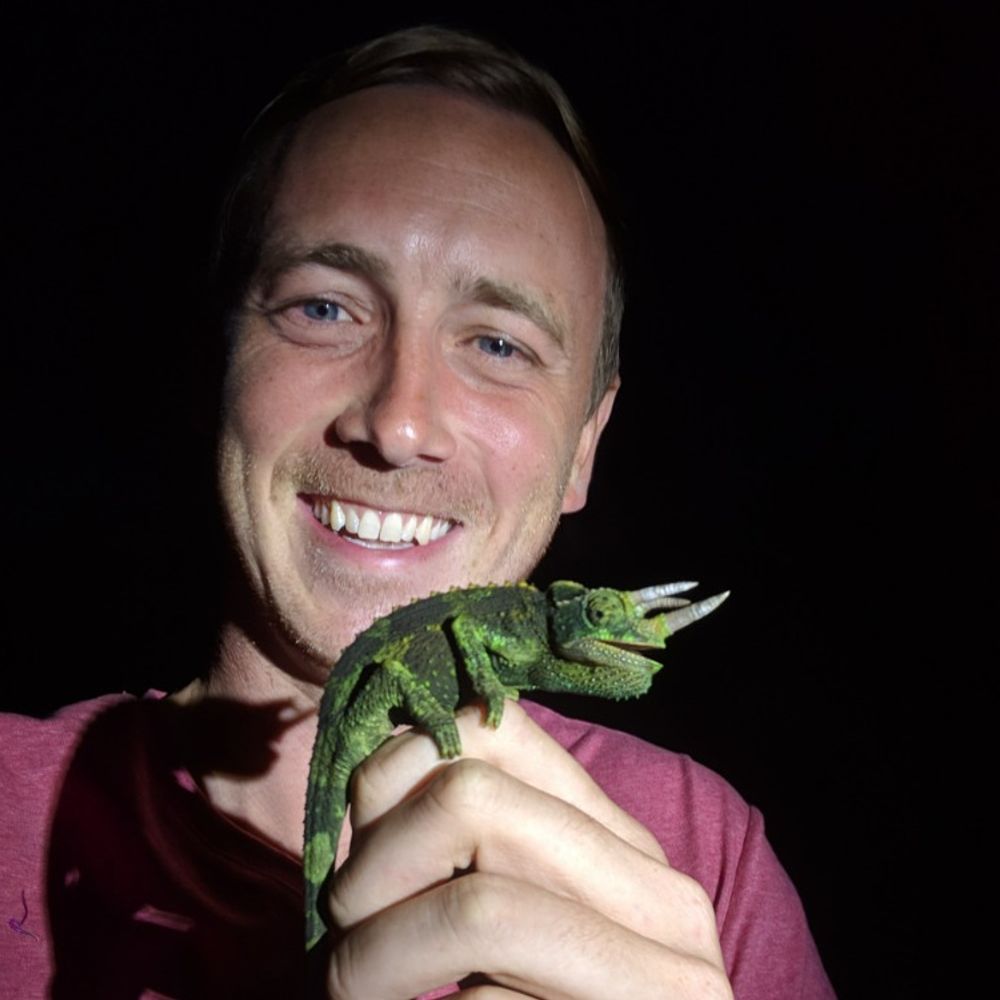
35F / <2C forecast for Miami this weekend...it's falling iguana time!
ATL -> MIA
🛫 here we come 🛫
🦎🦎🦎
ATL -> MIA
🛫 here we come 🛫
🦎🦎🦎

January 30, 2026 at 3:16 PM
35F / <2C forecast for Miami this weekend...it's falling iguana time!
ATL -> MIA
🛫 here we come 🛫
🦎🦎🦎
ATL -> MIA
🛫 here we come 🛫
🦎🦎🦎
Reposted by Christopher Wheat
Pseudotime graph diffusion for post hoc visualization of inferred single-cell trajectories www.biorxiv.org/content/10.6... 🧬💻🧪


January 31, 2026 at 10:31 AM
Pseudotime graph diffusion for post hoc visualization of inferred single-cell trajectories www.biorxiv.org/content/10.6... 🧬💻🧪
Reposted by Christopher Wheat

❓ Do you want to level up your #SDM skills?
Learn Bayesian Additive Regression Trees (BART) for SDMs in R. A hands-on course with @jbyoder.org on predictor selection, model training, interpretation & spatial projections using embarcadero and dbarts 🚀
www.physalia-courses.org/courses-work...
#Rstats
Learn Bayesian Additive Regression Trees (BART) for SDMs in R. A hands-on course with @jbyoder.org on predictor selection, model training, interpretation & spatial projections using embarcadero and dbarts 🚀
www.physalia-courses.org/courses-work...
#Rstats

Species distribution modeling with Bayesian additive regression tree (BART) methods
Dates 1-3 July 2026
www.physalia-courses.org
January 27, 2026 at 1:29 PM
❓ Do you want to level up your #SDM skills?
Learn Bayesian Additive Regression Trees (BART) for SDMs in R. A hands-on course with @jbyoder.org on predictor selection, model training, interpretation & spatial projections using embarcadero and dbarts 🚀
www.physalia-courses.org/courses-work...
#Rstats
Learn Bayesian Additive Regression Trees (BART) for SDMs in R. A hands-on course with @jbyoder.org on predictor selection, model training, interpretation & spatial projections using embarcadero and dbarts 🚀
www.physalia-courses.org/courses-work...
#Rstats
“His concealed weapon is found only after he is restrained on the sidewalk, the videos show, and taken from him before the agents opened fire.” Live Updates: Federal Agents Shoot and Kill a Person in Minneapolis, Officials Say www.nytimes.com/live/2026/01...

Minneapolis Live Updates: Videos Appear to Contradict Federal Account of Killing
www.nytimes.com
January 24, 2026 at 10:59 PM
“His concealed weapon is found only after he is restrained on the sidewalk, the videos show, and taken from him before the agents opened fire.” Live Updates: Federal Agents Shoot and Kill a Person in Minneapolis, Officials Say www.nytimes.com/live/2026/01...
Reposted by Christopher Wheat

Morning lecture by Maliheh Mehrshad (@mehrshmali.bsky.social) on metagenomics and metatranscriptomics! 🧪🧬🦠 #evomics2026

January 24, 2026 at 10:12 AM
Morning lecture by Maliheh Mehrshad (@mehrshmali.bsky.social) on metagenomics and metatranscriptomics! 🧪🧬🦠 #evomics2026
Reposted by Christopher Wheat
We ended the day on Wednesday with a computer lab session on gene expression analyses with Rachel Steward 💻📊 #evomics2026

January 24, 2026 at 10:09 AM
We ended the day on Wednesday with a computer lab session on gene expression analyses with Rachel Steward 💻📊 #evomics2026
Reposted by Christopher Wheat
Rosa Fernández (@rosafernandez.bsky.social) introducing the field of Phylogenomics to our participants 🙌🏽🧬🌳💻 #evomics2026

January 24, 2026 at 10:15 AM
Rosa Fernández (@rosafernandez.bsky.social) introducing the field of Phylogenomics to our participants 🙌🏽🧬🌳💻 #evomics2026