




Lin, Chia-Wei
@chiaweilin.bsky.social
Assistante diplômée & doctorante @Université de Lausanne. Historical linguistics, language contact, indigenous grammatical traditions, Christian and Buddhist translations on the Silk Road. Working on Barlaam&Josaphat.
https://unil.academia.edu/chiaweilin
https://unil.academia.edu/chiaweilin
Reposted by Lin, Chia-Wei

In our new blog post, James Morris (Waseda University) shares a follow-up to his experiment using DuckDuckGo instead of Google for research purposes. James highlights several advantages of using DuckDuckGo: AI-free research, easy country-switching, fewer advertisement
Linke below⬇️
Linke below⬇️

February 10, 2026 at 3:23 PM
In our new blog post, James Morris (Waseda University) shares a follow-up to his experiment using DuckDuckGo instead of Google for research purposes. James highlights several advantages of using DuckDuckGo: AI-free research, easy country-switching, fewer advertisement
Linke below⬇️
Linke below⬇️
Reposted by Lin, Chia-Wei
Over the years, Miyagawa So (University of Tsukuba), one of DO’s most prolific contributors, has written extensively on digital initiatives related to various ancient African languages and scripts, including Demotic, Egyptian Hieratic, Coptic, and Nubian.
Read more on our blog ⬇️
Read more on our blog ⬇️


February 9, 2026 at 12:29 PM
Over the years, Miyagawa So (University of Tsukuba), one of DO’s most prolific contributors, has written extensively on digital initiatives related to various ancient African languages and scripts, including Demotic, Egyptian Hieratic, Coptic, and Nubian.
Read more on our blog ⬇️
Read more on our blog ⬇️
Reposted by Lin, Chia-Wei
Check out our newsletter for February 2026 !
us14.campaign-archive.com?u=cd5d1b663f...
In addition to our regular blog posts, this issue features the proceedings of the DO’s 2025 conference, “AI and the Digital Humanities.”
Announcements for upcoming #digitalhumanities
events ⬇️
us14.campaign-archive.com?u=cd5d1b663f...
In addition to our regular blog posts, this issue features the proceedings of the DO’s 2025 conference, “AI and the Digital Humanities.”
Announcements for upcoming #digitalhumanities
events ⬇️

February 8, 2026 at 4:56 PM
Check out our newsletter for February 2026 !
us14.campaign-archive.com?u=cd5d1b663f...
In addition to our regular blog posts, this issue features the proceedings of the DO’s 2025 conference, “AI and the Digital Humanities.”
Announcements for upcoming #digitalhumanities
events ⬇️
us14.campaign-archive.com?u=cd5d1b663f...
In addition to our regular blog posts, this issue features the proceedings of the DO’s 2025 conference, “AI and the Digital Humanities.”
Announcements for upcoming #digitalhumanities
events ⬇️
Reposted by Lin, Chia-Wei
In our new blog post, Brian Tsz Ho Wong showcases how to use the 帝国議会会議録検索システム (Database System for the Minutes of the Imperial Diet) to study modern East Asian history based on his recent article in the Financial History Review.
Read more on our blog:
🔗 digitalorientalist.com/2026/02/06/p...
Read more on our blog:
🔗 digitalorientalist.com/2026/02/06/p...

February 6, 2026 at 7:17 PM
In our new blog post, Brian Tsz Ho Wong showcases how to use the 帝国議会会議録検索システム (Database System for the Minutes of the Imperial Diet) to study modern East Asian history based on his recent article in the Financial History Review.
Read more on our blog:
🔗 digitalorientalist.com/2026/02/06/p...
Read more on our blog:
🔗 digitalorientalist.com/2026/02/06/p...
Reposted by Lin, Chia-Wei
Over the years, @rohanchn.bsky.social (University of Delhi & @visithmml.bsky.social ) has written a series of technical tutorials guiding us through OCR/HTR tasks: using eScriptorium and Kraken for transcribing Indic scripts, and Aksharamukha for transliterating across 120+ scripts.
Links below⬇️
Links below⬇️


February 5, 2026 at 10:06 AM
Over the years, @rohanchn.bsky.social (University of Delhi & @visithmml.bsky.social ) has written a series of technical tutorials guiding us through OCR/HTR tasks: using eScriptorium and Kraken for transcribing Indic scripts, and Aksharamukha for transliterating across 120+ scripts.
Links below⬇️
Links below⬇️
Reposted by Lin, Chia-Wei

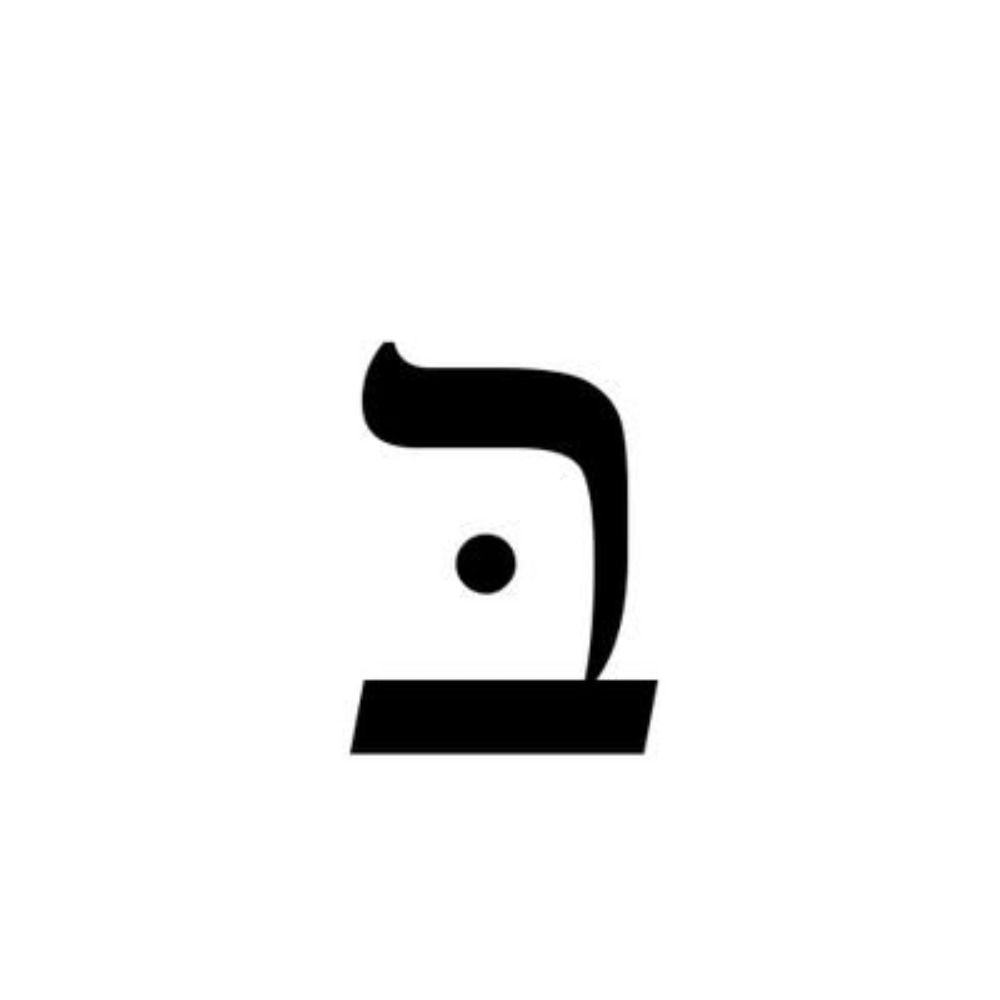
Read Nabataean!
Uploaded:
February 4, 2026 at 11:36 AM
Read Nabataean!
Reposted by Lin, Chia-Wei
In our new blog post, Adrien de Jarmy ( @unistra.fr ) and Clarck Junior Membourou Moimecheme ( @sorbonnenouvelle.bsky.social ) introduce the BADR Project “Writing and Memory of the Battle of Badr (7th–21st c.)”, which uses TEI-XML, relational database, and quantitative visualization tools.
Link⬇️
Link⬇️

February 3, 2026 at 5:30 PM
In our new blog post, Adrien de Jarmy ( @unistra.fr ) and Clarck Junior Membourou Moimecheme ( @sorbonnenouvelle.bsky.social ) introduce the BADR Project “Writing and Memory of the Battle of Badr (7th–21st c.)”, which uses TEI-XML, relational database, and quantitative visualization tools.
Link⬇️
Link⬇️
Reposted by Lin, Chia-Wei
📢 Call for Participation: Transcribathon on Ottoman Arabic Court Registers
Our contributor Ilyes Mechentel (@unibe.ch) is organizing a transcribathon dedicated to Arabic sources. If you are interested, please contact mohamed.mechentel@unibe.ch !
📅 20 Feb 2026
🏛️ University Bern & Online
Link below⬇️
Our contributor Ilyes Mechentel (@unibe.ch) is organizing a transcribathon dedicated to Arabic sources. If you are interested, please contact mohamed.mechentel@unibe.ch !
📅 20 Feb 2026
🏛️ University Bern & Online
Link below⬇️

February 3, 2026 at 5:51 PM
📢 Call for Participation: Transcribathon on Ottoman Arabic Court Registers
Our contributor Ilyes Mechentel (@unibe.ch) is organizing a transcribathon dedicated to Arabic sources. If you are interested, please contact mohamed.mechentel@unibe.ch !
📅 20 Feb 2026
🏛️ University Bern & Online
Link below⬇️
Our contributor Ilyes Mechentel (@unibe.ch) is organizing a transcribathon dedicated to Arabic sources. If you are interested, please contact mohamed.mechentel@unibe.ch !
📅 20 Feb 2026
🏛️ University Bern & Online
Link below⬇️
Reposted by Lin, Chia-Wei
Over the years, Helen Giunaishvili (Ilia State University) has written four posts on the digitization of Georgian and Persian manuscripts preserved at Georgia’s Korneli Kekelidze Georgian National Centre of Manuscripts.
Read more on our blog ⬇️
Read more on our blog ⬇️


February 2, 2026 at 1:51 PM
Over the years, Helen Giunaishvili (Ilia State University) has written four posts on the digitization of Georgian and Persian manuscripts preserved at Georgia’s Korneli Kekelidze Georgian National Centre of Manuscripts.
Read more on our blog ⬇️
Read more on our blog ⬇️
Reposted by Lin, Chia-Wei
Our latest blog post by Adrian Plau presents the digitization project of Sinhala and Pali manuscripts at the Wellcome Collection. The project uses TEI for cataloguing and aims to be the Sri Lankan equivalent of Fihrist for Islamicate manuscripts and SAMHiTA for South Asian manuscripts.
Link below⬇️
Link below⬇️

January 30, 2026 at 2:54 PM
Our latest blog post by Adrian Plau presents the digitization project of Sinhala and Pali manuscripts at the Wellcome Collection. The project uses TEI for cataloguing and aims to be the Sri Lankan equivalent of Fihrist for Islamicate manuscripts and SAMHiTA for South Asian manuscripts.
Link below⬇️
Link below⬇️
Reposted by Lin, Chia-Wei
Advanced #HTR for #Arabic significantly enhances Arabic #codicology. By automating the transcription of diverse scripts it allows us to analyze material features and scribal habits. Also, greater digital legibility means deeper insights into the physical and intellectual history of #manuscript.🔎
January 29, 2026 at 5:12 PM
Advanced #HTR for #Arabic significantly enhances Arabic #codicology. By automating the transcription of diverse scripts it allows us to analyze material features and scribal habits. Also, greater digital legibility means deeper insights into the physical and intellectual history of #manuscript.🔎
Reposted by Lin, Chia-Wei
For #TBT this week, we’re revisiting Ilyes Mechentel’s (@unibe.ch ) two-part posts on the research history of Handwritten Text Recognition for Arabic texts in France. The posts survey past and ongoing research projects, including Callfront, Kraken, CALFA, and other research initiatives.
Link below⬇️
Link below⬇️

January 29, 2026 at 2:21 PM
Reposted by Lin, Chia-Wei
In our new post, @transcrireada.bsky.social introduces the work of the Langarchiv project at IMAF Paris, which trains graduate students to write Wikipedia articles on African intellectuals and historical sources, addressing the encyclopedia's uneven representation of African history.
Link below ⬇️
Link below ⬇️

January 27, 2026 at 3:18 PM
In our new post, @transcrireada.bsky.social introduces the work of the Langarchiv project at IMAF Paris, which trains graduate students to write Wikipedia articles on African intellectuals and historical sources, addressing the encyclopedia's uneven representation of African history.
Link below ⬇️
Link below ⬇️
Reposted by Lin, Chia-Wei
Old Uyghur word of the day
/yumgak/
"lump, chunk, ball, piece"
as in *U 9175 (T II B 29) [lost; images in Müller, Uigurica, 1908]
/bir yumgak tašıg/
"a chunk of stone"
/yumgak/
"lump, chunk, ball, piece"
as in *U 9175 (T II B 29) [lost; images in Müller, Uigurica, 1908]
/bir yumgak tašıg/
"a chunk of stone"

January 23, 2026 at 12:30 PM
Old Uyghur word of the day
/yumgak/
"lump, chunk, ball, piece"
as in *U 9175 (T II B 29) [lost; images in Müller, Uigurica, 1908]
/bir yumgak tašıg/
"a chunk of stone"
/yumgak/
"lump, chunk, ball, piece"
as in *U 9175 (T II B 29) [lost; images in Müller, Uigurica, 1908]
/bir yumgak tašıg/
"a chunk of stone"
Reposted by Lin, Chia-Wei
In our latest blog post, Moeka Kiyohara (University of East Anglia) discusses the relationship between gender-specific speech styles (女ことば and 男ことば) in Japanese and English-to-Japanese machine translation.
Read more on our blog:
🔗 digitalorientalist.com/2026/01/23/s...
Read more on our blog:
🔗 digitalorientalist.com/2026/01/23/s...

January 23, 2026 at 3:09 PM
In our latest blog post, Moeka Kiyohara (University of East Anglia) discusses the relationship between gender-specific speech styles (女ことば and 男ことば) in Japanese and English-to-Japanese machine translation.
Read more on our blog:
🔗 digitalorientalist.com/2026/01/23/s...
Read more on our blog:
🔗 digitalorientalist.com/2026/01/23/s...
Reposted by Lin, Chia-Wei
Old Georgian word of the day
წუერი
"beard, tip, summit" (cf. ծայր?)
as in Cave of Treasures (ed. Kourcikidzé), 2.14
გამოვიდოდა, ვითარცა მზის წუერი, სინათლე თუალთაგან მისთა და, ვითარცა ალი ცეცხლისა, ზარი
“Light, like the sun’s reach, and terror, like a fire’s flame, were radiating from his eyes.”
წუერი
"beard, tip, summit" (cf. ծայր?)
as in Cave of Treasures (ed. Kourcikidzé), 2.14
გამოვიდოდა, ვითარცა მზის წუერი, სინათლე თუალთაგან მისთა და, ვითარცა ალი ცეცხლისა, ზარი
“Light, like the sun’s reach, and terror, like a fire’s flame, were radiating from his eyes.”
January 22, 2026 at 11:38 AM
Old Georgian word of the day
წუერი
"beard, tip, summit" (cf. ծայր?)
as in Cave of Treasures (ed. Kourcikidzé), 2.14
გამოვიდოდა, ვითარცა მზის წუერი, სინათლე თუალთაგან მისთა და, ვითარცა ალი ცეცხლისა, ზარი
“Light, like the sun’s reach, and terror, like a fire’s flame, were radiating from his eyes.”
წუერი
"beard, tip, summit" (cf. ծայր?)
as in Cave of Treasures (ed. Kourcikidzé), 2.14
გამოვიდოდა, ვითარცა მზის წუერი, სინათლე თუალთაგან მისთა და, ვითარცა ალი ცეცხლისა, ზარი
“Light, like the sun’s reach, and terror, like a fire’s flame, were radiating from his eyes.”
Reposted by Lin, Chia-Wei
Our latest blog post by Enes Yılandiloğlu presents a computational pipeline for Ottoman Turkish spatial data. From extracting place names with NER to mapping toponyms, Enes highlights hurdles like the absence of punctuation and the complexities of geographic disambiguation.
Link below⬇️
Link below⬇️

January 20, 2026 at 3:56 PM
Our latest blog post by Enes Yılandiloğlu presents a computational pipeline for Ottoman Turkish spatial data. From extracting place names with NER to mapping toponyms, Enes highlights hurdles like the absence of punctuation and the complexities of geographic disambiguation.
Link below⬇️
Link below⬇️
Reposted by Lin, Chia-Wei
#OnThisDay
On 2024 Jan 19, Maddalena Poli @madpoli.bsky.social shared with us several new online resources and databases for the study of ancient Chinese manuscripts, including 戰國竹簡全文資料庫, 中國古代簡帛字形辭例數據庫 , 開放古文字字型庫, and 漢語多功能字型庫.
Read more:
🔗 digitalorientalist.com/2024/01/19/o...
On 2024 Jan 19, Maddalena Poli @madpoli.bsky.social shared with us several new online resources and databases for the study of ancient Chinese manuscripts, including 戰國竹簡全文資料庫, 中國古代簡帛字形辭例數據庫 , 開放古文字字型庫, and 漢語多功能字型庫.
Read more:
🔗 digitalorientalist.com/2024/01/19/o...

January 19, 2026 at 12:04 PM
#OnThisDay
On 2024 Jan 19, Maddalena Poli @madpoli.bsky.social shared with us several new online resources and databases for the study of ancient Chinese manuscripts, including 戰國竹簡全文資料庫, 中國古代簡帛字形辭例數據庫 , 開放古文字字型庫, and 漢語多功能字型庫.
Read more:
🔗 digitalorientalist.com/2024/01/19/o...
On 2024 Jan 19, Maddalena Poli @madpoli.bsky.social shared with us several new online resources and databases for the study of ancient Chinese manuscripts, including 戰國竹簡全文資料庫, 中國古代簡帛字形辭例數據庫 , 開放古文字字型庫, and 漢語多功能字型庫.
Read more:
🔗 digitalorientalist.com/2024/01/19/o...
www.youtube.com/watch?v=tOqM...
If you are interested in Austronesian languages in Taiwan, this is a fascinating TV show to watch!
If you are interested in Austronesian languages in Taiwan, this is a fascinating TV show to watch!

🔥【南島語言起源-台灣的語言特徵】南島起源的關鍵語言證據|ZALAN見識南島_S9|EP04|主持:劉益昌、貝若桑•甦給那笛米|分享人:李壬癸、Pasang Teru呂仲安
YouTube video by 原視 TITV+
www.youtube.com
January 19, 2026 at 11:46 AM
www.youtube.com/watch?v=tOqM...
If you are interested in Austronesian languages in Taiwan, this is a fascinating TV show to watch!
If you are interested in Austronesian languages in Taiwan, this is a fascinating TV show to watch!
Reposted by Lin, Chia-Wei
#onthisday
Following up Zach Butler's new post for us yesterday, a year ago, in his post on January 14th 2025, Zach introduced to us Apatosaurus, a tool created by David Flood (Harvard) for creating, editing, visualizing, and analyzing digital apparatus.
🔗 digitalorientalist.com/2025/01/14/a...
Following up Zach Butler's new post for us yesterday, a year ago, in his post on January 14th 2025, Zach introduced to us Apatosaurus, a tool created by David Flood (Harvard) for creating, editing, visualizing, and analyzing digital apparatus.
🔗 digitalorientalist.com/2025/01/14/a...

January 14, 2026 at 1:31 PM
#onthisday
Following up Zach Butler's new post for us yesterday, a year ago, in his post on January 14th 2025, Zach introduced to us Apatosaurus, a tool created by David Flood (Harvard) for creating, editing, visualizing, and analyzing digital apparatus.
🔗 digitalorientalist.com/2025/01/14/a...
Following up Zach Butler's new post for us yesterday, a year ago, in his post on January 14th 2025, Zach introduced to us Apatosaurus, a tool created by David Flood (Harvard) for creating, editing, visualizing, and analyzing digital apparatus.
🔗 digitalorientalist.com/2025/01/14/a...
docs.google.com/forms/d/e/1F...
For anyone interested in learning Austronesian languages spoken in Taiwan, all courses are offered online :)
For anyone interested in learning Austronesian languages spoken in Taiwan, all courses are offered online :)

January 14, 2026 at 11:53 AM
docs.google.com/forms/d/e/1F...
For anyone interested in learning Austronesian languages spoken in Taiwan, all courses are offered online :)
For anyone interested in learning Austronesian languages spoken in Taiwan, all courses are offered online :)
Reposted by Lin, Chia-Wei
In our latest blog post, Zach Butler guides us through Marimo, a tool similar to Jupyter Notebooks and Google Colab, but one that can be saved and executed directly as Python files!
Find out more on our website:
🔗 digitalorientalist.com/2026/01/13/m...
#digitalhumanities #python
Find out more on our website:
🔗 digitalorientalist.com/2026/01/13/m...
#digitalhumanities #python

January 13, 2026 at 3:53 PM
In our latest blog post, Zach Butler guides us through Marimo, a tool similar to Jupyter Notebooks and Google Colab, but one that can be saved and executed directly as Python files!
Find out more on our website:
🔗 digitalorientalist.com/2026/01/13/m...
#digitalhumanities #python
Find out more on our website:
🔗 digitalorientalist.com/2026/01/13/m...
#digitalhumanities #python
Reposted by Lin, Chia-Wei
In today’s post, Raúl Cervera Álvarez (Universitat de Barcelona) introduces the REDIF Database, an ongoing project that allows users to learn about and research different agents of the Hispanic Monarchy across the globe.
🔗 www.ub.edu/redif/
🔗 digitalorientalist.com/2026/01/09/t...
🔗 www.ub.edu/redif/
🔗 digitalorientalist.com/2026/01/09/t...

January 9, 2026 at 4:23 PM
In today’s post, Raúl Cervera Álvarez (Universitat de Barcelona) introduces the REDIF Database, an ongoing project that allows users to learn about and research different agents of the Hispanic Monarchy across the globe.
🔗 www.ub.edu/redif/
🔗 digitalorientalist.com/2026/01/09/t...
🔗 www.ub.edu/redif/
🔗 digitalorientalist.com/2026/01/09/t...
Reposted by Lin, Chia-Wei
Old Turkic word of the day
/kapan/
"basin, bowl, plate, tray" (cf. 盆 pén)
as in the Magi text, p2, ll. 4-5 (image from Müller, ms now lost)
/bir kapan-da urup kigürdi-lär/
"they set (the gifts) on a tray and brought them in"
/kapan/
"basin, bowl, plate, tray" (cf. 盆 pén)
as in the Magi text, p2, ll. 4-5 (image from Müller, ms now lost)
/bir kapan-da urup kigürdi-lär/
"they set (the gifts) on a tray and brought them in"

January 6, 2026 at 6:05 PM
Old Turkic word of the day
/kapan/
"basin, bowl, plate, tray" (cf. 盆 pén)
as in the Magi text, p2, ll. 4-5 (image from Müller, ms now lost)
/bir kapan-da urup kigürdi-lär/
"they set (the gifts) on a tray and brought them in"
/kapan/
"basin, bowl, plate, tray" (cf. 盆 pén)
as in the Magi text, p2, ll. 4-5 (image from Müller, ms now lost)
/bir kapan-da urup kigürdi-lär/
"they set (the gifts) on a tray and brought them in"
Reposted by Lin, Chia-Wei
In our latest blog post, So Miyagawa @somiyagawa.bsky.social presents the Bibliotheca Alexandrina's pioneering #digitalhumanities work. Through its diverse digitisation projects, the library is expanding access to Egypt’s rich documentary heritage.
🔗 digitalorientalist.com/2026/01/06/d...
🔗 digitalorientalist.com/2026/01/06/d...

Digital Humanities Initiatives at the Bibliotheca Alexandrina
The following is based on an English translation from the Japanese article “アレクサンドリア図書館におけるデジタル・ヒューマニティーズの取り組み” (“Digital Humanities Initiatives at the Bibliotheca AlexandrinaR…
digitalorientalist.com
January 6, 2026 at 11:54 PM
In our latest blog post, So Miyagawa @somiyagawa.bsky.social presents the Bibliotheca Alexandrina's pioneering #digitalhumanities work. Through its diverse digitisation projects, the library is expanding access to Egypt’s rich documentary heritage.
🔗 digitalorientalist.com/2026/01/06/d...
🔗 digitalorientalist.com/2026/01/06/d...