


Sar Crespi
@boron110.bsky.social
Podcast host for @ScienceMagazine & @NewsFromScience
https://www.science.org/podcasts
Posts are my own. http://namedrop.io/sarahcrespi
https://www.science.org/podcasts
Posts are my own. http://namedrop.io/sarahcrespi
Math is hard to explain, even to mathematicians. On the latest @science.org podcast, we talk about the unique challenges of communicating math expert to expert, and how computers (and possibly AI) might move the field forward
www.science.org/content/podc...
www.science.org/content/podc...
January 5, 2026 at 3:44 PM
Math is hard to explain, even to mathematicians. On the latest @science.org podcast, we talk about the unique challenges of communicating math expert to expert, and how computers (and possibly AI) might move the field forward
www.science.org/content/podc...
www.science.org/content/podc...
Reposted by Sar Crespi
What's the best hard-sci book you've read recently? A big, dense immersive space opera that will take me off this fucking planet.
January 4, 2026 at 4:50 AM
What's the best hard-sci book you've read recently? A big, dense immersive space opera that will take me off this fucking planet.
The Sun’s gravitational lens could reveal alien planets’ surfaces but getting the physics to work means a long journey for the telescope. Learn more on this week's @science.org podcast w/ @danclery.bsky.social
www.science.org/content/podc...
www.science.org/content/podc...
January 2, 2026 at 1:32 PM
The Sun’s gravitational lens could reveal alien planets’ surfaces but getting the physics to work means a long journey for the telescope. Learn more on this week's @science.org podcast w/ @danclery.bsky.social
www.science.org/content/podc...
www.science.org/content/podc...
Reposted by Sar Crespi
This is a neat new study using LIDAR to document pre-colonization raised agricultural beds along the Menominee River that separates Wisconsin from Michigan, north of Green Bay.
“massive field systems like these were much more common than previously recognized”
www.science.org/doi/10.1126/...
“massive field systems like these were much more common than previously recognized”
www.science.org/doi/10.1126/...

December 30, 2025 at 9:12 PM
This is a neat new study using LIDAR to document pre-colonization raised agricultural beds along the Menominee River that separates Wisconsin from Michigan, north of Green Bay.
“massive field systems like these were much more common than previously recognized”
www.science.org/doi/10.1126/...
“massive field systems like these were much more common than previously recognized”
www.science.org/doi/10.1126/...
Reposted by Sar Crespi

I think we need a mega thread of everyone's craziest archive stories.
December 22, 2025 at 3:38 PM
I think we need a mega thread of everyone's craziest archive stories.
Reposted by Sar Crespi
From trees that love getting struck by lightning to one of the most insane acrobatic feats in nature, here are our favorite science news stories of the year! @science.org

Our favorite science news stories of 2025
A mix of Science’s most loved and most read items of the year
www.science.org
December 19, 2025 at 4:04 PM
From trees that love getting struck by lightning to one of the most insane acrobatic feats in nature, here are our favorite science news stories of the year! @science.org
Evolving hummingbirds, lightning-loving trees, and more from this year's top online stories. Listen in on this week's @science.org podcast w/ @david-grimm.bsky.social
www.science.org/content/podc...
www.science.org/content/podc...
December 19, 2025 at 2:00 PM
Evolving hummingbirds, lightning-loving trees, and more from this year's top online stories. Listen in on this week's @science.org podcast w/ @david-grimm.bsky.social
www.science.org/content/podc...
www.science.org/content/podc...
Reposted by Sar Crespi
My latest for @science.org: Researchers at Nokia Bell Labs have done something remarkable -- turned a submarine telecom cable in the Pacific Ocean into, in effect, an array of 44,000 (!) seismic sensors.
That's potentially DAS-like precision -- and it doesn't need its own dedicated fibers.
That's potentially DAS-like precision -- and it doesn't need its own dedicated fibers.

Seafloor telecom cable transformed into giant earthquake detector
Dense seismic array more than 4000 kilometers long promises new views of Earth’s interior
www.science.org
December 15, 2025 at 9:20 PM
My latest for @science.org: Researchers at Nokia Bell Labs have done something remarkable -- turned a submarine telecom cable in the Pacific Ocean into, in effect, an array of 44,000 (!) seismic sensors.
That's potentially DAS-like precision -- and it doesn't need its own dedicated fibers.
That's potentially DAS-like precision -- and it doesn't need its own dedicated fibers.
Reposted by Sar Crespi
A cell dividing into two daughter cells videoed through a microscope. Chromosomes are labeled in pink. Technique: differential interference microscopy (DIC) and fluorescence. #CellBiology
December 16, 2025 at 12:39 PM
A cell dividing into two daughter cells videoed through a microscope. Chromosomes are labeled in pink. Technique: differential interference microscopy (DIC) and fluorescence. #CellBiology
More than half of the “city killer” asteroids that might threaten Earth remain undiscovered. With an infrared eye, NASA’s NEO Surveyor aims to find them. Learn more on the @science.org podcast w/ Robin Andrews
www.science.org/content/podc...
www.science.org/content/podc...
December 12, 2025 at 2:02 PM
More than half of the “city killer” asteroids that might threaten Earth remain undiscovered. With an infrared eye, NASA’s NEO Surveyor aims to find them. Learn more on the @science.org podcast w/ Robin Andrews
www.science.org/content/podc...
www.science.org/content/podc...
Reposted by Sar Crespi
I really believe that if people knew how cheap it is to verify thousands of fake accounts for a platform like X or TikTok and properly absorbed that knowledge, they would treat the online information environment very differently...
The researchers have created an online tool that tracks the cost of SMS verifications for hundreds of different sites, from X and Instagram, to Grindr, PayPal and Amazon.
Take a look here: cotsi.org/platforms?vi...
It's fascinating. A verification for X in Germany will set you back just $0.06....
Take a look here: cotsi.org/platforms?vi...
It's fascinating. A verification for X in Germany will set you back just $0.06....

SMS Verification Statistics by platforms | COTSI
Discover how the Cambridge Online Trust & Safety Index (COTSI) tracks SMS verifications of social media accounts, such as Facebook, Instagram, TikTok, WhatsApp, and Telegram; cloud infrastructure prov...
cotsi.org
December 11, 2025 at 7:47 PM
I really believe that if people knew how cheap it is to verify thousands of fake accounts for a platform like X or TikTok and properly absorbed that knowledge, they would treat the online information environment very differently...
Plants were having heated conversations with their pollinators long before flowery colors came on the scene. Hear about how plants signal pollinators in the infrared, this week on the @science.org podcast w/ Elah Feder and Wendy Valencia-Montoya Listen 🎧: www.science.org/content/podc...
December 11, 2025 at 7:14 PM
Plants were having heated conversations with their pollinators long before flowery colors came on the scene. Hear about how plants signal pollinators in the infrared, this week on the @science.org podcast w/ Elah Feder and Wendy Valencia-Montoya Listen 🎧: www.science.org/content/podc...
Reposted by Sar Crespi
Made a site comparing the sizes of living things :)
The great Julius Csotonyi spent 5 months painting over 60 illustrations for the site, no ai used
> neal.fun/size-of-life/
The great Julius Csotonyi spent 5 months painting over 60 illustrations for the site, no ai used
> neal.fun/size-of-life/
December 10, 2025 at 4:03 PM
Made a site comparing the sizes of living things :)
The great Julius Csotonyi spent 5 months painting over 60 illustrations for the site, no ai used
> neal.fun/size-of-life/
The great Julius Csotonyi spent 5 months painting over 60 illustrations for the site, no ai used
> neal.fun/size-of-life/
Reposted by Sar Crespi

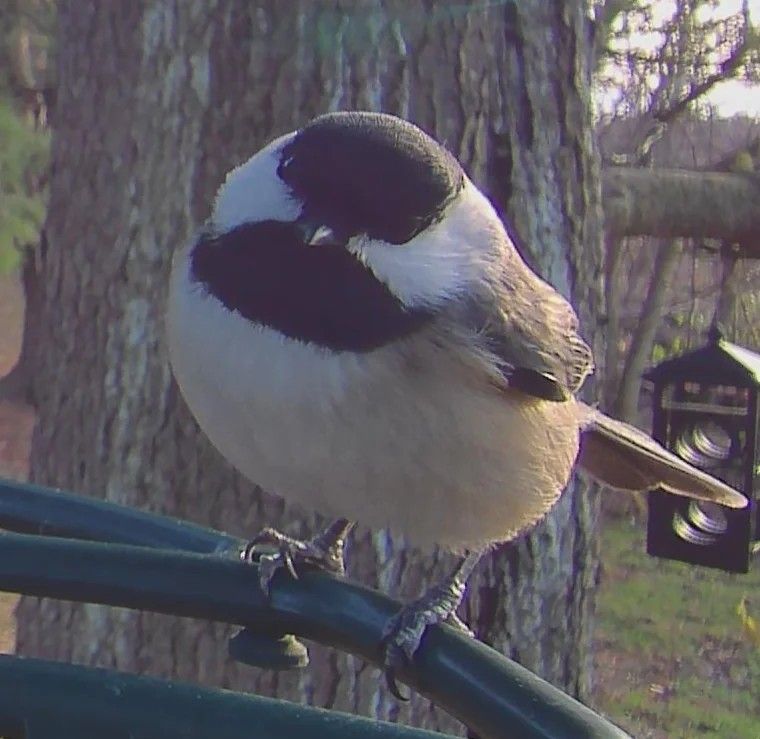
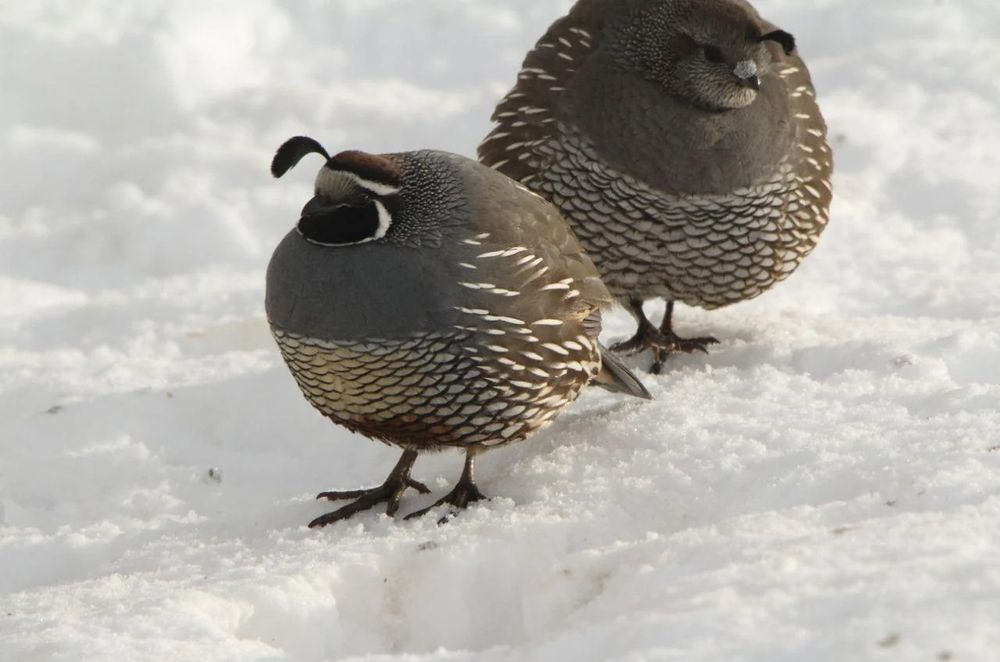
fat bear week is good, but don't forget about borb season


December 10, 2025 at 5:46 AM
fat bear week is good, but don't forget about borb season
Two-thirds of us live in countries with plateauing or declining populations. By the end of the century, the global population will be in decline. What does that world look like? Anne Goujon joins the @science.org podcast to discuss what happens next. Listen here 🎧: www.science.org/content/podc...
December 5, 2025 at 8:58 PM
Two-thirds of us live in countries with plateauing or declining populations. By the end of the century, the global population will be in decline. What does that world look like? Anne Goujon joins the @science.org podcast to discuss what happens next. Listen here 🎧: www.science.org/content/podc...
Reposted by Sar Crespi
This week on the @science.org podcast, @zacksavitsky.bsky.social discusses loosening our grip on reality to better understand quantum mechanics. 🎧 Listen here: www.science.org/content/podc...
December 4, 2025 at 7:25 PM
This week on the @science.org podcast, @zacksavitsky.bsky.social discusses loosening our grip on reality to better understand quantum mechanics. 🎧 Listen here: www.science.org/content/podc...
Reposted by Sar Crespi
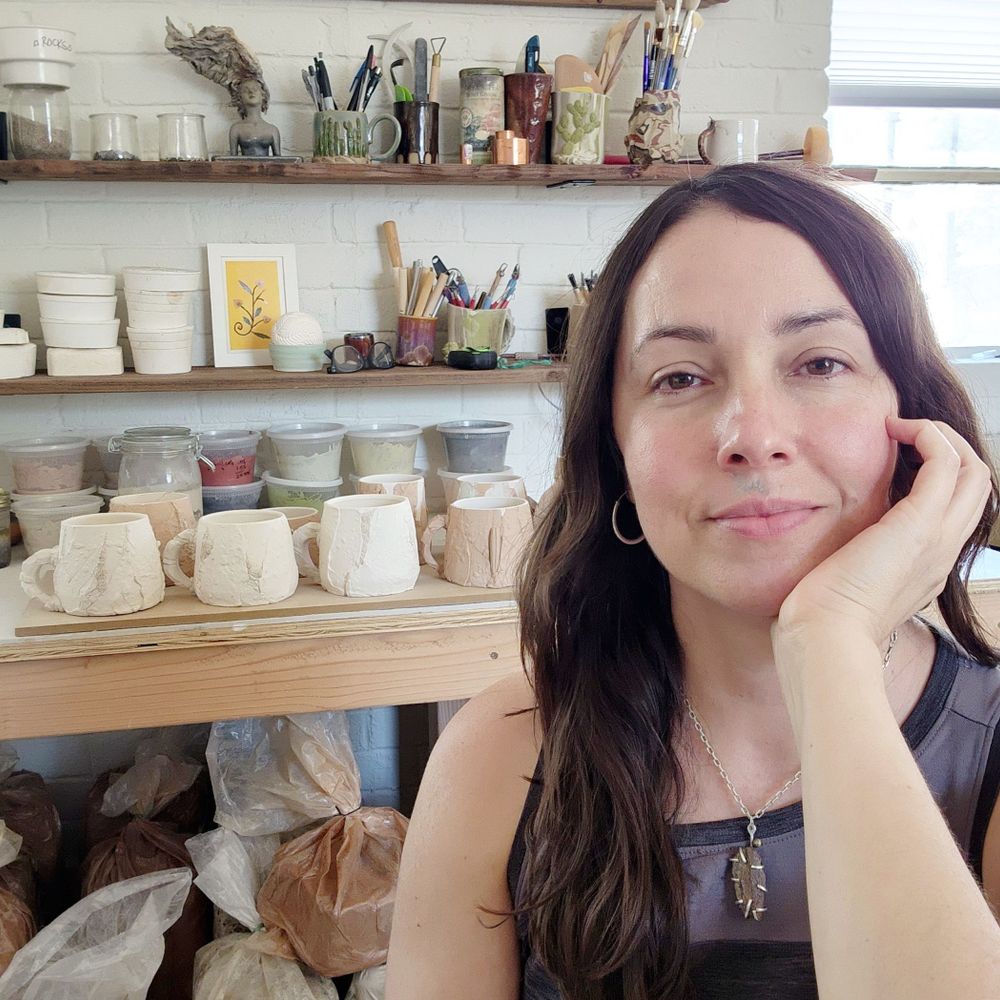
Here's a porcelain Anthropocene mug embedded with stones that I recently made for a long time customer. One of these days I'm going to keep one for myself. #ceramicart #porcelain #pottery #pottersofbluesky #womensart #skull #skeleton #geology #mug #handmade #clay #ceramics


December 4, 2025 at 6:14 PM
Here's a porcelain Anthropocene mug embedded with stones that I recently made for a long time customer. One of these days I'm going to keep one for myself. #ceramicart #porcelain #pottery #pottersofbluesky #womensart #skull #skeleton #geology #mug #handmade #clay #ceramics
This week on the @science.org podcast, @zacksavitsky.bsky.social discusses loosening our grip on reality to better understand quantum mechanics. 🎧 Listen here: www.science.org/content/podc...
December 4, 2025 at 7:25 PM
This week on the @science.org podcast, @zacksavitsky.bsky.social discusses loosening our grip on reality to better understand quantum mechanics. 🎧 Listen here: www.science.org/content/podc...
Peak carbon is on the horizon but what happens after? Paul @voosen.me joins the @science.org podcast to talk about the difficulties of calculating max global carbon emissions, and the challenges to come after we hit that peak
www.science.org/content/podc...
www.science.org/content/podc...
December 2, 2025 at 2:17 PM
Peak carbon is on the horizon but what happens after? Paul @voosen.me joins the @science.org podcast to talk about the difficulties of calculating max global carbon emissions, and the challenges to come after we hit that peak
www.science.org/content/podc...
www.science.org/content/podc...
Reposted by Sar Crespi
Rabbit locomotion — Brehms Tierleben, 1914

November 18, 2025 at 11:26 PM
Rabbit locomotion — Brehms Tierleben, 1914
Reposted by Sar Crespi
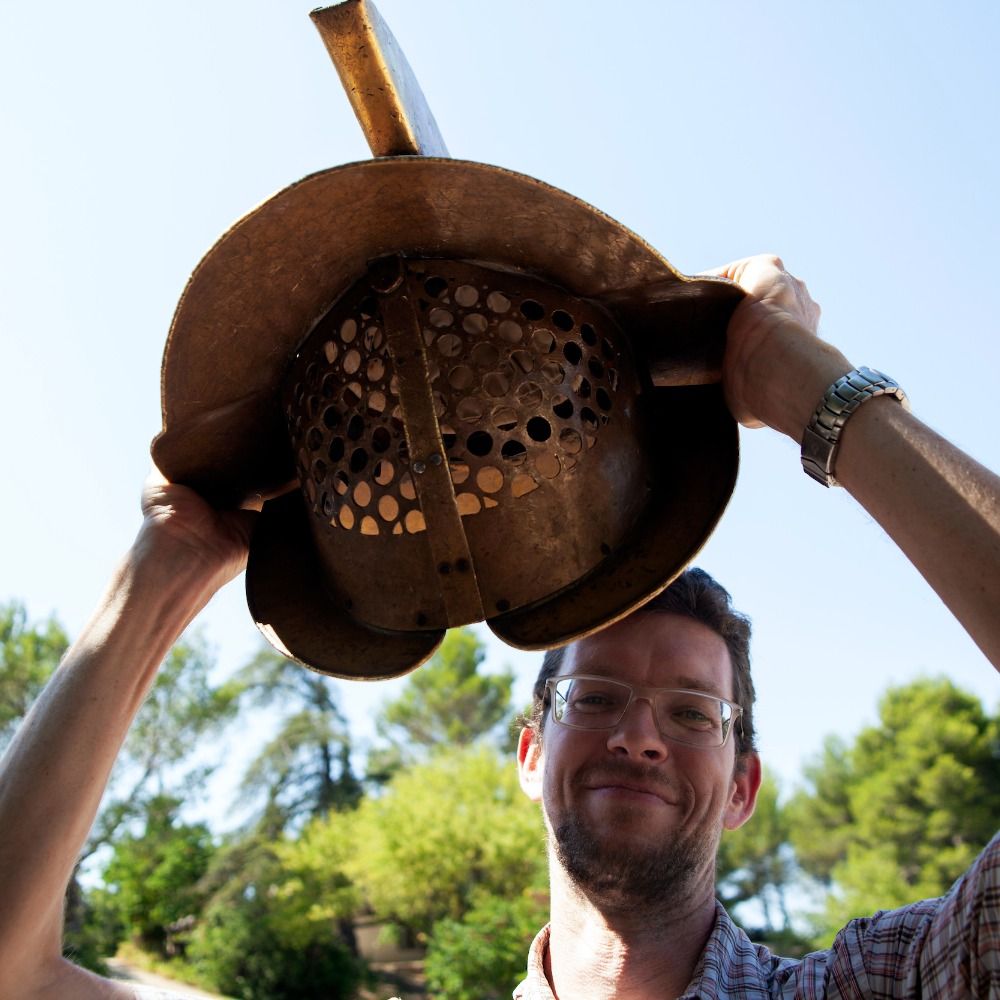
I guess @science.org readers are really interested in why Europe's first farmers vanished! That, or headless bodies.

December 1, 2025 at 8:22 PM
I guess @science.org readers are really interested in why Europe's first farmers vanished! That, or headless bodies.
Humans and songbirds are known to find the beat (and dance to it). It turns out macaques can learn this skill as well. What does it all mean for our brains, music, and language? Find out on the latest @science.org podcast w/ Vani Rajendran.
www.science.org/content/podc...
www.science.org/content/podc...
December 1, 2025 at 5:22 PM
Humans and songbirds are known to find the beat (and dance to it). It turns out macaques can learn this skill as well. What does it all mean for our brains, music, and language? Find out on the latest @science.org podcast w/ Vani Rajendran.
www.science.org/content/podc...
www.science.org/content/podc...
Reposted by Sar Crespi
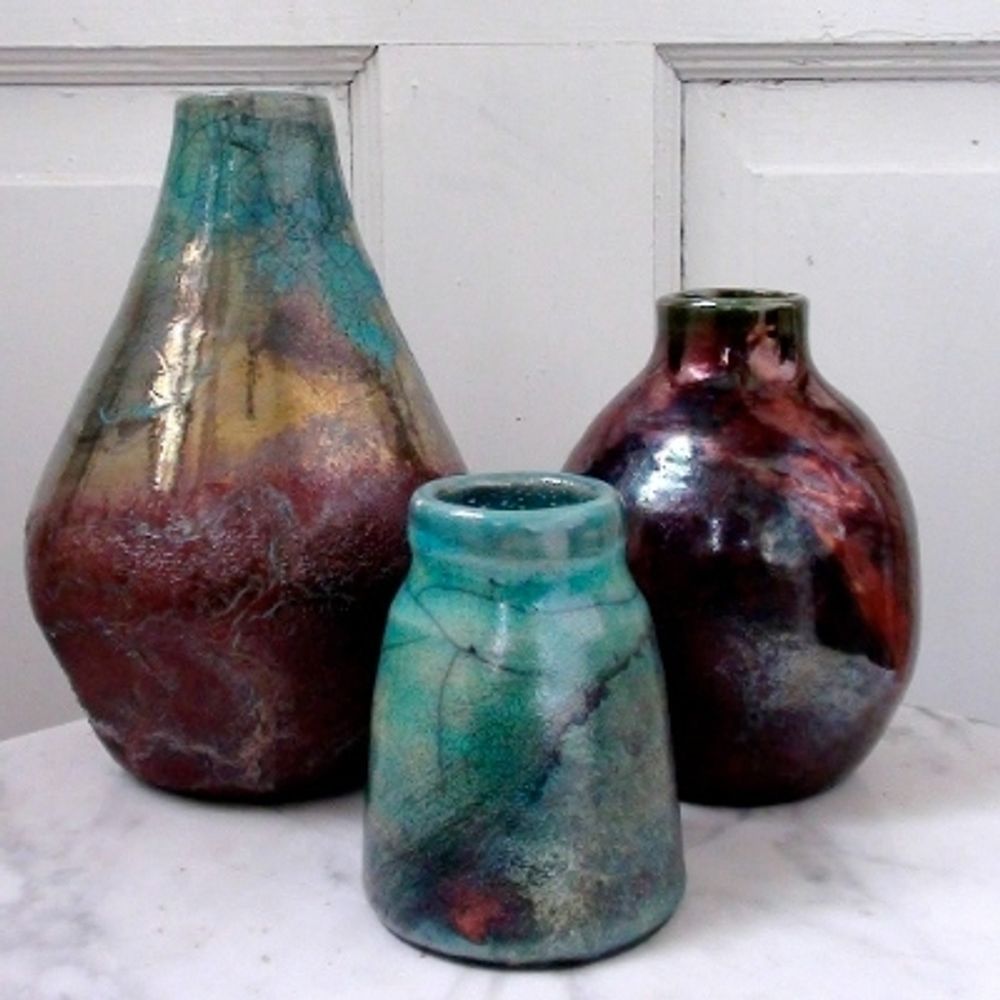
Black Friday feeling too loud?
Follow the White Rabbit somewhere quieter to support artists and small businesses. 🥰
#art #pottery #blackfriday
Follow the White Rabbit somewhere quieter to support artists and small businesses. 🥰
#art #pottery #blackfriday


November 28, 2025 at 8:19 PM
Black Friday feeling too loud?
Follow the White Rabbit somewhere quieter to support artists and small businesses. 🥰
#art #pottery #blackfriday
Follow the White Rabbit somewhere quieter to support artists and small businesses. 🥰
#art #pottery #blackfriday
Reposted by Sar Crespi
Beautiful series of images by Eduard Pechuël-Loesche from an 1888 book on the strange skies produced the world-over after the 1883 eruption of Krakatoa.⠀⠀
More here: https://publicdomainreview.org/collection/studies-on-twilight-phenomena-after-krakatoa
More here: https://publicdomainreview.org/collection/studies-on-twilight-phenomena-after-krakatoa


November 26, 2025 at 5:46 PM
Beautiful series of images by Eduard Pechuël-Loesche from an 1888 book on the strange skies produced the world-over after the 1883 eruption of Krakatoa.⠀⠀
More here: https://publicdomainreview.org/collection/studies-on-twilight-phenomena-after-krakatoa
More here: https://publicdomainreview.org/collection/studies-on-twilight-phenomena-after-krakatoa
So sad to lose such an excellent scientist and educator www.dignitymemorial.com/obituaries/m...

November 24, 2025 at 5:28 PM
So sad to lose such an excellent scientist and educator www.dignitymemorial.com/obituaries/m...