


The Primrose family is called Primulaceae.
The Rose family is called Rosaceae.
Here’s some taxonomic information from Wikipedia on these families:
The Rose family is called Rosaceae.
Here’s some taxonomic information from Wikipedia on these families:


January 6, 2026 at 5:30 PM
The Primrose family is called Primulaceae.
The Rose family is called Rosaceae.
Here’s some taxonomic information from Wikipedia on these families:
The Rose family is called Rosaceae.
Here’s some taxonomic information from Wikipedia on these families:

Pl@ntNet identifie (à 62.32%) Primula × polyantha (fam Primulaceae) com. Primevère à fleurs nombreuses, Primevère variable, Primevère
#BeSPlantnet #IndentificationDePlantes
#BeSPlantnet #IndentificationDePlantes

December 28, 2025 at 7:39 AM
Pl@ntNet identifie (à 62.32%) Primula × polyantha (fam Primulaceae) com. Primevère à fleurs nombreuses, Primevère variable, Primevère
#BeSPlantnet #IndentificationDePlantes
#BeSPlantnet #IndentificationDePlantes

Starflower (Primulaceae: Lysimachia borealis) is a common perennial in woodlands of Canada and the northern US. The small flowers are pollinated mainly by small native bees and yield tiny blue fruit. Manistee River Trail, Michigan, 02 Jun 2019.

December 24, 2025 at 4:22 PM
Starflower (Primulaceae: Lysimachia borealis) is a common perennial in woodlands of Canada and the northern US. The small flowers are pollinated mainly by small native bees and yield tiny blue fruit. Manistee River Trail, Michigan, 02 Jun 2019.

🥰 Anagallis arvensis
Família: Primulaceae
É a primeira vez que nasce aqui. 🤔
Família: Primulaceae
É a primeira vez que nasce aqui. 🤔


December 17, 2025 at 9:05 PM
🥰 Anagallis arvensis
Família: Primulaceae
É a primeira vez que nasce aqui. 🤔
Família: Primulaceae
É a primeira vez que nasce aqui. 🤔
Pl@ntNet identifie (à 69.02%) Primula × polyantha (fam Primulaceae) com. Primevère à fleurs nombreuses, Primevère variable, Primevère
#BeSPlantnet #IndentificationDePlantes
#BeSPlantnet #IndentificationDePlantes

December 9, 2025 at 10:47 AM
Pl@ntNet identifie (à 69.02%) Primula × polyantha (fam Primulaceae) com. Primevère à fleurs nombreuses, Primevère variable, Primevère
#BeSPlantnet #IndentificationDePlantes
#BeSPlantnet #IndentificationDePlantes
Pl@ntNet identifie (à 48.62%) Cyclamen persicum (fam Primulaceae) com. Cyclamen de Perse, Cyclamen, Violette de Perse
#BeSPlantnet #IndentificationDePlantes
#BeSPlantnet #IndentificationDePlantes

December 8, 2025 at 7:42 AM
Pl@ntNet identifie (à 48.62%) Cyclamen persicum (fam Primulaceae) com. Cyclamen de Perse, Cyclamen, Violette de Perse
#BeSPlantnet #IndentificationDePlantes
#BeSPlantnet #IndentificationDePlantes

Two new species of Tapeinosperma (Primulaceae-Myrsinoideae) from Papua New Guinea and the Solomon Islands. Kew Bull (2025). doi.org/10.1007/s12225…#taxonomym#botanyn#Primulaceaea#Ardisiai#PNGN#SolomonIslandsd#Pacificic


December 6, 2025 at 2:53 PM
Two new species of Tapeinosperma (Primulaceae-Myrsinoideae) from Papua New Guinea and the Solomon Islands. Kew Bull (2025). doi.org/10.1007/s12225…#taxonomym#botanyn#Primulaceaea#Ardisiai#PNGN#SolomonIslandsd#Pacificic

Dionysia esfandiarii
Primulaceae
Endemic of Iran
Fars province, Iran
April 2024
Elevation: 3060 m
#Primulaceae #botany #ecology
Primulaceae
Endemic of Iran
Fars province, Iran
April 2024
Elevation: 3060 m
#Primulaceae #botany #ecology


December 5, 2025 at 4:09 PM
Dionysia esfandiarii
Primulaceae
Endemic of Iran
Fars province, Iran
April 2024
Elevation: 3060 m
#Primulaceae #botany #ecology
Primulaceae
Endemic of Iran
Fars province, Iran
April 2024
Elevation: 3060 m
#Primulaceae #botany #ecology
Pl@ntNet identifie (à 42.32%) Primula vulgaris (fam Primulaceae) com. Primevère commune, Primevère acaule, Primevère sans tige
#BeSPlantnet #IndentificationDePlantes
#BeSPlantnet #IndentificationDePlantes

December 4, 2025 at 10:47 AM
Pl@ntNet identifie (à 42.32%) Primula vulgaris (fam Primulaceae) com. Primevère commune, Primevère acaule, Primevère sans tige
#BeSPlantnet #IndentificationDePlantes
#BeSPlantnet #IndentificationDePlantes

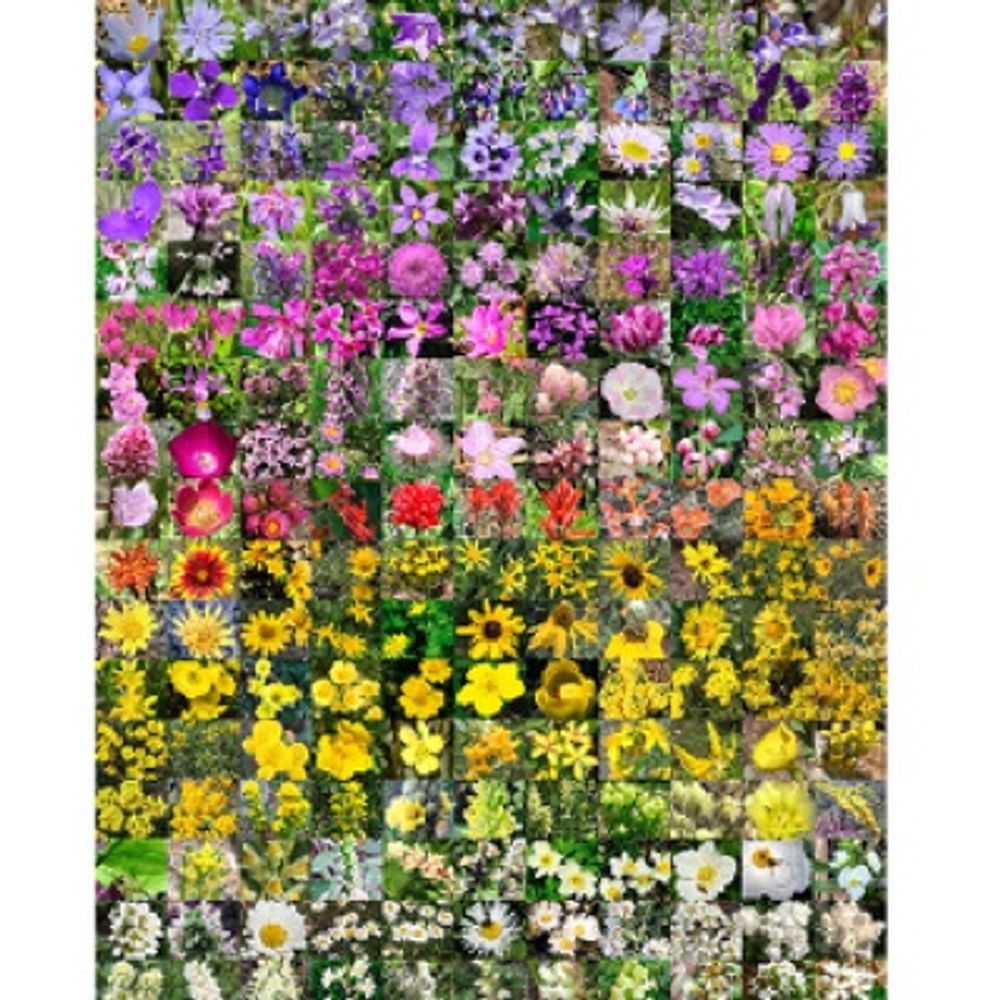
A rare non-animal-related post, but I also took photos of a bunch of flowers this year.
I saw them arranged in a grid like this for the first time today and thought they looked really pretty like this :)
#macrophotography #flowers
I saw them arranged in a grid like this for the first time today and thought they looked really pretty like this :)
#macrophotography #flowers

December 2, 2025 at 9:34 PM
A rare non-animal-related post, but I also took photos of a bunch of flowers this year.
I saw them arranged in a grid like this for the first time today and thought they looked really pretty like this :)
#macrophotography #flowers
I saw them arranged in a grid like this for the first time today and thought they looked really pretty like this :)
#macrophotography #flowers

🧪 Structural and Functional Co-Adaptation of Plants of the Genus Lysimachia L. (Primulaceae) and Pollinating Insects of the Genus Macropis Panzer (Hymenoptera, Melittidae) onlinelibrary.wiley.com/doi/10.1002/...

Structural and Functional Co‐Adaptation of Plants of the Genus Lysimachia L. (Primulaceae) and Pollinating Insects of the Genus Macropis Panzer (Hymenoptera, Melittidae)
The co-adaptation of bees from the genus Macropis and Lysimachia plants has been studied in detail. Research shows that bees collect not just pure liquid oil from flower petals but tear off trichome ...
onlinelibrary.wiley.com
November 30, 2025 at 10:26 PM
🧪 Structural and Functional Co-Adaptation of Plants of the Genus Lysimachia L. (Primulaceae) and Pollinating Insects of the Genus Macropis Panzer (Hymenoptera, Melittidae) onlinelibrary.wiley.com/doi/10.1002/...
Pl@ntNet identifie (à 51.87%) Primula vulgaris (fam Primulaceae) com. Primevère commune, Primevère acaule, Primevère sans tige
#BeSPlantnet #IndentificationDePlantes
#BeSPlantnet #IndentificationDePlantes

November 30, 2025 at 10:40 AM
Pl@ntNet identifie (à 51.87%) Primula vulgaris (fam Primulaceae) com. Primevère commune, Primevère acaule, Primevère sans tige
#BeSPlantnet #IndentificationDePlantes
#BeSPlantnet #IndentificationDePlantes

🔥 BlueSky trending hashtags (30m):
#art #booksky #photography #birds #gamedev #furryart #writingcommunity #digitalart #birdoftheday #nature #indiedev #naturephotography #furry #botany #primulaceae
#art #booksky #photography #birds #gamedev #furryart #writingcommunity #digitalart #birdoftheday #nature #indiedev #naturephotography #furry #botany #primulaceae
November 29, 2025 at 11:30 AM
🔥 BlueSky trending hashtags (30m):
#art #booksky #photography #birds #gamedev #furryart #writingcommunity #digitalart #birdoftheday #nature #indiedev #naturephotography #furry #botany #primulaceae
#art #booksky #photography #birds #gamedev #furryart #writingcommunity #digitalart #birdoftheday #nature #indiedev #naturephotography #furry #botany #primulaceae
🚀 BlueSky trending hashtags (15m):
#art #booksky #photography #birds #gamedev #writingcommunity #furryart #naturephotography #digitalart #indiedev #nature #birdoftheday #botany #primulaceae #publishinsocietyjournals
#art #booksky #photography #birds #gamedev #writingcommunity #furryart #naturephotography #digitalart #indiedev #nature #birdoftheday #botany #primulaceae #publishinsocietyjournals
November 29, 2025 at 11:30 AM
🚀 BlueSky trending hashtags (15m):
#art #booksky #photography #birds #gamedev #writingcommunity #furryart #naturephotography #digitalart #indiedev #nature #birdoftheday #botany #primulaceae #publishinsocietyjournals
#art #booksky #photography #birds #gamedev #writingcommunity #furryart #naturephotography #digitalart #indiedev #nature #birdoftheday #botany #primulaceae #publishinsocietyjournals
🚀 BlueSky trending hashtags (15m):
#booksky #art #photography #birds #nature #gamedev #indiedev #furryart #digitalart #birdoftheday #furry #primulaceae #botany #writingcommunity #evolution
#booksky #art #photography #birds #nature #gamedev #indiedev #furryart #digitalart #birdoftheday #furry #primulaceae #botany #writingcommunity #evolution
November 29, 2025 at 11:15 AM
🚀 BlueSky trending hashtags (15m):
#booksky #art #photography #birds #nature #gamedev #indiedev #furryart #digitalart #birdoftheday #furry #primulaceae #botany #writingcommunity #evolution
#booksky #art #photography #birds #nature #gamedev #indiedev #furryart #digitalart #birdoftheday #furry #primulaceae #botany #writingcommunity #evolution

I close the week on Primulaceae with a few leftover photos:
1. Myrsine asymmetrica of New Caledonia has asymmetrical leaves. Very weird!
2. Myrsine divaricata is one of New Zealand’s divaricating shrubs.
3. Primula clevelandii var. clevelandii (formerly Dodecatheon c.)
#Primulaceae #Botany 🌾🧪🌱
1. Myrsine asymmetrica of New Caledonia has asymmetrical leaves. Very weird!
2. Myrsine divaricata is one of New Zealand’s divaricating shrubs.
3. Primula clevelandii var. clevelandii (formerly Dodecatheon c.)
#Primulaceae #Botany 🌾🧪🌱


November 29, 2025 at 11:11 AM
I close the week on Primulaceae with a few leftover photos:
1. Myrsine asymmetrica of New Caledonia has asymmetrical leaves. Very weird!
2. Myrsine divaricata is one of New Zealand’s divaricating shrubs.
3. Primula clevelandii var. clevelandii (formerly Dodecatheon c.)
#Primulaceae #Botany 🌾🧪🌱
1. Myrsine asymmetrica of New Caledonia has asymmetrical leaves. Very weird!
2. Myrsine divaricata is one of New Zealand’s divaricating shrubs.
3. Primula clevelandii var. clevelandii (formerly Dodecatheon c.)
#Primulaceae #Botany 🌾🧪🌱

Structural and Functional Co‐Adaptation of Plants of the Genus Lysimachia L. (Primulaceae) and Pollinating Insects of the Genus Macropis Panzer (Hymenoptera, Melittidae) Ecol&Evol

Structural and Functional Co‐Adaptation of Plants of the Genus Lysimachia L. (Primulaceae) and Pollinating Insects of the Genus Macropis Panzer (Hymenoptera, Melittidae)
Ecology and Evolution, Volume 15, Issue 12, December 2025.
dlvr.it
November 28, 2025 at 9:01 AM
Structural and Functional Co‐Adaptation of Plants of the Genus Lysimachia L. (Primulaceae) and Pollinating Insects of the Genus Macropis Panzer (Hymenoptera, Melittidae) Ecol&Evol

#NewSpecies!
Primula xinjingensis
A newly discovered primulaceae from #china!
Treatment: treatment.plazi.org/id/90FC766F-...
Publication: doi.org/10.3897/phyt...
#PhytoKeys #PrimulaXinjingensis
#FAIRdata
#OA #openaccess #ecology #nature #biodiversity #botany #flowers #plants #wildlife #primulaceae
Primula xinjingensis
A newly discovered primulaceae from #china!
Treatment: treatment.plazi.org/id/90FC766F-...
Publication: doi.org/10.3897/phyt...
#PhytoKeys #PrimulaXinjingensis
#FAIRdata
#OA #openaccess #ecology #nature #biodiversity #botany #flowers #plants #wildlife #primulaceae

November 28, 2025 at 8:06 AM
#NewSpecies!
Primula xinjingensis
A newly discovered primulaceae from #china!
Treatment: treatment.plazi.org/id/90FC766F-...
Publication: doi.org/10.3897/phyt...
#PhytoKeys #PrimulaXinjingensis
#FAIRdata
#OA #openaccess #ecology #nature #biodiversity #botany #flowers #plants #wildlife #primulaceae
Primula xinjingensis
A newly discovered primulaceae from #china!
Treatment: treatment.plazi.org/id/90FC766F-...
Publication: doi.org/10.3897/phyt...
#PhytoKeys #PrimulaXinjingensis
#FAIRdata
#OA #openaccess #ecology #nature #biodiversity #botany #flowers #plants #wildlife #primulaceae
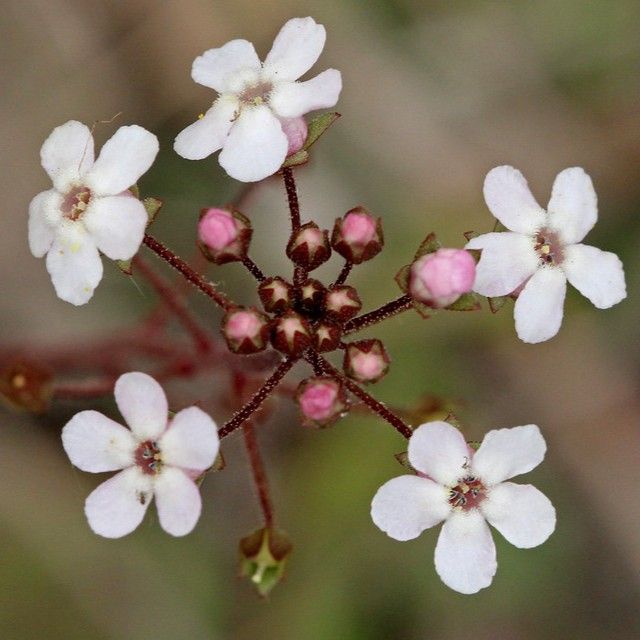
Samolus (just 14 species) is cosmopolitan. This is Samolus ebracteatus from Florida (also TX, Mexico, the Caribbean). It has an interesting phylogenetic position: It is sister to the Theophrastoideae clade (Clavija & kin; see Tuesday’s post). 📷: Mary Keim CCBYNCSA2. #Primulaceae #Botany 🌾🧪🌱

November 27, 2025 at 11:57 AM
Samolus (just 14 species) is cosmopolitan. This is Samolus ebracteatus from Florida (also TX, Mexico, the Caribbean). It has an interesting phylogenetic position: It is sister to the Theophrastoideae clade (Clavija & kin; see Tuesday’s post). 📷: Mary Keim CCBYNCSA2. #Primulaceae #Botany 🌾🧪🌱
Ardisia also has some really spectacular species, like this one I photographed growing on the forest floor in a Malaysian rainforest. I still don’t have a species name for it, but no matter. I love it. 😍 #Primulaceae #Botany 🌾🧪🌱

November 26, 2025 at 4:51 PM
Ardisia also has some really spectacular species, like this one I photographed growing on the forest floor in a Malaysian rainforest. I still don’t have a species name for it, but no matter. I love it. 😍 #Primulaceae #Botany 🌾🧪🌱
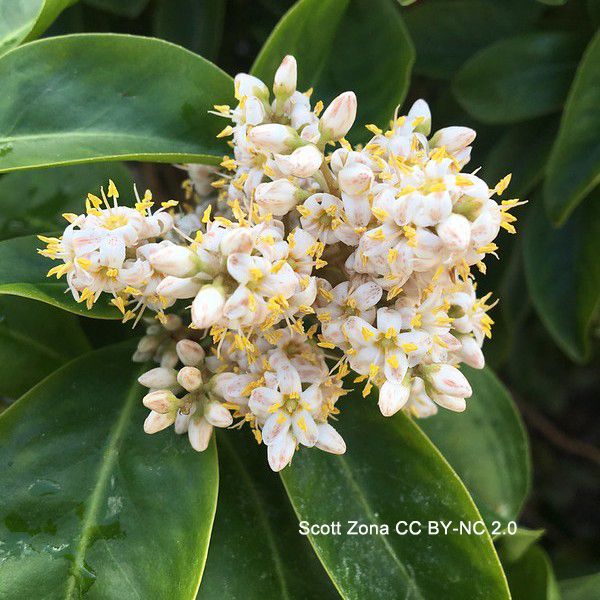
Ardisia (739 spp) is a pantropical member of the Mysinoideae. The ones I know best are shrubs & small trees. Some are cultivated; some are invasive.
1. A. escallonioides is native to FL.
2. A. elliptica is an Asian species naturalized in FL.
#Primulaceae #Botany 🌾🧪🌱
1. A. escallonioides is native to FL.
2. A. elliptica is an Asian species naturalized in FL.
#Primulaceae #Botany 🌾🧪🌱

November 26, 2025 at 11:30 AM
Ardisia (739 spp) is a pantropical member of the Mysinoideae. The ones I know best are shrubs & small trees. Some are cultivated; some are invasive.
1. A. escallonioides is native to FL.
2. A. elliptica is an Asian species naturalized in FL.
#Primulaceae #Botany 🌾🧪🌱
1. A. escallonioides is native to FL.
2. A. elliptica is an Asian species naturalized in FL.
#Primulaceae #Botany 🌾🧪🌱
Clavija is a Neotropical genus of 56 spp, some of which, like this C. weberbaueri, are litter-trapping Schopfbaum treelets. They have strappy leaves in rosettes that capture litter. For more information on litter-trapping, see our paper: doi.org/10.1111/boj....
#Primulaceae #Botany 🌾🧪🌱
#Primulaceae #Botany 🌾🧪🌱

November 25, 2025 at 4:51 PM
Clavija is a Neotropical genus of 56 spp, some of which, like this C. weberbaueri, are litter-trapping Schopfbaum treelets. They have strappy leaves in rosettes that capture litter. For more information on litter-trapping, see our paper: doi.org/10.1111/boj....
#Primulaceae #Botany 🌾🧪🌱
#Primulaceae #Botany 🌾🧪🌱
Tropical Primulaceae are often large, woody plants that occupy diverse habitats. Aegiceras corniculatum is a mangrove tree from SE Asia to Australia. The genus name means “goat horn,” & the epithet means “little horn.” Both refer to the fruits. 📷: Reuben CJ Lim CCBYNCSA2 #Primulaceae #Botany 🌾🧪🌱

November 25, 2025 at 11:30 AM
Tropical Primulaceae are often large, woody plants that occupy diverse habitats. Aegiceras corniculatum is a mangrove tree from SE Asia to Australia. The genus name means “goat horn,” & the epithet means “little horn.” Both refer to the fruits. 📷: Reuben CJ Lim CCBYNCSA2 #Primulaceae #Botany 🌾🧪🌱
Primula veris is heterostylous with long- and short-styled morphs. Only cross-pollinations result in seed. Darwin was fascinated by this dimorphism within a single species. I give you Figure 1 from The Different Forms of Flowers on Plants of the Same Species. #heterostyly #Primulaceae #Botany 🌾🧪🌱

November 24, 2025 at 4:59 PM
Primula veris is heterostylous with long- and short-styled morphs. Only cross-pollinations result in seed. Darwin was fascinated by this dimorphism within a single species. I give you Figure 1 from The Different Forms of Flowers on Plants of the Same Species. #heterostyly #Primulaceae #Botany 🌾🧪🌱
Primula includes species commonly cultivated. Gardeners recognize a few broad kinds, including the auriculas, which are traditionally (in the UK, at least) displayed in “theatres,” like this one at Stockton Bury Gardens. Their intricate flowers often have a mealy coating. #Primulaceae #Botany 🌾🧪🌱


November 24, 2025 at 4:42 PM
Primula includes species commonly cultivated. Gardeners recognize a few broad kinds, including the auriculas, which are traditionally (in the UK, at least) displayed in “theatres,” like this one at Stockton Bury Gardens. Their intricate flowers often have a mealy coating. #Primulaceae #Botany 🌾🧪🌱