



2/2 Dad: Constantijn Huygens in a portrait from 1672, unframed. By Caspar Netscher.

January 15, 2026 at 9:51 PM
2/2 Dad: Constantijn Huygens in a portrait from 1672, unframed. By Caspar Netscher.
Susanna Huygens, looking slightly nervous in her ill-advised mega-frame. Painted by Caspar Netscher, whose day is today.

January 15, 2026 at 8:53 PM
Susanna Huygens, looking slightly nervous in her ill-advised mega-frame. Painted by Caspar Netscher, whose day is today.


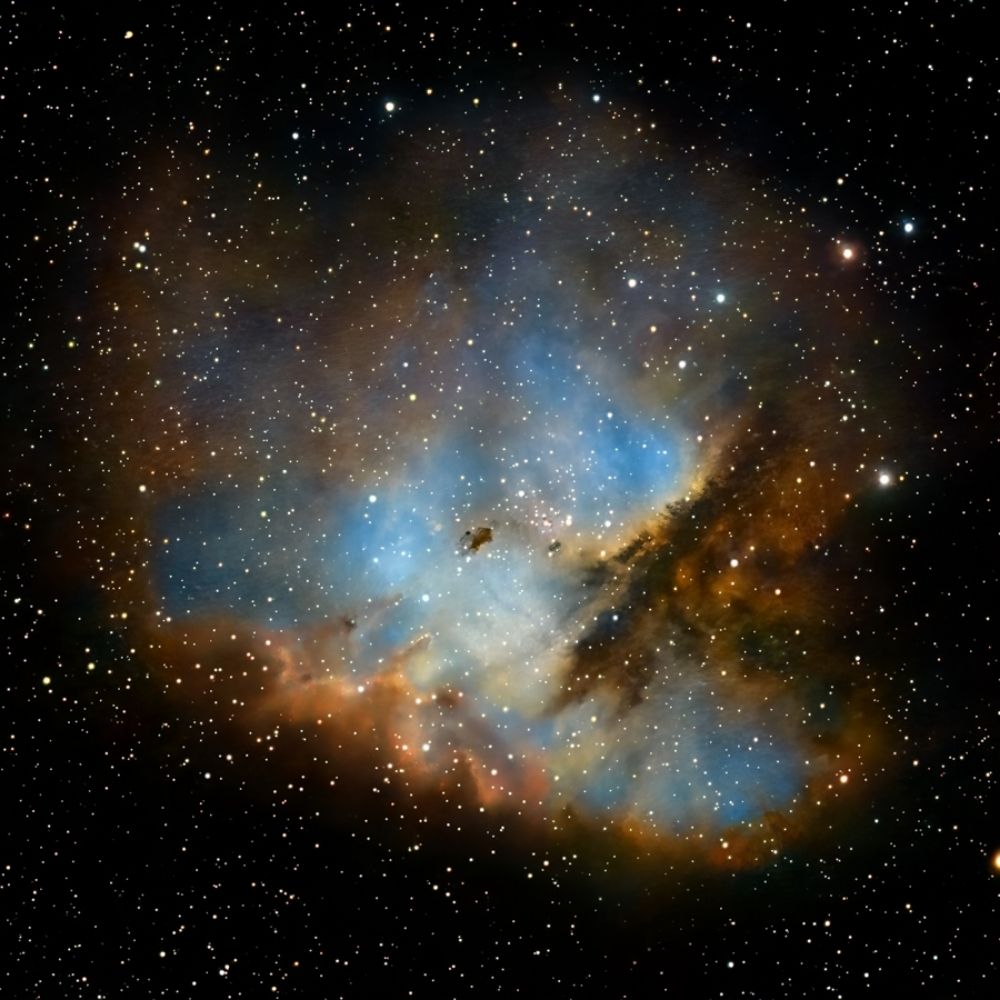
Jan. 14, 2005: Huygens lands on Titan - #Astronomy - ift.tt/fLHSaOl

Jan. 14, 2005: Huygens lands on Titan
Today in the history of astronomy, the Huygens probe survives its descent to the mysterious surface of Saturn’s moon, returning images to Earth.
ift.tt
January 15, 2026 at 11:54 AM
Jan. 14, 2005: Huygens lands on Titan - #Astronomy - ift.tt/fLHSaOl

... nombrada así en honor del astrónomo Christiaan Huygens, quien descubrió Titán en 1655.
Titán tiene lagos de hidrocarburos, algunos de los cuales llevan nombres de lagos latinoamericanos.
Te cuento más en el blog:
fisicamartin.blogspot.com/2024/01/huyg...
2/2
Titán tiene lagos de hidrocarburos, algunos de los cuales llevan nombres de lagos latinoamericanos.
Te cuento más en el blog:
fisicamartin.blogspot.com/2024/01/huyg...
2/2

Huygens en Titán
Blog personal sobre física, ciencia, arte, divulgación, aficiones, electrónica, historia
fisicamartin.blogspot.com
January 15, 2026 at 1:16 AM
... nombrada así en honor del astrónomo Christiaan Huygens, quien descubrió Titán en 1655.
Titán tiene lagos de hidrocarburos, algunos de los cuales llevan nombres de lagos latinoamericanos.
Te cuento más en el blog:
fisicamartin.blogspot.com/2024/01/huyg...
2/2
Titán tiene lagos de hidrocarburos, algunos de los cuales llevan nombres de lagos latinoamericanos.
Te cuento más en el blog:
fisicamartin.blogspot.com/2024/01/huyg...
2/2
Un día como hoy, 14 de enero de 2005, la sonda espacial Huygens llegaba a Titán, el mayor satélite de Saturno, marcando el hito de convirtirse en el aterrizarje más lejano jamás realizado.
Huygens, parte de la misión Cassini-Huygens, de la Agencia Espacial Europea, fue...
1/2
Huygens, parte de la misión Cassini-Huygens, de la Agencia Espacial Europea, fue...
1/2

January 15, 2026 at 1:16 AM
Un día como hoy, 14 de enero de 2005, la sonda espacial Huygens llegaba a Titán, el mayor satélite de Saturno, marcando el hito de convirtirse en el aterrizarje más lejano jamás realizado.
Huygens, parte de la misión Cassini-Huygens, de la Agencia Espacial Europea, fue...
1/2
Huygens, parte de la misión Cassini-Huygens, de la Agencia Espacial Europea, fue...
1/2

#OTD in 2005, the ESA's Huygens probe, part of the international Cassini-Huygens mission, landed on the surface of Titan, Saturn's largest moon, making the most distant landing ever accomplished by a spacecraft. The probe continued to work for at least 3 h 14 min after landing.

January 14, 2026 at 10:07 PM
#OTD in 2005, the ESA's Huygens probe, part of the international Cassini-Huygens mission, landed on the surface of Titan, Saturn's largest moon, making the most distant landing ever accomplished by a spacecraft. The probe continued to work for at least 3 h 14 min after landing.

🪐 14 de janeiro de 2005 – Huygens aterra em Titã:
Boa noite! Que como a Huygens, exploremos novas fronteiras da ciência e da técnica. 🔭🦷
Boa noite! Que como a Huygens, exploremos novas fronteiras da ciência e da técnica. 🔭🦷
January 14, 2026 at 7:51 PM
🪐 14 de janeiro de 2005 – Huygens aterra em Titã:
Boa noite! Que como a Huygens, exploremos novas fronteiras da ciência e da técnica. 🔭🦷
Boa noite! Que como a Huygens, exploremos novas fronteiras da ciência e da técnica. 🔭🦷

🪐 14 de janeiro de 2005 – Huygens aterra em Titã:
Boa noite! Que como a Huygens, possamos explorar o desconhecido com curiosidade e maravilha. 🌌🔭
Boa noite! Que como a Huygens, possamos explorar o desconhecido com curiosidade e maravilha. 🌌🔭
January 14, 2026 at 7:42 PM
🪐 14 de janeiro de 2005 – Huygens aterra em Titã:
Boa noite! Que como a Huygens, possamos explorar o desconhecido com curiosidade e maravilha. 🌌🔭
Boa noite! Que como a Huygens, possamos explorar o desconhecido com curiosidade e maravilha. 🌌🔭

🪐 14 de janeiro de 2005 – Huygens aterra em Titã:
Boa noite! Que como a Huygens, possamos explorar o desconhecido com curiosidade e maravilha. 🌌🔭
Boa noite! Que como a Huygens, possamos explorar o desconhecido com curiosidade e maravilha. 🌌🔭
January 14, 2026 at 7:42 PM
🪐 14 de janeiro de 2005 – Huygens aterra em Titã:
Boa noite! Que como a Huygens, possamos explorar o desconhecido com curiosidade e maravilha. 🌌🔭
Boa noite! Que como a Huygens, possamos explorar o desconhecido com curiosidade e maravilha. 🌌🔭

21 years ago today the Huygens probe descended through the atmosphere of Saturn's giant moon Titan.
We were astounded to see branching rivers and shorelines on the surface. The next day, a picture of me narrating this live at AMNH was on the front page of the New York Times, above the fold!
🧪🔭
We were astounded to see branching rivers and shorelines on the surface. The next day, a picture of me narrating this live at AMNH was on the front page of the New York Times, above the fold!
🧪🔭


January 14, 2026 at 4:41 PM
21 years ago today the Huygens probe descended through the atmosphere of Saturn's giant moon Titan.
We were astounded to see branching rivers and shorelines on the surface. The next day, a picture of me narrating this live at AMNH was on the front page of the New York Times, above the fold!
🧪🔭
We were astounded to see branching rivers and shorelines on the surface. The next day, a picture of me narrating this live at AMNH was on the front page of the New York Times, above the fold!
🧪🔭

The Huygens probe that landed on Titan is lower left next to Cassini - I took this pic at JPL in 1997. Cassini ended its mission by crashing into Saturn in 2017.

January 14, 2026 at 3:28 PM
The Huygens probe that landed on Titan is lower left next to Cassini - I took this pic at JPL in 1997. Cassini ended its mission by crashing into Saturn in 2017.

Jan. 14, 2005: Huygens lands on Titan
Back to Article List Today in the history of astronomy, the Huygens probe survives its descent to the mysterious surface of Saturn’s moon, returning images to Earth. Huygens sent back this stereographic projection view of Titan’s surface features from a height…
Back to Article List Today in the history of astronomy, the Huygens probe survives its descent to the mysterious surface of Saturn’s moon, returning images to Earth. Huygens sent back this stereographic projection view of Titan’s surface features from a height…

Jan. 14, 2005: Huygens lands on Titan
Back to Article List Today in the history of astronomy, the Huygens probe survives its descent to the mysterious surface of Saturn’s moon, returning images to Earth. Huygens sent back this stereographic projection view of Titan’s surface features from a height of 3 miles (5 km) as it descended toward the surface. Credit: ESA/NASA/JPL/University of Arizona When the Huygens probe dropped into Titan’s atmosphere on Jan.
todayheadline.co
January 14, 2026 at 3:20 PM
Jan. 14, 2005: Huygens lands on Titan
Back to Article List Today in the history of astronomy, the Huygens probe survives its descent to the mysterious surface of Saturn’s moon, returning images to Earth. Huygens sent back this stereographic projection view of Titan’s surface features from a height…
Back to Article List Today in the history of astronomy, the Huygens probe survives its descent to the mysterious surface of Saturn’s moon, returning images to Earth. Huygens sent back this stereographic projection view of Titan’s surface features from a height…

On this day in space: Jan. 14, 2005: Huygens probe lands on Saturn's moon Titan

On this day in space: Jan. 14, 2005: Huygens probe lands on Saturn's moon Titan
On January 14, 2005, a spacecraft landed on one of Saturn's moons!
www.space.com
January 14, 2026 at 3:07 PM
On this day in space: Jan. 14, 2005: Huygens probe lands on Saturn's moon Titan

Today in History: January 14th
2005: The Huygens probe, developed by the European Space Agency and delivered by NASA's Cassini orbiter, landed on Saturn's largest moon, Titan. Cassini was the first spacecraft to orbit Saturn. Huygens was first spacecraft to land on any celestial body beyond Mars.
2005: The Huygens probe, developed by the European Space Agency and delivered by NASA's Cassini orbiter, landed on Saturn's largest moon, Titan. Cassini was the first spacecraft to orbit Saturn. Huygens was first spacecraft to land on any celestial body beyond Mars.
January 14, 2026 at 1:28 PM
Today in History: January 14th
2005: The Huygens probe, developed by the European Space Agency and delivered by NASA's Cassini orbiter, landed on Saturn's largest moon, Titan. Cassini was the first spacecraft to orbit Saturn. Huygens was first spacecraft to land on any celestial body beyond Mars.
2005: The Huygens probe, developed by the European Space Agency and delivered by NASA's Cassini orbiter, landed on Saturn's largest moon, Titan. Cassini was the first spacecraft to orbit Saturn. Huygens was first spacecraft to land on any celestial body beyond Mars.
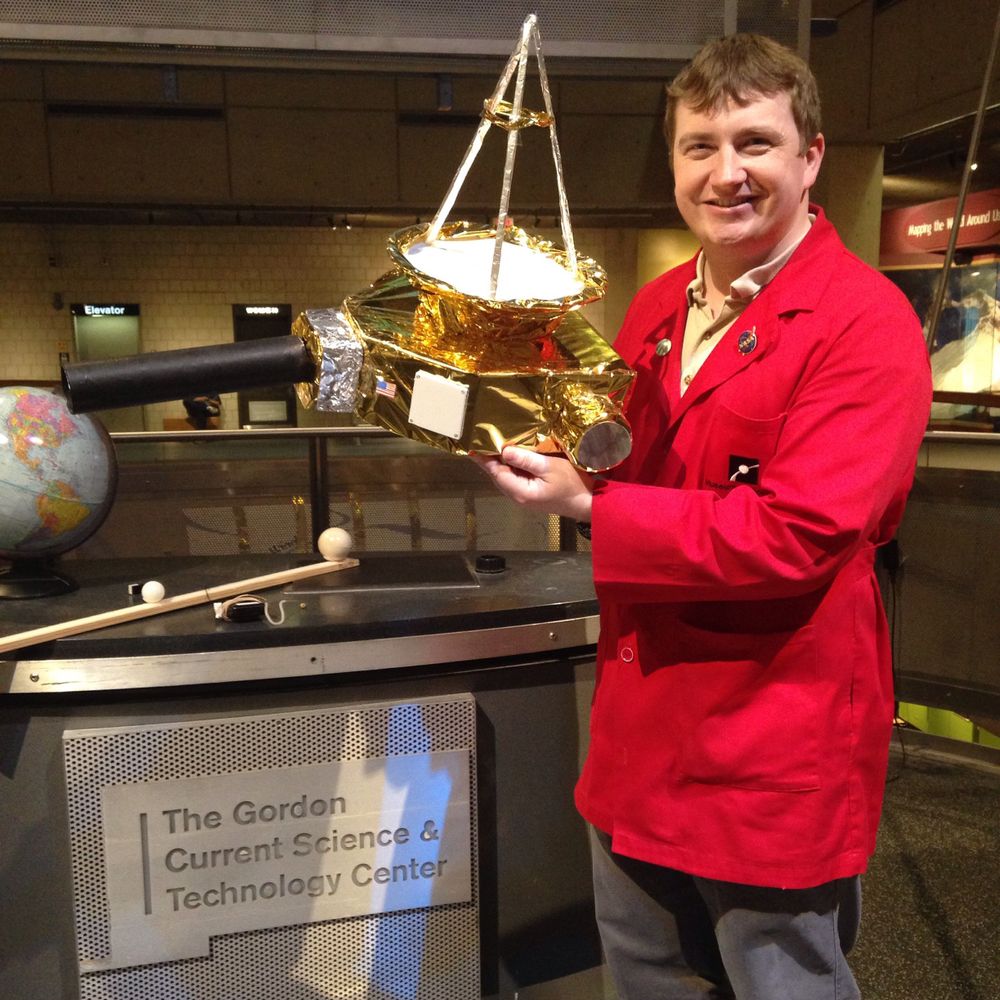
21 years ago today, the Huygens probe touched down on the surface of Saturn's moon Titan. This is still the furthest object from home that a human-built spacecraft has made contact with.

January 14, 2026 at 1:27 PM
21 years ago today, the Huygens probe touched down on the surface of Saturn's moon Titan. This is still the furthest object from home that a human-built spacecraft has made contact with.

#CeJourLà #OnThisDay - Le 14 janvier 2005, #Huygens se pose sur Titan. Développée par l'@esa.int, cette sonde spatiale de 350 kilogrammes est destinée à recueillir des données sur l'atmosphère et la surface de #Titan, un des satellites de #Saturne 🪐


January 14, 2026 at 12:34 PM
#CeJourLà #OnThisDay - Le 14 janvier 2005, #Huygens se pose sur Titan. Développée par l'@esa.int, cette sonde spatiale de 350 kilogrammes est destinée à recueillir des données sur l'atmosphère et la surface de #Titan, un des satellites de #Saturne 🪐

#onthisday in 2005, the Huygens probe touched down on Titan, becoming the first spacecraft to land in the outer Solar System. Its data transformed our understanding of alien atmospheres and hinted at worlds that might resemble early Earth #ScienceHistory


January 14, 2026 at 12:16 PM
#onthisday in 2005, the Huygens probe touched down on Titan, becoming the first spacecraft to land in the outer Solar System. Its data transformed our understanding of alien atmospheres and hinted at worlds that might resemble early Earth #ScienceHistory

Even more impressive when one learns how the entire (Huygens) mission was on track to fail due to an engineering flaw, and they figured out how to save it with the spacecraft already in transit to Saturn.
January 14, 2026 at 11:41 AM
Even more impressive when one learns how the entire (Huygens) mission was on track to fail due to an engineering flaw, and they figured out how to save it with the spacecraft already in transit to Saturn.


#TalDíaComoHoy en 2005 la sonda espacial Huygens aterrizó en Titán.

January 14, 2026 at 11:35 AM
#TalDíaComoHoy en 2005 la sonda espacial Huygens aterrizó en Titán.

In 2005, the European Space Agency’s Huygens probe became the first spacecraft to land on Saturn’s moon Titan, sending back data and pictures that revealed its thick atmosphere and methane-shaped landscape.
Learn more: https://en.wikipedia.org/wiki/Huygens_(spacecraft)
Learn more: https://en.wikipedia.org/wiki/Huygens_(spacecraft)

January 14, 2026 at 11:00 AM
In 2005, the European Space Agency’s Huygens probe became the first spacecraft to land on Saturn’s moon Titan, sending back data and pictures that revealed its thick atmosphere and methane-shaped landscape.
Learn more: https://en.wikipedia.org/wiki/Huygens_(spacecraft)
Learn more: https://en.wikipedia.org/wiki/Huygens_(spacecraft)

#OnThisDay in 2005, the Huygens lander touched down on Saturn's largest moon Titan. Titan has a thick atmosphere of methane and lakes of liquid hydrocarbons, so Huygens was designed to allow for a landing on either solid ground or an ocean, eventually coming to rest on a dry, lakebed-like landscape.


January 14, 2026 at 10:57 AM
#OnThisDay in 2005, the Huygens lander touched down on Saturn's largest moon Titan. Titan has a thick atmosphere of methane and lakes of liquid hydrocarbons, so Huygens was designed to allow for a landing on either solid ground or an ocean, eventually coming to rest on a dry, lakebed-like landscape.

📷 Images that were returned on 14 January 2005, by ESA's #Huygens probe during its successful descent and landing on Titan, underwent analysis and processing the next day 👇
🔗 www.esa.int/Science_Expl...
🔗 www.esa.int/Science_Expl...

January 14, 2026 at 10:41 AM
📷 Images that were returned on 14 January 2005, by ESA's #Huygens probe during its successful descent and landing on Titan, underwent analysis and processing the next day 👇
🔗 www.esa.int/Science_Expl...
🔗 www.esa.int/Science_Expl...