



Zach Freitas-Groff
@zdgroff.bsky.social
Senior Programme Associate @ longview.org. Research Affiliate @utaustin.bsky.social, PhD @ Stanford. Econ; AI; animals; film. Opinions are mine only. 🏳️🌈
Comments welcome! Paper: www.zachfreitasgroff.com/CooperatingP...
www.zachfreitasgroff.com
April 2, 2025 at 12:47 PM
Comments welcome! Paper: www.zachfreitasgroff.com/CooperatingP...
This suggests that, at least in our experimental environment, generational reciprocity alone could boost future-oriented investments, without complex monitoring or detailed historical transparency.
April 2, 2025 at 12:47 PM
This suggests that, at least in our experimental environment, generational reciprocity alone could boost future-oriented investments, without complex monitoring or detailed historical transparency.
Thus, even the expectation that future generations might reciprocate—without direct observation of your own generosity—motivates investing forward.
April 2, 2025 at 12:47 PM
Thus, even the expectation that future generations might reciprocate—without direct observation of your own generosity—motivates investing forward.
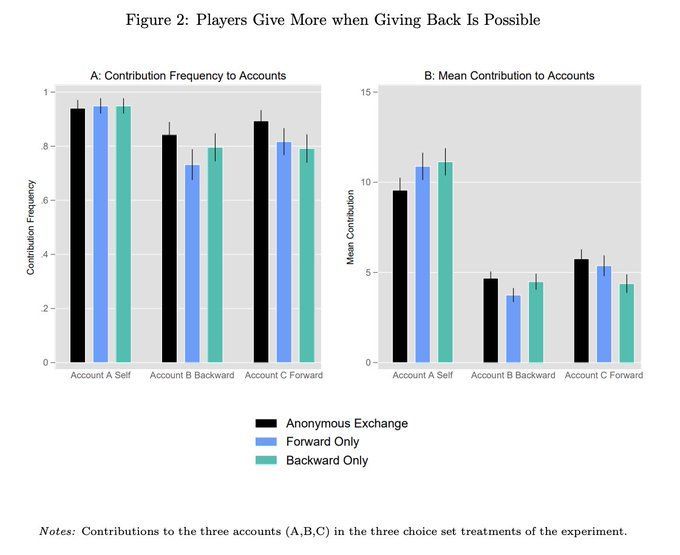
Remarkably, observing past actions doesn't matter. Players contribute more to future generations simply when the next generation can potentially give back—even if past generosity is hidden.
April 2, 2025 at 12:47 PM
Remarkably, observing past actions doesn't matter. Players contribute more to future generations simply when the next generation can potentially give back—even if past generosity is hidden.
To examine this, we randomly vary the info sets:
Some see nothing about previous players.
Some see past investments forward.
Some see how much was passed back and forward.
There are other treatments described in the paper and appendix.
Some see nothing about previous players.
Some see past investments forward.
Some see how much was passed back and forward.
There are other treatments described in the paper and appendix.
April 2, 2025 at 12:47 PM
To examine this, we randomly vary the info sets:
Some see nothing about previous players.
Some see past investments forward.
Some see how much was passed back and forward.
There are other treatments described in the paper and appendix.
Some see nothing about previous players.
Some see past investments forward.
Some see how much was passed back and forward.
There are other treatments described in the paper and appendix.
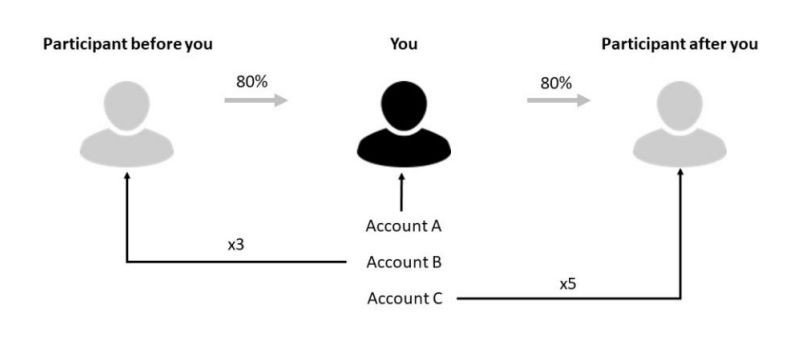
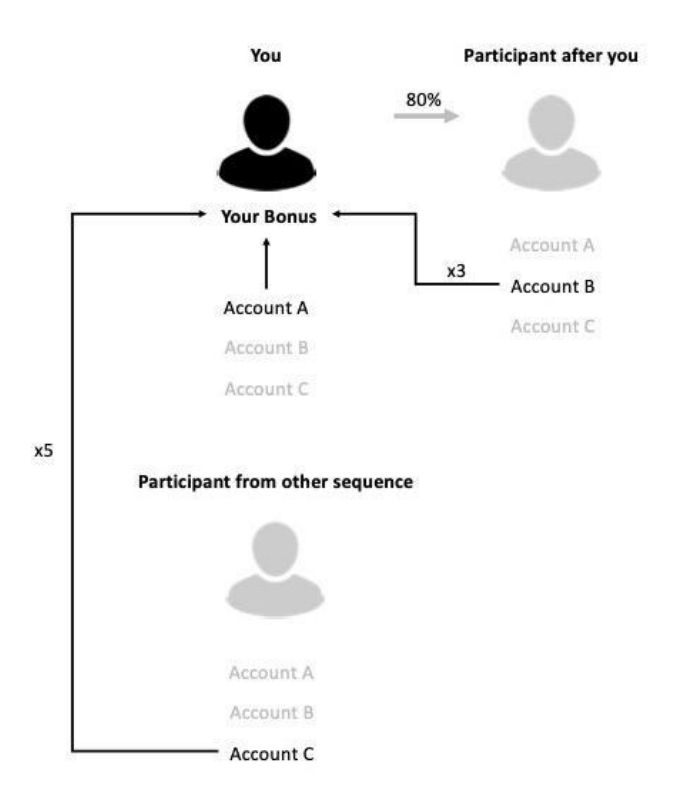
We vary treatments by changing the ability of future players to give back and the information available about what others did. Theory predicts a clear link: knowing past generosity should incentivize giving forward.
April 2, 2025 at 12:47 PM
We vary treatments by changing the ability of future players to give back and the information available about what others did. Theory predicts a clear link: knowing past generosity should incentivize giving forward.
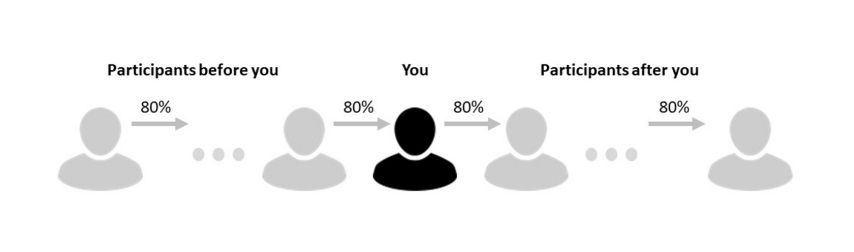
Each player represents a "generation" and decides how much of their resources to pass forward to the next player and—crucially—how much to pass backward to the previous one.
April 2, 2025 at 12:47 PM
Each player represents a "generation" and decides how much of their resources to pass forward to the next player and—crucially—how much to pass backward to the previous one.
Reposted by Zach Freitas-Groff

Co-authored with the wonderful @zdgroff.bsky.social, Oliver Hauser, and Johannes Lohse.
March 30, 2025 at 2:25 PM
Co-authored with the wonderful @zdgroff.bsky.social, Oliver Hauser, and Johannes Lohse.
Here’s the full paper: evavivalt.com/wp-content/u...
evavivalt.com
December 21, 2024 at 4:41 PM
Here’s the full paper: evavivalt.com/wp-content/u...
In short, cultured meat may have large direct effects on animals, but in our experiment, it does not prompt a social turn against animal agriculture.
December 21, 2024 at 4:40 PM
In short, cultured meat may have large direct effects on animals, but in our experiment, it does not prompt a social turn against animal agriculture.
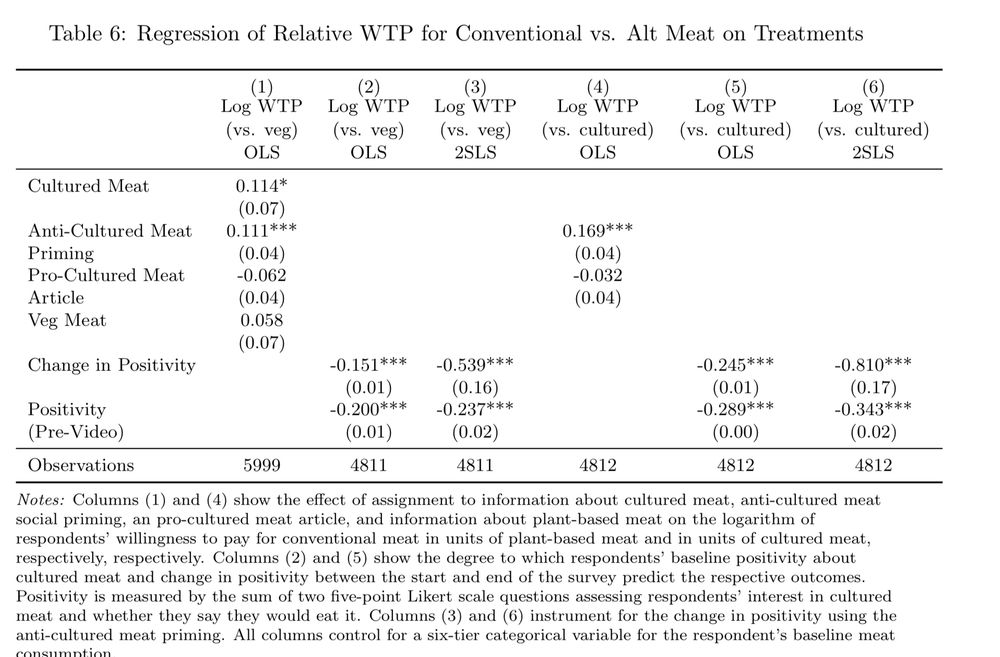
The backlash effect even extends to a stronger preference for meat relative to plant-based meat when people are exposed to cultured meat.
December 21, 2024 at 4:40 PM
The backlash effect even extends to a stronger preference for meat relative to plant-based meat when people are exposed to cultured meat.
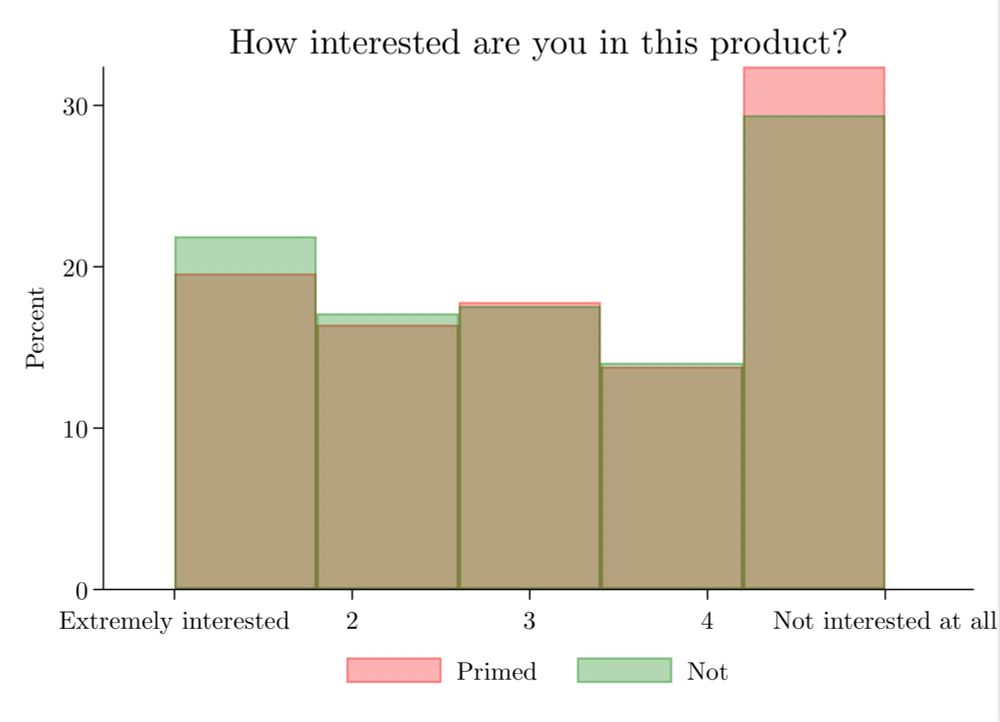
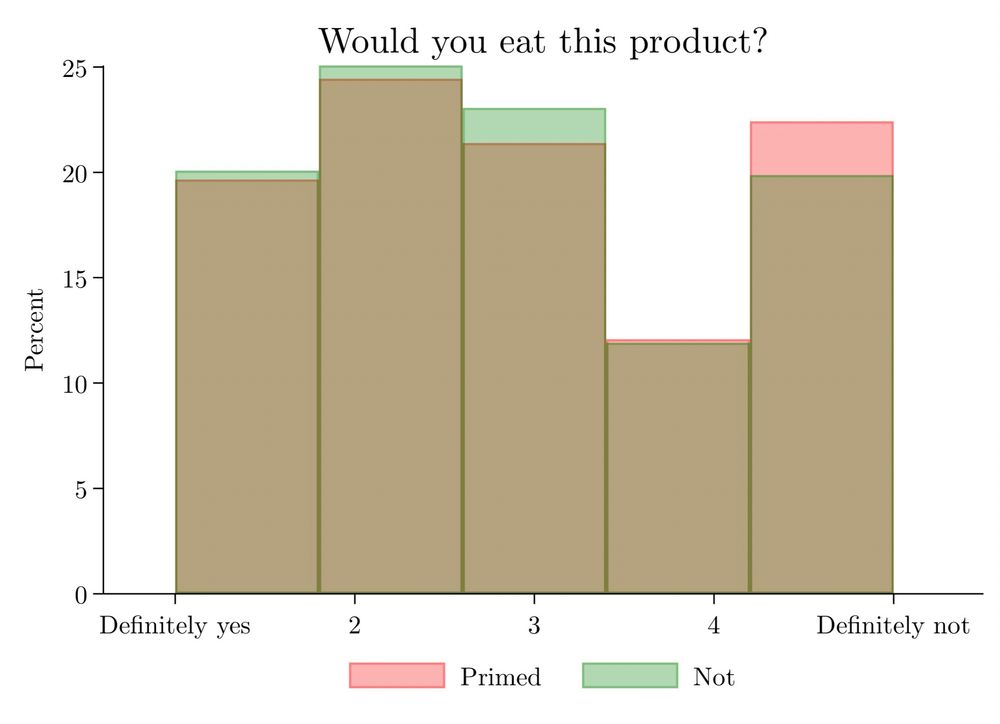
These attitudes depend a lot on the social environment-exposure to strongly negative attitudes toward cultured meat can enhance this effect (while some positive messages we study do not succeed in counteracting this).
December 21, 2024 at 4:39 PM
These attitudes depend a lot on the social environment-exposure to strongly negative attitudes toward cultured meat can enhance this effect (while some positive messages we study do not succeed in counteracting this).
Why? It looks like people react to a fear of cultured meat—perhaps thinking it will replace animal-based meat—by expressing protest views in a backlash or, in psych, "reactance" effect.
December 21, 2024 at 4:38 PM
Why? It looks like people react to a fear of cultured meat—perhaps thinking it will replace animal-based meat—by expressing protest views in a backlash or, in psych, "reactance" effect.
Reposted by Zach Freitas-Groff

@zdgroff.bsky.social, Bobbie Macdonald and I consider the impacts of a different new technology: "cultured" meat, i.e., meat that is grown in a lab from cells. 3/
December 20, 2024 at 8:05 PM
@zdgroff.bsky.social, Bobbie Macdonald and I consider the impacts of a different new technology: "cultured" meat, i.e., meat that is grown in a lab from cells. 3/
See the Twitter thread here for a social-media-style summary: x.com/zdgroff/stat...
November 2, 2023 at 8:49 PM
See the Twitter thread here for a social-media-style summary: x.com/zdgroff/stat...