




Tom Cui
@tom-cui.com
I study how policies and institutions shape housing markets at the NYU Furman Center!
All opinions, for better or for worse, are my own
All opinions, for better or for worse, are my own
We're preparing a bunch of updates for a revised draft next month, so we're happy to hear your comments.
On my end, I'm eager to continue my research agendas as I look for work in academic or policy positions. More on that at my site: tom-cui.com
Thanks for reading!
On my end, I'm eager to continue my research agendas as I look for work in academic or policy positions. More on that at my site: tom-cui.com
Thanks for reading!
Home
Personal Webpage
tom-cui.com
November 26, 2025 at 7:10 PM
We're preparing a bunch of updates for a revised draft next month, so we're happy to hear your comments.
On my end, I'm eager to continue my research agendas as I look for work in academic or policy positions. More on that at my site: tom-cui.com
Thanks for reading!
On my end, I'm eager to continue my research agendas as I look for work in academic or policy positions. More on that at my site: tom-cui.com
Thanks for reading!
A lot more is in the paper, but last thing I'll note here is that our paper made me think harder about the "abundance agenda"

November 26, 2025 at 7:10 PM
A lot more is in the paper, but last thing I'll note here is that our paper made me think harder about the "abundance agenda"
Our overall story: once 701 set up process giving influence to coalition of empowered planners + growth skeptics, they maintain power by innovating in planning practices
The result is a *path dependence in regulations* between cities, like in the framework of Acemoglu, Egorov and Sonin
The result is a *path dependence in regulations* between cities, like in the framework of Acemoglu, Egorov and Sonin
November 26, 2025 at 7:10 PM
Our overall story: once 701 set up process giving influence to coalition of empowered planners + growth skeptics, they maintain power by innovating in planning practices
The result is a *path dependence in regulations* between cities, like in the framework of Acemoglu, Egorov and Sonin
The result is a *path dependence in regulations* between cities, like in the framework of Acemoglu, Egorov and Sonin
Our design also suggests that 701 assistance is linked:
- To more complex zoning!
- With greater adoption of quotas on permits, and of inclusionary zoning!
- To more bargaining for community benefits, where we leverage newspaper reports!
- To more complex zoning!
- With greater adoption of quotas on permits, and of inclusionary zoning!
- To more bargaining for community benefits, where we leverage newspaper reports!


November 26, 2025 at 7:10 PM
Our design also suggests that 701 assistance is linked:
- To more complex zoning!
- With greater adoption of quotas on permits, and of inclusionary zoning!
- To more bargaining for community benefits, where we leverage newspaper reports!
- To more complex zoning!
- With greater adoption of quotas on permits, and of inclusionary zoning!
- To more bargaining for community benefits, where we leverage newspaper reports!
These effects are persistent: the percentage decline in supply is as large after 2000 as they were in the 1970s. Would this be when regulations grew more complex?
We then employ a variety of zoning databases (and set up an AI agent) to get evidence from regulatory text
We then employ a variety of zoning databases (and set up an AI agent) to get evidence from regulatory text
November 26, 2025 at 7:10 PM
These effects are persistent: the percentage decline in supply is as large after 2000 as they were in the 1970s. Would this be when regulations grew more complex?
We then employ a variety of zoning databases (and set up an AI agent) to get evidence from regulatory text
We then employ a variety of zoning databases (and set up an AI agent) to get evidence from regulatory text
We estimate that 701-assisted cities had 20% fewer units built in each decade than in their no-701 counterfactual. That's an avg. 13% fewer units built in total between 1960-2010.
Assisted places shifted towards single-family (away from apartments) and more restrictive lot sizes
Assisted places shifted towards single-family (away from apartments) and more restrictive lot sizes


November 26, 2025 at 7:10 PM
We estimate that 701-assisted cities had 20% fewer units built in each decade than in their no-701 counterfactual. That's an avg. 13% fewer units built in total between 1960-2010.
Assisted places shifted towards single-family (away from apartments) and more restrictive lot sizes
Assisted places shifted towards single-family (away from apartments) and more restrictive lot sizes
(2) The feds did not send money to cities; that was up to a designated agency for each state.
State capacity ranged between RI's agency - staffed with professional planners - to TX's agency - staffed with one planner under their health dept.
2 quirks -> triple difference design!
State capacity ranged between RI's agency - staffed with professional planners - to TX's agency - staffed with one planner under their health dept.
2 quirks -> triple difference design!


November 26, 2025 at 7:10 PM
(2) The feds did not send money to cities; that was up to a designated agency for each state.
State capacity ranged between RI's agency - staffed with professional planners - to TX's agency - staffed with one planner under their health dept.
2 quirks -> triple difference design!
State capacity ranged between RI's agency - staffed with professional planners - to TX's agency - staffed with one planner under their health dept.
2 quirks -> triple difference design!
But how can we derive a causal effect of the 701 Program? We exploit two quirks with program eligibility:
(1) A population cutoff was in effect; no matter which state you're in, suburbs with > 50,000 population in the last Census were nearly all ineligible.
(1) A population cutoff was in effect; no matter which state you're in, suburbs with > 50,000 population in the last Census were nearly all ineligible.

November 26, 2025 at 7:10 PM
But how can we derive a causal effect of the 701 Program? We exploit two quirks with program eligibility:
(1) A population cutoff was in effect; no matter which state you're in, suburbs with > 50,000 population in the last Census were nearly all ineligible.
(1) A population cutoff was in effect; no matter which state you're in, suburbs with > 50,000 population in the last Census were nearly all ineligible.
By tabulating HUD products stored at the National Archives, we confirm that, despite loftier ideals, planners followed a "standard package:"
- Project out population
- Draw up maps of land use, accomodating the growth residents wanted
- Zoning/building codes to enforce land use
- Project out population
- Draw up maps of land use, accomodating the growth residents wanted
- Zoning/building codes to enforce land use

November 26, 2025 at 7:10 PM
By tabulating HUD products stored at the National Archives, we confirm that, despite loftier ideals, planners followed a "standard package:"
- Project out population
- Draw up maps of land use, accomodating the growth residents wanted
- Zoning/building codes to enforce land use
- Project out population
- Draw up maps of land use, accomodating the growth residents wanted
- Zoning/building codes to enforce land use
We digitize the 701 project directories, counting ~3K cities given grants.
Beyond America's urban core, these cities lacked planning capacity and struggled with post-war suburban sprawl.
701 assistance funded many of the first suburban planners, but not subject to evaluation since the 70s!
Beyond America's urban core, these cities lacked planning capacity and struggled with post-war suburban sprawl.
701 assistance funded many of the first suburban planners, but not subject to evaluation since the 70s!

November 26, 2025 at 7:10 PM
We digitize the 701 project directories, counting ~3K cities given grants.
Beyond America's urban core, these cities lacked planning capacity and struggled with post-war suburban sprawl.
701 assistance funded many of the first suburban planners, but not subject to evaluation since the 70s!
Beyond America's urban core, these cities lacked planning capacity and struggled with post-war suburban sprawl.
701 assistance funded many of the first suburban planners, but not subject to evaluation since the 70s!
Our paper, "Taming the Growth Machine," is available here: tom-cui.com/2025/11/03/s...
We study the 1954 Urban Planning Assistance Program, otherwise known as the "701 Program."
Up to the late 60s, the federal government awarded grants for small cities to match with urban planners.
We study the 1954 Urban Planning Assistance Program, otherwise known as the "701 Program."
Up to the late 60s, the federal government awarded grants for small cities to match with urban planners.

November 26, 2025 at 7:10 PM
Our paper, "Taming the Growth Machine," is available here: tom-cui.com/2025/11/03/s...
We study the 1954 Urban Planning Assistance Program, otherwise known as the "701 Program."
Up to the late 60s, the federal government awarded grants for small cities to match with urban planners.
We study the 1954 Urban Planning Assistance Program, otherwise known as the "701 Program."
Up to the late 60s, the federal government awarded grants for small cities to match with urban planners.
In addition, we could recalculate these estimates just for the Southern states - for now, the only place with any hope of even building in this range.
January 1, 2025 at 7:41 PM
In addition, we could recalculate these estimates just for the Southern states - for now, the only place with any hope of even building in this range.
The more interesting question is where exactly do we want the gap to be, between 6-20M. Just from an urbanist perspective, 20M single-family homes would have enormous land use costs.
January 1, 2025 at 7:41 PM
The more interesting question is where exactly do we want the gap to be, between 6-20M. Just from an urbanist perspective, 20M single-family homes would have enormous land use costs.
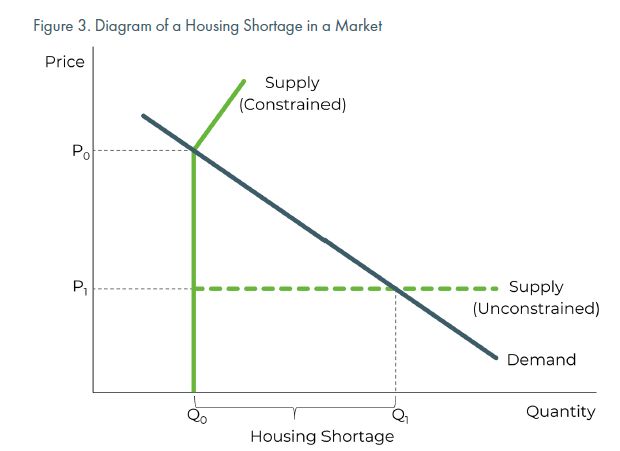
This is what you'd need for *the free market to lower prices as much as it can* - for existing homes to be affordable to families with more modest incomes than their earlier buyers!
Furthermore, in this world early buyers are free to access bigger McMansions in the periphery.
Furthermore, in this world early buyers are free to access bigger McMansions in the periphery.
January 1, 2025 at 7:41 PM
This is what you'd need for *the free market to lower prices as much as it can* - for existing homes to be affordable to families with more modest incomes than their earlier buyers!
Furthermore, in this world early buyers are free to access bigger McMansions in the periphery.
Furthermore, in this world early buyers are free to access bigger McMansions in the periphery.
If you make up these 5-6M units, the affordability issue would look less dire for the dual-earner families struggling to buy homes this second.
The Corinth estimate has a different idea of "needed" - what we'd get if free competition drove prices to their construction costs
The Corinth estimate has a different idea of "needed" - what we'd get if free competition drove prices to their construction costs
January 1, 2025 at 7:41 PM
If you make up these 5-6M units, the affordability issue would look less dire for the dual-earner families struggling to buy homes this second.
The Corinth estimate has a different idea of "needed" - what we'd get if free competition drove prices to their construction costs
The Corinth estimate has a different idea of "needed" - what we'd get if free competition drove prices to their construction costs
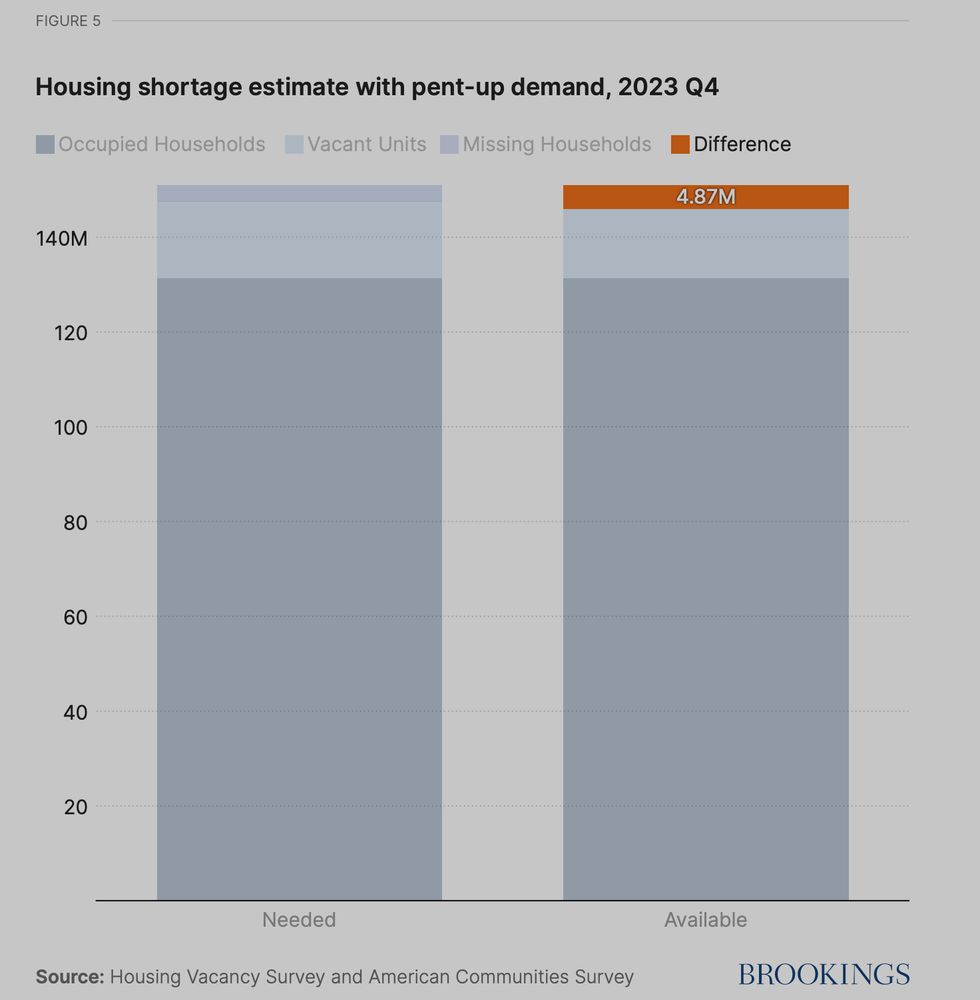
The key assumptions about how many units are "needed" here is that it maintains past household formation trends, plus constant vacancy rates.
My interpretation of *how prices look* in this assumed world is that house prices keep rising, but *in line with income growth*.
My interpretation of *how prices look* in this assumed world is that house prices keep rising, but *in line with income growth*.
January 1, 2025 at 7:41 PM
The key assumptions about how many units are "needed" here is that it maintains past household formation trends, plus constant vacancy rates.
My interpretation of *how prices look* in this assumed world is that house prices keep rising, but *in line with income growth*.
My interpretation of *how prices look* in this assumed world is that house prices keep rising, but *in line with income growth*.
PSA: A lot of the thread is expanding on what Salim Furth (Mercatus) wrote 2 years ago:
marketurbanism.com/2022/08/05/h...
My preferred method is the approach by Khater et al (2021), updated to '23 data recently. So for me, the shortage "snapshot" now is 5-6M units
brookings.edu/articles/mak...
marketurbanism.com/2022/08/05/h...
My preferred method is the approach by Khater et al (2021), updated to '23 data recently. So for me, the shortage "snapshot" now is 5-6M units
brookings.edu/articles/mak...
January 1, 2025 at 7:41 PM
PSA: A lot of the thread is expanding on what Salim Furth (Mercatus) wrote 2 years ago:
marketurbanism.com/2022/08/05/h...
My preferred method is the approach by Khater et al (2021), updated to '23 data recently. So for me, the shortage "snapshot" now is 5-6M units
brookings.edu/articles/mak...
marketurbanism.com/2022/08/05/h...
My preferred method is the approach by Khater et al (2021), updated to '23 data recently. So for me, the shortage "snapshot" now is 5-6M units
brookings.edu/articles/mak...
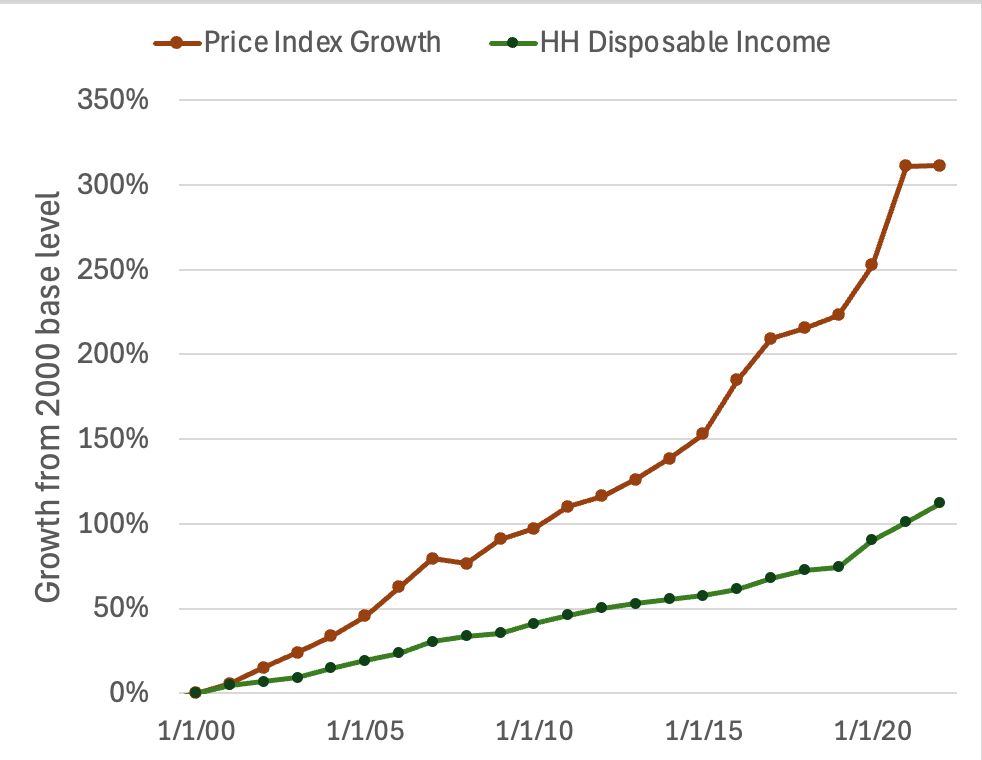
And if I had to make my ideal version of the Canada graph, I'd combine the OECD household data with the Teranet house price index instead.
You can more easily see three "shifts" in the divergence with this anyway: from 2000-2015, 2015-2021 and the post-COVID market.
You can more easily see three "shifts" in the divergence with this anyway: from 2000-2015, 2015-2021 and the post-COVID market.
December 23, 2024 at 10:46 PM
And if I had to make my ideal version of the Canada graph, I'd combine the OECD household data with the Teranet house price index instead.
You can more easily see three "shifts" in the divergence with this anyway: from 2000-2015, 2015-2021 and the post-COVID market.
You can more easily see three "shifts" in the divergence with this anyway: from 2000-2015, 2015-2021 and the post-COVID market.
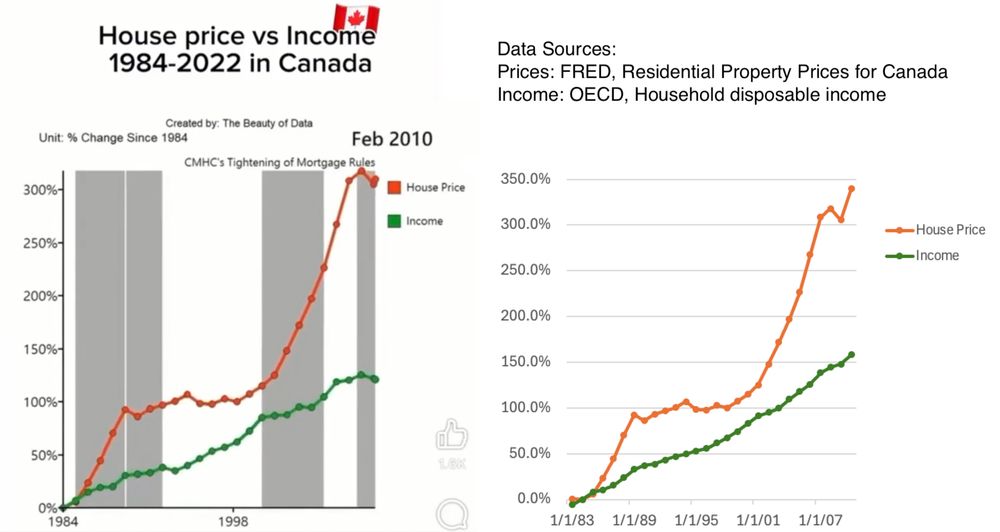
Then I looked for a more proper measure of income for the context: household disposable income, available in a standard form at the OECD.
The trends match better, at least. But growth is still slower than the OECD data source. From 1984-2022, OECD reports 300% change while the video reports 200%
The trends match better, at least. But growth is still slower than the OECD data source. From 1984-2022, OECD reports 300% change while the video reports 200%
December 23, 2024 at 10:46 PM
Then I looked for a more proper measure of income for the context: household disposable income, available in a standard form at the OECD.
The trends match better, at least. But growth is still slower than the OECD data source. From 1984-2022, OECD reports 300% change while the video reports 200%
The trends match better, at least. But growth is still slower than the OECD data source. From 1984-2022, OECD reports 300% change while the video reports 200%
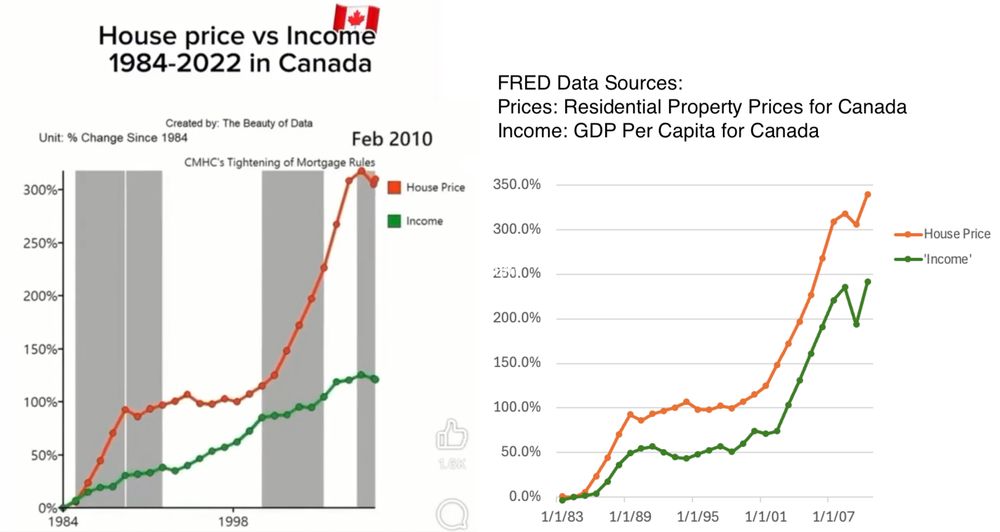
But the trends don't match! Nothing on FRED could replicate the "income" part.
Here is a zoom-in before the (very real) explosion in Canadian house prices in the last 6 years, showing the lack of a match.
Here is a zoom-in before the (very real) explosion in Canadian house prices in the last 6 years, showing the lack of a match.
December 23, 2024 at 10:46 PM
But the trends don't match! Nothing on FRED could replicate the "income" part.
Here is a zoom-in before the (very real) explosion in Canadian house prices in the last 6 years, showing the lack of a match.
Here is a zoom-in before the (very real) explosion in Canadian house prices in the last 6 years, showing the lack of a match.
The data actually cites the series on fred.stlouisfed.org they use, which is nominal "Residential Property Prices per capita," replicable by fixing an index value.
At first I thought maybe they went for the next search result on FRED, which is GDP Per Capita. It's not a measure of "income" either
At first I thought maybe they went for the next search result on FRED, which is GDP Per Capita. It's not a measure of "income" either
December 23, 2024 at 10:46 PM
The data actually cites the series on fred.stlouisfed.org they use, which is nominal "Residential Property Prices per capita," replicable by fixing an index value.
At first I thought maybe they went for the next search result on FRED, which is GDP Per Capita. It's not a measure of "income" either
At first I thought maybe they went for the next search result on FRED, which is GDP Per Capita. It's not a measure of "income" either