




Stephanie Chamberlin
@stephcham.bsky.social
Global health | International Education | Social Scientist
www.stephaniechamberlinphd.com
www.stephaniechamberlinphd.com
Thanks for this thread. I was about to craft a similar response, but saw you covered it more clearly and thoroughly than I would have!
July 30, 2025 at 2:38 PM
Thanks for this thread. I was about to craft a similar response, but saw you covered it more clearly and thoroughly than I would have!
Ironically that should have been ‘hire’ not higher. But it makes my point 😂
July 23, 2025 at 8:58 PM
Ironically that should have been ‘hire’ not higher. But it makes my point 😂
Don’t over complicate it! Write first, perfect later. Higher an editor.
July 23, 2025 at 8:46 PM
Don’t over complicate it! Write first, perfect later. Higher an editor.
The questions and findings in this research have been central to my current and future research agenda: Understanding how and why formal education does or does not support chronic care management in diverse settings globally.
July 17, 2025 at 11:24 PM
The questions and findings in this research have been central to my current and future research agenda: Understanding how and why formal education does or does not support chronic care management in diverse settings globally.
🎉 This research comes from a qualitative study I led in Malawi in 2017 using in-depth interviews, and was part of my mixed methods dissertation. I am so excited to share this work!
A huge thank you to my co-authors: Misheck Mphande, Khumbo Phiri, Pericles Kalande, and Kathryn Dovel!
A huge thank you to my co-authors: Misheck Mphande, Khumbo Phiri, Pericles Kalande, and Kathryn Dovel!
July 17, 2025 at 11:23 PM
🎉 This research comes from a qualitative study I led in Malawi in 2017 using in-depth interviews, and was part of my mixed methods dissertation. I am so excited to share this work!
A huge thank you to my co-authors: Misheck Mphande, Khumbo Phiri, Pericles Kalande, and Kathryn Dovel!
A huge thank you to my co-authors: Misheck Mphande, Khumbo Phiri, Pericles Kalande, and Kathryn Dovel!
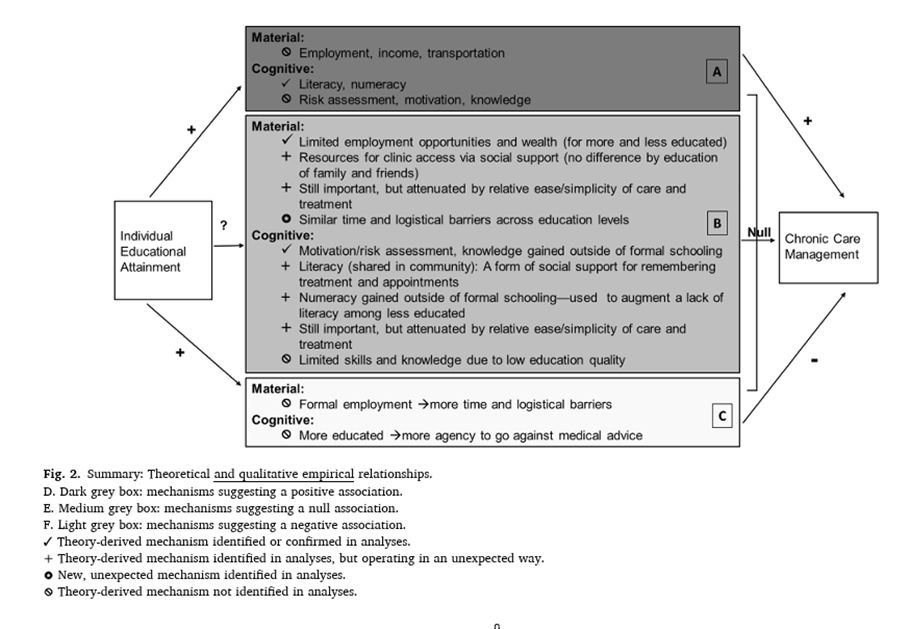
Figure 2 summarizes what we actually found in the interviews.
✅ That big box in Figure 2 represents factors that suggest that chronic HIV care will not be strongly related to having more formal schooling.
✅ That big box in Figure 2 represents factors that suggest that chronic HIV care will not be strongly related to having more formal schooling.
July 17, 2025 at 11:22 PM
Figure 2 summarizes what we actually found in the interviews.
✅ That big box in Figure 2 represents factors that suggest that chronic HIV care will not be strongly related to having more formal schooling.
✅ That big box in Figure 2 represents factors that suggest that chronic HIV care will not be strongly related to having more formal schooling.
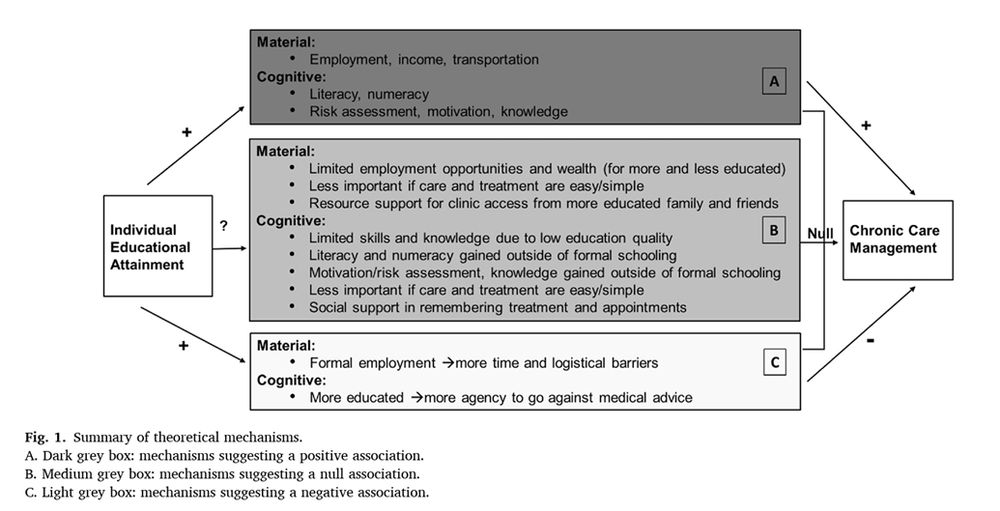
Figure 1 is a summary of what we initially thought these in-depths would show about how education supports HIV care.
July 17, 2025 at 11:21 PM
Figure 1 is a summary of what we initially thought these in-depths would show about how education supports HIV care.
This confirmed the statistical findings!
5/n
5/n
July 17, 2025 at 11:20 PM
This confirmed the statistical findings!
5/n
5/n
😯 As we dug deeper into the in-depth interviews, the findings were not what we expected…Contextual realities—nature of the health care system, lack of employment opportunities, social support systems from friends and family, etc—made people’s formal education less important for their HIV care.
4/n
4/n
July 17, 2025 at 11:20 PM
😯 As we dug deeper into the in-depth interviews, the findings were not what we expected…Contextual realities—nature of the health care system, lack of employment opportunities, social support systems from friends and family, etc—made people’s formal education less important for their HIV care.
4/n
4/n
❓ We wanted to understand why education does not positively influence chronic HIV care management in the context of eastern and southern Africa.
3/n
3/n
July 17, 2025 at 11:18 PM
❓ We wanted to understand why education does not positively influence chronic HIV care management in the context of eastern and southern Africa.
3/n
3/n
❓ In the beginning, we were curious to learn how individuals’ formal education fit into the ways they managed their HIV care. At the same time, I conducted statistical analyses and found no relationship between formal education & HIV treatment adherences [see findings here: lnkd.in/geB2kciK].
2/n
2/n
LinkedIn
This link will take you to a page that’s not on LinkedIn
https://lnkd.in/geB2kciK]
July 17, 2025 at 11:17 PM
❓ In the beginning, we were curious to learn how individuals’ formal education fit into the ways they managed their HIV care. At the same time, I conducted statistical analyses and found no relationship between formal education & HIV treatment adherences [see findings here: lnkd.in/geB2kciK].
2/n
2/n
And a huge thank you to my fantastic coauthors: Patrick Krueger and Leah Pauline!
June 26, 2025 at 3:53 PM
And a huge thank you to my fantastic coauthors: Patrick Krueger and Leah Pauline!
Interestingly: knowledge that is more tied to going to a health clinic—like contraceptive methods—is also more influenced by individual education. But knowledge that is more tied to social norms/behaviors—like how HIV is transmitted and prevented—is more influenced by the education of the community.
June 25, 2025 at 9:23 PM
Interestingly: knowledge that is more tied to going to a health clinic—like contraceptive methods—is also more influenced by individual education. But knowledge that is more tied to social norms/behaviors—like how HIV is transmitted and prevented—is more influenced by the education of the community.
In this study we sought to understand how formal schooling and learning from those around you might interact to help people gain more accurate information about contraceptive methods and HIV transmission knowledge.
5/n
5/n
June 25, 2025 at 9:21 PM
In this study we sought to understand how formal schooling and learning from those around you might interact to help people gain more accurate information about contraceptive methods and HIV transmission knowledge.
5/n
5/n
Interestingly: knowledge that is more closely tied to going to a health clinic—like contraceptive methods—is more influenced by individual education. But knowledge that is more tied to social norms/behaviors—like how HIV transmission—is more influenced by the education of the community.
6/6
6/6
June 25, 2025 at 8:12 PM
Interestingly: knowledge that is more closely tied to going to a health clinic—like contraceptive methods—is more influenced by individual education. But knowledge that is more tied to social norms/behaviors—like how HIV transmission—is more influenced by the education of the community.
6/6
6/6
BUT…How did you first learn about contraception and HIV? I bet for many of you—regardless of your education—your answer is not school, but friends, family, or some form of media. This is social learning.
4/n
4/n
June 25, 2025 at 8:09 PM
BUT…How did you first learn about contraception and HIV? I bet for many of you—regardless of your education—your answer is not school, but friends, family, or some form of media. This is social learning.
4/n
4/n