



@spongesymbiont.bsky.social
Reposted

Chinese scientists have become the first to visit one of Earth’s most remote and geologically intriguing realms: an underwater volcanic ridge in the Arctic Ocean
go.nature.com/4hV4gxa
go.nature.com/4hV4gxa

Chinese researchers reveal unexplored section of mysterious Arctic Ocean ridge
Oceanographers hope to find otherworldly ecosystems at hydrothermal vents on the seafloor.
go.nature.com
November 12, 2025 at 10:45 AM
Chinese scientists have become the first to visit one of Earth’s most remote and geologically intriguing realms: an underwater volcanic ridge in the Arctic Ocean
go.nature.com/4hV4gxa
go.nature.com/4hV4gxa
Reposted
Funders must recognise that great discoveries often come from studies that seeks to advance knowledge for its own sake
go.nature.com/3X5lbUg
go.nature.com/3X5lbUg

From MRI to Ozempic: breakthroughs that show why fundamental research must be protected
Nature - In these financially straitened times, funders must recognize that great discoveries often arise from work that was looking for something completely different.
go.nature.com
November 1, 2025 at 3:19 PM
Funders must recognise that great discoveries often come from studies that seeks to advance knowledge for its own sake
go.nature.com/3X5lbUg
go.nature.com/3X5lbUg
Reposted
Latest from the Nature Podcast 🔊 Bowhead whales can live for more than 200 years — this protein might be why
go.nature.com/4npKLhH
go.nature.com/4npKLhH

Bowhead whales can live for more than 200 years — this protein might be why
Hear the biggest stories from the world of science | 29 October 2025
go.nature.com
October 31, 2025 at 12:21 PM
Latest from the Nature Podcast 🔊 Bowhead whales can live for more than 200 years — this protein might be why
go.nature.com/4npKLhH
go.nature.com/4npKLhH
Reposted

They're creepy and they're kooky...there is no shortage of strange microbes out there! 🦠 In honor of #Halloween, learn about some of the oddest "microbial monsters," from vampire bacteria to algae that suck the life out of ponds! Watch now: www.youtube.com/watch?v=icLw... 👻🎃

Microbial Monsters - Algae, Vampirococcus and Halloween
YouTube video by American Society for Microbiology
www.youtube.com
October 31, 2025 at 4:36 PM
They're creepy and they're kooky...there is no shortage of strange microbes out there! 🦠 In honor of #Halloween, learn about some of the oddest "microbial monsters," from vampire bacteria to algae that suck the life out of ponds! Watch now: www.youtube.com/watch?v=icLw... 👻🎃
Reposted
How did life begin, and why does it matter? Scientists are tracing early microbial life–from LUCA to multicellularity–to unlock insights for biotech, climate science and even space exploration. Read the article: asm.org/articles/202...
Early Microbial Evolution | ASM.org
How did life begin, and why does it matter? Scientists are tracing early microbial life—from LUCA to multicellularity—to unlock insights for biotech, climate science and even space exploration.
asm.org
October 30, 2025 at 2:09 PM
How did life begin, and why does it matter? Scientists are tracing early microbial life–from LUCA to multicellularity–to unlock insights for biotech, climate science and even space exploration. Read the article: asm.org/articles/202...
Reposted
PHD OPPORTUNITY: Modelling high-resolution wave dynamics over coral reef topographic complexity (Southampton University, UK)
www.findaphd.com/phds/project...
#coralreefs #phd #phdopportunity #careers #modelling #wavedynamics #coastalprotection #coral #coralresearch #coralscience #marinebiology
www.findaphd.com/phds/project...
#coralreefs #phd #phdopportunity #careers #modelling #wavedynamics #coastalprotection #coral #coralresearch #coralscience #marinebiology

October 23, 2025 at 7:30 AM
PHD OPPORTUNITY: Modelling high-resolution wave dynamics over coral reef topographic complexity (Southampton University, UK)
www.findaphd.com/phds/project...
#coralreefs #phd #phdopportunity #careers #modelling #wavedynamics #coastalprotection #coral #coralresearch #coralscience #marinebiology
www.findaphd.com/phds/project...
#coralreefs #phd #phdopportunity #careers #modelling #wavedynamics #coastalprotection #coral #coralresearch #coralscience #marinebiology
Reposted
FUNDED PHD OPPORTUNITY: Investigating the Mechanisms that Drive Coral Larval Settlement (University of Bristol, UK)
www.findaphd.com/phds/project...
#coralreefs #phd #phdopportunity #careers #coralresearch #corallarvae #coralsettlement #coralscience #coralreefecology #marinebiology
www.findaphd.com/phds/project...
#coralreefs #phd #phdopportunity #careers #coralresearch #corallarvae #coralsettlement #coralscience #coralreefecology #marinebiology

October 21, 2025 at 7:30 AM
FUNDED PHD OPPORTUNITY: Investigating the Mechanisms that Drive Coral Larval Settlement (University of Bristol, UK)
www.findaphd.com/phds/project...
#coralreefs #phd #phdopportunity #careers #coralresearch #corallarvae #coralsettlement #coralscience #coralreefecology #marinebiology
www.findaphd.com/phds/project...
#coralreefs #phd #phdopportunity #careers #coralresearch #corallarvae #coralsettlement #coralscience #coralreefecology #marinebiology
Reposted
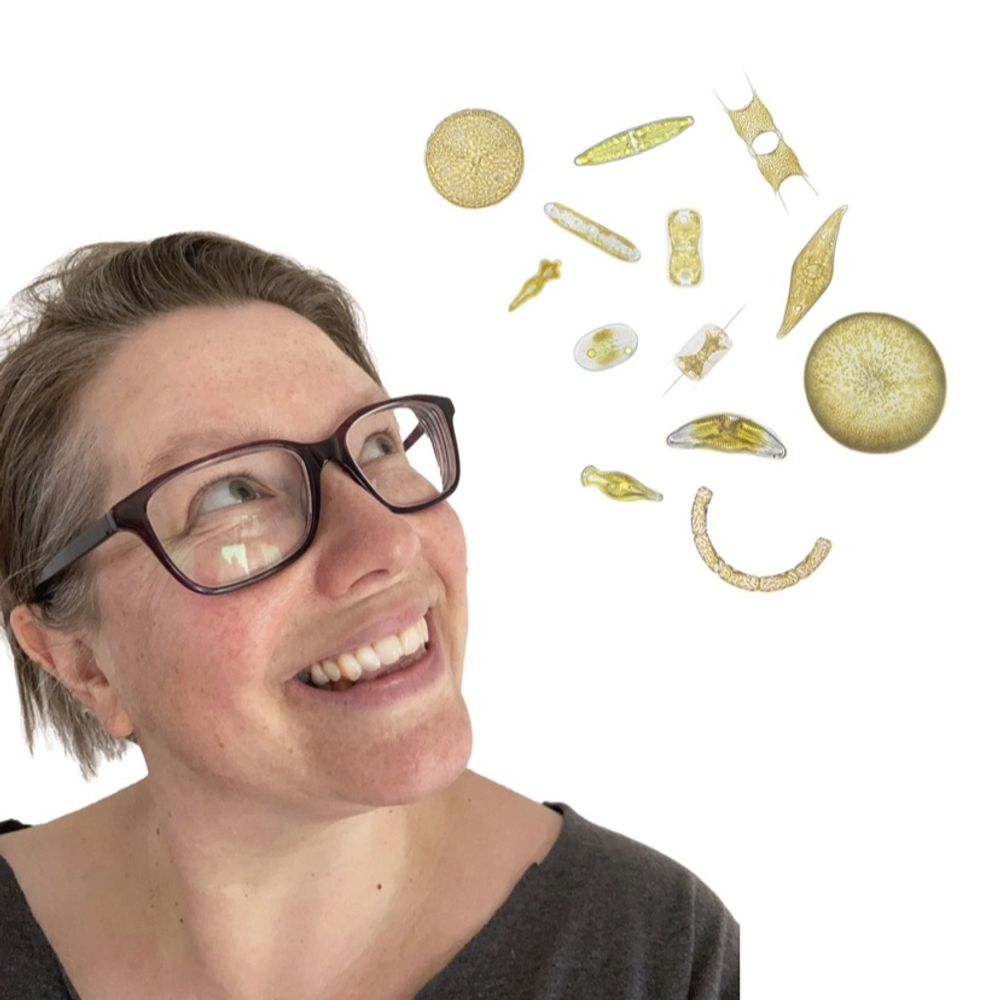
There are still plenty of Ascidian sea squirt larvae on my plankton samples at the moment. Love them!
#marineplankton 🦑
#marineplankton 🦑
October 17, 2025 at 1:47 PM
There are still plenty of Ascidian sea squirt larvae on my plankton samples at the moment. Love them!
#marineplankton 🦑
#marineplankton 🦑
Reposted
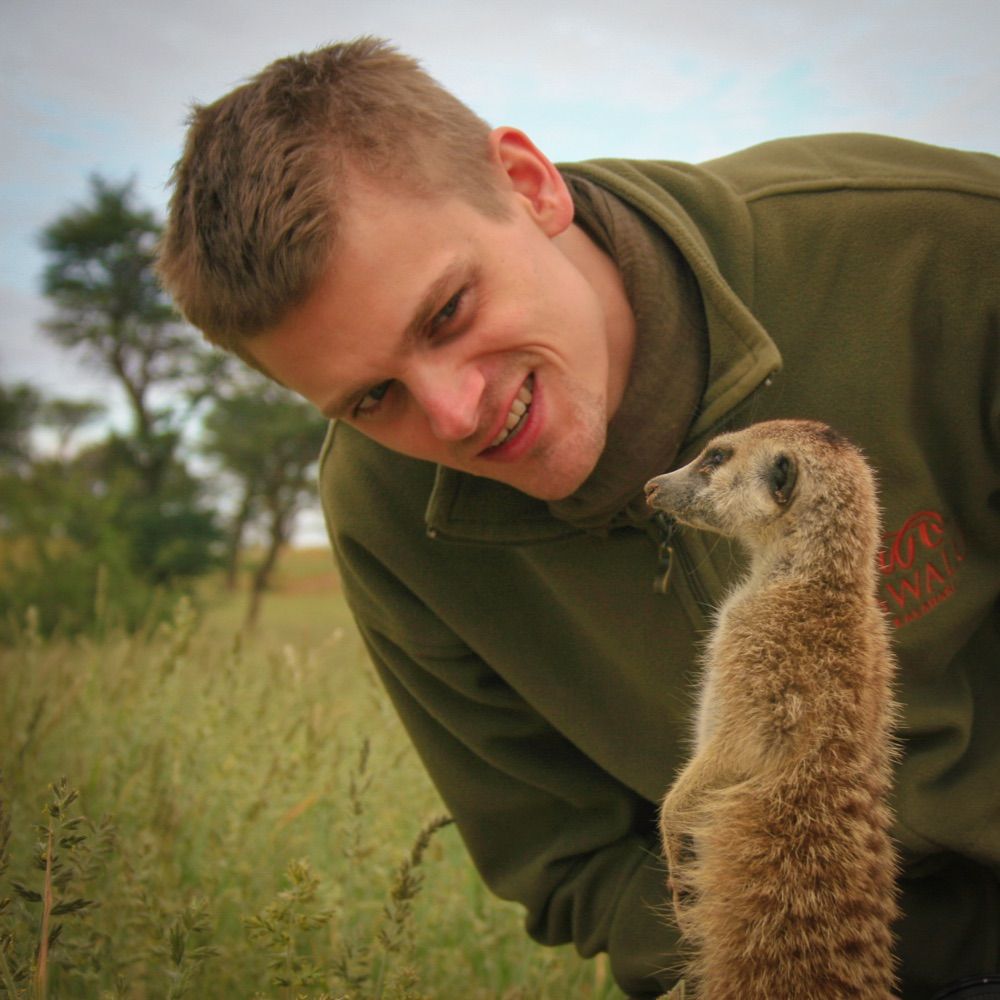
🚨Fully-funded PhD opportunity in my group🚨
🧬How does parental ageing shape the next generation?🐾
Find out by studying meerkats!
🧪Epigenetic clocks
✨Bioinformatics
📊Long-term data
🌍Kalahari fieldwork
💡Big evolutionary questions
Get in touch or APPLY NOW
Please share!
www.uea.ac.uk/course/phd-d...
🧬How does parental ageing shape the next generation?🐾
Find out by studying meerkats!
🧪Epigenetic clocks
✨Bioinformatics
📊Long-term data
🌍Kalahari fieldwork
💡Big evolutionary questions
Get in touch or APPLY NOW
Please share!
www.uea.ac.uk/course/phd-d...

October 17, 2025 at 9:12 AM
🚨Fully-funded PhD opportunity in my group🚨
🧬How does parental ageing shape the next generation?🐾
Find out by studying meerkats!
🧪Epigenetic clocks
✨Bioinformatics
📊Long-term data
🌍Kalahari fieldwork
💡Big evolutionary questions
Get in touch or APPLY NOW
Please share!
www.uea.ac.uk/course/phd-d...
🧬How does parental ageing shape the next generation?🐾
Find out by studying meerkats!
🧪Epigenetic clocks
✨Bioinformatics
📊Long-term data
🌍Kalahari fieldwork
💡Big evolutionary questions
Get in touch or APPLY NOW
Please share!
www.uea.ac.uk/course/phd-d...
Reposted

This quarter’s free AGU member ebook is here: Muography: Exploring Earth's Subsurface with Elementary Particles.
Discover how muography reveals Earth’s hidden layers.
🔗 buff.ly/tR2PVNh
Discover how muography reveals Earth’s hidden layers.
🔗 buff.ly/tR2PVNh

October 17, 2025 at 7:44 PM
This quarter’s free AGU member ebook is here: Muography: Exploring Earth's Subsurface with Elementary Particles.
Discover how muography reveals Earth’s hidden layers.
🔗 buff.ly/tR2PVNh
Discover how muography reveals Earth’s hidden layers.
🔗 buff.ly/tR2PVNh
Reposted
ASM has officially joined the WHO Civil Society Task Force on AMR, which will provide opportunities for partners to advocate, raise awareness and engage in policy collaborations and engagement in the global response to AMR. Learn more: www.who.int/groups/civil...
Civil Society Task Force on Antimicrobial Resistance
WHO Civil Society Task Force on Antimicrobial Resistance (AMR) supports and strengthens the World Health Organization’s engagement with nongovernmental organizations including civil society groups glo...
www.who.int
October 17, 2025 at 8:38 PM
ASM has officially joined the WHO Civil Society Task Force on AMR, which will provide opportunities for partners to advocate, raise awareness and engage in policy collaborations and engagement in the global response to AMR. Learn more: www.who.int/groups/civil...
Reposted

3D-printed organs, pig donors, skin grafts… and a ponytail growing out of a leg? Here’s the innovative, almost sci-fi world of fabricating body parts—and where the effort sometimes falls short.

The Science Of Replacing Body Parts, From Hair To Hearts
In “Replaceable You,” Mary Roach describes mind-boggling efforts to replace human body parts—and why it’s proven to be so difficult.
buff.ly
October 18, 2025 at 12:21 AM
3D-printed organs, pig donors, skin grafts… and a ponytail growing out of a leg? Here’s the innovative, almost sci-fi world of fabricating body parts—and where the effort sometimes falls short.
Reposted
ASM members met virtually with members of Congress and their staff today to emphasize the need for stable, full-year funding for science and public health. Tell Congress to fund federal research and end the government shutdown: asm.org/articles/pol...
Action Alerts
ASM is a nonprofit professional society that publishes scientific journals and advances microbiology through advocacy, global health and diversity in STEM programs.
asm.org
October 16, 2025 at 8:06 PM
ASM members met virtually with members of Congress and their staff today to emphasize the need for stable, full-year funding for science and public health. Tell Congress to fund federal research and end the government shutdown: asm.org/articles/pol...
Reposted
Producing enough food to feed more than 8 billion people is challenging. However, microbes offer powerful solutions in the form of biofertilizers and biochar, ultimately promoting crop health and boosting global food security and resilience. asm.social/2E7 #WorldFoodDay

October 16, 2025 at 4:31 PM
Producing enough food to feed more than 8 billion people is challenging. However, microbes offer powerful solutions in the form of biofertilizers and biochar, ultimately promoting crop health and boosting global food security and resilience. asm.social/2E7 #WorldFoodDay
Reposted

25 years ago, a landmark paper warned that coral reefs could vanish by 2050. Today, I'm joined by the marine biologist who made this prediction for an update on the health of coral reefs and the primary ecological stressors driving their decline.
www.thegreatsimplification.com/episode/197-...
www.thegreatsimplification.com/episode/197-...
October 15, 2025 at 3:17 PM
25 years ago, a landmark paper warned that coral reefs could vanish by 2050. Today, I'm joined by the marine biologist who made this prediction for an update on the health of coral reefs and the primary ecological stressors driving their decline.
www.thegreatsimplification.com/episode/197-...
www.thegreatsimplification.com/episode/197-...
Reposted
🌍🐧 Fully-funded PhD Opportunity joined between La Rochelle University (France) & @sosbangor.bsky.social (UK): Understanding Antarctic Ecosystem Resilience through Penguin Energetics ❄️🎓
euraxess.ec.europa.eu/jobs/380114
euraxess.ec.europa.eu/jobs/380114

October 15, 2025 at 11:21 AM
🌍🐧 Fully-funded PhD Opportunity joined between La Rochelle University (France) & @sosbangor.bsky.social (UK): Understanding Antarctic Ecosystem Resilience through Penguin Energetics ❄️🎓
euraxess.ec.europa.eu/jobs/380114
euraxess.ec.europa.eu/jobs/380114
Our lab work with #corals and #sponges is featured on Fieldwork Friday by the amazing company #Waterlust check it out:
www.instagram.com/p/DPpDBnPiOV...
www.instagram.com/p/DPpDBnPiOV...

waterlust on Instagram: "Happy Fieldwork Friday! This week, we are featuring some recent sponge research from the Fiore Marine Microbiology and Ecology Lab …"
Happy Fieldwork Friday! This week, we are featuring some recent sponge research from the Fiore Marine Microbiology and Ecology Lab at @appstate 🪸Sponges and corals have coexisted on coral reefs for a very long time. Although corals might be the more charismatic of the duo, sponges are just as important to our coral reef ecosystems! Sponges provide food and shelter to many marine creatures, act as glue securing corals and rocks on the reef, and filter massive amounts of water (up to 1000 liters per hour per kilogram of sponge!), removing excess nutrients and harmful algae in the process.Although these two organisms have lived side by side for so long, we are just starting to understand the full scope of their relationship. We know sponges can consume nutrients released from corals and algae, but is this a one-sided exchange? Dr. Cara Fiore and her colleagues wanted to find out if the opposite occurs - do corals also consume nutrients from sponges?To test this hypothesis, the research team designed a lab experiment to find out. Sponges were fed a special food that contained a “tracer” heavy element that the team could follow. Once the sponges had taken in all the tracer and any excess was rinsed off, the tagged sponges were incubated in the same tank as some coral fragments from Mote’s Coral Nursery. Then it was time to wait and let the sponges do their thing - pumping water through their bodies, respiring, and releasing waste. Because the sponges would be the only source of the heavy tracer nutrients, if any were detected in the corals, then the team would know it came from the sponges.Their hard work paid off, and they were able to show for the first time that corals consumed nutrients from sponges! We often think of sponges and corals as competing for space on a reef, but seems like there may be more to this story….Check out the paper to learn more and follow the Fiore Lab as they expand on this groundbreaking work.fiorelabsymbiosis.orgReigel, Alicia M., et al. "Sponge exhalent metabolites influence coral reef picoplankton dynamics." Scientific Reports 14.1 (2024): 31394.
www.instagram.com
October 15, 2025 at 8:35 PM
Our lab work with #corals and #sponges is featured on Fieldwork Friday by the amazing company #Waterlust check it out:
www.instagram.com/p/DPpDBnPiOV...
www.instagram.com/p/DPpDBnPiOV...


Our last regular field site to check after the hurricane last fall- no #freshwatersponges unfortunately but did find this cute water snake peeking out

October 1, 2025 at 10:15 AM
Our last regular field site to check after the hurricane last fall- no #freshwatersponges unfortunately but did find this cute water snake peeking out
Reposted

ASLO is accepting applications for the NSF-funded Limnology and Oceanography Research Exchange and Mentoring Experience (LOREX ME).
Deadline grad students: Nov 1, 2025.
Undergrad: Nov 19, 2025 - Jan 15, 2026.
Join webinars:
📅 Sept 30 – 1 pm ET
📅 Oct 14 – 1 pm ET
www.aslo.org/lorex-me-pro...
Deadline grad students: Nov 1, 2025.
Undergrad: Nov 19, 2025 - Jan 15, 2026.
Join webinars:
📅 Sept 30 – 1 pm ET
📅 Oct 14 – 1 pm ET
www.aslo.org/lorex-me-pro...

September 26, 2025 at 7:31 PM
ASLO is accepting applications for the NSF-funded Limnology and Oceanography Research Exchange and Mentoring Experience (LOREX ME).
Deadline grad students: Nov 1, 2025.
Undergrad: Nov 19, 2025 - Jan 15, 2026.
Join webinars:
📅 Sept 30 – 1 pm ET
📅 Oct 14 – 1 pm ET
www.aslo.org/lorex-me-pro...
Deadline grad students: Nov 1, 2025.
Undergrad: Nov 19, 2025 - Jan 15, 2026.
Join webinars:
📅 Sept 30 – 1 pm ET
📅 Oct 14 – 1 pm ET
www.aslo.org/lorex-me-pro...
Culturing #sponge #microbes from #freshwatersponges with the I-tip method (from Jung et al2014 FEMS). Some amazing undergrads leading this, excited to see what we get!

September 26, 2025 at 12:43 PM
Culturing #sponge #microbes from #freshwatersponges with the I-tip method (from Jung et al2014 FEMS). Some amazing undergrads leading this, excited to see what we get!
Reposted
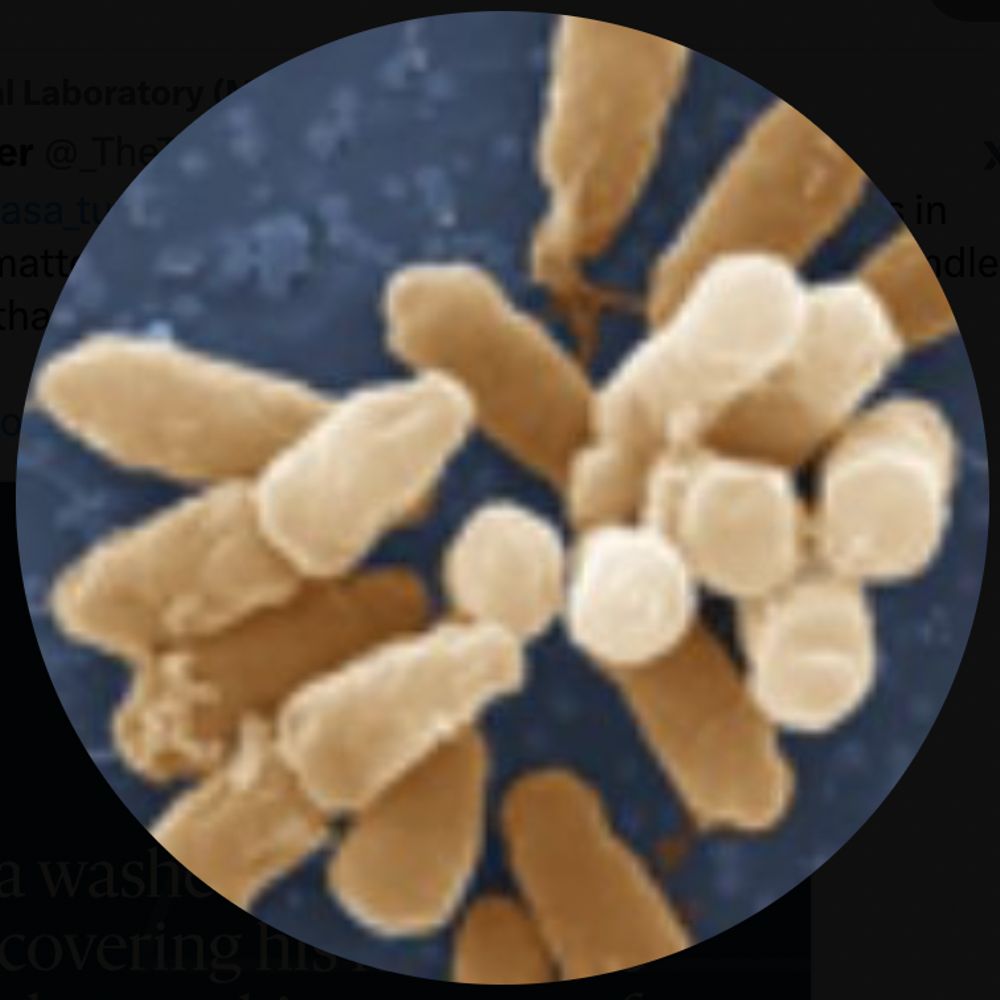
New in JB: Pinho, Gotz & Peschel review the history of S. aureus as a model for studying bacterial cell biology and pathogenesis.
journals.asm.org/doi/10.1128/...
This papers is part of the History of Microbial Model collection:
journals.asm.org/topic/sss-ta...
@asm.org #JBacteriology
journals.asm.org/doi/10.1128/...
This papers is part of the History of Microbial Model collection:
journals.asm.org/topic/sss-ta...
@asm.org #JBacteriology

September 23, 2025 at 1:30 PM
New in JB: Pinho, Gotz & Peschel review the history of S. aureus as a model for studying bacterial cell biology and pathogenesis.
journals.asm.org/doi/10.1128/...
This papers is part of the History of Microbial Model collection:
journals.asm.org/topic/sss-ta...
@asm.org #JBacteriology
journals.asm.org/doi/10.1128/...
This papers is part of the History of Microbial Model collection:
journals.asm.org/topic/sss-ta...
@asm.org #JBacteriology
Thank you @wscommunity.bsky.social for a thoughtful world sponge conference and just a wonderful week in Vila do Conde and connecting with sponge science colleagues :) Looking forward to continued dialogue by emails and Porifera list.


September 16, 2025 at 10:13 AM
Thank you @wscommunity.bsky.social for a thoughtful world sponge conference and just a wonderful week in Vila do Conde and connecting with sponge science colleagues :) Looking forward to continued dialogue by emails and Porifera list.
Reposted
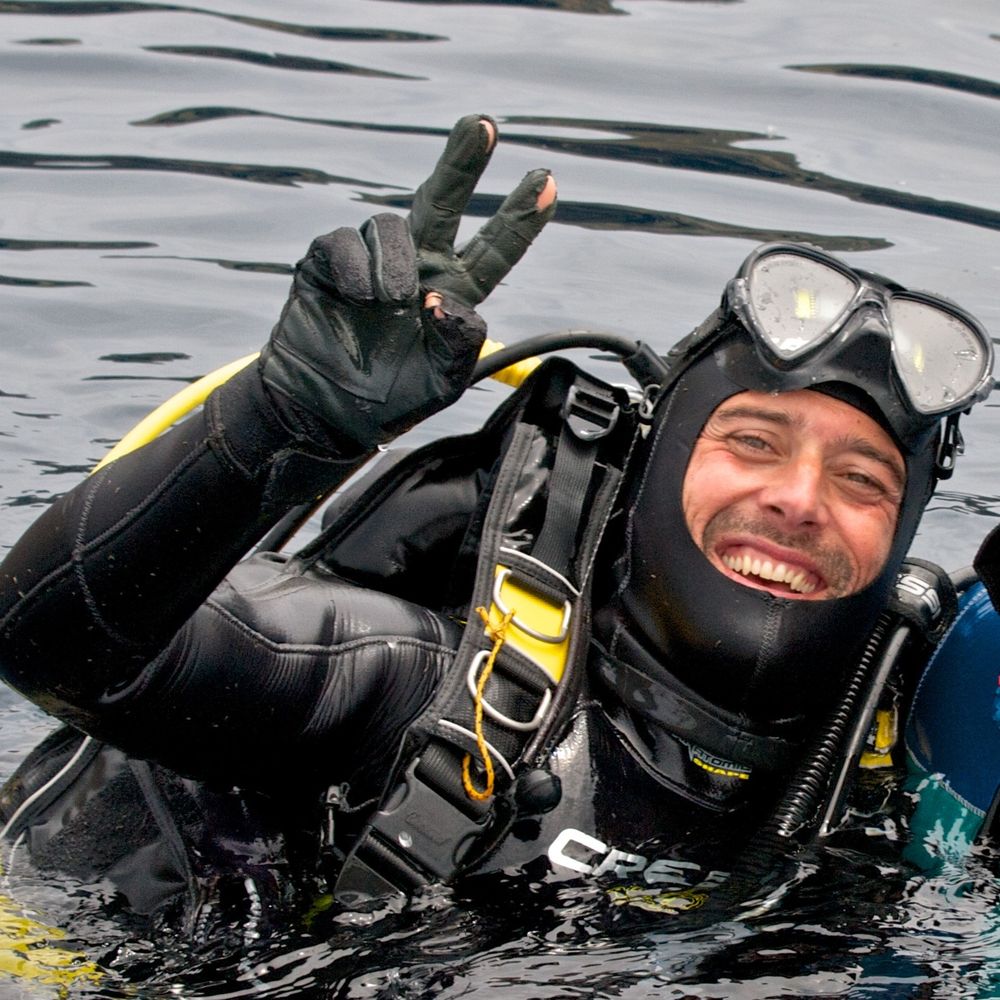
New OA paper out! We present the most accurate coral d18O-temperature equation, reconstruct coral trophic dynamics in the Med for the first time, and show #Cladocora skeletons are key archives for reconstructing anthropogenic warming and impacts.
@aslo.org @dicv.csic.es
doi.org/10.1002/lno....
@aslo.org @dicv.csic.es
doi.org/10.1002/lno....

High‐resolution coral oxygen and carbon isotope records reveal temperature and autotrophy dynamics in a Mediterranean climate change hotspot
The Mediterranean Sea is warming at a rate exceeding the global average. Long-term, high-resolution data are essential for contextualizing changes within broader temporal scales, and coral skeletons ....
doi.org
September 12, 2025 at 1:18 PM
New OA paper out! We present the most accurate coral d18O-temperature equation, reconstruct coral trophic dynamics in the Med for the first time, and show #Cladocora skeletons are key archives for reconstructing anthropogenic warming and impacts.
@aslo.org @dicv.csic.es
doi.org/10.1002/lno....
@aslo.org @dicv.csic.es
doi.org/10.1002/lno....