



Ryeonghwa (Riah) Kang, PhD
@ryeonghwa.bsky.social
📍Postdoctoral associate in WashU
From neurodevelopmental disorders in my PhD to neurodegenerative diseases and circadian rhythms in my postdoc,
Exploring the brain one layer at a time🧠⏰
From neurodevelopmental disorders in my PhD to neurodegenerative diseases and circadian rhythms in my postdoc,
Exploring the brain one layer at a time🧠⏰
Reposted by Ryeonghwa (Riah) Kang, PhD

Welcome to the Bluesky account for Stand Up for Science 2025!
Keep an eye on this space for updates, event information, and ways to get involved. We can't wait to see everyone #standupforscience2025 on March 7th, both in DC and locations nationwide!
#scienceforall #sciencenotsilence
Keep an eye on this space for updates, event information, and ways to get involved. We can't wait to see everyone #standupforscience2025 on March 7th, both in DC and locations nationwide!
#scienceforall #sciencenotsilence
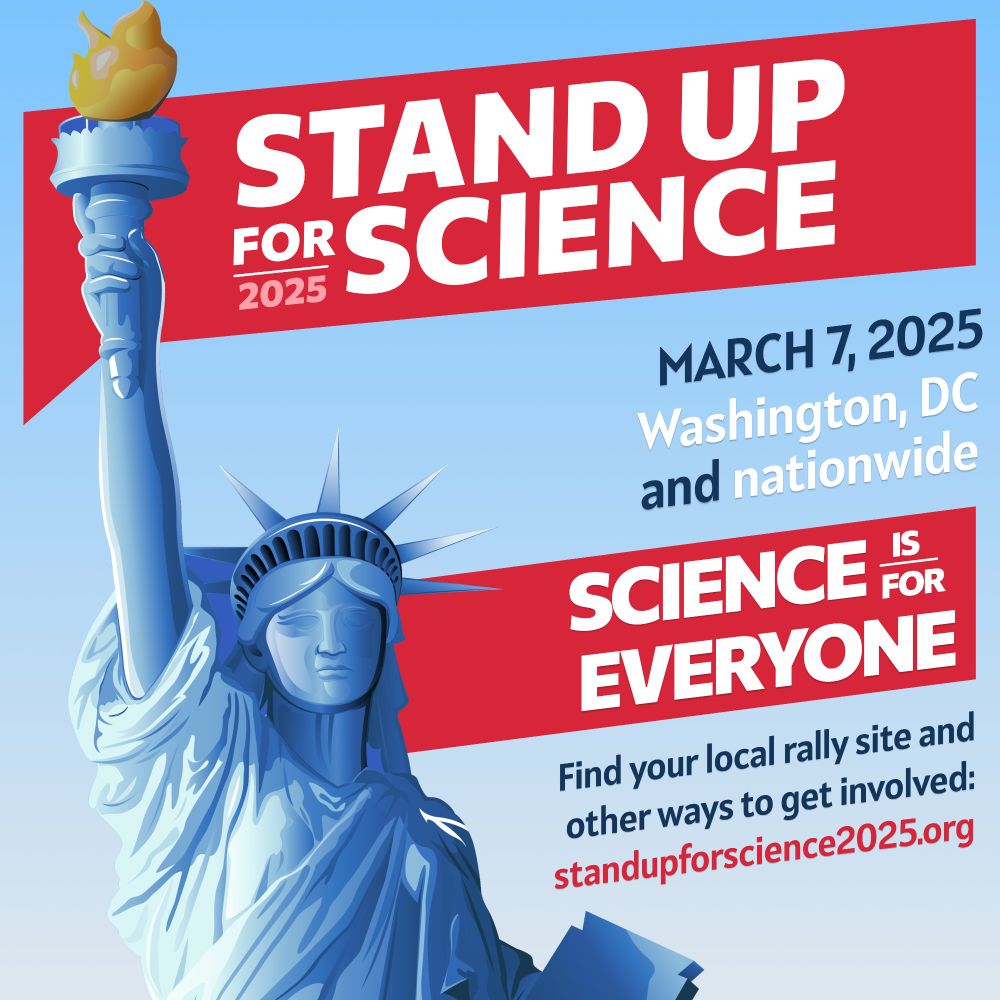
February 12, 2025 at 5:04 PM
Welcome to the Bluesky account for Stand Up for Science 2025!
Keep an eye on this space for updates, event information, and ways to get involved. We can't wait to see everyone #standupforscience2025 on March 7th, both in DC and locations nationwide!
#scienceforall #sciencenotsilence
Keep an eye on this space for updates, event information, and ways to get involved. We can't wait to see everyone #standupforscience2025 on March 7th, both in DC and locations nationwide!
#scienceforall #sciencenotsilence
Reposted by Ryeonghwa (Riah) Kang, PhD

A levitating frog, a necrophiliac duck, taxi drivers’ brains—the Ig Nobel prizes have shined a spotlight on offbeat work. Nature provides an inside look at how winners feel about this sometimes unwanted ‘honour.’ 🧪

How a silly science prize changed my career
A levitating frog, a necrophiliac duck, taxi drivers’ brains — the Ig Nobel prizes have shined a spotlight on offbeat work. Here’s an inside look at how winners feel about this sometimes unwanted ‘honour’.
go.nature.com
November 22, 2024 at 4:04 PM
A levitating frog, a necrophiliac duck, taxi drivers’ brains—the Ig Nobel prizes have shined a spotlight on offbeat work. Nature provides an inside look at how winners feel about this sometimes unwanted ‘honour.’ 🧪
An epigenetic memory of obesity🧬
Turns out adipose tissue holds onto its ‘obese state’ even after weight loss. This paper explains why the yo-yo effect is so real.
Well… I’ve finally found the scientific reason why I can’t lose weight!🤔🤔🤔
rdcu.be/d0NIC
Turns out adipose tissue holds onto its ‘obese state’ even after weight loss. This paper explains why the yo-yo effect is so real.
Well… I’ve finally found the scientific reason why I can’t lose weight!🤔🤔🤔
rdcu.be/d0NIC

Adipose tissue retains an epigenetic memory of obesity after weight loss
Nature - Stable epigenetic changes indicate the existence of an obesogenic memory in mouse adipocytes that primes cells for pathological responses in an obesogenic environment and potentially...
rdcu.be
November 20, 2024 at 2:17 AM
An epigenetic memory of obesity🧬
Turns out adipose tissue holds onto its ‘obese state’ even after weight loss. This paper explains why the yo-yo effect is so real.
Well… I’ve finally found the scientific reason why I can’t lose weight!🤔🤔🤔
rdcu.be/d0NIC
Turns out adipose tissue holds onto its ‘obese state’ even after weight loss. This paper explains why the yo-yo effect is so real.
Well… I’ve finally found the scientific reason why I can’t lose weight!🤔🤔🤔
rdcu.be/d0NIC
Slow breathing really does calm the mind—and now we know why! 🧠🐭
This study uncovers a neural circuit from the anterior cingulate cortex (dACC) that slows breathing to ease anxiety. Science just backed up the power of deep breaths!
www.nature.com/articles/s41...
This study uncovers a neural circuit from the anterior cingulate cortex (dACC) that slows breathing to ease anxiety. Science just backed up the power of deep breaths!
www.nature.com/articles/s41...

A top-down slow breathing circuit that alleviates negative affect in mice - Nature Neuroscience
Jhang et al. identify a prefrontal–pontomedullary pathway that slows breathing and reduces anxiety in mice, where the pontine reticular nucleus converts excitatory prefrontal inputs into inhibitory si...
www.nature.com
November 20, 2024 at 1:30 AM
Slow breathing really does calm the mind—and now we know why! 🧠🐭
This study uncovers a neural circuit from the anterior cingulate cortex (dACC) that slows breathing to ease anxiety. Science just backed up the power of deep breaths!
www.nature.com/articles/s41...
This study uncovers a neural circuit from the anterior cingulate cortex (dACC) that slows breathing to ease anxiety. Science just backed up the power of deep breaths!
www.nature.com/articles/s41...
Reposted by Ryeonghwa (Riah) Kang, PhD

Regulation of Fentanyl Reward in Male and Female Mice by the Circadian Transcription Factor NPAS2 https://www.biorxiv.org/content/10.1101/2024.11.12.623242v1
Regulation of Fentanyl Reward in Male and Female Mice by the Circadian Transcription Factor NPAS2 https://www.biorxiv.org/content/10.1101/2024.11.12.623242v1
Synthetic opioids like fentanyl are highly potent and prevalent in the illicit drug market, leading
www.biorxiv.org
November 17, 2024 at 11:15 PM
Regulation of Fentanyl Reward in Male and Female Mice by the Circadian Transcription Factor NPAS2 https://www.biorxiv.org/content/10.1101/2024.11.12.623242v1
Reposted by Ryeonghwa (Riah) Kang, PhD

Life of a scientist
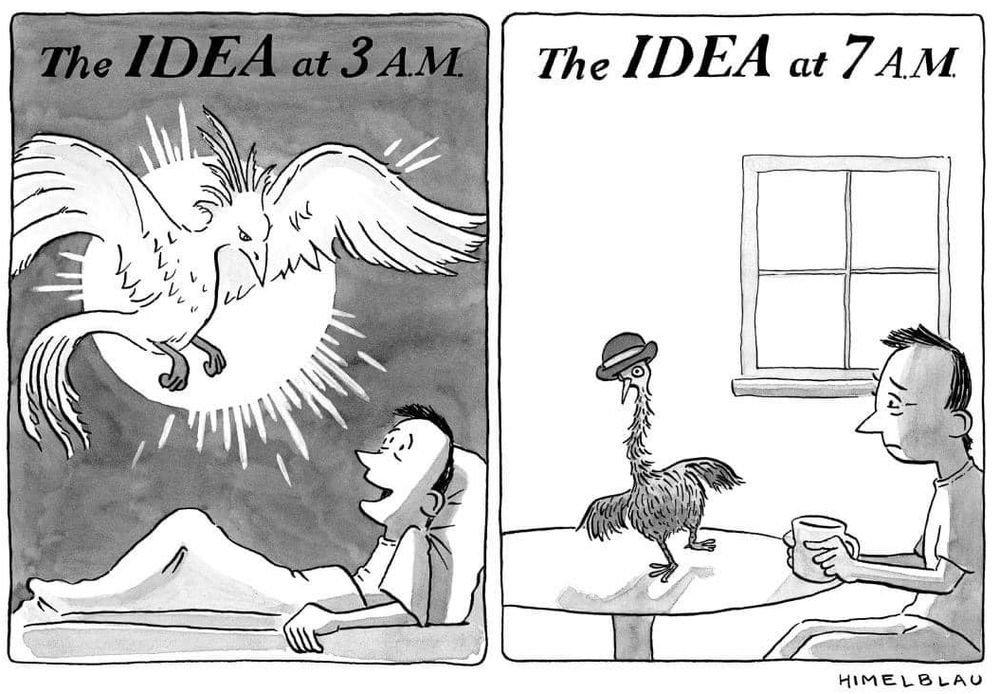
November 15, 2024 at 11:47 AM
Life of a scientist
Seriously, where?
Ok. I did it. Where the nerds at? 🤣🤣
November 16, 2024 at 7:37 AM
Seriously, where?
Reposted by Ryeonghwa (Riah) Kang, PhD
Twitter Vs. Bluesky

November 15, 2024 at 12:48 PM
Twitter Vs. Bluesky