



Ruth Agius
@ruthag16.bsky.social
Pharm D | ICU pharmacist, Malta | Mom & pharmacist | ESICM pharmacists group member
Reposted by Ruth Agius
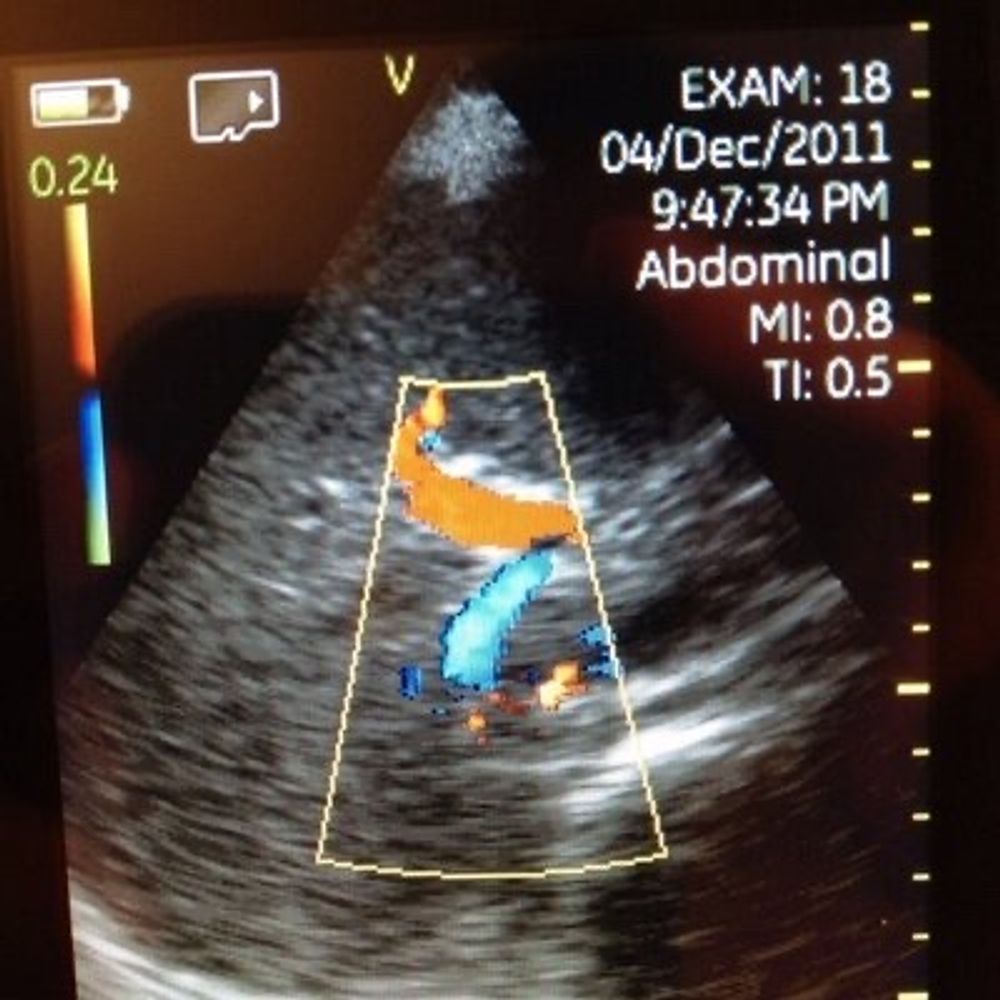
Trimethoprim-sulfamethoxazole carries a very low (but real) risk of causing ARDS.
Duration of therapy is a risk factor (>7 days).
Could likely be minimized by avoiding unnecessarily long courses.
TMP-SMX is usually well tolerated, but can wreak havok (SJS, ARDS, drug-induced meningitis). #EMIMCC
Duration of therapy is a risk factor (>7 days).
Could likely be minimized by avoiding unnecessarily long courses.
TMP-SMX is usually well tolerated, but can wreak havok (SJS, ARDS, drug-induced meningitis). #EMIMCC

November 24, 2025 at 8:48 PM
Trimethoprim-sulfamethoxazole carries a very low (but real) risk of causing ARDS.
Duration of therapy is a risk factor (>7 days).
Could likely be minimized by avoiding unnecessarily long courses.
TMP-SMX is usually well tolerated, but can wreak havok (SJS, ARDS, drug-induced meningitis). #EMIMCC
Duration of therapy is a risk factor (>7 days).
Could likely be minimized by avoiding unnecessarily long courses.
TMP-SMX is usually well tolerated, but can wreak havok (SJS, ARDS, drug-induced meningitis). #EMIMCC
Reposted by Ruth Agius

zurl.co/HdsOr [CORRECTED] #VisualAbstract Sodium bicarbonate use in ICU patients with metabolic acidosis was linked to a 1.9% mortality reduction at 30 days, with benefits seen across key subgroups including those with acute kidney injury and severe acidosis.

July 29, 2025 at 4:00 PM
zurl.co/HdsOr [CORRECTED] #VisualAbstract Sodium bicarbonate use in ICU patients with metabolic acidosis was linked to a 1.9% mortality reduction at 30 days, with benefits seen across key subgroups including those with acute kidney injury and severe acidosis.
Reposted by Ruth Agius
#VisualAbstract Early full-dose anticoagulation improved 30-day survival in ICU patients with acute mesenteric ischaemia without increasing bleeding risk. It was one of only two interventions independently associated with better outcomes. zurl.co/kvIxd

July 31, 2025 at 4:00 PM
#VisualAbstract Early full-dose anticoagulation improved 30-day survival in ICU patients with acute mesenteric ischaemia without increasing bleeding risk. It was one of only two interventions independently associated with better outcomes. zurl.co/kvIxd
Reposted by Ruth Agius
Source control in BSI is inconsistently defined and assessed. Most studies focus on catheter removal and candidemia. Standardised definitions and reporting are needed to improve evidence quality and patient outcomes in sepsis and ICU care. zurl.co/hwBmO

August 5, 2025 at 8:00 AM
Source control in BSI is inconsistently defined and assessed. Most studies focus on catheter removal and candidemia. Standardised definitions and reporting are needed to improve evidence quality and patient outcomes in sepsis and ICU care. zurl.co/hwBmO
Reposted by Ruth Agius

🆕 UBC TI Therapeutics Letter 156: Antidepressant withdrawal syndrome – Update
👉 ti.ubc.ca/letter156
Antidepressants can be helpful for some people; but starting or
stopping requires care
Knowing about types of possible withdrawal problems helps prescribers guide patients in stopping more safely
👉 ti.ubc.ca/letter156
Antidepressants can be helpful for some people; but starting or
stopping requires care
Knowing about types of possible withdrawal problems helps prescribers guide patients in stopping more safely

June 19, 2025 at 7:01 PM
🆕 UBC TI Therapeutics Letter 156: Antidepressant withdrawal syndrome – Update
👉 ti.ubc.ca/letter156
Antidepressants can be helpful for some people; but starting or
stopping requires care
Knowing about types of possible withdrawal problems helps prescribers guide patients in stopping more safely
👉 ti.ubc.ca/letter156
Antidepressants can be helpful for some people; but starting or
stopping requires care
Knowing about types of possible withdrawal problems helps prescribers guide patients in stopping more safely
Reposted by Ruth Agius
#VisualAbstract A decision analysis model found that rapid antibiotic initiation was optimal in suspected sepsis when infection prevalence exceeded 90%, but when factoring in stewardship concerns, deferred initiation was preferable in 59.4% of modelled scenarios. zurl.co/zgm8i

June 10, 2025 at 4:00 PM
#VisualAbstract A decision analysis model found that rapid antibiotic initiation was optimal in suspected sepsis when infection prevalence exceeded 90%, but when factoring in stewardship concerns, deferred initiation was preferable in 59.4% of modelled scenarios. zurl.co/zgm8i
Reposted by Ruth Agius
Most ICU medication errors are caught early, but some cause preventable harm and longer stays. Risk factors include illness severity and staff workload. E-prescribing and pharmacist-led reviews help reduce errors and improve patient safety. zurl.co/r1Dm9

June 10, 2025 at 8:00 AM
Most ICU medication errors are caught early, but some cause preventable harm and longer stays. Risk factors include illness severity and staff workload. E-prescribing and pharmacist-led reviews help reduce errors and improve patient safety. zurl.co/r1Dm9
Reposted by Ruth Agius
A 3-hour antibiotic strategy in suspected sepsis may offer better balance between timely treatment and avoiding overtreatment, especially when bacterial infection is uncertain. Tailored approaches are key to optimising outcomes and minimising harm. zurl.co/MK5l1

June 9, 2025 at 8:00 AM
A 3-hour antibiotic strategy in suspected sepsis may offer better balance between timely treatment and avoiding overtreatment, especially when bacterial infection is uncertain. Tailored approaches are key to optimising outcomes and minimising harm. zurl.co/MK5l1
Reposted by Ruth Agius
Corticosteroids probably reduce short-term mortality and the need for invasive ventilation in hospitalised adults with non-viral community-acquired pneumonia, though adverse event data remain limited. zurl.co/fvQAr

May 20, 2025 at 8:00 AM
Corticosteroids probably reduce short-term mortality and the need for invasive ventilation in hospitalised adults with non-viral community-acquired pneumonia, though adverse event data remain limited. zurl.co/fvQAr
Reposted by Ruth Agius
Atrial fibrillation is the most common arrhythmia in critical illness, linked to worse outcomes. Personalised management is essential, but prediction, treatment, and follow-up remain challenging, with key knowledge gaps requiring further research. zurl.co/HTWJg

May 17, 2025 at 8:00 AM
Atrial fibrillation is the most common arrhythmia in critical illness, linked to worse outcomes. Personalised management is essential, but prediction, treatment, and follow-up remain challenging, with key knowledge gaps requiring further research. zurl.co/HTWJg
Reposted by Ruth Agius
A 7-day course of hydrocortisone in severe community-acquired pneumonia was unlikely to reduce 90-day mortality and may pose potential harm, despite a possible reduction in shock duration. zurl.co/fdgUc

May 2, 2025 at 8:00 AM
A 7-day course of hydrocortisone in severe community-acquired pneumonia was unlikely to reduce 90-day mortality and may pose potential harm, despite a possible reduction in shock duration. zurl.co/fdgUc
Reposted by Ruth Agius
Status epilepticus is a serious emergency requiring rapid treatment. ICU care and EEG are vital, especially for nonconvulsive forms. Outcomes worsen with treatment resistance, age, and underlying causes. zurl.co/16SKo

April 15, 2025 at 8:00 AM
Status epilepticus is a serious emergency requiring rapid treatment. ICU care and EEG are vital, especially for nonconvulsive forms. Outcomes worsen with treatment resistance, age, and underlying causes. zurl.co/16SKo
Reposted by Ruth Agius
The ESICM guideline recommends up to 30 mL/kg crystalloids in early sepsis, individualised fluid strategies later, and restrictive use in haemorrhagic shock. Fluids should be used cautiously in cardiogenic shock and pulmonary embolism. zurl.co/9P4J0

April 9, 2025 at 12:00 PM
The ESICM guideline recommends up to 30 mL/kg crystalloids in early sepsis, individualised fluid strategies later, and restrictive use in haemorrhagic shock. Fluids should be used cautiously in cardiogenic shock and pulmonary embolism. zurl.co/9P4J0
Reposted by Ruth Agius
Optimising antibiotic dosing in critically ill patients prevents underdosing and toxicity. Strategies like therapeutic drug monitoring and prolonged infusions improve outcomes while reducing resistance risks. zurl.co/zlkpj

April 2, 2025 at 4:00 PM
Optimising antibiotic dosing in critically ill patients prevents underdosing and toxicity. Strategies like therapeutic drug monitoring and prolonged infusions improve outcomes while reducing resistance risks. zurl.co/zlkpj
Reposted by Ruth Agius
SGLT2 inhibitors can cause euglycemic ketoacidosis, a hard-to-detect condition with normal glucose levels. It results from metabolic shifts increasing ketogenesis. Awareness, timely drug discontinuation, and ketone monitoring are crucial. zurl.co/EDw4R

March 20, 2025 at 5:00 PM
SGLT2 inhibitors can cause euglycemic ketoacidosis, a hard-to-detect condition with normal glucose levels. It results from metabolic shifts increasing ketogenesis. Awareness, timely drug discontinuation, and ketone monitoring are crucial. zurl.co/EDw4R
Reposted by Ruth Agius
Antifungal dosing in critically ill patients is often inadequate, risking treatment failure. Individualised dosing and therapeutic monitoring are key to improving outcomes in intensive care. zurl.co/XGIjD

March 20, 2025 at 9:00 AM
Antifungal dosing in critically ill patients is often inadequate, risking treatment failure. Individualised dosing and therapeutic monitoring are key to improving outcomes in intensive care. zurl.co/XGIjD
Reposted by Ruth Agius
"Immediate action is essential to control... infections that are becoming increasingly difficult to treat." ECDC warns that rising carbapenem-resistant Enterobacterales (CRE) poses a significant threat to European patients and healthcare systems. www.ecdc.europa.eu/en/news-even...

Increase in carbapenem-resistant Enterobacterales (CRE) poses a significant threat to patients and healthcare systems in the EU/EEA
Increasing incidence of bloodstream infections with Enterobacterales resistant to carbapenem antibiotics poses a significant threat to patients and healthcare systems in the EU/EEA.
www.ecdc.europa.eu
February 5, 2025 at 3:24 PM
"Immediate action is essential to control... infections that are becoming increasingly difficult to treat." ECDC warns that rising carbapenem-resistant Enterobacterales (CRE) poses a significant threat to European patients and healthcare systems. www.ecdc.europa.eu/en/news-even...
Reposted by Ruth Agius

Today's Paper of the Day is use of hypertonic saline in neuroanesthesia and neurocritical care practice
https://criticalcarereviews.com/latest-evidence/paper-of-the-day
Join us to read 1 paper per day and stay up-to-date as we cover the spectrum of critical care across 2025
https://criticalcarereviews.com/latest-evidence/paper-of-the-day
Join us to read 1 paper per day and stay up-to-date as we cover the spectrum of critical care across 2025

February 5, 2025 at 5:47 AM
Today's Paper of the Day is use of hypertonic saline in neuroanesthesia and neurocritical care practice
https://criticalcarereviews.com/latest-evidence/paper-of-the-day
Join us to read 1 paper per day and stay up-to-date as we cover the spectrum of critical care across 2025
https://criticalcarereviews.com/latest-evidence/paper-of-the-day
Join us to read 1 paper per day and stay up-to-date as we cover the spectrum of critical care across 2025
Reposted by Ruth Agius

These are pretty good points. Joint European consensus guidelines for endocrine, renal and ICM advise *against* volume assessment for hypoNa. Get the urinary Osmo/Na before you consider frusemide. Biochemical and history led diagnosis. Volume status doesn’t help make diagnosis.

Confession: I LOVE hyponatremia 🤓
(I know, I know. What can I say, I'm a true internist!)
HypoNa is often feared, maligned, and misunderstood - but I promise it doesn't have to be scary!
Here are my top 10 hyponatremia tips and tricks - a 🧵
#emimcc
(I know, I know. What can I say, I'm a true internist!)
HypoNa is often feared, maligned, and misunderstood - but I promise it doesn't have to be scary!
Here are my top 10 hyponatremia tips and tricks - a 🧵
#emimcc

January 25, 2025 at 7:51 AM
These are pretty good points. Joint European consensus guidelines for endocrine, renal and ICM advise *against* volume assessment for hypoNa. Get the urinary Osmo/Na before you consider frusemide. Biochemical and history led diagnosis. Volume status doesn’t help make diagnosis.
Reposted by Ruth Agius
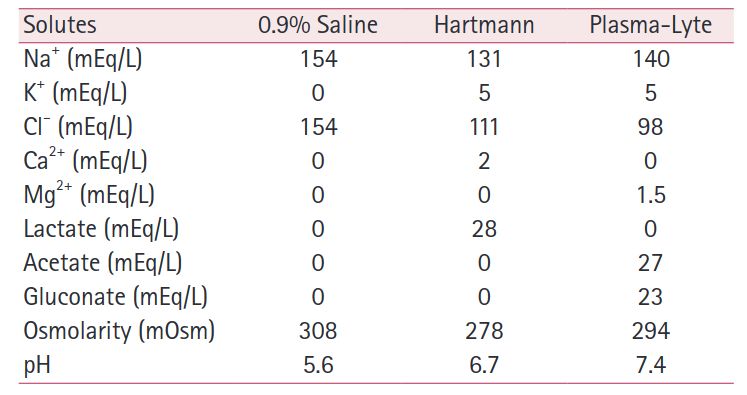
Principle of intravenous fluid therapy in the neurocritical care
CCR Journal Watch
https://criticalcarereviews.com/latest-evidence/journal-watch
Get the latest critical care literature every weekend via the CCR Newsletter - subscribe at https://criticalcarereviews.com/newsletters/subscribe
CCR Journal Watch
https://criticalcarereviews.com/latest-evidence/journal-watch
Get the latest critical care literature every weekend via the CCR Newsletter - subscribe at https://criticalcarereviews.com/newsletters/subscribe
January 6, 2025 at 8:47 PM
Principle of intravenous fluid therapy in the neurocritical care
CCR Journal Watch
https://criticalcarereviews.com/latest-evidence/journal-watch
Get the latest critical care literature every weekend via the CCR Newsletter - subscribe at https://criticalcarereviews.com/newsletters/subscribe
CCR Journal Watch
https://criticalcarereviews.com/latest-evidence/journal-watch
Get the latest critical care literature every weekend via the CCR Newsletter - subscribe at https://criticalcarereviews.com/newsletters/subscribe


Reposted by Ruth Agius
Join our free webinar on management of problematic, new-onset SVT/AF in critical care next week!
Organised and funded by AOP Health, join us for free on 4 December for lunchtime learning for healthcare professionals.
Book now👇
bit.ly/AOPcasestudy
Organised and funded by AOP Health, join us for free on 4 December for lunchtime learning for healthcare professionals.
Book now👇
bit.ly/AOPcasestudy

December 1, 2024 at 2:20 PM
Join our free webinar on management of problematic, new-onset SVT/AF in critical care next week!
Organised and funded by AOP Health, join us for free on 4 December for lunchtime learning for healthcare professionals.
Book now👇
bit.ly/AOPcasestudy
Organised and funded by AOP Health, join us for free on 4 December for lunchtime learning for healthcare professionals.
Book now👇
bit.ly/AOPcasestudy
Reposted by Ruth Agius

Brilliant to work with @rsbournie.bsky.social on this work looking to improve #medssafety for #criticalcare patients bmchealthservres.biomedcentral.com/articles/10....
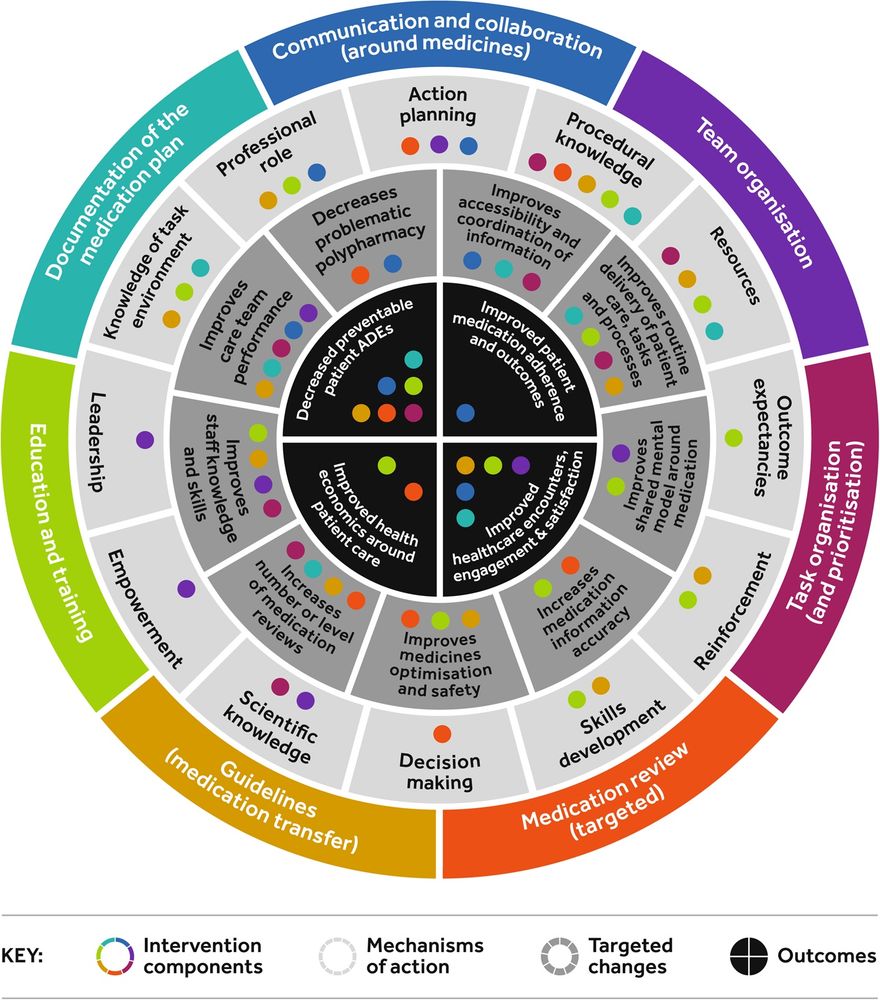
Improving medication safety for intensive care patients transitioning to a hospital ward: development of a theory-informed intervention package - BMC Health Services Research
Background Care of critically ill patients is complex, requiring effective collaboration co-ordination and communication across care teams and professions. Medicines are a fundamental component of the...
bmchealthservres.biomedcentral.com
November 27, 2024 at 12:10 PM
Brilliant to work with @rsbournie.bsky.social on this work looking to improve #medssafety for #criticalcare patients bmchealthservres.biomedcentral.com/articles/10....
Reposted by Ruth Agius
Today's Paper of the Day is state of the art of sepsis care for the emergency medicine clinician
criticalcarereviews.com/latest-evide...
Join us to read 1 paper per day and stay up-to-date as we cover the spectrum of critical care across 2024
criticalcarereviews.com/latest-evide...
Join us to read 1 paper per day and stay up-to-date as we cover the spectrum of critical care across 2024

November 28, 2024 at 9:02 AM
Today's Paper of the Day is state of the art of sepsis care for the emergency medicine clinician
criticalcarereviews.com/latest-evide...
Join us to read 1 paper per day and stay up-to-date as we cover the spectrum of critical care across 2024
criticalcarereviews.com/latest-evide...
Join us to read 1 paper per day and stay up-to-date as we cover the spectrum of critical care across 2024