




Conor Kelly
@progressiveamerican.net
Freelance Writer and Podcaster┃MA UIS 24┃Pi Sigma Alpha.
https://linktr.ee/conorkelly?utm_source=linktree_profile_share<sid=21039a3a-7134-4418-8b68-e0d1fe35ef68
https://linktr.ee/conorkelly?utm_source=linktree_profile_share<sid=21039a3a-7134-4418-8b68-e0d1fe35ef68
If you want to support my work, please consider subscribing to my newsletter.
www.progressiveamerican.net/subscribe
www.progressiveamerican.net/subscribe

Subscribe to The Progressive American Report
A politics newsletter focused on critically analyzing the week's news from a progressive perspective, using progressive politics for a progressive future. Click to read The Progressive American Report...
www.progressiveamerican.net
November 1, 2025 at 5:39 PM
If you want to support my work, please consider subscribing to my newsletter.
www.progressiveamerican.net/subscribe
www.progressiveamerican.net/subscribe
🔗 Read the full essay on The Democracy Archive:
👉 www.democracyarchive.org/?r=bjjxr&ut...
👉 www.democracyarchive.org/?r=bjjxr&ut...

The Democracy Archive | Conor J. Kelly | Substack
Blending historical insight with accessible storytelling to uncover how democracy is built, challenged, and remembered. Click to read The Democracy Archive, by Conor J. Kelly, a Substack publication. Launched 3 hours ago.
www.democracyarchive.org
September 16, 2025 at 5:35 PM
🔗 Read the full essay on The Democracy Archive:
👉 www.democracyarchive.org/?r=bjjxr&ut...
👉 www.democracyarchive.org/?r=bjjxr&ut...
16/ The lesson of 1860 isn’t that history repeats, but that unchecked division and existential issues can break democracy. America then chose war. What we choose now is still up to us.
September 16, 2025 at 5:35 PM
16/ The lesson of 1860 isn’t that history repeats, but that unchecked division and existential issues can break democracy. America then chose war. What we choose now is still up to us.
15/ Our challenges are real: political identity, human rights, and dangerous media ecosystems, but they are not the same as slavery and secession. Each era has its own context.
September 16, 2025 at 5:35 PM
15/ Our challenges are real: political identity, human rights, and dangerous media ecosystems, but they are not the same as slavery and secession. Each era has its own context.
4/ Concluding Thoughts
Today, comparisons to the 1850s abound. But historian Kevin Levin reminds us: America is not divided along sectional lines (Levin 2025).
Today, comparisons to the 1850s abound. But historian Kevin Levin reminds us: America is not divided along sectional lines (Levin 2025).
September 16, 2025 at 5:35 PM
4/ Concluding Thoughts
Today, comparisons to the 1850s abound. But historian Kevin Levin reminds us: America is not divided along sectional lines (Levin 2025).
Today, comparisons to the 1850s abound. But historian Kevin Levin reminds us: America is not divided along sectional lines (Levin 2025).
13/ By November 10, 1860, South Carolina began the secession process. Within months, states across the Deep South followed. Ballots had led to bullets.
September 16, 2025 at 5:35 PM
13/ By November 10, 1860, South Carolina began the secession process. Within months, states across the Deep South followed. Ballots had led to bullets.
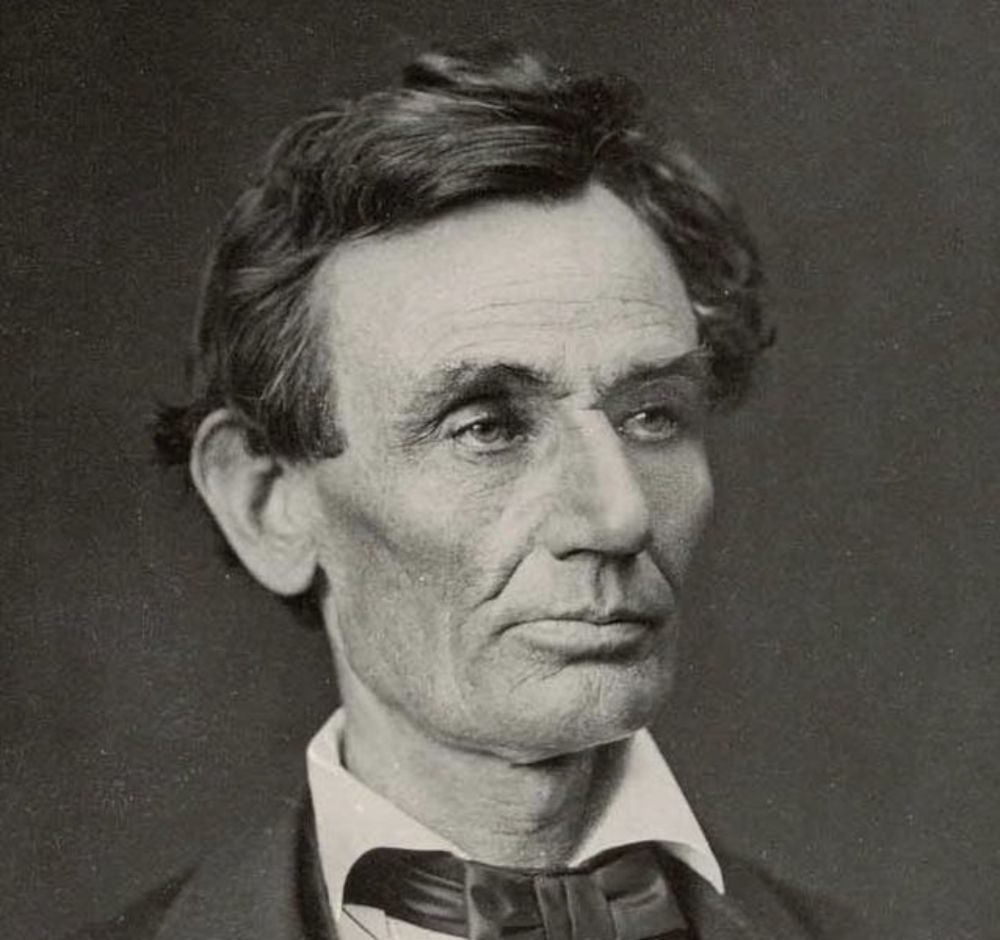
12/ The result was a fractured ticket. Lincoln won with under 40% of the popular vote but a commanding Electoral College victory. His election confirmed the South’s worst fears (Donald 1995).
September 16, 2025 at 5:35 PM
12/ The result was a fractured ticket. Lincoln won with under 40% of the popular vote but a commanding Electoral College victory. His election confirmed the South’s worst fears (Donald 1995).
11/ Democrats split: Northern Democrats backed Stephen Douglas; Southern Democrats bolted to nominate John C. Breckinridge. A third group, Constitutional Unionists, chose John Bell.
September 16, 2025 at 5:35 PM
11/ Democrats split: Northern Democrats backed Stephen Douglas; Southern Democrats bolted to nominate John C. Breckinridge. A third group, Constitutional Unionists, chose John Bell.
10/ Lincoln argued slavery could exist where it was, but not expand. He framed it as a threat to free labor and the American dream (Donald 1995; Danoff 2015). His restraint paid off.
September 16, 2025 at 5:35 PM
10/ Lincoln argued slavery could exist where it was, but not expand. He framed it as a threat to free labor and the American dream (Donald 1995; Danoff 2015). His restraint paid off.
9/ William Seward seemed the frontrunner — former governor, senator, fierce anti-slavery voice. But his fiery rhetoric hurt him. Lincoln, more moderate, gained ground (Donald 1995).
September 16, 2025 at 5:35 PM
9/ William Seward seemed the frontrunner — former governor, senator, fierce anti-slavery voice. But his fiery rhetoric hurt him. Lincoln, more moderate, gained ground (Donald 1995).
8/ The Battle of Ballots
By 1860, the Whigs had collapsed. Republicans, formed in 1854, became the party of anti-slavery thought.
By 1860, the Whigs had collapsed. Republicans, formed in 1854, became the party of anti-slavery thought.
September 16, 2025 at 5:35 PM
8/ The Battle of Ballots
By 1860, the Whigs had collapsed. Republicans, formed in 1854, became the party of anti-slavery thought.
By 1860, the Whigs had collapsed. Republicans, formed in 1854, became the party of anti-slavery thought.
7/ Violence erupted. In 1859, John Brown’s raid on Harpers Ferry terrified Southerners, who saw it as proof that slavery must be defended at all costs (Noyalas 2020).
September 16, 2025 at 5:35 PM
7/ Violence erupted. In 1859, John Brown’s raid on Harpers Ferry terrified Southerners, who saw it as proof that slavery must be defended at all costs (Noyalas 2020).
6/ For many Southerners, slavery didn’t just need protection — it had to expand. Laws like the Fugitive Slave Act (1850) and the Kansas-Nebraska Act (1854) pushed the conflict further into the North.
September 16, 2025 at 5:35 PM
6/ For many Southerners, slavery didn’t just need protection — it had to expand. Laws like the Fugitive Slave Act (1850) and the Kansas-Nebraska Act (1854) pushed the conflict further into the North.
5/ Others, like Thomas R. R. Cobb, argued that abolition was harmful because Black Americans were “intellectually inferior.” Slavery and white supremacy were deeply intertwined (Cobb 1858).
September 16, 2025 at 5:35 PM
5/ Others, like Thomas R. R. Cobb, argued that abolition was harmful because Black Americans were “intellectually inferior.” Slavery and white supremacy were deeply intertwined (Cobb 1858).
4/ Leaders like John C. Calhoun warned Congress had “no right to touch” slavery, calling abolitionist petitions “insulting” (Calhoun 1837). To him, slavery was beyond government’s reach.
September 16, 2025 at 5:35 PM
4/ Leaders like John C. Calhoun warned Congress had “no right to touch” slavery, calling abolitionist petitions “insulting” (Calhoun 1837). To him, slavery was beyond government’s reach.
3/ The Haunting Specter of Slavery
By 1850, 3.2 million people were enslaved in the South (Roland 2002). Most Northern states had abolished slavery, though not all. Southerners pressed for its expansion and federal protection.
By 1850, 3.2 million people were enslaved in the South (Roland 2002). Most Northern states had abolished slavery, though not all. Southerners pressed for its expansion and federal protection.
September 16, 2025 at 5:35 PM
3/ The Haunting Specter of Slavery
By 1850, 3.2 million people were enslaved in the South (Roland 2002). Most Northern states had abolished slavery, though not all. Southerners pressed for its expansion and federal protection.
By 1850, 3.2 million people were enslaved in the South (Roland 2002). Most Northern states had abolished slavery, though not all. Southerners pressed for its expansion and federal protection.
2/ In this environment, many look to the past for precedent. Few elections reveal more about division and democracy under strain than 1860, when Lincoln rose to power and secession began.
September 16, 2025 at 5:35 PM
2/ In this environment, many look to the past for precedent. Few elections reveal more about division and democracy under strain than 1860, when Lincoln rose to power and secession began.
1/ Much of our dialogue today is dictated by the idea of political division. Americans are more polarized than they have been in years, with most saying the two parties cannot even agree on basic facts (Shearer 2025).
September 16, 2025 at 5:35 PM
1/ Much of our dialogue today is dictated by the idea of political division. Americans are more polarized than they have been in years, with most saying the two parties cannot even agree on basic facts (Shearer 2025).