



Phil Karp
@pkarp24.bsky.social
I’m a Citizen Scientist, Ocean Advocate and film producer formerly with the World Bank. I focus on the interface between marine ecosystems and livelihoods of coastal communities. Particularly interested in nature-based solutions
World Bank Global Environment Practice Senior Director at the ProBlue Forum on Marine Biodiversity “There will never be a World free of poverty without a healthy ocean” Great to see such thinking from the World Bank.
June 6, 2024 at 3:06 PM
World Bank Global Environment Practice Senior Director at the ProBlue Forum on Marine Biodiversity “There will never be a World free of poverty without a healthy ocean” Great to see such thinking from the World Bank.
Attending World Bank’s ProBlue Forum on Marine Biodiversity in Costa Rica. Impressive line-up of speakers
June 6, 2024 at 2:59 PM
Attending World Bank’s ProBlue Forum on Marine Biodiversity in Costa Rica. Impressive line-up of speakers
Reposted by Phil Karp
Just found a new (to me) psychology phrase: "pluralistic ignorance". It refers to people holding one view but mistakenly assuming that the majority of others hold a different view, so they keep quiet. Very relevant for climate change action, where lots want action but think they're in the minority.
February 9, 2024 at 6:29 PM
Just found a new (to me) psychology phrase: "pluralistic ignorance". It refers to people holding one view but mistakenly assuming that the majority of others hold a different view, so they keep quiet. Very relevant for climate change action, where lots want action but think they're in the minority.
Book on #KnowledgeManagement and Communities of Practice at the World Bank coming out on March 5. This compendium of stories, which I edited together with Ede Ijjasz Vasquez and Monika Weber-Fahr, illustrates how Communities of Practice can break silos Check it out www.routledge.com/Communities-...
February 8, 2024 at 1:37 PM
Book on #KnowledgeManagement and Communities of Practice at the World Bank coming out on March 5. This compendium of stories, which I edited together with Ede Ijjasz Vasquez and Monika Weber-Fahr, illustrates how Communities of Practice can break silos Check it out www.routledge.com/Communities-...
Reposted by Phil Karp




Reposted by Phil Karp

💚💚💚 the Climate Defiance action✊✊✊
Fossil fuel profiteers & their enablers should be reminded daily, hourly, every minute, every second, of the REAL violence they've been perpetrating & continue to perpetrate against people who've contributed least to #ClimateBreakdown
chuffed.org/project/stop...
Fossil fuel profiteers & their enablers should be reminded daily, hourly, every minute, every second, of the REAL violence they've been perpetrating & continue to perpetrate against people who've contributed least to #ClimateBreakdown
chuffed.org/project/stop...

Call climate change what it is: violence | Rebecca Solnit
Rebecca Solnit: Social unrest and famine, superstorms and droughts. Places, species and human beings – none will be spared. Welcome to Occupy Earth
www.theguardian.com
December 8, 2023 at 11:55 PM
💚💚💚 the Climate Defiance action✊✊✊
Fossil fuel profiteers & their enablers should be reminded daily, hourly, every minute, every second, of the REAL violence they've been perpetrating & continue to perpetrate against people who've contributed least to #ClimateBreakdown
chuffed.org/project/stop...
Fossil fuel profiteers & their enablers should be reminded daily, hourly, every minute, every second, of the REAL violence they've been perpetrating & continue to perpetrate against people who've contributed least to #ClimateBreakdown
chuffed.org/project/stop...
Reposted by Phil Karp
Great piece from Dr. Kate Marvel.
The fossil fuel industry is not only hampering our ability to transition by refusing to plan for a phasing out of oil, coal and gas, but also by dampening our belief that we can create a better world without them.
But we can, we already are.
The fossil fuel industry is not only hampering our ability to transition by refusing to plan for a phasing out of oil, coal and gas, but also by dampening our belief that we can create a better world without them.
But we can, we already are.

Opinion | I’m a Climate Scientist. I’m Not Screaming Into the Void Anymore.
Something has changed in the United States, and not just the climate.
www.nytimes.com
November 19, 2023 at 8:58 AM
Great piece from Dr. Kate Marvel.
The fossil fuel industry is not only hampering our ability to transition by refusing to plan for a phasing out of oil, coal and gas, but also by dampening our belief that we can create a better world without them.
But we can, we already are.
The fossil fuel industry is not only hampering our ability to transition by refusing to plan for a phasing out of oil, coal and gas, but also by dampening our belief that we can create a better world without them.
But we can, we already are.
Reposted by Phil Karp

🦑🪸
Not surprising that the healthiest reefs are far from shore
"Some of the world's healthiest coral reefs can be found in the Gulf of Mexico....the reefs in the Flower Garden Banks National Marine Sanctuary boast a stunning amount of coral coverage."
Not surprising that the healthiest reefs are far from shore
"Some of the world's healthiest coral reefs can be found in the Gulf of Mexico....the reefs in the Flower Garden Banks National Marine Sanctuary boast a stunning amount of coral coverage."

Climate change is hurting coral worldwide. But reefs off the Texas coast are thriving
Far off the Texas coast there is a beautiful surprise in the Gulf of Mexico that draws divers from around the world.
www.nbcdfw.com
November 19, 2023 at 5:01 PM
🦑🪸
Not surprising that the healthiest reefs are far from shore
"Some of the world's healthiest coral reefs can be found in the Gulf of Mexico....the reefs in the Flower Garden Banks National Marine Sanctuary boast a stunning amount of coral coverage."
Not surprising that the healthiest reefs are far from shore
"Some of the world's healthiest coral reefs can be found in the Gulf of Mexico....the reefs in the Flower Garden Banks National Marine Sanctuary boast a stunning amount of coral coverage."
Reposted by Phil Karp
Here’s a gift link to my @nytimes.com op-ed arguing that because of the tireless work of the policymakers, engineers, activists, and others who listened to the science, we now have a fighting chance for a better world
www.nytimes.com/2023/11/18/o...
www.nytimes.com/2023/11/18/o...
November 19, 2023 at 11:48 AM
Here’s a gift link to my @nytimes.com op-ed arguing that because of the tireless work of the policymakers, engineers, activists, and others who listened to the science, we now have a fighting chance for a better world
www.nytimes.com/2023/11/18/o...
www.nytimes.com/2023/11/18/o...
One of several #NatureBasedSolutions associated with marine ecosystems

October 21, 2023 at 3:35 PM
One of several #NatureBasedSolutions associated with marine ecosystems
Reposted by Phil Karp
I’m generally a fan of offsets as a pragmatic approach to mitigating environmental harm. But not in this case. Plastic manufacturers and packaging companies need to be held accountable for the damage they are causing.
October 21, 2023 at 3:30 PM
I’m generally a fan of offsets as a pragmatic approach to mitigating environmental harm. But not in this case. Plastic manufacturers and packaging companies need to be held accountable for the damage they are causing.
Reposted by Phil Karp

🐋
Life near deep-sea hydrothermal vents can be pretty metal…literally. DNA reveals an unusually high number of genes geared toward protecting cells from heavy metals
www.sciencenews.org/article/sea-...
Life near deep-sea hydrothermal vents can be pretty metal…literally. DNA reveals an unusually high number of genes geared toward protecting cells from heavy metals
www.sciencenews.org/article/sea-...

How sea anemones living on deep-sea hydrothermal vents avoid metal poisoning
The anemone Alvinactis idsseensis dominates its toxic environment thanks to an unusual number of genes geared toward protecting cells from heavy metals.
www.sciencenews.org
October 21, 2023 at 12:15 AM
🐋
Life near deep-sea hydrothermal vents can be pretty metal…literally. DNA reveals an unusually high number of genes geared toward protecting cells from heavy metals
www.sciencenews.org/article/sea-...
Life near deep-sea hydrothermal vents can be pretty metal…literally. DNA reveals an unusually high number of genes geared toward protecting cells from heavy metals
www.sciencenews.org/article/sea-...
Reposted by Phil Karp
Thoughtful article on possible unintended consequences of the High Seas Treaty by Ifesinachi Okafor-Yarwood in the @theconversationus.bsky.social 🧪🦑🌎🐡🦈🐧 Found in the new "Fisheries" feed
theconversation.com/new-treaty-t...
theconversation.com/new-treaty-t...

October 16, 2023 at 9:06 AM
Thoughtful article on possible unintended consequences of the High Seas Treaty by Ifesinachi Okafor-Yarwood in the @theconversationus.bsky.social 🧪🦑🌎🐡🦈🐧 Found in the new "Fisheries" feed
theconversation.com/new-treaty-t...
theconversation.com/new-treaty-t...
Reposted by Phil Karp
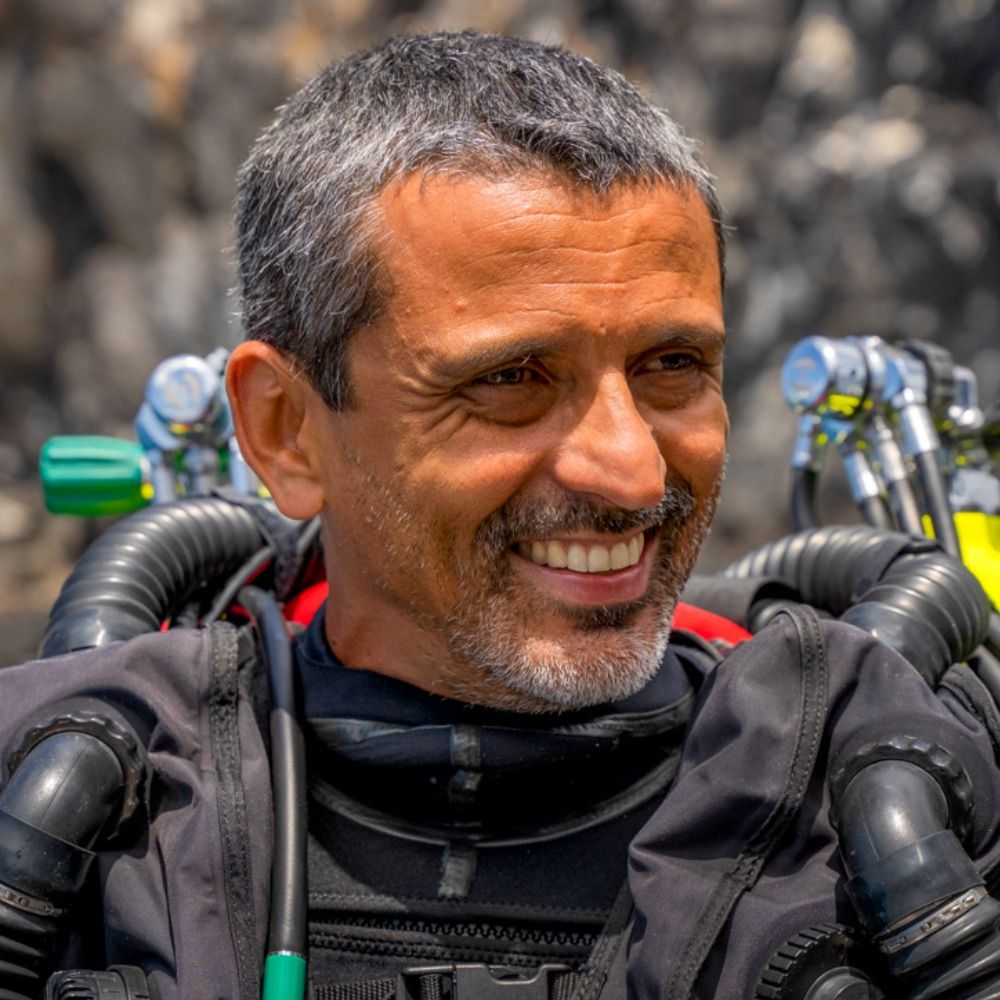
New high seas treaty to protect the world's oceans may hurt vulnerable African fisheries. Also, there are virtually no coral reefs in the high seas, please stop saying this will protect them. #NotJustArea theconversation.com/...

New treaty to protect the world's oceans may hurt vulnerable African fisheries
A new ocean treaty could redirect the unsustainable fishing practices that were happening on the high seas to coastal African nations.
theconversation.com
October 11, 2023 at 6:24 PM
New high seas treaty to protect the world's oceans may hurt vulnerable African fisheries. Also, there are virtually no coral reefs in the high seas, please stop saying this will protect them. #NotJustArea theconversation.com/...
Reposted by Phil Karp

A smart urban street tree canopy shouldn’t just be considered urban infrastructure… given all the many quantifiable and unquantifiable public interests supported by urban trees, they should be considered ESSENTIAL infrastructure. HT @davidlois_UNED for the graphic.

October 14, 2023 at 7:19 PM
A smart urban street tree canopy shouldn’t just be considered urban infrastructure… given all the many quantifiable and unquantifiable public interests supported by urban trees, they should be considered ESSENTIAL infrastructure. HT @davidlois_UNED for the graphic.
So much we don’t know about the deep sea; and another reason to just say no to deep seabed mining.
Newly discovered deep-sea enzyme breaks down PET plastic
Plastic pollution is increasingly affecting the health of coasts and oceans. One well-known problem is plastic bottles made from polyethylene terephthalate, or PET.
phys.org/news/2023-09...
Plastic pollution is increasingly affecting the health of coasts and oceans. One well-known problem is plastic bottles made from polyethylene terephthalate, or PET.
phys.org/news/2023-09...

Newly discovered deep-sea enzyme breaks down PET plastic
Plastic pollution is increasingly affecting the health of coasts and oceans. One well-known problem is plastic bottles made from polyethylene terephthalate, or PET.
phys.org
October 17, 2023 at 12:26 AM
So much we don’t know about the deep sea; and another reason to just say no to deep seabed mining.
Reposted by Phil Karp

Newly discovered deep-sea enzyme breaks down PET plastic
Plastic pollution is increasingly affecting the health of coasts and oceans. One well-known problem is plastic bottles made from polyethylene terephthalate, or PET.
phys.org/news/2023-09...
Plastic pollution is increasingly affecting the health of coasts and oceans. One well-known problem is plastic bottles made from polyethylene terephthalate, or PET.
phys.org/news/2023-09...
Newly discovered deep-sea enzyme breaks down PET plastic
Plastic pollution is increasingly affecting the health of coasts and oceans. One well-known problem is plastic bottles made from polyethylene terephthalate, or PET.
phys.org
November 17, 2024 at 7:30 PM
Newly discovered deep-sea enzyme breaks down PET plastic
Plastic pollution is increasingly affecting the health of coasts and oceans. One well-known problem is plastic bottles made from polyethylene terephthalate, or PET.
phys.org/news/2023-09...
Plastic pollution is increasingly affecting the health of coasts and oceans. One well-known problem is plastic bottles made from polyethylene terephthalate, or PET.
phys.org/news/2023-09...
Reposted by Phil Karp
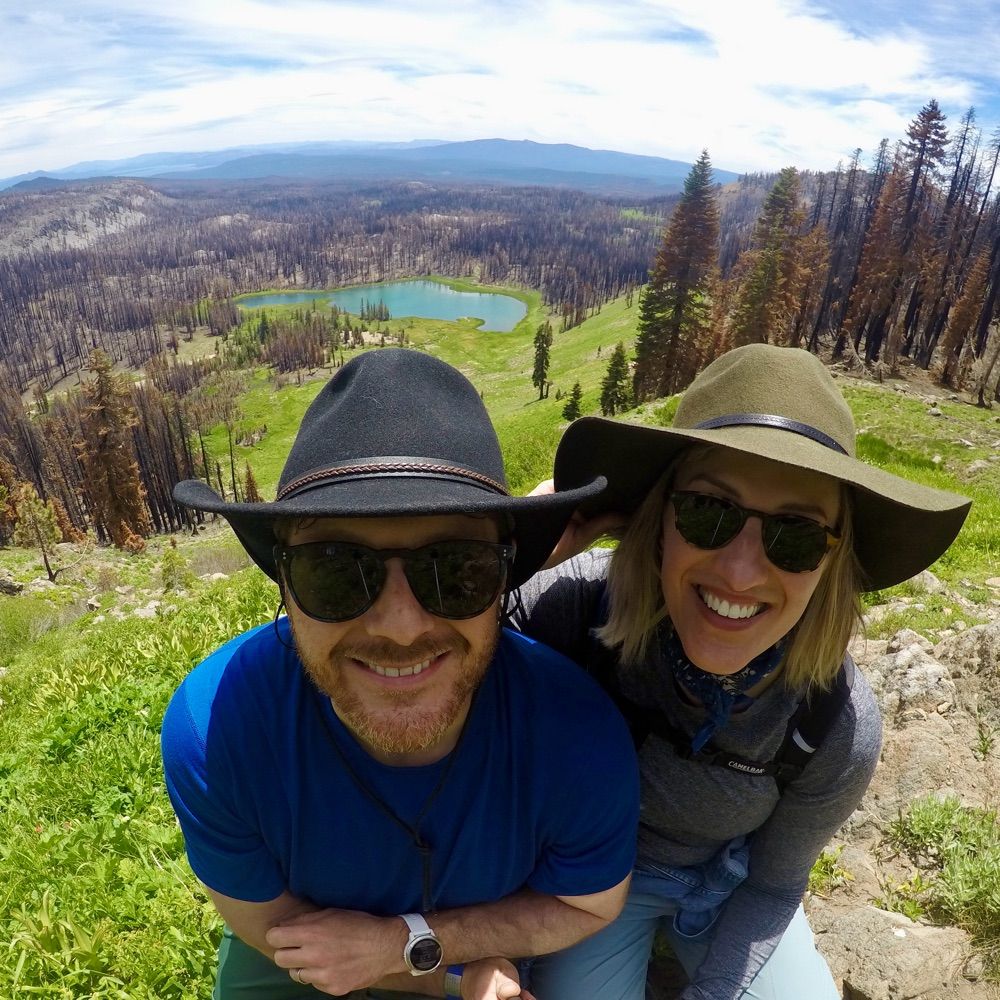
🧪 Can land-based salmon farming offer a more sustainable source for one of America's favorite seafoods?
www.nytimes.com/2023/10/16/d...
www.nytimes.com/2023/10/16/d...

The Salmon on Your Plate Has a Troubling Cost. These Farms Offer Hope.
Land-based aquaculture is still coming into its own, but it stands to upend an industry plagued by environmental concerns.
www.nytimes.com
October 16, 2023 at 11:14 PM
🧪 Can land-based salmon farming offer a more sustainable source for one of America's favorite seafoods?
www.nytimes.com/2023/10/16/d...
www.nytimes.com/2023/10/16/d...
Reposted by Phil Karp
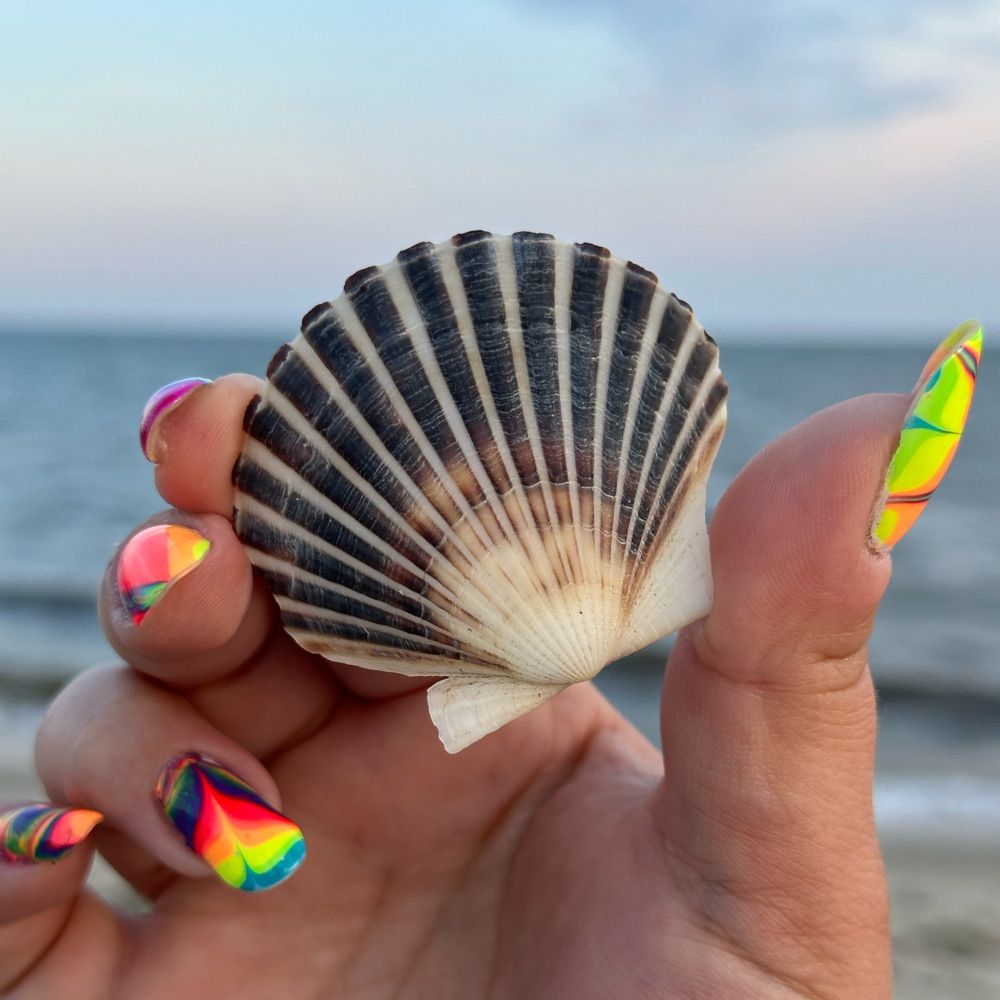
A spot of good news for World Octopus Day: the US government may officially include cephs in research ethics protections. No one who’s ever worked with an octopus would deny their intelligence. 🧪🐙

US government considers protecting octopuses used in research
Prior to the pending rules, no invertebrates were subject to regulation.
arstechnica.com
October 9, 2023 at 2:09 AM
A spot of good news for World Octopus Day: the US government may officially include cephs in research ethics protections. No one who’s ever worked with an octopus would deny their intelligence. 🧪🐙
Reposted by Phil Karp

In my latest article for @mongabay.bsky.social, I explore how ocean microplastic pollution is affecting plankton and marine microbial communities.
Emerging evidence suggests this disruption at the base of the food chain could have knock-on effects for climate, nitrogen cycling and ocean oxygen.
Emerging evidence suggests this disruption at the base of the food chain could have knock-on effects for climate, nitrogen cycling and ocean oxygen.

Microplastics pose risk to ocean plankton, climate, other key Earth systems
Research finds impacts by tiny plastic particles on marine plankton and microbes could disrupt carbon and nitrogen cycling in the world’s oceans, possibly putting Earth’s operating system and the ...
news.mongabay.com
October 10, 2023 at 9:56 AM
In my latest article for @mongabay.bsky.social, I explore how ocean microplastic pollution is affecting plankton and marine microbial communities.
Emerging evidence suggests this disruption at the base of the food chain could have knock-on effects for climate, nitrogen cycling and ocean oxygen.
Emerging evidence suggests this disruption at the base of the food chain could have knock-on effects for climate, nitrogen cycling and ocean oxygen.
Reposted by Phil Karp
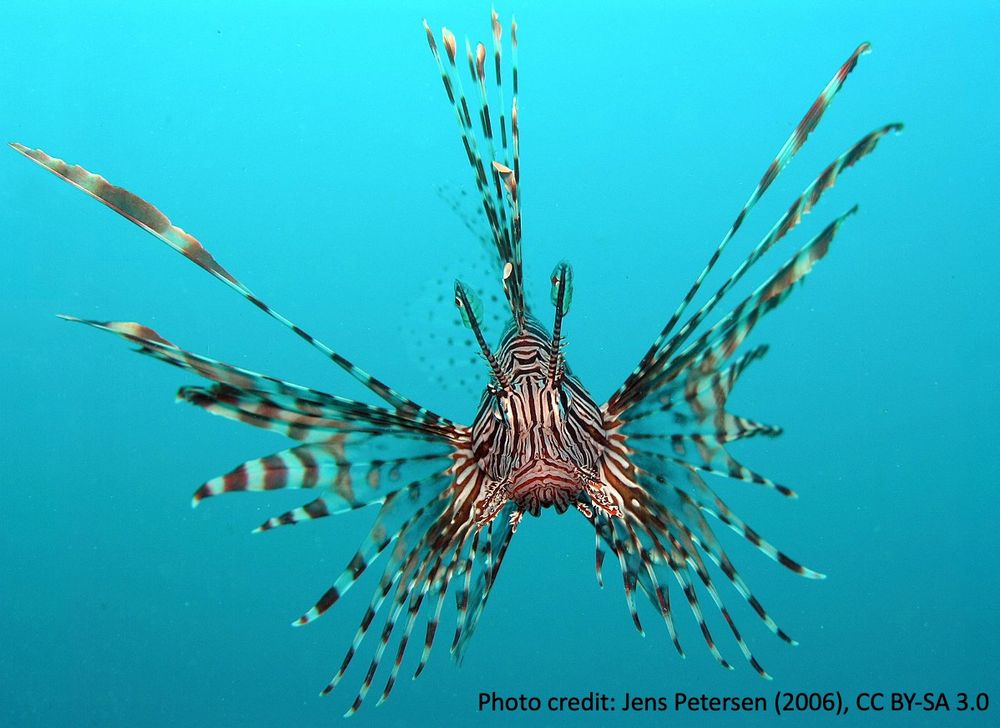
How do invasive species impact coral reef food webs? A 2023 study led by Juan Pablo Lozano-Peña reveals that invasive #lionfishes have broader diets than native Caribbean mesopredator fishes. 🦁🐠
Link to publication: www.sciencedirect.com/science/arti...
#isotopes #ecology #coralreef
Link to publication: www.sciencedirect.com/science/arti...
#isotopes #ecology #coralreef
October 10, 2023 at 5:06 PM
How do invasive species impact coral reef food webs? A 2023 study led by Juan Pablo Lozano-Peña reveals that invasive #lionfishes have broader diets than native Caribbean mesopredator fishes. 🦁🐠
Link to publication: www.sciencedirect.com/science/arti...
#isotopes #ecology #coralreef
Link to publication: www.sciencedirect.com/science/arti...
#isotopes #ecology #coralreef