



Reposted by NASA NXP

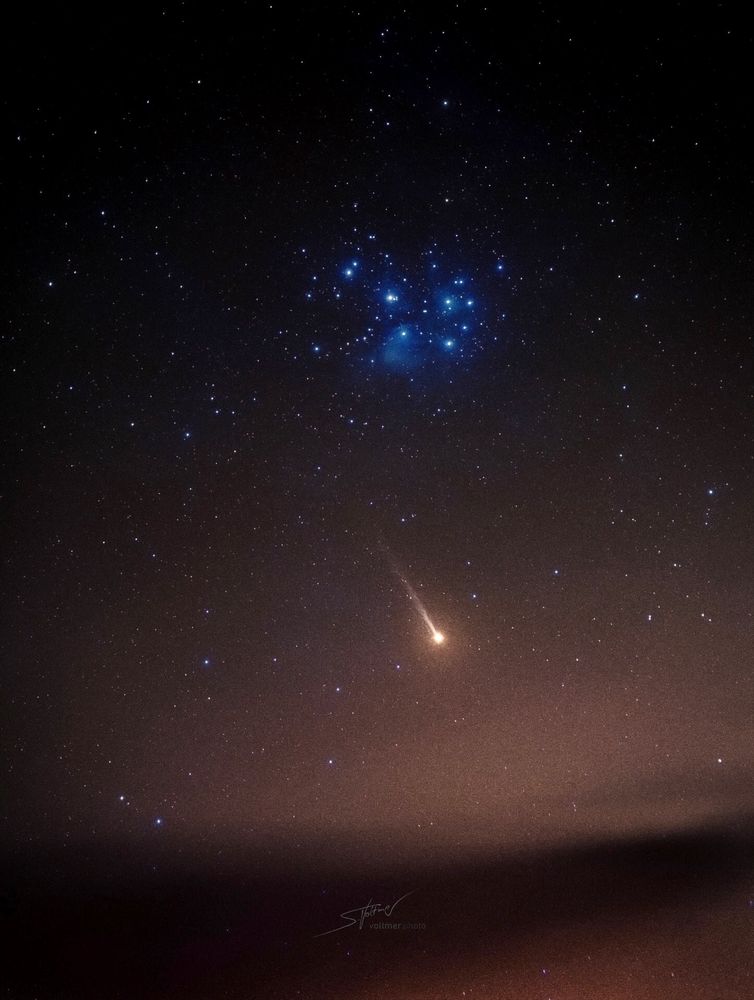
See that bright, glowing object with a tail?
That's not a comet.
That's the planet Mercury.
That's not a comet.
That's the planet Mercury.
February 15, 2025 at 10:53 PM
See that bright, glowing object with a tail?
That's not a comet.
That's the planet Mercury.
That's not a comet.
That's the planet Mercury.
Here exists an entire galaxy as seen from the Midwest. The Pinwheel Galaxy is a spiral-shaped galaxy about 21 million light years away from Earth. Scientists call this swirling galaxy M101.
- NASA.gov and pic credit is by yours truely.
- NASA.gov and pic credit is by yours truely.

February 16, 2025 at 11:36 PM
Here exists an entire galaxy as seen from the Midwest. The Pinwheel Galaxy is a spiral-shaped galaxy about 21 million light years away from Earth. Scientists call this swirling galaxy M101.
- NASA.gov and pic credit is by yours truely.
- NASA.gov and pic credit is by yours truely.
We need more science and discovery in the News. ❤️
February 16, 2025 at 11:31 PM
We need more science and discovery in the News. ❤️

Carl Sagan: we don’t have science in the news media for some reason.
December 16, 2024 at 11:57 PM
Carl Sagan: we don’t have science in the news media for some reason.
The pelican nebula, backyard long exposure. 1800 light years away, can show up even as a faint object !

July 17, 2024 at 5:29 AM
The pelican nebula, backyard long exposure. 1800 light years away, can show up even as a faint object !
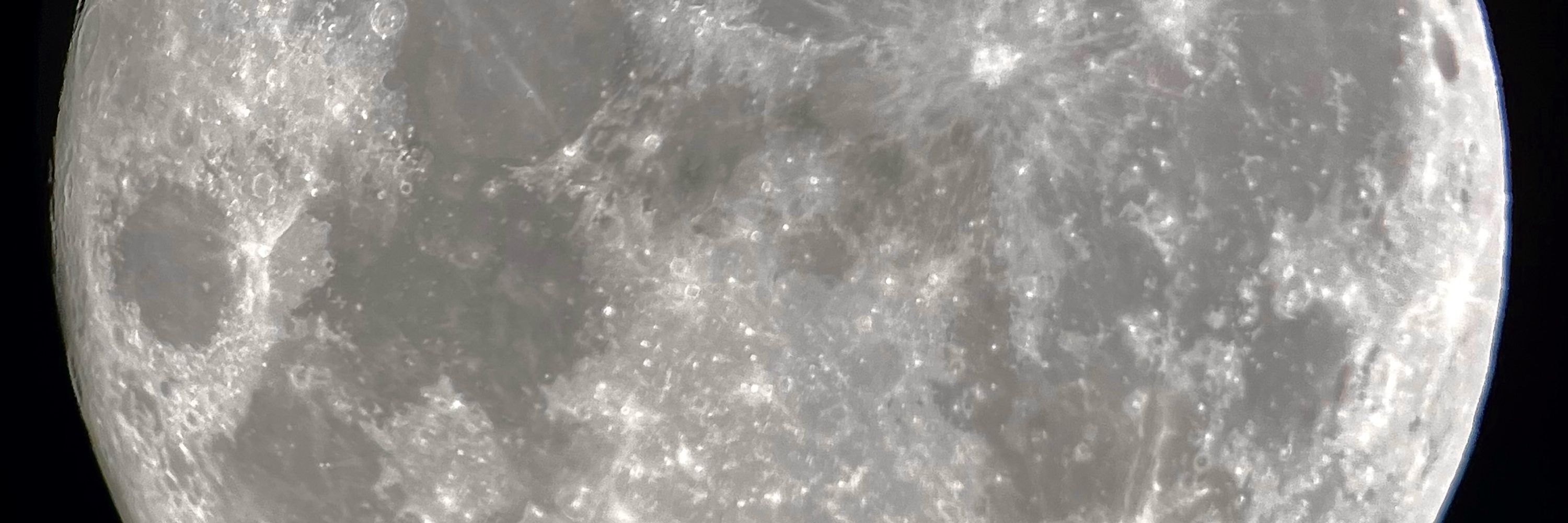
The moon tonight appears large on the horizon, however it’s the same size no matter where in the sky it is. So cool!!

April 24, 2024 at 5:01 AM
The moon tonight appears large on the horizon, however it’s the same size no matter where in the sky it is. So cool!!
First test pic of the sun with this solar stack lens. Sometimes you improvise.


April 7, 2024 at 12:09 AM
First test pic of the sun with this solar stack lens. Sometimes you improvise.
With 400 billion stars in our galaxy, estimates would give us over a trillion planets. The problem is the width of the Milky Way is 105,000 light years. Given current tech our craft might be able to go one light year: in 4200 years, but Starshot nano ship could be 5 years going 100 mill miles/hr.

February 24, 2024 at 4:42 PM
With 400 billion stars in our galaxy, estimates would give us over a trillion planets. The problem is the width of the Milky Way is 105,000 light years. Given current tech our craft might be able to go one light year: in 4200 years, but Starshot nano ship could be 5 years going 100 mill miles/hr.
We imaged the Rosette Nebula and stacked it. My oh my!
You can see the different parts of the puzzle we have to put together down below. We go from the black and white images from a filter on the telescope to using gimp to get them back into color.
You can see the different parts of the puzzle we have to put together down below. We go from the black and white images from a filter on the telescope to using gimp to get them back into color.


February 17, 2024 at 8:24 PM
We imaged the Rosette Nebula and stacked it. My oh my!
You can see the different parts of the puzzle we have to put together down below. We go from the black and white images from a filter on the telescope to using gimp to get them back into color.
You can see the different parts of the puzzle we have to put together down below. We go from the black and white images from a filter on the telescope to using gimp to get them back into color.
Here is what you get if you can get great focusing (1hr), imaging the bubble nebulae here for 1.5 hrs on each light band (x3) to a black and white sensor, then stacking each color band to make the clearest set of images. Then you combine those three separate color bands in Gimp. You can get this!


February 9, 2024 at 8:11 PM
Here is what you get if you can get great focusing (1hr), imaging the bubble nebulae here for 1.5 hrs on each light band (x3) to a black and white sensor, then stacking each color band to make the clearest set of images. Then you combine those three separate color bands in Gimp. You can get this!
Before imaging a star for 5 hours, you must get a good focus curve. Focus is determined by a brightness curve for a star. If a star is blurry, pixels will be dimmer and the star will be big and out of focus. If pixels are max bright, then focus is assured.

February 9, 2024 at 8:06 PM
Before imaging a star for 5 hours, you must get a good focus curve. Focus is determined by a brightness curve for a star. If a star is blurry, pixels will be dimmer and the star will be big and out of focus. If pixels are max bright, then focus is assured.
Fixating on Rigel here to get a nice focus for when we begin imaging the rosette nebula. Pictured is a 16” mirror Meade telescope. Rigel is only 7-9 mil years old (our star is 5billion). It has already exhausted its core fuel and will explode and become a black hole or neutron star at some point.

February 9, 2024 at 8:04 PM
Fixating on Rigel here to get a nice focus for when we begin imaging the rosette nebula. Pictured is a 16” mirror Meade telescope. Rigel is only 7-9 mil years old (our star is 5billion). It has already exhausted its core fuel and will explode and become a black hole or neutron star at some point.