




Nuevas Ciencias
@nuevasciencias.bsky.social
La ciencia y el placer lector. Curiosidad, necesidad de conocimiento y asombro.
nuevasciencias.com
nuevasciencias.com
¿Por qué naciste?
¿Quién eres? ¿Cómo llegaste a ser así?
Tu 'yo' comenzó a moldearse después de que naciste y nunca dejó de cambiar.
Pero… ¿por qué eres como eres?
open.substack.com/pub/nuevasci...
¿Quién eres? ¿Cómo llegaste a ser así?
Tu 'yo' comenzó a moldearse después de que naciste y nunca dejó de cambiar.
Pero… ¿por qué eres como eres?
open.substack.com/pub/nuevasci...

¿Por qué naciste?
Del principio a ti
open.substack.com
July 17, 2025 at 3:55 AM
¿Por qué naciste?
¿Quién eres? ¿Cómo llegaste a ser así?
Tu 'yo' comenzó a moldearse después de que naciste y nunca dejó de cambiar.
Pero… ¿por qué eres como eres?
open.substack.com/pub/nuevasci...
¿Quién eres? ¿Cómo llegaste a ser así?
Tu 'yo' comenzó a moldearse después de que naciste y nunca dejó de cambiar.
Pero… ¿por qué eres como eres?
open.substack.com/pub/nuevasci...
Reposted by Nuevas Ciencias

📚 Aprender o quedar atrás: no hay punto medio.
En un mundo que evoluciona a diario, el aprendizaje continuo no es lujo, es necesidad.
🧠 Pensamiento crítico
🚀 Carrera a prueba de futuro
🌱 Confianza activa
💬 El conocimiento se actualiza. Anticípate.
#AprendizajeContinuo #GrowthMindset #Desarrollo
En un mundo que evoluciona a diario, el aprendizaje continuo no es lujo, es necesidad.
🧠 Pensamiento crítico
🚀 Carrera a prueba de futuro
🌱 Confianza activa
💬 El conocimiento se actualiza. Anticípate.
#AprendizajeContinuo #GrowthMindset #Desarrollo
June 30, 2025 at 12:24 AM
📚 Aprender o quedar atrás: no hay punto medio.
En un mundo que evoluciona a diario, el aprendizaje continuo no es lujo, es necesidad.
🧠 Pensamiento crítico
🚀 Carrera a prueba de futuro
🌱 Confianza activa
💬 El conocimiento se actualiza. Anticípate.
#AprendizajeContinuo #GrowthMindset #Desarrollo
En un mundo que evoluciona a diario, el aprendizaje continuo no es lujo, es necesidad.
🧠 Pensamiento crítico
🚀 Carrera a prueba de futuro
🌱 Confianza activa
💬 El conocimiento se actualiza. Anticípate.
#AprendizajeContinuo #GrowthMindset #Desarrollo
Ciencia vieja, ciencia nueva
La ciencia, cuando se practica como disciplina del asombro y no como acumulación de certezas, se convierte en un arte mayor: el arte de abrir mundos.
Yuriria Cortés
open.substack.com/pub/nuevasci...
La ciencia, cuando se practica como disciplina del asombro y no como acumulación de certezas, se convierte en un arte mayor: el arte de abrir mundos.
Yuriria Cortés
open.substack.com/pub/nuevasci...

Ciencia vieja, ciencia nueva
Ciencia que encadena y ciencia que libera
open.substack.com
June 28, 2025 at 12:32 AM
Ciencia vieja, ciencia nueva
La ciencia, cuando se practica como disciplina del asombro y no como acumulación de certezas, se convierte en un arte mayor: el arte de abrir mundos.
Yuriria Cortés
open.substack.com/pub/nuevasci...
La ciencia, cuando se practica como disciplina del asombro y no como acumulación de certezas, se convierte en un arte mayor: el arte de abrir mundos.
Yuriria Cortés
open.substack.com/pub/nuevasci...
Reposted by Nuevas Ciencias
♟️ Más allá del jaque mate: humildad y grandeza 🌟
En 2018, el joven Praggnanandhaa (13) cayó ante el legendario Viswanathan Anand. En vez de frustrarse, preguntó con humildad: “¿Qué pude hacer mejor?”.
Hoy, en 2025, es #5 del mundo.
💡 Aprende como Pragg. Comparte como Anand.
Ambos inspiran.
En 2018, el joven Praggnanandhaa (13) cayó ante el legendario Viswanathan Anand. En vez de frustrarse, preguntó con humildad: “¿Qué pude hacer mejor?”.
Hoy, en 2025, es #5 del mundo.
💡 Aprende como Pragg. Comparte como Anand.
Ambos inspiran.
June 27, 2025 at 1:46 AM
♟️ Más allá del jaque mate: humildad y grandeza 🌟
En 2018, el joven Praggnanandhaa (13) cayó ante el legendario Viswanathan Anand. En vez de frustrarse, preguntó con humildad: “¿Qué pude hacer mejor?”.
Hoy, en 2025, es #5 del mundo.
💡 Aprende como Pragg. Comparte como Anand.
Ambos inspiran.
En 2018, el joven Praggnanandhaa (13) cayó ante el legendario Viswanathan Anand. En vez de frustrarse, preguntó con humildad: “¿Qué pude hacer mejor?”.
Hoy, en 2025, es #5 del mundo.
💡 Aprende como Pragg. Comparte como Anand.
Ambos inspiran.
Reposted by Nuevas Ciencias


Reposted by Nuevas Ciencias
En uno de mis maceteros viven una lombriz y una babosa y me hace muy feliz
June 25, 2025 at 2:41 AM
En uno de mis maceteros viven una lombriz y una babosa y me hace muy feliz
La muerte: motor de la evolución
Desde el punto de vista evolutivo, la muerte de organismos individuales permite la generación de nuevas vidas con variaciones genéticas.
open.substack.com/pub/nuevasci...
Desde el punto de vista evolutivo, la muerte de organismos individuales permite la generación de nuevas vidas con variaciones genéticas.
open.substack.com/pub/nuevasci...

La muerte: motor de la evolución
¿Qué pasaría si no muriéramos?
open.substack.com
June 23, 2025 at 6:01 AM
La muerte: motor de la evolución
Desde el punto de vista evolutivo, la muerte de organismos individuales permite la generación de nuevas vidas con variaciones genéticas.
open.substack.com/pub/nuevasci...
Desde el punto de vista evolutivo, la muerte de organismos individuales permite la generación de nuevas vidas con variaciones genéticas.
open.substack.com/pub/nuevasci...
Un equipo de investigadores ha creado ratones con poblaciones dispersas de células humanas en sus intestinos, cerebros e hígado.
Researchers have created mice with sprinklings of human cells in their intestines, brains and liver. 🧪 www.nature.com/articles/d41...

Mice with human cells developed using ‘game-changing’ technique
Human cells injected into amniotic fluid find their way into fetal mouse organs.
www.nature.com
June 23, 2025 at 4:05 AM
Un equipo de investigadores ha creado ratones con poblaciones dispersas de células humanas en sus intestinos, cerebros e hígado.
Reposted by Nuevas Ciencias

New paper: "Impacts of climate change on global agriculture accounting for adaptation." 🧪
Highlights:
* -121 kcal per day per 1 °C per person
* Major declines in soybean yields (-35.6%)
* -5.5 × 10^14 kcal annually per 1 °C
* Modern breadbaskets will be most affected.
www.nature.com/articles/s41...
Highlights:
* -121 kcal per day per 1 °C per person
* Major declines in soybean yields (-35.6%)
* -5.5 × 10^14 kcal annually per 1 °C
* Modern breadbaskets will be most affected.
www.nature.com/articles/s41...

Impacts of climate change on global agriculture accounting for adaptation - Nature
Analysis of data on six stable crops, capturing two-thirds of global crop calories, allows estimation of agricultural impacts and the potential of global producer adaptations to reduce outpu...
www.nature.com
June 21, 2025 at 10:15 PM
New paper: "Impacts of climate change on global agriculture accounting for adaptation." 🧪
Highlights:
* -121 kcal per day per 1 °C per person
* Major declines in soybean yields (-35.6%)
* -5.5 × 10^14 kcal annually per 1 °C
* Modern breadbaskets will be most affected.
www.nature.com/articles/s41...
Highlights:
* -121 kcal per day per 1 °C per person
* Major declines in soybean yields (-35.6%)
* -5.5 × 10^14 kcal annually per 1 °C
* Modern breadbaskets will be most affected.
www.nature.com/articles/s41...
La evolución cultural
Cuando el entorno cambia rápidamente, codificar nueva información en el genoma no sirve. Hay que distribuir el conocimiento en la inteligencia colectiva de la cultura.
open.substack.com/pub/nuevasci...
Cuando el entorno cambia rápidamente, codificar nueva información en el genoma no sirve. Hay que distribuir el conocimiento en la inteligencia colectiva de la cultura.
open.substack.com/pub/nuevasci...

La evolución cultural
Dos ejemplos de Joseph Henrich
open.substack.com
June 22, 2025 at 6:32 AM
La evolución cultural
Cuando el entorno cambia rápidamente, codificar nueva información en el genoma no sirve. Hay que distribuir el conocimiento en la inteligencia colectiva de la cultura.
open.substack.com/pub/nuevasci...
Cuando el entorno cambia rápidamente, codificar nueva información en el genoma no sirve. Hay que distribuir el conocimiento en la inteligencia colectiva de la cultura.
open.substack.com/pub/nuevasci...
Reposted by Nuevas Ciencias
Morning! La figura del árbol inteligente aparece ya en el #folclore y los #cuentos tradicionales.
Esta ilustración de Arthur Rackham (1867-1939) así lo muestra incluso en el título: '—Soy el viejo Filemón —murmuró el roble', para "A wonder book", de Nathaniel Hawthorne, 1928.
Esta ilustración de Arthur Rackham (1867-1939) así lo muestra incluso en el título: '—Soy el viejo Filemón —murmuró el roble', para "A wonder book", de Nathaniel Hawthorne, 1928.

June 22, 2025 at 5:53 AM
La escalera de distancias cósmicas.
¿Cómo logramos medir las distancias más grandes? open.substack.com/pub/nuevasci...
¿Cómo logramos medir las distancias más grandes? open.substack.com/pub/nuevasci...

La escalera de distancias cósmicas
La cosmología ya es una ciencia exacta
open.substack.com
June 19, 2025 at 2:04 AM
La escalera de distancias cósmicas.
¿Cómo logramos medir las distancias más grandes? open.substack.com/pub/nuevasci...
¿Cómo logramos medir las distancias más grandes? open.substack.com/pub/nuevasci...
Reposted by Nuevas Ciencias
"the study suggests that plants might transport and store fixed carbon deeper than currently thought"
⚒️🧪
phys.org/news/2025-06...
⚒️🧪
phys.org/news/2025-06...

Unexpectedly deep roots in plants unearth new questions about soil carbon storage
Plants and trees extend their roots into the earth in order to draw nutrients and water from the soil—however, these roots are thought to decline as they move deeper underground. But a new study by a ...
phys.org
June 17, 2025 at 10:24 PM
"the study suggests that plants might transport and store fixed carbon deeper than currently thought"
⚒️🧪
phys.org/news/2025-06...
⚒️🧪
phys.org/news/2025-06...
La lección amarga (versión pódcast)
open.substack.com/pub/nuevasci...
open.substack.com/pub/nuevasci...

La lección amarga (versión pódcast)
¿Qué es necesario para aprender?
open.substack.com
June 18, 2025 at 1:45 AM
La lección amarga (versión pódcast)
open.substack.com/pub/nuevasci...
open.substack.com/pub/nuevasci...
Reposted by Nuevas Ciencias
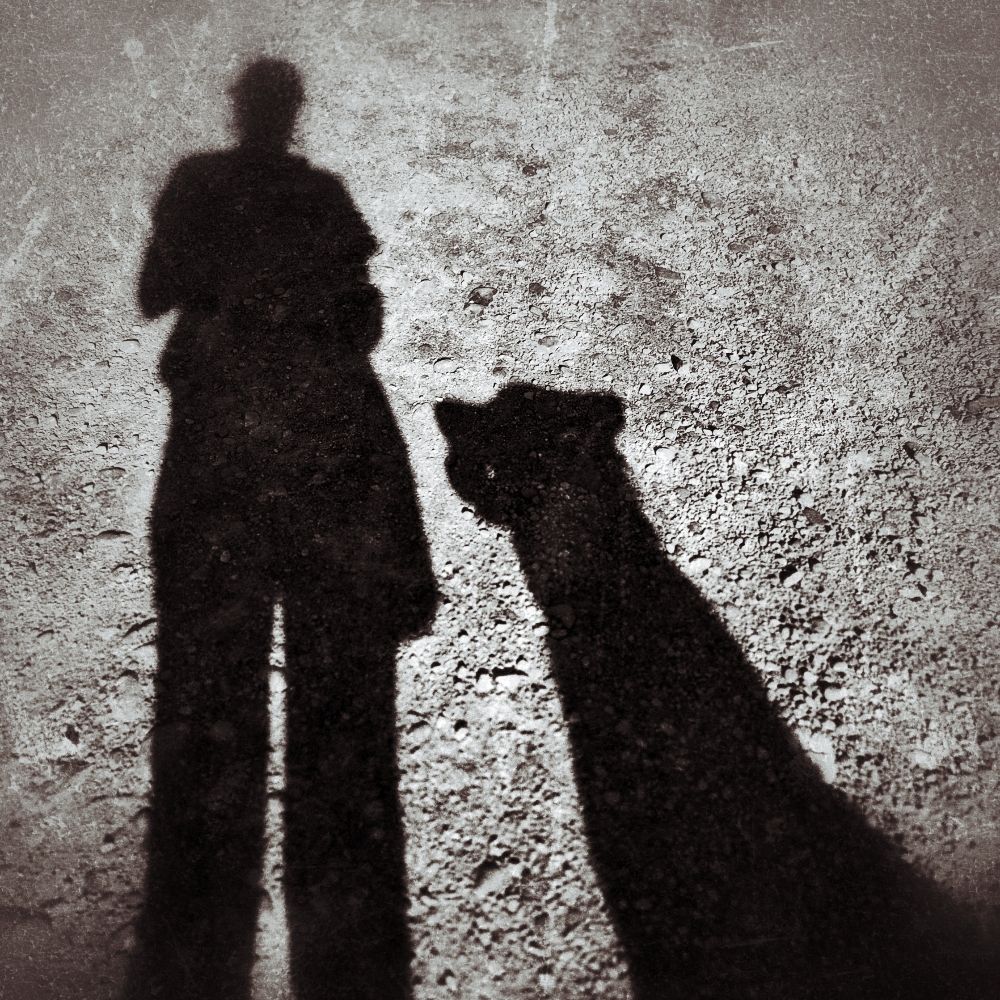
Cinco años han tardado en conseguirlo.
Un hito en la conservación de esta especie y su expansión.
www.heraldodiariodesoria.es/soria/250615...
Un hito en la conservación de esta especie y su expansión.
www.heraldodiariodesoria.es/soria/250615...

Hito histórico en el Moncayo: nace un quebrantahuesos y marca el regreso de esta emblemática ave al Sistema Ibérico
Agentes medioambientales de la Junta de Castilla y León y del Gobierno de Aragón han realizado el seguimiento de la pareja reproductora, con la colaboración de técnicos de la Fundación para la Conserv...
www.heraldodiariodesoria.es
June 15, 2025 at 5:31 PM
Cinco años han tardado en conseguirlo.
Un hito en la conservación de esta especie y su expansión.
www.heraldodiariodesoria.es/soria/250615...
Un hito en la conservación de esta especie y su expansión.
www.heraldodiariodesoria.es/soria/250615...
Neurobots open.substack.com/pub/nuevasci...

Neurobots
Organismos sintéticos con redes neuronales
open.substack.com
June 16, 2025 at 3:52 AM
Neurobots open.substack.com/pub/nuevasci...
Reposted by Nuevas Ciencias
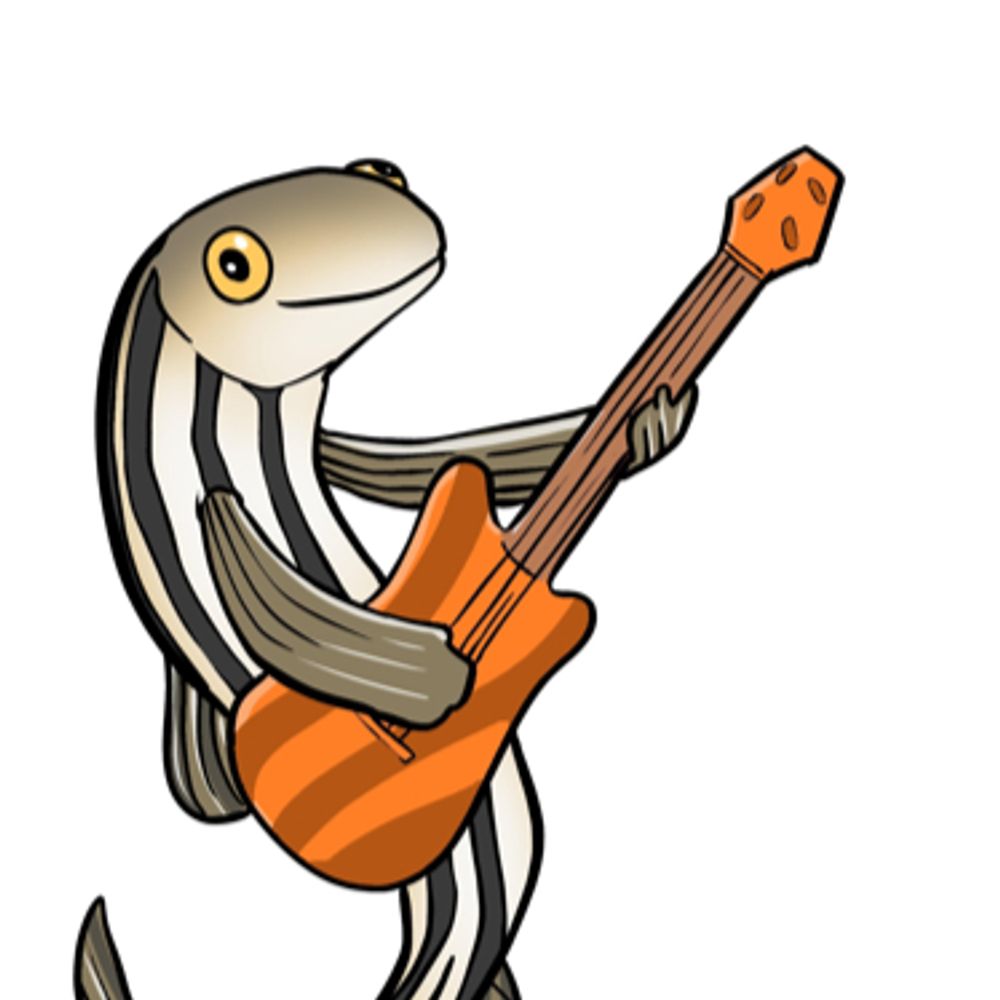
#ZebrafishZunday: Simultaneous tracking of 100 zebrafish larvae using open-source software. Credit to FastTrack (www.fasttrack.sh). 🧪
June 15, 2025 at 8:10 AM
#ZebrafishZunday: Simultaneous tracking of 100 zebrafish larvae using open-source software. Credit to FastTrack (www.fasttrack.sh). 🧪
Reposted by Nuevas Ciencias
Tumors evade T-cells using mitochondrial transfer; 1 study finds mtDNA mutations in TILs! Discover detailed mechanisms in the microenvironment. #CancerResearch PMID:39843734, Nature 2025, @Nature https://doi.org/10.1038/s41586-024-08439-0 #Medsky #Pharmsky #RNA #ASHG #ESHG 🧪
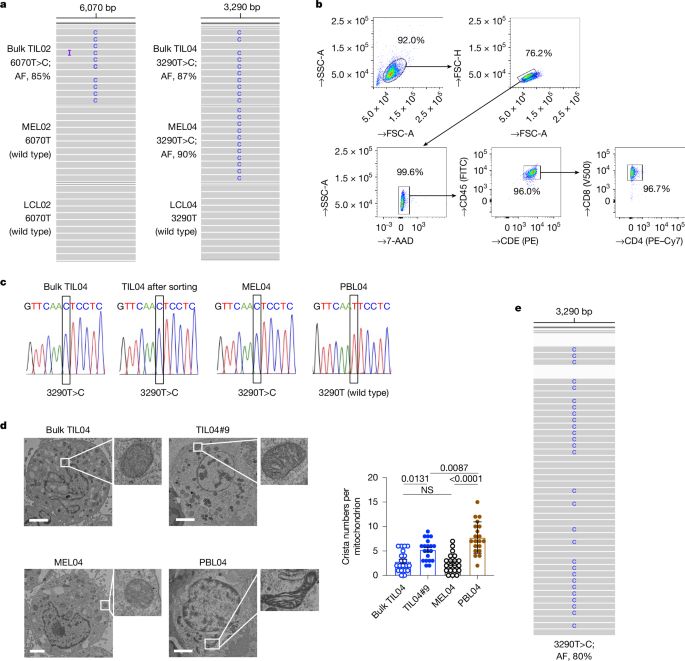
Immune evasion through mitochondrial transfer in the tumour microenvironment | Nature
Cancer cells in the tumour microenvironment use various mechanisms to evade the immune system, particularly T cell attack1. For example, metabolic reprogramming in the tumour microenvironment and mitochondrial dysfunction in tumour-infiltrating lymphocytes (TILs) impair antitumour immune responses2–4. However, detailed mechanisms of such processes remain unclear. Here we analyse clinical specimens and identify mitochondrial DNA (mtDNA) mutations in TILs that are shared with cancer cells. Moreover, mitochondria with mtDNA mutations from cancer cells are able to transfer to TILs. Typically, mitochondria in TILs readily undergo mitophagy through reactive oxygen species. However, mitochondria transferred from cancer cells do not undergo mitophagy, which we find is due to mitophagy-inhibitory molecules. These molecules attach to mitochondria and together are transferred to TILs, which results in homoplasmic replacement. T cells that acquire mtDNA mutations from cancer cells exhibit metaboli
doi.org
April 8, 2025 at 6:20 AM
Tumors evade T-cells using mitochondrial transfer; 1 study finds mtDNA mutations in TILs! Discover detailed mechanisms in the microenvironment. #CancerResearch PMID:39843734, Nature 2025, @Nature https://doi.org/10.1038/s41586-024-08439-0 #Medsky #Pharmsky #RNA #ASHG #ESHG 🧪