




Naturkon Gipuzkoa
@naturkon.bsky.social
Gipuzkoako Elkarte Ekologista eta Naturazaleak

Reposted by Naturkon Gipuzkoa

Beltxarga oihularia, gero eta gertuago eta arruntagoa Euskal Herrian.
Eskandinaviako populazioak urteak daramatza hedatzen, eta. Alemaniaren ondoren, dagoeneko Frantzian ere hasia da ugaltzen.
www.ornithomedia.com/breves/le-cy...
Eskandinaviako populazioak urteak daramatza hedatzen, eta. Alemaniaren ondoren, dagoeneko Frantzian ere hasia da ugaltzen.
www.ornithomedia.com/breves/le-cy...

Le Cygne chanteur poursuit sa progression en Europe | Ornithomedia.com
L'explosion des populations scandinaves se poursuit, et l'espèce continue sa progression vers le Sud : en Allemagne, le nombre de couples a par exemple doublé entre 2016 et 2022.
www.ornithomedia.com
December 20, 2025 at 12:58 PM
Beltxarga oihularia, gero eta gertuago eta arruntagoa Euskal Herrian.
Eskandinaviako populazioak urteak daramatza hedatzen, eta. Alemaniaren ondoren, dagoeneko Frantzian ere hasia da ugaltzen.
www.ornithomedia.com/breves/le-cy...
Eskandinaviako populazioak urteak daramatza hedatzen, eta. Alemaniaren ondoren, dagoeneko Frantzian ere hasia da ugaltzen.
www.ornithomedia.com/breves/le-cy...
Reposted by Naturkon Gipuzkoa
Reposted by Naturkon Gipuzkoa

Kakapo, the world's only flightless parrot, has enjoyed its most productive breeding season since 1977:

Best breeding season for Kakapo since 1977
New data from New Zealand’s conservation authorities show one of the world’s rarest parrots, Kakapo, has produced a record number of chicks in 2025-26 – its best season since 1977 and a major conservation success story.
bit.ly
December 11, 2025 at 9:57 AM
Kakapo, the world's only flightless parrot, has enjoyed its most productive breeding season since 1977:
Reposted by Naturkon Gipuzkoa
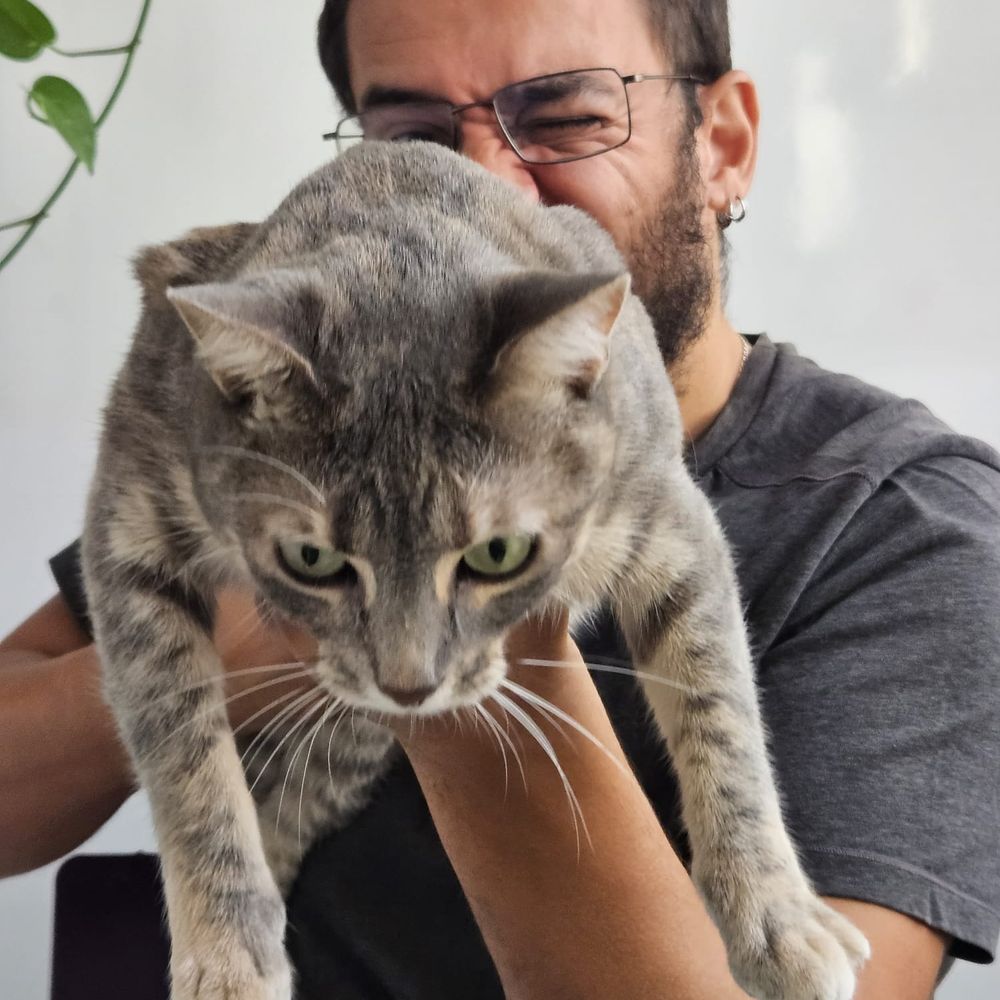
Lo de la plaga de cigüeñas ya tiene delito pero es que lo ilustran con una cigüeña asiática!!! En el old twitter lo hariamos viral...


December 11, 2025 at 9:44 AM
Lo de la plaga de cigüeñas ya tiene delito pero es que lo ilustran con una cigüeña asiática!!! En el old twitter lo hariamos viral...
Reposted by Naturkon Gipuzkoa

Where to now?!
A number of seabirds covered by the SMP are migratory, spending the winter away from the UK.
Storm Petrels are a great example, wintering off the coast of southern Africa in the South Atlantic and Indian Oceans! #seabirds @btobirds.bsky.social @jncc.bsky.social @rspb.bsky.social
A number of seabirds covered by the SMP are migratory, spending the winter away from the UK.
Storm Petrels are a great example, wintering off the coast of southern Africa in the South Atlantic and Indian Oceans! #seabirds @btobirds.bsky.social @jncc.bsky.social @rspb.bsky.social

December 11, 2025 at 11:49 AM
Where to now?!
A number of seabirds covered by the SMP are migratory, spending the winter away from the UK.
Storm Petrels are a great example, wintering off the coast of southern Africa in the South Atlantic and Indian Oceans! #seabirds @btobirds.bsky.social @jncc.bsky.social @rspb.bsky.social
A number of seabirds covered by the SMP are migratory, spending the winter away from the UK.
Storm Petrels are a great example, wintering off the coast of southern Africa in the South Atlantic and Indian Oceans! #seabirds @btobirds.bsky.social @jncc.bsky.social @rspb.bsky.social
Reposted by Naturkon Gipuzkoa
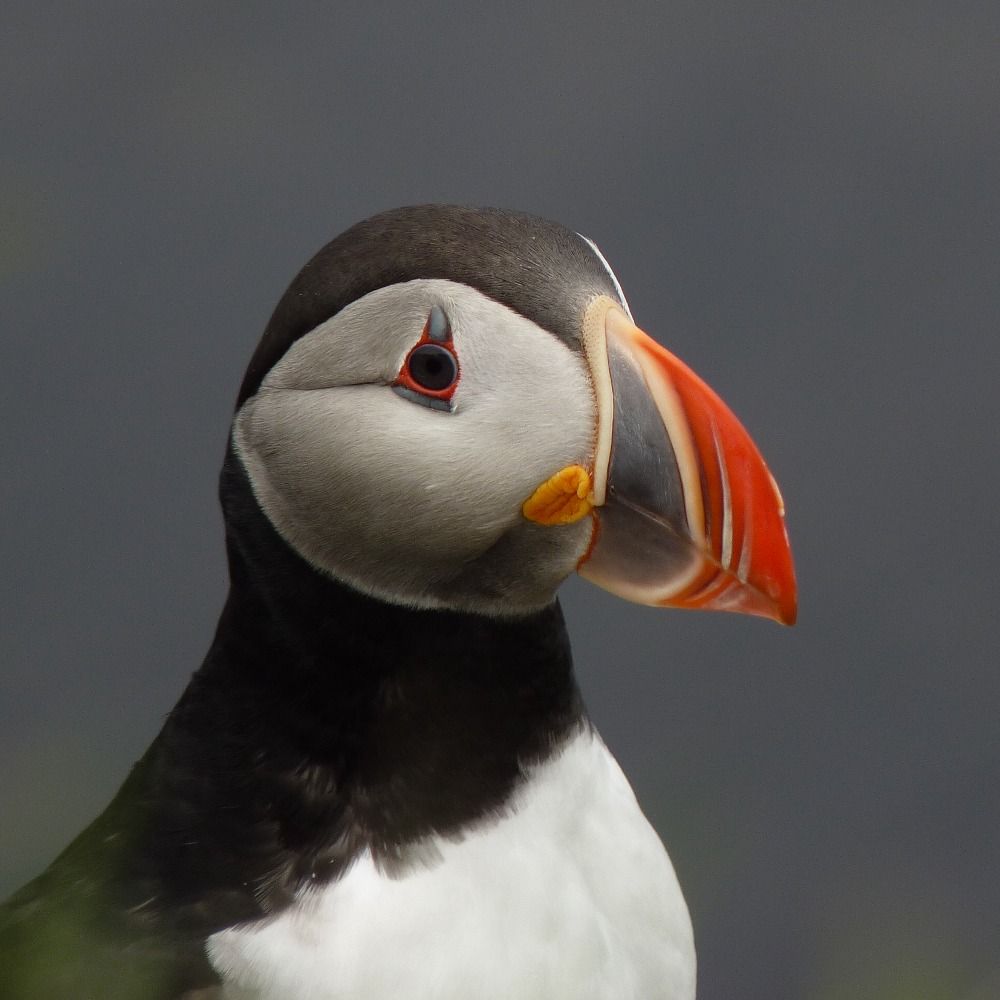
New large-scale study based on SEAPOP data shows that #ocean #warming threatens #seabirds in the North Atlantic
@ninanatureresearch.bsky.social
@ninanatureresearch.bsky.social

Ocean warming threatens seabirds in the North Atlantic
Climate change is causing ocean warming, acidification and loss of sea ice. This, in turn, is leading to shifting biogeographic distribution and in some cases species extinction.
seapop.no
December 11, 2025 at 11:27 AM
New large-scale study based on SEAPOP data shows that #ocean #warming threatens #seabirds in the North Atlantic
@ninanatureresearch.bsky.social
@ninanatureresearch.bsky.social
Reposted by Naturkon Gipuzkoa

The Agriculture and Fisheries Council @consilium.europa.eu will probably decide these days the extension of current (poor, useless) restrictions to eel exploitation.
In the 5th year of zero-catch advice, @ec.europa.eu (may) insist on refusing to protect the eel
theconversation.com/eels-have-fa...
In the 5th year of zero-catch advice, @ec.europa.eu (may) insist on refusing to protect the eel
theconversation.com/eels-have-fa...

Eels have fascinated us for ages - now we need to stop eating them
No one would think of eating an endangered animal like the Iberian lynx. So why do we still eat eels?
theconversation.com
December 11, 2025 at 1:40 PM
The Agriculture and Fisheries Council @consilium.europa.eu will probably decide these days the extension of current (poor, useless) restrictions to eel exploitation.
In the 5th year of zero-catch advice, @ec.europa.eu (may) insist on refusing to protect the eel
theconversation.com/eels-have-fa...
In the 5th year of zero-catch advice, @ec.europa.eu (may) insist on refusing to protect the eel
theconversation.com/eels-have-fa...
Reposted by Naturkon Gipuzkoa
XVII SECEM congress, Évora
We used estimates of cat numbers and factors affecting their per capita predation rate to show that cats living or allowed to roam outdoors in Spain kill at least 500 000 000 animals per year
Huge numbers
@ebdonana.bsky.social
@secem-sicem.bsky.social
We used estimates of cat numbers and factors affecting their per capita predation rate to show that cats living or allowed to roam outdoors in Spain kill at least 500 000 000 animals per year
Huge numbers
@ebdonana.bsky.social
@secem-sicem.bsky.social


December 8, 2025 at 6:03 PM
XVII SECEM congress, Évora
We used estimates of cat numbers and factors affecting their per capita predation rate to show that cats living or allowed to roam outdoors in Spain kill at least 500 000 000 animals per year
Huge numbers
@ebdonana.bsky.social
@secem-sicem.bsky.social
We used estimates of cat numbers and factors affecting their per capita predation rate to show that cats living or allowed to roam outdoors in Spain kill at least 500 000 000 animals per year
Huge numbers
@ebdonana.bsky.social
@secem-sicem.bsky.social
Reposted by Naturkon Gipuzkoa

Article about melanistic fungi in #Chornobyl @bbcnews-world-rss.bsky.social including a comment about our study with dark frogs (@universidadoviedo.bsky.social @ebdonana.bsky.social )
bbc.com/future/artic...
bbc.com/future/artic...

December 2, 2025 at 7:59 AM
Article about melanistic fungi in #Chornobyl @bbcnews-world-rss.bsky.social including a comment about our study with dark frogs (@universidadoviedo.bsky.social @ebdonana.bsky.social )
bbc.com/future/artic...
bbc.com/future/artic...
Reposted by Naturkon Gipuzkoa
Reposted by Naturkon Gipuzkoa

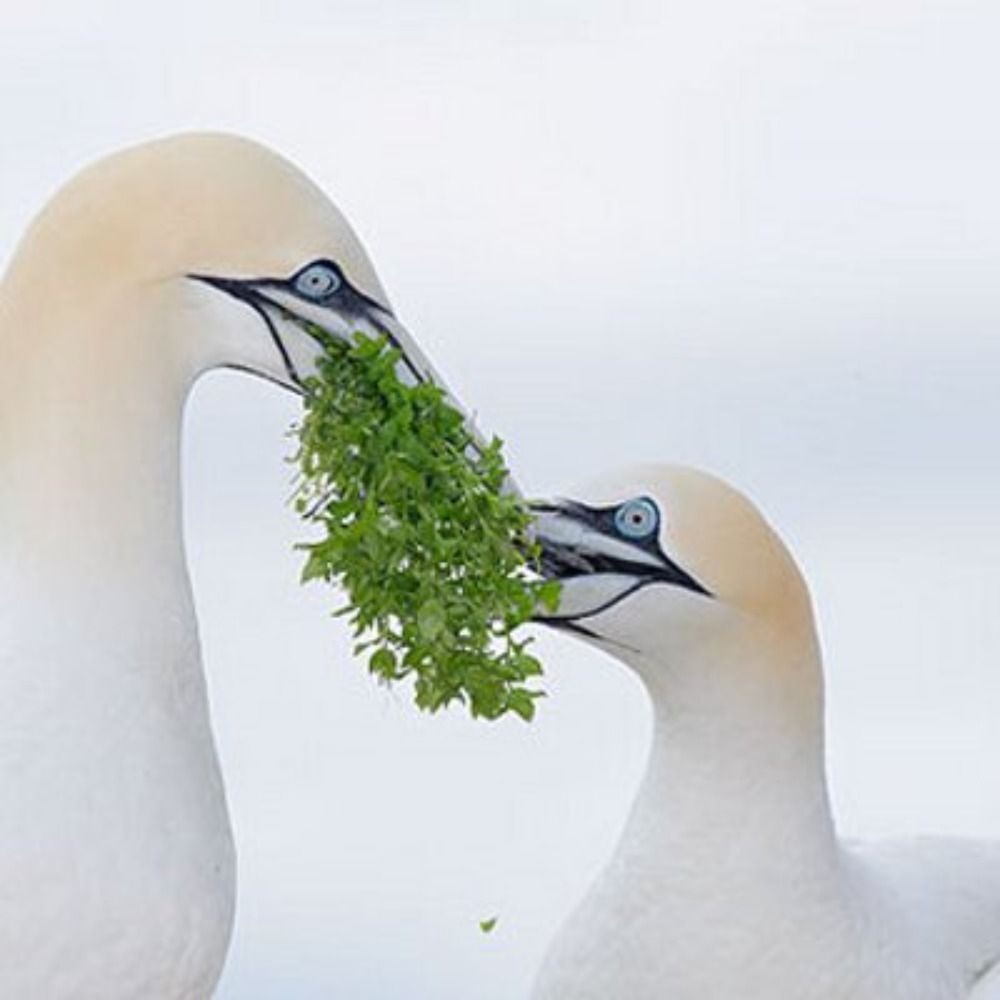
🔴 En la 20ª reunión de CITES, se debate el futuro de las anguilas.
El investigador Miguel Clavero de la @ebdonana.bsky.social recomienda que las especies más amenazadas, como la anguila europea, deberían pasar al Apéndice I para prohibir su comercio internacional.
👉 www.ebd.csic.es/divulgacion/...
El investigador Miguel Clavero de la @ebdonana.bsky.social recomienda que las especies más amenazadas, como la anguila europea, deberían pasar al Apéndice I para prohibir su comercio internacional.
👉 www.ebd.csic.es/divulgacion/...

November 26, 2025 at 11:58 AM
🔴 En la 20ª reunión de CITES, se debate el futuro de las anguilas.
El investigador Miguel Clavero de la @ebdonana.bsky.social recomienda que las especies más amenazadas, como la anguila europea, deberían pasar al Apéndice I para prohibir su comercio internacional.
👉 www.ebd.csic.es/divulgacion/...
El investigador Miguel Clavero de la @ebdonana.bsky.social recomienda que las especies más amenazadas, como la anguila europea, deberían pasar al Apéndice I para prohibir su comercio internacional.
👉 www.ebd.csic.es/divulgacion/...
Reposted by Naturkon Gipuzkoa

Happy to see our new paper in @globalchangebio.bsky.social, led by @canobarbacil.bsky.social, on long-term trends in coastal bird communities across 3 European seas. Bird abundance and diversity have increased over time, thanks to the role of protected areas. onlinelibrary.wiley.com/doi/10.1111/...

November 26, 2025 at 7:25 PM
Happy to see our new paper in @globalchangebio.bsky.social, led by @canobarbacil.bsky.social, on long-term trends in coastal bird communities across 3 European seas. Bird abundance and diversity have increased over time, thanks to the role of protected areas. onlinelibrary.wiley.com/doi/10.1111/...
Reposted by Naturkon Gipuzkoa
La CoP de CITES discute en Samarcanda incluir todas las especies de /Anguilla/ en su apéndice II. Siendo una mejora de la pobre protección que da CITES a las anguilas, la propuesta es insuficiente
Al menos 4 spp deberían ir al apéndice I
@ebdonana.bsky.social
LINK: www.ebd.csic.es/divulgacion/...
Al menos 4 spp deberían ir al apéndice I
@ebdonana.bsky.social
LINK: www.ebd.csic.es/divulgacion/...

November 26, 2025 at 2:07 PM
La CoP de CITES discute en Samarcanda incluir todas las especies de /Anguilla/ en su apéndice II. Siendo una mejora de la pobre protección que da CITES a las anguilas, la propuesta es insuficiente
Al menos 4 spp deberían ir al apéndice I
@ebdonana.bsky.social
LINK: www.ebd.csic.es/divulgacion/...
Al menos 4 spp deberían ir al apéndice I
@ebdonana.bsky.social
LINK: www.ebd.csic.es/divulgacion/...
Reposted by Naturkon Gipuzkoa
Nueva Zelanda - Aotearoa tiene unos 2,5 millones de gatos asilvestrados. En 2026 incluirá al gato en la lista de depredadores que tratará de haber erradicado por completo para 2050
Canarias necesita algo así
@miteco.gob.es
www.theguardian.com/world/2025/n...
Canarias necesita algo así
@miteco.gob.es
www.theguardian.com/world/2025/n...

‘Stone-cold killers’: New Zealand to eradicate feral cats by 2050
Feral cats are already caught and killed in some areas but will now be subject to coordinated targeting, with large-scale eradication programs
www.theguardian.com
November 25, 2025 at 6:36 AM
Nueva Zelanda - Aotearoa tiene unos 2,5 millones de gatos asilvestrados. En 2026 incluirá al gato en la lista de depredadores que tratará de haber erradicado por completo para 2050
Canarias necesita algo así
@miteco.gob.es
www.theguardian.com/world/2025/n...
Canarias necesita algo así
@miteco.gob.es
www.theguardian.com/world/2025/n...
Científicos de la U. de Maryland han descubierto un aumento dramático en las infecciones felinas. Se trata del resultado de una revisión global de 20 años de datos. Los investigadores piden una mayor vigilancia de la gripe aviar en los gatos domésticos.
www.animalshealth.es/mascotas/aum...
www.animalshealth.es/mascotas/aum...

El aumento de casos de gripe aviar en gatos genera preocupación por la propagación a humanos
Los científicos de la Universidad de Maryland piden una mayor vigilancia de la gripe aviar en los gatos domésticos después de una revisión global de 20 año...
www.animalshealth.es
November 18, 2025 at 1:35 PM
Científicos de la U. de Maryland han descubierto un aumento dramático en las infecciones felinas. Se trata del resultado de una revisión global de 20 años de datos. Los investigadores piden una mayor vigilancia de la gripe aviar en los gatos domésticos.
www.animalshealth.es/mascotas/aum...
www.animalshealth.es/mascotas/aum...
Reposted by Naturkon Gipuzkoa
migraciones de alcaudones dorsirrojos. Muy curioso como modulan lo que vuelan cada día según lo largas que son las etapas hasta el siguiente descanso

The structure of the annual migratory flight activity in a songbird | royalsocietypublishi... | Proceedings of the Royal Society B | #ornithology 🪶

October 16, 2025 at 11:14 AM
migraciones de alcaudones dorsirrojos. Muy curioso como modulan lo que vuelan cada día según lo largas que son las etapas hasta el siguiente descanso
Reposted by Naturkon Gipuzkoa

Hear from BTO's Chris Hewson about Nightingales in this article on #BirdMigration, and discover the incredible journey this species takes, along with the fascinating migrations of Bewick's Swans and Desertas Petrels! #Ornithology

Bird migration is changing. What does this reveal about our planet? – visualised

Bird migration is changing. What does this reveal about our planet? – visualised
Bird migrations rank as one of nature’s greatest spectacles. Thanks to GPS tracking, scientists are uncovering extraordinary insights into ancient and mysterious journeys – and new threats that are reshaping them.
www.theguardian.com
October 16, 2025 at 11:24 AM
Hear from BTO's Chris Hewson about Nightingales in this article on #BirdMigration, and discover the incredible journey this species takes, along with the fascinating migrations of Bewick's Swans and Desertas Petrels! #Ornithology
Reposted by Naturkon Gipuzkoa

Want to see our conservation scientists in action?
Join them on an expedition to North Rona and the Flannan Isles where this summer they were surveying Leach's Petrel populations 🧪🌍🪶
Watch the film here:
www.youtube.com/watch?v=lEQm...
Join them on an expedition to North Rona and the Flannan Isles where this summer they were surveying Leach's Petrel populations 🧪🌍🪶
Watch the film here:
www.youtube.com/watch?v=lEQm...

Take a wild journey to remote Scottish islands with an RSPB team searching for a remarkable seabird
YouTube video by RSPB
www.youtube.com
October 16, 2025 at 8:10 AM
Want to see our conservation scientists in action?
Join them on an expedition to North Rona and the Flannan Isles where this summer they were surveying Leach's Petrel populations 🧪🌍🪶
Watch the film here:
www.youtube.com/watch?v=lEQm...
Join them on an expedition to North Rona and the Flannan Isles where this summer they were surveying Leach's Petrel populations 🧪🌍🪶
Watch the film here:
www.youtube.com/watch?v=lEQm...
Reposted by Naturkon Gipuzkoa

Our new article reveals persistent parrot poaching in Costa Rica, despite the country's exemplary environmental protection.
onlinelibrary.wiley.com/doi/10.1111/...
#wildlifetrade #parrots @ebdonana.bsky.social @consbiog.bsky.social
onlinelibrary.wiley.com/doi/10.1111/...
#wildlifetrade #parrots @ebdonana.bsky.social @consbiog.bsky.social

Habitat Protection Alone Is Insufficient: Costa Rican Parrots Thrive in Altered Landscapes but Remain Vulnerable to Poaching
Aim Human population growth and resource overexploitation have induced major changes in global biodiversity. Costa Rica, with 26% of its land area protected, is often cited as a model of environment...
onlinelibrary.wiley.com
October 16, 2025 at 12:48 PM
Our new article reveals persistent parrot poaching in Costa Rica, despite the country's exemplary environmental protection.
onlinelibrary.wiley.com/doi/10.1111/...
#wildlifetrade #parrots @ebdonana.bsky.social @consbiog.bsky.social
onlinelibrary.wiley.com/doi/10.1111/...
#wildlifetrade #parrots @ebdonana.bsky.social @consbiog.bsky.social
Reposted by Naturkon Gipuzkoa
El comercio ilegal agrava los desafíos de conservación de los loros en Costa Rica, ya en grave riesgo por la pérdida de hábitat www.lavanguardia.com/sociedad/202...

El comercio ilegal agrava los desafíos de conservación de los loros en Costa Rica, ya en grave riesgo por la pérdida de hábitat
MADRID, 16 (SERVIMEDIA) Un estudio liderado por la Estación Biológica de Doñana del Consejo Superior de Investigaciones Científicas (EBD-CSIC) revela que el comercio ileg...
www.lavanguardia.com
October 16, 2025 at 1:42 PM
El comercio ilegal agrava los desafíos de conservación de los loros en Costa Rica, ya en grave riesgo por la pérdida de hábitat www.lavanguardia.com/sociedad/202...
Reposted by Naturkon Gipuzkoa
📢 Un estudio de la @ebdonana.bsky.social revela la magnitud del comercio ilegal de loros en Costa Rica.
Se encontraron loros silvestres mantenidos ilegalmente como mascotas en el 87% de las localidades visitadas y el 80% de los hogares.
🔗 www.ebd.csic.es/divulgacion/...
📃 doi.org/10.1111/ddi....
Se encontraron loros silvestres mantenidos ilegalmente como mascotas en el 87% de las localidades visitadas y el 80% de los hogares.
🔗 www.ebd.csic.es/divulgacion/...
📃 doi.org/10.1111/ddi....

October 16, 2025 at 10:43 AM
📢 Un estudio de la @ebdonana.bsky.social revela la magnitud del comercio ilegal de loros en Costa Rica.
Se encontraron loros silvestres mantenidos ilegalmente como mascotas en el 87% de las localidades visitadas y el 80% de los hogares.
🔗 www.ebd.csic.es/divulgacion/...
📃 doi.org/10.1111/ddi....
Se encontraron loros silvestres mantenidos ilegalmente como mascotas en el 87% de las localidades visitadas y el 80% de los hogares.
🔗 www.ebd.csic.es/divulgacion/...
📃 doi.org/10.1111/ddi....
Reposted by Naturkon Gipuzkoa
¿Cómo se encuentra actualmente la investigación y gestión de especies exóticas invasoras (EEI) en España? Lejos de mitigarse, el problema de las EEI no deja de agravarse. Castro-Díez et al. analizan en profundidad los avances realizados en España en este ámbito durante la última década.

October 16, 2025 at 10:45 AM
¿Cómo se encuentra actualmente la investigación y gestión de especies exóticas invasoras (EEI) en España? Lejos de mitigarse, el problema de las EEI no deja de agravarse. Castro-Díez et al. analizan en profundidad los avances realizados en España en este ámbito durante la última década.
Reposted by Naturkon Gipuzkoa
"As forests are cut down, butterflies are losing their colours"
With amazing photos by @rgarciaroa.bsky.social, as always, also part of the research team.
www.theguardian.com/environment/...
With amazing photos by @rgarciaroa.bsky.social, as always, also part of the research team.
www.theguardian.com/environment/...

As forests are cut down, butterflies are losing their colours
The insects’ brilliant hues evolved in lush ecosystems to help them survive. Now they are becoming more muted to adapt to degraded landscapes – and they are not the only things dulling down
www.theguardian.com
October 6, 2025 at 5:30 PM
"As forests are cut down, butterflies are losing their colours"
With amazing photos by @rgarciaroa.bsky.social, as always, also part of the research team.
www.theguardian.com/environment/...
With amazing photos by @rgarciaroa.bsky.social, as always, also part of the research team.
www.theguardian.com/environment/...
Reposted by Naturkon Gipuzkoa
"Es que los gatos llevan milenios con nosotros"
Si, y su impacto sobre la fauna se ha sabido siempre
Si, y su impacto sobre la fauna se ha sabido siempre


September 25, 2025 at 6:09 AM
"Es que los gatos llevan milenios con nosotros"
Si, y su impacto sobre la fauna se ha sabido siempre
Si, y su impacto sobre la fauna se ha sabido siempre